Floral Trends – The Latest in Wedding Bouquets and Floral Decor for 2025
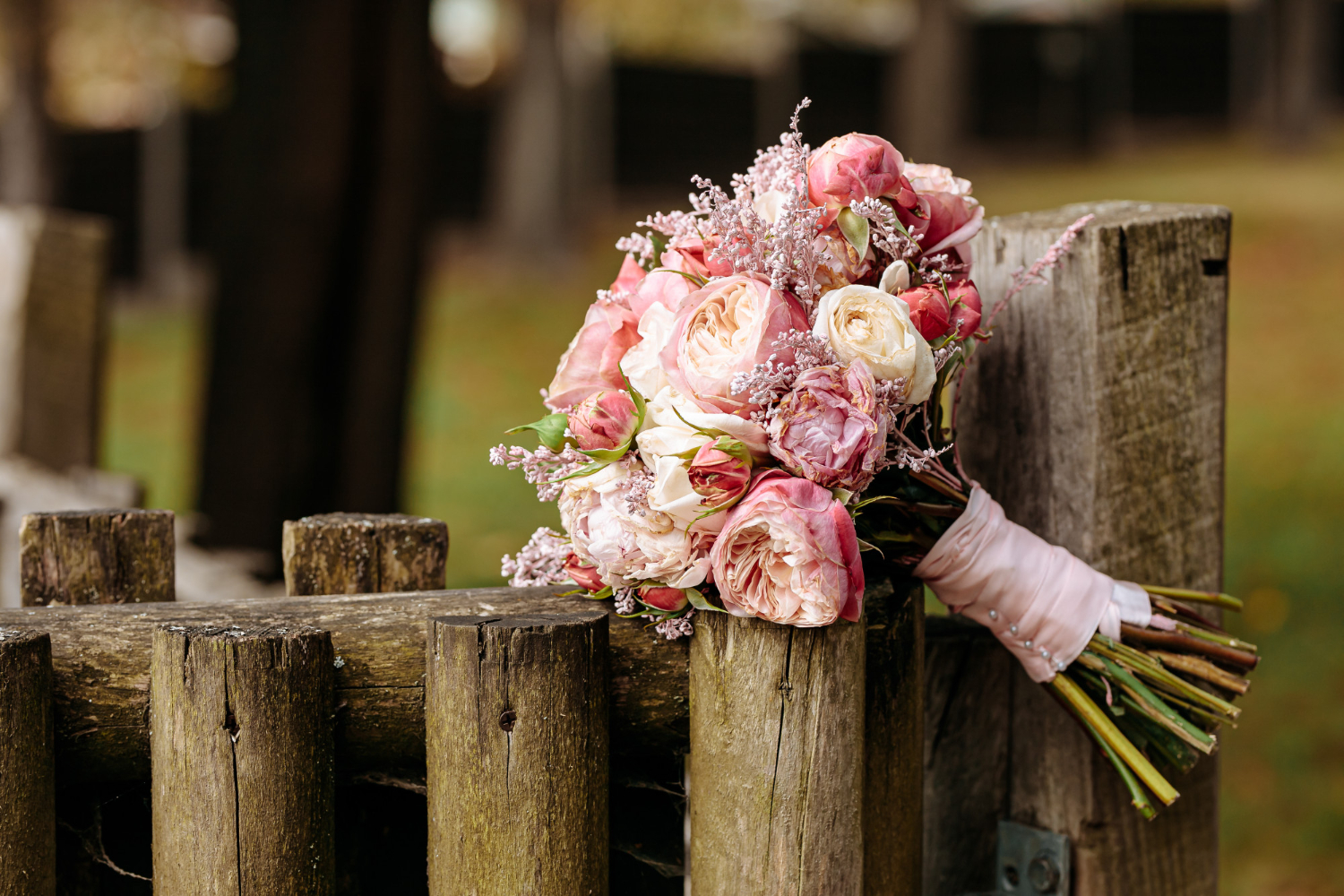
A look at floral trends for 2025
Flowers have always played a leading role in wedding decor – they set the atmosphere, emphasize the style of the celebration, and delight guests. However, each new season brings fresh ideas and directions that brides, grooms, and florists follow. The 2025 floral trends promise to be particularly exciting, combining a return to nature with bold color accents. If you are planning a wedding in 2025 or are simply interested in wedding floristry, this guide is for you. We present the latest inspirations – from bridal bouquets to spectacular floral decorations for the wedding reception. You will learn which flowers and arrangements will be in style, how to match them to your own style, and how to plan the floral setting of your dreams without breaking the budget. Let's dive into the world of 2025 floral trends!
Naturalness and ecology above all
In 2025, one of the strongest directions in wedding floristry is a return to nature and a focus on ecology. Couples are increasingly choosing eco-friendly decorations – opting for local seasonal flower species, avoiding plastic accessories, and using environmentally friendly materials. Arrangements that use potted plants, moss, and even trees that can be planted in the garden after the wedding as a lasting memento are gaining popularity. The "zero waste" trend is also permeating floristry: florists are trying to reduce waste (e.g., by using biodegradable floral foam or ditching foam entirely in favor of techniques like wire mesh or kenzan), and flowers from decorations after the wedding are often passed on – to hospices or given to guests to extend their life. Naturalness is also reflected in the style of the compositions: less formal bouquets that look like they were picked straight from a meadow fit the ecological spirit of the times. This turn towards nature is not just a fashion, but an expression of a conscious approach to organizing a wedding in harmony with the surroundings.

Gaja No. 2 Wedding Invitation – Sage Green with Letterpress Embossing

Glamour Wedding Invitation with Gilded Branch and Velvet Paper – Ruskus No. 14

Kraft Wedding Invitation No. 12 – Forest Style with Pine Forest Graphic
Trendy flower species in 2025 – from dried flowers to classic roses
Table of contents
- A look at floral trends for 2025
- Trendy flower species in 2025 – from dried flowers to classic roses
- 2025 Wedding bouquet styles – irregular boho vs. minimalist chic
- Reception and ceremony decor – installations, garlands, and floral walls
- How to choose a florist and plan decor according to the season and budget
Pampas grass and dried grasses are still on top
Pampas grass and other dried plants have taken wedding trends by storm in recent seasons, and there are many indications that they will remain on the podium in 2025 as well. A boho, rustic, or industrial wedding can hardly do without fluffy pampas grass plumes, delicate lagurus (so-called bunny tails), or exotic dried palm leaves that add texture to arrangements. Dried compositions are valued not only for their striking, somewhat nostalgic look but also for their durability – they will last through the entire ceremony and even longer, becoming a beautiful keepsake. Couples are eager to use dried flowers in ceremony decor (e.g., boho wedding arches with grasses) and in reception decor – bouquets of dried flowers placed in bottles or jars fit perfectly into a natural atmosphere. A novelty is combining dried plants with fresh flowers. Such a mix provides an interesting contrast of textures – soft, grassy elements next to delicate rose or tulip petals. For example, you can add a few fresh roses in matching colors to a bouquet of dried grasses, which will enliven the entire composition and introduce a note of classic elegance. Dried flower decorations harmonize wonderfully with neutral colors (beiges, whites, muted greens), but they also appear in colored versions – dried grasses dyed in shades of pink or gold allow them to be matched to less muted color palettes. In short, pampas and company are not going anywhere – they will continue to reign in trends, especially since they fit the fashion for naturalness and zero waste (they can, after all, be reused for another occasion).

Glamour Wedding Place Cards with Pearls – Pearls No. 1 White

Lauren No. 3 Wedding Place Cards – Classic Calligraphy Name Cards

Minimalist Wedding Place Cards – Glare No. 1 with Embossed Border
The return of roses and peonies
Alongside new developments in wedding floristry, there is also a great return of classics. Roses and peonies – flowers considered symbols of romance and elegance – will be highly sought after again in 2025. For several seasons, eustomas, succulents, or wild field flowers played the lead role, but now brides are rediscovering the charm of traditional roses and full, fragrant peonies. The rose is a timeless choice, but it too is subject to trends: English garden rose varieties are becoming fashionable, with larger flowers and an intense fragrance, giving bouquets a vintage style. Peonies, available mainly in late spring and summer, introduce extraordinary volume and softness to compositions thanks to their fluffy petals. In 2025, we will see peonies not only in romantic boho bouquets but also in modern arrangements – e.g., as the only species in a minimalist mono-flower bouquet, which is very chic. The "return to classics" trend also involves combining these traditional flowers with unusual additions for a break in style. For example, a bouquet of white roses can be complemented with dried grasses and brunia, creating an interesting mix of old and new. This does not change the fact that roses and peonies themselves are so expressive that they often play the main role without any additions. For brides dreaming of an atmosphere straight from a secret garden or a classic movie – these flowers are a bullseye.

Simple No. 3 Soy Candle – Gold Foiling & Elegant Wedding Favours

Golden Fortune Cookies with Personalized Label | Affordable Wedding Favours | Cejla No. 3

Merci Favour with White Flowers, Green Leaves | Elegant Guest Gifts | Impresja No. 10
Exotic and original accents
Another trend is reaching for exotic and less obvious species that add originality to arrangements. Couples looking for a "wow" effect are increasingly asking florists to weave flowers such as protea or anthurium into bouquets. The king protea with its large, intriguing inflorescence has become a hit especially in boho and rustic bouquets, giving them a slightly wild, African character. Anthurium, on the other hand, once associated mainly with our grandmothers' potted plants, is returning in great style as an element of modern compositions – its smooth, shiny heart-shaped petals fit perfectly into minimalist and artistic bouquets. Orchids are also an interesting exotic accent, e.g., branches of white phalaenopsis, adding a luxurious touch and lightness to a wedding bouquet at the same time. In reception decor, you can find palms, monsteras, or banana leaves as a background for flowers, which introduces a tropical climate. Courage in choosing plants is also manifested in introducing unusual elements, such as sunflower flowers at an elegant wedding (why not, after all, it is an expressive symbol of summer!), or decorative artichokes and fruits in table compositions. In 2025, the keyword here is unconventionality – every original addition that reflects the couple's taste and catches the eye is welcome.
Seasonal and local flowers with character
The eco trend and love for authenticity make seasonal and locally grown flowers return to favor. Planning a wedding in accordance with the calendar of nature brings many benefits: seasonal flowers are more readily available, more durable in a given period, and often more budget-friendly. Couples organizing a wedding in the spring of 2025 can choose from the treasures of this season – from fragrant lilacs and lilies of the valley to colorful tulips, daffodils, or delicate anemones. In summer bouquets, field and garden flowers will reign: mallows, dahlias, delphiniums, sunflowers, or cornflowers will give arrangements a rustic, homely charm. Autumn will bring a wealth of colors and forms – asters, heather, ranunculus, and multi-colored dahlias will perfectly reflect the atmosphere of Indian summer, and additions in the form of grain ears, rowan, or dry leaves will emphasize the autumn character of the decor. Winter, on the other hand, although more modest in natural flowers, tempts with elegance: in December bouquets, amaryllis, hellebore (so-called Christmas rose), or even poinsettia will appear, accompanied by spruce branches, pinecones, and cotton to create a cozy atmosphere. Using local crops makes the decorations more ecological – flowers do not have to travel thousands of kilometers to get to our wedding. Moreover, seasonal compositions harmonize better with the surroundings: in summer they match the fullness of greenery, and in winter with the snowy landscape. We cannot forget about cut greenery – eucalyptus, ruscus, or fern leaves are available for most of the year and are a perfect complement to bouquets, adding volume and structure to them. The trend for seasonality is, in fact, a return to the roots of floristry – using what is currently blooming around us and enjoying the natural beauty of each season.

Flores No. 1 Soy Candle in Gypsum – Gilded Wedding Favour

Delize No. 1 Soy Candle – Forest Motif Wedding Favours

Flores No. 2 Soy Candle in Gypsum – Burgundy Flowers Wedding Favour
2025 Wedding bouquet styles – irregular boho vs. minimalist chic
Loose boho compositions and "wild garden"
In 2025 wedding bouquet trends, the fashion for loose, irregular compositions in the boho style, often described as a "wild garden" style bouquet, is definitely continuing. Such a bouquet gives the impression as if the flowers were collected straight from a meadow or a home garden – although in reality, a skilled florist's hand is behind it. It is characterized by a free form: instead of a compact ball, the flowers are arranged asymmetrically, some stems are longer and stick out beyond the bouquet, others shorter create a base. In boho bouquets, different species often mix – roses next to field daisies, eucalyptus and olive intertwine with ears of grass, and the whole is tied with a long, silk ribbon fluttering in the wind. Asymmetry and lightness give such a bouquet an artistic character. It is very popular to add dry elements (like pampas, lagurus) to fresh flowers, which further emphasizes the informal boho style. The color scheme is often muted – pastels, greens, creams – but it can just as well go towards bolder combinations if the couple likes colors. Such a "wild" bouquet fits perfectly with lace vintage-style dresses, airy boho gowns, flower crowns, and outdoor weddings. In 2025, this will still be the number one choice for brides who value naturalness and freedom.

Glamour Wedding Place Cards No. 1 – Satin Name Cards with White Print

Cappuccino Wedding Place Cards No. 1 – Satin Ribbon Table Name Cards

Rose Bow Wedding Place Cards No. 1 – Pink Satin Glass Ribbon Cards
Monochromatic elegance and minimalism
At the opposite pole of bouquet trends, we will find minimalist monochromatic bouquets. This is a proposal for brides who love modern simplicity and the wow effect achieved through the limitation of means of expression. A monochromatic bouquet can mean both a composition of one species of flowers and different flowers, but in the same color. For example, completely white wedding bouquets are very fashionable – a combination of roses, orchids, and calla lilies in various shades of white and ecru, complemented by delicate greenery or even without greenery, for a pure form. A bouquet of only red roses or only lavender hydrangeas is equally effective. Uniform coloring gives such a bouquet sophistication and modernity. Minimalism is also manifested in the size of the bouquet – more and more often one meets brides with quite small bouquets, consisting of a few perfect flowers instead of a huge armful. E.g., a wedding bouquet of only lilies of the valley (a favorite of crowned heads), a small bunch of white tulips tied with a satin ribbon, or a single protea held instead of a traditional bouquet – these are all examples of less obvious but very chic solutions. Monochromatic and minimalist bouquets fit perfectly with modern wedding stylizations: smooth dresses, wedding suits, or architectural spaces. Their charm lies in simplicity and quality – here every flower is exposed, and the whole delights with harmony.
Cascades, hoops, and other unusual forms
For brides wishing to move away from the classic form of a bouquet, there are many alternative solutions that are gaining popularity. A cascading bouquet, i.e., flowing down like a waterfall of flowers, is a trend returning from the past in a refreshed form. Once associated with 80s styles, today a cascading bouquet is created with modern taste – e.g., using orchids and vines instead of traditional greenery, which gives the effect of a subtle cascade. Such an arrangement looks extremely impressive, especially with a long dress with a simple cut, adding drama to the entire stylization. Another original form is a hoop bouquet – flowers attached to a round structure held like a wreath. This idea, popular among bridesmaids at boho weddings, is also sometimes chosen by brave brides wanting to surprise guests with an unusual accessory. More and more couples are also opting for very small bouquets or even a single flower, especially at intimate ceremonies or civil weddings. The trend for micro-bouquets fits into the "small is beautiful" philosophy – instead of a magnificent bouquet, the bride holds, for example, a single calla lily wrapped with a leaf and ribbon. Although this solution is modest, it can be extremely elegant and symbolic. In 2025, it is worth remembering that the form of the bouquet can be just as creative as the choice of flowers. From the shape of a fan, through geometric structures, to bag-bouquets resembling small purses – the possibilities are many. The most important thing is that the bouquet matches the bride's personality and the style of the entire event.
Golden Fortune Cookies with Personalized Label | Affordable Wedding Favours | Cejla No. 3

Fortune Cookies with Gold Foliage – Ruskus No. 2

Personalized Fortune Cookies, Light Grey | Original Wedding Favours | Cejla No. 7
Reception and ceremony decor – installations, garlands, and floral walls
Hanging floral installations
Decorations flowing from the ceiling or floating in the air are one of the most effective trends of recent years, which will gain even more popularity in 2025. Hanging floral installations – also called floral clouds or floral chandeliers – appear above the dance floor, above the newlyweds' table, or in the central point of the room, creating a breathtaking background for wedding fun. Such an installation can consist of hundreds of small flowers and sprigs of greenery suspended on lines, giving the illusion of a floral cloud floating above the guests' heads. It is popular to create voluminous compositions from baby's breath (so-called "clouds"), because its small white flowers look beautiful in mass and are quite light. Pampas grasses are also great for large, suspended decorations – their fluffy structure wonderfully fills the space. Also in trend are additional elements in such installations: interwoven small LED lights, crystals imitating dew drops, and even disco balls and ribbons, which add a pinch of madness to the whole. Hanging floral decorations do require solid assembly and often the involvement of the venue staff (to ensure the ceiling can withstand the load), but the effect is worth it. Guests feel as if they are partying in an enchanted garden. This trend also allows you to save space on tables – we move some of the flowers above our heads, which is practical for a larger number of guests and limited space.
Garlands and green paths
Another fashionable element of decor are garlands – long braids of flowers or greenery that can be used in many ways. Garlands of eucalyptus, ruscus, or ivy leaves intertwined with flowers are placed along tables instead of traditional bouquets, creating a natural-looking floral runner. This form of table decoration gives the impression as if plants were growing on it spontaneously, which fits into the organic trend. Garlands also work great as decorations for stair railings, the front of the head table, bars, or door frames. In outdoor ceremonies, we encounter garlands hung between trees or posts, creating picturesque festoons above the guests' heads. Alongside garlands, floral alleys marking the way to the altar are also popular. Instead of classic flower stands by the benches, it is fashionable to arrange compositions along both sides of the carpet or wedding path, so that the couple walks as if through a blooming garden. These can be rows of flowers in low containers, scattered rose petals, or bouquets placed every few steps creating a visual rhythm. Such a procedure incredibly raises the aesthetic values of the ceremony, especially in photos from above or from the perspective of the entering bride. Both garlands and floral paths fit into the idea of surrounding guests with nature – even being in a closed room, we feel closer to nature.

Personalized Wedding Welcome Sign with Two Photos – Photo Design No. 6

Elegant Wedding Welcome Sign with Black & White Photos – Photo Design No. 7

Rubin No. 5 Wedding Seating Plan – Purple Heather and Gold Motif
Floral walls and photo backgrounds
In the Instagram era and commemorative wedding photographs, floral walls and various types of decorative backgrounds, where guests can take pictures, have gained huge importance. This is nothing more than large surfaces covered with flowers or greenery, creating a spectacular backdrop. The most luxurious examples are walls entirely covered with fresh roses or hydrangeas – such a view really makes an impression and gives the reception a climate straight from a royal wedding. A more economical, but still effective version is a wall of green leaves (e.g., boxwood or fern) intertwined with individual flowers matching the wedding color scheme. Often, a neon sign with an inscription (e.g., "Better Together" or simply the couple's surname), a 3D wooden sign, or the newlyweds' initials are placed on such a wall. A photo wall becomes an attraction of the wedding – guests are happy to pose by it for commemorative shots, and the couple has a beautiful background for portrait photos. Besides dedicated walls, a decorative frame filled with flowers, a flower hoop set behind the ceremony place, or a curtain of hanging ribbons and flowers can also serve as a photographic background. In 2025, every wedding aspiring to be "Instagrammable" will likely have at least one standout photo spot, and floristry plays a key role here, because nothing looks as beautiful in a photograph as a living wall of flowers in full bloom.
Glamour Wedding Place Cards with Pearls – Pearls No. 1 White
Lauren No. 3 Wedding Place Cards – Classic Calligraphy Name Cards
Minimalist Wedding Place Cards – Glare No. 1 with Embossed Border
Floral decorations for the wedding ceremony
Wedding floristry is not just the reception, but also the setting of the wedding ceremony itself – whether in a church, registry office, or outdoors. In 2025, we will notice both minimalist ceremony decorations and spectacular floral altars. In the case of a church ceremony, many couples opt for subtle ornaments that will not overshadow the seriousness of the place: delicate bouquets by the benches (often of baby's breath or a single rose, tied with a ribbon), flowers at the foot of the altar, and possibly a garland or compositions on the kneelers. Using potted plants (e.g., standing olive trees or boxwood) instead of cut flowers in the church is becoming increasingly popular – after the wedding, they can be donated to the parish or taken home. At outdoor ceremonies, floral arches and pergolas reign supreme. A classic semicircular arch decorated with flowers and fabric takes on new versions – from asymmetrical compositions (when flowers decorate only one side or corner of the arch) to geometric structures, such as triangular teepees or a circle abundantly intertwined with plants. Another trend is two separate floral columns standing on both sides of the wedding place instead of a full arch – they look modern and light. Regardless of the form, flowers at the ceremony place create a magical atmosphere of the moment when the couple says "I do". Let's not forget about small elements, such as petals thrown by children walking before the bride or flowers pinned to guests' chairs – these details complete the whole. Many florists offer the service of moving decorations from the ceremony to the reception (e.g., moving the composition from the altar to the head table), which is a great way to save and reuse flowers during the party.
Floral details on tables and at place settings
Besides the main decorations, the atmosphere of the wedding is also determined by small floral details in places where guests sit. On tables, floral centerpieces will continue to reign, although their forms are very diverse. In trend are both low compositions in elegant vessels (those that do not block the view of people sitting opposite) and high bouquets on stands towering above the table settings – the latter still appear at glamour weddings, although they are moving away in favor of more natural forms. An interesting idea is individual flowers in small vases placed densely all over the table – such a procedure gives the effect of a meadow scattered between place settings. Regardless of the form of flowers, it is important to match them with the rest of the table arrangement: tablecloths, tableware, candles. Currently, it is fashionable to place a small plant accent at the place setting for each guest – it can be a green sprig of rosemary placed on a napkin or a single flower on a plate, as a nice welcome accent. Also, elements of table stationery are part of the decor: a menu printed in a style referring to the flowers used in the interiors or place cards decorated with a plant motif make the whole thing refined. In 2025 decorations, consistency counts – if the leitmotif is, for example, lavender heather, it can appear not only in large compositions but also on place cards or as a small gift for guests. It is worth mentioning the corner with gifts for guests. More and more often, couples prepare a table where small gifts or sweets await the party participants. The trend is to also decorate such a place with flowers so that it does not stand out from the rest of the decor. By placing vases with flowers next to baskets with gifts or decorating the gift itself with a mini-bouquet, we create another delightful point on the map of decorations. For example, if we decide on honey or cookies as thank-you gifts for guests, we can tie the jars with jute string with a small dried sprig of lavender attached – simple, but effective. Such consistent refinement of details makes guests feel pampered and the uniformity of style at every step. Flowers do not have to be everywhere in huge quantities – sometimes a single leaf on a place card or a small wreath on the toilet door (for a joke!) is enough to bring a smile and emphasize the leitmotif. Attention to detail is exactly what distinguishes a pretty decoration from a breathtaking arrangement that everyone will remember.
Flores No. 1 Soy Candle in Gypsum – Gilded Wedding Favour
Delize No. 1 Soy Candle – Forest Motif Wedding Favours
Flores No. 2 Soy Candle in Gypsum – Burgundy Flowers Wedding Favour
How to choose a florist and plan decor according to the season and budget
Choosing a florist with a vision
Beautiful flowers at a wedding are not just a matter of trends, but above all the skills of the person who will prepare them. How to choose a good wedding florist? First of all, it is worth starting by doing research – ask friends for recommendations, browse social media and websites of local florists. Pay attention to the portfolio – photos of realizations will tell you more than words. If you dream of, for example, a boho arrangement with dried grasses, look for a florist who already has such atmospheric compositions in their portfolio. When choosing, it is crucial to match the florist's style to your vision. Everyone has a slightly different working style: one florist delights with elegant classics, another creates artistic disorder from field flowers, and yet another specializes in modern, minimalist forms. Viewing several full realizations (e.g., from the entire wedding – from the bouquet to the room decor) will allow you to assess whether the person has the sense you expect. Once you narrow down the list, arrange a conversation or consultation. A good florist should first of all listen carefully to your ideas, but also serve with advice – they will suggest which flowers will withstand the July heat, how to realize the dream effect within a given budget, or propose creative solutions you had no idea about. It is also important that there is a spark between the couple and the florist – after all, you will be creating something unique together. If you feel that the florist understands your vision and you are on the same wavelength, that is a great sign. Do not forget about practical issues: establish whether the florist also provides the rental of vases, candlesticks, arches, etc., whether they have a team for installing decorations on-site, and whether they are able to travel to your location. These logistical details can matter for the final choice.
Matching flowers to the season
Even the most beautiful vision of decor can encounter obstacles if we do not take into account the seasonality of flowers. Therefore, when planning wedding floristry, it is always worth considering the season and the availability of individual species. A good florist, of course, remembers this and will advise what is best in a given month. In spring, the wealth of tulips, daffodils, narcissi, grape hyacinths tempts – these flowers will not survive until summer, so if the wedding takes place in April or May, it would be a sin not to use their charm. In turn, the dream peonies are available mainly in May and June; for July and August weddings, it is better to plan equally beautiful dahlias or roses, and possibly replace peonies with another flower with a large bloom (e.g., ranunculus). In summer, actually, only your imagination limits you – this is the time when most plants bloom, from field poppies to exotic orchids. In autumn, wonderful colors appear – rusty red, oranges, yellows – it is worth using them, reaching for chrysanthemums (increasingly used in wedding bouquets in a modern edition), heather, dahlias, sunflowers, or leaves in autumn arrangements. Winter is the most demanding season – there are fewer fresh flowers, but you can bet on timeless roses, elegant calla lilies, amaryllises, or anemones, and add winter accents to the decor: conifer branches, pinecones, cotton, and even delicate LED lights imitating lights among the greenery. The key is not to fight nature, but to cooperate with it – instead of importing expensive flowers from the other end of the world out of season (which generates huge costs), it is better to use what is currently blooming and looks most beautiful here and now. The decorations will be more authentic and harmonious with the surroundings thanks to this. Remember also that seasonality applies not only to flowers but also to accessories – e.g., in summer it is easier to get fresh pampas grass, and in winter conifer branches will be of better quality.
Trends vs. budget – smart savings
Floristry can consume a significant part of the wedding budget, especially when we dream of impressive arrangements. Fortunately, even following trends, you can save thanks to several smart procedures without giving up a beautiful effect. Here are several smart ways to stick to the budget while enjoying wonderful decorations:
- Set priorities: Choose the decoration elements most important to you and focus the budget on them. If you dream of an impressive floral arch or a unique bouquet, allocate more funds to them and limit less important ornaments.
- Reuse decorations: Move flowers from the ceremony to the reception. Altar decorations can decorate the newlyweds' table, and bridesmaids' bouquets can serve as decorations for room corners – you pay once, and they please the eyes twice.
- Less, but more effectively: Instead of many small arrangements, bet on a few larger arrangements that will attract attention (e.g., one impressive installation instead of several smaller decorations in different places). You will focus funds where the effect is greatest.
- Seasonal flowers: Choose species available in a given season – they are cheaper and more beautiful because they are naturally available. You will avoid the costs of importing flowers from the other end of the world outside their blooming season.
- Mix expensive with cheap: Combine several luxurious flowers with more affordable ones. Complement expensive orchids or protea flowers with baby's breath, carnations, or other inexpensive plants – the composition will still delight, and you will spend less.
- More greenery: Use leaves and vines as filler. Greenery is usually cheaper than flowers and can add volume and charm to arrangements. A few sprigs of eucalyptus can replace more expensive roses.
- Alternative decorations: Candles, lanterns, macramés, or family photographs in the decor will mean that you don't need so many flowers to create the atmosphere. By diversifying decorations with other elements, you reduce the share of flowers in the budget.
- Honest conversation with the florist: Speak openly about your budget. A good florist will propose cheaper substitutes for favorite flowers or simpler solutions instead of exceeding the set limit. Together you will find a compromise that will satisfy the eye and the wallet.
Consistency of arrangement from invitations to flowers
Finally, let's remember that flowers do not exist in a vacuum – they should harmonize with the entire style of your wedding. Therefore, already at the planning stage, it is worth choosing a leitmotif, a color palette, and consistently stick to them in every element. Consistency starts already from the first impression, i.e., from the moment guests receive wedding invitations. Stationery matched stylistically to the planned decorations (e.g., invitations with graphics of flowers that will later appear in bouquets in the room) makes guests subconsciously feel harmony. Further, on the wedding day, all elements should "talk" to each other in the same language of aesthetics: flowers harmonize with the color of bridesmaids' dresses, tablecloths, cake styling, or even the decor of the photographic background. If the motif is lavender heather, it can also be used to decorate the cake, match the shade of the groom's tie or the witnesses' boutonnieres. Consulting with a florist, it is worth showing them a swatch of leading colors, photos of the dress, and decorations you have already chosen – then they will be able to perfectly fit the floral compositions. Also, accessories such as the previously mentioned place cards or thank-you gifts for guests are part of the whole. Do you dream of an ethereal, rustic climate? Let even the trifles reflect this style – e.g., place cards made of handmade paper with a leaf motif, and thank-you gifts for guests in the form of flower seeds for self-planting. Thanks to this, every aspect of the celebration is thought out and buttoned up to the last button, and guests feel a consistent atmosphere from the moment of receiving the invitation, through the ceremony, to the party in the room. In conclusion, remember that trends are there to draw inspiration from, but the most important thing is your satisfaction. Choose from them what fits your vision and personality. Regardless of whether you bet on boho pampas, classic roses, minimalism, or a riot of colors – it is your day and your preferences are to shine. We hope that thanks to this floral guide, you will easily create the wedding of your dreams, and your decorations will be not only fashionable but above all full of meaning and beauty that you will remember for a lifetime. More advice and stylish wedding accessories (including wedding invitations, place cards, gifts for guests) can be found on the Amelia-Wedding.pl website. Good luck with planning!
See also:
- How to ensure the consistency of invitation style with wedding decor?
- How to choose wedding invitations - 10 key steps
- Small big things: details that create a wedding atmosphere
- Wedding guest gifts - ideas, trends, and inspirations for unforgettable thank-yous
- How to choose a wedding and reception theme?
- Planning a wedding budget: tips on how to effectively plan expenses
- When to start planning a wedding?