How Much Time Should You Give Guests to RSVP?

Introduction to Wedding Planning: Significance, Methods, and Cultural Diversity
The Importance of RSVP: The Key to Perfect Wedding Planning
RSVPing is a crucial element in planning your special day. Why? Because every couple dreams of a wedding that is both magical and stress-free. The key to achieving this lies in precise organization, which starts with the RSVP process. This simple step allows for accurate planning of seating, catering, and even entertainment tailored to the number and preferences of your guests. In the world of wedding planning, feedback from invitees is not just a matter of good manners, but a practical tool that helps avoid many surprises and complications.
Different Approaches to Inviting: Formal vs. Informal Methods
Nowadays, couples face a choice: opt for traditional, formal invitation methods or choose a more relaxed, informal approach. Formal invitations, often sent by mail with elegant designs and precise wording, have an undeniable charm and class. Meanwhile, informal methods, such as digital invitations or even simple phone confirmations, are gaining popularity due to their simplicity and directness. The method you choose depends on the nature of the wedding, the couple's preferences, their guests, as well as the budget and time available. It is important that the chosen method is consistent with the overall concept and style of the celebration.
Cultural Differences in Inviting: Weddings Around the World
A wedding is an event reflected in almost every culture worldwide, and each has its unique traditions and customs regarding guest invitations. For example, in some Asian cultures, invitations are often delivered in person by the couple's family, while in many Western countries, the trend of sending invitations by mail or electronically dominates. In Poland, both traditional and modern invitation methods are present, reflecting the country's rich cultural history and the adaptation of modern trends. Understanding these differences is essential, especially for international weddings where different traditions and expectations may meet.
In this introduction to wedding planning, we aim to show how multidimensional this event can be, and how understanding and skillfully managing the RSVP aspect has a direct impact on the success of the entire celebration.
Table of Contents
- Introduction to Wedding Planning: Significance, Methods, and Cultural Diversity
- Planning Wedding Invitations: When, How, and What to Personalize
- Guest Communication: Effective RSVP and Guest List Management
- Optimal Time for Wedding RSVPs
- Tips for Wedding Guests: From RSVP to Etiquette
- Managing Uncertainty and Changes in Wedding Planning
- The Impact of RSVPs on Wedding Organization
- Summary and Best Practices in Wedding Planning
Planning Wedding Invitations: When, How, and What to Personalize
When to Start Sending Invitations: Timing Tips
Planning a wedding is a process that requires a precise timeline, and wedding invitations are an integral part of it. It is crucial to start sending them at the right time. Wedding industry experts recommend starting the process 10 to 12 months before the planned wedding date, beginning with "Save the Date" cards. The invitations themselves should be sent about 6-8 months before the ceremony, which gives guests enough time to plan their attendance, especially if some need to arrange travel. Invitations should include all necessary information, such as the date, venue, and other relevant details. Remember, sending invitations well in advance is key to peace of mind and effective management of wedding preparations.

How to Choose the Style and Design of Invitations: Selection Criteria
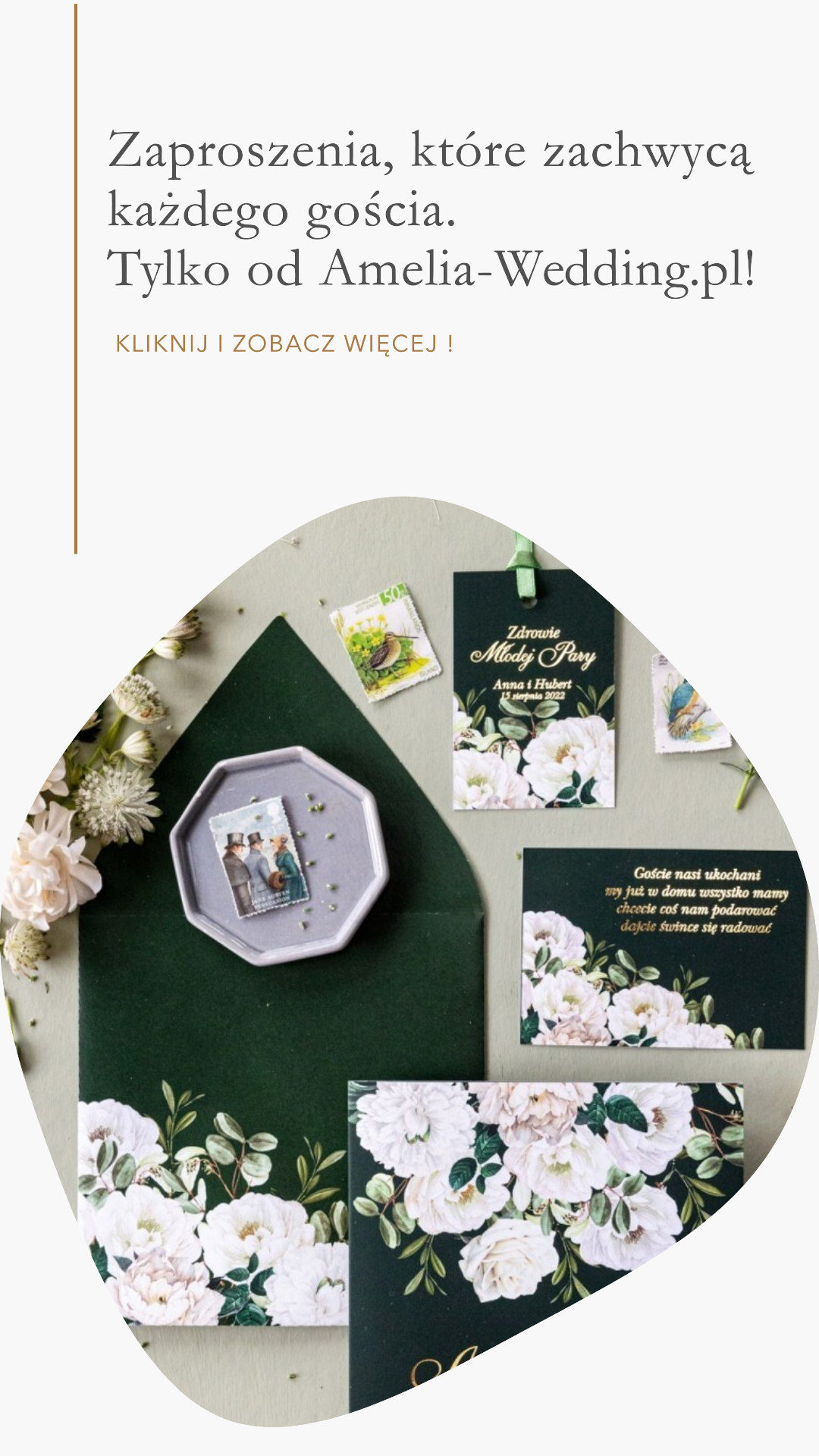
Choosing the style and design of wedding invitations is another important element of preparation. The style of the invitation should reflect the character and personality of the couple, as well as harmonize with the overall theme and aesthetics of the wedding. In Poland, both classic, elegant invitations and more modern, creative ones are popular. When choosing a design, it is worth paying attention to colors, typography, and the quality of materials used. It is also important that the invitations are legible and contain all necessary information. Whether you decide to buy ready-made designs or order custom ones from a graphic designer, remember that invitations are the first element of the wedding your guests will encounter, so it is worth making them memorable and unique.
Personalizing Invitation Content: How to Tailor Content to Your Style
Personalizing invitation content is a chance to showcase the couple's unique character. In Poland, where weddings often combine traditional elements with modern ideas, personalization has become a significant trend. You can use various methods, from simply adding the couple's shared interests or hobbies to more complex ones, like handwritten poems or quotes. It is important that the invitation content is not only aesthetically matched to the overall wedding concept but also reflects the personality and history of the couple. Personalization can also include graphic elements, such as monograms or even specially designed maps. When creating invitation content, remember to maintain a balance between a personal touch and clarity in conveying all key information.
Guest Communication: Effective RSVP and Guest List Management
RSVP Methods: Different Ways to Confirm
Modern wedding planning in Poland requires effective communication with guests, and a key element is the RSVP. A variety of confirmation methods gives couples and guests flexibility in choosing the most convenient form. Traditional methods include an RSVP card included with the invitation, where guests can mark their attendance and return it by mail. Another popular method is phone confirmation, which allows for more personal contact with guests. Digital forms of confirmation, such as email, dedicated wedding websites, or even social media, are also gaining popularity. These modern solutions allow for quick and effective collection of responses and facilitate real-time guest list management.
Simplifying the Process for Guests: How to Make RSVP Easy
To simplify the RSVP process, couples should tailor communication to the preferences and capabilities of their guests. It is important that information about how to confirm is clear and understandable. For electronic invitations, it is worth providing a simple and intuitive interface that allows for quick confirmation. If the couple chooses traditional methods, it is good to include clear RSVP instructions and a self-addressed stamped envelope. It is also good practice to provide direct contact information (phone number or email address) so guests can easily ask questions or inform about special needs.
Guest List Management: Organizing Feedback
Effective guest list management is crucial for the success of any wedding. To this end, couples often use specialized online tools for guest list management, which allow for tracking confirmations, planning seating arrangements, and coordinating with catering and other service providers. Such tools often offer additional features, such as creating gift registries or planning the wedding day schedule. It is important to regularly update the guest list, especially when receiving late responses or changes in plans. Communication should be two-way – it is also worth informing guests about any changes or details regarding the wedding.
Effective communication with guests is not only an important logistical aspect but also a way to build an atmosphere of inclusion and community around this special day. Remember that clear and thoughtful communication is the foundation of a successful wedding.
Optimal Time for Wedding RSVPs
Time Standards: What Experts Say
The question of the right time for wedding RSVPs is one of the key elements of planning this event. Wedding industry experts agree that the optimal time for guests to RSVP is between two to four weeks before the wedding itself. This gives the couple enough time to finalize details related to organization, such as determining the number of meals with the caterer, finalizing the seating plan, or adjusting any other logistical elements. However, it should be remembered that this rule may be modified depending on the specifics of a given wedding and the individual needs of the couple.
Tailoring to Your Needs: How to Adjust Timing to Your Situation
Although general guidelines are very helpful, every wedding is unique, so every couple may need to adjust standard deadlines to their individual situation. For example, in the case of organizing a wedding abroad or in a location that is difficult to reach, it is recommended to extend the RSVP deadline. This gives guests more time to plan travel and potential accommodation bookings. In cases where organization requires earlier bookings or orders (for example, a special menu), it is worth considering an earlier deadline for RSVPs. Communication is key here – clearly and early informing guests about expectations will help avoid misunderstandings and stress related to last-minute preparations.

Differences Depending on Wedding Type: Small vs. Large Weddings
The type of wedding has a significant impact on the optimal RSVP time. In the case of small, intimate celebrations, where every guest is closely related to the couple, a shorter deadline for confirmation is often sufficient. Small weddings usually require less complex logistics, which allows for greater flexibility. On the other hand, large weddings with a long guest list usually require a longer RSVP period. In such situations, organization becomes more complex, and earlier confirmations allow for better management of seating, catering, and other organizational aspects. It is therefore worth adjusting the expected RSVP time to the scale and nature of the planned wedding to ensure fluidity and efficiency of organization.
Regarding the optimal time for RSVPs, flexibility and adaptation to individual needs are crucial. Keeping standard recommendations in mind, every couple should consider the specifics of their wedding to determine the most appropriate time for guest confirmations.
Tips for Wedding Guests: From RSVP to Etiquette
How and When to RSVP: Tips for Guests
As a wedding guest, the responsibility for confirming your attendance is extremely important. The ideal time to confirm attendance is between two to four weeks before the planned wedding date. Always follow the instructions included in the invitation – if there is an RSVP card, use it to confirm. If there is no such card, the best way is direct contact with the couple or the organizer – this could be a phone call, email, or even a message via social media, depending on the hosts' preferences. Remember that timely confirmation is a sign of respect and helps in organizing the celebration.
Wedding Guest Etiquette: What You Should Know
Wedding guest etiquette includes a number of rules that are worth knowing and applying to make this day even more special for the couple. The first of these is punctuality – try to arrive at the venue on time. You should also follow the dress code specified by the couple. When it comes to wedding gifts, it is always worth following the couple's wishes, and if they are unknown, a classic wedding gift or a card with money is a universal choice. It is also important to respect the day's schedule prepared by the couple during the wedding and not to disrupt the course of the ceremony.
Communication with Organizers: How to Communicate Best
Communication with wedding organizers, whether with the couple themselves or those designated by them, should be clear and polite. If you have any questions regarding the wedding (e.g., regarding directions, dress code, accommodation), do not hesitate to ask, but try to do so well in advance. Avoid asking too many questions on the wedding day, as the couple and organizers will be busy with final preparations. Remember that a well-informed guest is a guest who can fully enjoy the celebration and be a valuable support to the couple.
By keeping these tips in mind, every wedding guest can contribute to creating a positive and memorable atmosphere at the wedding, while also taking care of the comfort of the couple and other participants of the celebration.
Managing Uncertainty and Changes in Wedding Planning
How to Deal with Uncertain RSVPs: Strategies for Couples
Wedding planning often involves uncertainty, especially when it comes to guest RSVPs. For couples, it is important to develop strategies for dealing with this uncertainty. First and foremost, it is recommended to maintain constant and open communication with guests, which allows for faster receipt of confirmations. It is also worth setting a clear final RSVP deadline and informing guests about it, while remaining prepared for the fact that some responses may arrive later. Another solution is to create a waitlist of guests who can replace those who have confirmed they cannot attend. Such an approach allows for more effective guest list management and minimizes stress related to uncertain confirmations.

Flexibility in Planning: Why It Is Important
Flexibility in wedding planning is extremely important. You should always account for the possibility that certain aspects may change – these could be, for example, sudden changes in the number of guests, weather, or the availability of selected service providers. Couples should plan with a margin of flexibility, which will allow for easier adaptation to changing circumstances. For example, when choosing a wedding venue, it is worth considering one that can accommodate both a slightly smaller and a larger number of guests than originally planned. Similarly, regarding catering, it is good to choose a company that is able to adjust the menu and the number of meals at the last minute.
Last-Minute Changes to Guest Lists: How to Manage Them
Last-minute changes to guest lists are inevitable, but they can be managed in a way that minimizes stress and anxiety. The key here is to maintain an up-to-date and organized guest list. Using online guest list management tools can be very helpful, as they allow for quick data updates and easy tracking of changes. In case of late cancellations, the couple can use the previously mentioned waitlist. It is also worth having a Plan B for seating arrangements to be able to react quickly to changes. Ultimately, the most important thing is to remain calm and focus on the goal, which is a joyful and memorable celebration of your wedding, regardless of the minor obstacles that may arise.
Managing uncertainty and changes in wedding planning requires patience, flexibility, and good organization. By taking a proactive approach and having backup plans, couples can reduce the stress associated with organizing a wedding and enjoy this special day.
The Impact of RSVPs on Wedding Organization
Significance for Catering and Seating: How RSVPs Affect Logistics
Guest RSVPs are crucial for many aspects of wedding logistics, especially for catering and seating. Obtaining information about the number of guests in advance allows for effective organization with the caterer, which is necessary to plan the right amount of food and drinks. This, in turn, affects catering costs as well as menu selection. Proper seating is another important element that depends on the number of guests. Knowing exactly who will attend enables the creation of an optimal seating plan, which translates into the comfort and satisfaction of the participants. Proper organization of these two elements is key to ensuring a smooth course of the celebration and avoiding unnecessary stress on the wedding day.
Matching Entertainment and Attractions: Adjusting to the Number of Guests
The quantity and type of entertainment and attractions that the couple plans for their wedding should be adjusted to the number of confirmed guests. Whether the wedding will be intimate or a large celebration has a direct impact on the choice of elements such as bands, DJs, guest attractions, or even the size of the dance floor. Understanding the preferences and expectations of guests, which can be partially inferred from the number of confirmations, allows for more purposeful selection of entertainment types, which in turn increases the chances of creating an unforgettable and successful wedding reception.
Budgeting and Wedding Finances: Impact on Wedding Costs
The final number of guests has a significant impact on the overall wedding budget. Each RSVP is an additional cost related to catering, the venue, and even guest favors. Obtaining confirmations early can help in more accurate planning and controlling of wedding-related expenses. Couples can thus better adjust their financial plans, avoiding unexpected costs or the need to make last-minute changes, which can be stressful and expensive. Proper budget management is key to ensuring that the wedding day will not only be magical but also will not exceed the established financial framework.
Effective management of RSVPs and their impact on various aspects of wedding organization is essential to ensure the success of this special day. Awareness of how confirmations affect logistics, entertainment, and the budget allows couples to better plan and control the entire celebration.
Summary and Best Practices in Wedding Planning
Key Takeaways: Summary of the Most Important Points
Wedding planning is a complex process that requires thoughtful organization and consideration of many aspects. The most important points are:
- Sending invitations early and obtaining RSVPs.
- Flexibility in planning – be prepared for unexpected changes.
- Accurate wedding budget management and adjusting it to expectations and financial capabilities.
- Effective communication with guests and wedding service providers.
Keeping these steps in mind will help in creating an unforgettable and well-organized wedding.
Checklist for Couples: A Practical List for Tracking
To facilitate planning, it is worth creating a checklist that includes:
- Deadlines for sending invitations and waiting for RSVPs.
- Wedding budget plan with possible reserves for unforeseen expenses.
- Selection and booking of venues, catering, music, and other service providers.
- Establishing the wedding day and reception scenario.
- Guest list with consideration of potential changes.
Final Tips: How to Avoid Common Mistakes
- Do not underestimate deadlines – both regarding invitations and finalizing various aspects of the wedding.
- Communicate clearly and regularly – both with guests and service providers.
- Be flexible, but also consistent in decision-making.
- Stay calm and optimistic, even when something goes off-plan.
For further reading and inspiration, we encourage you to check out other articles on our blog:
- Etiquette and Traditions: Is it okay to invite only to the wedding ceremony?
- Wedding Stationery Ideas: How to make place cards
- Wedding Planning: How to choose the right wedding date
- Wedding Inspirations: How to involve children in the wedding ceremony
- Traditions and Rites: How to organize a themed wedding from boho to retro
These articles will provide additional tips and inspiration necessary to create your dream wedding.