How to Avoid Common Wedding Planning Mistakes: Expert Tips

Assertiveness in Decision Making
Personal Beliefs vs. Expectations of Others
Wedding planning is a time when your own beliefs and dreams can be put to the test by the expectations and suggestions of others. From choosing your wedding dress and decorations to the guest list - every aspect of your big day can become a point of discussion with family and friends. It is important to remember that the wedding is, first and foremost, your celebration, your personal moment. While advice and suggestions from loved ones can be valuable, they should not completely overshadow your own preferences and desires. Being assertive in these decisions is the key to creating a ceremony that reflects you as a couple and your unique personalities. Instead of bowing to pressure, it is worth talking openly about your dreams and beliefs, explaining why a particular decision is important to you. Remember that you will remember this day for the rest of your life, so it is worth making it a reflection of you, not the expectations of others.
The Importance of Personal Dreams
Your wedding should be the realization of your deepest dreams and desires. In today's world, where the trend for individualism and uniqueness is increasingly visible in the wedding industry, you have endless possibilities to make this day truly special. Do you dream of an outdoor ceremony, an unusual theme, or perhaps an intimate wedding? The key is to follow your heart and not be afraid to pursue even the most original ideas. Whether you choose a traditional church, a romantic palace, or a remote beach, remember that it is your day and you decide its final shape. In the world of weddings, there are no longer rigid rules and limitations; only your imagination is the limit. As the trend for personalization and uniqueness in wedding ceremonies gains popularity, there is a clear need to create weddings that are an authentic reflection of the bride and groom and their shared passions.
How to Avoid Giving In to Pressure?
Managing the expectations of others and your own desires while planning a wedding can be a challenge. It is crucial not to give in to pressure and to remember that you are the main characters of this day. Communication is extremely important here. Open conversations with your partner about your dreams, fears, and expectations will help establish clear priorities and a shared vision of the wedding. When you encounter resistance from family or friends, it is important to stick to your convictions while tactfully explaining your position. Remember that assertiveness does not mean being unyielding, but rather the ability to express your needs and boundaries in a respectful way. Use professional support, such as a wedding planner, who can help balance your desires with organizational realities. Finally, remember your emotional health and do not let the stress of planning spoil the joy of this special time in your life.
Table of Contents
Delegating Responsibilities
Who Can Help?
Organizing a wedding is a complex and multidimensional task that requires attention in many different areas. Therefore, it is important to realize that you are not alone in this. There are many people around you who can offer help and support. First, consider support from family – parents, siblings, and close relatives are often ready to help organize this special day. Their life experience and commitment can be invaluable at such moments. Beyond family, your friendships are also a valuable resource. Friends can help with many practical aspects, from choosing decorations to supporting the logistics of the wedding day. In some cases, it is also worth considering hiring professionals, such as wedding consultants, who can take care of managing most responsibilities, especially those that require specialized knowledge and experience. Let's not forget the possibilities offered by modern technology – wedding apps and planning tools can significantly facilitate organization and communication with those who are helping.
Benefits of Delegating Tasks
Delegating responsibilities when planning a wedding has many benefits. First, it significantly reduces stress and the mental burden associated with organizing this big day. It also allows you to focus on the most important aspects, such as choosing the venue or the wedding dress, while having the certainty that other details are also being refined. Sharing tasks also allows you to include family and friends in the planning process, giving them a chance to be part of your special day. This is not only practical help but also a way to strengthen bonds and share joy. Delegating responsibilities can also contribute to better quality and efficiency of organization. Helpers can bring new ideas, different perspectives, and diverse skills that can enrich and improve wedding planning. Finally, it allows you, as a couple, to enjoy the preparation process instead of feeling overwhelmed and stressed.
How to Organize Help Effectively?
Effective delegation of responsibilities requires good organization and communication. It is important to determine at the beginning which tasks you want to delegate to others and which you want to keep for yourselves. Then, clearly communicate your expectations and needs to those who will be helping you. Using tools such as schedules, to-do lists, and planning apps, you can easily track progress and ensure everything is going according to plan. It is also worth meeting regularly with those involved in organizing the wedding to discuss progress and potentially make adjustments. Remember to appreciate the help and effort of others – this will not only increase their commitment but also help in building positive relationships and memories associated with this special period of wedding preparations.
Optimal Guest List
Who Should You Really Invite?
Creating an optimal guest list is one of the most important elements of wedding planning. It is a decision that has a direct impact not only on the atmosphere and character of the ceremony but also on the budget and logistics. The key question to ask yourself is: Who is really worth inviting? The ideal guest list is one that includes the people closest and most important to you as a couple. These are family and friends whose presence on this special day is invaluable to you. It is worth thinking about the role each potential guest has played in your life. Are they people who have supported your relationship? Do they have a special place in your hearts? Remember that a wedding is an intimate event, and its main purpose is to celebrate the love and commitment that binds you as a couple. For this reason, it is worth focusing on inviting people who truly understand and value what is important to you.
How to Set Priorities?
Setting priorities in the context of a wedding guest list can be difficult, but it is necessary to maintain consistency and realize your vision of the wedding. Start by creating a "must-have" list, i.e., people who must be present - immediate family and best friends. Then, you can consider a wider circle of friends, extended family, or colleagues. It is important that every decision is thoughtful and corresponds to your personal values. You can also take into account the limitations of the venue and budget, which will naturally help you narrow down the list. Remember that your wedding is not a time for social obligations or reciprocating previous invitations. It is your day and you decide who will be part of it. Open and honest communication with your partner is crucial in the decision-making process to ensure that both sides feel comfortable with the final guest list.
Dealing with Difficult Choices
While setting the guest list, you will certainly encounter difficult decisions. It may turn out that for various reasons, you are unable to invite everyone you would like. In such situations, it is important to remain true to your priorities and shared decisions. If you feel pressure from family or friends, remember that this is your wedding and you set the rules. If necessary, you can tactfully and respectfully explain your decisions to those who were not invited, emphasizing the limitations related to the venue or budget. Alternatively, you can consider other forms of celebration with a wider group, such as a separate pre-wedding party or a meeting after the wedding. Ultimately, you are the ones creating the memories of this day, so it is important that you are surrounded by people who really matter to you and who will celebrate your love in the way you dreamed of.
Budget Management
Setting a Realistic Budget
Setting a realistic wedding budget is the foundation of effective planning for your big day. Before you start making any decisions regarding the ceremony, reception, or other elements of the wedding, it is crucial to determine how much money you can and want to spend. Starting with a general financial outline, think about what your priorities are and what is most important to you on your wedding day. Is it the venue, photography, or perhaps the wedding dress? A realistic approach to the budget that takes into account your expectations and financial possibilities will allow you to avoid disappointment and excessive stress. When creating the budget, take into account all potential sources of funding – your own savings, possible support from family or other loved ones. It is also worth setting aside a portion of the budget for unexpected expenses that may arise during preparations. Remember that realistic financial planning is not just the sum you want to spend, but also a strategy for how to allocate that sum to individual elements of the wedding and reception.
Controlling Expenses
Controlling expenses is a key element of wedding budget management. After setting the overall budget, it is important to track exactly what you are spending money on. Creating a spreadsheet or using a dedicated wedding app can be helpful in monitoring costs and preventing you from exceeding the set limit. Record all expenses, even the smallest ones – from the cost of invitations to parking fees during venue visits. Regularly reviewing and updating the expense list will give you a clear picture of your financial situation and help in managing funds appropriately. Don't forget to compare offers from different providers – sometimes small savings in several areas can add up to significant amounts. Also, remember that every expense should be thoughtful and justified, which will help avoid impulsive decisions that could disrupt your budget.
How to Deal with Unexpected Costs?
Unexpected expenses are an almost inseparable part of wedding planning. These can be additional costs related to venue rental, unexpected service fees, or the need to change an element at the last minute. The key to dealing with such situations is flexibility and readiness to adapt to changing circumstances. Maintaining a "safety cushion" in the budget will allow you to cover such unexpected expenses without much stress. In situations where costs start to exceed your capabilities, consider where you can make cuts or what elements can be replaced with cheaper alternatives. It is important to remember that a wedding is primarily a celebration of your love, not a necessity to meet all standards and expectations. Ultimately, flexibility and creativity in your approach to planning and managing your wedding budget can bring not only savings but also uniqueness and a personal character to your wedding.
Ideal Date and Venue
Choosing the Right Date
The decision to choose a wedding date is one of the first and most important steps in the planning process. This date will be your reference point in all subsequent stages of organization, so its choice requires thought. When choosing the right wedding date, it is important to consider several key factors. The first is your personal preferences - do you dream of a summer wedding with an outdoor ceremony, or perhaps a winter wedding in a fairytale, snowy setting? Another issue is the availability of people important to you - make sure the date you choose is convenient for close family and friends. It is equally important to consider the wedding season and how it may affect the availability of venues and the prices of wedding services. The summer season is usually more crowded and expensive, but it offers more possibilities for outdoor weddings. Winter weddings, although less popular, can offer lower prices and a more unique atmosphere. Remember that choosing a date is not just a matter of logistics, but primarily about fulfilling your dreams and creating unforgettable memories.
How to Find the Ideal Venue?
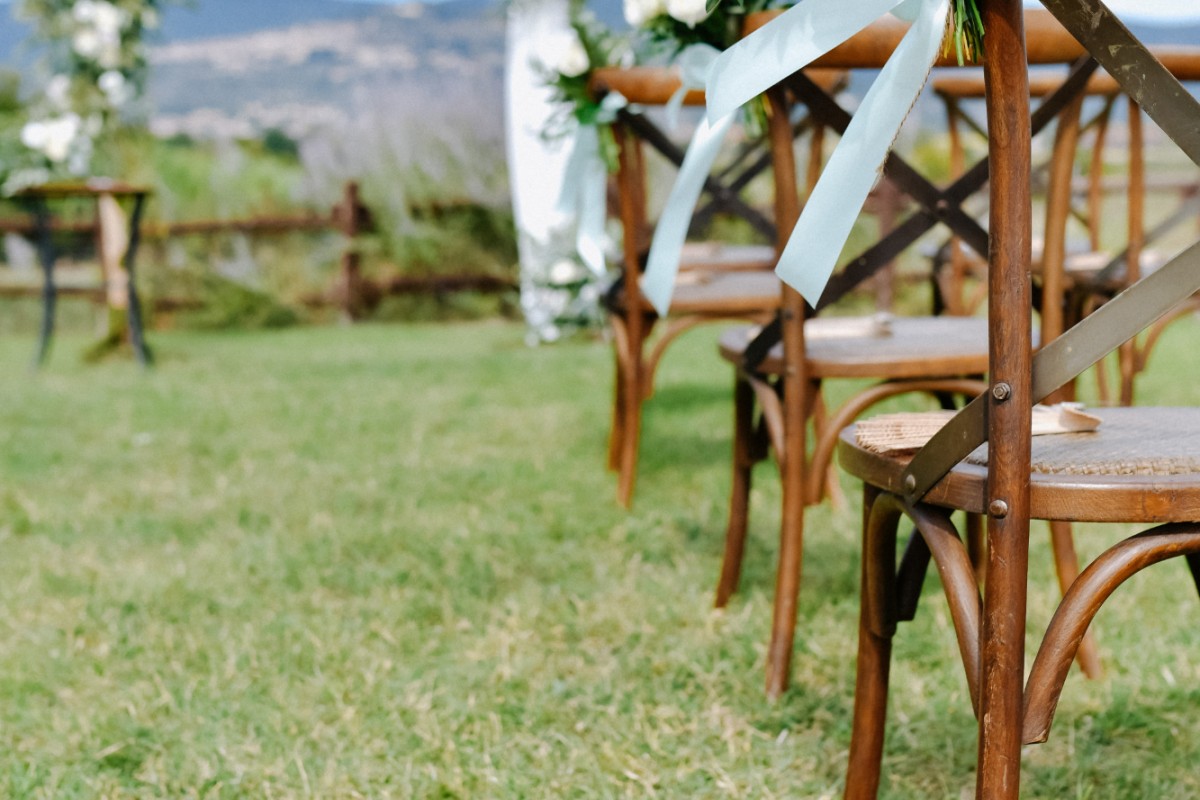
Finding the ideal wedding venue is just as important as choosing the date. The venue for the ceremony and reception provides the background for your memories and has a huge impact on the atmosphere of the whole day. To find the ideal venue, start by defining the style and mood you expect from your wedding. Do you prefer an elegant hall, a romantic castle, or perhaps a rustic barn? It is also worth considering logistics - how easy it is to get to the venue, whether parking is available, and whether there is accommodation for guests. Keep your budget in mind and check what options different locations offer within your financial means. Consider whether the venue offers full service, including catering and decorations, or whether it requires additional external services. Visit potential locations to personally feel their atmosphere and see if they meet your expectations. Choosing a venue is an opportunity to create a unique and personal environment that reflects your style and character as a couple.
The Importance of Early Booking
Booking your wedding venue early is extremely important, especially in popular locations and during the wedding season. Popular venues are often booked well in advance, sometimes even two years ahead, so the sooner you decide on a specific location, the better. Early booking gives you not only peace of mind but also more time to plan other aspects of the wedding, such as choosing providers or setting decoration details. Before signing a contract with a venue, make sure you fully understand all terms and conditions, including cancellation policies, additional fees, and restrictions. This is also a good time for negotiations - sometimes you can get better terms or additional services for the same price. Remember that the choice of venue and the wedding date are closely linked, so decide on the date first, and then the venue, to ensure that both issues are consistent.
Choosing Service Providers
How to Find the Best Providers?
Choosing wedding service providers is a key element in the process of planning your wedding. From photographers and bands to catering – every provider brings something special to your big day. Finding the best providers requires, above all, thorough research and comparison of different offers. Start by determining which services are most important to you and what your expectations are regarding them. Then, browse the portfolios of potential providers, read reviews and recommendations from other couples, and pay attention to the style and quality of the services they offer. Wedding fairs can be a great place to meet providers and get to know their offer. It is also worth using recommendations from friends who have recently organized a wedding and can recommend proven providers. Remember that choosing providers is not just a matter of price, but primarily about the quality of services and the experience they will bring to your wedding day.
Negotiation Techniques with Providers
Negotiating with providers is an important element of wedding budget management. Do not be afraid to negotiate prices and contract terms with providers. Before starting negotiations, make sure you know the average market prices for the services you are looking for. This will give you a solid basis for discussions and help in setting realistic expectations. During negotiations, be open to different options and ready to compromise. Sometimes providers can offer additional services for the same price or special packages that better suit your needs. Remember that negotiations are a two-way process – your goal is to find the best solution for both parties. Communication is key, so be clear about your expectations and open to suggestions from providers.
The Importance of Contracts with Providers
Contracts with providers are an inseparable part of wedding planning and are crucial for ensuring that everything goes according to plan. Every contract should be read carefully and understood before signing. Make sure that all arrangements regarding services, prices, deadlines, and conditions are clearly specified. Pay attention to any clauses regarding changes, cancellations, or additional fees. In case of ambiguity, do not hesitate to ask the provider for clarification. A well-drafted contract will provide both parties with clarity and security, and will also help avoid potential misunderstandings and problems on the wedding day. Remember that a contract is not only the provider's obligations but also your commitments, so take its terms seriously.
Planning the Wedding Menu
Creating an Attractive Menu
Planning the wedding menu is a key element that has a huge impact on how guests perceive the entire reception. When creating an attractive wedding menu, it is important that it reflects your style and culinary preferences. Consider whether you want the menu to be traditional, or perhaps you prefer a more modern approach with touches of international cuisine. The choice of dishes should harmonize with the overall theme and venue of the wedding reception. For example, a rustic-style wedding may require a menu with local products and traditional dishes. It is also important that the menu is varied and offers something for everyone – from light appetizers to filling main courses. Remember to balance flavors, textures, and colors of the dishes to create not only tasty but also visually attractive experiences for guests. When choosing dishes, it is also worth paying attention to their seasonality and the freshness of ingredients, which often translates into better quality and taste of the food.
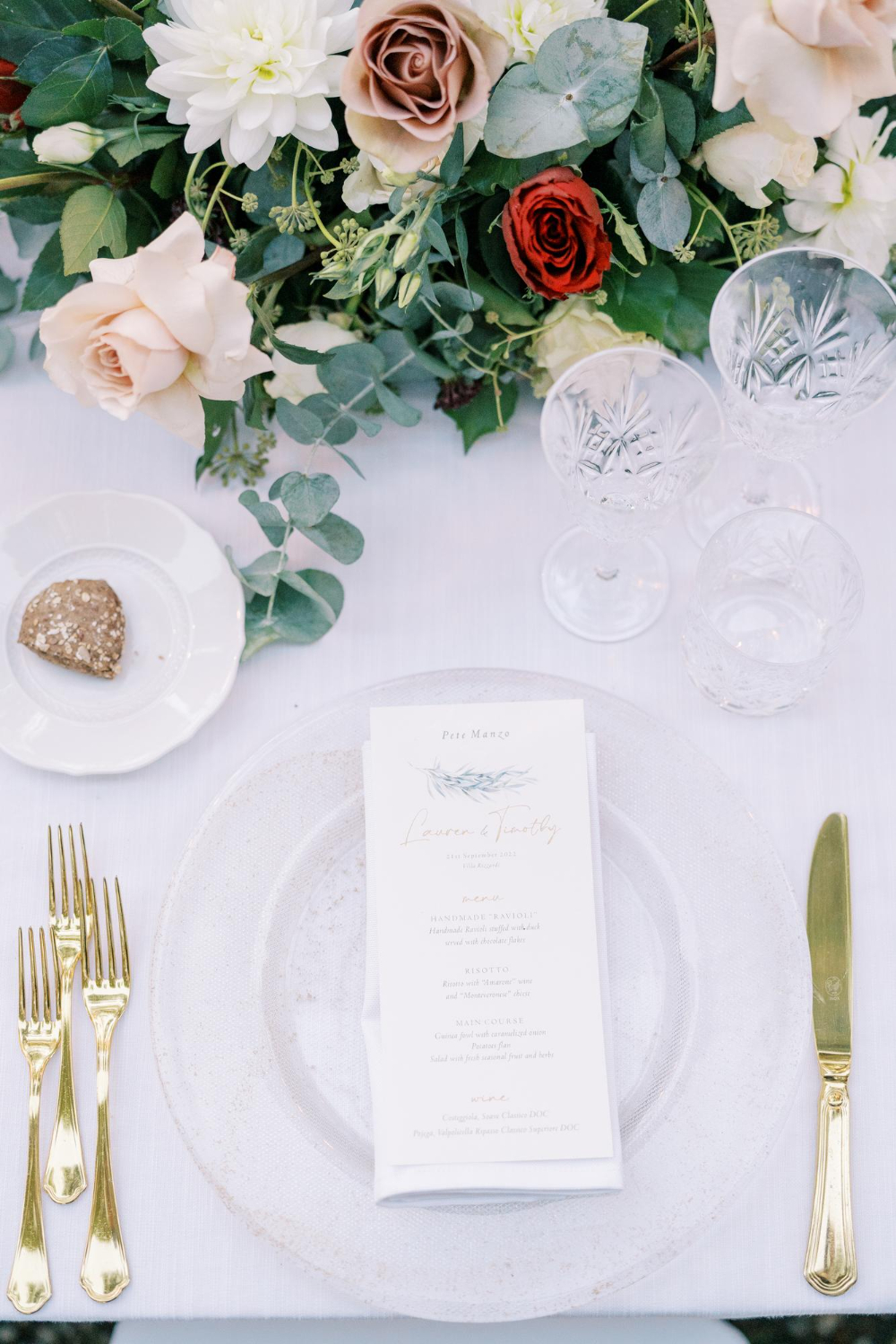
Considering Different Diets and Allergies
Nowadays, more and more people have specific nutritional requirements, food allergies, or dietary preferences, such as vegetarianism, veganism, or gluten-free diets. Therefore, when planning the wedding menu, it is crucial to consider these diverse nutritional needs. Communicating with guests before the wedding can help identify any special dietary requirements, which will allow for appropriate menu adjustments. It is important that every dietary group finds something for themselves – from meat-free options to dishes meeting specific dietary requirements. When working with catering, make sure they are able to adjust the menu to these needs and offer a wide range of dishes meeting different nutritional requirements. Providing guests with diverse and tasty options that take into account their preferences and dietary restrictions is a sign of care and respect for their needs.
Tasting Before the Wedding
Tasting the menu before the wedding is an important stage of planning that allows you to ensure that the selected dishes meet your expectations both in terms of taste and presentation. Most catering providers offer a tasting opportunity, which is a great occasion to evaluate the quality of the dishes and to make any necessary changes or clarifications. During the tasting, pay attention not only to the taste but also to the way of serving and the aesthetics of the dishes. It is also an ideal moment to discuss with the catering any details regarding service, logistics, and final menu details. Make sure that all your comments and preferences are clearly communicated and understood. Tasting is not only a practical element of planning but can also be a pleasant experience that will allow you to enjoy the beginning of the shared culinary journey that you will start as a married couple on your wedding day.
Choosing Wedding Attire
Finding the Ideal Dress and Suit
Choosing the ideal wedding dress and suit is one of the most exciting moments in wedding preparations. The wedding dress and suit should reflect the personal style and character of the Bride and Groom, and also harmonize with the overall theme and venue of the ceremony. Finding that dream outfit requires time and patience. Start by defining your preferences – do you prefer classic elegance, modern minimalism, or perhaps a romantic boho style? When choosing a dress, it is important to consider not only current trends but above all what makes you feel special and comfortable. Visit different wedding salons, try on various styles to understand what best suits your figure and style. For the suit, consider different color options and styles – from classic black tuxedos to more modern and non-standard variants. It is important that the Groom's outfit complements the Bride's dress and the overall wedding.
Outfits for Bridesmaids and Groomsmen
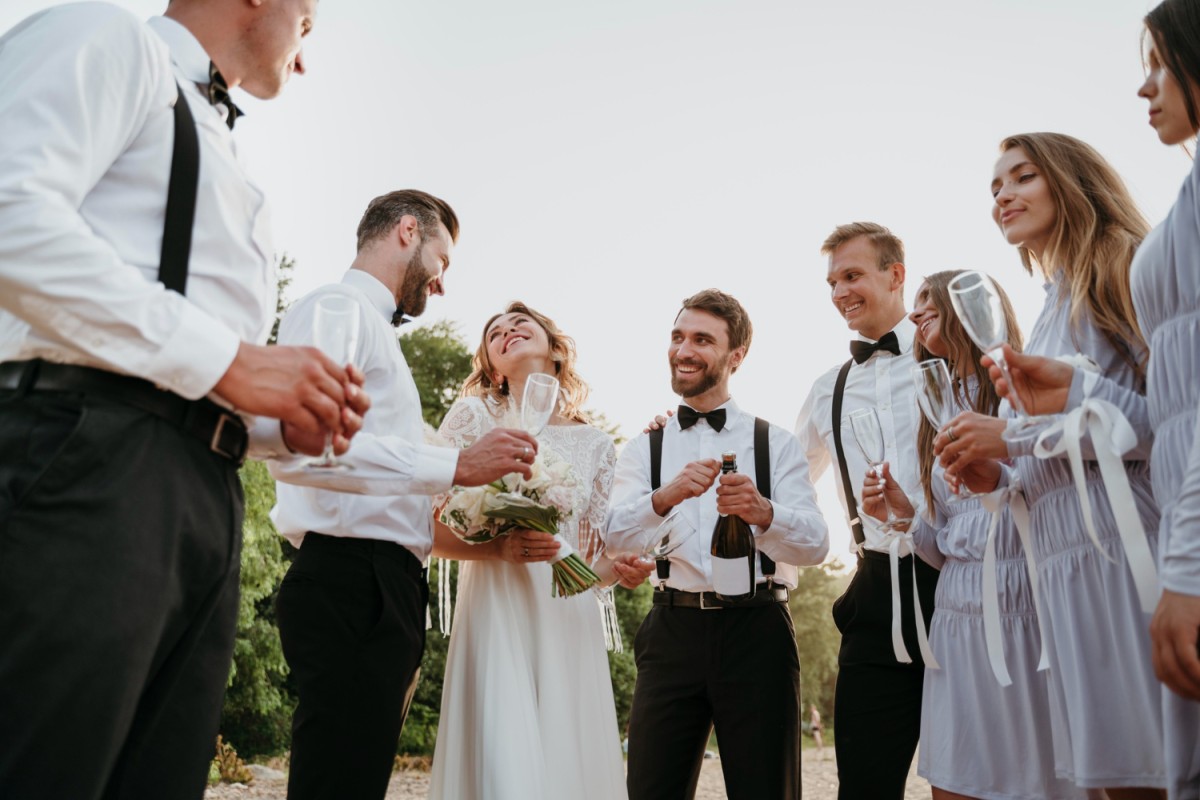
Choosing outfits for bridesmaids and groomsmen is another important element that contributes to the consistent and elegant look of the entire ceremony. The outfits of bridesmaids and groomsmen should complement the outfits of the Bride and Groom and the overall wedding theme. When choosing, pay attention to colors, styles, and materials. It is not necessary for all bridesmaids to have identical dresses – it is becoming increasingly popular to give them the freedom to choose the style within a uniform color palette. Similarly, groomsmen's suits can differ in details or accessories, such as ties or pocket squares, to add individuality while maintaining harmony. Remember to take into account the opinions and comfort of the bridesmaids and groomsmen – after all, they will accompany you on this special day.
The Importance of Fittings and Adjustments
Fittings are an essential element of the wedding attire selection process. For both the wedding dress and the suit, it is important that they are perfectly fitted to the figure. Fittings allow for precise adjustment and any necessary changes that will ensure comfort and elegance on the wedding day. Do not underestimate the importance of several fitting sessions – this is the time when all necessary changes can be made. Remember that the body can undergo minor changes as a result of stress or emotions related to wedding preparations, so it is important that the final fitting takes place as close to the wedding date as possible. This is also the moment for final decisions regarding accessories, such as shoes, jewelry, ties, or cufflinks. Remember that choosing wedding attire is not just a matter of aesthetics, but primarily of comfort and well-being on this special day.
Music and Entertainment
Choosing Music for the Ceremony and Reception
Music plays a key role in creating the atmosphere both during the wedding ceremony and the reception. The choice of wedding music should reflect your personal preferences and the character of the ceremony. For the wedding ceremony, consider songs that have special meaning for you – these can be classic wedding melodies or less traditional songs that say something important about your relationship. Remember to adjust the choice of music to the venue of the ceremony – for example, there may be certain repertoire restrictions in a church.
When it comes to music at the wedding reception, you have much more freedom here. Choosing the right band or DJ is crucial. The ideal performers should not only understand your musical preferences well but also be able to adjust the music to the guests' mood and keep the energy on the dance floor. When choosing the repertoire, remember to diversify – from classic wedding hits to modern songs that will appeal to guests of different ages. Well-chosen music is a guarantee of an unforgettable party and a full dance floor all night long.
Diverse Entertainment Options for Guests
In addition to music, it is worth considering additional forms of entertainment that will diversify the wedding reception and make it unforgettable for your guests. The possibilities are almost endless, from photo booths and fireworks shows to wedding games and contests. For dance lovers, organizing a short dance class can be an interesting idea. If there are children among the guests, it is worth thinking about a zone for the youngest with animators, which will allow parents to feast freely. Other popular options include karaoke, surprise artistic performances, or even small culinary shows. It is important that the entertainment is matched to the style and theme of the wedding and that it is interesting for the guests.
Personalizing Entertainment
Personalizing entertainment at the wedding is a great way to distinguish your wedding and ensure that it reflects you as a couple. Modern wedding trends place great emphasis on an individual approach and non-standard solutions. This could be, for example, live music from a band that plays your favorite songs, themed games based on your interests, or even custom cocktails developed specifically for your reception. It is important that the entertainment is consistent with the whole wedding and reception and that it reflects your personalities. Remember that your wedding is not only an opportunity to celebrate love but also to share with guests elements that are important and close to you.
Managing Stress and Emotions
Stress Management Techniques
Wedding planning can be a source of stress, so it is important to find effective ways to deal with it. One of the most important techniques is organization and planning, which help maintain control over the preparation process. Creating a detailed schedule with set deadlines for individual tasks will help avoid haste and chaos. Another way is regular physical activity, which is an excellent means of reducing stress. Exercises such as yoga, running, or even a brisk walk can significantly improve well-being and help with relaxation. It is also important to find time for rest and relaxation – whether through hobbies or meetings with loved ones. Remember not to blame yourself for stress – it is a natural reaction to the big changes and challenges that wedding organization brings.
The Role of Emotional Support
Emotional support from your partner, family, and friends is invaluable in the wedding planning process. Open communication with your partner about your expectations, fears, and emotions is crucial. This helps in understanding each other and dealing with challenges together. Do not hesitate to ask loved ones for help – sharing duties and tasks can significantly reduce stress levels. Family and friends can also offer valuable advice and support that will help you look at the situation from a different perspective. Remember that your wedding is not only your event but also an opportunity to celebrate and share joy with loved ones.
Mental Preparation for the Wedding Day
The last days before the wedding can be particularly stressful. It is important to focus on mental preparation during this time. Practicing relaxation techniques, such as meditation or deep breathing, can help calm the mind and reduce tension. Also, try to maintain a positive attitude, focusing on the joy and excitement associated with the upcoming day. Remember that not everything has to go perfectly – what matters most is your happiness and celebrating love. It is also worth preparing for the fact that emotions can be intense and varied. Accepting these emotions as a natural part of this special day will help you enjoy every moment without additional stress.
For more inspiration and advice on wedding planning, we encourage you to check out our other articles on the Amelia Wedding blog:
- Is it appropriate to invite only to the wedding ceremony?
- How to involve children in the wedding ceremony
- How to organize a themed wedding: from boho to retro
- What information to include on invitations for international guests
- How to prepare for a wedding in a short time
- How to choose the right wedding date
And many other interesting topics that will help you prepare for this special day.