How to Choose and Personalize Wedding Tablecloths?
Introduction to wedding tablecloths
Why are tablecloths important for wedding tables?
A wedding is one of those events where every detail matters, and wedding table tablecloths play a key role—not just practically, but above all, aesthetically. Tablecloths add charm and elegance to the celebration, creating an atmosphere that guests will remember. By choosing the right tablecloths, couples have the chance to highlight the character of their wedding, whether through classic white, romantic lace, or modern, minimalist fabrics. Using well-chosen tablecloths allows for the creation of a cohesive and thoughtful arrangement that harmoniously matches the overall concept of the wedding and reception. It is not just a matter of decoration—wedding tablecloths also protect tables from stains and damage, which is especially important during such a festive occasion.
The variety of wedding tablecloths
The choice of wedding tablecloths can be surprisingly diverse, opening up many decorative possibilities for the couple. There are various tablecloth materials available on the market, from natural ones like cotton and linen to elegant satins and trendy synthetics that offer higher stain resistance and ease of maintenance. The shape of the tables also influences the choice of tablecloths—whether round, square, or rectangular—each requires a different fit. In addition, tablecloths can feature various embellishments, such as embroidery, lace, or piping, which further enrich their appearance. This choice should harmonize with the overall color palette of the wedding and the style of decoration, such as romantic, classic, rustic, or modern. The richness of the wedding tablecloth offer allows every couple to find something that perfectly fits their expectations and aesthetic preferences.
How will this guide help you choose the perfect tablecloths?
This guide was created to help couples understand how important it is to choose the right wedding tablecloths and what criteria should be considered when making this decision. First and foremost, this guide provides information on the variety of available materials, their advantages, and how different fabrics and styles can influence the overall look of wedding tables. By providing specific tips on choosing sizes and shapes, as well as advice on personalizing tablecloths, we give you the tools to create a unique and cohesive arrangement. Additionally, we highlight practical aspects, such as ease of cleaning and maintenance, which are important in the context of wedding receptions. Thanks to this guide, the couple can feel more confident in making decisions that will ensure their wedding is not only beautiful but also functional.
Table of Contents
Basic types of wedding tablecloth materials
Natural vs. synthetic fabrics
Choosing between natural and synthetic fabrics for wedding tablecloths is an important decision that will affect the aesthetics and functionality of the wedding tables. Natural materials, such as cotton and linen, are valued for their eco-friendliness and high breathability, which is especially beneficial during long wedding celebrations. On the other hand, synthetic fabrics, such as polyester or nylon, offer higher stain resistance and ease of maintenance, which can be crucial when the wedding reception is large-scale or held in places prone to difficult conditions. Synthetic tablecloths can also offer greater variety in colors and patterns, which is attractive for couples looking for unique decorations. The final choice of material should therefore depend on the specific needs and preferences of the couple and the nature of the planned celebration.
Advantages of cotton and linen tablecloths
Tablecloths made of cotton and linen have many advantages that make them a popular choice for weddings. Cotton is praised for its softness, durability, and ease of washing, making it an ideal choice for tablecloths that may be used and washed frequently. Additionally, cotton absorbs moisture well, which can be useful during wedding feasts. Linen, on the other hand, known for its durability and luxurious look, is perfect for creating an elegant and stylish atmosphere. Linen tablecloths, with their characteristic texture and natural sheen, add a rustic or boho charm, blending perfectly with wedding trends that celebrate naturalness and simplicity.
Why consider stain-resistant tablecloths?
Stain-resistant tablecloths are a revolutionary solution for any wedding where the risk of spills is high and elegance is a key expectation. Stain-resistant technology ensures that even the most intense stains, like red wine or sauces, can be easily removed without permanently damaging the fabric. This not only saves time and costs associated with post-wedding cleaning but also ensures that the tablecloths will look impeccable all night long, regardless of the surprises that the wedding celebration might bring. By choosing stain-resistant tablecloths, couples can not only protect their budget but also guarantee that their table decorations remain aesthetic and elegant throughout the reception.
Matching the tablecloth size to the table
How to measure a table for a tablecloth?
To properly choose a wedding tablecloth, it is crucial to measure the table accurately, which allows for a perfect fit and look. We start by measuring the length and width for rectangular tables or the diameter for round tables. It is important to add the appropriate number of centimeters to each side of the table dimensions so that the tablecloth hangs elegantly. Usually, it is recommended that the tablecloth hangs 20 to 30 cm on each side of the table, which ensures sufficient coverage without the risk of the tablecloth being too long or too short. For round tables, add twice the drop length to the table diameter to get the appropriate tablecloth diameter. Precise measurements guarantee that the tablecloths will look aesthetic and functional, adding elegance to the wedding table.
Specifics of tablecloths for round and rectangular tables
The choice of tablecloths must take into account the shape of the table, which is especially important when choosing fabrics and patterns that will complement the entire wedding arrangement. Round tables often require tablecloths that drape evenly on all sides, creating a symmetrical and elegant look. On the other hand, rectangular tables offer more flexibility in styling, allowing for the use of both long, hanging tablecloths and shorter ones that only cover the top of the table. When choosing patterns, it is worth paying attention to how they will look when the fabric is draped—especially in the case of large, repetitive patterns that may require proper alignment to achieve the desired visual effect.
Where to look for custom-made tablecloths?
Finding the perfect tablecloth may require using custom-made tablecloth services, especially if the wedding tables have non-standard dimensions or if the couple has specific requirements regarding the pattern and material. Stores offering custom-made tablecloths usually have a wide selection of fabrics and can adjust the dimensions of the tablecloth to individual needs. It is worth looking for such services in reputable wedding decoration stores, as well as with local tailors specializing in textile goods. The internet also offers access to many platforms where you can individually design and order tablecloths, which gives you the ability to precisely tailor the product to personal preferences and the wedding theme.
Styling and color schemes for wedding tablecloths
Matching the tablecloth to the wedding style
Choosing the right tablecloth is a key element in creating a cohesive and memorable wedding image. Tablecloths should harmonize with the overall theme and style of the reception—from classic elegance to rustic, to modern minimalism. For traditional weddings, tablecloths with delicate lace or satin in pastel colors will be ideal, adding subtle elegance to the celebrations. Weddings with a more casual, boho character can benefit from linen tablecloths, which blend perfectly with natural decorations such as wood or fresh flowers. When choosing a tablecloth, it is also important to pay attention to details such as the type of finish—whether it is a simple seam or perhaps more decorative piping, which can significantly affect the table's aesthetics.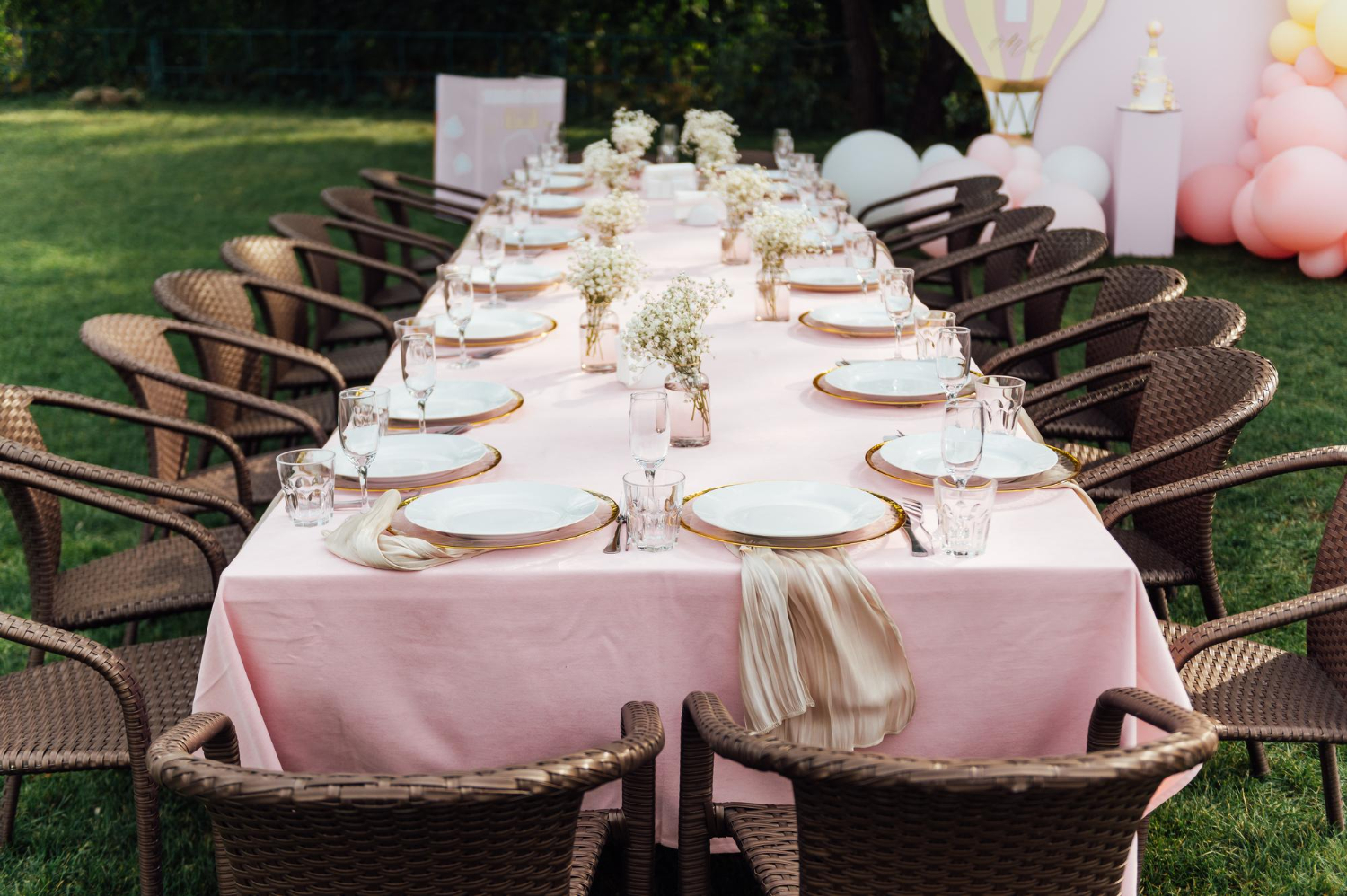
How do colors and patterns affect the atmosphere?
The colors and patterns of tablecloths have a huge impact on the atmosphere and mood of the wedding, creating a backdrop for the entire celebration. Light, clean colors like white or cream can optically enlarge the space and add freshness, while deep shades like navy or burgundy will introduce a tone of elegance and dignity. Patterns on tablecloths also play a key role—delicate floral motifs are perfect for spring or summer weddings, while geometric patterns or classic stripes can blend well with more modern arrangements. The choice of colors and patterns should be thoughtful and adapted not only to individual preferences but also to the lighting, which can significantly modify their perception by guests.
Tablecloths as a decorative element
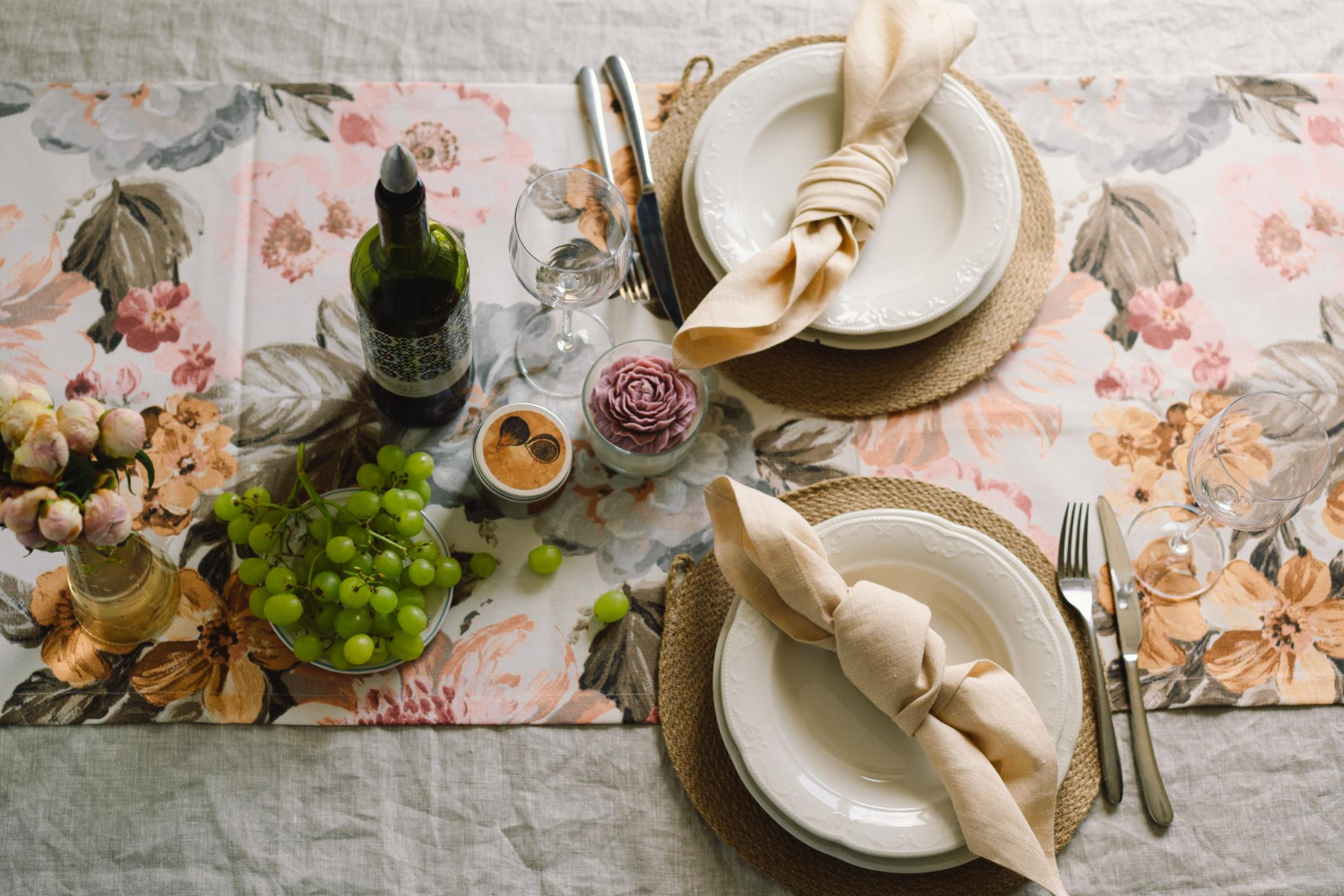
Tablecloths, although they may seem like just a practical element of wedding tables, actually play an important decorative role. Well-chosen ones can become one of the main attractions of the wedding, emphasizing its uniqueness and well-thought-out stylistic concept. Tablecloths can serve as a canvas for the rest of the decorations—for example, neutral tablecloths perfectly bring out the beauty of colorful floral arrangements, candlesticks, or other decorative elements placed on the table. In turn, more decorative and patterned tablecloths can dominate, becoming the central point of the arrangement, which allows for a minimalist approach to the rest of the decor. Choosing the right tablecloth is therefore not only a matter of aesthetics but also a strategic decorative decision that can define the entire aesthetic impression of the wedding.
Personalizing wedding tablecloths
Personalization options available on the market
Personalizing tablecloths is becoming an increasingly popular trend in the wedding industry, giving couples the opportunity to add a personal touch to their wedding decor. The available personalization options are wide and can include various techniques, such as embroidery, digital printing, or lace and crystal appliqués. Couples can choose to embroider initials, the wedding date, quotes, or patterns that match the wedding theme. Another popular option is using different colors and patterns that are matched to the wedding's color scheme and style. Thanks to modern technologies, it is also possible to create tablecloths with photos, which can be a unique way to commemorate important moments or people at the wedding.
How to order personalized tablecloths?
Ordering personalized tablecloths requires proper preparation and an understanding of the available possibilities. The process starts with choosing a supplier specializing in personalized wedding textiles. It is important that the supplier is able to offer a wide selection of materials and personalization options. After choosing the right supplier, the couple should present their ideas and requirements, which may include specifications for the material, color, pattern, and type of personalization. It is often also necessary to provide exact dimensions of the tables on which the tablecloths are to be placed. Finally, it is recommended to order fabric samples or preliminary design sketches to ensure that the final product will meet the expectations and aesthetics of the wedding.
Examples of successful personalization
Personalizing tablecloths can significantly contribute to creating an unforgettable and unique wedding look. For example, one couple decided on elegant tablecloths with embroidered gold initials and the wedding date, which added a special, personal character to the wedding tables. Another example is tablecloths with printed illustrations of places that were important to the couple—such as the place of their first meeting or engagement. Such personalizations not only enrich the table decoration but also become a topic of conversation among guests, adding a personal dimension to the celebration.
Maintenance and storage of wedding tablecloths
How to care for tablecloths after the wedding?
After the wedding, it is important that the tablecloths are properly prepared for storage, which will help preserve their beauty for future occasions. The first step is to thoroughly remove any stains and dirt that may have appeared during the celebration. Each tablecloth should be carefully checked, and stains should be treated with appropriate agents for their type—grease stains may require the use of a special preparation, while wine or juice stains are best soaked immediately in cold water with a mild detergent. After initial cleaning, the tablecloths should be washed according to the manufacturer's recommendations, often using delicate fabric programs to avoid damage.
Storing tablecloths so they last for years
Storing tablecloths requires as much attention as cleaning them. Tablecloths should be stored in a dry, cool place, away from direct sunlight, which can cause colors to fade. An ideal solution is to hang them on hangers or fold them and place them in a flat container with moisture-absorbing materials, such as pieces of chalk or silicone desiccant packets. Natural fabrics, such as linen or cotton, may require additional protection, such as wrapping in acid-free paper, which will prevent the material from yellowing.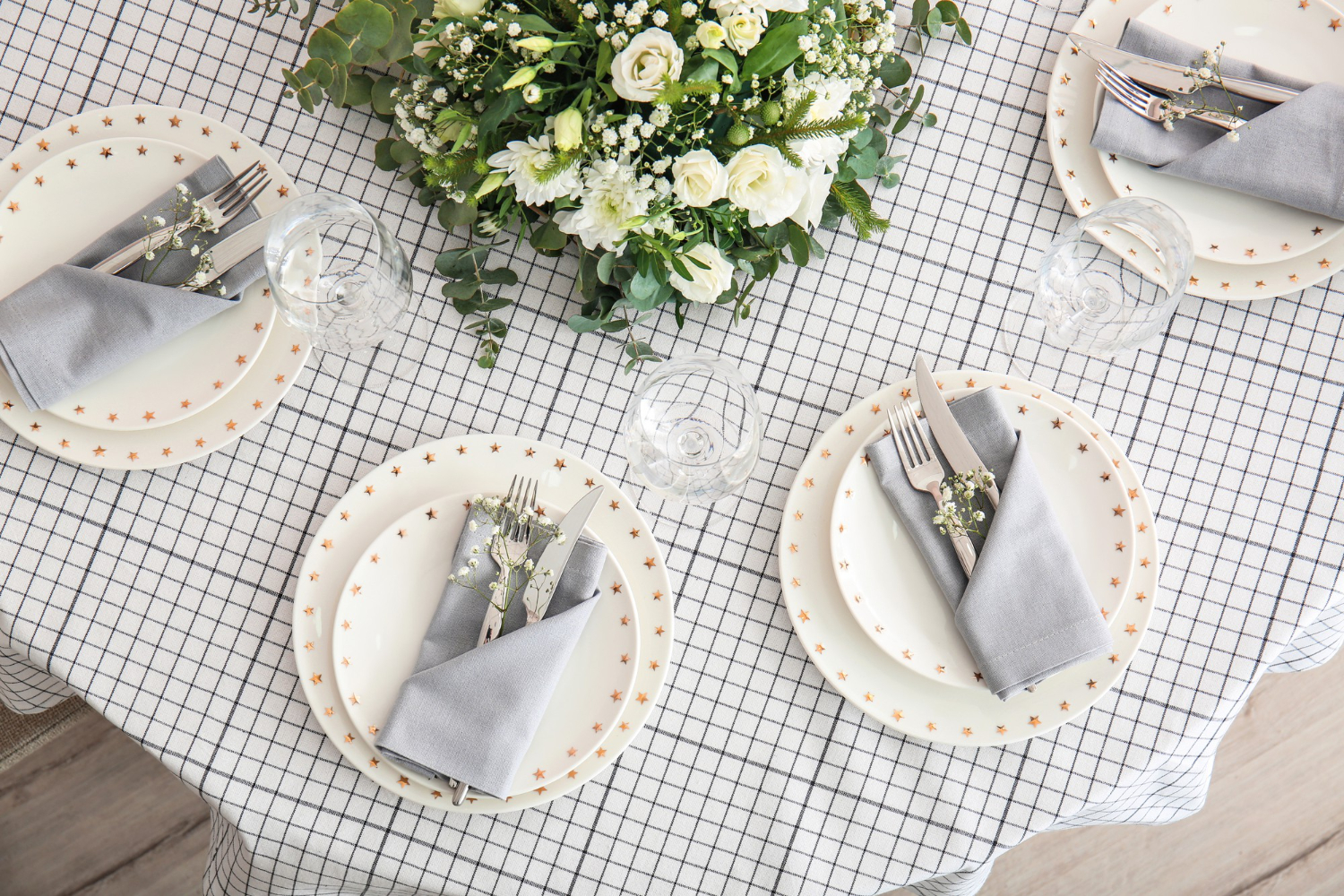
Cleaning and washing tablecloths
The process of cleaning and washing tablecloths is crucial to keep them in the best condition for many years. It is always worth checking the manufacturer's labels for washing recommendations, as different materials require different methods. Most tablecloths can be machine washed at low temperatures using mild detergents. Avoid bleach and strong detergents, which can damage the fabrics or cause them to fade. After washing, it is best to dry tablecloths flat or on a hanger, avoiding the use of tumble dryers, which can cause the fabric to shrink or distort. Regular ironing at a low temperature will help keep the tablecloths in perfect condition, ready to be used for future special occasions.
Summary and key tips for wedding tablecloths
Key points to remember
When planning a wedding, choosing the right tablecloth is not just a matter of aesthetics but also practicality. Remember that the material, style, size, and color of the tablecloth should harmonize with the overall concept of the reception. It is an element that can significantly influence the atmosphere and the visual impression made on guests. Proper matching, personalization, and maintenance of the tablecloths will ensure they last for many years and may even become a family heirloom passed down from generation to generation.
Checklist before buying a tablecloth
Before buying a tablecloth, it is worth creating a checklist that will help in making thoughtful decisions:
- Table dimensions – make sure you have the exact dimensions of the tables.
- Wedding style – choose tablecloths that complement the wedding theme and color scheme.
- Material – decide whether you prefer natural fabrics, which are more eco-friendly and elegant, or synthetic ones, which offer ease of maintenance.
- Personalization options – consider whether you want to further personalize the tablecloths, e.g., with embroidery or a printed pattern.
- Budget – tablecloths can vary significantly in price; set a maximum budget you are willing to spend.
- Reviews and recommendations – check reviews of suppliers and their products to choose the most trustworthy ones.
Additional resources and places to buy tablecloths
Wedding tablecloths can be found in many places, from specialized wedding decoration stores to online wedding supply platforms, and even local textile shops. It is also worth considering stores offering custom-made tablecloths, which can tailor the product to individual needs and requirements. For those looking for inspiration and additional advice, there are many blogs and websites dedicated to weddings that offer valuable tips and ideas.
I also encourage you to visit our blog, where you will find more articles that can help you with further preparations for your wedding and reception:
- How to choose the perfect date for your wedding
- How to choose a wedding theme
- How to introduce guests at a wedding
- Musical inspiration for the wedding: what songs are perfect for the first dance
- Traditional wedding games and activities