How to choose the right music for your wedding ceremony?

Identifying Your Own Preferences

The Importance of Personal Preferences
Recognizing your personal musical preferences is the first and most important step in choosing music for your wedding ceremony. Every couple has unique musical tastes that reflect their individual personalities, values, and shared experiences. By choosing music that resonates with your personal taste, you can create an authentic and unforgettable mood for your special day. Musical preferences are the foundation upon which the ceremony's musical backdrop is built, and therefore, they have a direct impact on the atmosphere of the event. Music has the power to evoke strong emotions, memories, and connections between you and your guests, which is why it is important to choose songs that are meaningful to you and reflect your journey together.
Choosing Songs That Matter to You
When considering the choice of songs to be played during the ceremony, it is worth reflecting on a few points. First, which songs have special meaning for you? Perhaps these are songs that accompanied you during important moments in your relationship or tracks that evoke positive emotions. Some couples choose songs with a powerful message or a story that reflects their relationship. It is important that these favorite songs are part of your wedding repertoire. Second, consider whether you want the music to be performed live or if you prefer recorded tracks. The choice between a live band and a DJ can significantly affect the ceremony's atmosphere as well as your wedding budget.
Communication with Musicians
Once you have decided on your song choices, the next step is communication with the musicians or the DJ who will be responsible for the musical setting of the ceremony. Ensure that you clearly convey your expectations, preferences, and any special requests, such as performing specific songs or musical adaptations according to your wishes. If you opt for a live band, it is worth meeting with the musicians before the ceremony to discuss details such as the setlist, schedule, and any logistical issues related to equipment and the venue. Communication with the musical ensemble is the key to ensuring that the music perfectly fits your ceremony and meets your expectations.
Article Table of Contents
- Identifying Your Own Preferences
- Understanding the Nature of the Ceremony
- Target Audience Analysis
- Adapting Music to the Venue
- Hiring Professional Musicians
- Planning the Setlist
- The Role of Music in Setting the Mood
- Rehearsals and Musical Adaptations
- Securing Musical Equipment
- Taking Care of the Details
Understanding the Nature of the Ceremony
Type of Ceremony
When planning the musical setting for your celebration, a key aspect is understanding the nature of the wedding ceremony. The type of ceremony—whether it is religious, civil, or perhaps an informal outdoor wedding—will significantly influence your music choice. For a church ceremony, there may be certain guidelines or traditions regarding music that are worth considering. Sacred, choral, or organ music might be preferred or even required in such a setting. Conversely, a civil or informal ceremony may offer more freedom in repertoire, allowing for the inclusion of modern songs or even your favorite chart-toppers. Understanding the context and etiquette associated with different types of ceremonies is crucial to ensure the music is appropriately selected and creates the right atmosphere.
Adapting Music to the Atmosphere
The next step is adapting the music to the atmosphere of the ceremony. Music has the power to create emotions and build a mood, making it an inseparable part of every wedding celebration. Whether you are planning a formal and elegant ceremony or a relaxed and informal one, the music should reflect that character. If you dream of a romantic and touching wedding, calm and sentimental melodies may be the perfect choice. On the other hand, if you prefer a lighter and more carefree atmosphere, lively, energetic songs can bring the celebration to life. Matching the music to the ceremony's atmosphere will also help your guests get into the spirit of this special day.
Classical or Modern? - Choosing a Musical Style
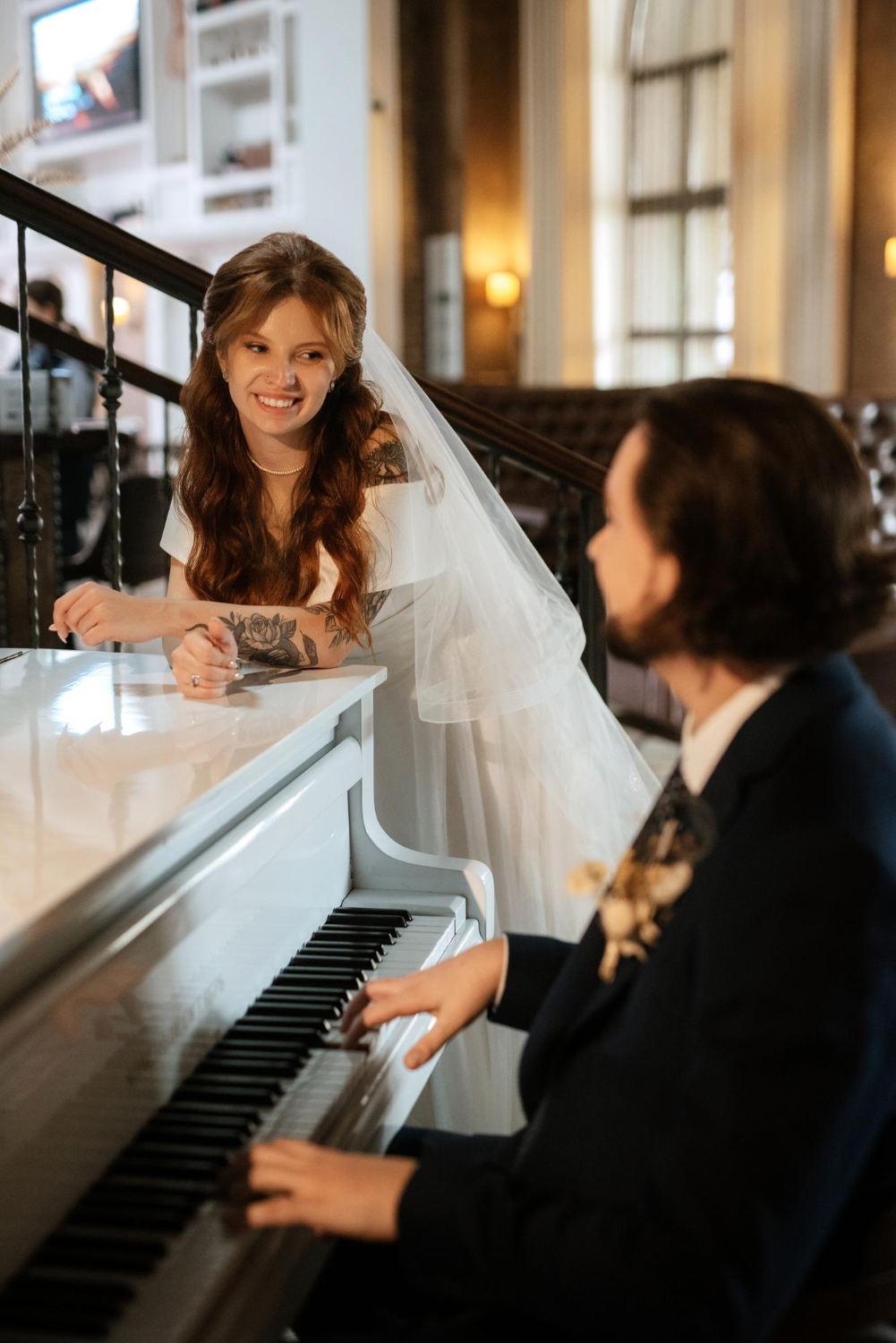
Choosing a musical style is another important decision you will need to make. Do you prefer classical music or modern sounds? Classical music, such as piano or violin pieces, can add gravity and elegance to the ceremony. Conversely, modern tracks can make the celebration stand out and feel more contemporary. The possibilities are nearly endless, and it is worth considering which musical style best captures the character of your ceremony and your individual tastes. You can also opt for a combination of both styles, which can be a great solution if you want to offer your guests a diverse musical experience. The choice of musical style will have a significant impact on the overall atmosphere of the ceremony, so it is worth dedicating enough attention to this aspect.
Target Audience Analysis
Age and Preferences of Guests
When planning the musical setting for a wedding ceremony, it is extremely important to understand that the music chosen will affect everyone present. Your target audience—your family and friends—have diverse musical tastes that often correlate with their age. The younger generation may prefer modern hits, while older guests might be more interested in classical or traditional music. Analyzing the age and preferences of guests can help in understanding which musical genres will best suit different segments of your attendees. This can also help in finding a compromise that ensures the music has universal appeal and makes the ceremony an unforgettable experience for everyone present.
A Wide Selection of Musical Genres
Given the diversity of your guests' musical preferences, incorporating a wide selection of musical genres can be a great idea. The ability to choose between classical music, jazz, pop, rock, or even electronic music can offer varied musical experiences that satisfy different tastes. You might decide on classical pieces for the ceremony and reserve modern hits for the reception. Alternatively, you could opt for a live band capable of delivering a wide range of musical styles, offering a dynamic, live performance that can be more engaging for guests. A wide selection of musical genres can also help create a more varied experience for your guests, which can be especially important if you are planning a long celebration.
Guest Satisfaction and Music Choice

The ultimate goal of choosing music for a wedding ceremony is to ensure that the event is joyful and memorable for you and your guests. Guest satisfaction is an important factor to consider, as music can significantly influence the overall atmosphere and experience of the wedding ceremony. It is worth considering whether the music you choose will have broad appeal or if you want to risk a more niche or unconventional musical choice. The final choice of music should be a balance between your personal preferences and what will be accessible and enjoyable for your guests. Understanding this balance and ensuring that your musical choices are well-received can contribute to the success of your ceremony and make it a joyful and memorable experience for all present.
Adapting Music to the Venue
Venue Acoustics
When choosing music for a wedding ceremony, one of the key aspects to consider is the venue acoustics. Every location has its own unique acoustic characteristics that can significantly affect how the music sounds during the ceremony. A hall with high ceilings and hard surfaces can cause sound to bounce, creating reverberation, while a space with soft surfaces and a smaller area may offer a more intimate and controlled sound. Before deciding on the type of music or musical ensemble, it is worth paying attention to the venue's acoustics to ensure the music will sound the way you want it to. This can also help in understanding which instruments or musical arrangements will best suit the ceremony location. Acoustic experts or experienced musicians can also offer valuable advice on this matter, helping you optimize your musical choices for the venue's acoustics.
Large or Small Musical Ensembles?
The size of the musical ensemble you decide to hire can also be strongly related to the wedding ceremony location. Large musical ensembles can offer a richer musical experience with a variety of instruments and vocals, but they may also require more space and equipment. Conversely, small musical ensembles or soloists can be more flexible and may better suit smaller or more intimate venues. When choosing the size of the musical ensemble, it is important to consider how much space is available, what the noise level restrictions are, and what your personal preferences are regarding the musical setting. This decision can also affect costs, so it is important to weigh all these factors and find a solution that fits your needs and budget.
Choice of Instruments
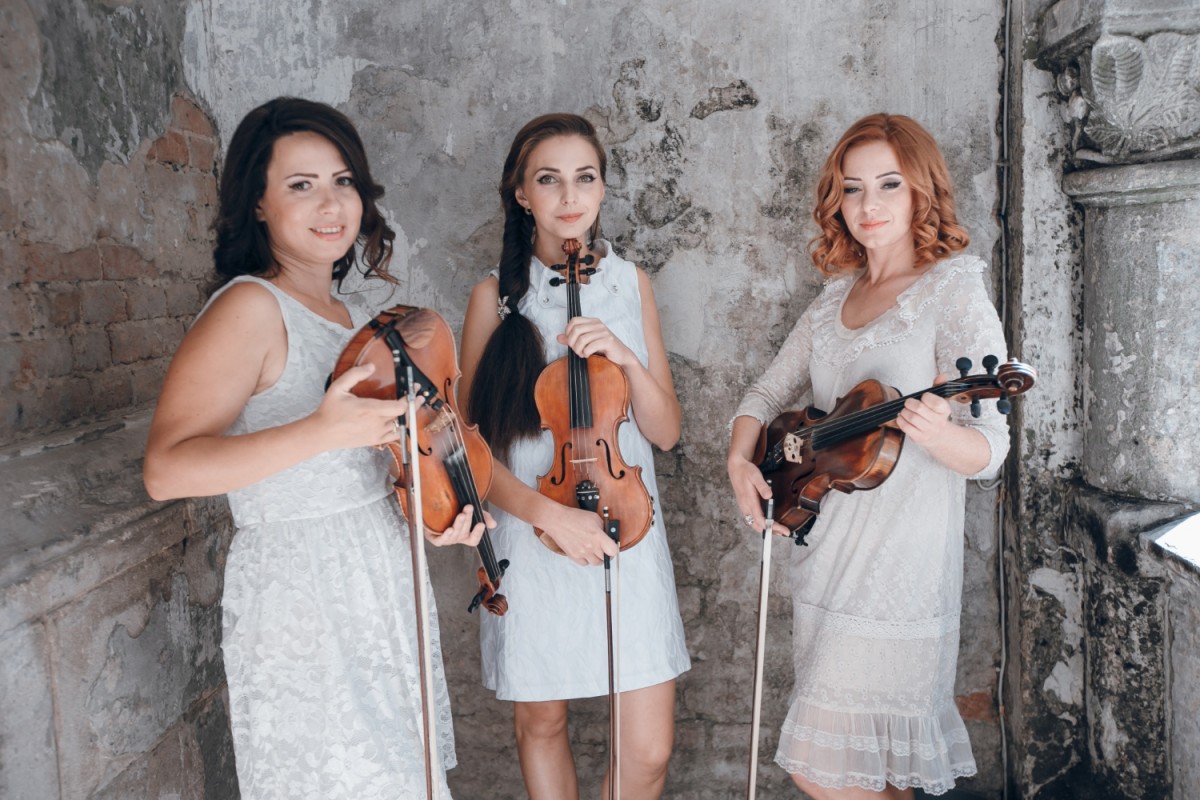
The choice of instruments is another important aspect of adapting music to the location. Different instruments produce different sound qualities and may fit the acoustics of a given place better or worse. For example, string instruments may sound wonderful in intimate, well-dampened spaces, while wind instruments might be better for open or larger venues. If you decide on a live band, it is important to consider which instruments will best suit your location and how they will interact with the venue's acoustics. When choosing instruments, it is also worth thinking about your personal preferences and the impression you want to make on your guests. A good idea might be to consult with musicians or acoustic experts who can help you understand how different instruments will sound in your location and how you can adjust your musical choices to achieve the best possible effect.
Hiring Professional Musicians
Benefits of Hiring Professionals
The decision to hire professional musicians for a wedding ceremony brings a number of benefits. First and foremost, professional musicians possess the experience and skills necessary to provide a high-quality musical setting. Their skills allow for precise adjustment of the performance to your preferences, which can significantly increase satisfaction with the musical aspect of the ceremony. Furthermore, professional musicians are usually more reliable and well-prepared, which can significantly minimize the stress associated with organizing this aspect of the wedding. It is also important that professionals usually have high-quality equipment and are able to offer a wide musical repertoire, which can be especially important if you dream of a diverse musical setting for your special day.
DJ or Live Band?
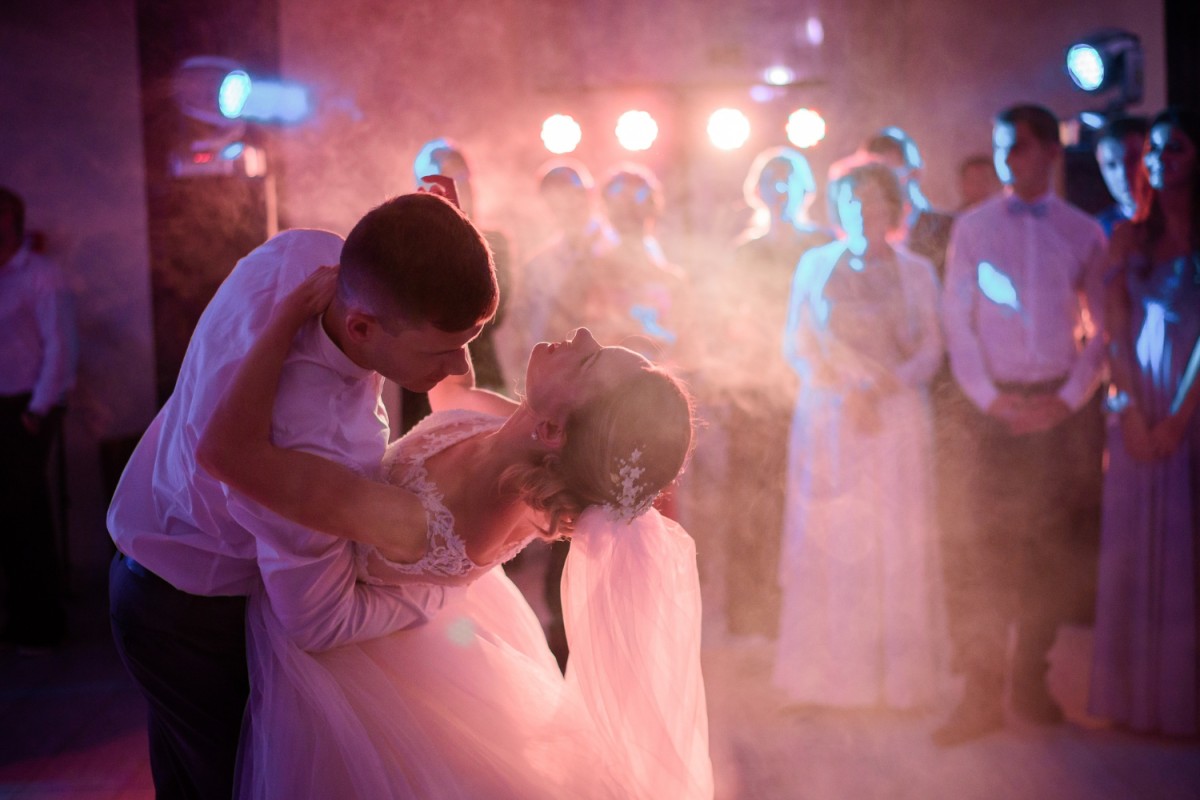
The choice between a DJ and a live band can be one of the most difficult, but also one of the most important decisions regarding the musical setting of the ceremony. Both choices have their advantages. A DJ can offer an almost unlimited variety of music, ease of playlist adjustment, and often a lower cost compared to a live band. On the other hand, a live band can provide a unique, emotional experience, liveliness, and interaction with guests that is hard to replace in any other way. The choice between a DJ and a live band will depend on your personal preferences, budget, and the overall atmosphere you desire for your ceremony. It is important to consider what is more important to you—the ability to personalize the playlist or an authentic, live musical experience.
Collaboration with Musicians
The way you collaborate with the musicians you decide to hire is also significant. Collaboration with musicians should be open and transparent. It is important to clearly communicate your expectations, musical preferences, and any special requests, such as performing specific songs or musical arrangements. A good practice is to provide the musicians with clear instructions while leaving them some artistic freedom so they can bring their experience and creativity to the musical setting. It is also worth organizing a meeting before the ceremony to discuss all logistical details, such as the schedule, equipment, and venue setup. Clear communication and understanding of mutual expectations can significantly contribute to the success of your ceremony's musical setting, creating unforgettable impressions for you and your guests.
Planning the Setlist
Songs for Key Moments of the Ceremony
Every wedding ceremony has its key moments, which are usually highlighted by music. For example, choosing a song for the bride and groom's entrance is extremely important because the music sets the tone for the entire event. It could be the traditional "Wedding March" by Felix Mendelssohn or something more personal and unique, such as "All of Me" by John Legend. Similarly, songs chosen for the first dance or the cake-cutting moment have their symbolic value and should reflect the personality and tastes of the couple. When planning the setlist, it is important to spend time thinking about which songs will best suit these key moments to make them unforgettable.
Creating the Setlist
The process of creating a setlist can be both exciting and a bit overwhelming due to the vast number of options available. Thinking about the genre of music, artists, and specific songs you would like to hear during your wedding can be a great starting point. You can begin by creating a list of your favorite songs or songs that have special meaning for you. Next, it is also worth considering which songs might be popular among your guests to ensure everyone has a good time. The ability to work with a DJ or a live band can also help in shaping a setlist that will fit the atmosphere and theme of the ceremony.
Alternative Musical Suggestions
While traditional wedding songs are beautiful and timeless, it is also worth considering alternative musical suggestions that can make your ceremony unique and personal. For example, if you are rock fans, perhaps consider an acoustic version of a favorite rock song for the entrance. Another idea is to replace the traditional wedding march with a track from your favorite movie or TV series. Exploring different musical genres and artists can lead to discovering songs that perfectly fit your ceremony while setting your wedding apart from others. Hiring professional musicians who are open to exploring different musical styles can also broaden your musical horizons and lead to unexpected but beautiful musical choices for your special day.
The Role of Music in Setting the Mood
Emotions and Music Choice
Music is a powerful tool that can evoke a wide range of emotions and significantly contribute to setting the mood during a wedding ceremony. Choosing the right music can highlight the beauty and gravity of the moment, adding emotional depth to key parts of the ceremony. For example, calm and romantic ballads can emphasize the love and intimacy of the moment during the exchange of vows, while energetic and joyful songs can make the entrance to the reception unforgettable and full of joy. When choosing music for your ceremony, it is important to think about what emotions you would like to evoke in yourselves and your guests. Think about which songs resonate with you emotionally and how they could be integrated into different moments of the ceremony to create the desired mood.
Romantic or Energetic Songs?
Every couple is different, and thus, different couples may prefer different musical styles to highlight their unique love and personality. For some couples, romantic ballads that emphasize the deep bond between them may be ideal, while other couples may prefer energetic songs that celebrate the joy and excitement of the day. It is important to find a balance that reflects your personal preferences while ensuring the music is appropriate for different moments of the ceremony. For example, you might find that delicate and romantic songs are perfect for the moment of exchanging vows, while energetic songs are great for opening the reception. It is also worth considering how different musical styles will affect your guests and how they will influence the overall atmosphere of the ceremony.
Background Music
Background music is often underestimated, but it can significantly contribute to setting the mood and adding a special touch to your ceremony. Soft background music during dinner or a cocktail hour can help create a relaxing and pleasant atmosphere, encouraging guests to talk and enjoy each other's company. You can opt for delicate instrumental tracks, classical music, or even jazz or live acoustic music. Choosing calm and pleasant songs can help create an elegant and comfortable environment that will allow you and your guests to enjoy the day without extra stress. When choosing background music, it is important to remember to maintain an appropriate volume level so that the music adds charm to the occasion rather than dominating it.
Rehearsals and Musical Adaptations
Rehearsals Before the Ceremony
Preparations for a wedding ceremony are a complex process in which musical rehearsals are an inseparable element. These rehearsals aim not only to perfect the performance but also to ensure that the music harmoniously blends with other elements of the ceremony. Rehearsals also allow for logistical planning, such as positioning the musicians, checking the venue's acoustics, and ensuring that the selected songs sound good in the given environment. It is worth starting to plan musical rehearsals in advance to give the musicians and yourselves enough time to prepare. This includes both individual and group rehearsals to ensure everything will function flawlessly on the day of the ceremony.
Song Adaptations
Every musical piece can be adapted in various ways to fit the personal style and preferences of the couple. Song adaptations can include changes in arrangement, tempo, key, or even lyrics to better suit the occasion. For example, a popular song can be rearranged in a jazz or classical style to give it a different character. If you have specific requests regarding songs to be played at the ceremony, it is worth discussing them with the musicians in advance so they have time to prepare the adaptations. This can also include commissioning special arrangements of songs that have special meaning for you. It is important to communicate your preferences to the musicians so they can prepare appropriately and meet your musical expectations.
Communication with Musicians
Communication with musicians is key to ensuring that the music at the ceremony is exactly as you dreamed. When choosing musicians, it is worth paying attention to their openness to suggestions and willingness to cooperate, which will help ensure they are receptive to your proposals and changes. It is recommended to have regular meetings or phone calls with the musicians in the period leading up to the wedding to discuss all musical details. It is also worth considering scheduling a meeting with the musicians at the ceremony site so they can familiarize themselves with the venue's acoustics and discuss all logistical details. Open and clear communication will help build a good relationship with the musicians, which will certainly translate into the quality of the musical performance on your wedding day.
Securing Musical Equipment
Musical Equipment for the Ceremony
Choosing the right musical equipment is crucial for ensuring high sound quality during the wedding ceremony. A thoughtful choice of musical equipment, such as microphones, speakers, a sound mixer, and instruments, can significantly affect the overall atmosphere of the ceremony. Depending on the wedding location and musical preferences, it may be necessary to rent additional equipment or have it provided by the band or DJ. Before making a decision, it is worth seeking advice from sound experts or the musicians themselves who will be performing during the ceremony. Their experience can be invaluable in advising what type of equipment will be most suitable for your celebration.
Checking Sound Quality
Sound quality is one of the most important aspects of live music during a ceremony. High sound quality can significantly raise the level of professionalism of the musical presentation, thereby increasing guest satisfaction. It is worth investing time and resources into checking the sound quality before the ceremony to ensure it is at an appropriate level. This can be done by organizing sound checks at the ceremony site. During such rehearsals, sound experts can adjust musical equipment settings, such as volume levels, balance, or tonal balance, to achieve the best possible sound effect. Furthermore, sound checks are a great time to try out different equipment settings and find optimal acoustic solutions.
Backup Equipment
Contingency planning is essential when it comes to musical equipment for a wedding ceremony. Equipment failure can cause unforeseen interruptions that can disrupt the flow of the ceremony. Therefore, it is worth securing yourself by having backup equipment, such as extra microphones, cables, or even a spare sound mixer. The ability to quickly replace damaged or malfunctioning equipment can significantly reduce the stress associated with potential technical problems. It is also worth considering hiring a sound technician for the day of the ceremony who will be able to react quickly to any equipment issues and ensure that sound quality is maintained at a high level throughout the duration of the celebration.
Taking Care of the Details
Synchronizing Music with Ceremony Moments
Understanding how to synchronize music with key moments of the ceremony is essential to creating a magical atmosphere. Synchronizing music with moments such as the bride and groom's entrance, the exchange of rings, or the first dance can significantly influence guests' emotions and make these moments unforgettable. Therefore, it is important to know the exact duration of each segment of the ceremony and match appropriate songs to it. Working with an experienced DJ or musical ensemble that understands the importance of these moments can be invaluable. Collaborating with professionals who can adjust the tempo and musical style to different stages of the celebration will help create a smooth and harmonious flow of events.
Song Length
When planning music for a wedding, it is also important to pay attention to song length. When choosing music, it is worth keeping in mind that some songs may be too long or too short for certain moments of the ceremony. For example, the song for the bride and groom's entrance should be long enough to give them time to walk down the aisle, but not so long that it creates an awkward pause. Similarly, dance music should be well-organized so that guests can enjoy dancing without interruptions. The length of songs can be adjusted through musical editing or by choosing shortened or extended versions to fit specific moments of the ceremony.
Final Preparations
Before the wedding ceremony, it is important to take care of the final preparations related to the music. This includes final playlist auditions, ensuring that all performers are familiar with the schedule, and that the musical equipment is fully functional and ready for use. Small adjustments, such as changes in the order of songs or volume level adjustments, can be made at the last minute to ensure the music perfectly complements the rest of the celebration. Paying attention to details and dedicating time to these final steps can definitely influence the overall musical impression you leave on your guests.
If this article was useful to you, we encourage you to check out other texts on our blog that may also interest you while planning your wedding. Here are a few articles we recommend:
- How to decorate a wedding car?
- What are place cards?
- How many people to invite to a wedding?
- How to organize a humanist wedding?
- Musical inspirations for a wedding: What songs are perfect for the first dance?
We hope these articles will help you in your preparations for this special day!