How to Create the Perfect Wedding Menu? A Guide for Couples
Planning a wedding is an exciting but demanding task. Once you have chosen your venue, set the date, and sent out elegant wedding invitations to your guests, it's time for the next challenge – composing the wedding menu. It is often said that guests might forget the decor details or the first dance song, but the taste of the wedding dishes will stay in their memory for a long time. A properly selected wedding menu is the key to guest satisfaction and a guarantee that your reception will be fondly remembered for years. But how do you choose dishes that everyone will enjoy, balance tradition with modernity, and cater to diverse tastes and diets?
In the following guide, we will walk you through the process of creating the ideal wedding menu step by step. You will learn how to compare traditional and modern wedding menus, what to look for during menu tastings with your caterer or venue chef, how to accommodate special dietary requirements, and how to plan meal service and the order of courses during the reception. Finally, we will present sample menu sets tailored to different wedding styles – from classic to themed. Ready to compose the wedding menu of your dreams? Let's begin!
Table of Contents
How to Choose a Wedding Menu? Traditional or Modern?
The first step in planning your wedding menu is deciding on the style of the food service. Do you dream of a traditional Polish wedding with broth and schnitzel, or would you prefer to surprise your guests with modern dishes and unusual flavors? The choice between a traditional and modern menu will influence the atmosphere of the wedding, so it's worth considering carefully. You can also try to combine both approaches by serving classic dishes in a refreshed form – such a combination often works best, bridging the expectations of older guests with the tastes of the younger generation.
Traditional wedding menus usually rely on well-known, home-style flavors. Guests often expect dishes like beetroot soup with croquettes, chicken soup with noodles, or de volaille with potatoes and a set of salads. These dishes are filling, time-tested, and liked by most people, especially the older generation. Traditional wedding menus tend to be hearty – in the past, there was a belief that there must be plenty of food so that no one leaves hungry. Many couples also opt for traditional country tables with regional products (cold cuts, lard, pickles) as well as a classic wedding cake and a wide selection of cakes: cheesecake, poppy seed cake, apple pie – sweets everyone loves.
On the other hand, a modern wedding menu focuses on originality and variety. Nowadays, weddings increasingly feature dishes inspired by world cuisines – e.g., tomato cream with basil instead of traditional broth, fish or seafood dishes, pastas and risottos, or even sushi or tacos as a culinary attraction. A modern approach also means lighter, healthier dishes – more vegetables, salads, and fit or veggie options, which used to be rare at weddings. Such a menu choice can delight guests with interesting flavor combinations and elegant presentation. Remember, however, that when introducing novelties, it's good to maintain a balance – even the most modern wedding can include touches of tradition (like serving sour rye soup at midnight) to satisfy all revelers.

Gaja No. 2 Wedding Invitation – Sage Green with Letterpress Embossing

Glamour Wedding Invitation with Gilded Branch and Velvet Paper – Ruskus No. 14

Kraft Wedding Invitation No. 12 – Forest Style with Pine Forest Graphic
Seasonality of ingredients is another aspect worth considering when composing your wedding menu. A menu tailored to the season will not only be tastier (dishes made from fresh, seasonal products have the most flavor) but often cheaper as well. In spring and summer, reach for fresh vegetables, fruits, and herbs – e.g., cold beet soup in May or cakes with strawberries and raspberries in June. An autumn wedding is a great opportunity to serve warming pumpkin or mushroom creams and dishes with seasonal root vegetables. In winter, opt for filling and warming dishes like aromatic red borscht with a pasty or roast pork loin with plums. Using local, seasonal ingredients gives the menu character and authenticity – guests will appreciate the freshness and quality of the food.
Of course, a key factor is the budget. Planning a delicious wedding menu within a specific amount requires thoughtful decisions. Most often, costs are calculated "per plate," i.e., per guest. The price depends, among other things, on the number of hot dishes served, the type of food (beef or venison dishes will be more expensive than chicken or pork), and additional culinary attractions. If you have a limited budget, this doesn't mean sacrificing quality – you can, for example, reduce the number of dishes (it's better to serve fewer items that are refined and tasty than to multiply dishes at the expense of quality) or choose cheaper, seasonal ingredients. Compare offers from several venues or catering companies, paying attention to what exactly the price includes (are drinks, cakes, the wedding cake, the so-called sweet or country table, waiter service, etc., included?). Also, remember to have a buffer – it's better to have slightly more food than too little, but without exaggeration, to avoid large surpluses and food waste after the wedding.
Guest preferences should also influence your decisions. Before making a final menu choice, think about what kind of guests will be celebrating at your party. Are the invitees mostly lovers of traditional cuisine, or rather people who enjoy exploring new flavors? It's worth maintaining variety – if most dishes are modern and unusual, ensure there is at least one classic "safe bet" dish (like the aforementioned broth or roast pork neck) so that taste-conservative guests also find something for themselves. Conversely, when planning a very traditional menu, weave in an element of surprise, even a small one – it could be an original appetizer or a modern-style dessert. This will make the wedding menu more interesting and memorable. Remember, it's primarily about ensuring that every wedding guest can eat well and leave satisfied. Even if you can't perfectly match all tastes, the variety and quality of the dishes will ensure the overall impression is positive.
It's also a good idea to seek the opinions of those closest to you – ask parents or witnesses which dishes they think always work at weddings and which are better avoided. Every family has its culinary traditions, so you can include something in the menu that will be a nice nod to your guests (e.g., a regional specialty from your area). Ultimately, however, the wedding menu should primarily suit you, the Bride and Groom – it's your day and your flavors. If you have a favorite dish, even an unusual one, feel free to suggest it for the wedding. Authenticity and the personal character of the reception are always valued! Wedding trends change from year to year – one time the rustic style with an idyllic menu is in fashion, another time inspirations are drawn from world cuisines. Amidst the flood of inspirations from the wedding industry, remember to choose what truly suits you. Nowadays, there is full freedom and individualism, so feel free to break the molds and create a wedding menu on your own terms.
Food Tasting – How to Plan a Meeting with Your Caterer or Venue?
Once you have a preliminary idea for the menu, be sure to plan a wedding food tasting. This is a very important stage – even the best descriptions of dishes cannot replace personally tasting what will be on your guests' plates. Most good restaurants and catering companies offer Couples a wedding menu tasting a few months before the wedding date. Often, such a tasting is offered for free or for a symbolic fee, especially if you have already booked the venue – it's an investment that pays off because it helps avoid disappointments on the wedding day. It's worth taking advantage of this opportunity to ensure that all dishes meet your expectations and avoid culinary surprises on the wedding day.

Glamour Wedding Place Cards with Pearls – Pearls No. 1 White

Lauren No. 3 Wedding Place Cards – Classic Calligraphy Name Cards

Kraft Place Cards No. 12 – Rustic with Forest Panorama
How to organize a tasting? It's best to arrange it with the venue manager or chef about 2–4 months before the wedding, once you have selected preliminary dish proposals. It's good to prepare a list of dishes you want to try – e.g., two options from each category (two soups, two main courses, a few different appetizers and desserts). This will allow you to compare flavors and make it easier to decide what to finally serve. Usually, the Couple is invited to the tasting, sometimes also witnesses or parents, but remember that the more people, the more opinions, which can make the choice harder. It's worth following your own taste, as it's your wedding – guests will generally be happy with what you choose, as long as the food is tasty and well-presented.
During the tasting meeting, pay attention not only to the taste but also to the presentation of the dishes. Are the dishes aesthetically served on the plate? What are the portions like – are they too small or too large? Wedding food should please the eye; after all, we eat with our eyes too. If you have comments about the seasoning (e.g., the dish is too salty, too spicy, or something is missing), feel free to say so. The chef can usually adjust the recipe to your preferences. Also, ask if any substitutes are planned for the seasonal menu – e.g., if you are tasting a dish with chanterelles in July, make sure what the kitchen will serve instead for a winter wedding.
Questions for the caterer or venue: Don't be afraid to ask for details. Good communication with the staff is the foundation of a successful reception. Here are a few points worth discussing during the tasting:
- Ingredients and freshness: Will all ingredients be fresh and seasonal? For example, are sauces and cakes made on-site or bought ready-made? The more things prepared by hand by the chefs, the better the taste.
- Possibility of menu modification: Ask if you can introduce your own dish suggestions or modify recipes. Sometimes a Couple wants to add their favorite family dish to the menu – it's worth checking if the kitchen will take on such a task.
- Diets and special options: Determine immediately what the options are for vegetarians, vegans, or people with allergies. Will the chef prepare, for example, a gluten-free version of a dish for those in need? (We write more about guests' diets in the next point, but it's good to bring this up during the tasting).
- Service and staff: Find out what the service looks like on the wedding day. How many staff members will be looking after your guests? How quickly are subsequent courses served? Do waiters also serve alcohol and drinks, or do guests help themselves at a buffet? This information affects the comfort of the celebration.
- Meal serving times: Talk about the schedule – what time the dinner, dessert, and subsequent suppers are planned. A professional venue should help you determine optimal intervals between meals so that guests are not hungry but also have time to dance between courses.
- Wedding cake and sweets: Determine if the cake is provided by the venue/partner bakery or if you are organizing it yourself. If the cake is included, it's worth tasting it or at least seeing the baker's portfolio. Ask about the so-called sweet table – if there is an option to organize a corner with cakes, cookies, and fruit that guests can use throughout the wedding.
- Drinks and alcohol: Although this is a separate topic, during the tasting, also ask about drinks. Are juices, water, coffee, and tea included without limit? What is the corkage fee if you plan to bring your own alcohol? It's good to know these details early to avoid misunderstandings.
Take notes during the tasting – you can rate each dish on a scale (e.g., 1–5) for taste, appearance, and overall impression. This will allow you to calmly analyze what you liked most after returning home. If you have any doubts, it's worth asking for minor changes or even an additional mini-tasting of a specific menu element after corrections. Remember, the goal is to create a menu you will be 100% happy with.
Finally, build a good relationship with the chef or manager – if they feel you care about quality and have a specific vision, they will be more willing to make an effort to meet your expectations. On the wedding day, you will be able to enjoy yourself without stress, knowing that the menu is finalized.

Golden Fortune Cookies with Personalized Label | Affordable Wedding Favours | Cejla No. 3

Simple No. 3 Soy Candle – Gold Foiling & Elegant Wedding Favours

Merci Favour with White Flowers, Green Leaves | Elegant Guest Gifts | Impresja No. 10
How to Accommodate Guests' Dietary Needs?
Today's weddings increasingly host people with various dietary preferences. Vegetarians, vegans, people on gluten-free or lactose-free diets – these are all your potential guests who are worth thinking about when planning the menu. Good manners and care for guests dictate that no one should sit at the table hungry due to a lack of suitable dishes. So how do you plan a wedding menu to accommodate different diets and needs?
First and foremost, find out in advance what special diets you can expect. Already at the stage of confirming attendance, it's worth asking invitees for information about any allergies or dietary restrictions. This can be done subtly, e.g., by placing a question about diet on the RSVP cards (sent with the wedding invitations) or asking for contact in case of special requirements. Having a list of such guests, you can pass it on to the chef and together decide what alternative dishes to prepare.
Menu for vegetarians and vegans: Providing a full meal for non-meat eaters is becoming a standard today. If most of your menu is meat-based, ensure at least one meatless option for the main course (e.g., vegetable gratin, grilled halloumi with vegetables, mushroom risotto, or pierogi with cabbage and mushrooms). For vegans, it will be necessary to exclude dairy and eggs as well – dishes based on legumes (e.g., chickpea curry, vegetable stew with lentils) or fancy dishes with tofu or eggplant work great. Remember to also include items among the appetizers and desserts that a vegetarian or vegan can safely reach for – e.g., Greek salad without feta cheese (for vegans, it can be served with a vegan substitute), hummus with vegetables, fresh fruit, sorbets instead of ice cream, etc. Vegetarian and vegan dishes at a wedding can be so tasty and filling that many meat-eating guests will also enjoy them. So treat them as a full-fledged element of the menu, not just an addition.
Gluten-free options: A gluten-free diet can be a challenge because wheat and flour are found in many traditional dishes (breading, dumplings, cakes). However, preparing dishes friendly to people with celiac disease or avoiding gluten is possible. First, make sure at least one main course is gluten-free – it could be, for example, baked fish with potatoes and vegetables (without a flour-thickened sauce) or a steak without breading. Soups can be thickened with potatoes or blended vegetables instead of traditional roux. Use potato or corn flour for sauces. If you plan to serve bread, order a few portions of gluten-free bread specifically for these guests. Desserts are another point – maybe it's worth adding a gluten-free dessert (e.g., meringue cake, chocolate mousse, fruit with whipped cream) or at least having a pack of gluten-free cookies on hand. It's also important to avoid contamination – the kitchen should prepare gluten-free dishes separately so that crumbs or flour do not accidentally end up on the plate.
Lactose-free options: More and more people have lactose intolerance or choose a dairy-free diet. Fortunately, it's relatively easy to include their needs in a wedding menu, as most main courses can do without the addition of milk or cream. If sauces or mashed potatoes are made with butter or cream, ask the kitchen to prepare at least one portion without these additions. Dishes like roasted meats, fish, and salads are usually safe for those avoiding lactose – desserts tend to be the problem. Here, fruit sorbets, jellies, meringues, or cakes baked with oil instead of butter come to the rescue. You can also stock up on a small amount of lactose-free desserts (some bakeries offer, for example, cheesecakes with lactose-free milk or vegan cakes). Although these are details, for a person with such an intolerance, it will be a huge relief to be able to eat something sweet at the party without worry.
Menu for children: If children will be present at your wedding, it's worth considering their needs as well. Little ones are often reluctant to try new flavors and prefer simple dishes. A good solution is to prepare a few dishes for children – these can be smaller portions of dishes from the main menu (e.g., mini schnitzel with fries instead of potatoes, pasta with a mild tomato sauce, chicken meatballs with rice) or even separate items created for children's tastes. A classic is chicken soup or tomato soup for the first course for the youngest and, for example, chicken nuggets for the second. Children will also enjoy a simple dessert, like vanilla ice cream or waffles with powdered sugar. Ask parents what their children like to eat – this way, the kids won't be fussy at the table and will also have a nice time at the wedding reception.
The key to success is communication with the caterer. Pass the list of dietary challenges to the chef well in advance – preferably a few weeks before the wedding when you confirm the final guest count. Determine specific substitutes or additional dishes. On the wedding day, make sure (e.g., through the venue manager) that the staff knows which seats at the table belong to people on special diets. This can be solved with a list for the staff or subtle markings – e.g., place cards in a different color for veggie and gluten-free guests, or simply notes with the name and diet information given to the waiters. This ensures these guests get the right dishes efficiently and without confusion.
Remember that guests with special dietary needs will certainly appreciate your efforts. Satisfied and well-fed, they will be able to celebrate equally with others. And for you, it's an added satisfaction that you took care of every detail of the wedding menu with everyone in mind.

Flores No. 1 Soy Candle in Gypsum – Gilded Wedding Favour

Kraft No. 5 Soy Candle in Plaster – Sunflowers Wedding Favour

Flores No. 2 Soy Candle in Gypsum – Burgundy Flowers Wedding Favour
Meal Service – Which Course Order Works Best?
When arranging the menu, it's worth thinking about the meal service schedule at the wedding right away. The order and method of serving dishes have a major impact on the rhythm of the entire celebration – well-planned breaks between meals allow guests both to enjoy the food and to dance or participate in attractions. So how do you space out the serving of dishes over time, and what are the serving options?
A traditional Polish wedding reception begins with a formal dinner. Usually, right after the Couple arrives at the venue and is welcomed with bread and salt, guests sit down at the tables. The first course is usually soup – classically chicken soup with noodles or another soup of your choice. After the soup, the main course of the dinner is served, usually consisting of meat (e.g., pork schnitzel, beef roulade, or chicken breast), a starch side (mashed potatoes, potatoes with dill, Silesian dumplings), and a set of salads or warm vegetables. Such a two-course dinner is standard at many weddings and gives guests a solid energy base for further celebration.
After dinner, there is a break for the first dances and fun. The next culinary element of the program is often the serving of the wedding cake. Traditionally, the cake makes a grand entrance into the room, the Couple makes the symbolic first cut, and then the staff serves it to the guests. The cake can be treated as a post-dinner dessert – in that case, it's worth serving it with coffee about 2 hours after dinner. Alternatively, if you prefer the cake later, you can organize a separate dessert (e.g., ice cream, mousses, or other cakes served to the tables) earlier and serve the cake just before midnight. It's important that some time passes between the main dinner and subsequent meals for dancing and rest.
During the wedding reception, additional hot meals are usually planned for the evening. Often at Polish weddings, there are so-called suppers or hot dishes served every few hours after dinner. For example, around 7–8 PM, another hot meal might appear – e.g., roasted pork neck with bread and mustard, goulash, or a grilled dish (especially if it's an outdoor wedding). Late in the evening, around 10–11 PM, another hot dish is served – here, borscht with a pasty, sour rye soup, or bigos are popular as something more substantial to satisfy hunger later in the party. Of course, the number and type of these additional dishes depend on you and the length of the wedding – if you plan to celebrate until dawn, you can even provide one more small "breakfast" in the early morning (e.g., a table with bread, cold cuts, and scrambled eggs around 2 AM). The key is that guests have something to snack on throughout the night.
Now a few words about serving styles. In the past, the only option was serving all dishes to the table by waiters (classic service). Today, Couples have more choice and can choose a serving method tailored to the wedding style. Below we discuss the most popular variants:
- Classic Service (Waiter Service): The most elegant form, where each dish is individually served to guests at the tables. It works well for traditional and formal weddings. Pros: convenience for guests (they don't have to go anywhere), nice presentation on the plate, control over portions and serving pace. Cons: limited choice (all guests eat the same pre-set menu), higher cost (requires more staff). Within classic service, you can serve only dinner to the table and the rest of the meals (e.g., late-night suppers) in buffet form – if you want to combine elegance with variety.
- Family Style (Platters on Tables): This is an intermediate variant – the staff brings dishes on platters and in bowls, which they place on the tables, and guests help themselves. This form is less formal and creates an atmosphere of communal feasting, which fits weddings in a more relaxed style, like rustic ones. Pros: guests can take as much as they want and choose their favorite sides; integration at the table – sharing platters encourages conversation. Cons: aesthetics are not as refined as with individual service (though you can ensure beautiful platters), it's a bit harder to control if everyone got an equal share. It's important that staff replenish the platters regularly so nothing runs out.
- Buffet (Self-Service): A very popular option for less formal receptions. It involves dishes – especially appetizers, salads, cold snacks, and some hot dishes – being laid out on a common table or several tables, and guests approach and take what they fancy. A buffet works well when the menu is diverse and we want to give guests a choice. Often at weddings, a so-called cold plate is found in buffet form (cold cuts, cheeses, salads) available all night, even if dinner was served traditionally to the table. Pros: freedom for guests, great variety, opportunity to try many things. Cons: guests have to leave the table and sometimes stand in line (it's worth thinking about several stations with duplicate dishes for very large groups). A buffet also requires constant monitoring – dishes must be replenished and kept at the right temperature throughout the reception.
- Food Trucks and Culinary Stations: An interesting and increasingly fashionable option, especially for outdoor, boho, or industrial-style weddings. Instead of (or alongside) traditional catering, you can hire food trucks serving various dishes – e.g., burgers, wood-fired pizza, crepes, sushi, or artisanal ice cream. They can serve as the main food or an attraction served later at night. Pros: "wow" factor and an attraction for guests who feel like they are participating in a culinary festival; a wide choice of flavors (you can hire several different food trucks so everyone finds something for themselves). Cons: requires a suitable location and venue permission for the trucks to park nearby; risk of queues – it's worth ensuring that food service is efficient, e.g., by limiting the truck menu to 2–3 items to serve guests quickly. Food trucks work best for smaller weddings or as an addition (e.g., they arrive around 10 PM as a surprise). An alternative is live cooking stations operated by chefs – e.g., a sushi stand with a sushi master, a wok corner where Asian noodles are fried on the spot, or a station with grilled meat carved live. This also diversifies the serving form and engages guests, as they can watch a culinary show.

Glamour Wedding Place Cards No. 1 – Satin Name Cards with White Print

Cappuccino Wedding Place Cards No. 1 – Satin Ribbon Table Name Cards

Rose Bow Wedding Place Cards No. 1 – Pink Satin Glass Ribbon Cards
There is no single "best" order of courses or service style – it all depends on the character of your wedding and your preferences. It's important to plan meals in such a way that guests are full but not overfed, and that food appears at the right moments of the party. Too long breaks can make guests hungry and lose energy for fun; conversely, serving heavy dishes too frequently can make them sluggish. Therefore, a golden mean is, for example, a hearty dinner, then a lighter dessert, a break for dancing, then smaller portions of hot dishes every few hours. Also, remember to adapt to the season – in summer, guests prefer more cold snacks and drinks; in winter, they will appreciate hot soup and tea. When you carefully consider the schedule and serving style, your wedding will run smoothly, and guests will remain satisfied and full throughout the night.
Sample Menu Sets for Different Wedding Styles
Every wedding has its unique vibe and style, which is worth highlighting through the menu as well. We would arrange the menu differently for a grand reception in a palace than for a casual garden party or a themed wedding. Below we present proposed sets of dishes tailored to different wedding styles. Of course, these are just examples – you can modify them freely according to your own preferences, using them as inspiration.
Traditional Wedding
If you are organizing a classic Polish wedding, opt for time-tested dishes that almost everyone enjoys and that refer to local cuisine. A traditional wedding menu is filling, rich, and often based on recipes passed down from generation to generation. Here is a sample menu set for a traditional wedding:
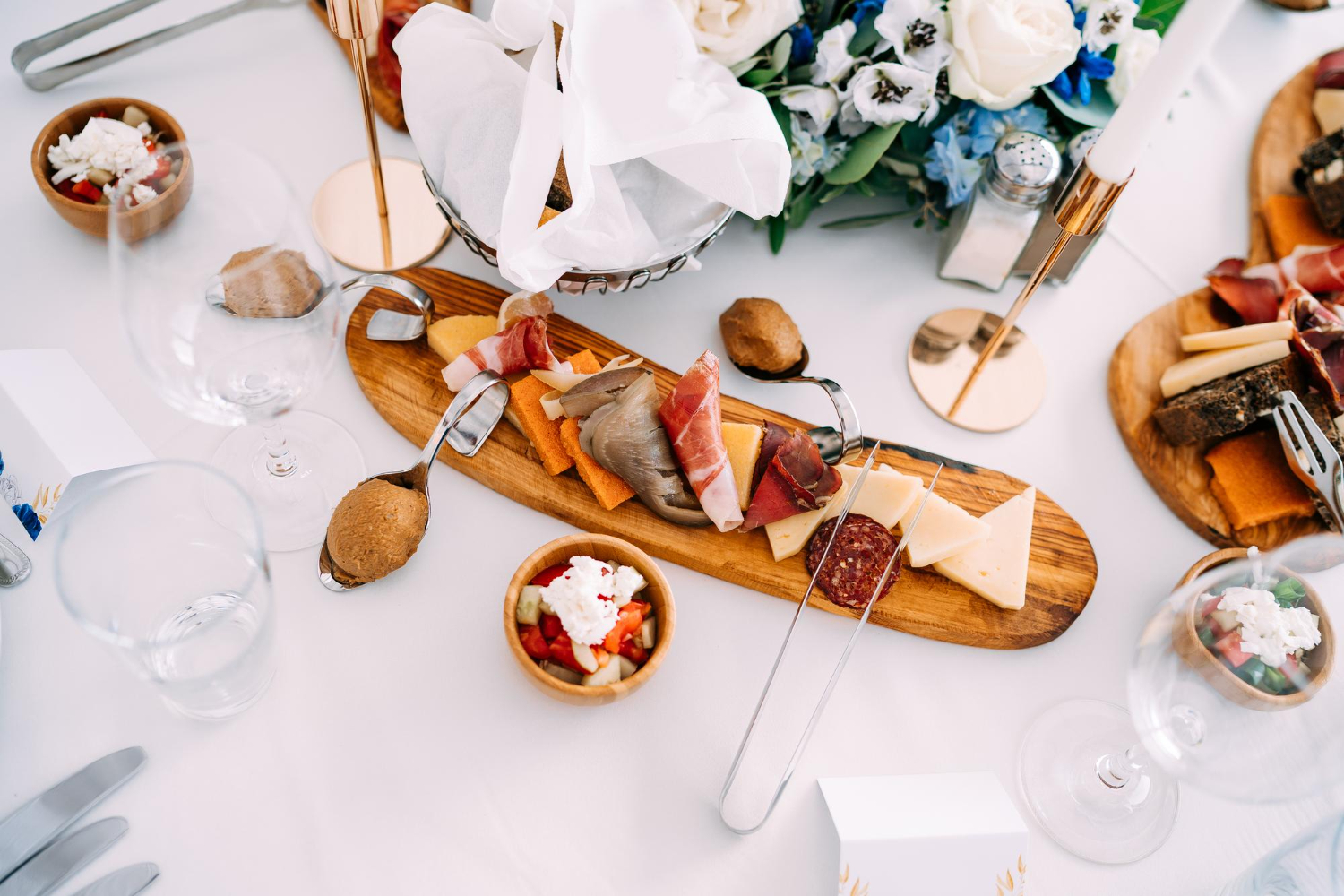
- Cold Appetizer: A platter of local cold cuts and cheeses with sides (e.g., sausage, ham, pâté, pickles) and traditional vegetable salad. These snacks await guests from the start of the wedding to make the wait for dinner more pleasant.
- Soup: Chicken soup (Rosół) with noodles and root vegetables. A Polish wedding classic – aromatic poultry broth served with homemade noodles, appreciated by every generation.
- Main Course: Breaded pork schnitzel or de volaille cutlet with garlic butter, served with potatoes with dill and a set of salads (fried cabbage, beets, sweet carrots). A solid portion of a home-style dinner that will satisfy guests and refers to the flavors of our mothers' and grandmothers' kitchens.
- Dessert: Traditional wedding cake (e.g., sponge cake with cream and fruit) and a sweet table with homemade cakes: cheesecake, poppy seed cake, apple pie, cream cake. Sweet baked goods that are well-known and loved, which many guests remember from family celebrations.
- Additional Attractions: A country table with regional delicacies (lard, sourdough bread, half-pickled cucumbers, smoked sausages) available all night; around midnight, hot sour rye soup with sausage and egg (or beef tripe – depending on the region) served in bread. These elements add a homely charm and ensure revelers stay full until dawn.
Golden Fortune Cookies with Personalized Label | Affordable Wedding Favours | Cejla No. 3

Fortune Cookies with Bottle Green Label | Personalized Wedding Favours | Cejla No. 2

Personalized Fortune Cookies, Light Grey | Original Wedding Favours | Cejla No. 7
Elegant Wedding (Glamour Style)
At an elegant wedding, taking place e.g., in a hotel ballroom or a premium restaurant, the menu can be more refined and resemble a dinner in an exclusive restaurant. Sophisticated taste and impeccable presentation are what count. Sample menu for an elegant wedding:
- Aperitif / Appetizer: Creamy white vegetable soup (e.g., cauliflower and leek cream) served with sunchoke chips or arugula, pear, and blue cheese salad with walnuts in a honey dressing. A light start to the meal that will stimulate the appetite and looks very stylish on the plate.
- Main Course: Beef tenderloin in porto sauce served with gnocchi and grilled asparagus or halibut fillet on pea puree with lemon-butter sauce, accompanied by a bouquet of blanched vegetables. Exquisite dishes using the highest quality ingredients – perfect for a formal reception.
- Dessert: Chocolate mousse with a hint of chili and edible gold dust and mini tartlets with vanilla cream and fruit. Coffee and tea service with dessert. Dessert at an elegant wedding should be equally refined – not only tasty but also beautifully presented with impressive decorations.
- Wedding Cake: A naked cake layered with mascarpone cream and raspberries, decorated with fresh flowers in the wedding's theme colors. A stylish cake that is also a decoration of the reception – "wow" factor guaranteed.
- Extras: In the evening, a light snack buffet with sophisticated cheeses, grapes, olives, and savory tartines to nibble on between dances. Instead of heavy dishes – small, exquisite snacks that maintain the glamour atmosphere and give guests a bit of a breather.
Rustic / Boho Wedding
A wedding in a barn, garden, or an inn decorated in a rustic style is an opportunity to serve a relaxed menu, inspired by nature and the country table, yet tasty and filling. Less formal dishes, often served for communal sharing, work well here. Rustic menu proposal:
- Appetizer / Country Table: Bread baked on-site with herb butter, accompanied by bowls of homemade lard, pickles, and cottage cheese with chives. Guests will immediately feel the homely atmosphere and can have a snack for a good start.
- Soup: Old Polish sour rye soup (Żurek) served in bread or pumpkin cream with roasted seeds and pumpkin oil (a great option for an autumn wedding). A hearty soup that will warm you up and refer to the traditions of Polish cuisine – just right to add energy for further fun.
- Main Course: Roasted chicken legs and grilled pork neck (served BBQ style) with sides: roasted potatoes, roasted root vegetables, garlic and barbecue sauce. Next to it, a bowl of fresh vegetable salad with vinaigrette. A relaxed serving form – dishes can be served on platters, and guests help themselves to what they fancy.
- Dessert: Warm apple pie with vanilla ice cream and homemade cheesecake with caramel topping. Classic cakes in a homely style that perfectly match a cup of coffee in a rustic setting.
- Additional Elements: A bonfire with roasting marshmallows and sausages (if the venue allows) as an integration attraction for guests; an evening table with homemade liqueurs and dried fruits; a self-service lemonade buffet in jars. Such details make a rustic wedding feel homely, cozy, and absolutely unforgettable.
Modern Wedding
At a modern wedding, you can let your imagination run wild and combine different world cuisines, serving forms, and original ideas. There are no rigid rules here – it's important that the menu is surprising, diverse, and reflects your culinary tastes. Sample menu for a modern-style wedding:
- Finger Food to Start: Instead of a traditional appetizer, waiters can carry trays of small hand-held snacks during the welcome cocktail – these can be mini tartines with avocado paste, sushi rolls, mini-burgers, caprese skewers. Guests have the opportunity to try different flavors from the start, which creates a relaxed, casual atmosphere and encourages conversation.
- Live Cooking Station (Main Course): Instead of a classic dinner, you can set up a station where a chef prepares, for example, Asian-style noodles in a wok or steaks on a grill in front of the guests. Additionally, a salad buffet can stand nearby with a mix of lettuces, dressings, and toppings (olives, sun-dried tomatoes, feta) so everyone can compose their own salad. This interactive approach engages guests and gives them a choice – everyone takes what they are currently in the mood for.
- Food Truck (Supper): In the evening, a food truck can pull up to the wedding venue serving, for example, freshly baked wood-fired pizza or colorful tacos with various fillings. Guests can approach at any time and order a hot meal to their taste. This has been a hit in recent years – street food at a wedding adds a modern, urban character and makes guests feel relaxed, as if at a food festival.
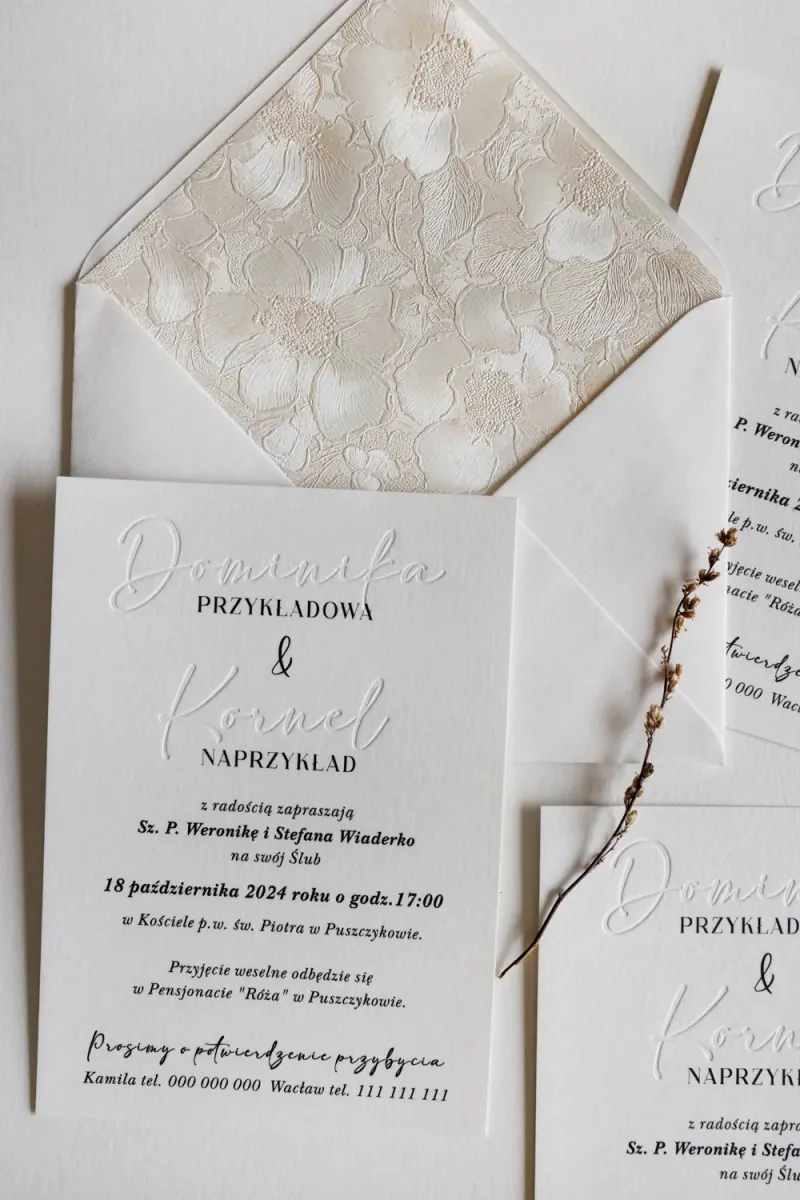
Elegant Wedding Invitations with Embossing | Wedding Invitations | Karmen no. 4
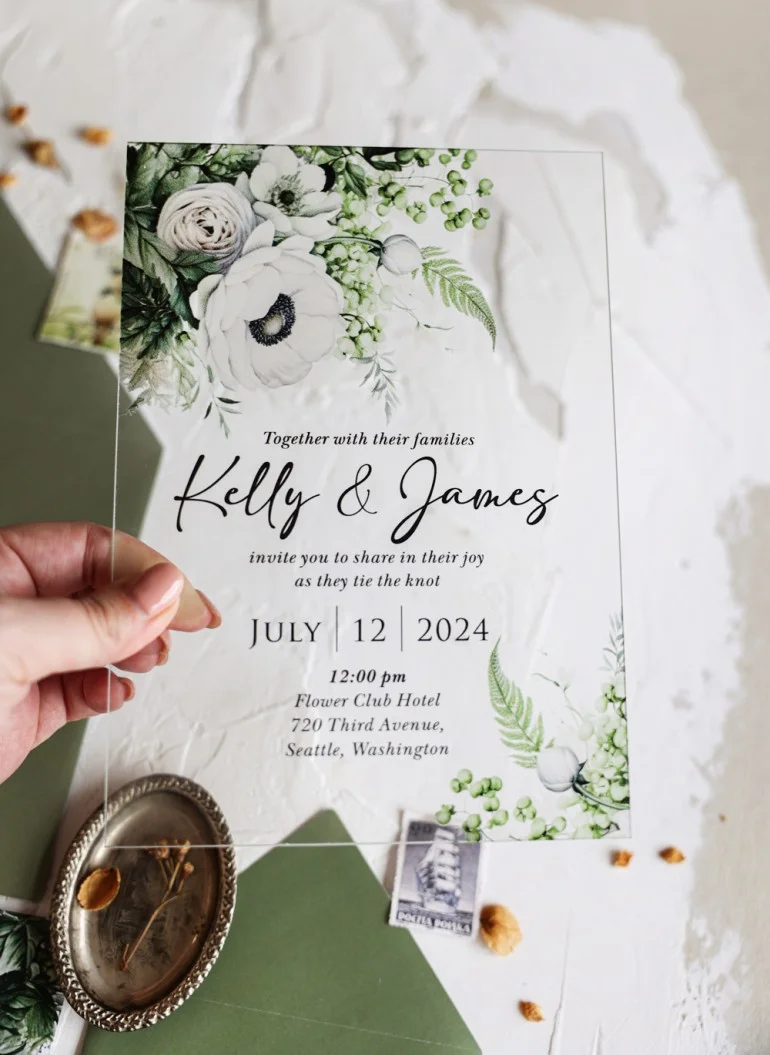
Subtle Glass Wedding Invitations with Floral Motif in White and Green Shades | Korani no. 15
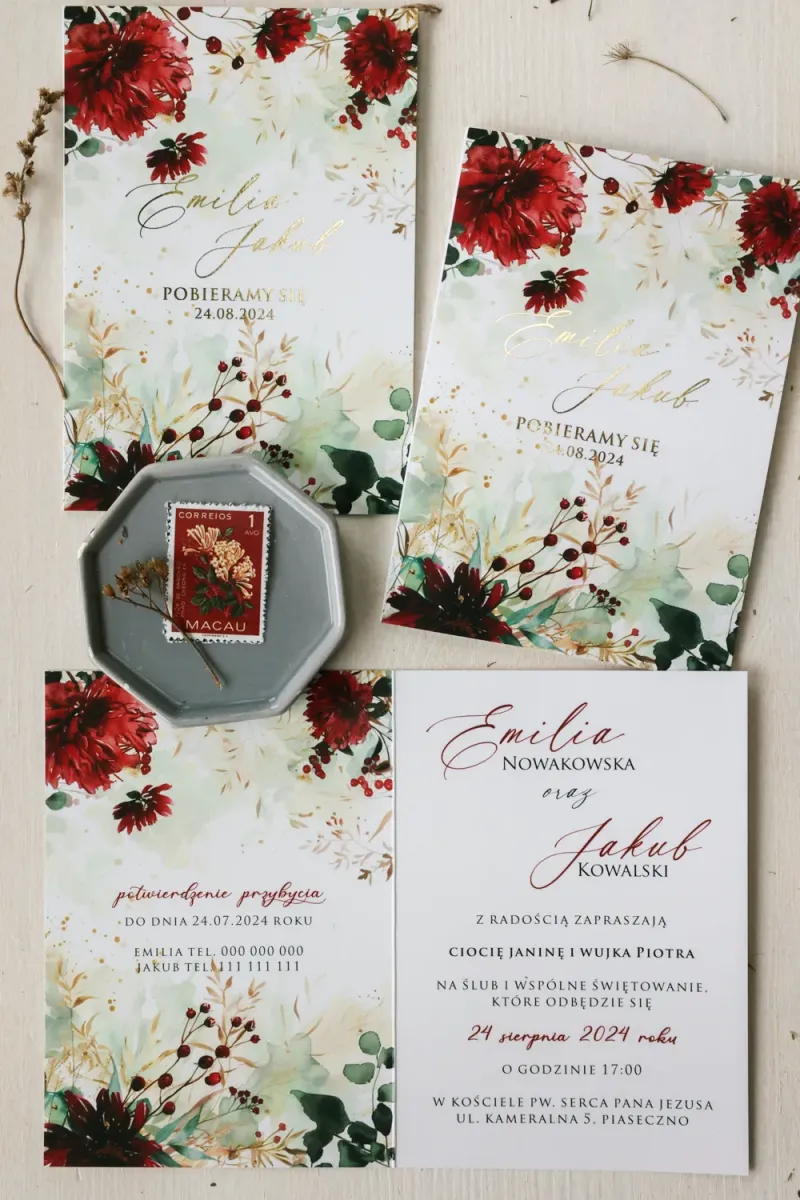
Wedding Invitation with Gold Accent and Red Flowers | Glamour and Boho Wedding Invitations | Ruskus no. 1
- Themed Sweet Buffet: Instead of traditional cakes, prepare a modern candy bar full of attractions: cake pops, cupcakes with personalized toppers, a chocolate fountain with fruit, as well as vegan sweet potato brownies or sugar-free energy balls. Everyone will find something for themselves, and the sight of such a colorful table will delight guests – it's not just a treat, but a decoration too.
- Drinks and Cocktails: A modern wedding also means a signature drink bar serving fancy cocktails (also non-alcoholic) based on fresh fruits and herbs, impressively served in jars or elegant cocktail glasses. Colorful drinks and lemonades will complete the impression and make the bar an additional attraction of the evening.
Themed Wedding
If your reception has a theme (e.g., related to a specific culture or historical period), the menu should definitely reflect it. A themed wedding gives a great chance to shine with creativity in dish selection. A few ideas for a menu tailored to a theme:
- Italian Wedding: A menu inspired by Italy – antipasti (platters of Italian cold cuts, olives, bruschettas with tomatoes), as a primo piatto pasta (e.g., penne all’arrabbiata or lasagna), secondo piatto – saltimbocca alla romana (veal with sage and Parma ham) with risotto milanese, accompanied by Italian wine served with dinner. For dessert, tiramisu or panna cotta, and a wedding cake in the style of an Italian millefoglie (crispy layered pastry with cream and fruit). Guests will feel like they are at a real Italian wedding, and the consistency of the menu with the music (Italian hits) and decorations will impress all the senses.
- Highland-Inspired Wedding: The menu will feature kwaśnica (sauerkraut soup with ribs) or mushroom broth, for the second course roasted trout or roasted mutton, and obligatorily an appetizer of oscypek with cranberry as a regional delicacy. To drink, traditional plum brandy for toasts. Dessert could be cheesecake with raisins as found on highland tables. Regional dishes add authenticity and are an attraction for visiting guests who can try local specialties.
- 1920s Style Wedding (Gatsby): A menu like an elegant banquet from a century ago – exquisite canapés (mini sandwiches with caviar, tartines with pâté), consommé soup, roasted duck with apples as a main course, accompanied by a champagne fountain and classic retro cocktails like a Martini. Art déco style desserts: cupcakes with cream, sultan's cream pudding. A culinary journey through time will transport guests to the era of jazz and glitz, creating an unforgettable atmosphere.
- Boho Wedding with Fusion Cuisine: If the theme is a relaxed boho style and a love for travel, you can serve a mix of world cuisines: a light meze buffet (Greek and Middle Eastern snacks, e.g., hummus, tzatziki, falafel), a main course in the form of an Asian satay grill (chicken skewers with peanut sauce), and aromatic Indian dhal with lentils as a vegetarian option. To drink, e.g., exotic mango lassi and prosecco with hibiscus flower. For dessert, oriental sweets like baklava next to a traditional cake. Such a menu combines different cultures and will surely surprise guests with its diversity.
As you can see, the possibilities are endless. It's important that a themed menu is consistent with the rest of the wedding – decor, music, outfits – and reflects your passions or roots. Guests will certainly appreciate the effort put into refining the smallest details, including those on the plate.
Finally, remember that regardless of which menu you choose, the most important thing is that it is prepared with heart and care for your guests. A well-planned wedding menu will make your loved ones feel treated like royalty, and you yourselves will be able to enjoy their joy and compliments about the delicious dishes. Don't forget about small gestures that emphasize your gratitude – favors and thank you gifts for guests for coming will be a beautiful completion of the whole reception.
We hope this guide has helped you clear up any doubts and inspired you to create your own unique wedding menu. Good luck with your further wedding preparations and have a successful and delicious wedding!