How to fill out wedding invitations?
Introduction to Wedding Invitation Etiquette
Wedding Invitation Etiquette: General Rules
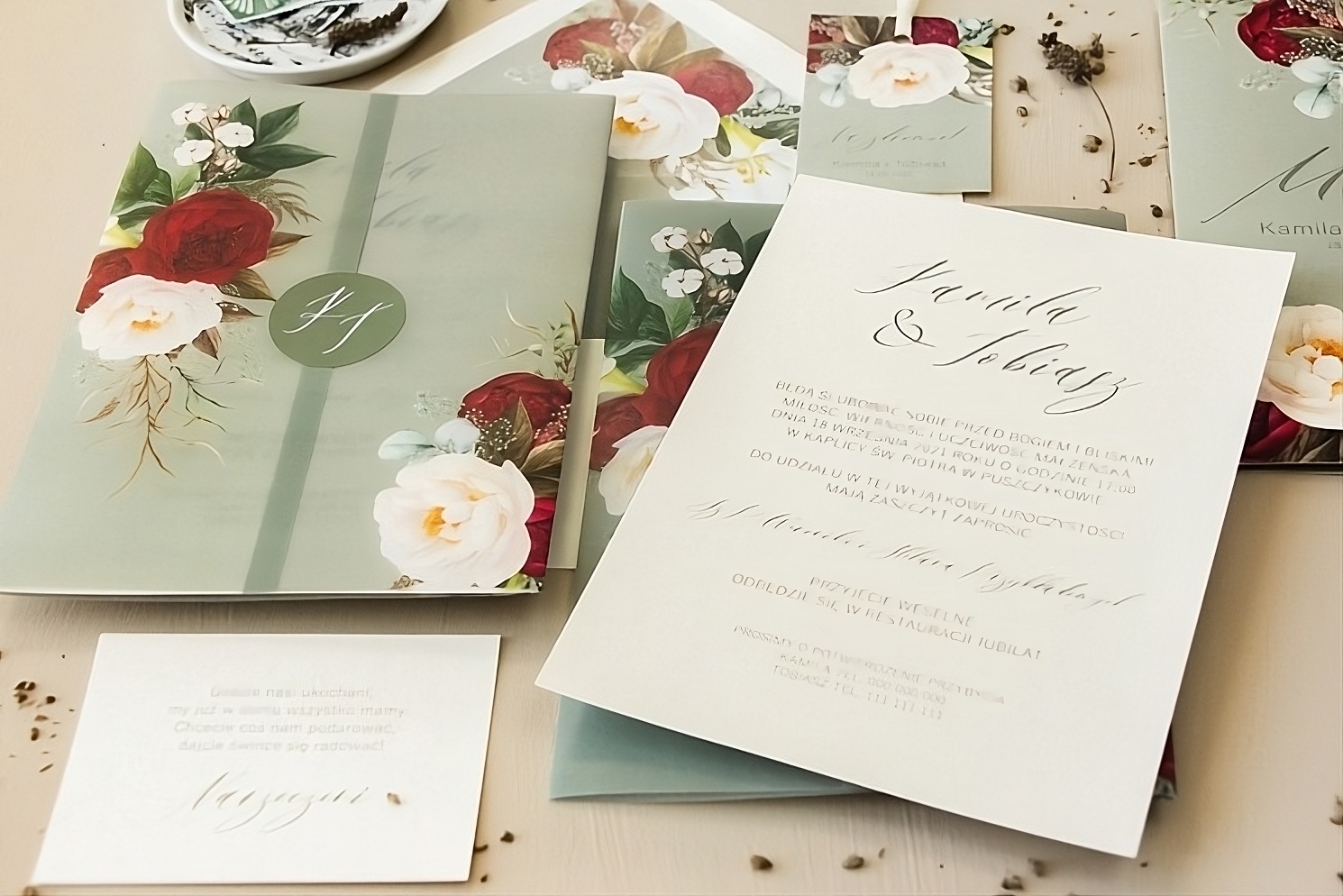
In the world of weddings, etiquette plays a significant role in communicating with guests and facilitating the organization of this important day. Wedding invitation etiquette is particularly important, as invitations are usually the first point of contact with your guests and convey all the necessary information. Etiquette rules can cover elements such as wording, typography, paper quality, and even how to address envelopes. Traditionally, wedding invitations should be formal and elegant, with clearly defined information such as the date, venue, and time of the ceremony. It is important to maintain consistency between the invitation style and the overall tone and theme of the wedding. For modern couples who want to break some traditional rules, there are many creative and unique ways to personalize wedding invitations while still maintaining good manners and proper etiquette.

Tradition and Modernity: How to Find the Balance
A wedding is an event that often blends tradition with modernity. When it comes to wedding invitations, many couples strive to find a balance between following traditional etiquette rules and expressing their own personality and style. While tradition may dictate the use of formal language and classic phrasing, modern couples might opt for a more relaxed tone or creative wording to showcase their individuality. It is important to remember that even the most unconventional invitation should contain key information and be easily understood by guests. It is also possible to combine traditional and modern elements in one invitation, for example, by using classic typography and formal language, but adding personal touches such as custom illustrations or unique color schemes.
Article Table of Contents
- Introduction to Wedding Invitation Etiquette
- Wedding Invitation Content
- Personalizing Invitations
- Signing Invitations
- Declining Names on Invitations
- Handwritten or Printed Invitations?
- RSVP: What is it and how to organize it?
- Common Mistakes to Avoid
- When to send out invitations?
- Conclusion: Summary of Key Steps
Wedding Invitation Content
What to Include in an Invitation: Basic Information
A wedding invitation is more than just a beautiful card; it is primarily a carrier of important information that guests need to attend your big day. Key elements that should be on every invitation include the names of the couple, the date and time of the ceremony, and the wedding venue. These are the essentials that no invitation can do without. Many couples also choose to add the address of the venue, which is especially helpful for out-of-town guests. If the ceremony and reception are held in different locations, it is important to provide information for both. Additionally, you may consider adding dress code information if you are planning a specific style or theme for your wedding.
Additional Information: Is it Worth It?
Although an invitation should be concise and contain only the most important information, many couples choose to add extra details. It is possible to include information about accommodations, transportation, or the day's schedule. If you have reserved hotel rooms for guests or organized transportation, it is worth noting. Also, if you are planning special events during the day, such as a photo session or artistic performances, informing guests in advance is key. Other additional elements may include RSVP instructions, dietary requirements, or even gift suggestions. However, it is important not to overdo it. Clarity and readability should be the priority to avoid confusion and ensure your guests have all the necessary information.
Personalizing Invitations
How to Match Invitation Style to the Wedding Character
A wedding is an incredibly personal event, and every couple wants every aspect of the day to be unique and reflect their individual style. Personalizing wedding invitations is one of the first steps toward creating an unforgettable wedding. To ensure invitations are consistent with the wedding's character, consider several aspects. First, choosing a color palette that matches the overall wedding theme is crucial. Next, selecting the right typography and graphic style that reflects the tone of the celebration can significantly influence how guests perceive the invitation. Additionally, adding unique elements like monograms, photos, or personal quotes can make the invitation special. It is also worth considering the format of the invitation—should it be a traditional card, or perhaps an original, non-standard shape that will surprise guests?
Examples of Personalization
There are endless ways to personalize wedding invitations. Some couples choose to create hand-painted illustrations that reflect their shared interests or passions. Others may opt for elegant typography and a minimalist design that fits their modern style. The possibilities are truly limitless. For example, at Amelia-Wedding.pl, invitation personalization is always free, allowing couples to create invitations exactly according to their vision. Adding personal touches like initials, dates, or even short poems can make the invitation more personal and unique. Regardless of the path chosen, it is important that the personalization process is a pleasure, not a stressful chore.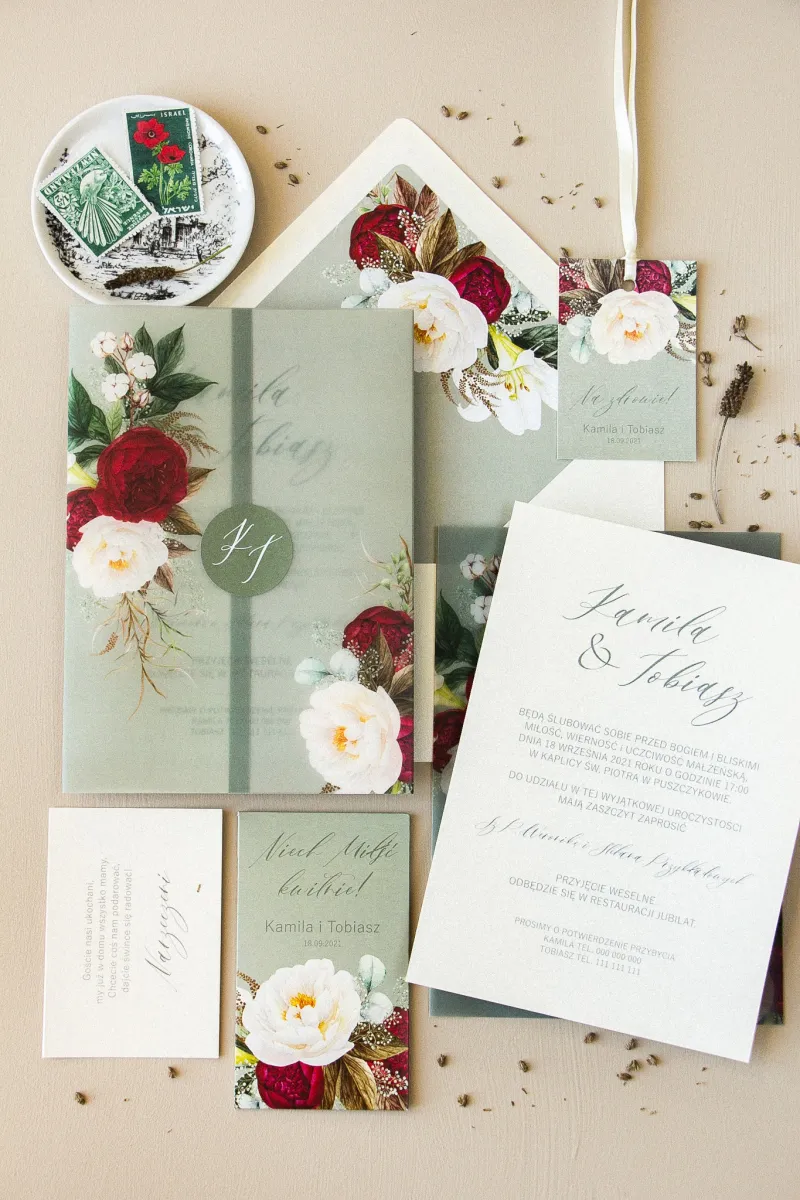
Signing Invitations
Who Should Sign the Invitation?
Signing a wedding invitation is a traditional element rooted in historical conventions. Traditionally, the parents of the bride and groom act as hosts of the celebration, and their names appear on the invitations. However, with changing trends and diverse family structures, many couples choose alternative approaches. Modern invitations can be signed solely by the couple or include the names of both families. It is important that the chosen signature style reflects the character of the wedding and family relationships. Personalizing signatures is also a way to add a unique touch to wedding invitations. Regardless of the form chosen, the signature on the wedding invitation is an important element that informs guests about who is hosting the celebration.
How to Sign Invitations: Practical Tips
Signing wedding invitations can be a bit complicated, especially when formalities are involved. Here are some practical tips that can help. First, make sure names are written clearly and correctly. If the invitation is formal, use full names instead of nicknames or abbreviations. Always double-check the spelling of names to avoid misunderstandings. In the case of divorced or widowed parents, it is appropriate to include all names unless circumstances suggest otherwise. If the couple is financing the wedding themselves, they may decide to sign the invitations alone, which is becoming increasingly popular in modern celebrations. The style and tone of the signature should be consistent with the overall style of the invitation and the character of the wedding.
Declining Names on Invitations
How to Correctly Decline Names?
Declining names (inflecting them grammatically) in Polish can be a challenge, especially in a formal context like a wedding invitation. Correct name declension is a sign of respect for guests and demonstrates the couple's professionalism. Above all, the grammatical rules of the Polish language are key. Male and female surnames decline differently, and various name endings have their own rules. For example, surnames ending in -ski and -cki decline by adding -ej for female forms (e.g., Nowakowski - Nowakowska, Kowalicki - Kowalicka). However, surnames ending in -ak, -ik, -ek can be trickier and sometimes require consultation with an expert or the use of online name declension tools. It is important to take the time to understand how to decline each name on your guest list to avoid misunderstandings and show respect for your guests.
Common Mistakes and How to Avoid Them
Mistakes in name declension on wedding invitations can be embarrassing and make the couple appear unprofessional. The most common mistakes include incorrect declension of female surnames, ignoring specific surname endings, and incorrect use of capital letters. It is important to always check spelling and declension using trusted sources or by consulting experts. A practical approach can also be to ask guests directly to confirm the correct form of their names. Good practices also include using online declension tools or hiring a professional to help with this matter. Avoiding mistakes in name declension on wedding invitations is crucial to maintaining professionalism and showing respect for your guests.
Handwritten or Printed Invitations?
Pros and Cons of Handwritten Invitations
Choosing between handwritten invitations and printed versions is an important step in wedding preparations. Handwritten invitations add a personal touch and traditional charm to your wedding. Each invitation becomes a unique work of art that is a direct reflection of your personality and style. It can also show guests how much you value their presence by taking the time to write each invitation personally. However, handwritten invitations can be time-consuming, especially when the guest list is long. Furthermore, not everyone has perfect, legible handwriting, which can affect the aesthetics and readability of the invitations.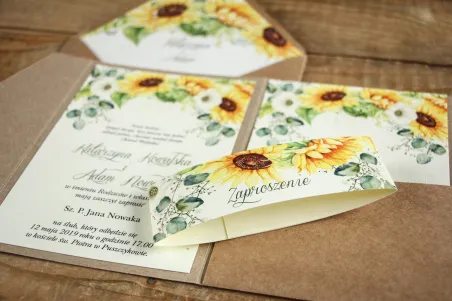
Printed Invitations: When Are They a Good Choice?
On the other hand, printed invitations offer professionalism, consistency, and time savings. They are ideal for couples who have many guests or prefer a modern, minimalist style. Thanks to printing technology, you can experiment with different fonts, colors, and graphics to create an invitation that matches your wedding. Additionally, printed invitations are usually more legible and offer a professional look that can be difficult to achieve by hand. Printing can also be more economical and time-efficient, especially when using the services of a professional print shop. Finally, printed invitations can be easier to duplicate in case of errors or last-minute changes to the guest list, making them a convenient and practical choice for many modern couples.
RSVP: What is it and how to organize it?
How to Properly Organize RSVP?
RSVP, which comes from the French phrase "Répondez s'il vous plaît," means "Please respond." It is the traditional way to get confirmation of your guests' attendance at your wedding. Proper RSVP organization is crucial to ensure you have an accurate guest count, which is necessary for venue bookings, meal planning, and other logistical aspects of the wedding. Here are some steps you can take to organize your RSVP:
-
Set a Deadline: Set a date by which guests should confirm their attendance. Usually, this is about 2-4 weeks before the wedding date, which gives you enough time to finalize details.
-
Provide Instructions: Include clear instructions in your invitations on how guests can confirm their attendance. You can offer several options, such as phone confirmation, email response, or a traditional response card.
-
Track Responses: Create a tracking system to easily identify who has confirmed attendance and who has not. This can be a simple spreadsheet or dedicated wedding planning software.
-
Reminders: If the deadline is approaching and some guests haven't responded, don't hesitate to send gentle reminders. This could be a personal phone call or an email with a polite reminder to confirm attendance.
Examples of RSVP Usage in Invitations
RSVP can be integrated into invitations in many creative ways. Here are some examples of how to do it:
-
Traditional Response Card: Include a response card with a pre-addressed and stamped envelope to make it easy for guests to send their confirmation.
-
Online RSVP: Provide a link to your wedding website where guests can confirm their attendance. You can also offer an RSVP option via email or social media.
-
Phone RSVP: Provide a phone number where guests can confirm their attendance. You can also offer an option to send an SMS with confirmation.
-
Creative Methods: Get creative with RSVP methods, such as personalized QR codes that guests can scan to confirm their attendance, or interactive response cards that can be both fun and functional.
Integrating RSVP into wedding invitations is not only a practical step but also a way to add a personal touch to your invitations. Think about which method will best suit your style and preferences, and will also be convenient for your guests.
Common Mistakes to Avoid
Most Common Wedding Invitation Mistakes
Wedding invitations are an important part of wedding preparations, but they are also prone to various mistakes that can affect the guests' experience. The most common mistakes include:
-
Spelling and Grammatical Errors: Mistakes in the spelling of names, dates, locations, and other important information can cause misunderstandings and be a source of embarrassment.
-
Unclear Wording: Vague or confusing wording can make it difficult for guests to understand the wedding details.
-
Missing Important Information: Failing to include key information, such as the date, venue, or time of the wedding, can be disastrous.
-
Unprofessional Appearance: Sloppy, poorly designed invitations can reflect a lack of care and professionalism.
-
Lack of RSVP Instructions: Failing to include RSVP instructions can cause problems with wedding organization and planning.
-
Incorrect Contact Information: Ensure all contact information is current and correct so guests can reach you if they have questions.
How to Avoid Misunderstandings?
Avoiding mistakes in wedding invitations is crucial to ensuring a smooth wedding planning process. Here are some tips to help avoid misunderstandings:
-
Proofreading and Review: Always check invitations for spelling and grammatical errors. You can also ask someone else to read the invitations to get a fresh perspective.
-
Clear and Simple Wording: Avoid complicated or unclear phrasing. Ensure all information is easy to understand and precise.
-
Complete Information: Ensure all key information is included in the invitation, such as the date, time, venue, and RSVP instructions.
-
Professional Appearance: Invest in professional invitations or hire a designer to ensure a high-quality, aesthetic look.
-
Clear RSVP Instructions: Provide clear instructions on how guests can confirm their attendance and track responses to know the number of participants.
-
Verify Contact Information: Before sending out invitations, ensure all contact information is correct and up-to-date.
Applying these tips will help minimize mistakes and misunderstandings related to wedding invitations, which in turn will contribute to calmer and better-organized wedding preparations.
When to send out invitations?
Planning the Invitation Delivery Timeline
Planning the timeline for sending out invitations is a key element of wedding preparations. The ideal moment to send invitations depends on several factors, such as:
-
Type of Wedding: Local weddings may require a different timeframe than destination or international weddings. For local weddings, invitations are usually sent about 2-3 months before the wedding date. For destination weddings, it is recommended to send invitations 6-12 months in advance to give guests time to plan their travel.
-
Complexity of the Wedding: The more complex and sophisticated the wedding celebrations are, the earlier you should start sending out invitations. This will allow guests to prepare accordingly.
-
Time of Year: If your ceremony takes place during a popular wedding season or during holidays, it is worth sending invitations earlier to ensure guests are available.
-
Venue Capacity: If your venue has limited capacity, it is better to send invitations earlier to get confirmation of attendance and adjust plans accordingly.
-
Cultural Expectations: In different cultures, timelines for sending invitations may vary, so it is worth understanding local customs and expectations.
How to Deliver Invitations: In Person or by Mail?
The method of delivering invitations is also an important factor to consider. There are two main methods: in person and by mail.
-
In Person: Delivering invitations in person is a beautiful gesture that shows guests how much you value their presence. It can also be an opportunity to meet personally and discuss wedding details.
-
By Mail: Sending invitations by mail is a practical and effective solution, especially when you have many guests or when some of them live far away. Ensure you have current addresses for all guests and always include a stamp on the envelope to make it easy for them to return the RSVP card.
-
Other Methods: In today's digital age, there is also the possibility of sending electronic invitations, which is eco-friendly and cost-effective. This can be a good solution for less formal celebrations or for couples who want to save on costs and time.
When choosing a delivery method, consider your personal preferences, budget, and what will be most convenient for your guests. It is good to know your options and understand the pros and cons of each to make an informed decision.
Conclusion: Summary of Key Steps
Summary of Key Steps to Create the Perfect Invitation
Wedding planning is a complex process where every detail matters. Creating the perfect wedding invitation is one of those stages that can significantly influence how guests perceive your big day. Key steps include:
-
Understanding the Wedding Style and Theme: Your wedding style and theme should be reflected in the invitations. This is your first opportunity to show guests what they can expect.
-
Choosing the Invitation Format and Size: Deciding whether you prefer traditional, modern, or unique invitations and choosing the right size is crucial for creating a cohesive look.
-
Accurate Information: Ensure all necessary information is included in the invitation, such as the date, time, venue, as well as any special instructions or requests.
-
Checking Spelling and Grammar: Mistakes in wedding invitations are common but can be avoided by carefully checking the text before printing.
-
Using Proper Wording: Understanding etiquette rules, such as correctly declining names, can help avoid misunderstandings and mistakes.
-
Planning the Delivery Timeline: Choosing the right moment to send out invitations is crucial to give guests time to prepare.
-
Obtaining RSVPs: Organizing an RSVP system will help you get an accurate picture of how many guests plan to attend your wedding.
Throughout the process, it is worth paying attention to details so that your invitations are elegant and professional.
Additional Resources and Help
Wedding planning can be stressful, but many resources are available to help you. You might consider using the services of an experienced wedding planner or a company specializing in wedding stationery. Furthermore, many wedding blogs offer practical advice and inspiration that can make the planning process easier. Here are some articles from our blog that may help you:
- How to decorate a wedding car
- What must be included in an invitation
- How many people to invite to the wedding
- How to organize a humanist wedding
- How to choose the right wedding venue
Always remember that your invitation is the first impression your guests will have of your wedding, so it is worth dedicating time and effort to make it perfect.

Szymon Jędrzejczak
Wedding industry expert and stationery designer at Amelia-Wedding.pl. For years, she has been helping couples create unforgettable moments by combining tradition with modern design.