How to plan a small wedding: an intimate celebration for your loved ones
Choosing the Venue and Wedding Style
Selecting the Perfect Venue for a Small Wedding
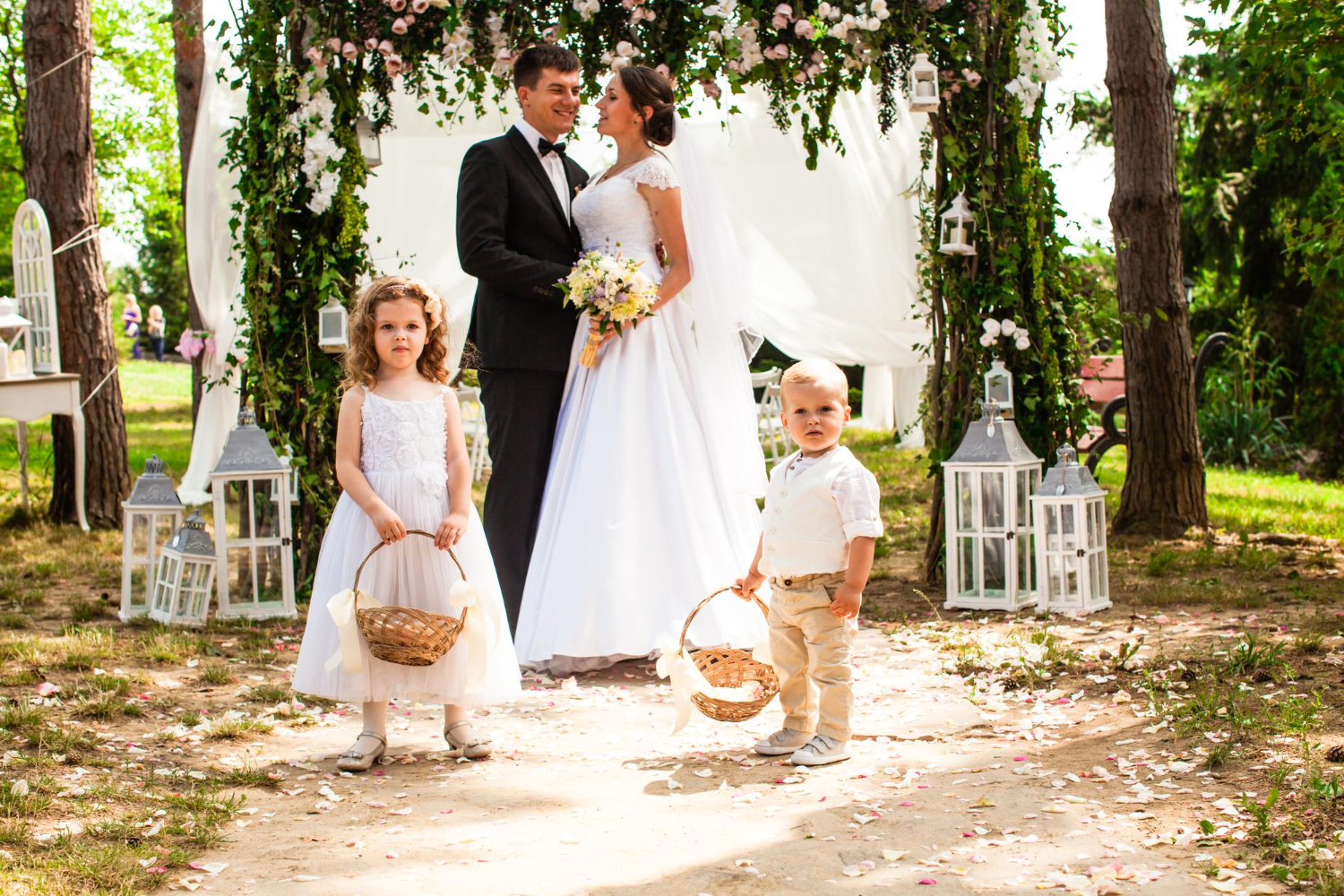
Choosing a wedding venue is one of the most important decisions you will make while planning your special day. The location of a small wedding not only influences the atmosphere and style of the entire celebration but also determines the comfort of you and your guests. For couples planning an intimate reception, a charming restaurant, a historic manor, or a picturesque garden can be the perfect solution. The key is to find a place that reflects the character of your relationship and makes you feel truly special.
There is no shortage of perfect places for a small wedding. From picturesque vineyards in the south to charming seaside resorts – the possibilities are endless. Think about what matters most to you. Do you dream of a wedding with a mountain view, or do you prefer a romantic ceremony by the lake? Regardless of your preferences, remember to put your heart into choosing the venue that will witness one of the most important days of your life.
Styling an Intimate Wedding
Wedding styling is not just about decorations and colors, but above all about creating an atmosphere that reflects your personality and story. Intimate wedding styling should be well-thought-out and consistent with the chosen location. It is worth opting for minimalism and elegance, which blend perfectly with the intimate nature of the celebration. Delicate pastel colors, natural materials, and the subtle glow of candles will create a magical atmosphere.
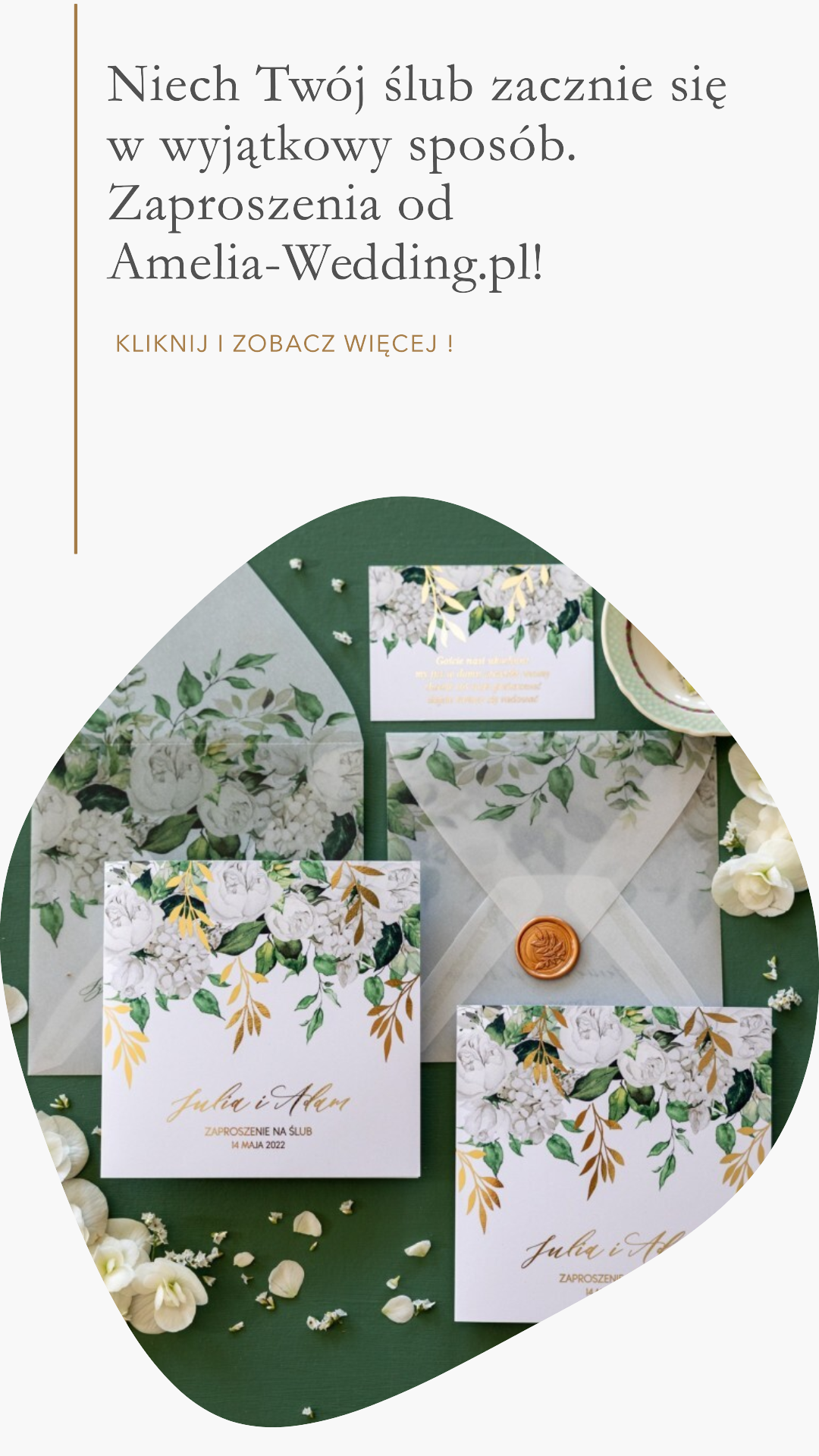
With a small wedding, every detail matters. Personalized elements, such as handmade wedding invitations, individually designed menus, or table decorations featuring the couple's favorite flowers, will add a unique character to the celebration. Don't forget about lighting, which is crucial for creating a romantic atmosphere – fairy lights illuminating the evening or delicate lanterns will not only be a beautiful decoration but will also create unforgettable memories.
Unique Locations for an Intimate Wedding
Searching for unique wedding venues is a chance to make your reception truly unforgettable. There are plenty of hidden gems that can become the perfect backdrop for your day. Think about unconventional locations, such as historic castles, charming farmsteads, or even modern loft spaces. Such places will not only provide an extraordinary background for the ceremony but will also make for wonderful photos.
Another option could be outdoor receptions – whether organized in city gardens or in the idyllic landscapes of the countryside. Imagine a wedding in the heart of nature, where the ceremony takes place under the open sky, accompanied only by your closest ones. Such a wedding will not only provide you and your guests with unforgettable experiences but will also allow you to create an exceptionally personal and intimate celebration of love.
Table of Contents
Personalizing the Details
Creating Personalized Decorations
Personalizing details is key to creating a unique wedding atmosphere. Personalized wedding decorations are not only an expression of the couple's individuality but also a way to give the ceremony a special character. When choosing decorations, focus on those that have personal meaning for you – it could be a theme related to your shared passion, favorite flowers, or even a color palette that reflects your story.
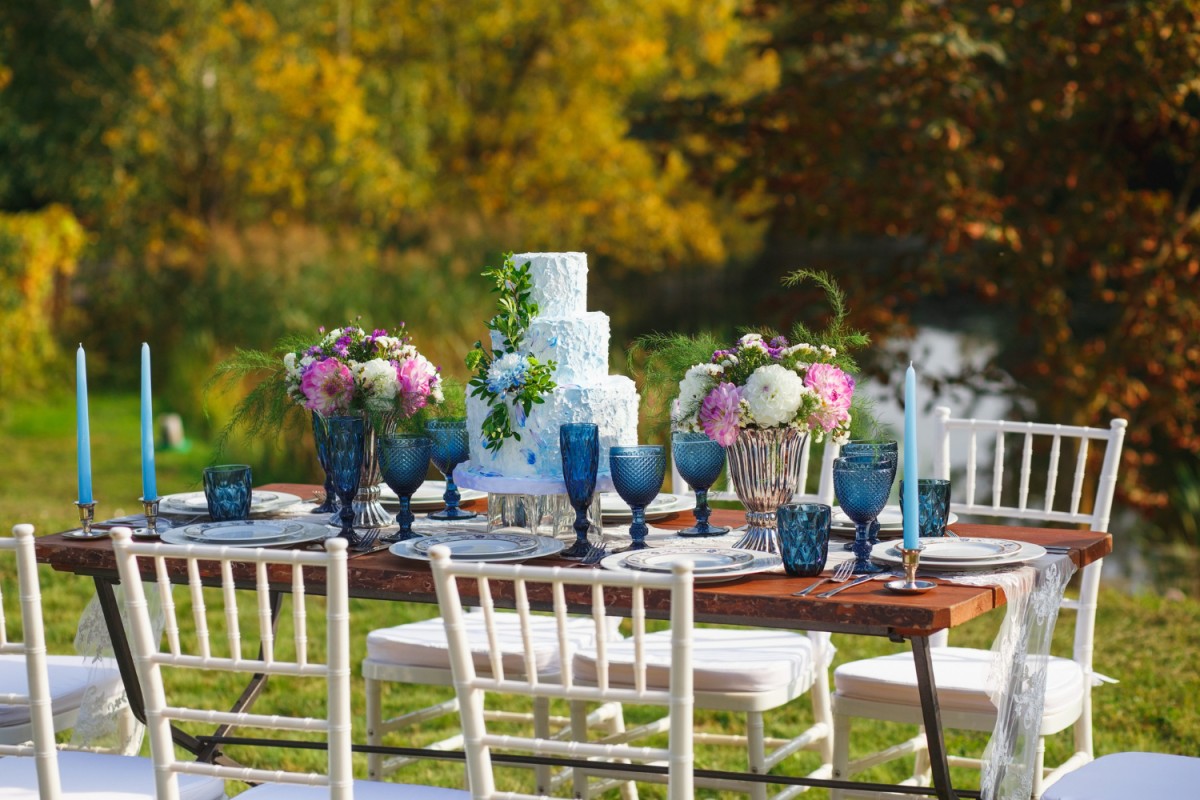
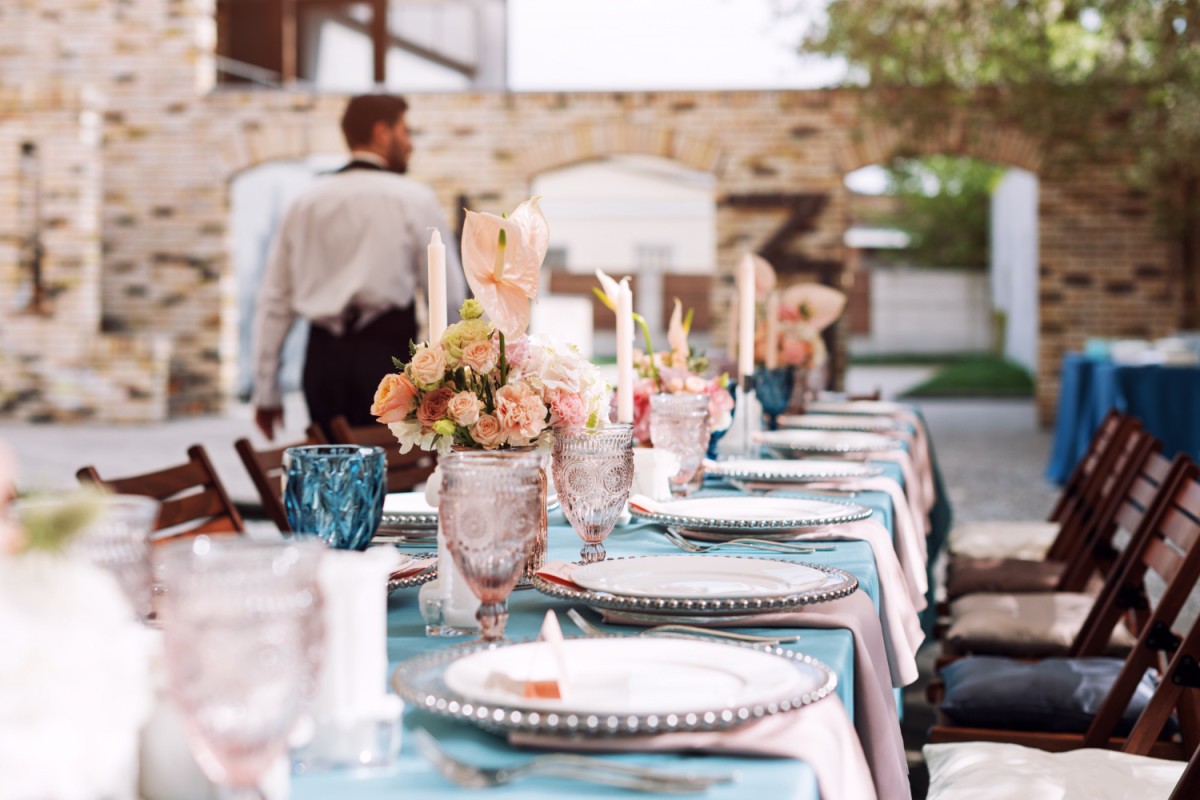
Every element, from tables to small decorative accents, should be carefully considered. Tables can be decorated with handmade candle holders, natural floral arrangements, or unique table numbers. Don't forget about room decorations – fairy lights, delicate fabrics draped from ceilings or walls can create a magical and romantic atmosphere. Remember that every detail, even the smallest one, can contribute to creating an unforgettable impression.
Individual Approach to Invitations
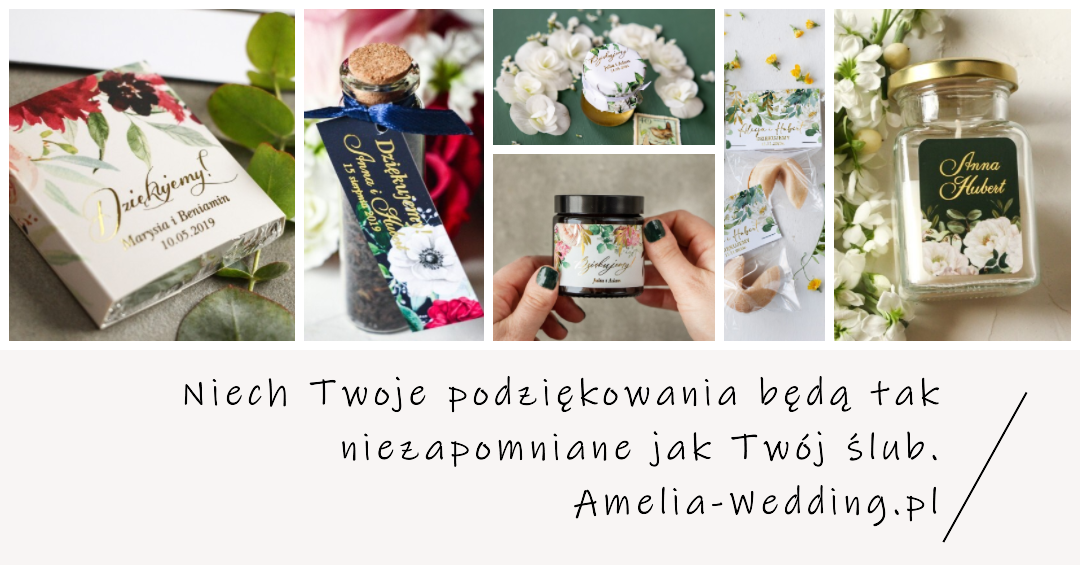
Wedding invitations are the first element of the wedding that your guests will encounter. That is why custom wedding invitations are so important – they are a preview of what awaits you and your guests on the wedding day. Think about creating invitations that reflect your personality and wedding style. You can opt for handmade invitations, invitations with a unique design, or even digital invitations that are convenient and eco-friendly.
The text of the invitation also matters – it can include a personal message from the couple, a poem that is important to you, or even a funny touch that will amuse your guests. Remember to keep the invitations consistent with the rest of the wedding styling – from the color scheme to the main theme. It's a small detail, but it has a huge impact on creating a first impression and building expectations among your guests.
Personalized Ceremony Accents
Ceremony personalization is a great way to make this day even more unique and personal. It is these small, personalized accents that remain in the guests' memories long after the celebration is over. This could be, for example, the choice of music that has special meaning for you, vows written by yourselves, or even a special way of exchanging rings.
Also consider personalizing other elements of the ceremony, such as an individually designed program, ceremony site decorations, or even the choice of the person officiating the ceremony – it could be someone close who knows your story and will give the ceremony an extra personal dimension. Remember that every choice you make should reflect your personality and what is important to you, so that this day is truly yours.
Planning the Menu and Attractions
Choosing a Menu Tailored to Guests
When planning a small wedding, special attention should be paid to the menu selection. A small wedding menu should reflect the couple's tastes while satisfying the diverse culinary preferences of the guests. It is important that the menu is varied and includes both traditional dishes and more modern ones. You can choose to serve classic dishes in an innovative arrangement or introduce elements of international cuisine.
Preparing a menu from local, seasonal products will not only emphasize the character of the wedding but also guarantee the freshness and quality of the served dishes. It is also worth remembering guests with special dietary requirements - offering vegetarian, vegan, or gluten-free options is now standard. Remember that a creatively composed menu that takes into account different tastes will certainly be appreciated by your guests.
Unusual Attractions for Guests
Nowadays, couples are increasingly deciding to introduce unusual wedding attractions that diversify the reception and make it an unforgettable experience. The possibilities are almost endless - from dance workshops and fireworks displays to artistic performances. For couples who value closeness to nature, an attraction could be organizing an outdoor wedding with a bonfire or a shared barbecue.
It is also worth considering attractions that focus on guest integration, such as field games, culinary workshops, or joint competitions. These activities will not only provide entertainment but also foster bonds between guests. Remember that attractions should be well-suited to the venue, wedding style, and guest preferences. Unique and well-thought-out attractions will certainly be one of the highlights of your wedding day.
Organizing a Joint Trip After the Ceremony
A honeymoon doesn't have to be limited to just the couple. Modern trends in wedding organization increasingly include the possibility of organizing a joint trip for guests after the ceremony. It could be a short trip to a picturesque spot near the wedding venue, a boat cruise if the celebration takes place by the water, or a joint trip to a nearby city full of attractions.
Such a trip is a great opportunity for further celebration, guest integration, and enjoying time spent together in a slightly different, less formal atmosphere. It is also a great way to extend the celebration and make the wedding day even more special and memorable. When planning such a trip, it is worth ensuring comfortable transport and an interesting program that will be attractive to all participants.
Creating an Intimate Atmosphere
Designing Romantic Lighting
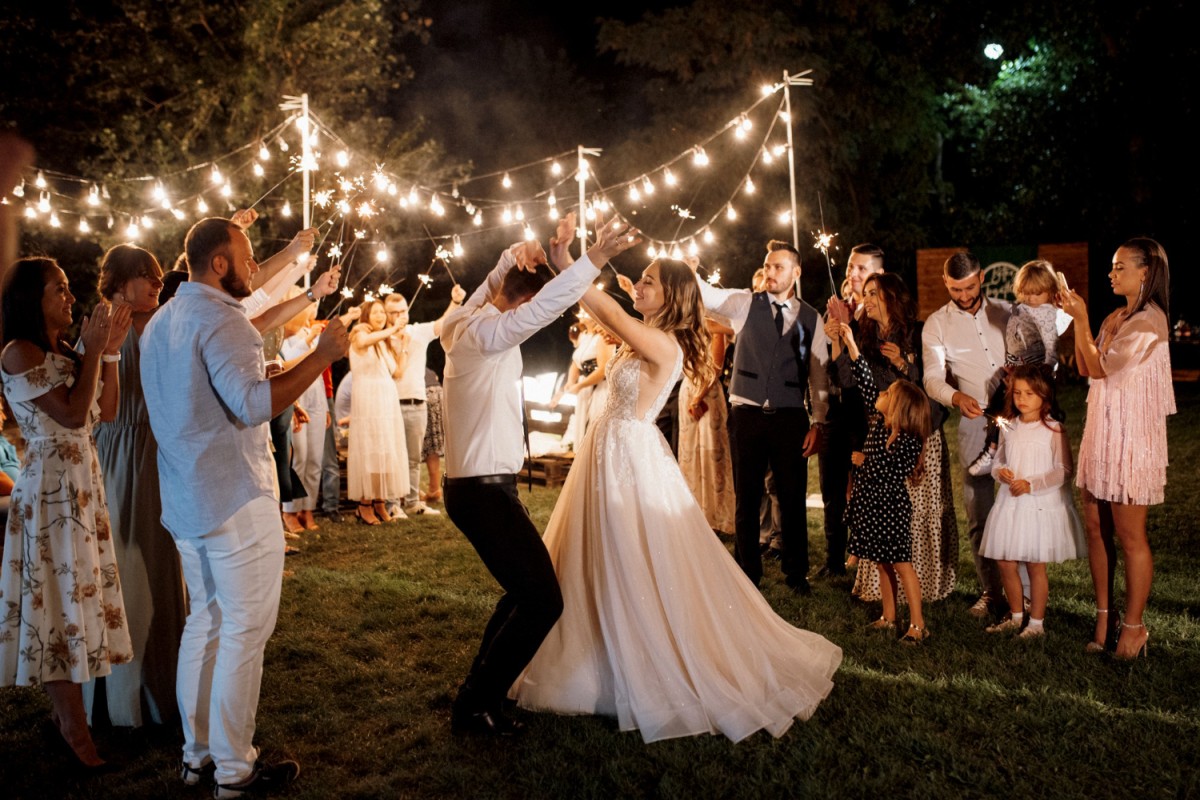
A key element in creating an intimate atmosphere at a wedding is romantic lighting. Properly chosen light can completely transform a space, giving it warmth and glow. The perfect choice is delicate fairy lights, which can be hung over tables or along paths. Their subtle light creates a magical atmosphere and adds romance. You cannot forget about candles – their flickering is synonymous with romance and will work perfectly on tables, at the ceremony site, and as a decorative element throughout the room.
Another aspect is the choice of lighting colors. Warm, golden tones of light are definitely recommended for creating an intimate atmosphere. You can also use delicate, pastel colors that will add elegance and subtlety. Remember that the lighting should be matched to the style and color scheme of the wedding, creating a coherent and harmonious whole.
Choosing Music to Support the Atmosphere
Music is an inseparable element of every wedding, and in the case of small, intimate receptions, its role is even more important. Music for a small wedding should be carefully selected to support the romantic and warm atmosphere of the event. The perfect solution is to choose calmer, acoustic tracks that will be a delicate background for conversations and moments spent together. You can also opt for live music, for example, a violin duo or classical guitar, which will add a unique character to the celebration.
It is important that the music is varied and matched to different moments of the wedding – from the ceremony through the reception to the first dance. Remember that music is not just sound, but above all emotions that help create unforgettable memories. Well-chosen songs can evoke emotion, joy, and a sense of closeness, which is crucial in creating an intimate atmosphere.
Maintaining Intimacy During the Ceremony
The last, but no less important element is maintaining intimacy during the ceremony. Small, intimate weddings offer the opportunity to create a very personal and intimate experience, where each guest feels like an important part of the celebration. It is worth ensuring that the ceremony is calm, without rushing, allowing for a moment of reflection and true participation in this important event.
You can opt for a more personal form of vows, invite guests to participate in the ceremony, for example, by reading texts chosen by you, or singing. It is important that every guest feels they are a witness and part of your special day. Remember that the atmosphere of intimacy and closeness that you manage to create during the ceremony will be remembered by you and your guests for many years.
Defining the Budget
Determining Small Wedding Costs
Financial planning is a key aspect of organizing any wedding, and in the case of small celebrations, this task takes on special significance. To determine the small wedding budget, it is necessary to conduct a thorough analysis of potential costs. You should include all aspects – from venue rental, through catering, decorations, outfits, to the services of a photographer and videographer. A good idea is to create a detailed list of all expenses, which will help in monitoring and controlling the budget.
It is also crucial to set priorities. Think about which elements are most important to you and where you can save. You may find that you prefer to spend more on a professional photographer and less on decorations. Remember that a small wedding does not have to mean a low budget, but it gives you the opportunity to focus on what is most important to you.
Managing Expenses
Effective expense management for a wedding requires careful planning and organization. After setting the overall budget, divide it into specific expense categories, allocating funds to each aspect of the wedding. It is important to track all costs, both larger ones and small expenses that can quickly accumulate.
Using an app or a spreadsheet to manage your wedding budget can prove invaluable. It will allow you to monitor expenses on an ongoing basis and adjust plans according to your actual financial situation. Also, don't forget about a reserve for unforeseen expenses – it's always worth having a financial cushion in case of unexpected situations.
How to Save on a Small Wedding
Savings on a wedding are possible, even while maintaining high quality and elegance. To save on a small wedding, it is worth considering several strategies. First, think about choosing the wedding date – organizing the celebration on weekdays or outside the wedding season can significantly reduce costs.
Another way to reduce expenses is to limit the guest list. An intimate, small wedding allows for reducing costs related to catering, venue rental, or the number of decorations. It is also worth thinking about DIY (do it yourself) in the context of some elements, such as invitations or decorations. Creating these elements yourself not only lowers costs but also adds a personal touch to the wedding. Remember that savings do not have to mean sacrificing quality – they are rather a way to manage the budget intelligently.
Guest List and Seating
Creating a Guest List
Creating a guest list for a small wedding is one of the most important stages of planning the celebration. This list should be carefully thought out because each guest brings their own character and energy to the wedding. In the case of small weddings, where the emphasis is on intimacy and the personal character of the celebration, it is important to invite the people closest and most important to the couple.
Think about who had the biggest impact on your life and who you would like to have by your side on this special day. A limited number of guests allows for a more personal and warm experience, and also enables better interaction between guests. Also, don't forget to ensure that the guest list is consistent with your financial capabilities and the size of the chosen location.
Seating Guests in the Room
Proper seating of guests in the wedding hall is crucial for ensuring comfort and fostering interaction. In the case of small weddings, you can consider setting up tables in a way that encourages conversation and shared celebration. Setting up tables in a U-shape or a circle allows for better communication and eye contact between guests.
When planning the seating, it is worth considering the relationships between guests and their personalities. Placing family and close friends in central places can make them feel more involved in the celebration. Also, remember to adjust the seating to the needs of the elderly or those with small children, ensuring them easy access and comfort.
Ensuring Guest Comfort
Ensuring wedding guest comfort is just as important as any other aspect of wedding planning. A small wedding gives you the opportunity to pay attention to the individual needs of each guest. Make sure that everyone finds something for themselves on the menu, has access to a place to rest, and feels free and comfortable.
Remember to provide enough space in the room so that guests can move around and dance freely. It is also important that the place is adapted to weather conditions – for example, providing fans or heating depending on the season. Every detail matters, and attention to guest comfort will be appreciated and remembered.
Time Management and Organization
Planning the Wedding Day Schedule
Precise planning of the wedding day schedule is essential for ensuring a smooth flow of the celebration. It is a well-prepared schedule that allows you to avoid rushing and chaos, while giving the couple and guests the opportunity to enjoy every moment. It is important to include all key moments in it: from preparations, through the ceremony, to the wedding reception.
When creating a schedule, it is worth seeking the opinion of professionals, such as a wedding coordinator or celebrant, who will help plan the time so that every element has its place, and transitions between different parts of the day are smooth. Also, remember to allow time for unplanned situations – it's always worth having a few "buffer" minutes.
Time Management Before and on the Wedding Day
Wedding time management is not limited to the day of the celebration itself but also includes the preparation period. During this time, it is key to set priorities and focus on the most important tasks. Create a to-do list, setting deadlines for their completion. This will allow for systematic action and avoid the accumulation of duties just before the wedding.
On the wedding day, however, it is important to stick to the established schedule. Thanks to this, you will avoid stress and anxiety, which will allow you to fully enjoy this special day. Delegating tasks to trusted people, such as the best man or maid of honor, can also prove to be an invaluable help in time management and organization.
Avoiding Stress in Organization
Organizing a wedding and reception involves many challenges, but there are many ways to avoid stress in organization. The key is to maintain a positive attitude and focus on what is most important – celebrating your love and sharing this moment with your loved ones. Remember that not everything has to go exactly according to plan – small unforeseen situations often add charm to the celebration.
Regular breaks in preparations, time for relaxation and rest are just as important as the organization process itself. Allow yourself moments of respite and joy for what has already been prepared. Remember that effective time management and organization are not just tasks and plans, but also caring for your own well-being and emotions.
Choosing the Dress and Suit
Matching the Wedding Dress to the Reception Style
Choosing a wedding dress for a small wedding is one of the most important moments of preparation for the bride. The dress should not only reflect the bride's personality and style but also harmonize with the style and character of the entire reception. In the case of intimate, small weddings, dresses with simple but elegant cuts that emphasize natural beauty and do not dominate the intimate atmosphere of the celebration will work perfectly.
It is important that the dress is comfortable – a small wedding often involves more freedom and the possibility of spending time with loved ones. A dress with the possibility of easy transformation, for example, a detachable train or an additional skirt layer, can be a practical choice. Also, remember to match accessories, such as a veil, jewelry, or shoes, which will complete the entire styling.
Choosing a Suit for the Groom
When choosing a suit for an intimate wedding, the groom should also be guided by the style of the entire celebration. The suit does not have to be conventional – small, intimate weddings give more freedom in choosing an outfit. It can be an elegant, well-tailored suit in muted colors, which will be a perfect background for the bride's dress and the entire celebration.
It is important that the suit is not only stylish but also comfortable. The length of the celebration and the variety of activities throughout the day require flexibility and comfort from the outfit. The groom can also opt for accessories, such as a bow tie, tie, or pocket square, which will refer to the wedding color scheme or the bride's dress, creating a coherent image of the couple.
Harmonizing Outfits with the Wedding Theme
A key aspect in choosing wedding outfits is their harmonization with the wedding theme. Both the dress and the suit should be consistent with the chosen theme, color, and even the place where the celebration takes place. If you are planning an outdoor wedding, it is worth considering lighter fabrics and less formal cuts.
It is important that the bride's and groom's outfits form a harmonious whole together. If the dress is richly decorated, the suit can be more muted so as not to compete with the bride's creation. Similarly, if the suit has unique elements, the dress can be less extravagant, which will create a balanced and elegant image of the couple. Remember that every detail matters and contributes to creating a unique atmosphere for your big day.
Choosing a Photographer and Videographer
The Importance of Photography at a Small Wedding
Choosing a photographer for your wedding and reception is one of the most important decisions you will make while planning your big day. At a small wedding, where every moment has its unique meaning, the photographer's role is crucial. Wedding photos are not just a souvenir, but also a way to capture the emotions, atmosphere, and unique moments that will accompany you for the rest of your life.
When choosing a photographer, pay attention not only to their portfolio and photography style but also to how they understand and relate to the idea of intimacy and a small wedding. The ideal photographer should skillfully capture both big moments and small details that create the unique atmosphere of your wedding. Remember that photographs will become an invaluable testimony of your day, so it is worth taking the time to find the right professional.
Choosing the Right Photographer
Choosing the right photographer for a wedding is a decision that requires considering many factors. First, it is recommended to pay attention to the shooting style – is it a traditional, artistic, or perhaps reportage style? Each style has its unique features and can capture the atmosphere of your wedding differently.
The second important aspect is the chemistry between you and the photographer. A pre-wedding meeting, during which you will discuss your expectations and ideas, is key to building mutual trust and comfort. Don't forget about references and opinions of other couples – it's good to hear what experiences other people had. Remember that the photographer accompanies you for most of the wedding day, so it is important that you feel comfortable with them.

Filming an Intimate Ceremony
In addition to photography, more and more couples are deciding to film an intimate wedding ceremony. A videographer, like a photographer, plays an important role in capturing and preserving memories of your special day. A wedding film allows you to relive the emotions, sounds, and even the reactions of guests, which is extremely valuable.
When choosing a videographer, pay attention to their experience in filming small, intimate celebrations and the style of film editing. It is important that the film is consistent with the style and atmosphere of the entire wedding. Meeting with the videographer before the wedding will also allow you to discuss all key moments and details that you would like to have captured. Remember that a wedding film is a keepsake for a lifetime, so it is worth choosing a professional who will meet your expectations.
Contingency Plan
Preparing for Weather Changes
Every couple dreams of perfect weather on their wedding day, but unfortunately, weather is one of those elements that we have no control over. That is why it is important to prepare for weather changes. When planning an outdoor wedding, it is always worth having an alternative location or providing appropriate roofing and tents that will protect guests from rain or excessive sun.
If you are planning a wedding during a period when the weather may be unpredictable, it is also worth thinking about such details as extra umbrellas for guests, blankets, or space heaters. Remember that proper preparation for various weather conditions will give you peace of mind and allow you to enjoy your wedding day, no matter what the weather brings.
Planning Contingency Scenarios
Another important aspect is planning contingency scenarios for various unforeseen situations that may arise on the wedding day. In addition to weather, it is worth considering other potential problems, such as supplier delays, transport problems, or sudden health issues.
Creating a contact list for all suppliers and people involved in organizing the wedding, along with a plan B for various situations, can prove very helpful. Also, don't forget about communication with guests – if necessary, quick information about changes can significantly facilitate organization and prevent chaos.
Flexibility in Unforeseen Situations
Flexibility and the ability to quickly adapt to changing circumstances is the key to avoiding stress in organization. Remember that although planning is important, the ability to respond flexibly to unforeseen situations is equally important.
Having a contingency plan and being ready to implement it if necessary will allow you to maintain calm and control over the situation. It is important to remember that small obstacles cannot ruin this special day, and flexibility and a positive attitude can make the wedding day beautiful, regardless of the circumstances.
After reading this article, we encourage you to check out other interesting content on our blog that may be useful in planning your special day:
- Is it appropriate to invite only to the wedding ceremony?
- Creative ideas for a wedding photoshoot
- How to involve children in the wedding ceremony
- How to organize a themed wedding: from boho to retro
- How to prepare for a wedding in a short time
- How to choose the right wedding date
- Wedding table decorations: trends and classic solutions
You will find these and many other inspirations on our blog – we invite you to read!