How to Write Wedding Invitations?
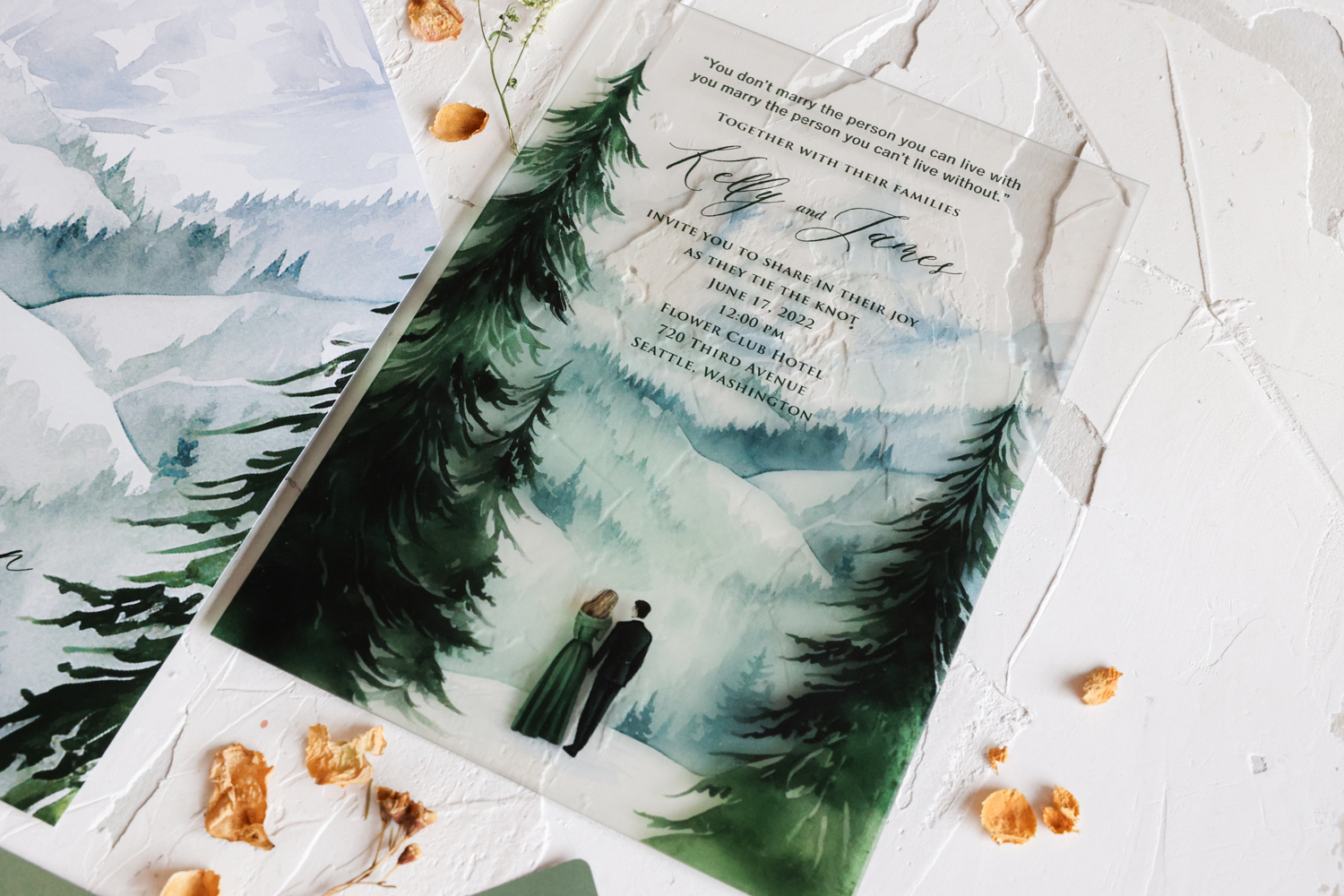
Wedding invitations are more than just a simple notification of the date and place of the ceremony; they are the calling card for your wedding. A polished and elegantly phrased invitation makes a first impression on your guests and introduces them to the atmosphere of the celebration. In the following guide, we present the most important information and rules to help you write the perfect wedding invitation – from required content elements and formal address to personalization and distribution etiquette. You will also learn how to address the invitation, when to send it, and how to include additional notes (e.g., requests regarding gifts or children) in a tactful way that complies with the rules of savoir-vivre. All this is supported by specific examples and practical advice.
Organizing a wedding involves many tasks – booking the venue, choosing outfits, setting the guest list – and one of the most important stages is preparing the invitations. In the heat of preparations, it is easy to overlook essential details. How do you write a wedding invitation so that it contains all the necessary information while remaining pleasant to read? Below, we discuss five key aspects of creating wedding invitations. Each of these points contains extensive explanations and examples so that you can prepare your own text with peace of mind. Along the way, we also suggest how to match the style of invitations to the wedding theme and which mistakes to avoid.
Note: All advice regarding writing wedding invitations applies to religious, civil, and humanist ceremonies – in each case, similar rules for conveying information apply, with only the details (e.g., ceremony location) differing. We encourage you to read the entire guide to ensure your invitations are complete, clear, and elegant.
Table of Contents
- 1. Basic information in a wedding invitation – what must be included?
- 2. Style and form of the invitation text – language, etiquette, and personalization
- 3. Addressing invitations for different guests – plus ones, children, and parents
- 4. Additional information – RSVP, gifts, accommodation, and other notes
- 5. Delivering invitations – when and how to invite your guests?
1. Basic information in a wedding invitation – what must be included?
The first and most important step is ensuring the invitation contains all key information. Every wedding invitation must answer several basic questions: who is inviting, who is being invited, for what occasion, and where and when the ceremony will take place. These elements are the absolute foundation – without them, guests won't know where to arrive or who the invitation concerns. In practice, other details follow, which we will discuss shortly, but first, let's focus on the foundations of invitation content.
Who is inviting? Traditionally, it is common for the Bride and Groom together with their parents to host the wedding. Therefore, at the beginning of the text, we list the names of the couple. If the parents are co-hosting or you simply wish to honor them, add the phrase “together with their Parents”. Note the capitalization – the word “Parents” is often capitalized as a sign of respect. For example, a correct opening might read:
This form clearly indicates who is hosting the celebration. Of course, if the couple is inviting guests on their own, you can omit the mention of parents and write, for example, “Anna Kowalska and Jan Nowak request the pleasure of your company...”. It is important to provide full first and last names – avoiding surnames or replacing them with initials is generally considered a mistake, as the invitation should be formal and personalized.

Gaja No. 2 Wedding Invitation – Sage Green with Letterpress Embossing

Glamour Wedding Invitation with Gilded Branch and Velvet Paper – Ruskus No. 14

Kraft Wedding Invitation No. 12 – Forest Style with Pine Forest Graphic
Who is being invited? The next element is identifying the recipient of the invitation. The guest's name should be placed in the body of the text, usually preceded by a formal title. In English-speaking cultures, "Mr. and Mrs." or "Ms." are standard. For example: “Mr. and Mrs. John Smith”. If you are inviting someone with a plus one or a couple with different surnames, we will describe these issues more broadly later in the guide. At this stage, it is important that the names are spelled correctly and preceded by the appropriate courtesy title.
For what occasion? The invitation must clearly state the nature of the event. Most often, this will be a phrase like: “to the marriage ceremony of” or simply “to the wedding of”. For religious ceremonies, specify the church or place of worship, while for a civil ceremony, mention the Registry Office or the specific venue. Regardless of the ceremony type, guests should receive clear information about what kind of event you are planning – whether it is just the ceremony or a ceremony followed by a reception. If a reception is planned, it should be included. A common practice is to place a separate line such as: “Reception to follow at...” – this way, the guest immediately knows they are invited to both. If the reception is in a different location, be sure to provide two addresses: the ceremony venue and the reception hall.
Where and when? You cannot miss the date, time, and location of the ceremony. It is best to write out the month (e.g., “August 15th, 2025”) for clarity. Provide the time clearly, e.g., “at 3:00 PM”. Describe the ceremony site precisely. If the reception is elsewhere, its name and address must also be listed. An example of complete information might look like this:
The above example includes all essential elements of a typical wedding invitation. You can use this structure as a base for your own text. Remember that clarity and completeness of information are key – it is better to provide one detail too many (like a full address) than to leave guests guessing. Experts suggest there is a "magic five" of elements without which an invitation is incomplete – keep them in mind when creating your content.
2. Style and form of the invitation text – language, etiquette, and personalization
A wedding invitation follows its own stylistic rules. While it must convey specific information, it should do so in an aesthetic and polite manner, appropriate for the significance of the event. In this chapter, we focus on how to write the text – the linguistic style, courtesy forms, and personalizing elements like quotes.
The Third Person Rule. Traditionally, invitations are written in the third person. This means that instead of "We invite you to our wedding..." you use the form “Anna and Jan request the honor of...” or “Anna and Jan invite you to celebrate...”. Writing in the third person gives the message a formal, polite character. For example, “Anna Kowalska and Jan Nowak joyfully invite you to the celebration of their marriage...” is both warm and solemn. Note that we use full names and add an emotional touch ("joyfully" or "request the honor"), making the text more special.

Glamour Wedding Place Cards with Pearls – Pearls No. 1 White

Lauren No. 3 Wedding Place Cards – Classic Calligraphy Name Cards

Kraft Place Cards No. 12 – Rustic with Forest Panorama
Polite Phrasing and Expressions. Wedding invitations often use established, polite phrases to emphasize the importance of the moment. Popular choices include: “request the honor of your presence”, “request the pleasure of your company”, “cordially invite you”. Solemnity and elegance are added by language that is slightly elevated but still understandable. Avoid overly casual terms or slang. It is better to write “wedding ceremony” than “wedding party” – the invitation is not the place for colloquialisms. On the other hand, you don't need to fall into an excessively archaic style. It is important to maintain a polite, warm tone. It is also customary to address guests with respect using appropriate titles (e.g., “Mr. Jan Kowalski”). Capitalize words like “Bride and Groom”, “Parents”, or “Guests” when used in the context of the specific ceremony as a sign of respect.
Linguistic Correctness. One of the common dilemmas when filling out invitations is the correct spelling of guest names. Ensure you have the correct spelling of both first and last names. Generally, on wedding invitations, we do not use professional titles (such as Dr., PhD, Eng.), just the guests' names. An exception can be made for clergy (e.g., Father, Bishop), but for relatives and friends, titles are usually omitted. Always double-check for typos, as an error in a guest's name can be perceived as a lack of care. If in doubt, it is better to ask the guest for the correct spelling than to make a mistake.
Personalizing the Text – Quotes and Verses. Beyond the mandatory information, an invitation can contain additional decorative elements to give it a personal touch. It is very popular to place a short quote about love at the beginning. This could be a Bible verse, a fragment of a poem, or a sentiment meaningful to you as a couple. Regardless of your choice, ensure the quote matches the style of the invitation – a humorous rhyme fits a modern invitation, while a classic literary quote works best for elegant stationery. If you choose a verse, you can credit the author in small print. The quote should not overwhelm the rest of the content – it's best to place it at the top and keep it brief. Remember, it is an addition, not the main message.
Unique Style vs. Tradition. Some couples wonder if they can deviate from established formulas. Originality is valuable, but be cautious. The most important thing is that despite a creative form, you clearly communicate who, whom, where, and when. You can try a non-traditional narrative (e.g., a humorous story of how you met), but if you do, it's good to add classic elements below so no one is confused about the details. Alternatively, use graphic additions – icons or pictograms are becoming popular for gift preferences. If you feel typical phrasing is too stiff, give it character through design (paper, font, colors) rather than omitting essential etiquette. A wedding invitation should always sound polite and classy.
Print vs. Handwriting? Style also applies to how the invitations are produced. Today, most couples order invitations where the names of guests are printed. This is convenient and aesthetic. However, savoir-vivre suggests that handwriting the invitations (or at least the guest names) is a sign of extra respect and commitment. In practice, few people handwrite 150 invitations. A good compromise is to print the main text and handwrite the guest names. This shows you personally filled in their details. If you have beautiful handwriting, you can try writing the whole thing. If you plan to handwrite, always order a dozen or so extra invitations in case of mistakes. Regardless of the method, check the data several times. Spelling errors or typos are unacceptable – ask someone for proofreading before printing.

Golden Fortune Cookies with Personalized Label | Affordable Wedding Favours | Cejla No. 3

Simple No. 3 Soy Candle – Gold Foiling & Elegant Wedding Favours

Merci Favour with White Flowers, Green Leaves | Elegant Guest Gifts | Impresja No. 10
3. Addressing invitations for different guests – plus ones, children, and parents
The guest list usually includes various groups: couples, single people with plus ones, families with children, and your closest relatives – parents, grandparents, siblings. When filling out invitations, you should use appropriate forms so as not to offend anyone and to honor everyone. In this section, we discuss how to correctly invite a guest with a plus one, how to include children (or signal their exclusion), and how to prepare invitations for your own parents. These are important details of invitation savoir-vivre.
Plus One – how to phrase it? Many guests are single or in informal relationships where it's appropriate to offer a plus one. The general rule is that an adult guest, if not in a long-term relationship known to the couple, may receive an invitation “and Guest”. For example: “Mr. Jan Kowalski and Guest”. This is acceptable if you truly don't know who the guest might bring. However, it would be impolite to use a general term when it is known that the person is in a steady relationship. In such a situation, you should find out the partner's name and write a personalized invitation for both. Avoid the anonymous "and Guest" whenever you can establish the person's identity.
Remember the order of names. Etiquette suggests that for couples, the woman's name should be listed first. This applies to married couples, engaged couples, and partners. For example, write “Ms. Anna and Mr. Thomas Smith”. This form is more polite and traditional.
Guests with or without children? The issue of inviting children can be delicate. If you are inviting parents with children, you can write “and Family” after the parents' names. Example: “Mr. and Mrs. Smith and Family”. You can also list the children by name for a more personal touch: “Mr. and Mrs. Smith with Susan and Alexander”. Ensure you don't miss any siblings and spell their names correctly.
If you do not plan to invite children (which is increasingly common), you must communicate this tactfully. Simply omitting children's names from the invitation is the standard signal – e.g., an invitation to “Mr. and Mrs. Smith” suggests only the adults are invited. However, not everyone may read this correctly. For clarity, you can add a brief note like: “Adult reception” or mention it verbally when delivering the invitation. It is important to do this tactfully, perhaps explaining that the venue has limited capacity or the event style is for adults. The key is to be clear but gentle.
If you do invite children, consider their needs. You might provide a kids' corner or a special menu. While not part of the invitation text, it's good to mention these amenities during RSVP conversations. Parents will surely appreciate the gesture.
Invitations for adult children and teenagers. As a rule, an adult child should receive a separate invitation, even if they still live with their parents. So, a 20-year-old cousin should get his own invitation. For teenagers aged 16-17, it's up to you – giving them their own invitation can make them feel more included and honored, especially if you allow them a plus one.
Invitations for your own parents. Even if your parents are co-hosting, it is customary to officially give them an invitation as a keepsake. The text can be more personal, such as “To our beloved Parents” or “Mom and Dad”. You should omit the “together with their Parents” phrase on their specific copies. Parents are often given specially made invitations – perhaps with a personal dedication – to emphasize their role. It is a symbolic gesture confirming their presence as guests of honor.
In summary: tailor the invitation form to the recipient. Use polite terms for everyone but account for specific situations (plus ones, children, parents). If you have doubts about how a message will be received, a direct conversation is best. Tact and kindness go further than the most sophisticated text.

Flores No. 1 Soy Candle in Gypsum – Gilded Wedding Favour

Kraft No. 5 Soy Candle in Plaster – Sunflowers Wedding Favour

Flores No. 2 Soy Candle in Gypsum – Burgundy Flowers Wedding Favour
4. Additional information – RSVP, gifts, accommodation, and other notes
Modern wedding invitations often serve as a logistical guide. Below, we discuss additions to the invitation content: RSVP requests, gift suggestions, accommodation info, and wedding themes. These should be added skillfully so the invitation doesn't become cluttered and remains polite.
RSVP (Response Requested). Almost every invitation includes a request for confirmation. This often takes the form of the abbreviation “R.S.V.P.” (from the French “Répondez s’il vous plaît”). Today, a phone number or email is usually sufficient. Write: “Please respond by [date] to [phone/email].” It's important to set a deadline, typically one month before the wedding, to finalize numbers with your venue.
Wedding Gifts – how to mention them? Is it appropriate to write what you'd like to receive? While traditional etiquette suggests avoiding the topic, most modern couples prefer to communicate their preferences to avoid unwanted gifts. The most elegant ways are a short rhyme or a pictogram. Rhymes can playfully suggest cash over physical items. If rhymes aren't your style, a simple sentence like: “Your presence is the greatest gift, but should you wish to give, a contribution to our honeymoon fund would be appreciated” works well. Small icons (like an envelope for cash or a crossed-out flower) are also popular and perceived as tactful.
What can you suggest? Here are common options couples include in invitations:
-
Cash instead of physical gifts. This is the most popular request. To avoid making guests feel pressured, emphasize that their presence is the most important thing.
-
“In lieu of flowers...” – many couples request something more lasting or charitable than bouquets. Common ideas include: wine, books, lottery tickets, or donations to a specific charity. Some couples suggest toys, school supplies, or pet food to be donated to shelters or orphanages. Here is a list of popular alternatives:
- Wine or spirits – to build a home cellar.
- Books or vinyl records – lasting gifts for the couple.
- Lottery tickets or scratch cards – for a bit of fun.
- Potted plants – that will grow with your marriage.
- Gift cards or vouchers – for home decor or experiences.
- Sweets – artisanal chocolates or honey.
-
Gift Registry. You can include a note like: “Our gift registry can be found at [URL]”. This ensures you get what you need and prevents duplicates.
Accommodation and Transport. If you have out-of-town guests, include accommodation details. A small information card can include hotel addresses, group discount codes, and a map. This is extremely helpful for those traveling from afar. Alternatively, provide a link to a wedding website containing all these details.
Dress Code or Theme. If your wedding has a specific theme (e.g., Boho, Black Tie, or a specific color accent), mention it briefly. For example: “Boho attire encouraged”. If it's standard formal wear, no mention is needed.

Glamour Wedding Place Cards No. 1 – Satin Name Cards with White Print

Cappuccino Wedding Place Cards No. 1 – Satin Ribbon Table Name Cards

Rose Bow Wedding Place Cards No. 1 – Pink Satin Glass Ribbon Cards
5. Delivering invitations – when and how to invite your guests?
Writing the content is one thing, but timely and elegant delivery is equally important. In the age of digital messaging, it might be tempting to take shortcuts, but weddings still follow traditional forms. Below we explain how far in advance to distribute invitations and why personal delivery is best.
When to send/deliver? The standard is to deliver invitations about 3 months before the wedding. At the absolute latest, guests should receive them 6 weeks before. If you plan a summer or holiday wedding, 4-5 months is better. “Save the Date” cards can be sent up to a year in advance, especially for destination weddings. Remember: better too early than too late. Early invitations show you truly value the guest's presence.
Golden Fortune Cookies with Personalized Label | Affordable Wedding Favours | Cejla No. 3

Fortune Cookies with Bottle Green Label | Personalized Wedding Favours | Cejla No. 2

Personalized Fortune Cookies, Light Grey | Original Wedding Favours | Cejla No. 7
Personal Delivery vs. Mail. The gold standard is personal delivery. It shows you care and gives you a chance to catch up. Closest family and friends should be invited in person whenever possible. If distance makes this impossible, mailing invitations is acceptable. Use high-quality envelopes and perhaps call the guest beforehand to let them know it's coming.
What to avoid? Inviting via SMS or social media is considered a major faux pas. A wedding is a significant life event that deserves a formal, physical invitation. Don't let digital convenience undermine the importance of your big day.
Addressing Envelopes. When addressing envelopes, use formal titles. If inviting a whole family, “The Smith Family” is sufficient. Hand-writing the addresses adds a touch of elegance that printed labels cannot match.
Guest Favors and Wedding Stationery. When delivering invitations, you might mention that a small gift awaits them at the venue. Wedding favors – small tokens of appreciation – are a lovely tradition. Ensure the style of your favors matches your invitations for a cohesive look. Professional companies like Amelia Wedding offer full collections including place cards, menus, and more, ensuring your wedding theme is consistent throughout all printed materials.
Ultimately, wedding invitations are the first step in celebrating with your loved ones. Once they are delivered, you can focus on the final preparations. If you follow these tips, your invitations will surely make a perfect impression.
Summary: Creating wedding invitations might seem complex, but by following these steps, you will succeed. Remember the essential elements (who, whom, where, when), use polite and clear language, and include necessary logistics. Tailor the design to your personality and avoid common mistakes like late delivery or misspelling names. Beautiful invitations are a preview of a wonderful wedding!
We hope this guide has cleared your doubts. For more inspiration or professional services, visit amelia-wedding.pl to see our range of wedding invitations, place cards, and guest favors. Good luck!
Szymon Jędrzejczak
Wedding industry expert and stationery designer at Amelia-Wedding.pl. For years, she has been helping couples create unforgettable moments by combining tradition with modern design.