Humanist Wedding - A Modern Alternative to Traditional Ceremonies

What is a humanist wedding?
To begin with, it is important to understand what a humanist wedding is. It is a wedding ceremony that is not based on any specific religion, but rather focuses on the individuality of the couple and their shared values. Such a wedding is filled with love, respect, and joy, making it an ideal choice for couples who want to celebrate their union in a way that most fully reflects their common values and beliefs.
A humanist wedding as an alternative to a traditional wedding
A humanist wedding is an increasingly popular alternative to a traditional wedding, especially among young couples. It offers freedom of choice and greater possibilities for personalization, which allows for the creation of a ceremony that is authentic and reflects the individuality of the couple. It is a kind of celebration of love and understanding, unbound by specific religious customs or traditions.
In a world full of diversity and change, more and more couples are looking for a wedding that is more focused on their personal beliefs and values rather than traditional rituals. In this way, a humanist wedding seems to be the perfect choice for those who are looking for something unique, personal, and authentic.
Features of a humanist wedding
A humanist wedding is always individual, meaning each couple has the opportunity to influence its course. There is no rigid scheme or set of rules. Each ceremony is unique and reflects the personality, values, and beliefs of the couple. It often includes elements that are important to the couple, such as reading poems of their choice, music that has special meaning to them, or the exchange of personal vows.
Diversity and freedom of choice
A humanist wedding is also a symbol of diversity and freedom of choice. It enables couples who do not identify with any specific religion to celebrate their love and union in a way that resonates with them the most. It is a way to solemnly and officially declare their union without the need to follow rules and rituals that may not align with their personal beliefs.
In current times, as society becomes more aware and open to diversity, a humanist wedding represents an ideal alternative for those who want to celebrate their love and union in a way that is most authentic and meaningful to them.
Therefore, it is worth considering a humanist wedding as an option, especially if you are looking for an alternative to a traditional wedding ceremony. After all, the most important thing on your wedding day is to feel good, happy, and authentic - and a humanist wedding certainly makes that possible.
Throughout the rest of this article, you will learn more about what a humanist wedding is, what its features are, and how such a ceremony proceeds. We invite you to continue reading!
What is a humanist wedding: Definition and features
Definition of a humanist wedding
Starting with the basics, the definition of a humanist wedding tells us that it is a wedding ceremony that is not associated with any specific religion or tradition. This type of ceremony focuses on celebrating the love and union between two people, rather than focusing on fulfilling specific religious or traditional rituals.
A key element of a humanist wedding is the individuality of the couple. It is a ceremony that is tailor-made, taking into account the unique stories, values, and desires of the bride and groom. Every humanist wedding is therefore different - just as every couple is different.
Features of a humanist wedding
When talking about the features of a humanist wedding, it is worth highlighting a few key elements:
-
Personalization: As already mentioned, a humanist wedding is always tailored to the individual needs and preferences of the couple. From the choice of venue and music to readings and vows - everything is tailor-made.
-
No dogmas: A humanist wedding is a ceremony free from religious dogmas and doctrines. Instead, it focuses on the love, respect, and understanding that connect the couple.
-
Equality: In humanist weddings, there is no place for traditional gender roles or hierarchies. The couple is treated as equal partners, and the ceremony celebrates their mutual understanding and love.
-
Authenticity: Because a humanist wedding is so highly personalized, it becomes a very authentic expression of the couple's feelings and beliefs.
What are the benefits of choosing a humanist wedding?
Choosing a humanist wedding has many advantages. First and foremost, it allows couples to fully express themselves and their love in a way that is most authentic to them. Because there are no rigid rules or expectations, the couple has complete freedom in planning and executing their ideal ceremony.
A humanist wedding is also often more relaxing and less stressful than traditional weddings because there is no pressure associated with following specific rituals or rules. The couple can focus on each other and their love instead of worrying about whether everything is going according to plan.
Finally, it is worth adding that a humanist wedding can be just as solemn and significant as a traditional wedding. Everything depends on the couple's preferences.
In summary, a humanist wedding is a modern, personal, and authentic alternative to traditional wedding ceremonies. It is a wedding that celebrates love, respect, and understanding instead of traditions and dogmas. If you are looking for a ceremony that will be a true reflection of your love and individuality, a humanist wedding might be the perfect choice.

Differences between a humanist and a religious wedding: comparison and contrast
Comparison of a humanist and a religious wedding
When we think about weddings, the traditional religious wedding usually comes to mind. This is understandable, as for centuries, religious ceremonies have been the most common form of celebrating marriage. But what if you are looking for an alternative? This is where a humanist wedding comes into play.
To understand the differences between a humanist and a religious wedding, it is worth comparing and contrasting these two forms of wedding ceremonies.
-
Preparation: In the case of a religious wedding, the couple often has to go through specific preparatory steps, such as pre-wedding meetings, retreats, or classes. In the case of a humanist wedding, the couple has more freedom in planning and preparing the ceremony, which may include choosing the venue, music, readings, and other elements that reflect their personality and beliefs.
-
Ceremony: In a traditional religious wedding, the ceremony usually includes specific rituals and prayers that are defined by a given religion. In the case of a humanist wedding, the ceremony is more flexible and can be adapted to the needs and wishes of the couple.
-
Rules and doctrine: Traditional religious weddings usually require adherence to certain rules and doctrines associated with the religion. In a humanist wedding, there are no such requirements. The couple has complete freedom to choose what is most important to them, and their values and beliefs form the core of the ceremony.
-
Legality: In some countries, including Poland, humanist weddings are not yet recognized by law. Therefore, many couples decide to have a simple civil ceremony before the humanist wedding to formally legalize their union.
Humanist vs. religious wedding: The choice is yours
In summary, the choice between a humanist and a religious wedding depends primarily on your personal beliefs, values, and preferences. It is important to remember that every couple is different, and what works for one couple may not work for another.
Whether you choose a traditional religious wedding or opt for the alternative of a humanist wedding, remember that the most important thing is for your wedding day to be a true reflection of you and your love.
The flow of a humanist wedding ceremony: What to expect?
Humanist wedding ceremony plan
Although, as mentioned earlier, a humanist wedding is exceptionally personalized and can vary depending on the individual preferences of the couple, there is a general humanist wedding ceremony plan that can serve as a starting point.
-
Arrival of guests and the couple: The ceremony begins with the arrival of the guests, followed by the couple. This may include the traditional entrance of the bride, although some couples prefer to arrive together or even greet guests before the ceremony begins.
-
Welcome and introduction: The celebrant (the person leading the ceremony) usually starts by welcoming the guests and introducing the ceremony. This may include a brief introduction of the couple, as well as an explanation of what a humanist wedding is.
-
Readings and music: Personal readings often follow, which may include poetry, literary excerpts, anecdotes, or stories related to the couple. Music also plays an important role in the ceremony and can be chosen by the couple to reflect their taste and emotions.
-
Vows and exchange of rings: This is the key moment of the ceremony - the vows and the exchange of rings. The vows can be traditional or written by the couple, which gives them the opportunity to express their love and commitments in the most authentic way.
-
Conclusion and exit: Finally, the celebrant pronounces the couple husband and wife (or life partners). The couple exits, and the guests usually greet them, often throwing rose petals or rice, which is a symbol of prosperity and joy.
What a humanist wedding looks like: personalized elements
It is important to remember that in a humanist wedding, there are no pre-defined rules or rituals that must be followed. Every element of the ceremony can be adapted to the needs and wishes of the couple.
Some couples choose to add additional rituals that have special meaning for them. This may include rituals related to their culture or family tradition, or new rituals they have created themselves. Examples may include a sand ceremony, candle ceremony, plant ceremony, or any other ritual that has special significance for them.
It is important to remember that a humanist wedding is a celebration of love and commitment that is unique to each couple. Regardless of what the ceremony looks like, the most important thing is that it is a true reflection of the couple and their love.
Benefits and potential challenges of a humanist wedding: What to expect?
Benefits of a humanist wedding
A humanist wedding offers many unique benefits that may attract couples looking for a personal, unconventional wedding experience.
-
Freedom of choice: One of the biggest benefits of a humanist wedding is the ability to personalize. Couples have much greater freedom of choice regarding the location, music, readings, vows, and even the structure of the ceremony itself. You can compare it to writing your own symphony of love instead of playing notes written by someone else.
-
Celebrating values: A humanist wedding gives the couple the opportunity to celebrate their own values, beliefs, and unique love story. Unlike some traditional wedding ceremonies, where the main focus is on religious doctrine, a humanist wedding allows the couple to focus on what is most important to them.
-
Inclusion: A humanist wedding is a space open to everyone, regardless of their religious beliefs, sexual orientation, or ethnic background. This is particularly beneficial for intercultural, interfaith, or LGBTQ+ couples.
Challenges of a humanist wedding
Despite these benefits, a humanist wedding can also bring some challenges.
-
Legality: The biggest challenge is that humanist weddings are not recognized as legal in many countries, including Poland. Therefore, many couples decide to have an official civil ceremony before the humanist wedding.
-
Proper organization: Because of the freedom a humanist wedding offers, it also requires more planning and organization. From choosing the venue, through organizing the flow of the ceremony, to finding the right celebrant - all of this requires time and care.
-
Social acceptance: In some communities, it may be difficult to understand and accept the idea of a humanist wedding. This may mean that the couple will have to explain and defend their choice to family and friends, which can be stressful.
Despite these challenges, many couples find that a humanist wedding is the perfect choice for them. Everything depends on personal beliefs, values, and what is most important to the couple on their wedding day.
How to organize a humanist wedding: A practical step-by-step guide
A humanist wedding offers endless possibilities for creating your own unique ceremony. Below are a few steps that will help you organize such an event.
Step 1: Understanding the idea of a humanist wedding
Before you start planning your humanist wedding, it is important to fully understand what such a ceremony is about. It is a wedding ceremony that focuses on the individuality of the couple and does not contain religious elements.
Step 2: Choosing the venue
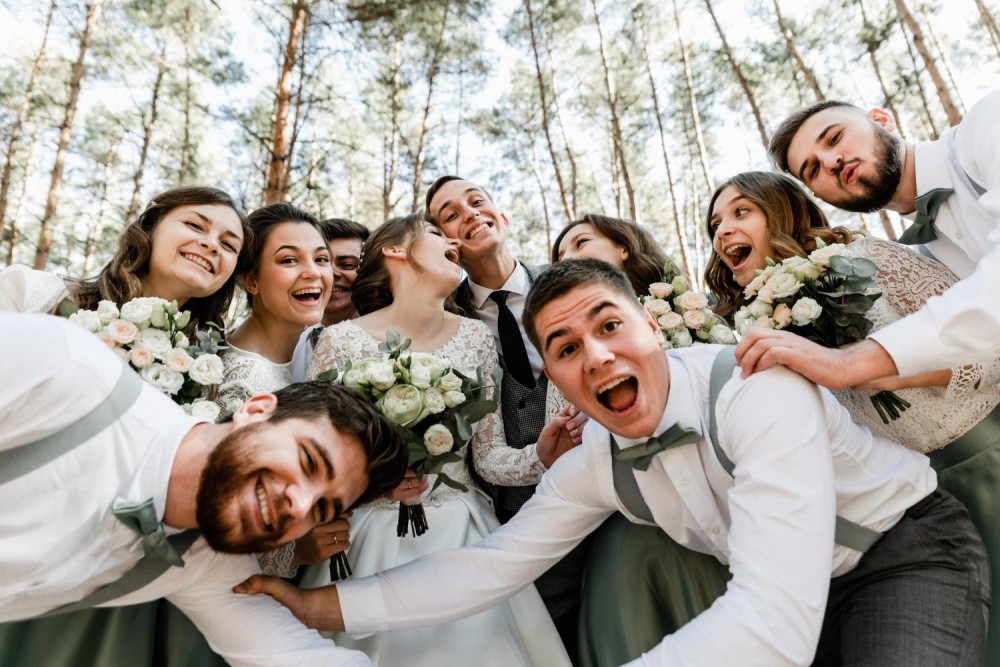
A humanist wedding can be held almost anywhere - on the beach, in the forest, at home, in the garden, in a park, in a meadow, or even on a mountain top. Choose a place that has special meaning for you and that reflects your personality.
Step 3: Choosing a celebrant
Finding the right celebrant is a key element of a humanist wedding. The celebrant should be someone who understands your values, will be able to lead the ceremony according to your expectations, and will make it an unforgettable experience for you. This could be a friend, a family member, or a professional humanist wedding celebrant.
Step 4: Planning the ceremony
This is the stage where you can let your creativity run wild. You can decide what elements you would like to include in the ceremony, what vows to make, what music to choose, what readings to include, and even what unique rituals you would like to perform. Remember that this is your day and everything should be just as you dreamed.
Step 5: Communication with guests
Because a humanist wedding may be a new experience for some guests, it is important to prepare them well for it. You can do this, for example, through your wedding invitations, where you explain what the ceremony is about and what they can expect.
Step 6: Conducting the ceremony
Finally, the most important thing is to enjoy this special day during the humanist wedding ceremony, celebrating your love and the commitment you are expressing to each other.
Planning a humanist wedding can be an exciting adventure that will allow you to create a truly personal and unforgettable experience. Remember that there is no single "correct" way to organize such a wedding - the most important thing is that it is a day that reflects you and your love.
Summary: Humanist Wedding – What Should We Know?
Throughout this article, we have gone through many aspects of a humanist wedding, starting from its definition, through the differences between it and a traditional religious wedding, to detailed advice on organizing such a ceremony. It is now time for a brief summary of what we have learned on this topic.
A humanist wedding is a ceremony that focuses on the individuality of the couple and does not contain religious elements. It is an alternative to traditional wedding ceremonies, which are often dominated by religious rules and rituals. In a humanist wedding, the couple decides on the course of the ceremony, which allows for the creation of a truly personal and unique experience.
Although humanist and religious weddings have many differences, the most important one is that a humanist wedding is focused on the couple and their individual values, while a religious wedding is often focused on religious rules and beliefs.
Organizing a humanist wedding may require a bit more work and creativity, but it gives couples the opportunity to create a ceremony that truly reflects their values and personality. From choosing the venue and celebrant, through planning the ceremony, to communicating with guests – all of this is up to the couple.
A humanist wedding has many advantages, such as greater freedom and the possibility of personalization, but it can also involve certain challenges, such as the lack of legal validity in some countries.
Finally, remember that regardless of the form you choose for your wedding, the most important thing is that it is a day that reflects you and your love. Whether it is a humanist wedding, a religious one, or another - remember that you are at the center of this day and you decide what it should look like.
Share your experiences with a humanist wedding
We hope this article has helped you understand what a humanist wedding is and how to organize one. Now we would like to hear your opinion! Are you planning a humanist wedding, or perhaps you have already had such a ceremony? What is your favorite aspect of such a wedding? Have you encountered any challenges while planning your wedding?
Share your experiences in the comments below. Your stories and tips can be extremely valuable to other couples who are considering such a wedding. Every story is different, and yours can inspire and help others.
Also, remember to share this article on your social media to help spread the word about humanist weddings. It may help other couples who are looking for an alternative to traditional wedding ceremonies.
We also encourage you to check out other articles on our blog. Perhaps you might be interested in an article on choosing words that touch the hearts of guests on wedding invitations, or maybe you need a guide on when to send out wedding invitations? If you are looking for inspiration for wedding invitations, check out our offer of wedding invitations with gold foil elements or unique glass wedding invitations.
Thank you for taking the time to read this article, and we look forward to your comments!