Is 'Dear' or 'Mr. & Mrs.' necessary on wedding invitations?
Introduction to Wedding Invitation Etiquette
The Importance of Form in Wedding Invitations
In the world of wedding preparations, invitations are not just a formal notification of an upcoming event; they are the calling card for the entire celebration. They reveal the character of the ceremony, the style of the couple, and often carry emotional significance. The form of the invitation is therefore not just an aesthetic matter, but also one of etiquette and communication. An elegant, carefully designed invitation immediately sets expectations, shows respect for the guests, and emphasizes the importance of the moment. On the other hand, a modern, informal invitation can signal a more relaxed, casual atmosphere for the celebration.
Tradition vs. Modernity in Wedding Invitations
A wedding is an event deeply rooted in tradition, and traditional elements often permeate modern celebrations, creating a unique blend of the old and the new. In wedding invitations, this symbiosis is particularly visible. Traditional addressing formulas and carefully chosen color palettes mix with modern, creative design solutions. Many couples choose to keep traditional elements, such as formal language or classic embellishments, while adding their own personal touch, for example, through unique shapes or original illustrations.
The Role of Etiquette in Wedding Communication
Wedding etiquette is a set of rules that help navigate the complex waters of wedding planning. It applies not only to behavior but also to communication, of which invitations are an integral part. Addressing guests, choosing vocabulary, and even the decision of whether to use formal titles like "Mr. & Mrs." can influence how guests perceive the invitation. Following wedding etiquette is a sign of respect and care, but also a way to avoid misunderstandings or faux pas. Modern couples often try to balance adhering to traditional etiquette with expressing their individuality in wedding communication, which makes the topic of etiquette in invitations incredibly fascinating and multifaceted.
Table of Contents
The Meaning of Formal Titles in Invitations
Origin and Traditional Use of Formal Titles
Using formal titles is a way of addressing guests that stems from traditional phrases like "Dear Mr." or "Dear Ms." Their use in wedding invitations has a long tradition, especially in Polish culture. This form provides a formal, classic way of addressing guests, adding an official tone to the invitation. The traditional use of these titles can demonstrate respect and a serious approach to the wedding ceremony. It can also symbolize a certain elegance and nobility, which is often appreciated by older generations. However, in the face of modern trends and changing attitudes toward formality, the value and meaning of these titles are becoming a subject of debate.
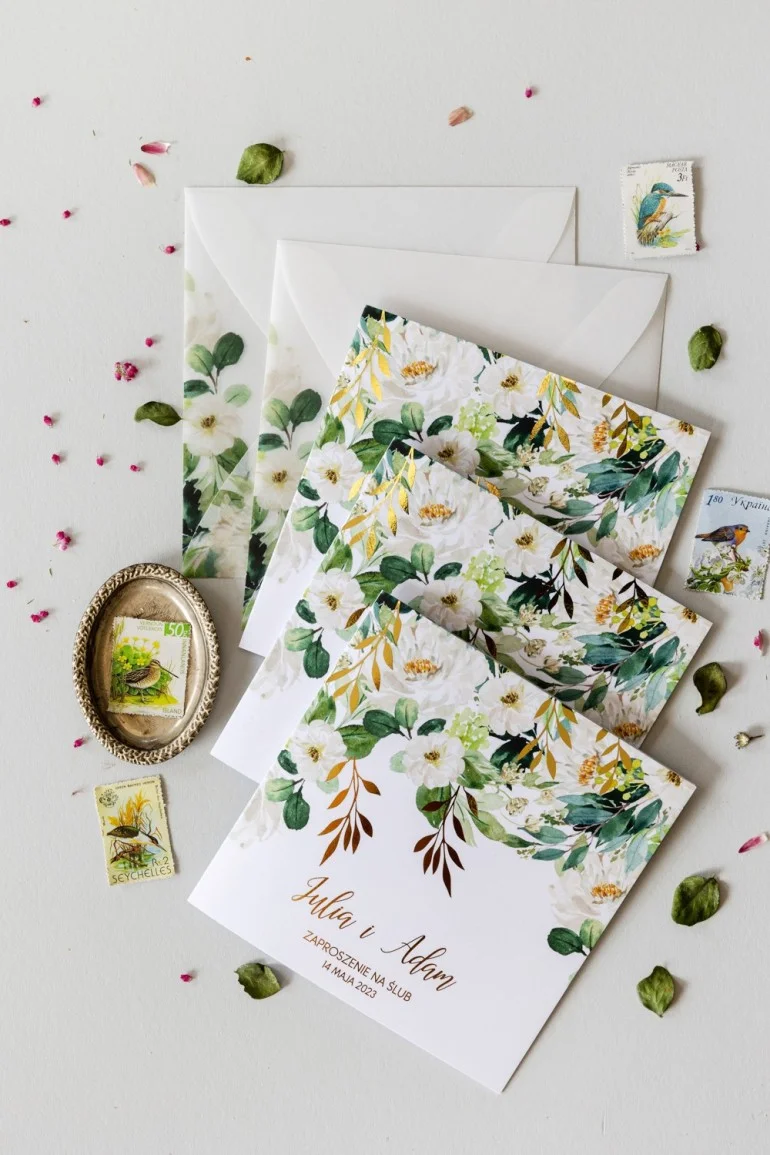 Stylish Wedding Invitations with Gold Accents, Watercolor Flowers | Exclusive Wedding Invitations | Rubin No. 1
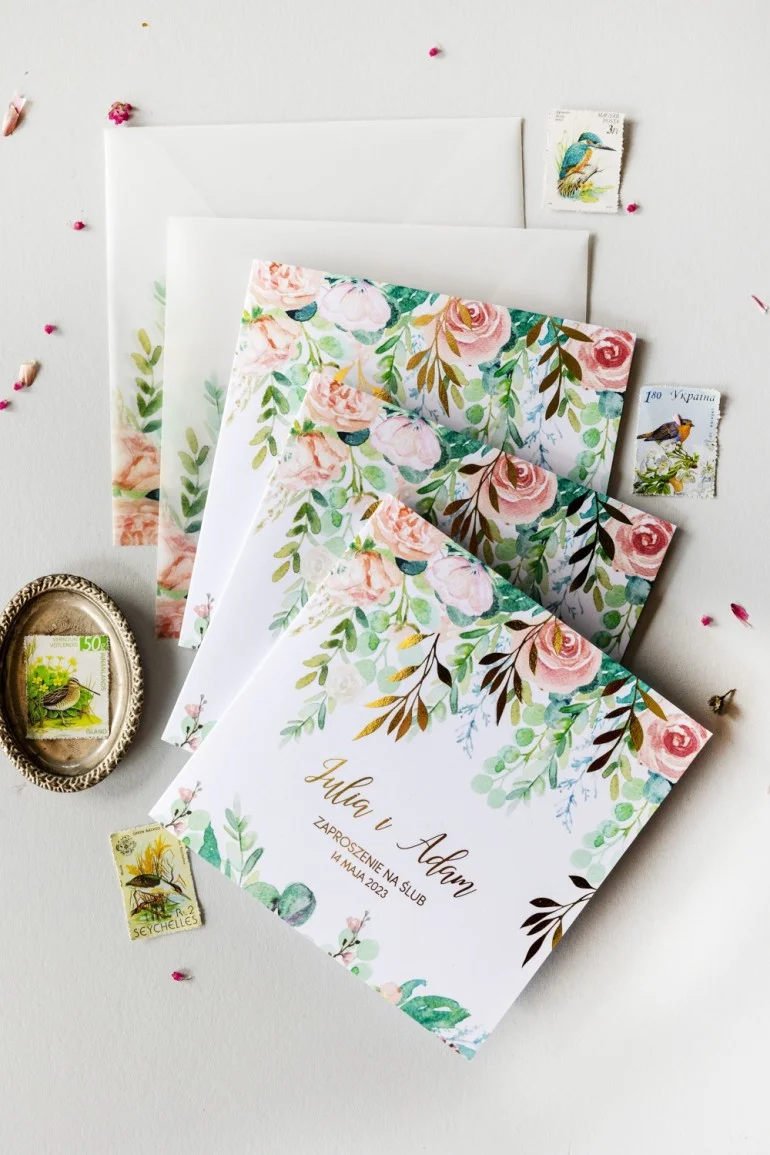
Elegant Floral Wedding Invitations with Gold Foil, Pastel Roses and Greenery | Glamour Wedding Invitations | Rubin No. 2
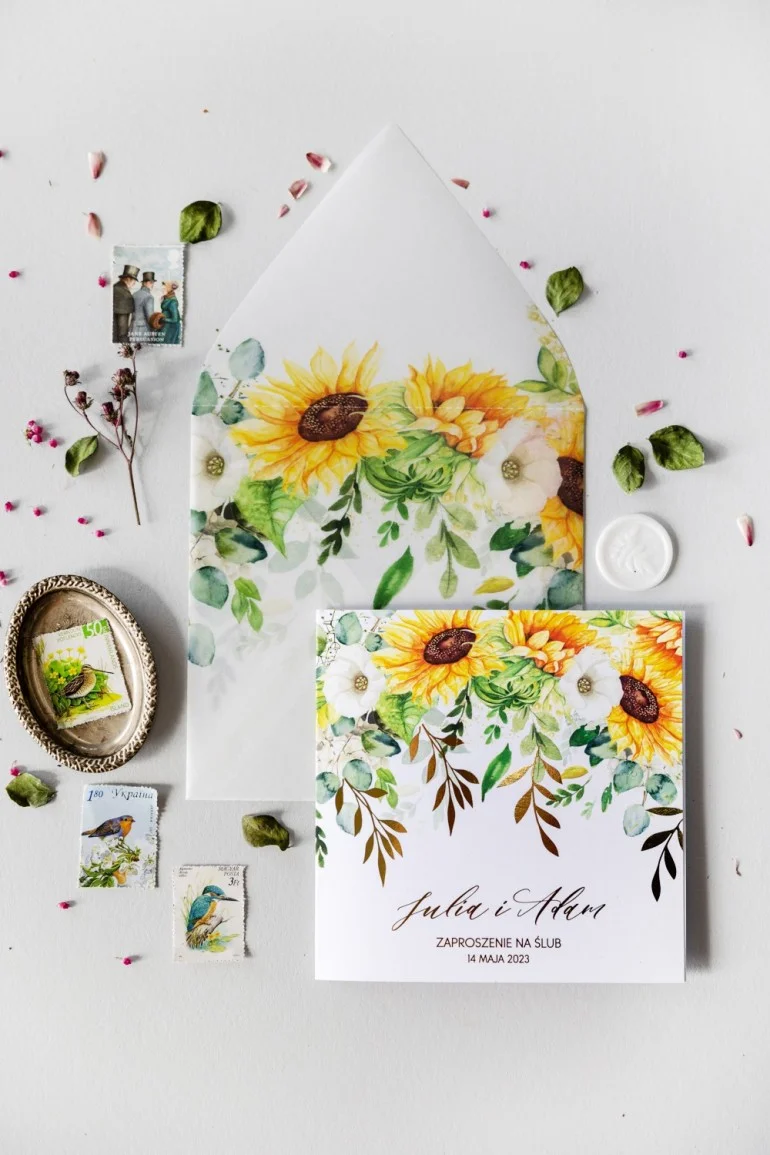
Wedding Invitations with Sunflowers and Gold Foil | Modern and Original | Rubin No. 7
The Meaning of Formal Titles in the Context of Polish Etiquette
In the context of Polish wedding etiquette, formal titles play an important role. It is a form of expressing respect and officiality, which is often expected, especially in more traditional or formal wedding settings. The use of these titles can also reflect cultural and family traditions that are important to the couple or their families. On the other hand, modern couples may consider these titles too formal or old-fashioned, preferring more personal or creative forms of addressing. This is an example of how tradition and a contemporary approach can influence stylistic and ethical choices regarding wedding invitations.
Alternatives to Formal Titles
Faced with evolving trends and preferences, many couples are looking for alternatives to formal titles. Some of these include using the full names of the guests, which adds a personal touch to the invitation. Other options include using less formal titles or even omitting addressing forms altogether in favor of a more casual tone. The possibilities are practically endless and allow couples to express their personality and unique style in their invitations. For example, some couples may decide to use their own phrases or even create creative rhymes or acronyms to make the invitation more personal and unique. The final choice depends on the couple's individual preferences, cultural context, and the tone they want to set for their wedding ceremony.
Practical Aspects of Using Formal Titles
Aesthetics and Readability of the Invitation
One of the key aspects to consider when deciding whether to use formal titles in wedding invitations is the aesthetics and readability of the invitation. The classic style that these titles bring can add elegance and formality, which is often desired in traditional wedding ceremonies. However, it can also affect the overall readability and simplicity of the invitation. Formal titles are understood by most guests, but they might be unclear to younger generations or people from other cultures. Furthermore, the aesthetics of the invitation might be disrupted if the title is woven into a modern or minimalist design. Balancing between a traditional and modern approach can be a challenge, but also an opportunity for creativity.
Personal Approach vs. Formality
The choice between using formal titles and another, more personal phrasing often comes down to the balance between formality and a personal approach. Formal titles can seem official, which may be desired for certain ceremonies. However, it can also make the invitation seem a bit distant. Alternative, less formal forms of addressing, such as using first names, can make guests feel more involved and appreciated. A personal approach can also better reflect the character of the couple and create a friendlier atmosphere that will last throughout the entire celebration.
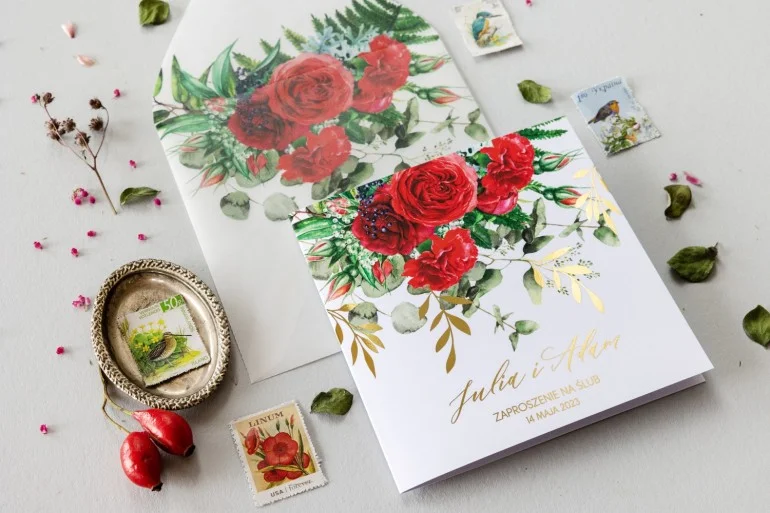
Wedding Invitation with Roses, Gold Foil and Vellum Envelope | Rubin No. 8
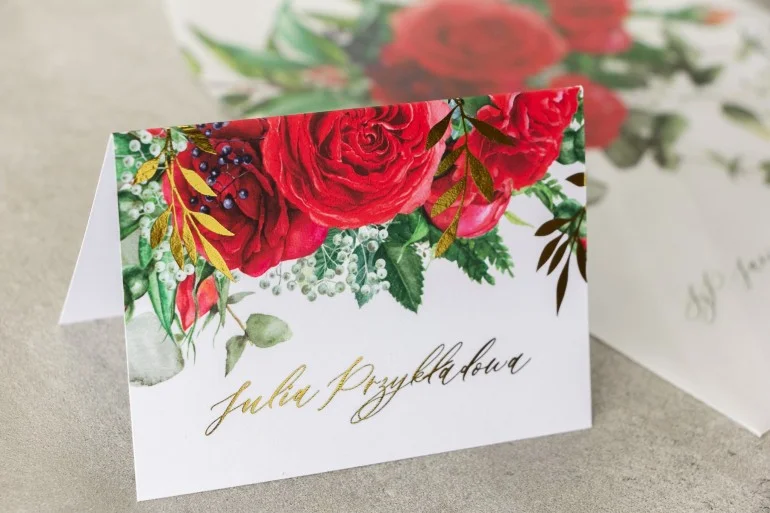
Elegant Place Cards with Burgundy Roses and Gold Foil | Wedding Place Cards with Flowers | Rubin No. 8
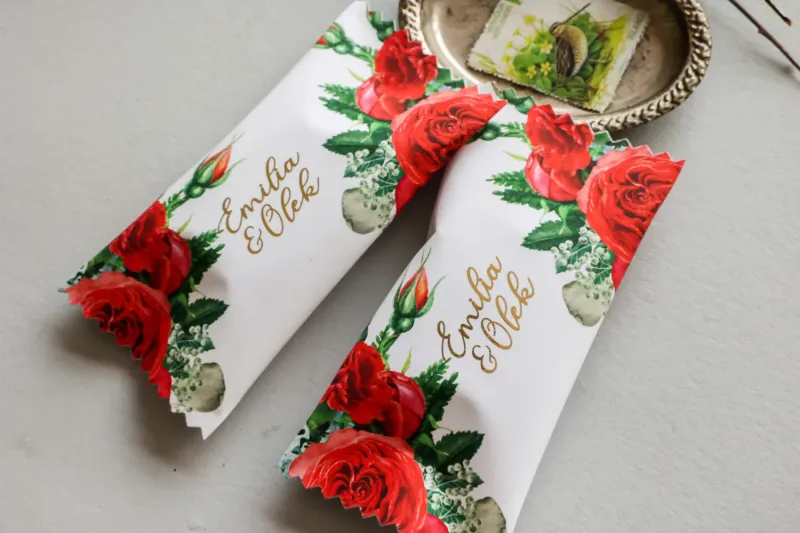
Wedding Chocolates with Red Rose Motif and Gold Foil | Elegant Thank You Gifts | Rubin No. 8
Guest Reactions to the Use of Formal Titles
Guest reactions to the use of formal titles can be mixed. For some, the traditional tone that these titles give to an invitation can be comforting and respectful. For others, it may seem too formal or old-fashioned. It is important to consider how different groups of guests might interpret these titles, and how it will affect their feelings toward the upcoming celebration. Considering such reactions can help in understanding whether using formal titles is appropriate for a given wedding, or if it is worth considering other options. Every invitation is an opportunity to show guests what they can expect during the celebration, as well as to express your emotions and excitement about the upcoming wedding.
Examples of Using Formal Titles
Traditional Use of Titles in Wedding Invitations
Formal titles have long been used in wedding invitations as a way of formally addressing guests. Traditionally, these titles precede the guests' names, adding an official tone to the invitation. For example, an invitation might begin with "Mr. John Doe." This form is elegant and shows respect for the invited person. Moreover, it is a sign that the wedding ceremony is treated seriously and with dignity. The traditional use of formal titles often harmonizes with the classic aesthetics of an invitation, where elegant fonts and delicate embellishments dominate.
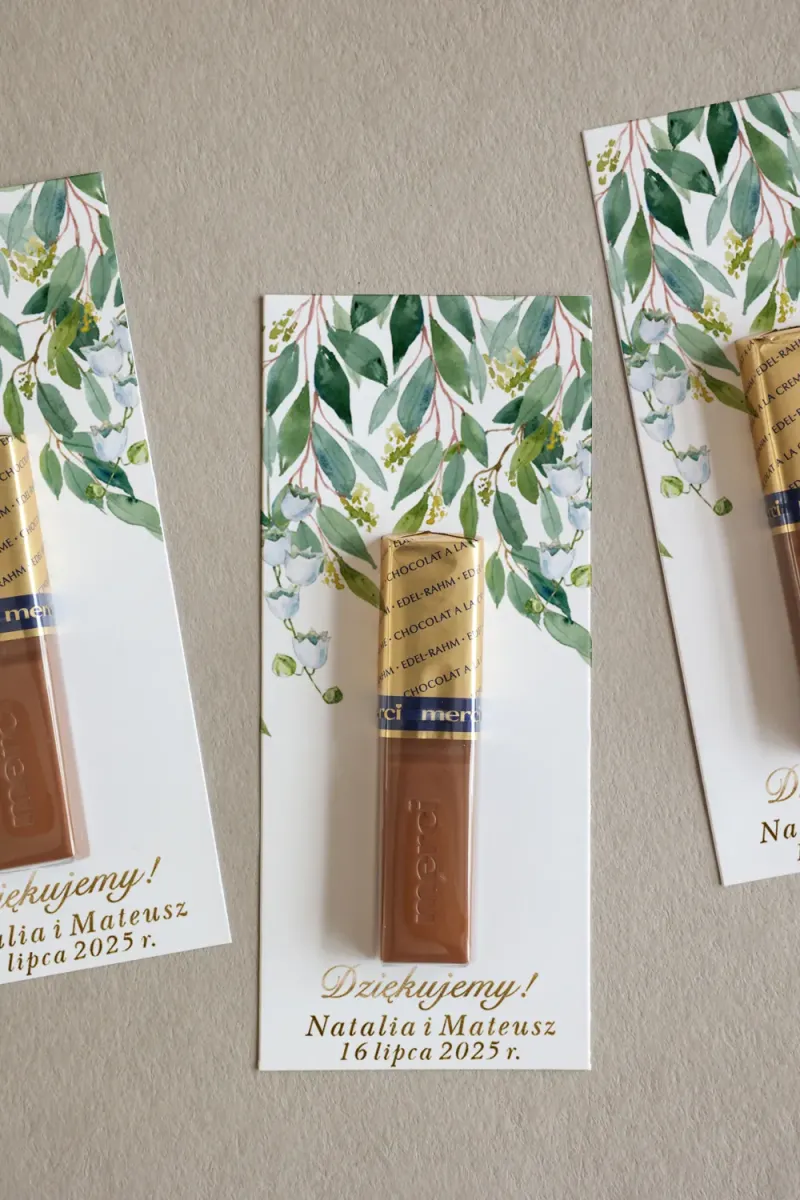
Merci Thank You Gifts with Blue Flowers and Gold Lettering | Personalized Thank You Gifts | Rubin No. 4
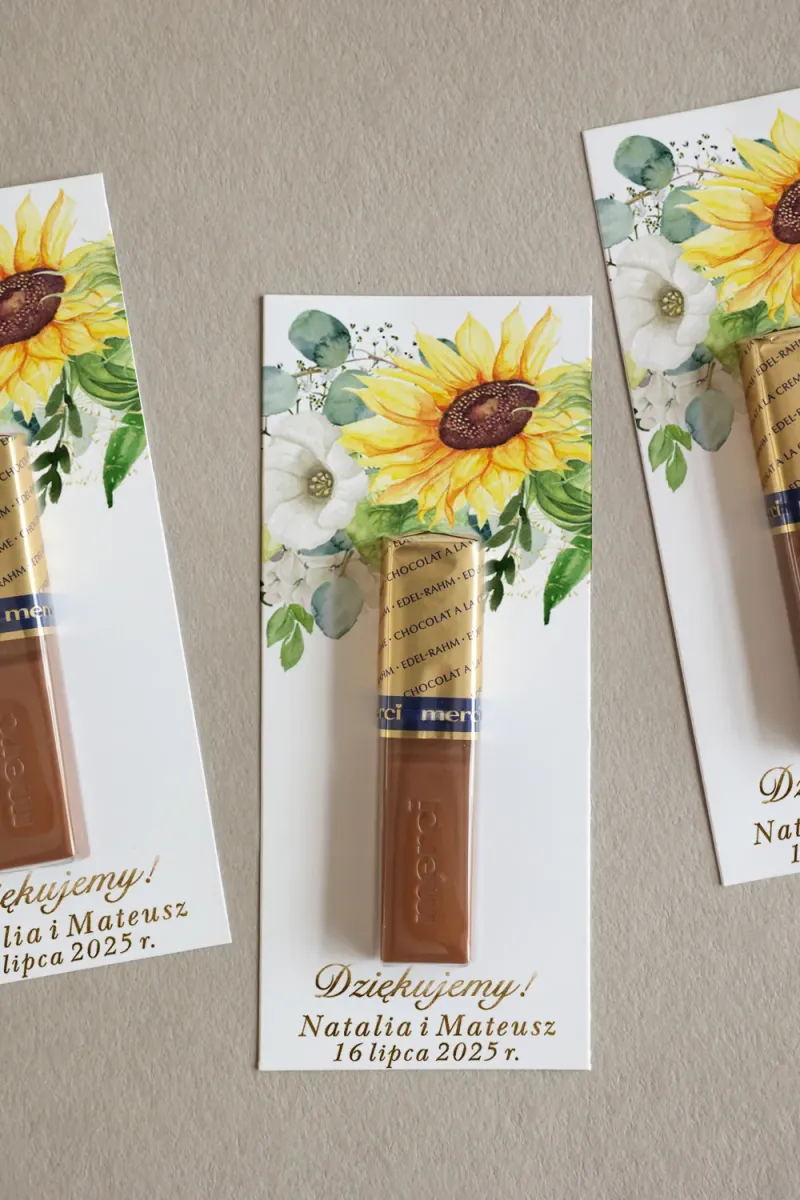
Merci Thank You Gifts with Yellow Sunflower and Anemones | Elegant Merci Thank You Gifts for Wedding Guests | Rubin No. 7
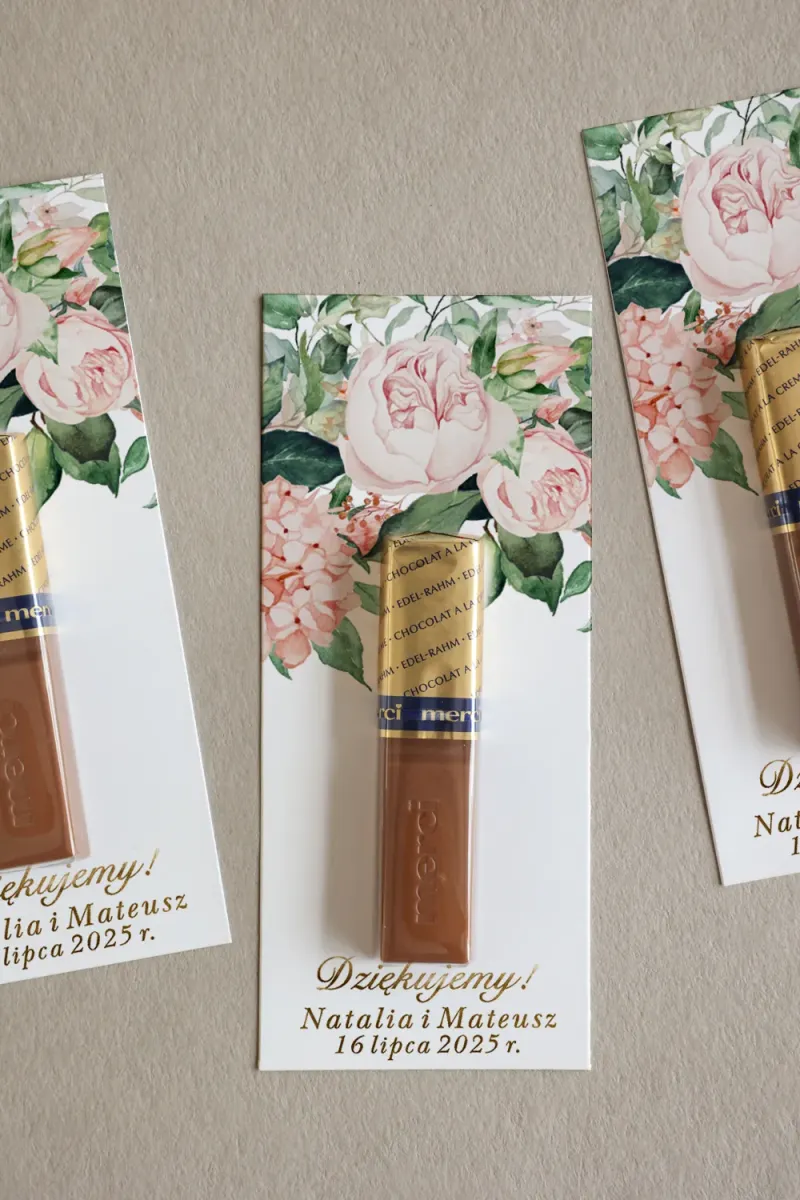
Wedding Thank You Gifts with Merci Chocolate and Light Pink Roses | Decorative Merci Thank You Gifts | Rubin No. 10
Modern Interpretations of Formal Titles
With the passage of time and the change of generations, modern interpretations of formal titles are starting to gain popularity. Some couples decide to replace the formal title with more casual or creative forms of addressing. Others, in turn, may decide to keep the title but add a modern twist to it, such as colorful illustrations or unconventional typography. For example, a formal title can be placed in a creative graphic frame, which adds fun and personalization to the formal formula.
Formal Titles in Different Invitation Styles
The variety of wedding invitation styles offers many possibilities for using formal titles in different contexts. In classic invitations, these titles can be presented in an elegant, formal style, while in modern invitations, they can be presented in a more casual and creative way. For example, a formal title can be placed in a floral, boho-chic invitation, adding a delicate touch of formality to an otherwise loose and artistic aesthetic. Conversely, in a minimalist invitation, a formal title can be presented in a simple and discreet way, which emphasizes the simplicity and elegance of the invitation. Each invitation style offers unique opportunities for formal titles to be accentuated or minimized depending on the couple's preferences and the overall tone of the celebration.
Expert Advice
Opinions from Wedding Etiquette Specialists
Regarding the use of formal titles in wedding invitations, the opinions of wedding etiquette experts can be diverse. Some specialists emphasize that traditional forms of addressing reflect respect and formality, which is desired in the context of wedding celebrations. Others may suggest that contemporary couples should strive for more personal and informal forms of communication to better reflect their individuality and create a friendlier atmosphere. Knowledge of different perspectives can help couples understand how their choices regarding formal titles will be perceived by guests and whether their choices are in line with current wedding etiquette norms.
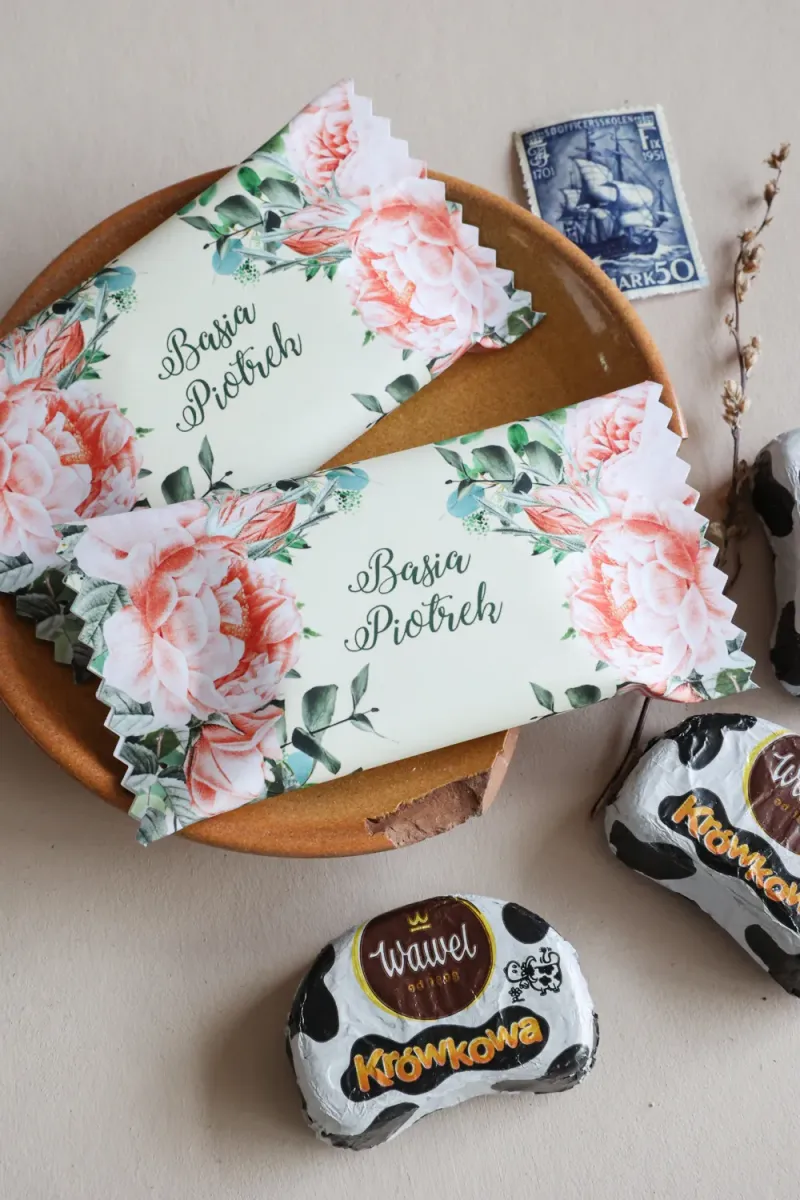
Wedding Chocolates with Floral Motifs of Peonies and Anemones | Chocolates for Wedding Guests | Korani No. 6
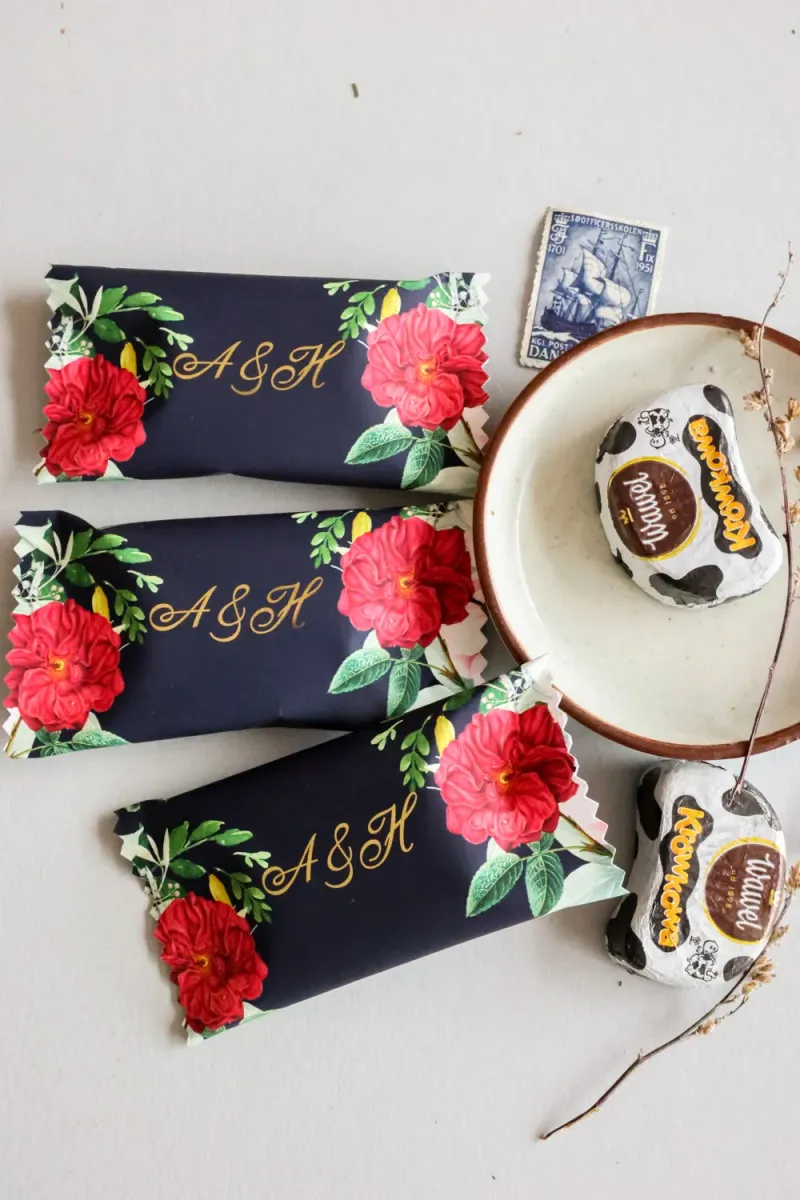
Wedding Candies with Lush Flowers on a Navy Background | Luxurious Sweet Thank You Gifts | Sapphire Wedding Candies No. 4

Romantic Wedding Chocolates with Autumn Forest and Mountain Landscape in Watercolor Style | Wedding Chocolates | Korani No. 19
Linguistic Advice on Using Formal Titles
When it comes to linguistic advice, experts often recommend that formal titles be used correctly in a formal context. These titles should be used with the full names of the guests to maintain formality and clarity of the message. Additionally, it is worth paying attention to spelling and grammar to ensure the invitation is professional and understandable for all guests. If a couple decides to use formal titles, they should also consider their consistent use in other elements of wedding stationery, such as ceremony programs or menus.
Trends in Wedding Invitations
Trends in wedding invitations evolve over time, and what was once considered essential may now be seen as outdated. In the context of using formal titles, trends can influence the decisions of couples. For example, if invitations with a loose and casual tone are popular, couples may decide to avoid formal titles. On the other hand, if the trend is a return to classic, elegant invitations, formal titles may find their place in modern interpretations of traditional invitations. Knowing current trends and understanding how formal titles fit into these trends can help couples make an informed decision about how they want to communicate their celebration to guests.
Alternatives to Formal Titles
Full Forms of Addressing Guests
Instead of abbreviations or formal titles, couples can consider using full forms of addressing guests in their wedding invitations. For example, instead of an abbreviation, one can use full phrases such as "Dear Mr." or "Dear Ms." Such an approach can be equally formal but also adds a personal touch, showing that the couple took the time to formulate the full address. This may be particularly appreciated by older generations of guests who value traditional forms of etiquette. Full forms of addressing can also better fit into the aesthetics of the invitation, offering more space for creative design and typography.
Innovative Forms Replacing Formal Titles
As wedding trends evolve, more and more couples are looking for innovative forms to replace formal titles. Some of these alternatives may include using informal titles, such as "Dear" or "Beloved," or even omitting titles entirely and using only first names. Other innovative solutions may include using a foreign language, humor, or creative phrasing that reflects the couple's personality. For example, a couple with a love for travel might use phrases in different languages to address their guests in a unique and personal way.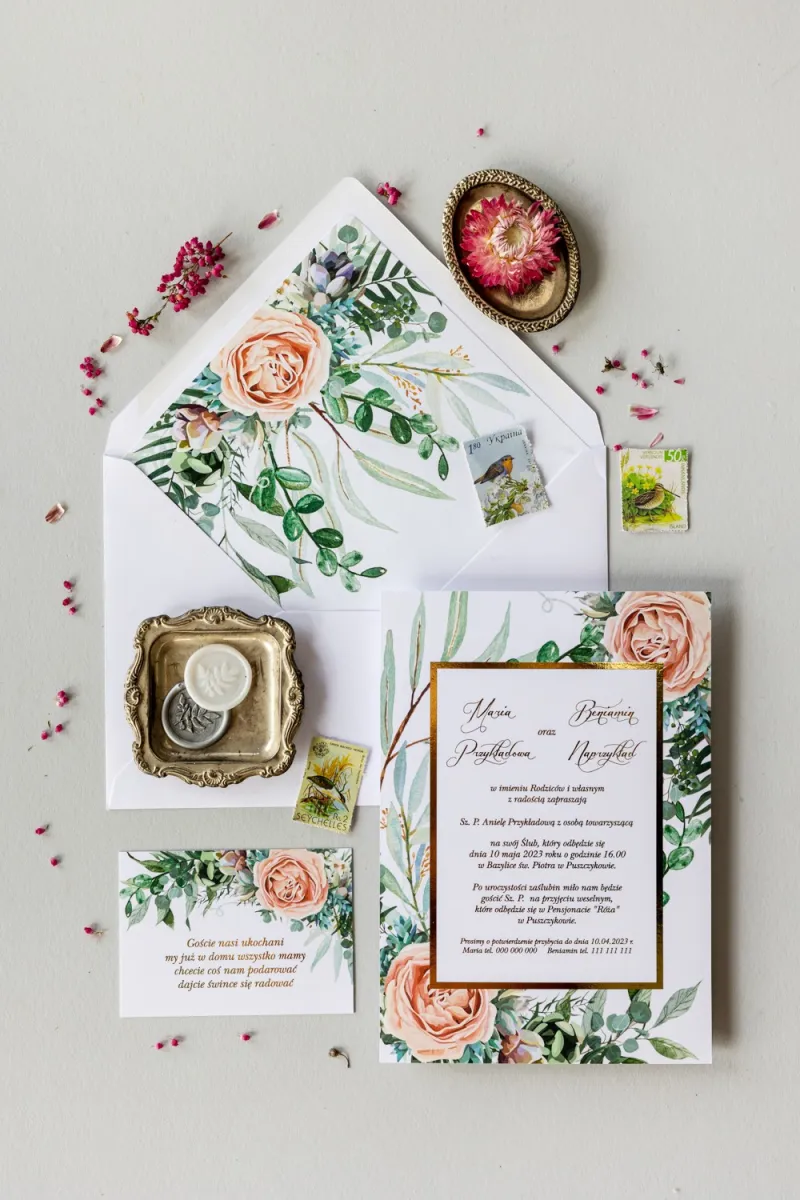
Examples of Elegantly Avoiding Formal Titles
There are many ways to elegantly avoid formal titles in wedding invitations. One of them is using more relaxed or creative forms of addressing that still maintain a certain level of formality and elegance. For example, instead of a formal title, one can use the phrase "We are pleased to invite you" or "We joyfully invite you," which can further emphasize the couple's enthusiasm and joy in sharing their special day with their guests. Another elegant way to avoid titles is to use the full names of the guests, which can be equally formal but offers a more personal approach. Such alternatives allow couples to explore different styles and tones to find what best fits their own vision and feelings toward their wedding celebration.
Couples' Opinions
Couples' Experiences with Using Formal Titles
Many couples have mixed experiences with using formal titles in their wedding invitations. Some couples appreciated the formality and tradition that these titles carry, while others decided on more casual forms of addressing to better reflect their personality and style. For example, Anna and Jakub, who opted for a traditional wedding, found formal titles to be the perfect way to show respect for their guests and emphasize the formality of the ceremony. On the other hand, Kasia and Tomek, wishing to create a relaxed and informal atmosphere, decided to omit formal titles in favor of the guests' first names.
Survey: Formal Titles - Yes or No?
We conducted a survey among newlyweds, asking them about their preferences regarding the use of formal titles in wedding invitations. The results were varied. About 60% of respondents stated that they prefer to keep traditional formal titles for formality and respect, while 40% expressed a desire to replace them with less formal forms of addressing. These opinions show that the choice between formality and casualness is a personal decision for each couple, and these trends can change over time along with changes in social norms regarding weddings.
Changing Attitudes toward Formality in Invitations
Changing attitudes toward formality in wedding invitations are a reflection of broader trends in society. Many new couples choose a less formal approach to their celebrations, which is also reflected in their wedding invitations. Many couples who decided to avoid formal titles in their invitations noted that they wanted their celebration to be more personal and less structured. As one couple noted, avoiding formal titles helped them create an atmosphere that was more inviting and open to all guests. This trend indicates an evolution of social norms and attitudes, as well as the growing value that couples place on authenticity and personal expression in their celebrations.
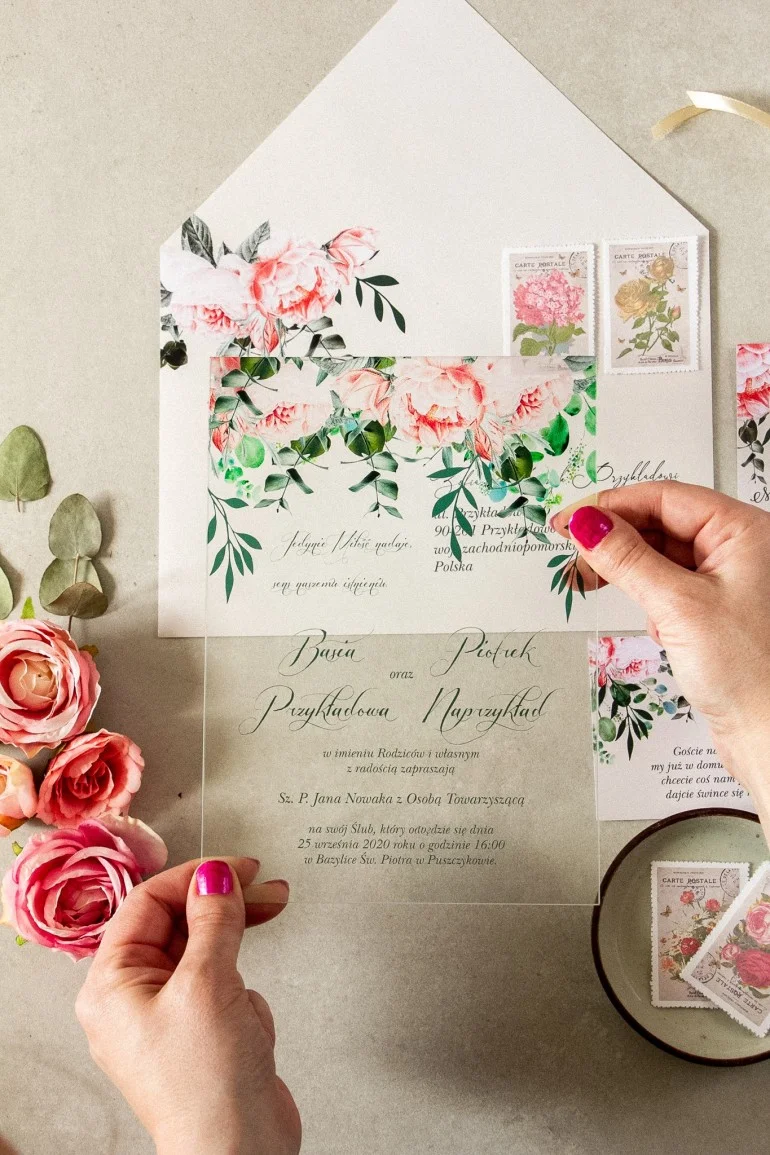
Glass Wedding Invitations with Pink Peonies and Roses | Korani No. 6
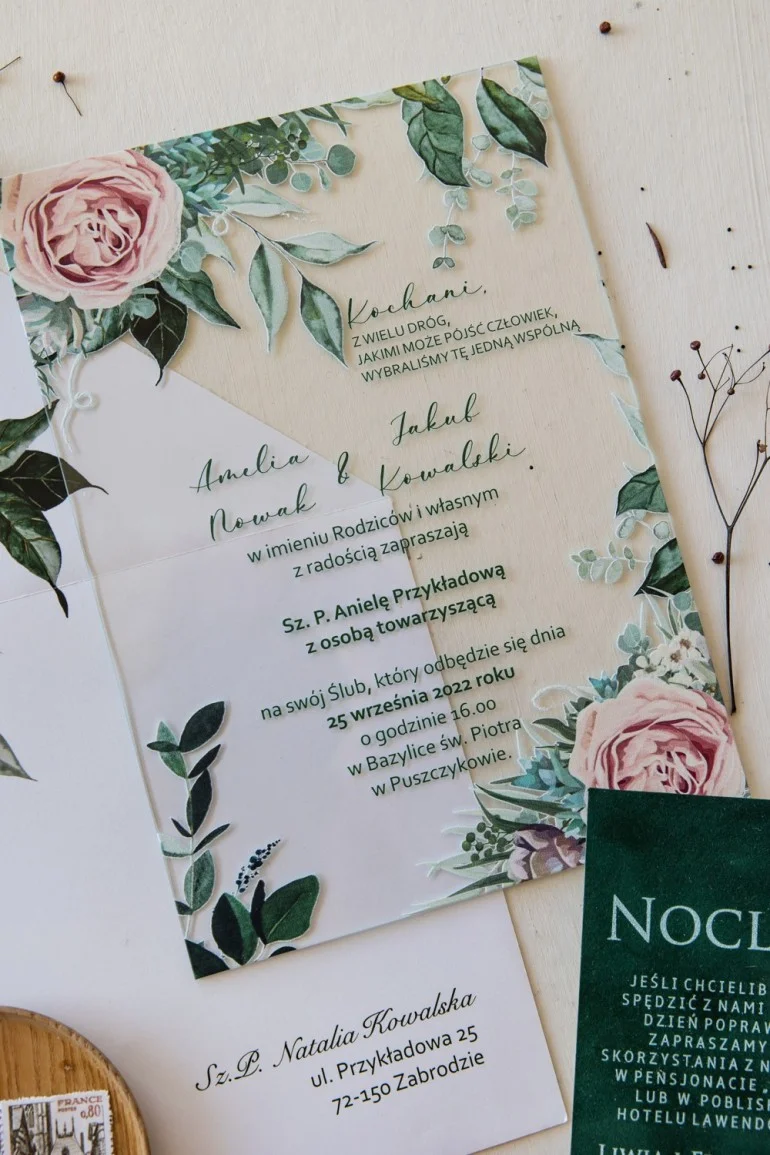
Exclusive Glass Wedding Invitations with Peony | Korani No. 11
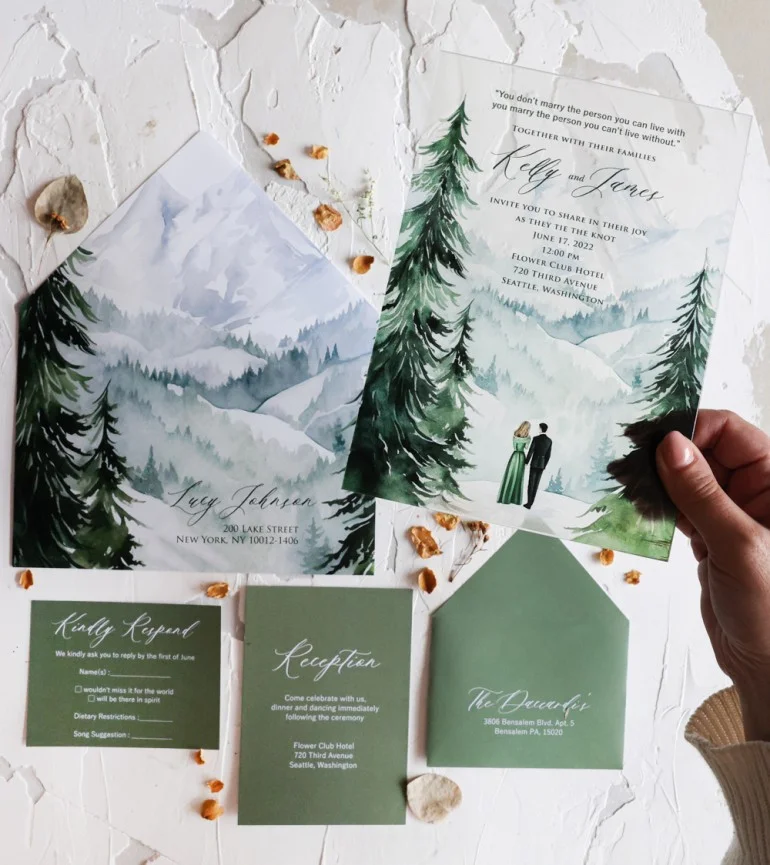
Glass Wedding Invitation with Forest Graphic and Romantic Motif | Elegant and Modern Wedding Invitations | Korani No. 21
Summary
Collective Reflections on the Use of Formal Titles
Throughout the article, we have delved into various aspects of using formal titles in wedding invitations, from historical roots, through practical aspects, to the opinions of experts and the couples themselves. The use of formal titles is deeply rooted in tradition and etiquette, but as we have shown, there is also room for personal choices and modern interpretations. Every couple faces the decision of whether to follow tradition or choose a more contemporary approach that better reflects their individual personalities and style.
Conclusions from the Analysis: Is it Worth Using Formal Titles in Invitations?
The conclusions from our analysis show that there is no single answer to the question of whether it is worth using formal titles in wedding invitations. This choice depends on many factors, such as personal preferences, budget, as well as the overall tone and style of the wedding ceremony. Many couples may find value in the traditional use of formal titles, while others may prefer a less formal approach. Moreover, the costs associated with using formal titles can be minimal compared to the aesthetic and symbolic value they can bring.
Recommendations for Couples
For couples considering the use of formal titles, we recommend considering a few key issues. First, consider your personal values and what you would like to convey through your wedding invitations. Second, think about whether your preferred invitation style harmonizes with your budget. Finally, do not hesitate to seek advice from wedding etiquette experts or invitation designers to get professional guidance and ensure your invitations are beautiful, elegant, and representative of you as a couple. A thoughtful approach to this issue will help you make an informed choice that you will celebrate for years to come.
Join the Discussion
Your Opinion: Should Formal Titles Be Included in the Invitation?
Your own opinions and experiences are invaluable when it comes to organizing a wedding. Every couple has their own vision of what their celebration should look like. Should formal titles be included in the invitation? This may be a question that is difficult to answer without reflection. On one hand, the use of formal titles carries tradition and formality. On the other, it can make the invitation look old-fashioned. We would like to know your opinion. Should formal titles be kept in wedding invitations, or should they be replaced with more modern phrasing?
Share Your Experience: Forum for Readers
We invite you to share your experience on our forum. What were your thoughts on using formal titles in wedding invitations? Did you decide on a traditional approach, or did you choose modern phrasing? Your experiences can be extremely valuable to other couples who are now facing a similar choice. Sharing your experiences and advice can inspire and help others make the best decision for them.
What Questions Remain Unanswered?
Are there questions related to formal titles that remain unanswered? Maybe you would like to understand why these titles are so often used, or what the alternatives are? We encourage you to ask questions and participate in the discussion so that together we can find answers that can help with wedding preparations.
If you are interested in the topic of using formal titles in wedding invitations, you will certainly appreciate other articles on our blog. Here are a few that might interest you:
- What to say when handing out wedding invitations?
- How to make place cards?
- Where to propose?
- How to write an invitation to a civil wedding?
- What information to include on an invitation for guests from abroad?
And much more! Each article offers a wealth of information and tips that will help you prepare for this special day. Regardless of whether you decide to use formal titles or not, we hope you find inspiration that will help you organize the wedding of your dreams.