The Last Week Before the Wedding: A Final Preparation Checklist
The last 7 days before the wedding are a time of intense emotions, excitement, but also heightened organization. This is when you tie up all the loose ends to ensure your wedding day runs perfectly. Whether you are planning an intimate gathering or a grand reception for 200 guests, the final week requires good logistics and peace of mind. In 2025, many new wedding trends are emerging – from eco-weddings to the use of modern technology – yet certain organizational elements remain constant. Below, we present a comprehensive pre-wedding week checklist that will help you tackle the final tasks step by step. Get your notebook ready and check off the points. This way, instead of chaos, you will feel that everything is under control and truly start enjoying the last days of your engagement!
Table of Contents
Guest list confirmation and seating plan
Final guest list and RSVP confirmation
With 7 days to go, you should have a clear picture of who will attend your celebration. If anyone hasn't confirmed yet, this is the last call to contact them. Give them a call or send a polite message asking for confirmation – perhaps the invitation got lost or the guest simply forgot to reply. All the wedding invitations sent weeks ago have done their job, but now it's time to gather the final answers. Confirming the guest count is crucial for further preparations (finalizing the menu, drinks, seating, place cards, etc.), so ensure you have the final list. Don't forget to double-check plus-ones and children to make sure everyone is accounted for.
Table plan and preparing place cards
Once you know the final numbers, it's time to perfect the seating arrangements. Create an up-to-date table plan, considering comfort and family dynamics (e.g., seating your closest family near you, or separating guests who might have conflicting relationships). This is also the moment to print or prepare place cards – the name cards that help guests find their seats. Wedding place cards are not only practical but also serve as a decorative element, often matched to the wedding theme. Ensure that names are spelled correctly (especially for international guests or those with unique names). Also, prepare a seating chart to be placed at the entrance of the ballroom or in the foyer – it's a stylish and very helpful solution. A 2025 trend is personalization – perhaps your table plan features your monogram or wedding motto. Now, ensure all these materials are ready and safely delivered to the venue. If the venue offers different layout options, confirm your choice with the manager.
Guest amenities – accommodation, transport, and special needs
Take care of the comfort of those you've invited. Contact out-of-town guests – does everyone have their accommodation and transport booked for the day? If many guests are traveling from afar, following 2025 wedding trends, it's becoming common to prepare welcome packs or offer organized shuttles from the hotel to the venue. Ensure everyone has directions for the ceremony and reception (it's worth sending a quick SMS reminder with the address and times). Also, check that guests with special dietary requirements (vegans, gluten-free, allergies) are accounted for in the menu – confirm this with the catering team. If children will be present, prepare amenities for them: high chairs, a play area, or small gifts. The final week is the right time to give the venue staff a list of these needs. Think about seating elderly guests or those with limited mobility in easily accessible areas, away from loud speakers. This attention to detail is not just a logistical necessity but a sign of your care for your guests.

Gaja No. 2 Wedding Invitation – Sage Green with Letterpress Embossing

Glamour Wedding Invitation with Gilded Branch and Velvet Paper – Ruskus No. 14

Impresja No. 7 Wedding Invitations – Eucalyptus and Greenery Style
Final arrangements with vendors and the day's schedule
Contacting wedding vendors
One week before the wedding, it is essential to contact all the vendors involved in your celebration. Even if everything has been set for a long time, it's worth doing a round of calls or emails to confirm final details. What should you check?
- Venue and Catering: Confirm the final guest count and the start time. Arrange delivery times for the wedding cake and alcohol if you are providing it yourself. Provide the venue manager with contact details for other vendors (DJ, band, decorator) and info on any special requirements.
- Decorator / Florist: Confirm the time for decorating the venue and/or church. Ensure the florist knows the table plan to correctly place centerpieces, flowers, and other wedding accessories.
- Photographer and Videographer: Confirm addresses for all key locations (preparation site, ceremony, venue) and arrival times. Discuss the list of must-have shots – group photos, family portraits, or any surprises like fireworks.
- Music (DJ / Band): Finalize the playlist for key moments (grand entrance, first dance, cake cutting, etc.). Confirm setup times and any technical needs. If there are songs that must or must not be played, now is the time to remind them.
- Transport: If you've hired a wedding car, confirm the pickup time and address. Ensure the driver knows the route and parking arrangements at the ceremony and venue.
- Hair and Makeup: Confirm the time and location for your morning appointments. Clarify how much time is needed for the bride, bridesmaids, and mothers to plan the morning schedule effectively.
Comprehensive communication with all wedding vendors will give you peace of mind. In 2025, many couples use wedding apps or shared online sheets for coordination – if you have a master schedule, share it with everyone involved. It's better to provide too much information than too little.
Wedding day timeline and reception script
Now that details are confirmed, create a detailed wedding day timeline. Map out the plan from morning to night, including:
- Bridal prep (hair, makeup, dressing) – e.g., 8:00 AM to 11:00 AM.
- Photographer/Videographer arrival – e.g., 9:00 AM.
- Departure for the ceremony – include a buffer for travel.
- Wedding Ceremony – start time and duration.
- Receiving line / congratulations – will they happen at the church or the venue?
- Group photo with guests.
- Arrival at the venue and grand entrance (toasts, welcome).
- Dinner / First meal – serving time.
- First dance – scheduled time and song choice.
- Dancing sets and food breaks.
- Extra attractions – e.g., photobooth opening, slideshow, parent thank-yous.
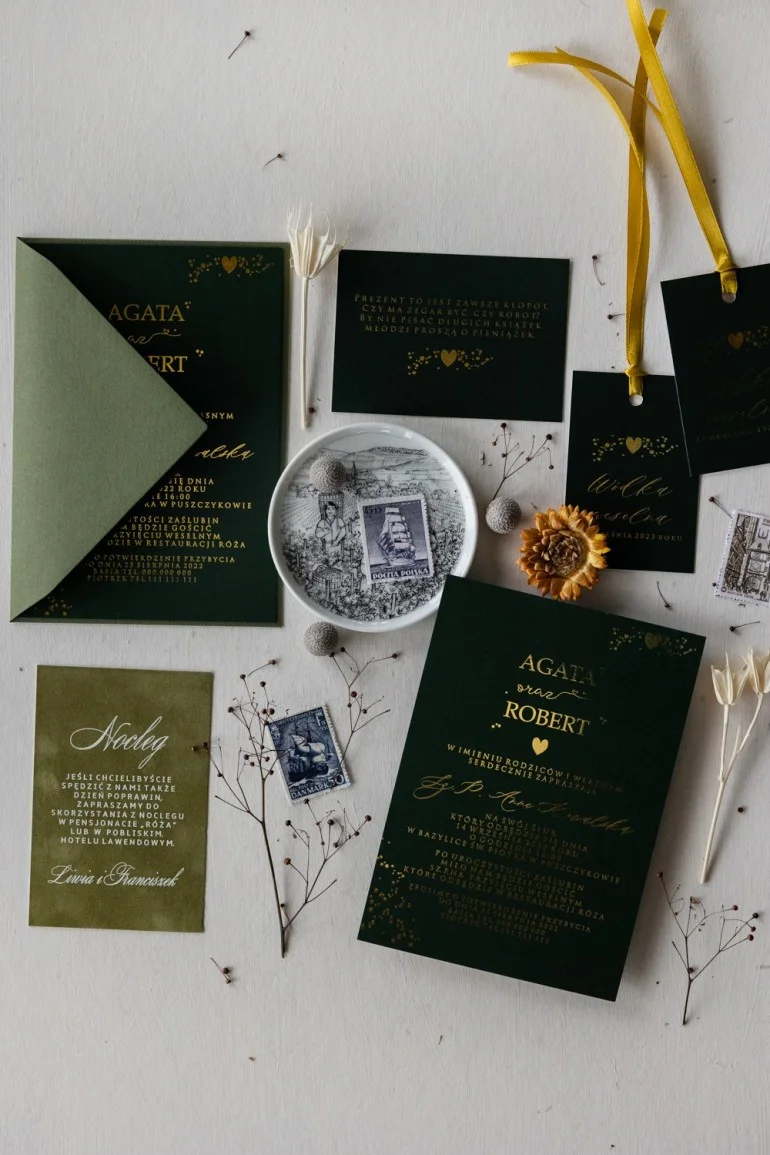
Single-card Wedding Invitations with gilding | Simple nr 2
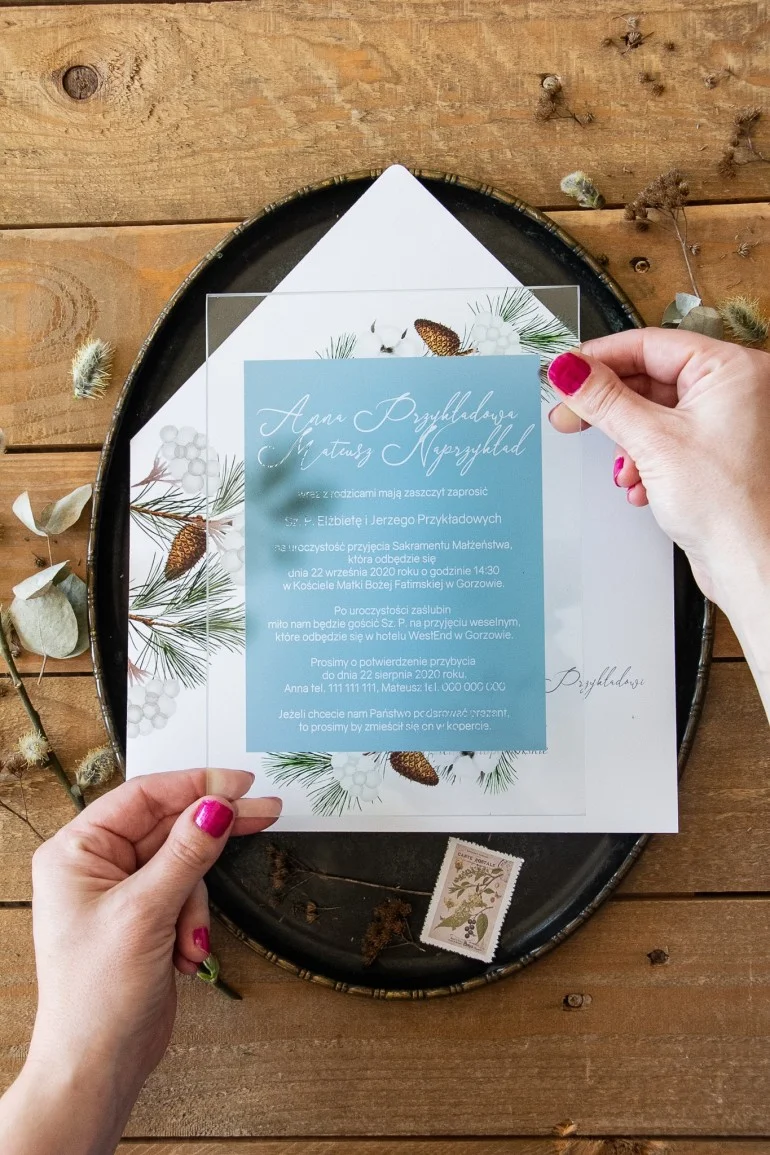
Extravagant Glass Wedding Invitations | Glass Winter Accent | Cotton & Pine | Korani nr 8
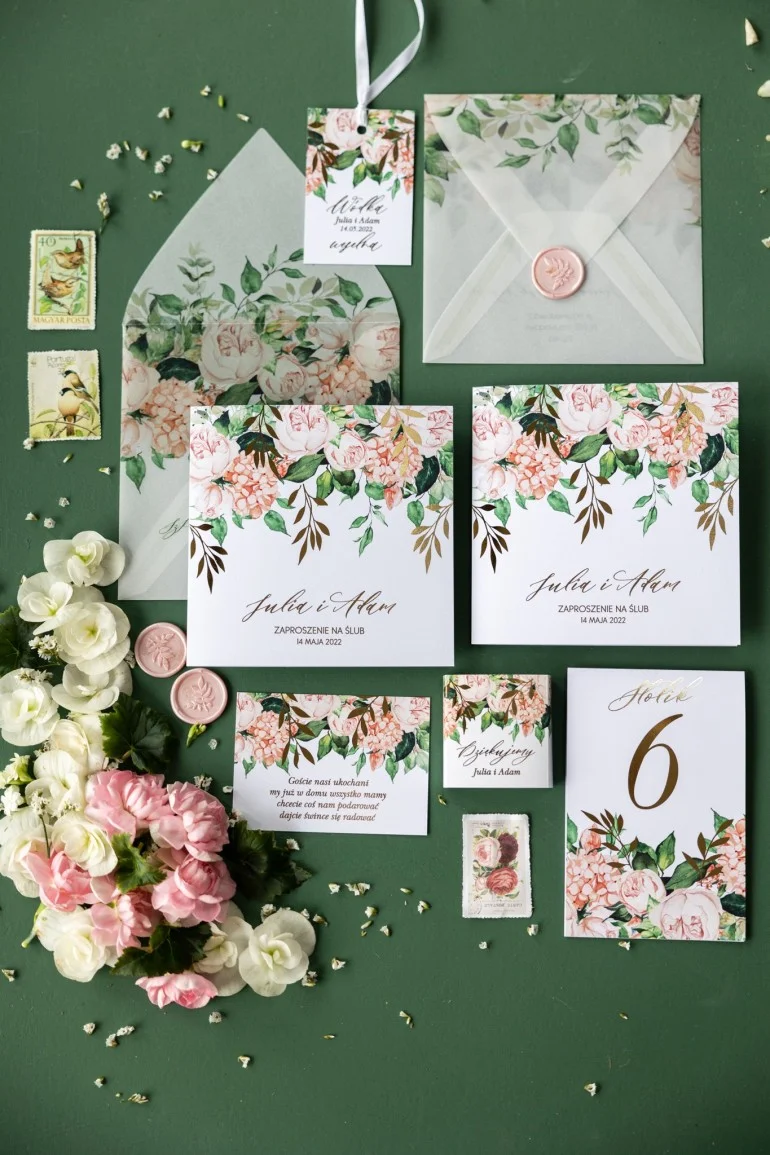
Unique Wedding Invitation with Gilding, Pink Peonies and Vellum Envelope | Unusual Wedding Invitations | Rubin nr 10
- Cake cutting – often around midnight.
- Traditional games / Bouquet toss.
- End of the reception – e.g., 4:00 AM.
- Pickup of items the next day – who and when will collect decorations, gifts, etc.
It's worth printing this schedule and giving it to key people: the bridal party, parents, and the venue manager. This ensures everyone helping knows the sequence of events. In the final week, refine this plan – it's the foundation for a smoothly running wedding. Remember to stay flexible; minor delays are normal and should be handled calmly.
In 2025, you can also share the day's plan with guests via a simple app or wedding website, or print a stylized timeline to display at the venue. Welcome boards with the wedding itinerary are becoming increasingly popular, often matching the wedding stationery.
Ceremony rehearsal and final meetings
The last days are also for rehearsals and finalizing ceremony details. If possible, organize a short rehearsal. Even if it's just walking through the steps in your mind at the location, it helps. If you're having a religious ceremony, visit the church. Talk to the officiant about the procession, readings, and music. Ensure the florist knows when they can set up. If you have live music (e.g., a violinist), coordinate this with the resident musician to avoid surprises.
The future newlyweds should also double-check the legalities: ensure all documents (IDs, marriage licenses) are ready and valid. If you're having an outdoor civil ceremony, confirm the time with the registrar and ensure a backup plan for bad weather is in place.

Kraft Place Cards No. 12 – Rustic with Forest Panorama

Lauren No. 3 Wedding Place Cards – Classic Calligraphy Name Cards

Deckle Edge Wedding Place Cards – Golden Edges No. 1 Hand-Gilded
Besides the ceremony, practice your first dance. Even if you've mastered it, a final run-through at home will boost your confidence. In 2025, we see a shift towards more natural, joyful choreography rather than stiff routines – remember, your happiness matters more than perfect steps.
If you're planning speeches, write or rehearse them now. Ensure anyone else speaking knows when their turn is. If you plan to thank your guests at the end, think about what you want to say so you don't forget in the heat of the moment.
Finalizing formalities: payments and documents
Settling with vendors and the wedding budget
Finances shouldn't be left to the last minute. In the final week, finalize all payments. Check your contracts and determine who needs to be paid, when, and how:
- Many vendors (photographer, band, DJ, decorator) require the balance to be paid just before or on the day. Prepare cash in envelopes or complete bank transfers as per your agreements.
- Venue / Catering: Final settlement often happens based on the actual guest count. Ensure you know the venue's policy.
- Flowers and Decorations: Check if the florist and decorator are fully paid.
- Transport: Confirm if the driver needs to be paid on the day.
- Church / Fees: Prepare envelopes for church offerings or organist fees if applicable.

Merci Favour with White Flowers, Green Leaves | Elegant Guest Gifts | Impresja No. 10

Simple No. 3 Soy Candle – Gold Foiling & Elegant Wedding Favours

Mini Chocolate Favours 'Pearls No. 1' – Luxury Wedding Favours with Pearl Accents
It's a good idea to make a payment list. If paying in cash, use signed envelopes like "Photographer – £1000". Delegate these financial matters to a trusted person, like the Best Man or a parent, so you don't have to worry about money on your wedding day.
Wedding documents and final formalities
Don't forget the paperwork. Check that all documents needed for the wedding are ready and in one place:
- IDs or Passports: Needed for the ceremony and potentially for hotel check-ins. Ensure they are valid!
- Marriage License: Ensure the registrar or officiant has everything they need.
- Religious Certificates: If having a church wedding, ensure all certificates (baptism, etc.) have been submitted.
- Name Change: If you're changing your name, be aware of the formalities required after the ceremony.
- Vendor Contracts: Review them one last time for any overlooked obligations.

Flores No. 1 Soy Candle in Gypsum – Gilded Wedding Favour

Flores No. 2 Soy Candle in Gypsum – Burgundy Flowers Wedding Favour

Kraft No. 5 Soy Candle in Plaster – Sunflowers Wedding Favour
Emergency plan and delegation
Life is unpredictable, so have a Plan B. For example, if the weather doesn't cooperate, ensure you have umbrellas or a marquee ready. Delegate duties so you don't have to worry about the small stuff. Assign the rings to the Best Man, and appoint a point of contact for the venue manager so they don't have to interrupt you with questions during the party.

Glamour Wedding Place Cards No. 1 – Satin Name Cards with White Print

Cappuccino Wedding Place Cards No. 1 – Satin Ribbon Table Name Cards

Rose Bow Wedding Place Cards No. 1 – Pink Satin Glass Ribbon Cards
Perfecting the Bride and Groom's styling
The gown and the suit – final fitting and pickup
One week before, your outfits should be ready. After picking up your wedding dress and suit, try them on one last time! This ensures everything fits perfectly and no buttons are missing. Trust your earlier choices; now is not the time for drastic fashion changes. Store your clothes in breathable bags in a safe, dry place.
Accessories: veil, jewelry, cufflinks, and details
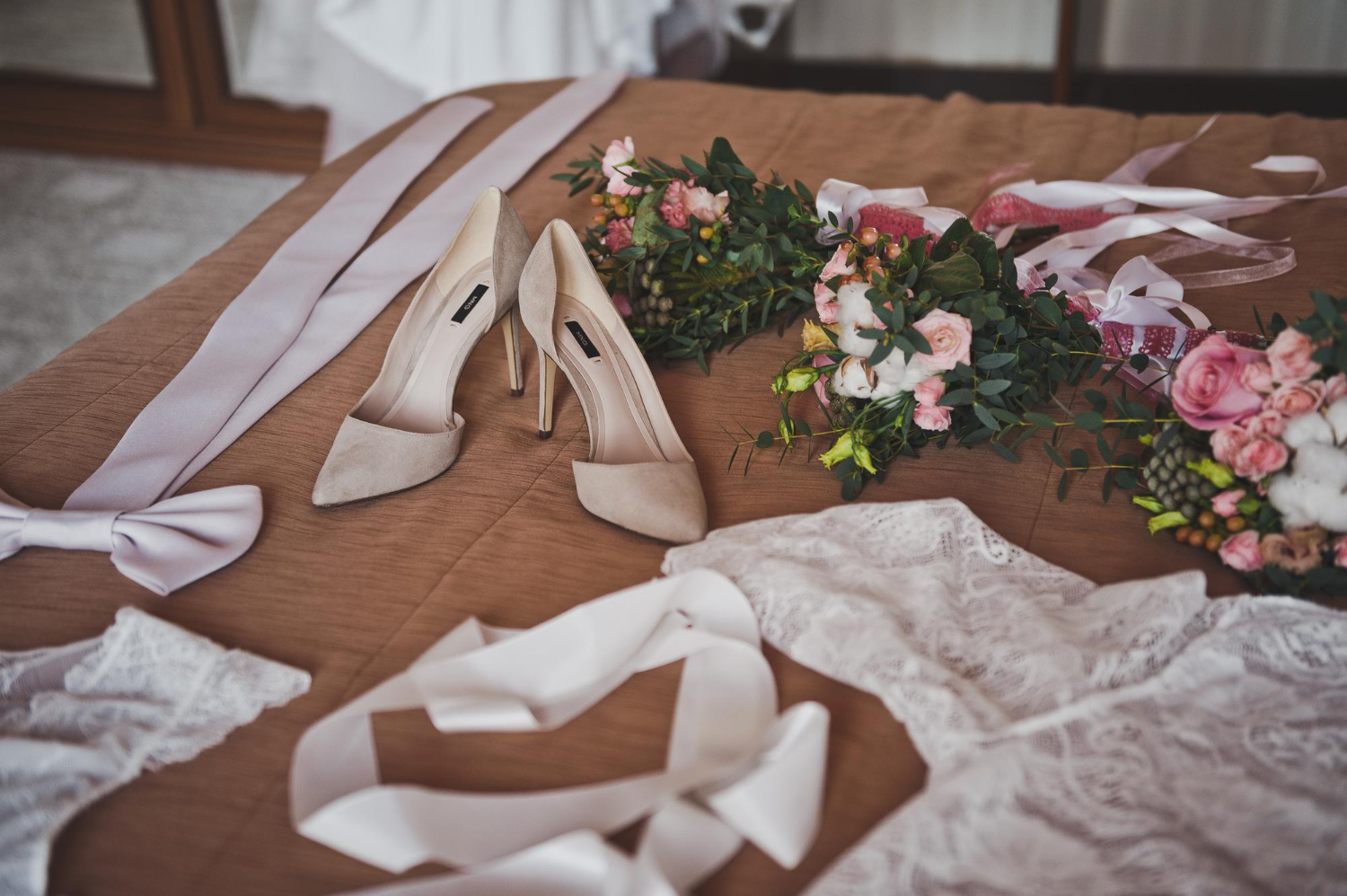
Details complete the look. Prepare all accessories in one place: veil, jewelry, cufflinks, rings, and wedding lingerie. Don't forget a spare pair of stockings or a second shirt for the groom. Having everything organized prevents morning panic.

Fortune Cookies with Gold Foliage – Ruskus No. 2

Golden Fortune Cookies with Personalized Label | Affordable Wedding Favours | Cejla No. 3

Forest Theme Fortune Cookie | Personalized Wedding Favours | Impresja No. 8
Wedding shoes – comfort first
Wedding shoes can make or break your day. Break them in! Wear them around the house for a few minutes each day. Prepare backup shoes – many brides switch to flats or sneakers for dancing. Your comfort is key to staying on the dance floor until dawn.
Preparing the survival kit and packing
The Bridal and Groom survival kit
Even the best-laid plans encounter surprises. Prepare a wedding survival kit containing: lipstick, blotting papers, safety pins, painkillers, plasters, and a small sewing kit. Give this to your Maid of Honor to keep nearby.
Packing for the wedding day and wedding night
If you're getting ready away from home, pack in advance. Include your outfits, a change of clothes for the reception, and your overnight bag for the wedding night. If possible, drop these bags off at the venue a day early.
Small items and decorations to bring
Don't forget the little extras: wedding favors, the guest book, the seating chart, and gifts for parents. Ensure the alcohol and cake deliveries are scheduled. Double-check your list so you don't leave the guest book on the kitchen table!
Rest and well-being before the big day
Health first: sleep and diet
It's hard to sleep when you're excited, but try to prioritize rest. Stay hydrated, eat balanced meals, and avoid excessive caffeine or alcohol in the final days. You want to feel energized and look fresh in your photos.
Relaxation and recharging
You are more than just a wedding planner – find time to switch off. Whether it's a spa day, a long walk, or a movie night with friends, do something that isn't wedding-related. A relaxed couple makes for a better wedding atmosphere.
Finally, remember: it's your day! All the planning is just to help you celebrate your love. Once the day arrives, let go of the control and enjoy every moment. Your guests will remember your smiles, not the shade of the napkins.
In summary: organize your week so nothing important is missed, but also so you can rest. Use this checklist and watch your stress turn into excitement. Good luck on your new journey together!