Wedding Dress Code – How to Guide Your Guests
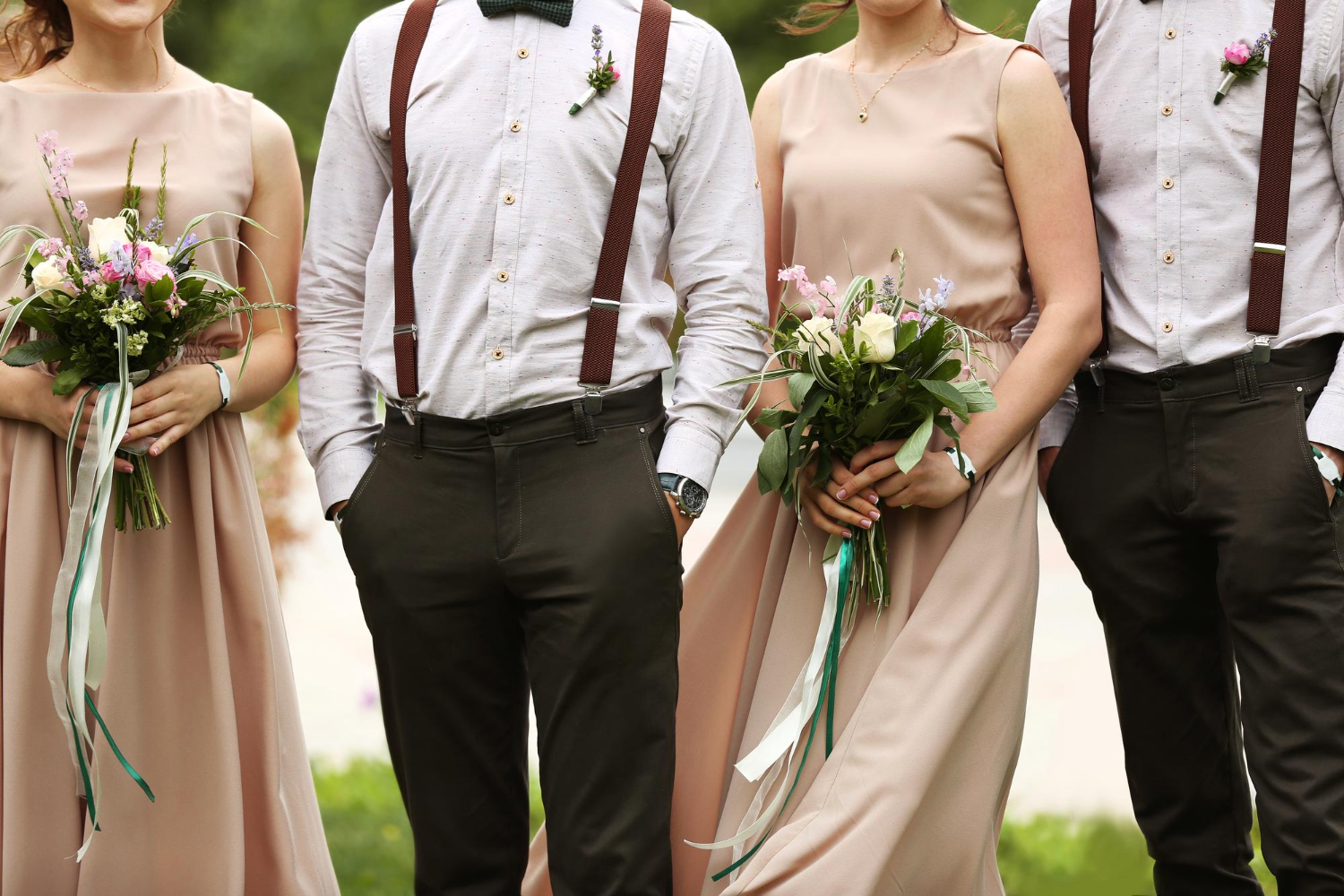
Why does the dress code matter?
The history of the dress code and its evolution at weddings
For centuries, wedding attire culture has been one of those elements that sets a wedding ceremony apart from other important family and social events. In the past, it was believed that proper attire was both a sign of respect for the hosts and a way to emphasize the significance of the celebration. In old Polish noble courts, strict rules regarding clothing applied, and colors were closely tied to social status. Over the years and with the development of fashion, many of these rules have changed, yet the essence of the importance of a dress code has remained to this day. When talking about modern weddings, it is worth emphasizing that a wedding dress code does not just mean choosing an elegant dress or suit – it is also a subtle form of communication with the Bride and Groom and the other guests. In old Polish tradition, it was crucial to emphasize the family's status and attention to detail, which is why guests were expected to be neat and decorative, but without drawing attention away from the main stars of the day: the Bride and Groom. Although eras have passed, it is still worth remembering that certain colors and cuts are dedicated to the Bride, while others remain at the guests' discretion. This is precisely why white, ivory, or ecru are traditionally reserved for the wedding dress, which simultaneously sets a boundary and prioritizes the Bride's look. Interestingly, with the popularization of themed weddings – whether in boho, glamour, or rustic styles – the importance of choosing fabrics and cuts has become even more significant. Increasingly, already at the stage of planning the celebration, while browsing inspirations for wedding invitations (wedding invitations), the desired dress code is also discussed to develop a coherent, unforgettable wedding day aesthetic. The transformation of these rules does not mean, however, that they have become less important. On the contrary – in today's world, where many people have access to a wide variety of trends and styles, clear guidelines help guide guests' imagination in advance and avoid chaos.
The influence of a consistent guest look on the reception's aesthetics
Organizing a dream celebration, especially when it comes to such a spectacular event as a wedding, requires great care and attention to every detail. As many as 90% of couples declare that it is very important for them to maintain the right harmony between the hall's decor and the guests' outfits. In practice, this means striving for an effect where the color of the flowers, table settings, or chosen decoration themes will harmonize with the guests' outfits, reinforcing the impression of a carefully thought-out reception. It is in this context that many couples, while planning the celebration and ordering personalized accessories such as place cards (place cards) or wedding favors (wedding favors), wonder how to signal their clothing preferences. A modern wedding dress code in Poland can take various forms: from elegant black tie, through more relaxed semi-formal, to casual boho styles for outdoor weddings. Each of these conventions requires different solutions and accessories, but what they all have in common is the desire to avoid accidental contrasts and to obtain beautiful, consistent photos that will be able to evoke pleasant memories for many years. It is also important to make the task easier for the guests themselves. Over 70% of guests admit that a lack of clear guidelines regarding attire causes confusion and stress, especially in the case of unusual themes or atypical seasons. Precise information about the preferred color palette or level of formality is therefore not only a nod to the perfect look of the wedding hall, but also proof of care for the comfort of the guests, who can thanks to this choose their outfit faster and focus on joyfully experiencing the moment.

Gaja No. 2 Wedding Invitation – Sage Green with Letterpress Embossing

Glamour Wedding Invitation with Gilded Branch and Velvet Paper – Ruskus No. 14

Kraft Wedding Invitation No. 12 – Forest Style with Pine Forest Graphic
Minimizing mishaps – benefits for guests and the Bride and Groom
When talking about why the dress code matters, it is also worth looking at the practical aspect, i.e., how clear communication about attire can reduce the number of misunderstandings. Many couples admit that in the pre-wedding period, they are literally bombarded with questions like: "Can I wear...?", "Will this color be appropriate?" or "What style fits the planned theme?". This happens because guests often do not want to spoil the consistent image of the reception, but without clear guidelines, they are afraid of committing a faux pas. Meanwhile, one or two tips at the stage of sending wedding invitations can eliminate even dozens of phone calls and messages asking for advice. This means less stress both for guests, who do not have to ask about every detail, and for the Bride and Groom, who can focus on refining the smallest accents related to the organization of the entire event. This also explains why so many people take the issue of appropriate attire very seriously. From the guests' perspective, a well-formulated dress code helps avoid two extremes – on one hand, an outfit that is too elegant and turns out to be overdressed for a more casual reception, and on the other hand, an outfit that is too casual and might look inappropriate at a formal gala in a palace setting. It is also hard not to appreciate the influence of the dress code on the atmosphere of the party – when everyone feels appropriately dressed and confident in their appearance, it is much easier to fully enjoy the wedding, talk to other guests, or pose for commemorative photos without worrying that something is spoiling the final effect. Thanks to this, the celebration itself becomes a multi-dimensional success, and that is exactly what a wedding day is all about – creating an unforgettable, beautiful, and joyful moment where every element, including the guests' attire, reflects the character and style of the Bride and Groom.
Table of contents
- Why does the dress code matter?
- How to effectively inform guests about the preferred attire?
- Matching colors and patterns to the wedding theme
- Choosing fabrics and cuts depending on the season
- Types of dress code and the character of the wedding
- Common mistakes and how to avoid them
- Practical tips and summary
How to effectively inform guests about the preferred attire?
Clear invitations – how to formulate the text?
One of the most traditional, yet still effective ways to inform about a dress code is to include a clear mention at the stage of handing out or sending wedding invitations. According to the latest data, 65% of couples decide on short phrases, such as "Black Tie" or "Formal Attire," so that guests have a clear hint on how to describe the attire for guests and in what style they should appear. Many people also decide to use simple, visual solutions in the form of icons or concise notes, informing: "Please wear cocktail attire" or "Boho style – flowers and loose cuts are welcome." Such a short but unambiguous hint can significantly reduce the number of questions directed to the Bride and Groom and help guests feel more confident when choosing their wardrobe. Concise information regarding the color palette also works very well, for example, a small icon or a color strip on the invitation, which is practiced by about 30% of couples. Thanks to this, undecided guests do not have to worry that their chosen outfit will clash with the reception's theme. It is worth remembering to keep the tone polite and inviting in the dress code description itself, while at the same time leaving no doubt that the specified type of attire is a request from the Bride and Groom. Including such a note might sound like: "We would be grateful for outfits in pastel colors" or "We encourage elegance to create a unique atmosphere for our day together." It is crucial that everything sounds friendly, without issuing rigid commands, which could sometimes be poorly received by some of the guests.

Glamour Wedding Place Cards with Pearls – Pearls No. 1 White

Lauren No. 3 Wedding Place Cards – Classic Calligraphy Name Cards

Minimalist Wedding Place Cards – Glare No. 1 with Embossed Border
Wedding website and social media – modern communication methods
Today's reality means that a large portion of couples use their own wedding websites and various social media channels to develop the "wedding invitations and dress code" topic. This form of communication allows not only to explain how to describe the attire for guests, but also to present inspirations or ready-made examples of outfits. Thanks to this, the invited person can more easily match their appearance to the Bride and Groom's requirements without spending hours wondering which wardrobe element will be most appropriate. A very convenient solution is to post a graphic moodboard on the website, where example dress cuts or jacket styles matching a specific level of formality are shown. Statistics indicate that graphically presenting outfits reduces the number of questions from guests by up to 50%, which translates into a significant saving of time and nerves. At the same time, if the Bride and Groom are planning a wedding with a theme, its elements can be clearly highlighted: floral accents, colors recurring in decorations, or the fact that the wedding will take place outdoors. An additional advantage of online communication is the ability to update messages even at the last minute – an ideal solution if plans change suddenly or if guests need to be reminded of key details. Many newlyweds share links to various fashion inspirations and present posts that combine information about the wedding dress code and practical tips on how to avoid styling mishaps. This type of message is much more interactive than a traditional invitation and often meets with an enthusiastic reaction from invited guests, especially the younger ones and those active online.
Example dress code descriptions: formal, semi-formal, casual
Precise informing about the dress code can take the form of short phrases or slightly longer but concrete definitions that will clearly explain what the hosts expect. Although the names of the dress code (e.g., formal, semi-formal, casual) are quite commonly known, many people still have doubts about how to translate them into an actual outfit. In the case of Formal Attire or Black Tie, it is worth emphasizing that ladies should opt for long, elegant dresses, and men for a classic, dark suit or tuxedo with a properly chosen tie or bow tie. For the Semi-formal style, it is good to note that cocktail dresses, chic skirts with elegant blouses, or suits in lighter shades, but still maintained in a chic convention, work perfectly. In the case of Casual or themes such as boho or rustic, you can encourage less binding outfits, but still neat and consistent with the character of the reception: airy dresses, delicate lace, or comfortable linen suits. Such explanations posted directly on the invitation, wedding website, or social media, combined with a possible suggestion regarding colors, will make guests feel pampered and properly guided. As a result, everyone will be able to focus solely on having a good time on this special day, without worrying that their outfit will stand out in an undesirable way. The Bride and Groom, on the other hand, will gain a greater probability that the aesthetics of the celebration will be properly maintained – both during the ceremony and during the reception, and the photos will look perfect. Thanks to these few simple yet very practical actions, you can significantly increase the harmony of the appearance of everyone gathered and enjoy the extraordinary atmosphere of the wedding, emphasized by accessories, decorations, and personal accents. There is no doubt that attention to detail, including wedding invitations and dress code, pays off in the form of an impressive impression and the satisfaction of the guests, who will not have to ask hundreds of questions, but only joyfully participate in the preparations for the big celebration. By the way, you can also show off stylish decorations, such as place cards, or personalized accents like wedding favors, creating at the same time a unique, memorable setting for the entire event.

Simple No. 3 Soy Candle – Gold Foiling & Elegant Wedding Favours

Golden Fortune Cookies with Personalized Label | Affordable Wedding Favours | Cejla No. 3

Merci Favour with White Flowers, Green Leaves | Elegant Guest Gifts | Impresja No. 10
Matching colors and patterns to the wedding theme
The theme and color palette – how to avoid conflicts?
One of the most important elements deciding the success of the entire wedding styling is color consistency, which harmoniously emphasizes the character of the entire event. Regardless of whether the Bride and Groom choose romantic pastels, glamour in shades of gold and black, or natural colors referring to a rustic theme, consistency in choosing colors is the key to obtaining an impressive whole. In practice, this means it is worth ensuring that wedding arrangements – flowers, table decorations, and even place cards and other accessories – harmonize with the guests' outfits. It is no wonder that when planning a celebration in a dream climate, future newlyweds increasingly ask guests to match their clothing colors to the general wedding theme, including short tips in wedding invitations. Sometimes this will be a request to avoid aggressive colors, other times an encouragement to use pastels, and in yet another case, a suggestion of an accent in the Bride and Groom's favorite color, which works perfectly during photo sessions and gives the entire celebration a clear, thematic character. Importantly, to avoid misunderstandings, it is good to point out a few example shades consistent with the vision to the guests, thanks to which they will gain confidence that the outfit they choose will not cause a visual clash. Although some guests may fear too much restriction of their fashion preferences, it is worth emphasizing that wedding colors do not have to be imposed in a rigid and restrictive way, but rather serve as inspiration or a delicate suggestion. Finally, such a small hint for the guests makes the wedding and reception look extremely consistent in photos, and every participant of the event feels like part of a beautifully planned story.
Forbidden colors – when are white and black a faux pas?
At Polish weddings, there is a fairly strong attachment to tradition, and among them, the belief reigns that white is the exclusive domain of the Bride. This is confirmed by statistics, according to which 8 out of 10 wedding blogs advise that under no circumstances should guests appear in outfits dominated by white, ecru, or ivory. Although in recent years it has been noted that Brides and Grooms are more lenient and allow delicate elements in shades of light beige or powder pink, the vast majority still prefer the wedding dress to remain the most characteristic and undisturbed by other, similar colors. For those wishing to show respect for the classic rite and appreciate the uniqueness of the Bride's outfit, such a rule becomes a logical choice – not to mention that avoiding white, ecru, and ivory is almost always welcome and free from the risk of a fashion gaffe. The matter of black looks completely different, which used to be treated as a color completely unsuitable for a wedding or reception. However, the modern approach to styling allows in certain circumstances for the incorporation of black into a guest's outfit, especially when the celebration is evening-oriented and based on chic, formal accents. It is estimated that in 60% of cases, black is currently fully acceptable – it is enough for the Bride and Groom to clearly communicate that they have no objection to such a choice. It is often said that a black dress or suit adds elegance and slims the silhouette, and at the same time looks beautiful in photos. Ultimately, everything depends on the individual preferences of the newlyweds, their sense of aesthetics, and the style in which the wedding is maintained. Therefore, if the Bride and Groom plan to be inspired by extravagance in a glamour climate, black may even fit perfectly into the hall decorations and wedding theme, whereas in the case of more traditional receptions or celebrations taking place outdoors in a bright setting, it is worth considering more delicate colors.

Flores No. 1 Soy Candle in Gypsum – Gilded Wedding Favour

Delize No. 1 Soy Candle – Forest Motif Wedding Favours

Flores No. 2 Soy Candle in Gypsum – Burgundy Flowers Wedding Favour
Patterned fabrics and accents – moderation or courage?
In search of an answer to the question of how to choose the color of a dress for a wedding, some people turn to patterned fabrics, considering them an alternative to smooth materials. Such a choice often adds freshness and an unconventional character to the styling, however, data indicate that as many as 80% of guests consider overly flashy patterns to be lacking in elegance. Therefore, if we plan to arrive at the celebration in a floral dress, geometric patterns, or other eye-catching motifs, it is good to maintain moderation in accessories and colors. Combining a dominant, multicolored print with equally effective jewelry or extremely strong makeup can create an impression of excess and make the guest stand out in a negative way, distracting attention from the Bride and Groom. Consequently, you can unintentionally disrupt the wedding theme, especially if it is set in more classic or subtle colors. Of course, this does not mean that patterns should be completely excluded – sometimes subtle patterns in pastel shades, delicate lace, or accents in the form of embroidery can look extremely stylish and fit perfectly with the convention of the reception. Increasingly, one can also encounter a situation where the Bride and Groom encourage guests to choose bolder stylings, especially if the wedding takes place in the summer outdoors and a light, cheerful atmosphere of the party is planned. Then even bold colorful flowers or ethnic motifs are welcome, but it is still worth considering whether a given pattern really highlights our beauty and at the same time fits the context. Such prudence in choosing an outfit will be good for both us, because we will feel comfortable, and the Bride and Groom, whose dream is most likely to have everything buttoned up – from hall decorations, through wedding invitations consistent with the color scheme, to graceful photos with guests beautifully integrated into the whole scenario. In this way, every element, including wedding favors, outfits, and accessories creates a delightful, refined composition that stays in the memory of all participants for a long time.

Glamour Wedding Place Cards No. 1 – Satin Name Cards with White Print

Cappuccino Wedding Place Cards No. 1 – Satin Ribbon Table Name Cards

Rose Bow Wedding Place Cards No. 1 – Pink Satin Glass Ribbon Cards
Choosing fabrics and cuts depending on the season
Summer wedding – airy fabrics and light colors
Warm, and sometimes hot days make it especially important to take care of the lightness of the outfit during seasonal trends in wedding fashion. Contrary to appearances, this is not just a matter of comfort, but also aesthetics, because nothing takes away self-confidence as effectively as overheating and discomfort. Precisely for this reason, it is recommended that ladies choose dresses made of delicate, airy materials – airy viscose, chiffon, or silk will work perfectly, allowing the skin to breathe freely. As many as 40% of guests complain that for outdoor weddings on hot days, there is a lack of clear guidelines on what fabrics for a wedding will turn out to be the best. Meanwhile, it is really enough to mention that it is worth avoiding synthetics that do not favor airflow and lean towards natural fibers or blends with the addition of linen or cotton to avoid discomfort and unsightly sweat stains. A similar piece of advice should be directed to men, who increasingly choose those made of lighter materials instead of classic, heavier suits. It is good if the Bride and Groom, clearly communicating the dress code, mention in wedding invitations the possibility of choosing light and neutral colors, which will further emphasize the holiday climate. White, although usually reserved for the Bride, pastel shades of blue, powder pink, or mint make the whole look fresh, joyful, and at the same time does not excessively attract the sun's rays. Light maxi-cut dresses, distinguished by delicate ruffles, have also become very popular, which fits perfectly into the scenery of a summer reception. Regardless of the style, however, the most important thing is to bet on fabrics guaranteeing breathability and freedom of movement, because then you can fully enjoy dancing, talking to other guests, and delicious food served in the garden or wedding tent.
Autumn and winter – warmth, elegance, and thicker materials
The colder season poses slightly different challenges for guests: how to maintain chic without freezing during the ceremony in the church or registry office, and then on the way between the hall and the outdoor area, which often serves as a background for commemorative photos. In such situations, an excellent solution is cuts of wedding dresses and suits inspired by classic elegance, and sewn from thicker, but still comfortable materials. For ladies, velvet, jacquard, or wool with the addition of elastic fibers is recommended, thanks to which dresses or suits retain warmth and fit nicely on the silhouette. Men can successfully bet on wool suits or mix classic wool jackets with more casual trousers if the dress code allows for slightly more relaxed combinations. Statistics show that this definitely increases comfort by up to 30%, which is of great importance for longer weddings. For the Bride and Groom, it is worth signaling in the guidelines that guests should bring effective outerwear – coats, elegant capes, eco-furs, or even shawls, which not only provide warmth but also look beautiful in the lens. Often, already at the stage of choosing decorations and browsing inspirations online, the newlyweds decide on more subdued colors in the autumn-winter palette (e.g., burgundy, bottle green, navy blue, gold), so guests naturally follow this lead. Every element, from invitations in an autumn style, through place cards decorated with warm accents, to wedding favors in the form of aromatic teas or honey, creates a coherent, cozy aura. Thanks to properly chosen materials and colors, even an exceptionally frosty day will not stand in the way of having a great time and admiring stylings that bring to mind exquisite balls with a touch of winter magic.
Golden Fortune Cookies with Personalized Label | Affordable Wedding Favours | Cejla No. 3

Fortune Cookies with Gold Foliage – Ruskus No. 2

Personalized Fortune Cookies, Light Grey | Original Wedding Favours | Cejla No. 7
Cut matched to the silhouette – basic rules
Often in the heat of choosing between different fabrics for a wedding and considering how formal the attire should be, it is forgotten that the most important thing is the proper harmony between the cut and the silhouette. Statistics state that 50% of wedding consultants point to matching the cut as the key factor deciding whether the styling will cause a "wow" effect or rather remain unnoticed, regardless of how much it cost. Even the most expensive dress or brand-name suit will not look favorable if their size is poorly chosen and the lines of the cut do not align with the body's proportions. It is therefore worth, when choosing an outfit for a wedding, first pay attention to the assets of your figure and emphasize them with the right cut – for example, an A-line dress beautifully accents the waist, while masking possible flaws in the lower parts of the body. Men, on the other hand, should remember that a suit requires minor tailoring adjustments, because only then can one talk about an individual fit to the silhouette. Trousers of the right length, well-fitted shoulder width of the jacket, and a carefully profiled waist can work wonders for appearance and well-being during an all-night party. Regardless of the season, these rules remain the same – the cut is the foundation, to which we add the choice of material and color scheme adapted to weather conditions and the character of the reception. If the Bride and Groom want to subtly suggest to guests that they take care of these issues, they can mention it already when handing out wedding invitations, writing a few words about the preferred style or level of formality, as well as sharing inspirations on the wedding website. A good piece of advice on this topic will pay off in the form of successful photos and, above all, will ensure comfort for everyone present, thanks to which nothing will disturb the enjoyment of celebrating this unforgettable moment.
Types of dress code and the character of the wedding
Black Tie, White Tie, and other forms of high elegance
When talking about the most chic stylings, Black Tie or White Tie are often the first associations appearing in the context of exceptionally exquisite weddings taking place in the evening hours. Official receptions in palace interiors, elegant ballrooms, or prestigious hotels definitely favor outfits of the highest degree of formality, where ladies can present themselves in long, sophisticated dresses, and men in tuxedos or tailcoats. Precisely for this reason, a black tie wedding is chosen by about 15% of couples, usually those who dream of an atmospheric climate straight from exquisite film galas. With such a solemn convention, it is worth taking care of every detail, starting from hall decorations, through flower arrangements, to place cards and wedding favors – everything should create a harmonious, stylish whole. In the case of White Tie, the requirements are even stricter because they represent the highest possible level of elegance. Men wear tailcoats with a white bow tie and waistcoat, and ladies should bet on evening gowns reaching the ground, often supplemented with exquisite jewelry accessories or effective hairstyles. The Bride and Groom, deciding on such an option, often from the very beginning – in the content of wedding invitations – suggest that the celebration will take place in a solemn, full of refinement atmosphere. In this way, invited guests can prepare outfits matching the rank of the event well in advance and feel like in a truly royal setting. Although organizing a wedding in the Black Tie or White Tie style requires a lot of effort and investment in luxury details, the effect is unique – photos from such a celebration delight with class and are a beautiful souvenir for many years.
Semi-formal: the golden mean between style and comfort
Many newlyweds are looking for a solution that combines elegance with a certain dose of freedom so that the celebration looks chic but not overly stiff. Here, Semi-formal comes to the rescue, being the most frequent choice among couples in Poland – statistically, as many as 55% of newlyweds decide on it. Characteristic of this style is that ladies can calmly choose cocktail dresses in subdued or pastel colors, while men – suits in dark or elegant gray shades, without the need to wear a tailcoat or waistcoat. The great advantage of this convention is its flexibility – the reception can take place both in an atmospheric restaurant, a stylized barn, and in the interiors of a more luxury facility. Guests do not feel obliged to buy outfits of a strictly gala dimension, which provides greater comfort for many people and limits costs. The Bride and Groom, deciding on such a type of dress code at the wedding, often also bet on sophisticated accents in the form of small decorations, for example, match the hall's color scheme with shades indicated in the content of wedding invitations or subtly ask guests for specific theme colors, although they do not force full uniformization. Semi-formal favors mixing different elements and accessories, which allows everyone to bring their own, unique style, and at the same time maintain the elegant character of the event. This convention also works perfectly when creating a consistent photographic setting – in the camera lens, both a couple in a classic suit and cocktail dress, as well as bolder guest stylings look natural and harmonious together. In this way, you can obtain not only the charm of tradition but also a touch of modern, fashion flair, allowing for playing with conventions and trends.

Personalized Wedding Welcome Sign with Two Photos – Photo Design No. 6

Elegant Wedding Welcome Sign with Black & White Photos – Photo Design No. 7

Rubin No. 5 Wedding Seating Plan – Purple Heather and Gold Motif
Casual and boho – relaxed charm outdoors
The last category, which is gaining more popularity every year, is the casual boho wedding, strongly associated with outdoor ceremonies in idyllic settings. Market data show an increase in interest in such receptions by about 20% over the last five years, which results both from the search for greater ease and from the fascination with rustic, close-to-nature climates. With these types of weddings, light dress cuts, lace motifs, wreaths instead of formal hairstyles, as well as loose suits or even shirts with rolled-up sleeves in the case of men dominate – provided that the Bride and Groom clearly communicate that such a style is welcome. The role of a formal dress code is limited here to general tips to avoid overly exquisite or shiny outfits, because in the surroundings of wooden beams, wildflowers, and the starry sky, natural fabrics and loose cuts work best. Interestingly, some organizers, already at the stage of creating wedding invitations, accentuate the homely climate and encourage guests to "loosen their ties," even including inspirations regarding comfortable sandals or the lack of rigid rules regarding dress length. This definitely affects the atmosphere of the entire event – guests gain a sense of freedom, integrate more easily in the open air, and decorations, such as wildflower bouquets or handmade place cards, naturally blend in with the surroundings. Without a doubt, the casual or boho style supports the spontaneous atmosphere of the party and provides photos full of lightness and authentic joy. The Bride and Groom, who decide on such a theme, often prepare creative wedding favors – for example, mini-jars with jam, homemade cookies, or plant seedlings – which fits perfectly into the open, friendly aesthetics. As a result, all participants get the impression that they are creating a magical, unforgettable moment together, in which naturalness and closeness of people count above all, and only then the refined dress code rules.
Common mistakes and how to avoid them
Overly bold stylings – when to say "stop"?
It cannot be denied that a wedding is a great opportunity for many people to stand out with an effective outfit or an original accessory. However, overly bold stylings can very easily become the cause of unnecessary confusion or even scandal, especially if they overwhelm the image of the Bride and Groom in the process. In the context of mistakes in wedding attire, one of the most painful is overdoing it with a deep neckline, extreme dress slits, or translucent wardrobe elements. Such outfits, although they may look impressive at a club party, do not always fit into the elegant climate of a wedding and can distract guests from the actual purpose of the gathering, which is the celebration of love and the taking of vows. Precisely for this reason, some couples try to subtly mention in the content of wedding invitations to avoid eye-catching, provocative elements. It is better to lean towards a skillful balance between modern style and classic elegance. Statistics also show that 25% of couples complain about the fact that overly casual guest attire takes away the magic of photos and does not fit the solemn mood of the wedding day. Importantly, the fashion for exposing the body can be embarrassing not only for the Bride and Groom but also for the wedding participants themselves – especially those who hold more conservative moral principles or have arrived from other regions of the country where slightly more traditional views on attire apply. To avoid conflicts or discomfort, it is worth clearly emphasizing that the ceremony – even if it is loose or takes place outdoors – still remains a significant event, requiring appropriate sensitivity in choosing the cut and fabrics. Suggesting to guests that they remember this while completing their outfits does not have to be rigid or overly formal – some wedding consultants even recommend adding a humorous note in wedding invitations, encouraging in a light way to follow certain norms.
Ignoring the dress code – what to do when a guest does not comply?
Problems with the dress code at a wedding usually start at the moment when one of the guests completely ignores the applicable rules, bringing an outfit to the wedding hall that deviates from the general assumption. Sometimes this takes the form of a minor faux pas – for example, a person who does not know that white or ecru is reserved for the Bride comes in a light dress competing with the wedding dress. Statistics indicate that the most common mishap (as many as in 35% of cases) remains precisely white outfits worn by guests, which can cause consternation and unnecessary gossip. It also happens that someone completely disregards the Bride and Groom's requests regarding, for example, the formality of the attire and appears in a T-shirt or sports shoes at a reception planned in a palace style. In such a situation, newlyweds often wonder how to react so as not to offend the invited person, and at the same time not spoil their joy of this special day. Often the best solution turns out to be... discreetly ignoring the mishap, provided it does not blatantly violate the rules and does not cause open disapproval among other guests. In some cases, the person who appeared in an inappropriate outfit may feel uncomfortable themselves, seeing that the rest of the participants stick to the specified convention. Then the tension dissipates on its own, and the guest will take care of a proper change of clothes at later stages of the wedding, if at all possible. It is worth remembering that 40% of wedding consultants recommend using light, witty language in invitations and emphasizing the value of having fun together. Such a message, not imposing rigid rules from above, but rather delicately suggested, more effectively encourages guests to comply with the attire. As a result, even if someone breaks the fashion guidelines, the atmosphere will still remain cordial, and the Bride and Groom will not have to worry about negative comments among the rest of the guests.
Excess in accessories – balance between elegance and splendor
While completely ignoring the dress code rules can be troublesome, the opposite extreme – excessive attention to details and accessories – can also lead to fashion mishaps. Weddings are often treated as a fashion show, which in effect results in a situation where guests try to outdo each other in choosing the most effective jewelry, the most richly decorated handbags, or extravagant headgear. Unfortunately, when too many people experiment in this direction, it happens that the dress code loses its consistency, and the accumulation of lace, glitter, ruffles, or feathers begins to resemble a carnival show, not necessarily fitting the subtle mood of a wedding ceremony. Some guests also forget that a wedding is primarily a time to celebrate the love of the Bride and Groom, not an opportunity to present an overly rich style that could arouse unhealthy comparisons. If the Bride and Groom prefer a minimalist climate of the reception, it is enough to signal this already when handing out wedding invitations to assure guests that they are not expected to wear high-flown outfits. In a similar way, you can weave guidelines regarding accessories into the content of the invitation or on the wedding website – for example, explain that the wedding will take place in a garden and there is a natural decor there, so it is better to bet on delicate jewelry and comfortable footwear. A reasonable approach to the topic of ornaments also applies to men – it happens that overly flashy ties, voluminous bow ties in extravagant patterns, or bright pocket squares can completely dominate and disrupt the formal styling of a suit. If wedding guests want a bold accessory, you can look for compromise solutions that will not violate the aesthetics of the photos and will not overwhelm the guests with their visual fireworks. Indirectly, a properly refined hall arrangement with elements such as place cards or wedding favors helps in this – if everything is maintained in a subdued color scheme and stylistic consistency is visible, guests generally try harder to match their own outfits, avoiding intrusive and showy accessories. In this way, the hosts have the certainty that every styling, even the slightly more creative one, will still remain in harmony with the spirit of the celebration, creating unforgettable memories and building a consistent, beautiful atmosphere of the wedding and reception.
Practical tips and summary
How to relax the atmosphere without losing elegance?
Even the most careful dress code can create the impression of stiff etiquette if it lacks a bit of distance and a smile. To avoid this, it is worth using wedding dress code tips, which suggest introducing a light, friendly note to communication. According to studies, 70% of couples confirm that including a humorous accent or a short infographic when sending reminders before the celebration helps guests understand the rules, and at the same time approach them with less stress. Such a playful style can take the form of a rhyme, a mini-comic, or a short "yes-no" outfit description, which in a fun way points out what mistakes to avoid. A good place for such information is both social media and email messages sent shortly before the wedding. You can additionally note in them that the Bride and Groom value elegance and the effect of consistent stylings, but at the same time desire everyone to feel comfortable and want to have fun together until dawn. Thanks to this, guests receive a clear message that they should treat the topic of the outfit seriously, not forgetting, however, about the joyful mood of the occasion. This type of encouragement also fits into the increasingly popular trend of personalization – from invitations, through place cards, to wedding favors – which is growing in the wedding industry by about 10% annually. It shows that a wedding is not just a solemn ritual, but also a friendly and joyful celebration with an element of lightness, during which everyone, without exception, should feel like a welcome and special participant of this extraordinary moment.
Examples of ready-made messages and moodboards
To ensure both clarity and inspiration, many couples reach for a wedding moodboard, which is a collection of photos and color samples that allows you to present to guests in a visual way what style and aesthetics will dominate the reception. Such a visual hint can include examples of dress lengths, color schemes referring to hall decorations, or a set of suggestions for men: dark suit with a navy blue bow tie, pastel shirts, alternatively shiny details for the glamour version. Moreover, sharing such inspirations even before the wedding day – for example, by placing a moodboard online and sending a link to the invited guests in an additional message – lowers the number of questions by about 60%, because guests see specifically what styling solutions will be welcome. Besides, the trend of placing ready-made messages in the content of wedding invitations is gaining popularity. Couples care that already at the stage of handing out the invitation, they enable familiarization with the preferred color palette and the general character of the event. Friendly sentences in the style: "We encourage pastel accents so that our garden ceremony is even more fairytale-like" or "Please wear cocktail outfits in shades of navy blue, gray, and delicate pink" help to clearly communicate expectations, while not imposing anything in a rigid way. This fits into the spirit of modern wedding dress code tips, where it is primarily about building a cordial bond between the newlyweds and the participants, and not about creating insurmountable rigors.
Step by step to creating the perfect information for guests
Once the decision has been made on how to set the style for the wedding, it works best to act according to a simple yet effective step-by-step scheme. First, the Bride and Groom should define the level of formality and the leading climate of the celebration – whether it will be a classic ball in a manor house, a summer party in a boho style, or perhaps an elegant reception at dusk in a black tie style. Next, it is worth listing key tips regarding the chosen color palette, appropriate dress cuts, and suggested suit shades. The next stage is choosing the form of conveying information: a clear section in wedding invitations, an additional card with a dress code description, or perhaps a separate tab on the website dedicated to the wedding. It is also good to take care of visual consistency – if floral motifs in pastels dominate the invitations, then we should present the same shades in moodboards, decorations, or ideas for wedding favors. When the messages have been sent, it does not hurt to send a reminder closer to the event date, for example, in the form of a fun infographic with a few sample stylings. It is precisely in this short instruction that humor works great because it combines concrete and a friendly approach – thanks to it, guests do not feel pressure, but naturally become convinced of the planned convention. Most importantly, such prepared tips create a climate of consistency and contribute to building a wonderful atmosphere on the wedding day, when everyone feels confident in their outfit and can focus on what is most important, which is celebrating the love of the Bride and Groom.
If the topic of the dress code for wedding guests has particularly interested you and you want to dive even deeper into issues related to organizing a unique wedding and reception, we cordially encourage you to visit our blog, where plenty of inspiring content awaits. For example, to maintain visual consistency between stationery and hall decor, it is worth looking at the article titled "How to ensure the consistency of the invitation style with the wedding decor?", in which you will find practical advice regarding the selection of motifs, patterns, and colors. If you are thinking about a subtle or slightly bolder boho style, you will find tips in the text "How to dress for a boho style wedding?", which will dispel doubts regarding cuts, lace, and loose cuts associated with this climate. On the other hand, when you want to avoid faux pas related to designing and handing out wedding stationery, be sure to familiarize yourself with the article "The most common mistakes in designing wedding invitations and how to avoid them?", which discusses typical stumbles and presents proven solutions. For those wondering what to answer in case of frequent questions from guests, we recommend "The most common questions from wedding guests and how to answer them?", to simply but effectively dispel all doubts and ensure full comfort for all invited guests. Thanks to these publications, you will prepare even better for every challenge related to the organization and realization of your dream, extraordinary wedding day. We wish you success in creating your unique vision of the wedding – may every element, including the dress code, decorations, and the course of the ceremony, be perfectly matched to your needs and tastes!
Szymon Jędrzejczak
Wedding industry expert and stationery designer at Amelia-Wedding.pl. For years, she has been helping couples create unforgettable moments by combining tradition with modern design.