Wedding Traditions and Customs Around the World: A Glimpse into Global Love Culture
A wedding is one of the most significant events in a person's life. It is the moment when two people decide to join their lives and embark on a shared journey. Depending on where you are on Earth, this magical experience takes on various forms, shaped by local traditions, customs, and beliefs. Whether you are currently planning your wedding invitations, place cards, or wedding favors, learning about the diversity of ceremonies celebrated around the world can be truly inspiring. In this article, we will take a journey around the globe to look at some of the most interesting, and sometimes surprising, wedding traditions and customs.
India: The Rituals of Mehndi and Saptapadi
India, a country with an incredibly rich culture and diversity, is known for its colorful and ritual-filled weddings. Two of them that stand out in particular are Mehndi and Saptapadi.
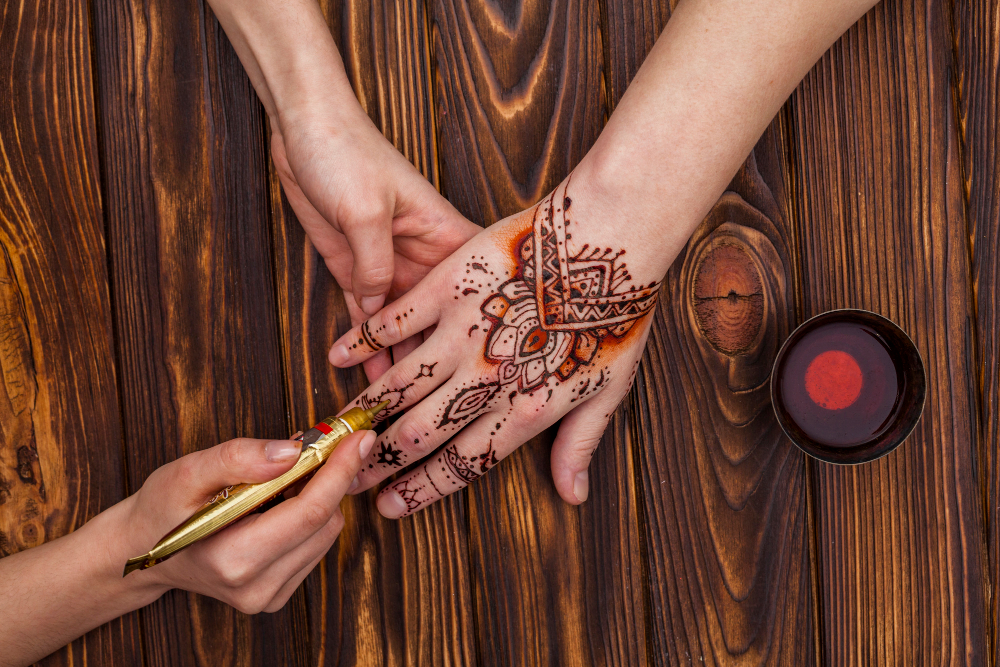
Mehndi is a traditional henna ceremony that takes place a few days before the wedding. During this ritual, intricate henna patterns are painted on the bride's hands and feet. This process is not just an art form, but it also holds deep symbolic and spiritual meaning. It is believed that henna brings good luck, health, and fertility, while its intense red color symbolizes love and passion. You can often see Mehndi-inspired motifs on wedding invitations, which add an oriental charm and express the deep symbolism of this ritual.
Saptapadi, known as the "seven steps," is another important element of a Hindu wedding ceremony. The couple takes seven steps around a sacred fire, which symbolizes the seven marriage vows. Each step has its own meaning and represents different aspects of married life, such as health, prosperity, mutual support, love, and devotion. This part of the ceremony is not only symbolic but also legally binding, making it a key element of an Indian wedding.
Japan: San-san-kudo
Japan is a country where tradition meets modernity, and respect for the past is as important as the pursuit of the future. In Japanese weddings, one can see this harmony between ancient customs and a contemporary approach to love and marriage. One of the central elements of the wedding ceremony is a ritual called san-san-kudo.
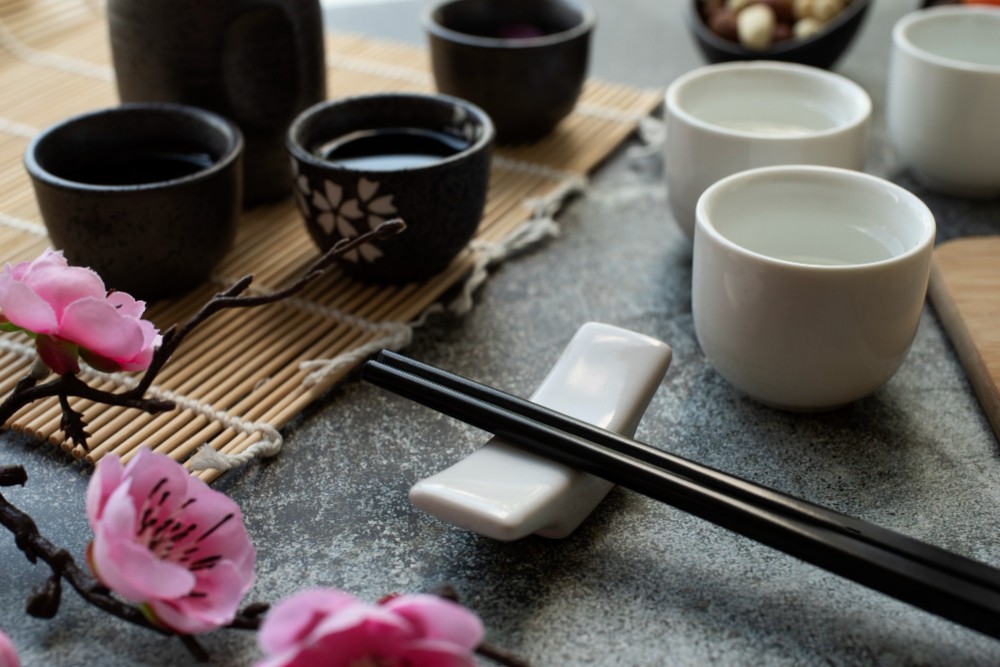
San-san-kudo means "three, three, nine times" and involves the bride and groom taking sips of sake from three small cups. Each cup is sipped three times, creating nine toasts in total. This ritual symbolizes the union of two families, as well as mutual understanding and love. In Japanese culture, the number nine has special significance, as it is believed to bring good luck.
Wedding invitations are often decorated with traditional Japanese patterns, such as cherry blossoms or origami motifs, which reflect the spirit of Japanese aesthetics. The colors are usually subtle and muted, and the composition is based on principles of balance and harmony.
Mexico: El Lazo
Mexico is a country with a rich culture and a long history that has shaped local traditions and customs, including those related to wedding ceremonies. In Mexico, a traditional element of the wedding ceremony is "el lazo." It is a symbolic rope, often in the form of a rosary or ribbon, which is wrapped around the couple in an infinity shape, symbolizing their eternal love and unity.
The el lazo ritual has its roots in Christianity, but over time it has also incorporated elements of traditional Mexican beliefs. Particularly important here is the connection to the concept of duality, which is present in pre-Columbian culture. According to this belief, a man and a woman represent two parts of a whole that must work together to achieve harmony and happiness.
In Mexican wedding invitations, you can see a reflection of this concept of duality, for example, through the inclusion of images of birds or butterflies, which symbolize unity and love. Furthermore, Mexican weddings are often full of colorful decorations, reflecting the joyful and vibrant culture of the country, which is also frequently mirrored in invitations and other wedding stationery.
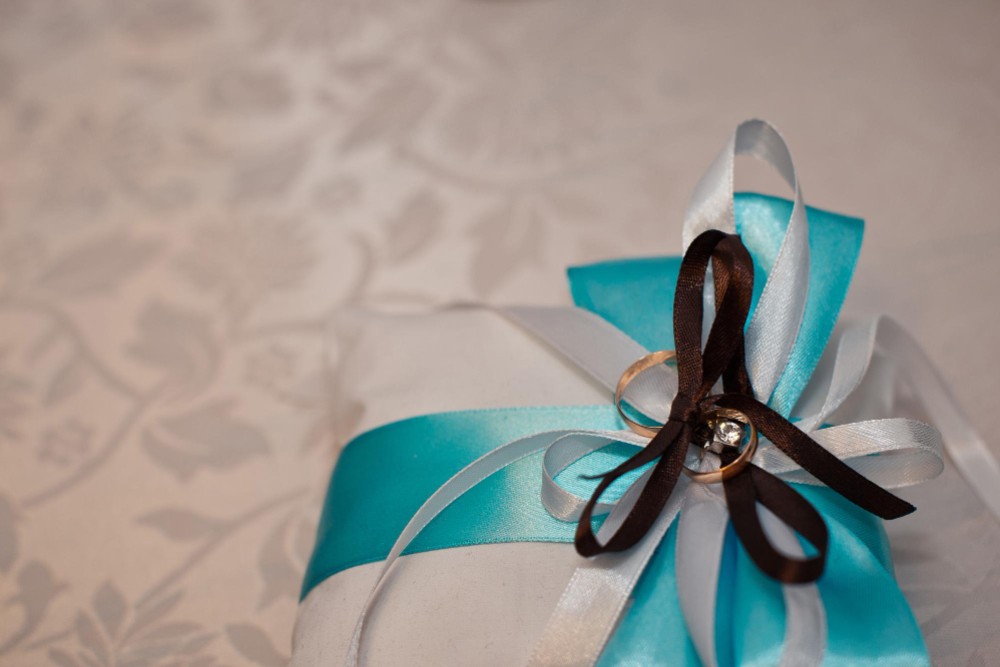
El Lazo is most often made of satin, silk, or lace and can be decorated with beads, precious stones, or other elements. Depending on family and regional traditions, it can also be a rosary, which emphasizes the religious significance of this ritual. After the ceremony, the el lazo is often kept as a keepsake and a symbol of the unbreakable bond between the spouses.
Scotland: Blackening of the Bride and Groom
When it comes to original and unconventional wedding traditions, Scotland definitely has something to offer. One of the most surprising customs, which might seem a bit bizarre to those outside of Scotland, is the "blackening of the bride and groom."
This custom involves friends and family "blackening" the bride and groom with various substances, such as eggs, flour, treacle, beer, or soot, and then parading them through the town on the back of a truck or tractor. Although it may seem a bit strange, it is believed that this ritual brings the couple good luck and helps them prepare for any potential difficulties in marriage.
Although the "blackening" is not directly reflected in Scottish wedding invitations, elements of Scottish culture, such as tartans and clan symbols, often appear on them, adding charm and a personal touch to the wedding stationery.
In Summary...
As you can see, wedding traditions are as diverse as the cultures they come from. Whether it's henna painted on the bride's hands in India, the symbolic drinking of sake in Japan, the el lazo connecting the bride and groom in Mexico, or the "blackening" of the couple in Scotland - each of these customs has its own unique meaning and reflects a culture's deep beliefs about love, marriage, and family. These diverse traditions are a beautiful reminder that although we differ in culture, language, or customs, we are all united in celebrating the love and the bond that marriage creates.
We can also draw inspiration from these various traditions when designing wedding invitations, place cards, or thank-you notes. It could be a subtle element, such as a henna pattern on an Indian invitation, a cherry blossom motif on a Japanese one, an infinity symbol on a Mexican one, or a tartan pattern on a Scottish one. But no matter how much we choose to draw from other cultures, the most important thing is that our wedding decorations and accessories reflect our own love story.
Finally, regardless of which culture we come from or which wedding customs we choose to celebrate our big day, one thing is certain: love is universal. No matter the place, language, or culture, this feeling connects us all. And while different cultures have different ways of expressing and celebrating this feeling, they all celebrate love, unity, and the beginning of a new chapter in the couple's life.
We also invite you to read:
How to deal with pre-wedding stress: Practical tips
Unforgettable honeymoons: 7 romantic destinations for newlyweds
When to send wedding invitations: A guide for engaged couples