Wedding Traditions Reimagined – Which Customs to Keep and Which to Refresh?
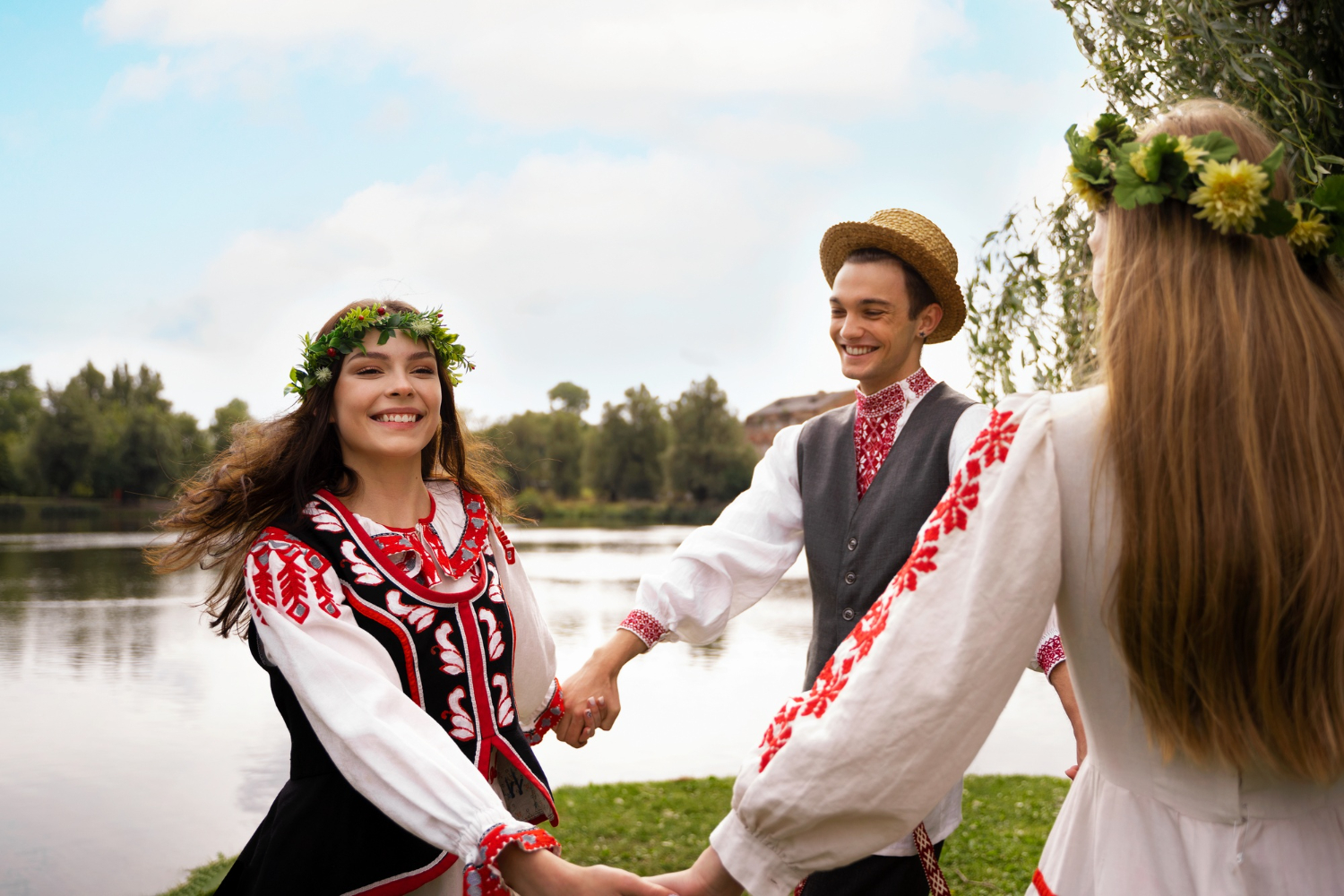
A traditional wedding is full of rituals and symbolic gestures passed down from generation to generation. For many couples, these customs represent a beautiful connection to history and family values. On the other hand, modern brides and grooms increasingly want to give their wedding an individual character, tailored to their style and beliefs. This raises the question: which wedding traditions should be nurtured, and which can be slightly changed or modernized? A modern approach doesn't have to mean abandoning your roots – often, a fresh perspective is enough to give an old custom a new glow.
In this article, we look at five important aspects of wedding traditions and suggest how to interpret them today. From the parental blessing, through symbolic superstitions and the bread and salt welcome, to the unveiling (oczepiny) and new trends like guest favors – we will show you what is worth keeping in its original form and what can be done differently. Couples often draw inspiration from tradition in many aspects of planning – from the style of wedding invitations, through elements of the ceremony, to entertainment during the reception. The following tips will help you find the perfect balance between respect for customs and a creative approach, making your big day both solemn and unique.
Table of Contents
- Parental blessing before the wedding – tradition with a refreshed meaning
- Superstitions and symbolism on the wedding day – what to nurture and what to take with a grain of salt?
- Bread and salt welcome – a classic custom in a new version
- Oczepiny and wedding games – retro tradition or creative entertainment?
- New customs: guest favors, place cards, and other noteworthy trends
Parental blessing before the wedding – tradition with a refreshed meaning
The parental blessing is one of the most emotional moments of the wedding day, deeply rooted in tradition. It usually takes place just before the ceremony – the couple, surrounded by their immediate family, asks their parents to bless their marriage. Historically, it was a ritual symbolizing the family's consent to the union and a request for divine protection over the newlyweds. Parents would make the sign of the cross over their bowing children, often using a sprig with holy water, while saying a few words of prayer and wishes. For religious people, the blessing has a spiritual dimension, but even in less religious homes, this moment is often kept as an expression of respect for parents and family continuity.
Today, many young couples cannot imagine skipping this touching custom – it provides a moment of respite before the ceremony and an opportunity for an intimate thank you to parents for their upbringing. It is worth keeping this tradition as it forms a beautiful bridge between generations and emphasizes that a wedding is not just a formality, but also the joining of two families. However, a traditional blessing can be organized in a way that suits the spirit of our times. Not every couple chooses a religious formula today – refreshing this custom can involve giving it a more personal character or adapting it to your own values. The most important thing is that the intention remains the same: for parents to pass on their love, support, and good wishes for the couple's new path in life.
If you want the pre-wedding blessing to reflect your unique relationship with your parents, consider a few creative ideas for its implementation. These will make the moment even more personal and memorable for everyone:
- Personalized parental speech – Instead of a traditional prayer, parents can give short speeches straight from the heart. In these words, they can share memories from your childhood, express pride, and hopes for the future. Such sincere wishes full of personal touches will move not only you but also the gathered family.
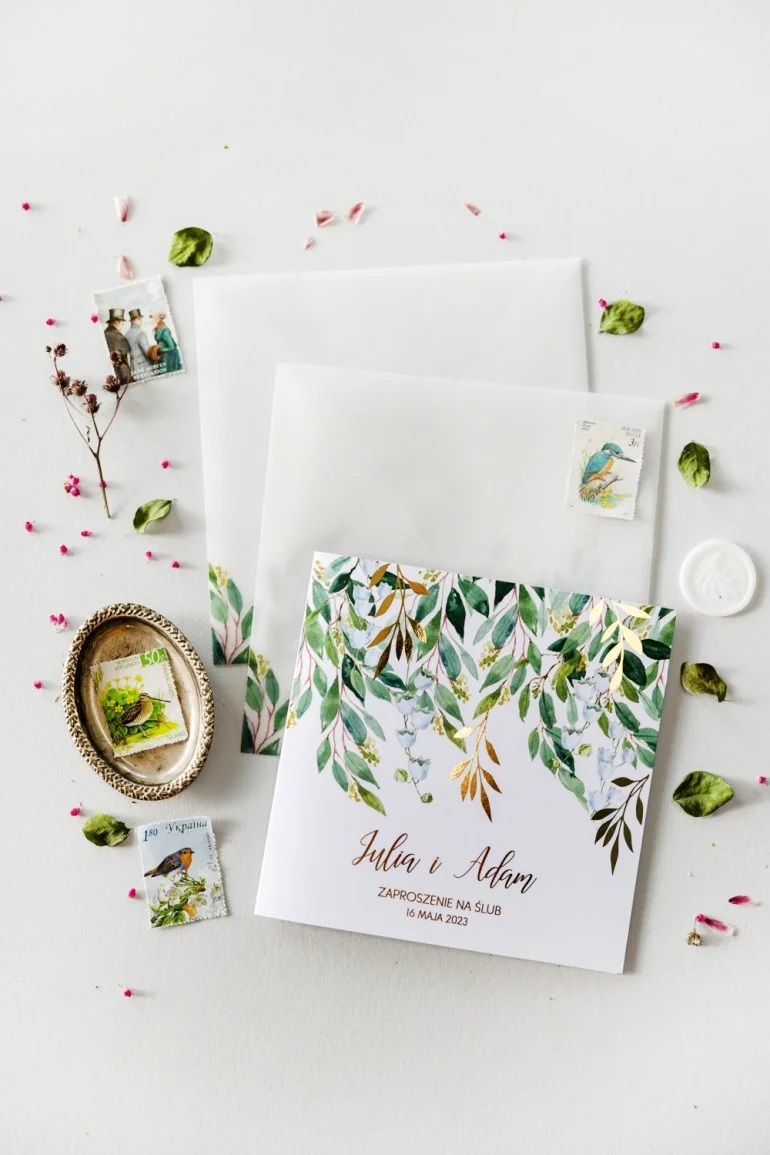
Wedding invitations with green leaves motif, gold accents, classic | Gold-foiled wedding invitations | Rubin nr 4
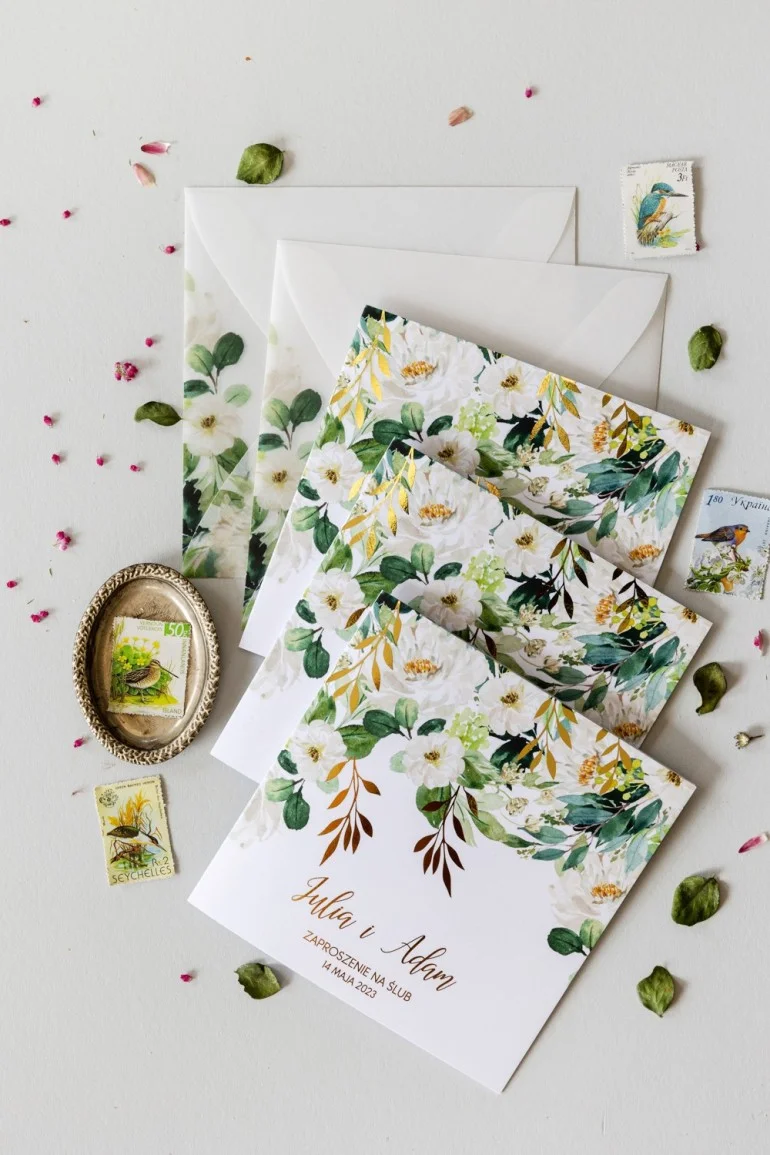
Stylish Wedding Invitations with Gold Accents, Watercolor Flowers | Exclusive Wedding Invitations | Rubin nr 1
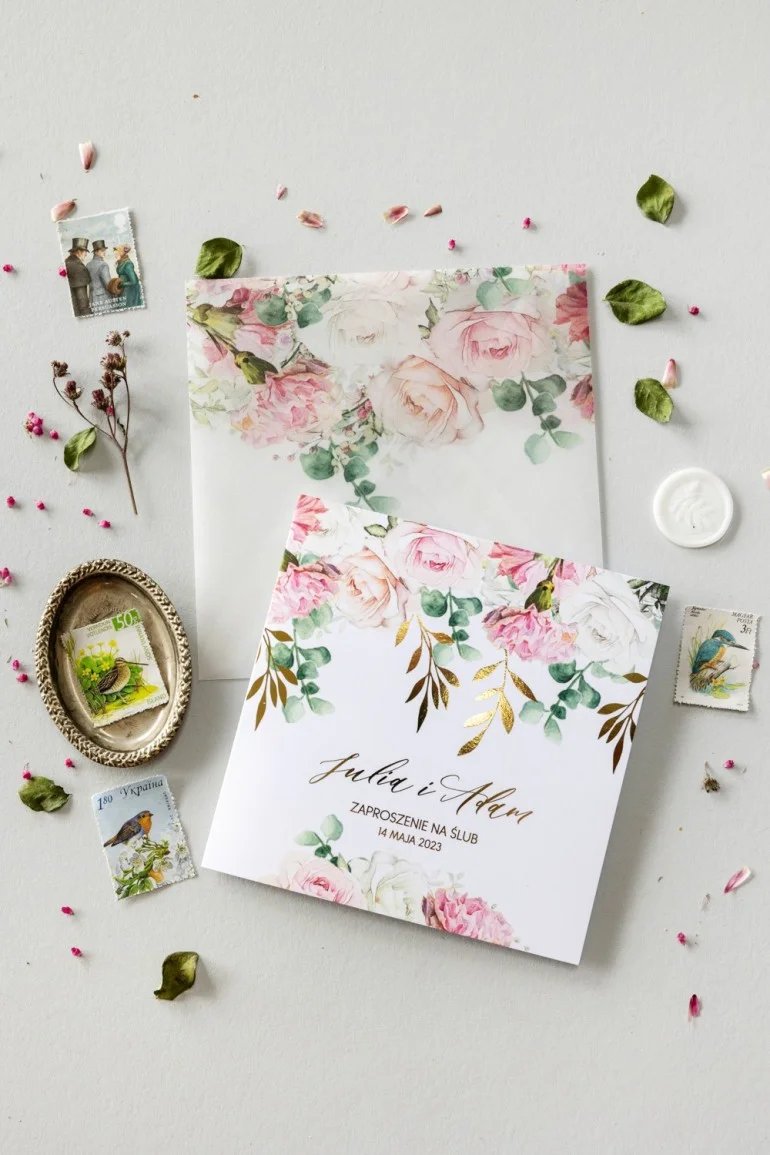
Wedding invitations with pink roses and gold foil, transparent envelope | glamour style wedding invitations | Rubin nr 9
- Joint symbolic ritual – An interesting solution is to replace words with a gesture of unity. Parents from both sides, along with the couple, can participate in a small rite, such as lighting one candle from two separate ones (symbolically joining two families into one) or pouring two colors of sand into one vessel. Such a ritual, borrowed from humanist ceremonies, looks beautiful and eloquently emphasizes the union of families.
- Letter or video recording with wishes – If parents are shy about speaking publicly, you can ask them to write a letter of blessing. The couple can read it together in a private moment before the wedding or keep it for later as a keepsake. In the age of new technologies, a video also works well – parents (or even grandparents) can record a short film with wishes beforehand, which you can play on your wedding day. This solution is also beautiful when one of the parents cannot be personally present at the ceremony.
- Outdoor blessing – An unwritten rule once said that the blessing takes place at the Bride's family home. Today, however, you can organize this moment anywhere you like. It is becoming increasingly popular to give the blessing, for example, in a garden or another outdoor setting, just before the wedding ceremony. Birds singing in the background and natural scenery can add magic to this moment and help relieve stress.
- Passing on a family heirloom – A beautiful gesture is to include the passing of a symbol of family continuity into the blessing. Parents can offer you an item of emotional value – e.g., a Bible that has been in the family for generations, a commemorative picture, a locket, or even a symbolic figurine or mascot from your childhood for good luck. Such a symbolic object will remind you of their support in the coming years of marriage.
Regardless of the form you decide on, it's worth talking to your parents about their expectations beforehand. Perhaps mom and dad imagined it differently – establish the course of the blessing together so that everyone feels comfortable. Traditional or modern, the parental blessing primarily has emotional value. Kept in one form or another, it will be one of the most touching memories you will return to for years to come.

Gaja No. 2 Wedding Invitation – Sage Green with Letterpress Embossing

Glamour Wedding Invitation with Gilded Branch and Velvet Paper – Ruskus No. 14

Impresja No. 7 Wedding Invitations – Eucalyptus and Greenery Style
Superstitions and symbolism on the wedding day – what to nurture and what to take with a grain of salt?
Weddings have always been surrounded by various superstitions intended to guarantee the couple happiness, love, and prosperity. Today we approach them with a grain of salt, but many brides still enjoy cultivating these small customs, treating them more as a charming element of tradition than a deadly serious omen. It's worth knowing the meaning of the most popular symbols of luck and deciding which ones we want to include in our wedding. Some superstitions are harmless and fun, so they can be kept as an interesting accent, while others can be omitted without fear for marital success. Remember that love and mutual respect build a relationship, not magical practices – but a bit of traditional symbolism can add charm and deeper meaning to the ceremony.
Perhaps the most well-known wedding custom of this type is the rule “something old, something new, something borrowed, and something blue”. Although it originates from an English rhyme, it has also become a permanent fixture at many weddings. According to this tradition, the Bride should have four things with her for good luck:
- Something old – a symbol of support from her previous life and the continuity of family tradition. This could be, for example, old family jewelry (grandma's ring), a hair clip, an old handkerchief from mom, or another trinket passed down from generation to generation. Such an item reminds us that entering a new life, we do not forget our roots.
- Something new – a sign of a successful future and prosperity waiting for the couple. Most often, "new" is simply the Bride's wedding attire: the dress, shoes, or veil bought specifically for this day. New elements of the outfit symbolize a fresh start and the fulfillment of wedding dreams. There is nothing stopping you from treating other things as something new – even a new hairstyle or perfume, if you want to feel special that day.
- Something borrowed – intended to ensure the kindness of the surroundings and the support of friends in the new stage of life. According to superstition, the Bride should borrow an element of her outfit or jewelry from someone close, preferably from a woman who is a happily married (so that the successful marriage is passed on to the new couple). Often it is a veil passed on by another bride in the family, a borrowed handbag, a hair ornament from a friend, or even a handkerchief from the maid of honor. This gesture symbolizes that loved ones share their happiness with us and surround us with care.
- Something blue – the color blue has signified fidelity, purity, and truth for centuries. A blue accent is meant to guarantee the durability of feelings and marital fidelity. The most popular "blue" element is a garter with a blue ribbon hidden under the Bride's dress. However, it could just as well be a bouquet with a few blue flowers, the Groom's blue cufflinks as a sign of solidarity with tradition, jewelry with aquamarine or sapphire, or even nails painted a delicate blue. A touch of color adds character to the styling and fulfills the superstition at the same time.

Kraft Place Cards No. 12 – Rustic with Forest Panorama

Lauren No. 3 Wedding Place Cards – Classic Calligraphy Name Cards

Deckle Edge Wedding Place Cards – Golden Edges No. 1 Hand-Gilded
Most women joyfully complete these four things – it's a great opportunity to involve family and friends (e.g., asking who will provide "something borrowed") and play with creatively matching elements to tradition. For example: you can wear earrings from your grandmother (old), a dress straight from the salon (new), put a hair clip from a bridesmaid in your hair (borrowed), and have a garter with a blue bow (blue). Such details create a beautiful story and make wedding preparations even more exciting. However, if any of these things don't appeal to you – don't worry. Luck will follow you anyway, as long as you take care of it together in your marriage.
Other wedding superstitions are also undergoing transformations in modern times. Traditionally, when the couple left the church or office after the ceremony, guests showered them with rice or small coins as a wish for prosperity and fertility. This custom is still practiced because it's nice to be showered with a "rain of wishes," but more and more often, instead of rice, you see flower petals or soap bubbles released into the wind. Colorful rose petals look romantic in photos, and bubbles especially please children – both variants are also more eco-friendly and safe. If you want to refresh this custom, you can prepare paper cones for guests filled with flower petals or tubes shooting biodegradable confetti. The surprise effect is guaranteed, and tradition will be satisfied in a new form.
Many couples wonder whether to stick to the rule that the Groom should not see the Bride in her dress before the wedding. It was once believed to bring bad luck, but today the first look custom is becoming increasingly popular – a meeting of the couple in private just before the ceremony, when they see each other in full wedding attire for the first time. Such a moment just for the two of them, often captured by a photographer, can be extremely touching and allows them to share emotions before entering the crowd of guests. This is a beautiful example of how young people consciously break superstition in favor of experiencing something special in their own way. If you dream of your first meeting in an intimate setting, go for it – fortune certainly won't turn away from you just because you saw each other before the altar. It's important that you feel it's right for you.
There is also a superstition regarding the choice of wedding date – it is said that it's best for the month to contain the letter "r" in its name (in Polish, this is meant to portend joy and success). In modern times, few people pay attention to this when setting a date – what counts more is a convenient Saturday, the availability of the wedding hall, and good weather. However, if you like such details, you can proudly emphasize that your month has an "r" (or consciously do the opposite and get married in May, deciding that no letters can scare your love).
It's also worth mentioning the well-known gesture of carrying the Bride over the threshold of the home or wedding hall by the newlywed husband. This charming custom was intended to protect the young wife from tripping (which boded ill) and symbolically carried her into a new stage of life. Today it is done mainly for a beautiful moment and a commemorative photo. As long as the Groom feels up to it – it's worth maintaining this custom. And if the entrance door or threshold is awkward, you can always perform this gesture on the threshold of your common home after the wedding in more comfortable conditions. It's the intention and fun that count.
In summary, wedding superstitions and symbolic customs are a colorful part of wedding tradition. Approach them casually, choosing those that bring a smile and add confidence on this important day. Accepting a few minor superstitions can be a form of play and highlighting the uniqueness of the moment. Most importantly, don't go crazy – if something completely doesn't suit you, discard it. The happiness of a young couple depends on their love and work on the relationship, not on the color of a garter or the number of coins thrown at their feet. Nevertheless, cultivating selected symbols can be a beautiful nod to tradition and a way for your wedding to have that special "something".

Merci Favour with White Flowers, Green Leaves | Elegant Guest Gifts | Impresja No. 10

Simple No. 3 Soy Candle – Gold Foiling & Elegant Wedding Favours

Mini Chocolate Favours 'Pearls No. 1' – Luxury Wedding Favours with Pearl Accents
Bread and salt welcome – a classic custom in a new version
When the wedding ceremony ends and the couple arrives at the reception venue, tradition dictates welcoming them with bread and salt. This old Polish custom has survived in almost unchanged form and is still very popular at weddings. In a symbolic gesture, parents (or sometimes other loved ones, like grandparents or godparents) welcome the newlyweds at the threshold of the wedding hall, presenting them with a loaf of bread sprinkled with salt on a tray. Usually, this is accompanied by the words: “We welcome you with bread and salt, so that you may never lack bread in your life”, emphasizing the wish for prosperity for the couple. Bread embodies prosperity and satiety, and salt – what is durable and protection against evil. Then the newlyweds break off a piece of bread, salt it, and feed each other, which means sharing a common life in prosperity and hardship. This beautiful custom integrates elements of hospitality and kindness with the sanctity of bread as the basis of life.
Today, the bread and salt welcome still enjoys great recognition – it's a point of honor for many parents to officially welcome a new son-in-law or daughter-in-law into the family this way. Young couples, even those opting for a modern wedding style, often consciously keep this custom because it lasts only a moment, has great symbolic power, and is a graceful moment to photograph. This tradition connects generations: older guests watch the familiar rite with sentiment, while younger ones learn the meaning of these gestures with curiosity. Is it worth giving it up? Not necessarily – instead of abandoning it, it's better to introduce small innovations that will make the welcome more personal or adapted to your preferences.
How can you refresh the bread and salt welcome while remaining true to its message? Here are some practical tips and ideas:
- Family bake instead of ordinary bread – Instead of buying a standard loaf at the bakery, ask someone close who bakes delicious bread to prepare it specifically for your wedding. Homemade, hand-baked bread from mom or grandma will have even more emotional value. You can also choose the type of bread you like – e.g., bread with seeds, herbs, or sourdough – this gives the tradition an individual touch. It's important that the loaf has at least a small crust that can be broken off for the ritual.
- Alternative to straight vodka – Traditionally, right after the bread and salt, the newlyweds are given two glasses: one with water, the other with vodka (unmarked, so it's not known who gets which). The person who gets the vodka is supposedly going to "rule the house" – another playful custom. Later, the couple throws the glasses behind them, breaking them for luck. However, if you're not fans of strong alcohol, you can modify this element. Increasingly, couples choose, for example, glasses of champagne instead of vodka – they drink a toast with sparkling wine and also break the glasses (or hand them discreetly to the staff to avoid glass on the floor if the venue forbids it). Some even decide on a symbolic toast with water or a favorite liqueur – according to the principle that it's your celebration and your tastes. Regardless of the drink, it's important to raise the glasses together and look each other in the eye with a smile! ?
- Mix & match style welcome – If one family insists on bread and salt and the other cares less about it, you can combine traditions. For example, the Bride's parents can give you bread and salt, and the Groom's parents – a bouquet of flowers or a symbolic glass of champagne for a joint toast. In this way, you honor both families and show unity in diversity. Another idea is to add a small touch from you to the bread tray: e.g., a small dish with honey or olive oil, in which you dip the broken piece of bread before eating. Honey symbolizes the sweetness of your union, and olive oil – smoothness and gentleness in life. While not traditionally Polish, if it means something to you, why not add it? Tradition is a living matter and can evolve.
- Changing the hosts – Standardly, it's the parents who give the welcome, but in various life situations, this can be changed. If, for example, you don't have parents or relationships are strained, consider asking someone important in your life to play this role – a favorite aunt, grandfather, or close friends who will host the wedding. These people can say their own words of welcome, symbolically wishing you "that you always have plenty of bread in your house and that life is sweetened by good moments" – or another formula flowing from the heart. It's important that you feel comfortable and surrounded by kindness at the start of the reception.

Flores No. 1 Soy Candle in Gypsum – Gilded Wedding Favour

Flores No. 2 Soy Candle in Gypsum – Burgundy Flowers Wedding Favour

Kraft No. 5 Soy Candle in Plaster – Sunflowers Wedding Favour
It's worth informing the venue staff about your plans for the welcome in advance so they can prepare the necessary props (bread, salt, glasses, or alternative drinks). The bread and salt welcome is a short moment, but very photogenic and meaningful. Modernizing it doesn't take away its charm – as long as the spirit of hospitality and kindness remains, this tradition will fulfill its role. After such a start, you can enter the hall with a bang to the applause of your guests.
Oczepiny and wedding games – retro tradition or creative entertainment?
The word oczepiny fills some with enthusiasm and others with slight anxiety. It's hard to find a more debatable element of a traditional Polish wedding! The tradition of oczepiny dates back to Slavic times – originally it meant the ritual of removing the bride's wreath (or veil) at midnight, symbolizing her transformation from a maiden to a married woman. Today, the midnight hour has become a pretext for games and contests involving wedding guests, usually preceded by the throwing of the veil and bowtie/bouquet by the couple.
The classic course of oczepiny at many weddings looks like this: exactly at midnight, all unmarried girls gather on the dance floor, and the Bride stands with her back to them and throws her veil or bouquet. The one who catches it, according to custom, will be the first to marry among the maidens. Then the bachelors step in – the Groom throws his bowtie or tie, and the bachelor who catches it is to be the future groom. Sometimes the caught garter ends up on the leg of the girl who caught the veil, which is meant to connect the newly "fished out" pair – all in good fun, of course. After these antics, the host or DJ often suggests several contests and games for a wider group of guests to get the party going. The goal is laughter and integration, although it varies – many people prefer to slip away from the hall to avoid participating in potentially embarrassing contests.
Are oczepiny even necessary today? It depends on the character of your wedding and the preferences of your guests. This block of games is undoubtedly a nod to folk wedding tradition – our parents and grandparents had fun this way, so they might even expect "something to happen at midnight." However, modern couples often resign from oczepiny or limit them to a symbolic minimum. The reasons vary: sometimes it's about maintaining the elegance of the reception, other times the couple simply doesn't like this type of activity. Many people value spontaneous fun to music more than organized games with double entendres. On the other hand, some guests love taking part in oczepiny antics. The challenge for you as organizers is to come up with a formula that won't spoil anyone's mood, but rather entertain everyone and encourage further play.
If you don't want to break completely with the tradition of oczepiny but fear a tacky effect, focus on moderation and good taste. Here are some tips on how to modernize oczepiny and wedding games so they are an attraction rather than a chore:
- Choose games without the cringe – Avoid contests that might embarrass anyone or are simply in poor taste. Instead, opt for integration-style competitions. For example: organize a quiz about the couple – the host asks questions about you (e.g., "Who said I love you first?" or "Who is the bigger sleepyhead in the morning?") and invites guests to answer. You can prepare "Groom/Bride" paddles to lift or just answer out loud – there will be plenty of laughter, and no one's dignity will suffer. Another idea: balloon dance – couples get an inflated balloon between their foreheads and dance, trying not to drop it. It's a cheerful game without double meanings. If you hire a host or DJ, discuss beforehand which games are acceptable and which you do not wish to have.
- Shorten the program to the necessary minimum – Tradition is tradition, but there's no obligation to do 10 competitions in a row. It's enough to keep the symbolic moment at midnight. For example, you can limit oczepiny to just the bouquet and bowtie toss, perhaps one funny game, and leave it at that. The whole thing will take 15-20 minutes, guests won't have time to get bored, and there will still be something to remember. After that, you immediately return to dancing or serve the cake – and the party flows on. This symbolic approach is becoming increasingly popular.
- Alternatives to oczepiny – Or maybe skip oczepiny altogether in favor of another midnight attraction? This is a great idea for couples who want to avoid breaks in dancing or awkward moments while providing guests with something extra. There are plenty of options: a fireworks display, releasing LED balloons into the sky, an impressive wedding cake entering the hall at midnight with sparklers, a magician's show, or fire dancers. Some also organize sparkler fun – they give guests long sparklers, everyone lights them at the same time to a romantic song, which gives a beautiful effect in photos and sets a magical mood. Such a moment can replace oczepiny, creating a unique memory without any controversy.
- Inform guests about the lack of oczepiny – If you decide to completely skip oczepiny and games, it's good to signal this to older guests earlier so they aren't confused waiting for "tradition." You can do this in family conversations before the wedding or even through the wedding party during the reception. Remember – it's your decision and you have the right to arrange the reception scenario your way, but kind communication with guests always makes things easier.

Glamour Wedding Place Cards No. 1 – Satin Name Cards with White Print

Cappuccino Wedding Place Cards No. 1 – Satin Ribbon Table Name Cards

Rose Bow Wedding Place Cards No. 1 – Pink Satin Glass Ribbon Cards
Traditional oczepiny, although they have been a mandatory part of the program for years, are no longer a iron standard today. More and more couples are openly saying "no" to games that don't fit their wedding style. And nothing bad happens – guests have a great time without it, especially if you take care of good music, tasty food, and a relaxed atmosphere. On the other hand, refreshed, imaginative oczepiny can kick-start the party and cause roars of laughter without missing a beat. The key is intuition and knowing your loved ones. Remember that your satisfaction is the most important – after all, it's your big day.
As a side note, it's worth mentioning an old custom that has practically disappeared today – the kidnapping of the Bride. According to the old game, groomsmen or guests would "kidnap" the bride from under the groom's nose and hide her, and the groom's task was to "ransom" her or find her, often by buying the kidnappers a round of alcohol. Such jokes don't really have a place now: separating the couple for a long time during the party is neither safe nor welcome. If your friends are known for crazy ideas, you can preemptively state that you do not wish for any kidnappings or similar surprises.
New customs: guest favors, place cards, and other noteworthy trends
Tradition is one thing, but wedding reality doesn't stand still. Alongside old rites, quite new customs and fashionable trends have appeared. Many have come to us from the West or evolved naturally with the change in wedding organization style. Are they mandatory? Of course not – but they quickly gained popularity because they meet the needs of modern couples and guests. Today, it's hard to imagine an elegant reception without a table plan and place cards, and small guest favors are becoming a pleasant standard. Couples also happily use novelties like guest books, photo booths, or thanking parents during the wedding. Let's look at these new elements of wedding etiquette.
Guest favors as a thank you for coming is a relatively fresh custom, but it has settled in for good. It involves preparing a small gift for each guest – most often it waits at the table setting or is given personally upon departure. In the past, guests left a wedding gifted at most with a piece of cake packed for the road or a bottle of wedding vodka. Today, newlyweds outdo each other in ideas for original gifts for guests, wanting to express gratitude that they celebrated this important day with them. Such a gift serves several functions: it's a nice surprise, a wedding souvenir, sometimes a decorative element of the table, and above all, a form of thanks for their time, wishes, and gifts. Is it worth practicing this custom? Definitely yes, if the budget allows – guests will certainly appreciate the gesture. Gifts don't have to be expensive; what counts is the idea. Here are some popular and creative suggestions for guest favors:
- Sweet treats – Sweets always work. You can give guests, for example, small jars of honey with a label "Sweet thanks for your presence," bottles of homemade tincture or liqueur, elegant macarons in a box tied with a ribbon, or traditional fortune cookies with a personalized message. An interesting idea is also sugared almonds (confetti) – five almonds symbolize five wishes: health, happiness, long life, prosperity, and fertility.
- Practical or wedding-related gifts – Glycerin soaps in a beautiful shape, tiny soy candles in decorative jars, fridge magnets with your photo or wedding date, engraved keychains – the choice is huge. If your wedding has a theme, match the gift to that theme. For example, at a rustic wedding, small jars of homemade jam or mini bottles of elderflower syrup will work great.
- DIY and eco gifts – Gifts made by hand or nature-friendly are very on-trend. A cool idea is preparing sachets with flower seeds (e.g., lavender, wildflower meadow) with the inscription "Let our love bloom – plant these seeds in memory of our wedding." Another hit is small potted succulents or other plants. Hand-made preserves, cookies, tea blends, or bath salts in test tubes – all this shows commitment and has personal charm.
- Regional or thematic souvenirs – If your wedding takes place in a region famous for a certain product (e.g., oscypek cheese in the Highlands, gingerbread from Toruń), you can gift guests mini versions of these specialties. This is also a nod to local tradition. At a winter wedding, Christmas ornaments with the wedding date are popular gifts. Such personalized trifles make the gift unique.
- Classic – cake and alcohol – Let's not forget that distributing boxes with pieces of wedding cake or wedding vodka to departing guests is still a practiced custom. This can be combined with a new tradition: for example, attaching a thank-you note to the cake and sticking labels with your names and the date on the bottles. A modern touch is elegant packaging – printed cake boxes and decorative alcohol bags. This gives traditional "takeaways" a more festive character.

Fortune Cookies with Gold Foliage – Ruskus No. 2

Golden Fortune Cookies with Personalized Label | Affordable Wedding Favours | Cejla No. 3

Forest Theme Fortune Cookie | Personalized Wedding Favours | Impresja No. 8
As you can see, guest favors can be realized in hundreds of ways. The key is that they are from the heart and at least slightly relate to you or the wedding style. You don't have to spend a fortune on crystal trinkets – it's the gesture that counts. Even a sweet candy with a note "Thank you for being with us" will bring a smile. It's also important to logistically plan the distribution of gifts: whether everyone finds it at their place, whether the staff hands them out upon leaving, or whether you yourself with the wedding party walk around at the end and personally thank everyone while giving the gift.
Another new standard at weddings is table plans and place cards. In the past, assigning seats was not practiced – guests sat where they wanted, often families stuck together, but there were no strict rules. Today, however, most couples prepare a detailed seating plan in advance, which is hung before the entrance to the hall. On the tables, there are place cards, small cards with names indicating who should sit where. This might seem unnecessary, but those who have been to a wedding without a plan know the chaos that can ensue: awkward circling with a plate looking for free seats next to friends, separated couples, confusion... Place cards eliminate this problem – everyone immediately finds their place and can sit comfortably next to people you've chosen. For guests, it's a relief, and for you, a guarantee that everyone will feel good. A table plan allows you to thoughtfully mix the company: put younger people together, older people together, and mix or separate families as you see fit.
Place cards serve not only an informational function but also a decorative one. They can be beautifully integrated into the setting – they are often an element of the entire wedding stationery matched in style to the hall decor and wedding invitations. This creates an elegant, thoughtful whole that subconsciously influences the perception of the reception as refined. Guests often take their place cards as a souvenir. It's a small thing, but it pleases the eye and makes the wedding table more personal – after all, everyone has their place specially prepared.
Organizing the seating of guests can be one of the bigger logistical challenges during planning, but the effort pays off. You will avoid situations where someone is left out or lacks a place next to a favorite person. Place cards give you control over this aspect of the wedding, and guests – comfort and clarity. On the wedding day, they will be excited anyway, so it's good to take the "where should we sit?" dilemma off their minds. It's worth adding that some couples go a step further and instead of ordinary paper place cards, they opt for more original solutions that also become a gift for guests. For example, personalized coasters with the guest's name engraved, mini wooden or acrylic boards. Even the simplest place cards will fulfill their role if they are legible and aesthetic.
New customs at the wedding also include the solemn moment of thanking the parents. While thanking parents for their upbringing is not a modern invention, it wasn't celebrated publicly at the wedding in the past. Currently, many couples decide during the reception (usually after dinner or before the cake) to officially honor their parents. Most often, this involves giving them gifts (bouquets of flowers, gift baskets, a bottle of good spirits, a personalized gift with engraving) and dedicating a special song to them, to which parents are invited for a joint dance. It's often a very touching moment – the couple comes out on the dance floor with their parents, and everyone sways to the rhythm of a song with meaningful lyrics. Is it worth organizing such a program point? If you have good relationships with your parents and know it will give them pleasure – definitely yes. It's a beautiful new tradition that strengthens family ties during the wedding.
Similarly, the guest book has become a permanent element of wedding decoration. A guest book is usually an elegant album or notebook placed in a visible spot where wedding guests can write wishes, advice for the couple, or simply sign as a souvenir. Often polaroids or an instant camera lie nearby – guests take a photo of themselves and paste it next to the entry. The result is a wonderful souvenir full of memories and personal entries that the couple can return to on every anniversary. If you feel like it, prepare a book (or an alternative, like a large poster with a tree where guests leave fingerprints as leaves). Guests are usually happy to write something, especially during breaks from dancing. After the wedding, such a book is a treasure, full of emotion and humor.
Technological novelties have also entered weddings. A photo booth or a selfie corner with funny props is a hit of recent years – it's not a "custom" per se, but an attraction that has become so frequent it's almost expected by guests. Photos from a photo booth, often printed immediately in two copies (one for the guest, one for the couple's album), are a great form of interaction and integration. If the budget allows, it's worth considering renting a photo booth or at least creating your own station with an Instax camera – it will provide lots of joy and you'll have unique photos of guests alongside professional photographer photos.
As you can see, a modern wedding is a mixture of tradition and new trends. The most important thing is to find your own balance. You don't have to do everything that's fashionable, nor cling to every custom from the past. Choose those elements that are close to you and that fit the style of the ceremony you've dreamed of. Maybe you dream of a very traditional wedding – with a full package of rites, singing, oczepiny, and a day-after party – and that's wonderful too! Your guests will surely appreciate the authenticity. Or maybe on the contrary, you prefer a modern wedding like in a movie, with your own vows, without games, but with an evening fireworks display and a food truck serving burgers at midnight. That's also a fantastic idea because it reflects your personality.
When organizing a wedding, it's worth remembering that it's your day – you have the right to keep those customs that mean something to you and to modify or abandon those you don't identify with. The key is communication with loved ones and a bit of intuition to treat tradition with respect, even if we change it. Often a compromise can be found so that each side is satisfied. For example, if a grandmother insists on a blessing – don't refuse, but you can do it your way. If you yourself aren't fans of oczepiny, you can organize another attraction instead so no one feels left out.
The most beautiful weddings are those that are authentic. When you see a couple happy and relaxed because everything is exactly as they wanted – that ease and joy are passed on to the guests. It doesn't matter if there's a lot of tradition in the program or almost none. You can boldly combine elements of folklore with modernity: e.g., have a solemn traditional dinner, and later serve American cake pops instead of a classic cake; dance the first waltz, and swap oczepiny for releasing lanterns together. Your creativity will make well-known customs take on a new life.
At the end of the day, only one thing counts – that the wedding and reception will be a reflection of your love and approach to life. Regardless of how many traditions you keep and how many you reinvent, the most important thing is that you and your loved ones feel happy and at ease. Tradition is important because it reminds us of our roots, but you are creating a new story. Therefore, keep in your heart what is valuable from the past, and don't be afraid to breathe a bit of freshness into your wedding. Thanks to this, your big day will be truly one of a kind. All the best on your new path in life!
Finally, we encourage you to expand your knowledge about wedding planning and discover additional inspirations. Take a look at other posts on our blog that can help you with further preparations:
-
If you are considering different forms of oczepiny and want to discover more ideas for modernizing them, be sure to read the article: Modern alternatives to traditional oczepiny at a wedding. You will learn how to organize this program point in a creative and fun way so that all guests have a great time.
-
Wondering how to introduce even more fresh, modern accents to the ceremony and reception? Check out our guide: Modern technologies at a wedding – a guide for the future couple. You will find practical tips and ideas there, including interactive attractions for guests, organization apps, or impressive audiovisual solutions.
-
Looking for inspiration on how to ensure a unique first dance? Then reach for the tips in the article: How to create a unique first dance?. You will learn which dance styles work best, what to pay attention to during learning, and how to combine tradition with a modern show on the dance floor.
-
Still completing your wedding stationery and wondering how to personalize it in line with your theme? Be sure to read: What texts to put on wedding invitations?. You will find plenty of examples of beautiful, original formulas that you can weave into your invitations and emphasize the character of the ceremony.
-
If you care about a stylish wedding in a smaller group (or in a garden where tradition meets an intimate atmosphere), get inspired by the text: Cost of a wedding for 30 people – a step-by-step budget planning guide. You will learn what to pay attention to and how to optimize costs while maintaining the magical atmosphere of this one-of-a-kind day.
We hope that these additional articles will allow you to clear up many doubts and inspire you to further search for new solutions in planning this great event. Whether you want to keep the atmosphere of old Polish tradition or dream of a wedding in an ultra-modern style – it's worth drawing ideas from various sources and creating your own unique concept. Good luck with the preparations!