What Does RSVP Mean on Invitations?

Defining RSVP: Meaning and Origin
The History and Origin of the RSVP Acronym
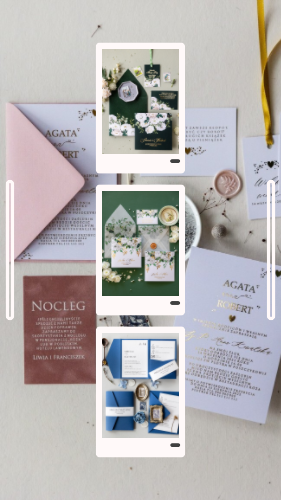
RSVP, an acronym we often see on elegant invitations, has its roots deeply embedded in French culture. Originating from the elegant salons of France, this term carries the legacy of European savoir-vivre. Derived from the French "répondez s’il vous plaît," which literally translates to "please respond," it has been a key element of social etiquette for centuries. Its usage has evolved over the years, but the core idea remains the same – it is a request for confirmation of attendance at an invited event.
It is worth noting that RSVP is not just a relic of the past; it is a term that still plays a significant role in modern celebrations, such as weddings, banquets, or official receptions. In Poland, where wedding culture is rich and diverse, RSVP has become almost a standard, especially in the context of elegant, carefully planned wedding ceremonies. Using RSVP on wedding invitations reflects not only respect for the guests but also demonstrates the professionalism and attention to detail that are so important in the wedding industry.
The Meaning and Translation of the RSVP Acronym
When we talk about RSVP, we are talking about more than just four letters on an invitation. It is a symbol of culture and respect for tradition that transcends linguistic and cultural boundaries. In the Polish context, where wedding customs blend tradition with modernity, RSVP becomes a bridge connecting these two worlds. It is a request for a response that sophisticatedly conveys the hosts' expectations and helps in the meticulous planning of the event.
RSVP on Polish wedding invitations often goes hand in hand with additional instructions on how to respond, whether by traditional mail, email, or even through dedicated websites or wedding apps. In the digital age, where wedding planning can be both exciting and stressful, RSVP becomes an invaluable tool, helping both the bride and groom and the guests navigate wedding protocol.
In the Polish wedding context, where every detail matters, from choosing the perfect wedding dress to the unique venue and the menu selection, RSVP plays a key role. It is not only an expression of good taste and etiquette but also an organizational tool that allows every aspect of the celebration to be perfected. Therefore, whether we are planning a traditional Polish wedding or a more modern ceremony, understanding and using RSVP is essential for everything to run smoothly and elegantly.
Article Table of Contents
The Importance of RSVP in the Context of Invitations
The Role and Function of RSVP in Invitations
RSVP, being an inseparable element of invitations, plays a key role in the process of planning and organizing events. What seems to be a simple formula has fundamental significance for both hosts and guests. In the context of events such as weddings, banquets, or official receptions, RSVP is a communication tool that informs organizers about the number of potential participants. In Poland, where the wedding industry is booming, understanding the role of RSVP in wedding invitations is crucial.
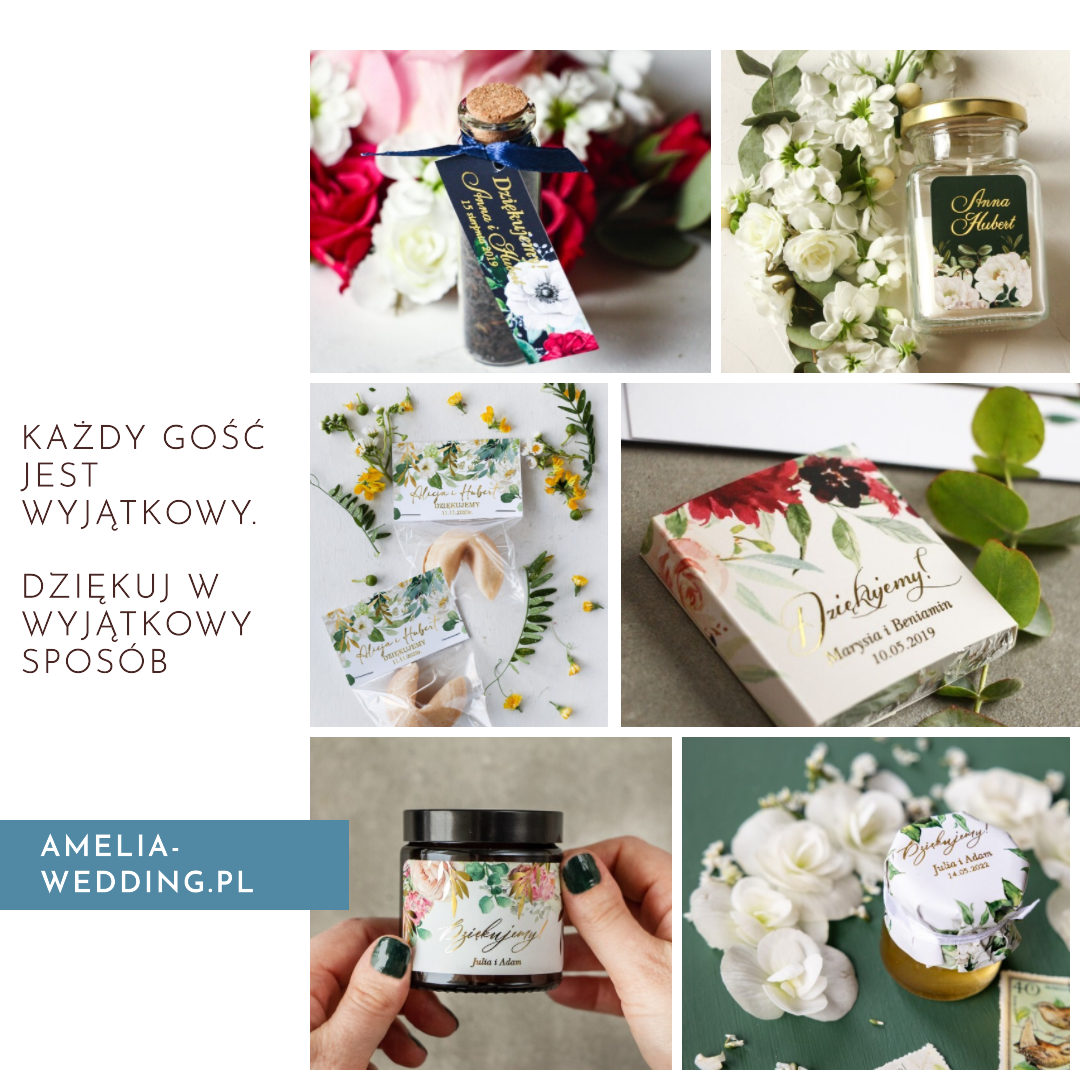
When it comes to weddings, RSVP becomes an essential tool in the hands of the bride and groom, allowing them to effectively manage the guest list, which in turn influences decisions regarding catering, seating arrangements, and even ordering guest favors. For event organizers and wedding industry service providers, precision in estimating the number of participants is equally important. Thanks to RSVP, catering companies can accurately plan the amount of ingredients needed, and florists and decorators can determine the quantity of materials required to create the right atmosphere.
Using RSVP for Different Types of Events
RSVP is not reserved exclusively for weddings. Its application is versatile and can be found in many other types of events, both formal and informal. In the corporate world, where conferences, training sessions, and banquets are the order of the day, RSVP is an invaluable tool that allows for effective planning and logistics management. On a smaller scale, even for private parties and family celebrations, such as christenings or anniversaries, RSVP helps hosts prepare the right amount of space and food.
In Poland, where the culture of hospitality is deeply rooted, RSVP is an increasingly common element of invitations, regardless of the type of event. It is a reflection of the growing awareness of the need for effective organization and respect for the time and resources of both hosts and guests. In the digital age, where many invitations are sent electronically, the possibilities for using RSVP are even greater. From online forms dedicated to confirming attendance to dedicated wedding and event apps, technology opens new doors for the effective use of RSVP.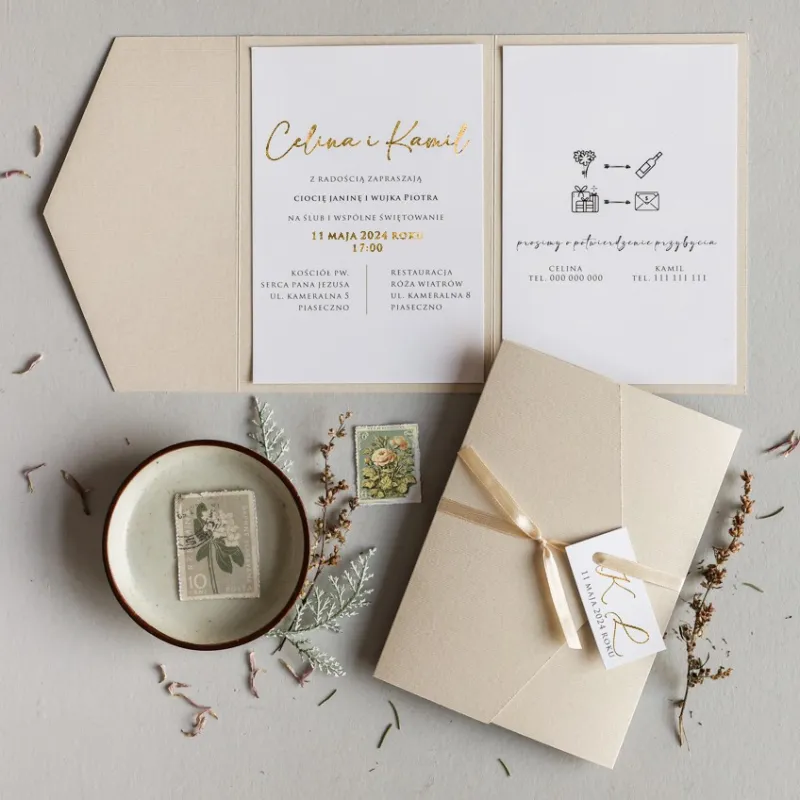
How to Respond to an RSVP
Ways to Respond to an RSVP
Responding to an RSVP is a key element of invitation etiquette and can take various forms depending on the nature of the event and the host's preferences. In Poland, where organizing weddings and other celebrations requires special attention, responding to an RSVP is taken very seriously. Traditional methods of responding include sending a written reply by mail. This is a classic method and still popular in the context of formal events, such as weddings or anniversaries.
Nowadays, with the use of technology, the ways to respond to an RSVP have expanded. Increasingly, especially for less formal celebrations, RSVP responses can be provided electronically, for example via email, online forms, or even through special event apps. For couples planning a wedding, wedding platforms offering online RSVP functionality are becoming more popular, making it easy to manage the guest list.
Steps to Responding to an RSVP: A Step-by-Step Guide
When we receive an invitation with an RSVP request, there are several key steps to take to ensure the response is appropriate and timely. The first step is to understand the response deadline. Usually, event hosts specify a concrete date by which they expect a response. Respecting this request and responding before the deadline is a sign of good manners and respect for the organizers.
The next step is to decide whether we will attend the event. In the case of weddings and larger celebrations, where the number of seats is often limited, it is important to be sure of your decision. If you are unsure, it is better to contact the hosts directly to clarify the situation.
After deciding whether to attend or not, the response should be provided in the manner chosen by the host. If the invitation includes a response card, it should be filled out and sent back. In the case of an electronic response, it is important to include all necessary information, such as your full name and any details regarding attendance (e.g., dietary preferences, if required).
In summary, responding to an RSVP requires attention and respect for the host and their carefully planned event. In the context of Polish celebrations, where tradition meets modernity, responding correctly to an RSVP is not only a matter of etiquette but also an expression of personal culture.
Regrets Only – A Specific Form of RSVP
What "Regrets Only" Means in RSVP
The term "Regrets Only" in the context of RSVP has a specific meaning that is worth understanding, especially in the Polish wedding industry, where attention to etiquette and tradition is extremely important. "Regrets Only" is a form of invitation where guests are expected to respond only if they cannot attend the event. It is a reversal of the traditional approach to RSVP, where confirmation of attendance is usually expected.
This type of invitation is particularly useful for large celebrations, such as weddings, where the number of guests can be significant. "Regrets Only" makes it easier for organizers to assume that guests who do not respond will be present, which allows for better planning and organization. In the context of Polish weddings, where every aspect of the celebration is carefully planned, from decorations to catering, this form of RSVP can significantly facilitate preparations.
How to Respond to "Regrets Only"
Responding to an invitation with the "Regrets Only" formula requires guests to act only if they cannot attend the event. It is crucial here that if you are unable to attend, you inform the organizers as soon as possible, which is an expression of respect and good manners. This can be done by traditional mail, email, phone, or other means of communication indicated by the hosts.
In Poland, where wedding etiquette is an important part of preparations, it is important that the response to "Regrets Only" is both polite and concise. Remember to include your full name in the response, as well as a brief explanation of the reason for your absence, which is considered good form. In the case of large events like weddings, where every decision affects logistics and costs, clear and prompt communication is key.
In summary, both "Regrets Only" in RSVP and the way of responding to such an invitation reflect important aspects of Polish wedding culture. It is not just an organizational matter, but also an expression of respect for the traditions and elegance valued in Polish society.
Pros and Cons of Using RSVP
Benefits of RSVP for Organizers and Guests
RSVP, being an integral part of event planning, brings a number of benefits for both organizers and guests. For organizers, the biggest advantage is the ability to plan precisely. Thanks to RSVP, organizers have a clear picture of how many guests plan to attend, which facilitates logistics management, such as catering, seating arrangements, and even entertainment planning. This allows for cost optimization and avoiding unforeseen expenses, which is crucial in the Polish wedding industry, where budgets are often strictly defined.
For guests, RSVP provides an opportunity to confirm their attendance and any special requirements, such as dietary needs or seating preferences, which in turn translates to greater comfort during the event. In the case of weddings, where every element is important, RSVP helps ensure that all guest needs are met. Guests may also feel more involved in the event, knowing that their presence is expected and appreciated.
Potential Problems with RSVP
Despite many advantages, the RSVP system is not without its challenges. One of the main problems is the lack of response from invited guests. This can lead to difficulties in precise planning, especially in the context of large events like weddings. Organizers may be forced to plan based on estimates, which increases the risk of resource surplus or shortage.
Another problem can be last-minute responses, which also hinder planning, especially regarding catering and seating arrangements. Furthermore, in some cases, especially for less formal celebrations, guests may not be aware of the importance and need to respond to an RSVP, which can lead to misunderstandings and organizational complications.
In summary, RSVP is a tool that, despite its potential challenges, is invaluable in event planning. In the Polish wedding context, where every detail matters, proper use and management of RSVP can significantly contribute to the success of the event, for both organizers and guests.
Modern Technology and RSVP
Applying Technology to the RSVP Process
In the digital revolution era, modern technologies have significantly influenced how we manage and respond to RSVP, especially in the Polish wedding industry. Technology not only facilitates the process of responding to invitations but also enables more efficient management and organization of events. Using online tools to manage RSVP significantly reduces the time needed for communication with guests, automates the process of collecting responses, and allows for real-time monitoring of the guest list.
Thanks to digital tools, event organizers can easily track who has confirmed their attendance, which significantly facilitates logistics, such as seating arrangements, catering orders, and even adjusting the event program to the number of participants. In the context of Polish weddings, where every detail is important, RSVP technology becomes an indispensable tool in the hands of the bride and groom and wedding organizers.
Examples of Technological RSVP Solutions
Examples of technological RSVP solutions include various platforms and apps that enable not only collecting responses but also interacting with guests. For example, there are specialized wedding apps that offer online RSVP features along with additional options, such as invitation personalization, guest list management, and even creating personalized seating plans.
Another popular solution is websites dedicated to weddings, where couples can create their own event pages, allowing guests to easily confirm their attendance. Such platforms often offer additional features, such as sharing information about the ceremony, the wedding reception, and even wedding gift registries. In Poland, where weddings often combine traditional elements with modern solutions, the use of technology in the RSVP process significantly raises the standard and efficiency of event organization.
In summary, integrating modern technologies into the RSVP process opens new possibilities for event organizers and couples, offering efficiency, time savings, and personalization of the experience for both hosts and guests. In the face of growing expectations regarding seamless organization and communication, RSVP technology is becoming an essential tool in event planning in Poland.
RSVP on Wedding Invitations
The Specifics of RSVP in Weddings
RSVP on wedding invitations plays a key role because a wedding is an event requiring precise planning and coordination. The presence of each guest impacts many aspects of the ceremony and the reception, including seating arrangements, catering, and even the choice of the venue. In Polish wedding tradition, where a wedding is considered one of the most important events in life, RSVP is not only a form of courtesy but also an important organizational tool. Because guests confirm their attendance or absence, the couple can effectively manage their budget and event logistics, which is particularly important in the context of often complex and expensive wedding preparations.
Tips for RSVP on Wedding Invitations
For couples planning a wedding, it is essential to use the RSVP system properly. First of all, it is worth deciding whether the RSVP will be traditional (written) or modern (electronic). You should clearly specify the deadline by which guests should respond, as well as provide preferred contact methods (email, phone, special website). Furthermore, it is worth considering adding special response cards to the invitation, which will facilitate the confirmation process for guests.
In the case of choosing electronic RSVP, couples can use dedicated wedding platforms that offer comprehensive solutions, from guest list management to tracking responses. This is especially helpful nowadays, as many people use smartphones and the internet on a daily basis.
In summary, the proper use of RSVP on wedding invitations significantly facilitates the organization of this special day. Thanks to clear communication and effective response collection, the couple can better manage their wedding, which translates to less stress and a more successful event.
RSVP and Savoir-Vivre
RSVP in the Context of Good Manners
RSVP, or "Répondez s'il vous plaît," meaning "Please respond," is a fundamental element of invitation etiquette, especially in the context of weddings and other important celebrations. It is not only a practical matter but also an expression of respect for the event organizers. By responding to an RSVP, guests show their understanding and respect for the time, effort, and resources put into organizing the event. In Poland, where traditions and good manners play an important role in social life, using RSVP correctly is seen as a sign of personal culture and good upbringing.
The Impact of RSVP on the Image of Hosts and Guests
The way guests respond to invitations can have a significant impact on how they are perceived by the hosts and other event participants. A prompt and polite response to an RSVP invitation is seen as an expression of elegance and goodwill. Conversely, ignoring an RSVP request or responding late can be interpreted as a lack of respect or interest. For hosts, skillfully managing RSVP is a sign of professionalism and attention to detail, which is particularly important in the wedding industry, where every detail matters.
If you want to learn more about wedding etiquette and planning, we invite you to check out other articles on our blog:
- Is it appropriate to invite only to the wedding ceremony?
- How to involve children in the wedding ceremony
- How to organize a themed wedding: from boho to retro
- Is it appropriate to ask for money for the wedding?
- What information to include on an invitation for guests from abroad
- How to prepare for a wedding in a short time
You can find these and many other interesting articles on the Amelia Wedding Blog.

Szymon Jędrzejczak
Wedding industry expert and stationery designer at Amelia-Wedding.pl. For years, she has been helping couples create unforgettable moments by combining tradition with modern design.