Who not to invite to your wedding? Practical tips on how to politely narrow down your guest list

Introduction: A special day requires a special guest list
The importance of guest selection for the wedding atmosphere
Choosing guests for your wedding is a decision that directly impacts the atmosphere of this unique day. A wedding guest list is not just a collection of names, but a selection of people who will create unforgettable memories together. In wedding traditions where celebrations often take the form of long, joyful events filled with music, dancing, and laughter, the presence of loved ones who guarantee a good time is absolutely crucial. It is important that every guest brings positive energy and witnesses the love and happiness of the couple. Wedding dilemmas regarding the guest list often involve not only budget issues but also family and social relationships, which can influence decisions on who to invite or omit.
Dilemmas couples face when creating a guest list
Creating the perfect guest list can be a real challenge for couples. Dilemmas arise right at the beginning of wedding planning. Who to invite: all relatives, or just the closest ones? How to handle the expectations of parents who want to invite a wide circle of friends? And what about colleagues – invite all of them or just a select few? These questions are just the tip of the iceberg. The answers are rarely obvious and require a deep analysis of interpersonal relationships and the couple's priorities. It is important to follow your own feelings and needs in this process, remembering that a wedding is one of the most important events in life, which should be celebrated with the most important people.
How to approach guest list planning
Planning a guest list requires a strategic approach and, not infrequently, difficult decisions. The first step should be to set a maximum number of guests, which is directly related to the budget and the size of the chosen wedding venue. Next, it is worth dividing the list into "must-haves" – people without whom it is hard to imagine the day, and "nice-to-haves" – people whose presence would be nice but is not absolutely necessary. Wedding planning is also an art of compromise and open communication, both within the couple and with close family. It is also worth considering whether, for some people, such as colleagues, an invitation to the ceremony only, without attending the reception, would be sufficient. The key here is clear communication and informing guests about plans and limitations in advance, which helps avoid misunderstandings and builds an atmosphere of mutual understanding and joy.
Table of Contents
Who must be on the list?
Immediate family and friends – the foundation of the list
When creating a guest list for this one-of-a-kind day, immediate family and friends are the essential foundation. These are the people who have known us the longest and deepest, often having a decisive influence on our lives and well-being. Close family and friends are not only witnesses to our greatest life moments but also a source of support and joy. Including them on the guest list is a confirmation of their special role in our lives. When creating this part of the list, it is worth following your heart – the people who come to mind without hesitation certainly deserve a seat in the front row.
Should you invite distant relatives and people you barely know?
The decision to invite distant relatives and acquaintances to a wedding is a matter of balance between tradition and personal comfort. On one hand, wedding tradition often emphasizes the presence of a wide circle of family, which is an expression of respect and maintaining family ties. On the other hand, budget constraints and the desire for an intimate atmosphere may lead to a more selective approach. When making this decision, wedding etiquette suggests open communication with parents and potential guests, as well as considering what added value each invited person brings to the celebration. It is also a moment to ask yourself if the presence of these people will contribute to more joy on this day.

Thoughtful invitations – the key to a successful wedding
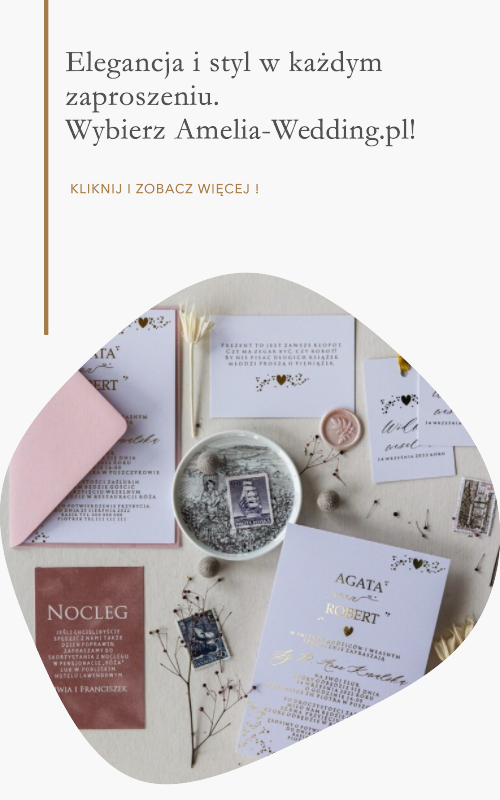
In the context of who to invite to the wedding, thoughtful wedding invitations play a key role. This decision should be the result of deep reflection on who is truly important to the couple and who can contribute to creating a positive, love-filled atmosphere. Including people with whom we share strong emotional bonds not only ensures unforgettable memories but also makes the entire ceremony more personal and authentic. It is also worth remembering that every invitation is an expression of appreciation and respect for the invited person, highlighting their special role in the couple's life.
Creating a guest list is a process that requires time, empathy, and often difficult decisions. By keeping these principles in mind, you can build a list that best reflects the character and spirit of this special day while respecting your budget and personal preferences.
Who is better to skip? Practical tips
Ex-partners – avoid awkward situations
The decision not to invite ex-partners to a wedding is often driven by the desire to avoid awkward and potentially stressful situations. Wedding etiquette suggests that this special day should be free from any negative emotions and unnecessary tension. Inviting people from the past, especially those with whom the relationship did not end well, can distract from the celebration of love and joy. Of course, there are situations where relationships with ex-partners have evolved into friendly or neutral ones, but even then, it is worth carefully considering the potential impact of their presence on the wedding atmosphere and the well-being of both parties.
Neighbors and colleagues – when is it worth inviting them?
In the case of neighbors and colleagues, the decision to invite them depends on several factors. Who not to invite to the wedding? Certainly those with whom the relationship is superficial or purely professional. However, if the working relationship has turned into a deeper friendship or neighbors have become part of your social circle, their presence on the guest list may be justified. It is important to make these choices based not only on social expectations but primarily on personal comfort and the significance of these people in your life. Guest comfort is also important – inviting people with whom you have good relationships fosters a positive atmosphere during the celebration.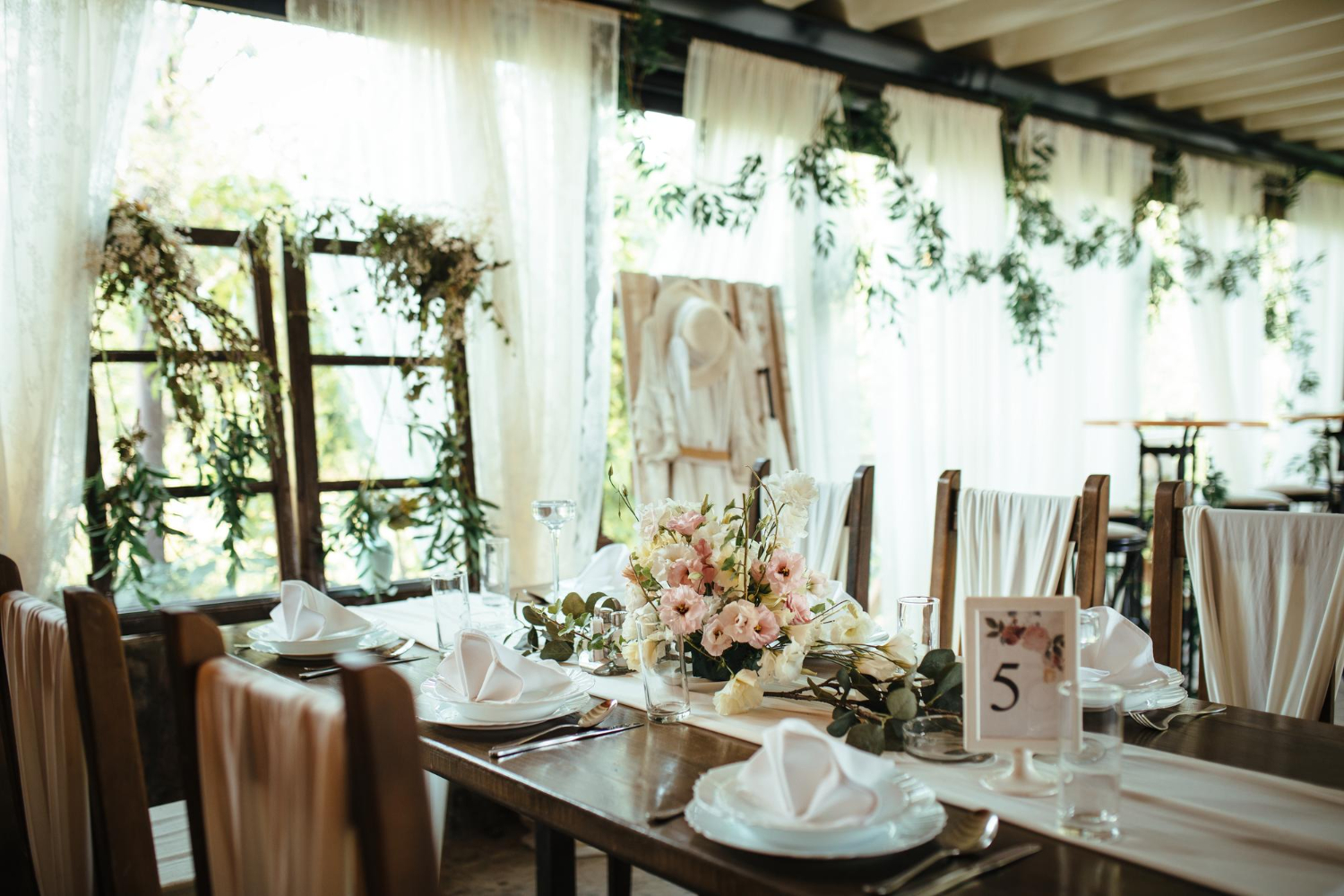
Parents' friends – who is worth considering?
The last group worth considering is parents' friends. Here, the rules of wedding etiquette are slightly more flexible and may depend on individual family relationships and traditions. In many cases, parents want to invite their long-time friends, which is understandable. However, it is crucial that these decisions are consulted with the couple. Parents' friends who have influenced your life or with whom you have close relationships yourself certainly deserve a place on the guest list. It is important, however, to maintain balance and ensure that the guest list reflects primarily your wishes and expectations as a couple.
Remember that wedding etiquette aims not only to preserve tradition and good manners but primarily to ensure that your wedding is a day full of love, joy, and celebration of your relationship. Decisions about who not to invite, although sometimes difficult, are an important part of planning this special day.
How to politely say "no"?
Assertiveness with family and friends
Being assertive does not mean being rude; on the contrary, it is about the ability to express your own needs and boundaries in a way that respects both yourself and others. When we talk about assertiveness in the context of a guest list, it is crucial to communicate your decisions clearly and understandably. During conversations with family and friends, it is important to convey that every decision regarding the guest list was thought out and stems from a specific situation – for example, budget or space constraints. Using "I" statements can help, e.g., "My partner and I have decided that...", which shows unity in the decision and helps maintain boundaries.
Preparing gentle refusal phrases
Gentle refusal phrases are essential to maintain good relationships, even if we have to say "no". How to decline an invitation? It is important that the response is both sincere and tactful. You can, for example, say: "We would love for you to be with us on this day, but unfortunately, due to space/financial constraints, we are forced to narrow down the guest list significantly." Such a phrase expresses regret regarding the situation and emphasizes the difficulty of the decision, while explaining the reasons. It is key to make it clear that the decision was not easy and does not stem from a lack of desire to invite the person.
Informing about limited capacity
When it comes to a limited guest list, transparency is extremely important. A good practice is to inform people about the planned nature of the celebration as early as possible, which allows potential guests to understand the situation. This can be done, for example, through personal conversations, emails, or even specially prepared information included in invitations for those who will be invited to the ceremony but not the reception. Emphasizing that every invitation is an expression of how important the person is in your life, but decisions had to be made due to specific circumstances, will help maintain good relationships and understanding from those not invited.
Remember that the art of communication and expressing refusal in a polite and thoughtful way is key to not only maintaining positive relationships with loved ones but also ensuring that this special day remains joyful and free from unnecessary stress.
Special cases: children and plus-ones
The decision to invite children to the wedding
When considering children at the wedding, we face a choice that can significantly affect the atmosphere and flow of the celebration. This decision should be thoughtful and adapted to the character and form of the reception. For many couples, the presence of children at the wedding is a joyful element adding a unique, family character to the celebration. However, for others, it can be a source of potential stress, especially if elegant, adult-oriented attractions are planned that are not suitable for younger participants. It is worth considering whether the wedding is to be family-friendly or if a more intimate atmosphere for adults is preferred. Wedding etiquette suggests clearly and proactively communicating the decision to guests to avoid misunderstandings and ensure comfortable conditions for everyone to celebrate.
How to approach the "plus one" issue?
Invitations for plus-ones, i.e., +1 invitations, are another aspect requiring attention. This practice, although generous and open, can quickly increase the number of guests, which will affect the budget and organization of the reception. When making decisions about plus-ones, it is worth following several factors: the closeness of the relationship with the main guest, the potential comfort of single people at the wedding, as well as organizational and financial capabilities. In situations where the couple decides to limit +1 invitations, it is key to use tactical and polite communication, explaining the reasons for this decision while emphasizing the value of each individual guest.
Invitations for singles – a modern approach
A modern approach to invitations for singles to a wedding encourages couples to reflect on how to make the celebration as inclusive and pleasant as possible for all participants, regardless of their marital status. Increasingly, couples are choosing to create conditions that facilitate meeting new people and integration, e.g., through specially designed games and activities, or through thoughtful seating arrangements. Such a conscious approach not only increases guest comfort but also enriches the entire celebration with an additional social dimension. It is worth remembering that a wedding is a special time of celebrating love, which is best shared in an atmosphere of openness and acceptance.
When making these decisions, it is always key to base them on the principles of empathy and respect for the feelings and needs of guests, while ensuring consistency and harmony with the vision and character of your wedding.
Organizational golden rules: from invitations to thank-yous
When to send invitations?
Wedding invitations should be sent with sufficient notice so that guests can plan their attendance. It is recommended that invitations be sent 3 to 6 months before the planned wedding date. For weddings taking place abroad or in hard-to-reach locations, even more notice is recommended, up to 8-12 months. Such organization allows guests to arrange time off work, book accommodation, and, in some cases, take advantage of better flight prices.
Logistical information for guests – how to convey it?
Providing guests with comprehensive logistical information is key to the smooth running of the celebration. This information can be conveyed through specially prepared inserts included with the invitations, via a wedding website, or through social media. It is important that they contain not only basic data such as the date, place, and time of the ceremony but also details regarding directions, parking options, available accommodation, and the wedding day schedule. For out-of-town guests, it is also worth preparing a short guide to the immediate area, marking key points such as gas stations, pharmacies, or tourist attractions.
Thank-you gifts for guests – an elegant gesture of gratitude
Sending thank-you gifts for guests after the wedding is an elegant way to express gratitude for their presence and any gifts received. These thank-yous can take the form of traditional thank-you cards, personalized emails, or even creative video thank-yous. It is important that they are sincere and personalized, which may require some effort but is an expression of true gratitude and respect. It is recommended that thank-yous be sent within three months after the celebration, which allows for maintaining good relationships and leaving a pleasant memory of the time spent together.
Remember that each of these steps – from invitations to thank-yous – is part of the larger narrative of your wedding, creating a coherent and unforgettable story that will be remembered for years.
Summary: Your wedding, your rules
A reminder of priorities and your own comfort
When planning a wedding, a key aspect is remembering what is most important to you. A unique wedding does not mean blindly following trends or the expectations of others, but creating a day that reflects your personalities, values, and dreams. Regardless of whether you dream of a grand gala or an intimate ceremony with your closest ones, your comfort and satisfaction should come first. Remember that you are the hosts of this special day, and your decisions shape its final character.
How to stay true to yourself while planning the guest list?
Staying true to yourself while planning the guest list is a challenge, but a necessary element of a successful wedding. It is important to remember that guest list planning should not be a process driven solely by convention or external pressure. Decisions about who to invite should be thoughtful and reflect your actual relationships with people. This is a good time to think about who has influenced your life and who you would like to have by your side on this special day. Transparency and open communication with family and friends can help maintain peace and understanding for your decisions.
Why is every wedding different and unique?
Every wedding is a reflection of individual stories, dreams, and relationships. Wedding satisfaction comes not from the amount of money spent or the size of the reception, but from the feeling that the day was authentic and true to you as a couple. A wedding is not just a ceremony, but also an expression of personal values and aesthetics. Remember that there is no one "correct" way to celebrate love – every wedding is different because every couple is different. Embracing your uniqueness and making choices that reflect who you are will ensure your wedding is not only memorable but deeply satisfying.
To get even more inspired and delve into topics related to wedding planning, we recommend a few articles from our blog:
- What does marriage mean to a person?
- How to send wedding invitations?
- How to choose the perfect date for your wedding?
- Tips for choosing and buying wedding rings
- Musical inspiration for the wedding: what songs are perfect for the first dance?
Remember that your wedding is your rules. By staying true to yourself and your values, you will create a day that you will cherish for years to come.