Alternative Honeymoon – Ideas for an Extraordinary Trip for Adventurous Couples
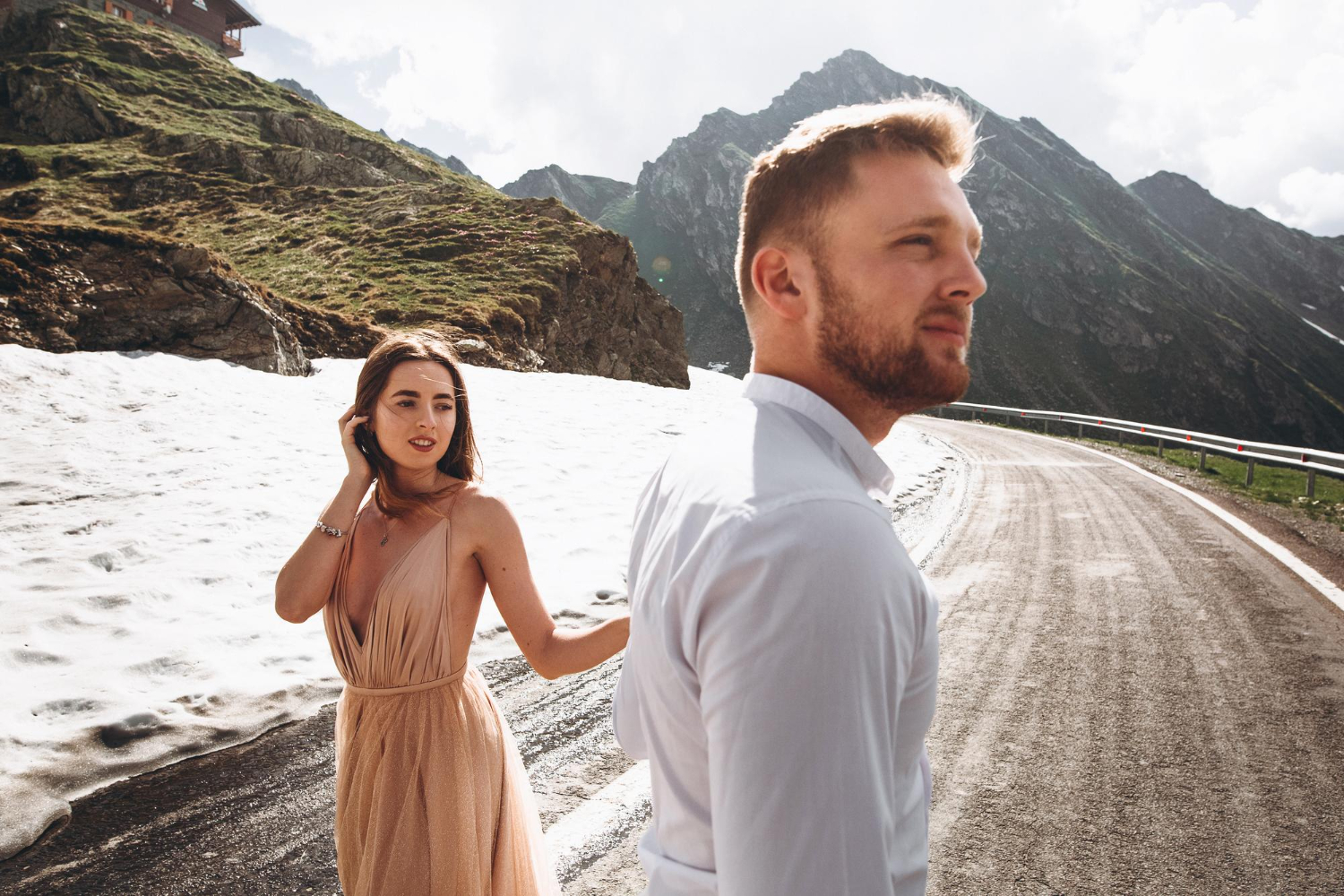
After the intense preparations for your wedding and reception, the moment of respite has finally arrived. You have one of the most important days of your life behind you – you said the sacramental "I do" and celebrated until dawn. Earlier, you took care of every detail: you sent out elegant wedding invitations to family and friends, set up stylish place cards with your guests' names, and finally gifted your loved ones small tokens as wedding favors. Now that the wedding emotions have settled, it's time to plan the next exciting stage – the honeymoon. Not everyone dreams of a traditional stay at an all-inclusive beach resort. More and more newlyweds are looking for unconventional honeymoon ideas, wishing to experience something truly extraordinary together. If you are adventure seekers and want your honeymoon to be one of a kind, explore five alternative proposals for an action-packed honeymoon. From a campervan trip across Europe, through mountain trekking and sea voyages, to volunteering abroad or even a trip around the world – here are ideas for couples who desire something more than a typical getaway. Remember that an unconventional honeymoon can become the adventure of a lifetime and a wonderful start to your marriage, provided you plan it properly and tailor it to your own preferences. Enjoy the read and get inspired by the ideas below!
Campervan Honeymoon through Europe – Freedom on Four Wheels
A Romantic Adventure in a Home on Wheels
Can you imagine hitting the road right after your wedding, with your own campervan as your "hotel" and the complete freedom to stop wherever you want? A campervan honeymoon is a proposal for couples who love freedom, spontaneity, and closeness to nature. Instead of spending a week in one resort, you wake up in a different place every day – once on the shores of an Alpine lake, another time on a cliff overlooking the sea, or amidst a fragrant pine forest. Such a mobile journey allows you to literally escape the beaten path and find your own romantic corners away from the crowds. Morning coffee on the beach at sunrise, an evening campfire under a starry sky, or a nap for two to the sound of waves – these are just some of the magical moments a campervan expedition provides. A honeymoon in a camper means adventure 24 hours a day: you decide where you go and how long you stay. For many couples, this unlimited freedom and the constantly changing landscape outside the window is a travel dream come true and the perfect start to life together. However, it is important that both spouses enjoy this style of travel – if you value the comfort of five-star hotels more than camping vibes, a multi-week trek through the wilderness might prove to be a challenge. But for adventure lovers, a campervan trip will be a bullseye: it will teach cooperation, compromise, and enjoying simple things, while providing unforgettable memories. After all, nothing brings people closer like covering miles together and discovering the world as a duo.
The Most Interesting Campervan Routes in Europe
Europe offers plenty of picturesque routes perfect for a campervan honeymoon. It all depends on your preferences – you can head south in search of the sun, north for the raw beauty of nature, or plan a true Eurotrip from ocean to sea. One classic idea is a journey along the Adriatic coast. Imagine: you start in Venice, Italy, or picturesque Tuscany, from where you head east through sunny Croatia. Along the way, you stop in charming Dalmatian towns, swim in azure bays, and taste local cuisine. Then you continue south, discovering the wild beaches of Montenegro and the spectacular cliffs of Albania, ending the journey in ancient Greek cities. Every day brings a new scenery – from ancient ruins and olive groves to the turquoise sea – and you decide where to make the next stop. Another great direction is Northern Europe: the fairytale fjords of Norway and further north, beyond the Arctic Circle. Such a route leads through majestic mountains, glaciers, and waterfalls – you can see the Northern Lights in Lofoten, experience white nights in Finland, and even reach Nordkapp, the edge of the continent, by camper. Along the way, you'll find not only raw landscapes but also charming Scandinavian villages and incredibly clean campsites in the middle of wild nature. For fans of wine and romantic towns, a route through France and Spain will be an interesting option – from the castles of the Loire Valley, through the lavender fields of Provence and the French Riviera, to the Spanish Costa Brava and further towards Andalusia. The possibilities are endless: from the Irish Cliffs of Moher to the fairytales of Lake Balaton in Hungary, Europe tempts with diversity. The key is to choose places that excite you most – maybe you both love mountains, or you're drawn to the sea? With a campervan trip, you can combine both, e.g., visiting both beaches and mountain passes. Even planning the route will be fun, as you'll jointly create visions of adventures and pick points on the map you've always wanted to see.

Avril No. 10 Wedding Invitation – Beige, Gold & Satin Bow

Minimalist Wedding Invitations – Glare No. 1 with Embossed Frame

Kraft No. 13 Wedding Invitation – Minimalist Style in White
Planning the Route and Campsite Stays
Although a campervan trip is associated with spontaneity, it's worth spending time preparing a plan – at least a framework. Start by outlining the main points of the journey and checking the distances between them. Remember that a honeymoon is not a race – it's better to plan fewer places but have time to enjoy them, instead of rushing hundreds of miles every day. Once you've chosen a direction, look into the regulations regarding campervans in those countries. For example, in some places, so-called "wild camping" (staying in a camper outside an official site) is allowed, but in other countries, it is prohibited or restricted. Before setting off, check the list of campsites on the route – especially in popular regions, it's worth booking a spot in advance, particularly during peak season. A good campsite will provide access to a shower, toilet, sometimes laundry facilities, or a power connection, and is often located in a picturesque area. However, don't be afraid to leave some room for spontaneity – the most beautiful moments often wait off the beaten path. Maybe you'll see a sign for an interesting viewpoint and decide to detour? Or you'll hear from a fellow traveler about a charming place that wasn't in the guidebook and decide to stay the night there. A plan is one thing, but the ability to take an elastic approach is another important trait of a successful campervan expedition. An important element of planning is overnight stays – identify potential stopping points for each day, but also have a plan B. Apps for campervan users or internet forums are full of reviews of campsites and stopping points – it's worth using them. Also, remember mundane issues like regularly refilling water tanks, dumping waste, or charging batteries – logistics on the road are important for the journey to run comfortably. When planning the route, include time for sightseeing and rest – maybe you'll spend one afternoon lazily in a hammock by the camper instead of driving further? Such a balance between sightseeing and relaxation will ensure you return from your honeymoon full of energy, not exhausted.
Practical Tips for Campervan Travelers
Before you hit the road, it's worth knowing a few practical tips that will make your life easier during a campervan trip. First, renting or owning a campervan? If you're just starting your adventure with caravanning and don't own a vehicle, the best option will be to rent a camper. There are many rental companies on the market offering various models – from compact vans to large family campers. It's good to see the vehicle beforehand or at least read reviews to choose one that meets your needs (e.g., a comfortable bed for two, kitchen equipment, shower). The cost of renting a camper depends on the season, vehicle class, and rental duration – prices are highest in summer and drop off-season. For orientation: a basic camper model can be rented off-peak from about 200–300 PLN per day, while luxury, new campers in the middle of summer can cost 700–800 PLN per day. Add fuel to this – a camper burns more than a passenger car (average 8-12 l/100 km, and even more at higher speeds). It's worth assuming a slightly higher fuel budget, especially if you plan to cover thousands of miles, to avoid unpleasant surprises. Also, remember highway fees in different countries (vignettes in Switzerland, Austria, toll gates in France, Italy, etc.) – this should also be included in the cost estimate. Despite these expenses, a campervan trip often turns out to be more financially beneficial than a classic tour with hotel stays because you save on accommodation and some meals. A camper has a kitchen, so you can prepare meals yourself from local products – cooking together outdoors can also be fun and an integrating element for the young couple. For peace of mind before leaving, make a packing list: bedding and sleeping bags, quick-drying towels, headlamps, mosquito repellent, basic spices and food products for the start, and a first-aid kit. A good idea is a short "test" of the camper – rent it for a trial weekend before a longer trip. You'll see how you feel in a home on wheels, learn how to operate the equipment (gas fridge, chemical toilet, heating), and check if this form of travel suits you. It's better to discover any difficulties during a two-day trip than during a month-long honeymoon. Finally, remember the documents: if you plan to travel by camper abroad, make sure your driver's license is honored. In countries outside the EU, an international driving permit may be required. Ensure you have appropriate motor insurance (Green Card in countries where required) and travel insurance for yourselves. With everything prepared, you can head off to adventure. A campervan honeymoon is an incredible experience – a bit like a test of your teamwork, but above all, great fun. Covering miles together, solving minor problems on the road, and sharing awe over the views will make you return even closer. This freedom on four wheels will make your honeymoon a colorful mosaic of adventures that you will look back on with a smile.

Glamour Wedding Place Cards with Pearls – Pearls No. 1 White

Minimalist Wedding Place Cards – Glare No. 1 with Embossed Border

Impresja No. 4 Wedding Place Cards – Romantic Blue Hydrangea Table Cards
Mountain Honeymoon – A Trekking Adventure for Two
Table of Contents:
- Campervan Honeymoon through Europe – Freedom on Four Wheels
- Mountain Honeymoon – A Trekking Adventure for Two
- Honeymoon Under Sail – A Romantic Cruise Toward Adventure
- Honeymoon with a Mission – Volunteering Abroad
- Several Countries at Once – A Round-the-World Honeymoon
- Memories from Around the World for a Lifetime
- Conclusion / Call to Action
Instead of Beaches – An Adrenaline-Filled Expedition on the Trail
For many newlyweds, a dream honeymoon means white sand and the sound of the ocean, but if you prefer activity, fresh mountain air, and spectacular panoramas over lying under a palm tree, mountain trekking might be your honeymoon idea. Imagine conquering mountain peaks together, staying in huts high in the clouds or under a tent with a million stars overhead – it sounds like a script from an adventure movie, and it can become your reality. A mountain honeymoon is a proposal for couples who love movement, nature, and aren't afraid of effort. You swap beach flip-flops for solid trekking boots, the hotel pool for a crystal-clear glacial lake, and elegant dinners for a meal cooked on a camping stove somewhere on a mountain slope. Such a trip will provide you not only with a dose of adrenaline and unforgettable views but also with immense satisfaction from overcoming difficulties together. Every subsequent mile of walking and every peak conquered will be a valuable experience building your bond. Climbing side by side, you will support each other in moments of fatigue and celebrate the goal achieved at the summit together – this teaches trust and shows that you can face challenges together. Such joint action is a great test before life's challenges, as we write more about in the article: Planning a Wedding Together Without Arguments: How to Organize a Wedding and Stay Calm? Of course, this form of honeymoon is demanding. You have to account for physical effort, sometimes discomfort (lack of a shower or a soft bed in a hut can be a challenge), and changeable weather. But in return, you get something priceless – a sense of true adventure. The morning view of a sea of clouds stretching in the valley, the sound of the wind among the crags, and the awareness that you have just conquered a peak together will stay with you forever. If you both feel comfortable in mountain climates, such a honeymoon will be a hit. If only one of you is an avid mountaineer and the other less so – it's worth starting with easier routes and gradually increasing the difficulty so that everyone finds joy in it. Remember, it's your honeymoon – it's not about breaking records, but about the shared joy of discovering the world on your terms. Mountain trekking can provide this joy in its purest form, offering both romance (nothing brings you closer like cuddling by a campfire at 2000m altitude) and a thrill of excitement.
The Most Beautiful Trekking Destinations for a Honeymoon
The world is open to newlyweds hungry for mountain hikes. Depending on time, budget, and fitness, you can go trekking in Poland, Europe, or the farthest corners of the globe. If you only have a few days, Polish mountains can also enchant – the classic is the Tatra Mountains (hiking the Western Tatras ridge, staying in the Ornak or Five Lakes huts, walking to Morskie Oko at dawn when there are no crowds), but the less crowded Bieszczady can be equally beautiful. Imagine an autumn honeymoon on the Bieszczady pastures: golden grasses, empty trails, evenings by the fireplace in a wooden hut – romance guaranteed. If, however, you dream of higher mountains and exoticism, the possibilities are endless. The Himalayas in Nepal are a dream for many trekkers – the famous trail to Everest Base Camp or around Annapurna will allow you to find yourselves among the highest peaks in the world. Such an expedition is about two weeks of hiking, crossing hanging bridges, Himalayan villages, and prayer flags fluttering on passes. You do have to face high altitudes (over 5000m), but the reward will be views you haven't even dreamed of and the satisfaction of being where few reach. Another wonderful direction is the Andes in South America. Peru offers the famous Inca Trail to Machu Picchu – a multi-day trek through mountains and jungle, ending with a sunrise entry into the legendary "Lost City." It's a magical experience, and additionally, you can combine it with visiting Cusco and the Sacred Valley or a trip to Lake Titicaca. For couples with truly good fitness and high mountain ambitions, conquering Kilimanjaro in Tanzania will be an extraordinary honeymoon. The Roof of Africa (5895m) is achievable via trekking without specialist equipment but requires acclimatization – six to seven days of walking through different climate zones, from tropical forests to the lunar landscape of the higher parts, to stand together on Uhuru Peak at sunrise and see the shadow of Africa's highest mountain falling on the clouds. Such a start to marriage will surely be written in gold in your shared memories. For lovers of wild nature, Patagonia on the border of Chile and Argentina can be recommended – trekking in Torres del Paine Park or under Fitz Roy, surrounded by glaciers, granite towers, and azure lakes, is considered one of the most beautiful in the world. You'll also be close to nature in New Zealand, famous for its so-called Great Walks – picturesque trails through mountains, fjords, and rainforests (e.g., Milford Track or Tongariro Alpine Crossing, where scenes for "The Lord of the Rings" were filmed). If you prefer something closer to Europe – the Alps await with the Mont Blanc massif (you can go around it on the Tour du Mont Blanc trail through France, Italy, and Switzerland) or the Dolomites in Italy, whose jagged peaks provide a spectacular backdrop for hikes. Meanwhile, the Caucasus in Georgia tempts with wildness – trekking to the glacier under Ushba or to the village of Ushguli in Svaneti is an encounter with authentic, raw mountain beauty and local culture (delicious khachapuri on the trail!). Each of these directions can become the setting for your honeymoon adventure – it's important to match it to your dreams and capabilities. It's not about exhausting yourselves, but about jointly enjoying every moment on the way. Sometimes it's better to choose a simpler trail with beautiful views and have energy for a romantic candlelit evening in a hut than to throw yourselves onto an extremely difficult route and collapse from exhaustion. Fortunately, the range of trekking offers is so rich that everyone will find something for themselves – from gentle walks in Beskid valleys to expeditions to the end of the world.

Mini Chocolate Favours 'Pearls No. 1' – Luxury Wedding Favours with Pearl Accents

Rubin No. 2 Wedding Scratch Cards – Gold Foiled Roses and Wedding Favours

Golden Fortune Cookies with Personalized Label | Affordable Wedding Favours | Cejla No. 3
Preparation and Safety on a Mountain Expedition
For a mountain honeymoon to be successful, you must prepare well – both in terms of equipment, fitness, and safety. The key is realistically assessing your strength. If you don't hike mountains daily, start with shorter and easier routes, not jumping straight to the Himalayas. You can practice your fitness before leaving – regular walks, running, or trips to nearby trails will help your body adjust to the effort. In the case of very high mountains, remember acclimatization – e.g., in the Andes or Himalayas, you should give yourselves a few days to get used to the altitude, drink plenty of water, avoid alcohol, and go at your own pace. Symptoms of altitude sickness (headaches, nausea, dizziness) are a signal to stop or go lower – health is more important than the ambition to reach the summit. Packing for a trek requires thought because you carry everything on your own backs (alternatively, some things can be carried by a guide or pack animals if you use local help). Opt for good technical clothing: trekking boots necessarily broken in before the trip, breathable clothing that protects against both cold and sun (it's easy to get sunburned at high altitudes, so a cap and sunscreen are a must!), a rain and wind jacket. A headlamp, trekking poles, and a first-aid kit with basic equipment (blister plasters, elastic bandage, painkillers, something for the stomach) will also come in handy. Remember, the lighter the backpacks, the more pleasant the walk, so only take essential things – during a trek, a person doesn't need much anyway, and every saved pound is less fatigue. An important element of preparation is gathering information about the trail: check weather forecasts, stage lengths, availability of drinking water on the way (whether you need to carry a supply, or if there are streams/huts), and any permit requirements or fees (e.g., in national parks). Safety should come first. In the mountains, weather and conditions can change within an hour – have a backup plan in case the weather breaks. Don't hesitate to change plans if necessary – giving up on a summit is no shame, especially when you have decades together and opportunities to return. It's better to return home safely, perhaps with a sense of unfinished business, than to expose yourselves to unnecessary risk. In unknown terrain, consider hiring a local guide – they will not only lead you more confidently and tell you about the area but also provide support if difficulties arise. It's always better in a group. It's also worth buying good travel insurance covering mountain rescue (e.g., a helicopter in the Himalayas costs a fortune, better to have it insured). Take care of each other – monitor how you feel, take breaks for rest and energy snacks (nuts, chocolate, dried fruit). Climbing as a duo, remember that you are a team: sometimes one will have a worse day, then the other can offer encouragement and take some of the weight, and other times vice versa. Such moments teach empathy and mutual support – and that's exactly what marriage is about. At the end of the day, when you sit tired together in front of a hut with a cup of tea, watching the sun set behind the peaks, you will feel immense pride and happiness. Shared trekking brings people closer and builds trust – after such an expedition, you will feel that together you can move mountains (sometimes literally!). Every difficult moment on the trail that you overcome together will become an anecdote to tell and the cement of your relationship. A mountain honeymoon is not just beautiful photos against panoramas, but above all, a school of partnership and communication. When you return to daily life, you will long remember this marital test in the field, probably already planning your next mountain adventures – because mountains can be addictive, especially when discovered by the side of a loved one.
Honeymoon Under Sail – A Romantic Cruise Toward Adventure
The Charm and Freedom of Sailing for Two
Rustling waves, wind in your hair, a sunset watched from the deck of a yacht – can you imagine a more picturesque setting for lovers? A honeymoon at sea is a proposal for couples who dream of a unique, nautical honeymoon atmosphere. A sea cruise combines a romantic and adventurous element: on one hand, intimacy and peace as you sail alone among the vastness of the waters, on the other, a note of excitement – because sailing is an element, adventure, and constant discovery of new places. A honeymoon under sail gives you freedom similar to a campervan trip, but instead of roads, there are sea routes, and instead of mountains – blue waves and coastal towns. Such an expedition can be extremely romantic: in the morning you wake up in a small cabin gently rocked by the waves, you go out on deck to greet the day with a cup of coffee, and all around is only water and the rising sun. In the evening you moor in a secluded bay where there is no one but you – you swim at dusk in the warm sea, and have a candlelit dinner on deck accompanied by cicadas and the sound of waves. Romantic atmosphere guaranteed! Sailing also teaches teamwork – on the yacht, you will raise sails together, choose a course, and moor in ports. There is nothing more satisfying than the feeling that you are jointly leading the boat to its destination. Even if you hire a skipper (a professional captain), you can get involved in steering or navigation under their eye, gaining new skills and having fun. For couples who like active leisure, a sailing cruise is a chance to learn something new and experience mini-adventures every day – whether a group of dolphins escorts the yacht, or you have to quickly react together to a weather change by reefing sails before a stronger wind arrives. Of course, you can also opt for full relaxation – enjoy the sun on deck, swim in turquoise lagoons, and visit port towns during stops. The plus of a honeymoon under sail is the variety of experiences: a bit of lazing, a bit of sailing adrenaline, plenty of sightseeing, and closeness to nature. It's also a disconnection from daily life – at sea, you don't think about emails or duties, you just live in the moment, here and now, in the rhythm of the waves. It is important, however, that both partners feel good on the water. If neither of you has sailed before, a short trial cruise (even a weekend on the lakes or the coast) is a good idea to check if you suffer from seasickness and if this style of relaxation suits you. Most people quickly get used to the rocking, but it's better to be safe than sorry – it's easier to prevent than treat feeling unwell (seasickness tablets, wristbands, or even simple ways like chewing ginger help). If these trifles don't deter you, the cruise will be an amazing experience that will connect you even more. After all, nothing builds a bond like facing nature together and enjoying its beauty in your own, intimate way.

Flores No. 1 Soy Candle in Gypsum – Gilded Wedding Favour

Personalized Lavender Soy Candles | Wedding Guest Favours & Gifts | Nefryt No. 3

Cejla No. 13 Soy Candle – Mountain Motif Wedding Favours
Best Destinations for a Honeymoon Cruise
Where can you go on a honeymoon cruise? The possibilities are truly many – from warm southern seas to local waters. For many European couples, cruises in the Mediterranean basin are number one. This region is relatively close, with a favorable climate and plenty of attractions. Croatia is particularly popular, called a sailor's paradise – its Dalmatian coast is dotted with hundreds of picturesque islands and islets, from those teeming with life (like Hvar or Brač) to uninhabited, quiet bays where you can drop anchor just for two. The sailing infrastructure in Croatia is great: there are many marinas, and conditions are generally favorable even for the less experienced (in summer, the wind is moderate, and the islands protect against large waves). You can start in Split or Dubrovnik and for a week or two cruise from port to port, discovering medieval towns, hidden beaches, and enjoying Mediterranean cuisine. An alternative could be Greece – a cruise among the Greek islands (e.g., the Cyclades in the Aegean Sea or the Ionian on the western side of Greece) is a combination of sailing with history and culture. Every day you can moor in a different place: once by the white houses of Santorini, another time in a fishing port on a small island where time has stood still. Greek winds (like the famous Meltemi in the Cyclades) can be a bit stronger, so this is a route for those a bit more practiced or with a skipper, but the views and atmosphere are worth it. If you dream of more exotic vibes, the Caribbean tempts with turquoise water and tropical scenery straight from a postcard. A cruise between Caribbean islands – e.g., the Lesser Antilles archipelago (Martinique, Saint Lucia, Grenadines) – will allow you to taste life in the rhythm of reggae: swimming on coral reefs, beaches with palms, and rum cocktails under a starry sky. Remember, however, that the best time for the Caribbean is our winter (December–April), because summer is hurricane season there. Also, the Seychelles or French Polynesia are dreams for many sailors – the expanses of the Indian or Pacific Ocean, atolls, lagoons full of colorful fish, and paradise nature. These are, however, quite expensive directions and require more experience (ocean sailing), so when planning such a cruise, it's worth having a professional crew on board. Returning to closer waters – the Baltic and North Sea also offer interesting routes for sailing enthusiasts, though of a more raw character. You can, for example, sail around the Danish islands, visit picturesque Swedish Karlskrona, or the Finnish Åland Islands. The plus is the lack of heat and crowds, the minus is colder water and more capricious weather. For people who prefer calmer inland waters, the Masurian Lake District in Poland will be an ideal solution – maybe less "epic" than the sea, but extremely charming. A week in the Land of the Great Masurian Lakes, sailing from lake to lake, evenings in a tavern with sea shanties and fresh fish – this can also be a beautiful way to spend a honeymoon, especially if you value local vibes and want to avoid long journeys. In summary, choose your honeymoon cruise destination according to your dreams and skills. The Mediterranean warm wind or the exoticism of the Caribbean – every place has its charm. It's important that both find joy in the direction you set, because a shared passion for discovering new ports is the key here.
How to Plan a Sailing Honeymoon Expedition
Planning a honeymoon under sail should start with appropriate lead time, especially if you don't have your own boat. The first decision is: do you sail independently or with a hired skipper/crew? If one of you has a sailing license (e.g., yacht skipper) and you feel confident leading a yacht independently, you can rent a so-called bareboat, i.e., a yacht without a crew. This requires some experience, however – steering a several-dozen-foot sea yacht is not the same as a small dinghy on a lake. So if you're not sure of your skills or simply want to focus more on each other than on navigation, a sensible solution is hiring a skipper. Such a person takes responsibility for leading the yacht, and you can both help on deck and fully enjoy your holiday. Many skippers are very flexible – they will adapt the route to your wishes, show you the most beautiful corners, and at the same time discreetly step back when you want privacy (e.g., in the evening at an anchorage). The cost of a skipper is an additional expense, but for two people, the entire charter expedition can still be comparable in price to exotic holidays, especially when traveling with another couple or group (although a honeymoon suggests a more intimate cruise for two). Another matter is yacht rental. In Croatia, Greece, or other popular places, many charter companies operate. You can use the services of an agent or look for offers online yourself. Pay attention to the size of the yacht (for two people, 30–40 feet in length is perfectly sufficient), the year, and equipment (is there a WC cabin with a shower – useful if you plan to sleep outside ports; is there a galley with a fridge, etc.). Make sure of the terms – yacht deposit, insurance, what is included in the price (often the outboard motor for the dinghy, final cleaning, or bedding are paid extra). Once you have the yacht, plan the cruise route, but flexibly. It's good to set daily segments – e.g., 3-4 hours of sailing, then a stop, sightseeing. Avoid an overly tight schedule; a cruise is meant to be a pleasure, not a race against time. Take local wind conditions into account – e.g., if in a given area it always blows stronger in the afternoons, it's better to sail in the morning and have a stop after lunch. Pack sensibly – space on a yacht is limited, so soft bags instead of hard suitcases, quick-drying things, swimwear, something warmer for the evening (it can get chilly at sea after sunset even in summer). Sunscreen, sunglasses, and a hat will be essential – the sun reflected off the water tans double. A thin foul weather jacket or windbreaker for water spray and eventual rain will also come in handy. Take care of provisions – when setting off on a cruise, stock up on food and drinking water for a few days (you'll refill in ports later). Cooking together in the galley is fun, but you'll probably also want to try local flavors in seaside eateries – so it's worth planning the route to stop every now and then in a town famous for good cuisine. Also think about safety: before sailing, the skipper (you or the hired one) should give a short briefing – where the life jackets are, how to use the VHF radio if needed, what the plan is in case of a storm. Checking the weather forecast daily is a duty – fortunately, in the age of the internet and phone apps, it's easy even at sea (mobile network often reaches near islands, and further out you can have a small satellite internet modem or forecasts via radio). If a storm is predicted, it's best to wait it out in port. Don't bite off more than you can chew – the sea requires humility, so the plan should always include a safety margin. When you take care of all these aspects, a honeymoon cruise will be a wonderful experience. Every day new views, a piece of your private world on the yacht deck, and memories that will long bring a smile. Such a journey proves that together you can sail through life under full sails, avoiding shallows and enjoying a fair wind.

Emerald Elegance No. 1 Wedding Place Cards – Satin Ribbon Tags with White Print

Glamour Wedding Place Cards No. 1 – Satin Name Cards with White Print

Cappuccino Wedding Place Cards No. 1 – Satin Ribbon Table Name Cards
Honeymoon with a Mission – Volunteering Abroad
A Honeymoon Unlike Any Other – Helping Instead of Sunbathing
What if during your honeymoon you not only enjoyed each other and discovering new places but also did something good for others? For couples who have a spirit of altruism and want to experience their honeymoon more meaningfully, volunteering abroad is an interesting idea. Sounds unconventional? Indeed, because few people combine a honeymoon with work, but that's exactly why it can be an extraordinary and extremely satisfying honeymoon. Instead of traditional relaxation, you decide to dedicate some of your time and energy to help those in need – whether people, animals, or the natural environment – in the place you choose to go. Imagine going somewhere far away and not just being tourists there, but participants in the life of the local community, volunteers who leave the world a little better than they found it. Maybe you've always dreamed of seeing Africa, but at the same time, you were moved by the fate of wild animals? On your honeymoon, you can combine both, e.g., by signing up for volunteering in a nature reserve, helping care for orphaned baby elephants in Kenya or protecting sea turtles on the beaches of Tanzania. Working together on such a project will be not only an adventure but also a deeply moving experience that will strengthen your bond. For others, inspiration may be helping people – e.g., a trip to South America and volunteering in schools in the Peruvian province, where you teach children English or IT, or joining a project to build wells in villages in Asia. The possibilities are many and depend on your interests and skills. Such a honeymoon with a missionary flair has a huge emotional charge. Of course, it won't be a typical luxury holiday – on the contrary, modest accommodation, simple food, real work, and commitment often await you. But in return, you get something no hotel can provide: true, authentic experiences and the gratitude of the people or organizations you help. Working together as volunteers will also give you a new perspective on each other – you'll see how your other half manages in unusual conditions, how they show empathy, patience, and creativity. This builds immense respect and admiration for your partner. A honeymoon spent this way will certainly leave a mark in your hearts – you will remember not only the places you saw but also the people you helped, and perhaps this will start your shared tradition of engaging in volunteering in the future. Of course, this is not an idea for everyone – if you mainly dreamed of carefree rest, it probably won't be fulfilled during volunteering. But if you expect deeper experiences from your holidays and want your honeymoon to also have a dimension of values, consider this option. You can also combine it with elements of relaxation – e.g., after two weeks of volunteering, treat yourselves to a week of rest in the area so as not to return from the trip completely exhausted. Volunteering on a honeymoon is proof that romance and idealism can go hand in hand – you do something good together, and that gives incredible satisfaction and a sense of unity.
Forms of Volunteering for Traveling Newlyweds
Volunteering is not all the same – there are many types of projects you can join as volunteers. The choice depends on what moves you most and what you'd like to do. Animal lovers have a wide field to play: volunteering projects in wild animal reserves in Africa or Asia are popular. You can, for example, work in an elephant sanctuary in Thailand, where you care for elephants rescued from poachers or hard labor – you feed them, help with baths, clean enclosures. Or join a sea turtle protection program in Costa Rica or the Maldives: you patrol beaches, protect laid eggs from predators and poachers, and then help tiny turtles reach the ocean safely. Emotions are guaranteed when you hold a tiny turtle in your hand and release it into the wild, knowing that thanks to you it has a better chance of survival. Another example is volunteering in wild animal rehabilitation centers – e.g., caring for sloths in Central America, monkeys in the Amazon, birds of prey in South Africa, etc. Socially sensitive people can choose volunteering that focuses on people. Options are many: working with children (e.g., in orphanages, schools, community centers), with youth (teaching a language, conducting art or sports workshops), with women (projects supporting women in difficult situations, e.g., sewing, health education), and even with Buddhist monks (some monasteries in Asia accept volunteers to teach English). You can go on a humanitarian mission – although this often requires specialized skills and is organized by specialized organizations, so as a one-off honeymoon volunteer, it's better to aim for smaller NGO projects. An interesting form is also so-called eco-volunteering – projects related to environmental protection. For example, in South America, you can help with reforestation of cleared jungle areas or with biological research (e.g., counting bird species, monitoring coral reefs – here diving skills will come in handy). There are such possibilities in Europe too – e.g., volunteering in national parks, working on mountain trail maintenance, cleaning beaches, protecting endangered species (gray seals on the Baltic coast or Caretta caretta turtles in Greece). For people with agricultural and ecological inclinations, there is the WWOOF (World Wide Opportunities on Organic Farms) network – a program where volunteers work on organic farms around the world in exchange for food and accommodation. This can be a unique honeymoon idea: e.g., a few weeks on a vineyard in Tuscany where you help with the grape harvest, or caring for alpacas on a farm in the Andes. You work a few hours a day, and you can use the rest of the time to explore the area. This form is less "top-down" organized – you agree directly with the host on the length of stay and scope of work. Yet another idea – cultural volunteering. If you are fascinated by the culture of a country, you can, for example, help organize a local festival, learn traditional crafts, or work in a museum or cultural center as a volunteer. E.g., in Central America, some organizations accept volunteers to help with handicraft workshops with local artists, which supports those communities. As you can see, the range of possibilities is wide – it's important to choose a form of volunteering that will be interesting and valuable for both of you. Talk about what is close to your hearts: whether saving nature, working with children, or developing local communities. It's good when the motivation is sincere – volunteering can be demanding and not always "romantic" in the classic sense, but when you do something you consider meaningful, it will give you great joy. Shared values and a goal can unite a couple more than many a spa stay.
Golden Fortune Cookies with Personalized Label | Affordable Wedding Favours | Cejla No. 3

Glamour Gold-Foiled Fortune Cookie – Ruskus No. 5

Personalized Fortune Cookies, Light Grey | Original Wedding Favours | Cejla No. 7
How to Organize a Honeymoon Combined with Volunteering
Planning volunteering as part of a honeymoon requires a slightly different approach than a regular holiday. First of all, you need to find the right project and organization to go with. It's best to start searching several months in advance. There are portals aggregating volunteering offers worldwide – you can filter by region, type of work, and length of stay. It's worth checking reviews from other volunteers about a given place to ensure the project is reliable and the help is indeed needed and ethical. Unfortunately, in the so-called voluntourism industry, there are also dishonest initiatives focused mainly on profit from volunteer fees, without real benefit to the beneficiaries (e.g., pseudo-sanctuaries with animals where they are more of a tourist attraction than objects of care). Therefore, choose carefully and read recommendations. Once you find a project, contact the organizers. Usually, you need to fill out an application form, describe yourselves, your skills, and motivations. They may want to conduct an online interview. Don't be surprised if they ask for a symbolic CV or cover letter – this is normal because they want to know the volunteers and ensure serious, responsible people are going (after all, they often entrust you with the care of children or animals). Financial matters: contrary to appearances, volunteering abroad is usually not free. There is often a participation fee – it covers your accommodation, food, sometimes local transport, and materials needed for the project. Thanks to this, the organization does not incur costs by hosting you, and you don't have to worry about finding a place to stay, etc. For example, volunteering in a nature reserve may cost around $300–$500 per week per person (with full board), and in poorer Asian countries, you can find projects for around $100–$200 per week. There are also those where the volunteer pays nothing or a symbolic amount – e.g., in the WWOOF framework, you work a few hours a day, and the host gives food and a roof over your head in return. Make sure exactly what the fee includes and what the living conditions will be. Accommodation during volunteering can be very basic: shared rooms with other volunteers, no hot water, limited internet access. This is also worth knowing in advance – if, for example, you want a private room (understandable on a honeymoon), find out if it's possible at all and eventually for an extra charge. When the formalities are completed and the departure date approaches, take care of medical and logistical preparation. Check if the country you're going to requires vaccinations (e.g., yellow fever in parts of Africa), if malaria prophylaxis is recommended, and if you need any tests (when working with animals, a valid tetanus or rabies vaccination is sometimes required). Be sure to buy travel insurance for the entire period of the trip, including volunteering – ensure the policy also covers manual labor or volunteering (some standard travel policies exclude "manual work," so it's better to clarify this point). If you're going to, for example, high-mountain areas or remote locations, add an extension covering rescue operations. Visas and documents: find out if a visa is needed for volunteering. Sometimes it takes place on a regular tourist visa, and sometimes the organization arranges a special volunteer visa. Prepare copies of documents, save contact numbers for the organizers on-site. It's also worth brushing up on the language you'll be using – usually, communicative English is a requirement, but if you're going to Latin America, basic Spanish will be very useful. Similarly, French in Francophone Africa. Take into account that volunteering is not only about giving but also learning – you will be immersed in a foreign culture, so have open minds and hearts. You might end up in a place where the standard of living is very modest – prepare yourselves mentally for the lack of comforts and for encountering real problems that you might not notice on a tourist trip (poverty, disease, animal suffering, etc.). Supporting each other in such moments will be invaluable – talking in the evening about what you saw, processing emotions together. After all, you are partners for better or worse, and such an experience can further tighten your bond and strengthen empathy. Don't forget to document your adventure – take photos (of course, respecting the privacy of the people you work with – it's worth asking if you can photograph them), keep a journal. Years later, these notes and images will be a priceless souvenir of your unique honeymoon. At the end of volunteering, the organization often issues a certificate of participation, sometimes organizes a small farewell – prepare yourselves that parting with new friends can be touching. It's good to leave something behind – a small donation for the project's further activities (if you can) or even gifts from your home country that you brought. Your honeymoon will come to an end, but the good you gave will stay. Shared volunteering experiences will become a beautiful foundation for your marriage – one day you can tell your children how mom and dad on their honeymoon saved turtles or taught English in a Nepalese village. It sounds like a fairytale, and it can be reality – all it takes is the courage to go against the grain and a big heart to share yourselves with others.
Several Countries at Once – A Round-the-World Honeymoon
A Grand Expedition into the Unknown for a Great Start to Marriage
What if you dropped everything and set off with backpacks on the longest journey of your lives, making it your honeymoon at the same time? For true travel enthusiasts, a round-the-world trip for two is a dream come true and an incredible start to life together. Such an idea is definitely alternative compared to classic one-week holidays – it requires more time, planning, and courage, but the reward is huge: countless adventures on several continents, memories from every corner of the globe, a private epic story where you two will be the heroes. A round-the-world trip can take various forms. Some couples decide to sell most of their belongings, take a year's unpaid leave (or quit their jobs), and after the wedding just head out wherever their eyes lead them, realizing the idea of a gap year as a married couple. Others plan a multi-month route with specific points – e.g., Southeast Asia, then Australia, then both Americas – to visit as many places from their bucket list as possible in six months or a year. Still others opt for a single "RTW" (Round The World) ticket offered by airlines within one alliance, allowing for several stops in different countries. Regardless of the method, the idea is the same: not to limit yourselves to one country or region, but to experience a journey together spanning many cultures, climates, and landscapes. Such an expedition is actually several honeymoons in one – one week you're diving on a coral reef in the Philippines, the next you're conquering volcanoes in New Zealand, then resting on a paradise beach in the Pacific Islands, only to soon be driving a campervan through Australia, learning tango in Argentina, admiring Machu Picchu in Peru, and at the end, for example, renewing your wedding vows in Las Vegas! Sounds unbelievable? And yet there are couples who manage to realize such dreams, and they don't necessarily have to be millionaires. Often, a proper plan and determination are enough. Of course, a round-the-world trip is a big undertaking and has its downsides – fatigue, being away from home for a long time, separation from loved ones – but the benefits are invaluable. Firstly, you have a unique opportunity to get to know each other better in various situations. A long journey exposes our weaknesses and highlights our strengths – you spend 24/7 together, jointly handle stress, surprises, and joys. If you survive a year on the road together, little else in life will surprise you! Secondly, you bring back a true treasure chest of memories and stories that will always connect you and set you apart from others. Your friends will listen with bated breath to stories of how you got lost in the jungle in Borneo or how monks hosted you in a Tibetan monastery. Thirdly, such an expedition teaches humility and understanding of the world – you will see the richness of cultures and at the same time often the poverty or problems faced by different societies. This broadens horizons and makes you as a couple more aware and perhaps more grateful for what you have. And finally, last but not least, a multi-month wander is simply fantastic fun and adventure. Every day brings something new – you never know who you'll meet around the corner, where you'll spend the night (whether it will be a hostel, a tent under the stars, or perhaps the couch of newly met friends), what challenge you'll face (e.g., communicating with someone who doesn't know any of your languages), and what wonder of nature or culture will delight you today. Life on such a journey is intense, full of colors and emotions – perfect for celebrating youth, love, and the fact that you've just started your shared path through life. It's not for nothing that they say the world is a book – and those who do not travel read only one page. During such a honeymoon, you will read a dozen or several dozen of those pages, jointly writing the first chapter of your marriage story.

Lauren No. 2 Wedding Seating Chart – Minimalist Calligraphy Sign

Perełki No. 1 Wedding Seating Chart – Elegant Heart Design with Head Table

Wedding Seating Plan with Hydrangea | Guest Table Plan Poster | Lotaro No. 1
How to Plan a Round-the-World Honeymoon
Planning such an extensive expedition is a major logistical challenge, but also part of the fun. Start with a brainstorm: what places have you dreamed of seeing? Make a list of countries or specific attractions (e.g., "see the Great Wall in China," "sail the Amazon," "lie on Bora Bora"). Then realistically assess how much time you have. Can you afford a year of travel, or rather a few months? Maybe you can take a three-month sabbatical? The scope of the expedition will depend on this – you can easily travel around the world in a year visiting several continents, but if you only have, say, 2-3 months, it's better to focus on one region (e.g., Asia + Oceania) or choose a few main stops. The budget is also key. Calculate the funds you have or are able to raise. Interestingly, a long journey per day can be cheaper than a short holiday – this is because living like backpackers, you use cheap accommodation, local food, move by inexpensive means, and the cost of the most expensive element (air tickets) is spread over many days. There are couples who survived a year on the road for a total sum that others spend on a two-week luxury holiday. It all depends on the style of travel. Such a trip, like a wedding, requires good financial planning. You can read more about this in our guide: Planning a Wedding Budget: Tips on How to Effectively Plan Expenses. If you agree to some discomforts and budget travel, you can significantly reduce costs: sleep in hostels (or use people's hospitality through Couchsurfing), eat at street stalls instead of restaurants, move by night buses or trains (saving on accommodation). Many couples also decide to work part-time during the trip – e.g., a few weeks of work on a grape farm in Australia to earn for the next part of the trip, or online freelancing (if you have the opportunity to work remotely). However, the financial plan should include an emergency fund for unforeseen expenses and a return ticket home. Another decision: the travel path. Do you fly mainly by planes (e.g., buying an RTW ticket, which assumes certain flights in one direction around the globe), or do you prefer to improvise on the go, buying tickets "in installments" and supplementing them with land transport? A round-the-world ticket is convenient but quite rigid – you have to stick to chosen dates and routes. The alternative is complete freedom: e.g., you buy a one-way ticket to the first continent (say, to Bangkok) and then decide spontaneously – whether you go overland to Malaysia, from there a flight to Bali, then to Australia, etc., buying tickets when you find a good price. This requires flexibility and time but gives the freedom to change plans. The recommendation of experienced globetrotters is: don't plan every detail in advance. The world on the road can surprise you – you'll meet someone who invites you to an interesting place, you'll fall in love with a country and want to stay longer, or conversely – you won't like something and will move on faster. Leave room for such spontaneity. Generally, it's good to get an idea of the climate and seasons in individual places – e.g., if you plan the Himalayas, it's better to be there in spring or autumn (weather is more stable), avoid the monsoon season in South Asia (summer), and in the Pacific avoid the cyclone season. Preparing documents and formalities for a round-the-world trip is an important part of the plan. Check visa requirements in the countries you want to visit – for some, you'll get a visa on the spot at the border, but there are those where you need to arrange it before leaving (e.g., visas for China, Russia, etc.). On a long route, it can be complicated managing visas in advance because validity periods are limited – here embassies along the way often help (e.g., while in one country, you apply for a visa to the next at the embassy there). It's good to read accounts of other travelers on how they solved this logistically. Vaccinations – a long-term trip may touch on tropical regions, so consult a travel medicine doctor. The standard package is Hepatitis A and B, typhoid, diphtheria/tetanus/polio, and in the case of sub-Saharan Africa, yellow fever (required for entry in some countries). Also consider malaria prophylaxis if you'll be in high-risk zones for a long time – you can take medications just in case, but above all mosquito nets, repellents, etc. Travel insurance for a long trip is another matter – most travel policies have a limit on the length of a single trip (e.g., 90 days), so you must look for special insurance for backpackers for many months. Sometimes it pays to buy insurance locally in countries where you'll spend a lot of time, or join global programs (e.g., insurance for medical evacuation). This may sound complicated, but many couples have already blazed these trails and share tips online. Packing for a round-the-world trip is an art of minimalism. Remember that the fewer things, the less to carry – and you'll probably have two large backpacks (e.g., 50-70 liters) + two smaller daypacks anyway. The rule is to take universal and layered clothes: from swimwear and light t-shirts to one warm hoodie and a rain jacket. It's good to have very comfortable shoes (one pair of sports/trekking and one pair of sandals), and the rest of the wardrobe can be bought cheaply along the way at local bazaars when it wears out or the climate changes. Take basic equipment: flashlights, a pocket knife, a first-aid kit, an ultra-light sleeping bag or silk liner (useful in hostels of questionable cleanliness), eventually a small tent if you plan on camping. Electronics: a smartphone with a good camera (or additionally a small camera), power bank, e-book reader (books on the road are a godsend for long journeys), a small laptop or tablet if you want to keep a blog or work. Organizing finances is very important: assume it's best to have several sources of money – cash in dollars/euros in part for a rainy day, payment cards (two different systems – Visa, Mastercard) and, for example, a currency account with the possibility of free withdrawals abroad. Don't keep everything in one place. Also make scans of documents, tickets, reservations and keep them in the cloud, with printed copies hidden deep in your backpack. Such a global trip is a logistical rollercoaster, but you can't predict everything – and that's beautiful. You must prepare for improvisation and solving problems on the go. It may happen that you get stuck somewhere because, for example, a train is canceled – then treat it as an element of adventure and a chance to see something off-plan. The key to a successful round-the-world trip for two is good communication and teamwork. Establish expectations between yourselves: whether you're focusing on visiting monuments or nature, what level of comfort is minimally acceptable (e.g., once a week a night in a private room to rest from a hostel dorm – this can be a godsend for a couple's privacy). Have financial clarity – e.g., a daily budget and sticking to it. But also be understanding of each other: everyone will sometimes have a bad day, fatigue, homesickness, or minor frustrations. Talk about it openly instead of bottling it up. In this way, crises will be short and won't spoil the whole trip. Also think about your loved ones – a long trip is a challenge for parents who worry. Establish contact with them every now and then (e.g., once a week an email or phone call) so they know you're okay. When you plan everything well and set yourselves mentally, all that's left is to set off. The first step – getting on a plane or train to the wide world – is often the hardest. Then you'll fall into a rhythm and the world will become your home. Your honeymoon may last months, but it will pass quickly and intensely. It will teach you more about each other than years of ordinary life, give you a whole mass of anecdotes and the certainty that together you experienced something absolutely unique. After all, how many people can say they traveled the world with their loved one right after the wedding? Priceless! Of course, returning to reality can be difficult – after such freedom and emotions, daily life seems monotonous. But then you can always plan next trips, even shorter ones. Your example shows that nothing is impossible, and shared dreams are there to be realized.
Glamour Wedding Place Cards with Pearls – Pearls No. 1 White
Minimalist Wedding Place Cards – Glare No. 1 with Embossed Border
Impresja No. 4 Wedding Place Cards – Romantic Blue Hydrangea Table Cards
Life on the Road – Challenges and Incredible Experiences
A multi-month wander around the globe sounds fabulous, but it's worth mentioning the challenges that come with it – so that you are ready for them and can turn them into positive experiences. The first challenge is the routine of everyday life in non-standard conditions. Lack of a fixed plan can be wonderful, but sometimes also tiring. Every day you decide anew where you will eat, where you will do laundry, how you will communicate about a ticket. Such simple activities can be frustrating when they are constant – at home it's unnoticeable (because the washing machine is on site, the fridge is full), but on the road they become mini-logistical tasks. The recipe is a division of duties and jointly handling the organization: e.g., one takes care of booking accommodation for the next stop, the other checks the train schedule or sorts out a local SIM card. In this way, everyone feels needed and only one person isn't overloaded. In case of fatigue, take a day off – instead of sightseeing, stay somewhere longer, laze in a park or in a hostel relaxation zone. Adjust the pace of travel to how you feel – you don't have to run everywhere with a camera, the world will wait. The second matter is homesickness for loved ones and stability. At some point, you may miss family, friends, your own bed, or simply routine. This is normal – every long-distance traveler has moments of doubt ("why are we doing this, maybe it was better to stay home?"). In such moments, think of all the incredible moments already behind you and those still ahead. You can also allow yourselves a bit of luxury to boost morale – e.g., rent a room in a better hotel for two nights, order your favorite food, have a "Netflix night" like at home. Such small resets help. And you have each other – you can vent together, cuddle, and the next day set off again with energy. Conflicts on the road – yes, some will probably happen; even the most loving couples can argue when they are together non-stop and in stressful situations. The key is not to hold a grudge. E.g., an argument about someone misreading the map and walking 3 miles the wrong way – it seems important in a moment of fatigue, but from the perspective of the whole trip, it's a trifle. Try to resolve disputes on the go, with humor. Eventually, you'll look back on these "mishaps" with a smile. On a round-the-world trip, not everything will be rosy – you may experience health problems (traveler's diarrhea, minor poisoning or colds – it's worth having basic medications and insurance, as mentioned), theft (stay alert, especially in crowded places – keep documents and larger cash in a pouch under your clothes, don't flaunt equipment in poor areas), delays and bureaucracy (sometimes something gets stuck at the border, the train doesn't arrive – patience is a globetrotter's virtue). But it's all part of the game. Most importantly, act as a team, not against each other – in this way, every challenge will cement your relationship instead of weakening it. And now the more pleasant side of the coin: incredible experiences that are the essence of a round-the-world trip. This cannot be overestimated. You will return with a baggage of experiences that you could share with many people. You will have your secret codes and memories that only you two will fully understand – because who else will grasp the emotions accompanying, for example, watching the sunrise over Angkor Wat together, when that absolute beauty makes tears run down your cheeks? Or the laughter that seized you when you lost a shoe in the mud during a jungle crossing – back then it might not have been funny, but over time it's the funniest anecdote. Relationships with people – that's another treasure. You will meet dozens of people: other travelers from all over the world, locals from different cultures. Your circle of friends may expand to include Spaniards met somewhere in a hostel in Argentina with whom you later keep in touch, or a family from India who hosted you for dinner and you still exchange cards for the holidays. Such international acquaintances open eyes to the universality of human values – you will see that despite differences in language or skin color, people everywhere love, laugh, work, care for children... You will often experience selfless kindness – someone will give you a lift hitchhiking wanting nothing in return, someone will invite you home for tea out of curiosity about who these young tourists from a far country are. These moments restore faith in human goodness. For you as a married couple, experiencing such situations together will be constructive – together you will see the world and people from the best side, which in harder moments of life (after the trip) will help you remember that goodness exists. Returning from a round-the-world trip is also part of the process – you will experience a slight reverse culture shock when you suddenly find yourselves back in familiar surroundings where everything is the same as it was, only you are different. Friends may not fully understand how it changed you – and here you have each other, because you know best. Your bond will be unbelievably strong after such an experience. After all, you went through fire and water together – literally and figuratively. Such an experience is a great capital for the future. When daily problems appear (work, bills, maybe children one day), you will always have in mind: "Hey, we managed to travel the world, we can handle a mortgage too!". You will also have something to return to in memories in the autumn of life – your grandchildren will probably listen with flushed faces to stories of how grandma and grandpa set out into the world with a backpack in their youth. A round-the-world honeymoon is not just a holiday, it's a lifestyle for a time. It requires courage but gives an infinite wealth of impressions. If you feel this excites you – follow that dream.
Memories from Around the World for a Lifetime
Someday, many years later, you will sit together with a photo album (or rather a holographic presentation – who knows what technology will bring ?) and return in thought to your alternative honeymoon. No matter if you chose a camper, mountains, sails, volunteering, or the whole world – from each of these ideas, you will bring back a baggage of priceless memories. Maybe you'll remember comical situations: how a goat jumped into your camper in an Albanian village, how a wave knocked you over while mooring the yacht and you both fell into the water fully clothed, or how during volunteering children in an African school gave you a handmade farewell gift and you both cried with emotion. These stories will be part of the family legend that shaped you as a married couple. Whenever life brings boredom or stress, it's enough to look at a shell brought from a far island or feel the smell of a mountain forest on an old fleece – and those emotions will return: joy, excitement, wonder at the world, pride in each other. An alternative honeymoon is a treasure for life precisely because it is not easy entertainment, but a shared adventure. Such experiences pay off. Perhaps you will discover new passions in yourselves – who knows, maybe after the cruise you'll decide to get a sailing license and charter a boat every year because it's your element? Or after volunteering abroad you'll start getting socially involved at home too, because you felt how much satisfaction helping gives. The world is open to you and always will be – because the fear of the unknown will disappear, since you've tamed so many unknown places. Your example may inspire others – perhaps friends, seeing your happiness and listening to your stories, will themselves dare to fulfill their unusual dreams. Surely every wedding anniversary will be an occasion for reminiscences of a honeymoon (or maybe a honey-year) unlike any other. It's something no one can take from you – even if memories fade, a strong bond grounded in that shared experience will remain between you. Finally, it's worth emphasizing: it doesn't matter how far and long you traveled – what matters is that you did it together, in harmony with yourselves. An alternative honeymoon only makes sense if it corresponds to your desires. For some, it will be kayaking in Canada, for others a week in a Buddhist monastery, and for someone else cycling around their own country. No matter what you choose – it's important that it's yours. Even years later, when daily life slightly obscures those emotions, a spark – a souvenir, a melody, a smell – is enough to ignite the memory. Because those first moments of married life, so intense and unique, cannot be forgotten. A honeymoon for adventure seekers is an investment in yourselves – in your marriage, which thanks to it begins with a strong, beautiful chord. You can boldly say that your honeymoon (no matter if it lasted 30 days or 300) was one of a kind. And who knows, maybe this is just the beginning of discovering the world together? Perhaps for your golden wedding anniversary you will again set out by camper, yacht, or plane toward adventure, because the passion for traveling together will stay with you forever.
Flores No. 1 Soy Candle in Gypsum – Gilded Wedding Favour
Personalized Lavender Soy Candles | Wedding Guest Favours & Gifts | Nefryt No. 3
Cejla No. 13 Soy Candle – Mountain Motif Wedding Favours
Conclusion
As you can see, an alternative honeymoon can have many faces – from a wild expedition through the wilderness to heart-filled commitment to helping others. Regardless of which option you choose, the key is joint planning and matching the journey to your characters. Such an unconventional honeymoon will surely provide you with incredible experiences and ensure that your marriage begins with an unforgettable adventure. Dare to dream outside the box – the world is waiting for you with open arms! If you need more inspiration or advice related to organizing your wedding and honeymoon, check out our Amelia Wedding blog. Remember also that preparations for the wedding itself are just as important as the journey – and we're happy to help with that, offering you the most beautiful wedding invitations, decorations, and small wedding favors. We wish you a wide road and fair winds on your new, shared life route! May your love grow stronger with every mile. Set out boldly toward adventure – the first such journey happens once in a lifetime, so make it exactly what you dream of. Good luck!
Also worth reading:
- Top 10 Mistakes Made by Couples When Organizing a Wedding
- Dating During Preparations: Why It's Worth Putting Down the Planner and Taking Care of Romantic Time Together
- 2025 Wedding Trends: Colors, Motifs, and News Worth Knowing
- Guest List and Seating: How to Create the Perfect Table Plan?
- Dream Honeymoon: How to Plan a Unique Honeymoon or Mini-moon?
- Small Big Things: Details That Create the Wedding Atmosphere
- How to Ensure Style Consistency Between Invitations and Wedding Decorations?