Can wedding invitations be sent by mail?
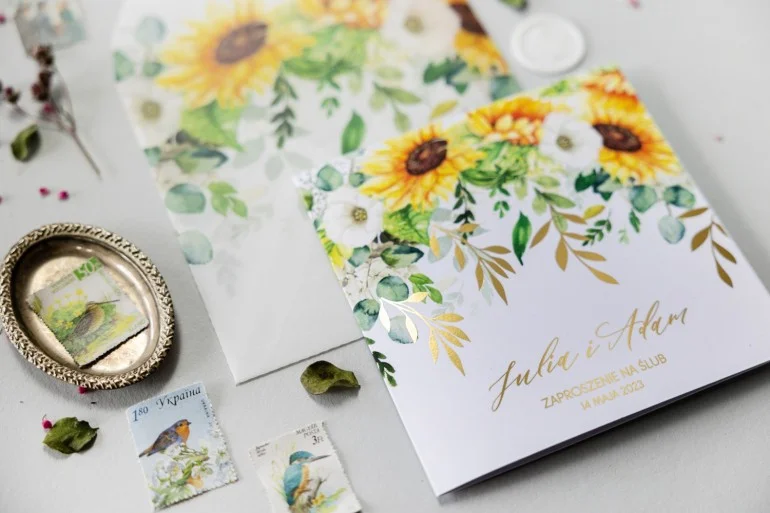
Introduction: Wedding invitations – tradition meets modernity
Tradition vs. modernity
In a world where tradition intertwines with modernity, wedding invitations represent a fascinating battlefield between old customs and new trends. On one hand, we have traditional wedding invitations, which have been a symbol of elegance, respect, and the significance of the ceremony for centuries. Sent by mail, crafted from high-quality paper, and often adorned with delicate ribbons or embossing, these invitations are true works of art. Family and friends await them with anticipation, looking forward to the opportunity to participate in one of the most important days in a couple's life.
On the other hand, the development of digital technology has opened up new possibilities for communication and interaction. Online wedding invitations are gaining popularity, offering speed, convenience, and accessibility that are invaluable in our fast-paced world. They make it easy to reach a wide audience, regardless of their geographical location. Online platforms offer a vast selection of templates and customization tools, allowing you to create a unique invitation that reflects the character and personality of the couple.
Technological progress and wedding etiquette
The impact of technology on wedding etiquette cannot be overstated. While some may argue that electronic invitations are less personal, their advantages are impossible to ignore. They are not only an eco-friendly alternative to traditional paper invitations but also allow for easy management of the guest list and online RSVPs, which is a great help in wedding planning. Furthermore, digital invitations offer the ability to add multimedia, such as photos or videos, which can further enrich the experience for invited guests.
However, the key to successfully blending tradition and modernity is finding the golden mean. For example, you can send traditional invitations to the older generation, while friends and family living far away receive an elegant digital invitation. This approach allows you to maintain respect for tradition while leveraging the benefits of modern technology.
In the world of wedding preparations, where every detail matters, invitations are the first step on the journey to a magical day. The choice between traditional and digital invitations depends on the couple's individual preferences, their values, and their expectations for this special day. Regardless of the choice, the most important thing is that the wedding invitations are thoughtful, reflect the couple's personality and style, and build an emotional bond with the invited guests.
Table of Contents
Invitation etiquette
Who and how to invite?
In wedding culture, who is invited to the ceremony is just as important as how they receive the invitation. Sending wedding invitations is an art that requires thought and care. Traditionally, wedding invitations are sent to family, friends, and even distant acquaintances whose presence is important to the couple. Etiquette dictates that invitations should be sent well in advance – usually two to three months before the wedding, so guests can plan their attendance. It is important to remember to match the form of the invitation to the level of closeness with the invitees – family and close friends deserve a more personal approach.
Invitation personalization
Personalizing wedding invitations is another key aspect of etiquette. Each invitation should be tailored to its recipient, which not only emphasizes the importance of the day for the couple but also makes the guests feel special. It is recommended that the invitation includes not only the names of the guests but also a personalized touch – this could be a shared memory, a quote, or even a handwritten note of thanks for their presence in the couple's life.
Invitations for long-distance guests
A separate chapter in wedding etiquette is sending invitations to guests living far away. In such cases, sending by mail is not only acceptable but even recommended. This ensures that invitations can reach guests on time, even if they live in another country. However, it is important that invitations for long-distance guests are sent even further in advance than for local guests. It is recommended that invitations for those living abroad be sent at least four to five months before the planned wedding date. This gives guests enough time to plan their travel and any necessary accommodation.
Wedding invitation etiquette reflects the weight and respect the couple has for their guests. Through thoughtful planning and personalization, each invitation becomes an expression of feelings and anticipation for celebrating this special day together.

When to send invitations?
Optimal timing
Planning a wedding is a process full of important decisions, and one of them is determining when to send wedding invitations. Wedding industry experts agree that the ideal time to send them is 3 to 6 months before the planned wedding date. This timeline allows guests to prepare for the ceremony and gives the couple the assurance that all invitees will have enough time to organize their plans.
Lead time and guest availability
The lead time in sending invitations has a direct impact on guest availability. For weddings taking place during the holiday season or during public holidays, an additional month of lead time is recommended to allow guests to plan their vacations and travel. This is a key element in wedding planning that can significantly affect the attendance of your closest ones. It gives guests enough time to book accommodation and plan their travel, especially if the wedding is in a popular tourist destination.
Wedding season and vacation planning
The wedding season, which in Poland falls mainly in late spring, summer, and early autumn, requires special attention when planning the mailing of invitations. During this time, many guests plan their vacations and holidays, which can complicate their attendance. By sending invitations well in advance, you minimize the risk of scheduling conflicts, which in turn increases the chance of all invitees attending.
In summary, the key to effective guest list management is thoughtful planning of wedding invitation mailings. Couples should adjust their mailing schedule to their individual wedding plan, taking into account the season, location, and guest availability. It is worth remembering that every invitation is not just information about an upcoming event, but also an expression of personal appreciation and the desire to share one of the most important moments in life.
Pros and cons of sending invitations by mail
Nowadays, when planning a wedding, we face a choice: send wedding invitations by traditional mail or use modern, digital methods? Each of these options has its pros and cons that are worth considering when planning this special event.
Convenience vs. personalization
The convenience of sending by mail is undeniable. We can send all invitations at once without worrying about organizing meetings with each invited person. This is especially useful when our guests live in different parts of the country or even the world. On the other hand, traditional invitations may not offer the same degree of personalization that personal meetings allow. Although invitations can be customized and made unique, it is hard to replace the personal gesture of handing over an invitation, which can be more meaningful.
Shipping costs
You should also pay attention to shipping costs. Depending on the size and weight of the invitations, the costs can be significant, especially when there are many invitations and some need to be sent abroad. It is worth comparing these costs with the potential savings offered by digital invitations, although the latter may seem less traditional and personal.
Risk of lost invitations
An important issue is also the risk of lost invitations. Although most shipments arrive at their destination without problems, there is always a risk that an invitation will be lost or damaged in transit. This can lead to awkward situations or the need to resend invitations, which generates additional costs and stress.
Sending wedding invitations by mail is an option that combines tradition with convenience. However, like any wedding decision, it requires weighing all the pros and cons. In the digital age, it is also worth considering alternative methods of inviting that may better suit the needs of modern couples and their guests.
For those considering different invitation options, we encourage you to read other articles on our blog, which can provide more inspiration and practical tips:
- How to address wedding invitations – our guide for brides and grooms
- 7 ideas for a unique engagement
- Elegance and shine: Why glamour invitations are perfect for your wedding
These articles can help you make the decision best suited to your individual needs and expectations for the upcoming wedding.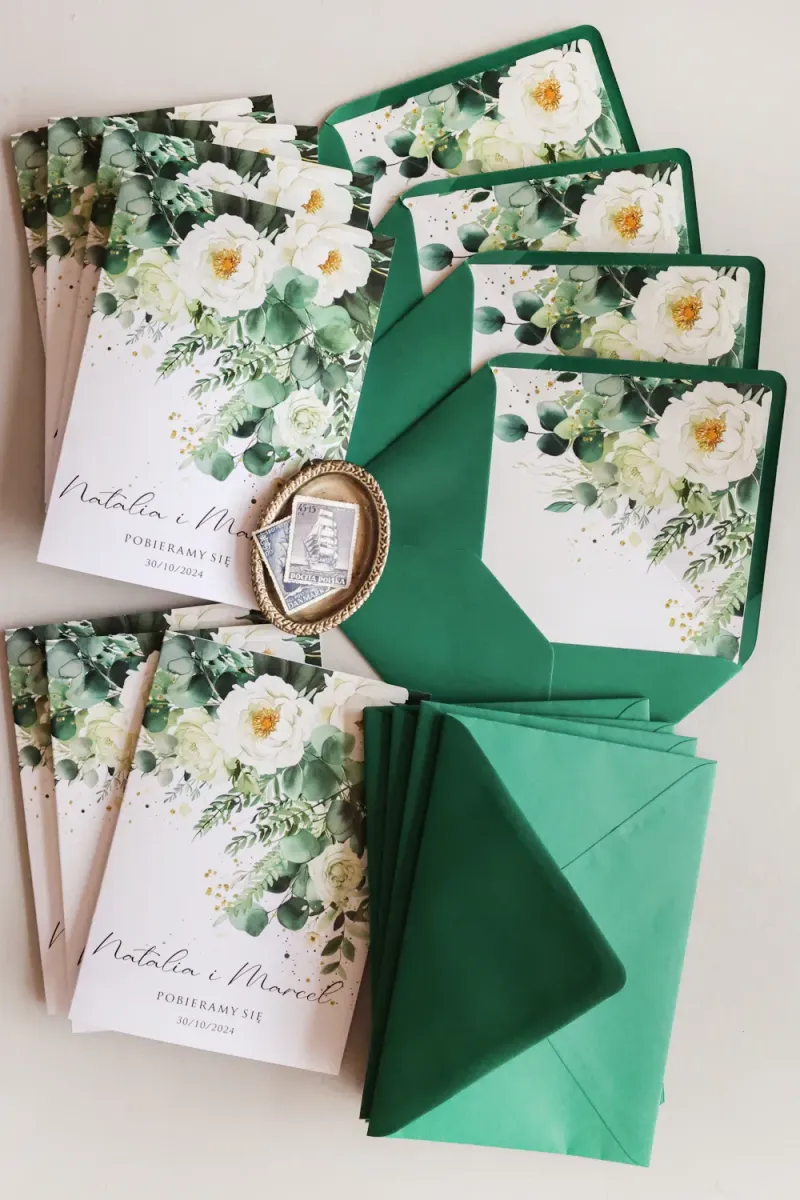
How to prepare invitations for mailing?
Choosing envelopes and stamps
To ensure your wedding invitations reach your guests in pristine condition, it is crucial to choose the right envelope. Envelopes should be not only aesthetic but also functional – strong enough to protect the invitation during transit. It is recommended to choose envelopes made of thicker paper, which will better protect the contents. Additionally, consider personalizing the envelopes, e.g., by printing guest addresses in a stylized font or using a wax seal, which will increase the impression of exclusivity.
An important element is also choosing the right stamps. Beyond practical value, stamps can be an interesting decorative element. The post office offers stamps with various themes that can match the style of the invitations or the wedding theme. Remember to weigh the invitation with the envelope before buying stamps to ensure the postage will be correct.
Protecting invitations from damage
To protect invitations from potential damage, consider using additional reinforcements inside the envelope, such as a thin piece of cardboard or a special protective insert. This is especially important for invitations containing small decorative elements, such as sequins or beads, which can be damaged during postal sorting.
Tracking shipments
By sending invitations via registered mail, preferably priority, you gain the ability to track the shipment. This not only increases the security of the sent invitations but also allows you to monitor their journey to the recipient. This way, you can be sure that the invitations have been delivered on time, and you can react quickly if necessary.
Preparing invitations for mailing requires diligence and attention to detail, but it is also a process that can be very satisfying. By remembering these few steps, you will easily secure your invitations and ensure they reach your guests while maintaining their beauty and elegance.
In summary, preparing invitations for mailing is a process that includes both aesthetic and practical aspects. From choosing the right envelope to protecting invitations from damage and selecting the shipping method, every step is important to ensure your carefully prepared invitations reach your guests safely and in pristine condition.
Alternative ways to invite guests
In today's world, where digital technology is an integral part of our lives, the ways of inviting guests to a wedding are also evolving. Although traditional paper invitations still have their place, many couples are opting for more modern approaches. Let's consider a few alternative methods.
Digital invitations and their acceptance
Digital invitations are gaining popularity mainly due to their convenience and speed of distribution. The ability to send an invitation to a large number of people with one click is extremely tempting. Additionally, online invitations offer extensive personalization options, from choosing a design to adding music and animations. More and more platforms offer advanced services in this area, which makes digital invitations increasingly accepted by guests.
The influence of social media on inviting
Social media has become an important communication channel, also in the context of wedding invitations. Couples are increasingly creating dedicated pages or events on Facebook, Instagram, or other platforms to share information about the wedding. This form allows not only for easy dissemination of information but also for building a community around the upcoming event. It is also a great way to maintain constant contact with guests, share updates, and collect RSVPs.
Personal delivery of invitations as an alternative
Despite the growing popularity of digital invitation methods, personally handing out invitations remains an irreplaceable tradition for many couples. This gesture, although more time-consuming, has incomparable emotional value. A direct meeting, the opportunity to see the reaction to the invitation, and above all, personal contact, give this moment a special character. Personally handing out invitations is ideal for immediate family and close friends, emphasizing their unique role in the couple's life.
Each of these methods has its pros and cons, and the choice of the best one depends on individual preferences, lifestyle, and the values the couple wants to convey to their guests. However, it is worth remembering that regardless of the chosen method, the most important thing is to convey the warmth of the invitation and the joy of being able to celebrate this special day together.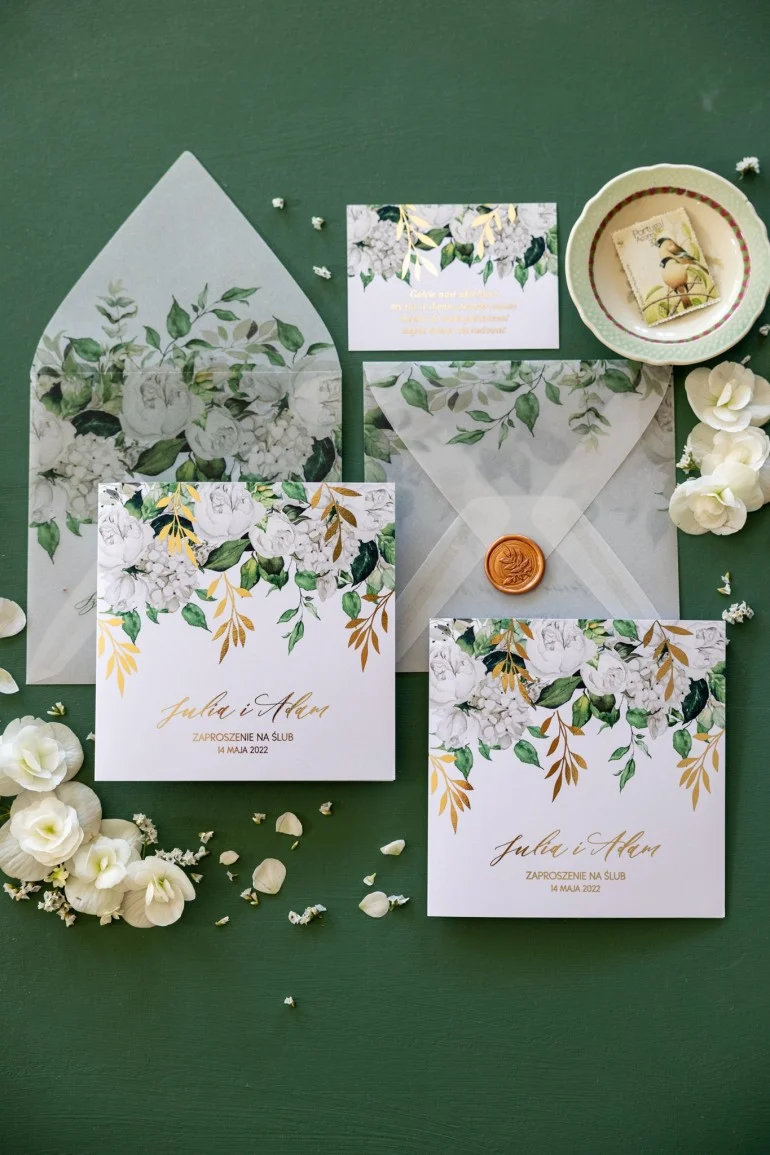
Summary
In summary, the decision on how to invite guests to your wedding is extremely individual and should be dictated by your own preferences, tradition, and available modern solutions. Nowadays, we have a wide range of possibilities, from traditional paper invitations to innovative digital invitations and direct, personal delivery. Each of these methods has its advantages and can be appropriate depending on the circumstances.
Balance between tradition and modernity
It is important to find a golden mean between following tradition and using modern technology. The ability to tailor your approach to the character of the wedding and the preferences of your guests can be crucial for the final choice. It is worth considering a mixed approach that will allow you to maintain a traditional character while utilizing the conveniences offered by modernity.
The role of etiquette in inviting guests
Invitation etiquette remains an important element, regardless of the chosen method. It is worth remembering the rules of savoir-vivre, which will help maintain a good tone and respect the expectations and feelings of the invited people. An ethical approach and consideration of the individual preferences of invited guests will help build a positive atmosphere from the very beginning.
Individual approach to each guest
One cannot forget about an individual approach to each of the invited guests. Regardless of whether you decide on digital or traditional invitations, personalization and consideration of specific relationships with the invitees will always be valuable. How we invite our guests is the first step to how they will remember our wedding.
The final choice of how to invite guests to the wedding should be thoughtful and tailored to personal preferences and the specifics of the event itself. Remember that regardless of the method chosen, the most important thing is that the invitations are sent with heart and take into account the feelings of the recipients.
We invite you to continue exploring wedding topics on our blog. Here are some articles that might interest you:
- How to choose the perfect date for your wedding
- How to choose a wedding theme
- When to order place cards
- How to introduce guests at a wedding
- How much does a 50-person wedding cost
Discover more tips and inspiration to help you organize an unforgettable wedding.

Szymon Jędrzejczak
Wedding industry expert and stationery designer at Amelia-Wedding.pl. For years, she has been helping couples create unforgettable moments by combining tradition with modern design.