How to Write Wedding Invitations? A Guide for Couples!
Essential Information in a Wedding Invitation
Who, Where, and When: Essential Components of a Wedding Invitation
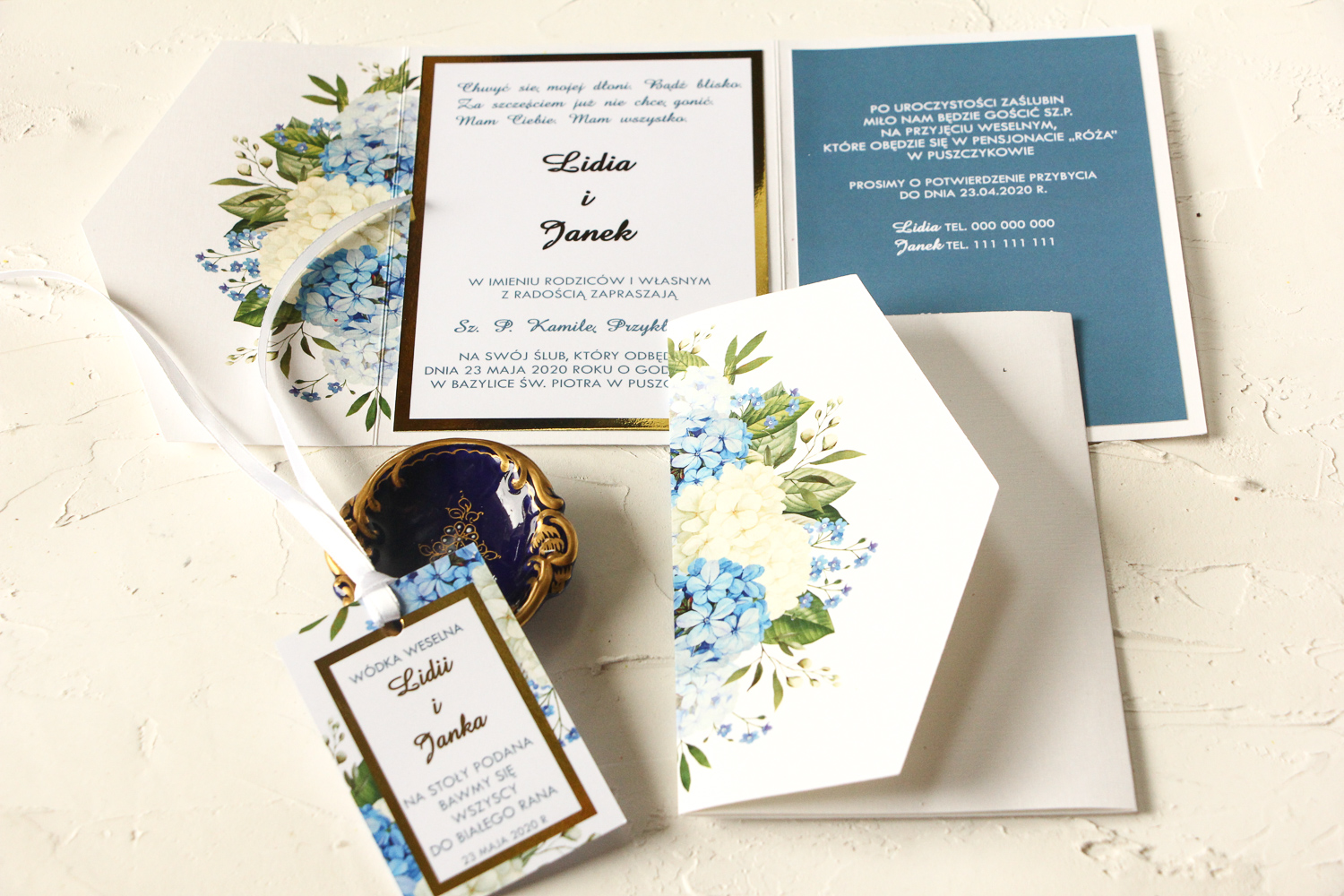
The first step in creating the perfect wedding invitation is ensuring it contains all the key information: the names of the bride and groom, the date, the venue, and the time of the ceremony. These form the foundation of every invitation, as they answer the fundamental questions: Who? Where? When? This is not just a matter of courtesy, but also of practicality, allowing guests to plan their attendance at this extraordinary event. In the context of wedding traditions, where ceremonies are often rich in detail and local customs, precise information is essential to ensure the smooth flow of the entire event. It is therefore worth ensuring that the names of the couple are clearly visible, and that the date and location of the wedding and reception are presented in a clear and understandable way.
RSVP: The Key to an Organized Wedding
A wedding invitation is not just about providing guests with information about the upcoming event, but also an opportunity for the couple to receive confirmation of attendance. For this purpose, it is extremely important to include contact details - a phone number or email address - that will allow guests to easily and quickly RSVP. This is a key element of wedding planning, as it allows for an accurate headcount, which is important from both a logistical and catering perspective. Where wedding traditions often require detailed planning, such confirmation is not only welcomed but essential to ensure the harmony and flow of the entire day.
Types of Ceremonies: Wedding Details That Make a Difference
Understanding the differences between a religious and a civil wedding is crucial for precisely wording the invitation. It is important that invitations reflect the nature of the ceremony. A religious wedding, with its deeply rooted traditions and symbolism, may require additional information on the invitation, such as the location of the religious ceremony. In contrast, a civil wedding, usually held at a registry office or another designated location, may have a more casual character, which is also worth considering in the invitation content. Tailoring the invitation content to the type of wedding ceremony not only shows attention to detail but also helps guests prepare for the wedding by considering the specifics of the event.
Table of Contents
- Essential Information in a Wedding Invitation
- Personal Style and Tone of the Invitation
- Writing Out Wedding Invitations
- Addressing and Personalization
- Content Tips
- Invitations for Special Guests
- The Question of Wedding Gifts
- Delivering Invitations
- Invitations and Wedding Theme
- Proofreading and Editing Invitations
Personal Style and Tone of the Invitation
Quotes and Originality: Giving Invitations an Individual Character
Creating a wedding invitation using quotes and your own creativity is like painting on a canvas - it allows for the full expression of feelings and emotions. Wedding traditions offer a wide scope for personalization, and introducing quotes that have special meaning for the couple gives the invitation a unique character. It could be a favorite line from a song, a fragment of a poem that reflects their relationship, or even a funny saying that perfectly fits their personality. Personalizing the content of invitations not only attracts attention but also builds an emotional bond between the couple and their guests, foreshadowing the character of the upcoming celebration. This is especially important where every detail of the wedding has its symbolic value.
Formal vs. Informal Style: Matching the Invitation to the Character of the Event
Choosing between a formal and informal style of wedding invitation is a decision that should reflect the couple's personality and the nature of the planned event. A formal style, characterized by classic and elegant language, is ideal for traditional weddings where the ceremony carries gravity and respect. In contrast, an informal style, more casual and personal, suits less traditional, relaxed celebrations, often chosen by couples looking for less conventional solutions. It is important that the style of the invitation is consistent with the overall theme and atmosphere of the wedding, while remaining true to the couple's individual taste.
Linguistic Correctness: The Foundation of Elegance and Professionalism
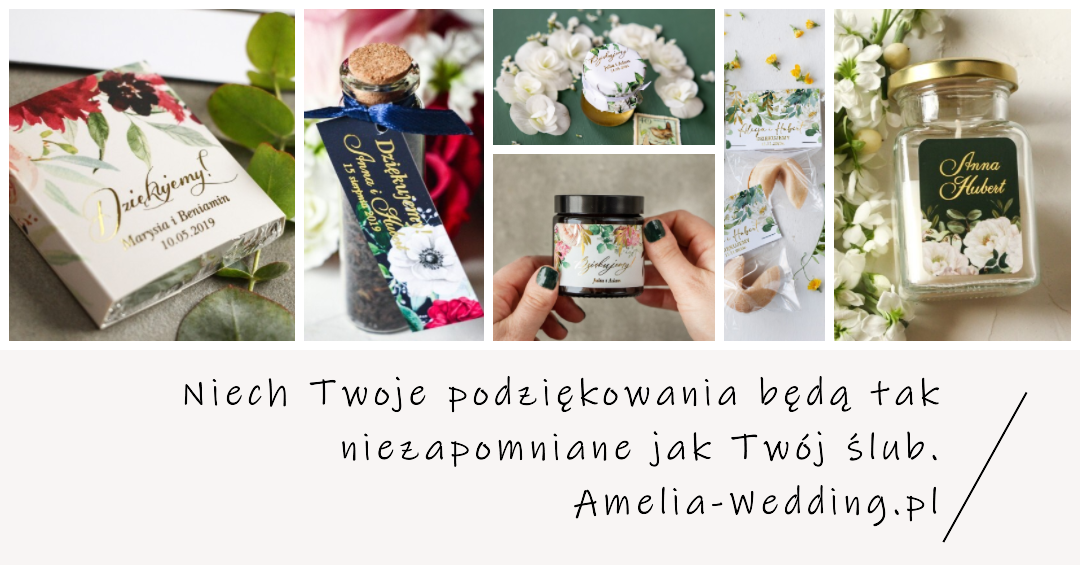
The importance of correct language in invitations cannot be underestimated. It is not just a matter of etiquette, but also a testament to attention to detail and professionalism. Correct grammar, spelling, and style ensure that the invitation is perceived as elegant and high-quality. Especially where wedding traditions and customs are deeply rooted, a wedding invitation is not only an announcement of the ceremony but also a reflection of respect for culture and language. Therefore, it is extremely important that invitations are carefully and correctly worded, which further strengthens their prestigious character.
Writing Out Wedding Invitations
Handwritten or Printed?: An Important Choice in the Invitation Creation Process
The decision between handwriting or printing wedding invitations has a significant impact on their final look and reception. Handwritten wedding invitations are often perceived as more personal and traditional. It allows for adding a unique character to each invitation, which is highly valued in wedding customs where attention to detail and personal touches are prized. However, handwriting invitations requires more time and effort, which can be a challenge for a larger number of guests. Printed invitations, on the other hand, ensure uniformity and professionalism, are faster to produce, and eliminate the risk of writing errors. The choice between these two methods should therefore be carefully considered, taking into account the amount of time, resources, and the couple's personal preferences.
Elegance of Script: The Key to Beautiful Wedding Invitations
Elegance of script in wedding invitations is not just a matter of aesthetics, but also a reflection of respect for guests and the event. For couples opting for handwritten invitations, it is important to use legible yet stylish handwriting. Calligraphy or neat, elegant handwriting can significantly raise the level of the invitation, adding class and sophistication. Where weddings often combine tradition with modernity, elegantly written invitations can be a beautiful complement to the entire ceremony. Even if the couple decides on printed invitations, choosing the right font and text style is equally important to maintain the consistency and elegance of the entire invitation.
Personalization of Invitations: An Individual Approach to Every Guest
Personalization of invitations is an element that significantly affects their reception and emotional value. Regardless of whether the invitations are handwritten or printed, an individual approach to each invitation is a way to show guests how much they are valued. Where weddings are often seen as events that bring families and loved ones together, personalized invitations are an expression of a personal bond and respect. Including the guest's name, as well as other personalized details, such as references to shared memories or inside jokes, can make the invitation not just a formal notification, but also a keepsake that guests will cherish.
Addressing and Personalization
Correct Declension of Names: The Key to Professionalism in Invitations
In the process of creating wedding invitations, correct declension of names is essential to ensure their professional appearance and avoid faux pas. In cultures where wedding etiquette and traditions are deeply rooted, errors in name declension can be poorly received. To avoid potential misunderstandings, it is recommended to carefully check grammatical correctness, especially for less common surnames. When in doubt, it is safer to leave the name in its undeclined form or consult with guests to ensure the correct form. Such an approach shows respect and care for details, which are extremely valuable in the context of weddings.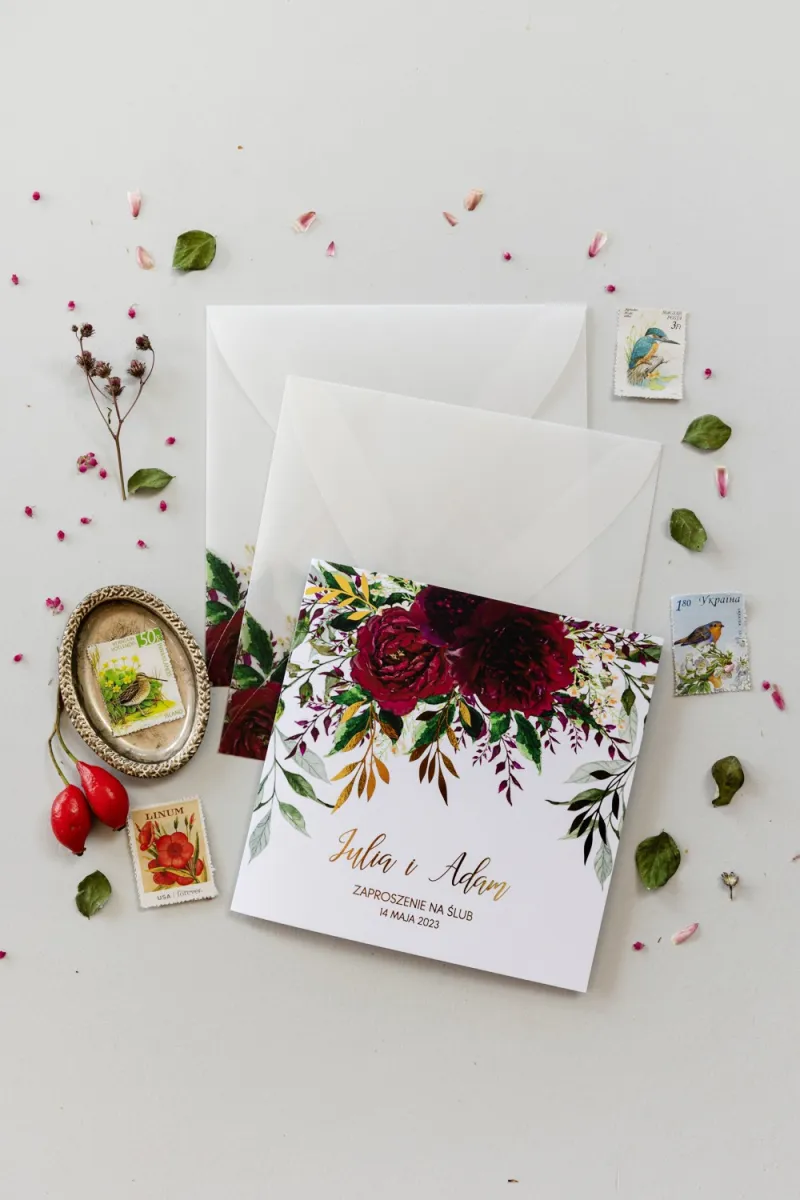
Honorifics: An Element of Culture and Respect
The use of honorifics in wedding invitations is not just a matter of good manners, but also an element deeply rooted in wedding culture. Titles such as "Mr." and "Mrs." add an official and elegant character to invitations. Where wedding ceremonies are often occasions where different generations and social groups meet, using honorifics is an expression of respect towards older generations and the formality of the event. Care for using appropriate honorifics in invitations is therefore not only a matter of etiquette but also of cultural awareness.
Invitations for Families: Personalization and Including the Youngest
Regarding addressing invitations to families with children, the key is personalization and including all family members. In wedding tradition, where the family is considered a fundamental element of the celebration, it is important that invitations clearly indicate that children are welcome. This can be achieved by adding the children's names after the parents' names, which not only informs about the possibility of their presence but also makes families with children feel more involved and valued. Such a gesture shows that the couple appreciates the importance of family and wants to share their special day with their loved ones, regardless of age.
Content Tips
Accommodation and Transport Information: Facilitating Logistics for Guests
Including information about accommodation and transport in the wedding invitation content is particularly important, especially in the context of weddings that often take place in different locations. Providing information about available accommodation options, including hotels or guesthouses near the venue, is not only practical but also polite towards guests who may be traveling from afar. Similarly, providing information about available means of transport, including local taxi services or public transport, makes it easier for guests to plan their stay. Such information is not only useful but also shows the couple's care for the comfort and well-being of their guests.
Directions: The Key to a Hassle-Free Arrival
Providing clear directions in wedding invitations is another essential element. Where weddings can take place both in cities and in more remote, picturesque locations, accurate directions are necessary. It is worth including a map or a link to an online map, detailed route descriptions, and information about parking availability. This not only facilitates logistical planning but also minimizes the stress associated with getting to the venue, which is especially important for guests who are not familiar with the area.
Additional Information: What Else to Include
Additional information in the invitation can include a range of elements that further facilitate guests' participation in the ceremony. It is worth considering including information about the dress code, especially if the wedding has a specific theme or style. Additionally, information about planned attractions or special moments during the ceremony can build excitement and anticipation. In the case of weddings with children, information about available entertainment or facilities for them will be particularly valuable for parents. All these elements, well-integrated into the invitation content, create a comprehensive picture of the upcoming celebration and emphasize the couple's care for every detail.
Invitations for Special Guests
Invitations for Parents: Special Respect and Appreciation
When preparing invitations for parents, it is crucial to express special respect and appreciation. In wedding culture, where the family takes center stage, invitations for parents should be unique and personal. You can use more formal language, as well as include a personal note or dedication. It is also worth emphasizing their role and importance in the couple's life and in the entire wedding ceremony. Such a gesture shows gratitude and deep respect for the parents, which is of great importance in wedding traditions.
Invitations for Children: Including the Youngest in the Celebration
Including children in wedding invitations is an important aspect that shows care for all participants of the ceremony. In weddings where family and community are important, invitations for children should be friendly and inviting. You can add special mentions or graphic elements that will be attractive to them. Ensuring that children feel welcome and important at the wedding not only pleases the little ones but also shows guests that the couple approaches the needs of all invitees with care and attention.
Invitations for Witnesses: Personalization for Key People
Invitations for witnesses require special personalization to emphasize their unique role on the wedding day. Witnesses often play a key role in preparations and the ceremony, so invitations for them should reflect their importance and commitment. Personalization can include individual notes, thanks for support and help, as well as highlighting their role in the invitation content. This is an important element that enriches the wedding experience and strengthens the couple's bond with their witnesses.
The Question of Wedding Gifts
Gift Suggestions: Gentle Hints for Guests
In the context of wedding gift suggestions, it is crucial to balance providing specific guidance with maintaining etiquette. Where giving gifts to the newlyweds is an important tradition, gently hinting at gift ideas can be useful for both the couple and the guests. One option is to include a discreet note in the invitation with suggestions regarding gift preferences, such as a wedding fund, vouchers, or support for the honeymoon. It is important to do this with tact and not impose specific expectations.
Controversies Around Gifts: Ethics and Tradition
In wedding culture, where etiquette and tradition have deep roots, the issue of wedding gifts and their mention in invitations is a delicate topic. Directly indicating what gifts are expected can be perceived as a lack of tact, especially when a specific type or value of a gift is imposed. Therefore, it is crucial that the approach to the topic of gifts is subtle and phrased in a way that is understandable and acceptable to guests. The couple can use gentle suggestions that indicate their preferences without imposing specific choices. Alternatively, couples may decide to forgo any mention of gifts entirely, leaving the decision in the hands of the guests. Such a practice allows avoiding potential awkwardness and makes guests feel more comfortable in choosing gifts, based on their capabilities and personal preferences.
Alternatives to Traditional Gifts: Creative Ideas
Offering alternatives to traditional wedding gifts can be an interesting solution for couples looking for something different. Where innovations in wedding ceremonies are increasingly popular, ideas such as shared experiences, donations to charity, or even eco-friendly gifts can be attractive to modern couples. Such a creative approach allows for a more personal and memorable form of gifts, which can be particularly valuable for the newlyweds.
Delivering Invitations
Hand-Delivering Invitations: Direct Contact and Personal Touch
Hand-delivering invitations is a gesture deeply rooted in wedding tradition and symbolizes a personal bond. Delivering invitations in person not only enables direct contact and the exchange of emotions between the couple and their guests but also allows for expressing respect and appreciation for the invitee's presence. Where personal relationships are valued, this method of delivering invitations is often chosen for close family and friends, emphasizing their unique place in the couple's life.
Sending Invitations by Mail: Elegance and Convenience
Sending invitations by mail is a practical and elegant option for those who cannot deliver invitations in person. It is key here to ensure that the invitations are carefully packed and sent in a timely manner so that they reach guests well in advance. Where tradition mixes with modernity, sending invitations by mail is often perceived as a convenient yet elegant alternative that combines traditional form with modern logistical needs.
Electronic Invitations: A Modern Solution with Limitations
The use of electronic invitations is a modern alternative that is gaining popularity, especially among younger couples or those organizing more informal wedding ceremonies. The advantage of e-invitations is their immediacy, the ability to easily edit and customize, as well as the environmental aspect. However, where it is important to maintain certain traditions, electronic invitations may not be suitable for all guests, especially older generations who may prefer more traditional forms of invitations.
Invitations and Wedding Theme
Matching Invitation Style: Harmony with the Wedding Theme
Crucial in the process of creating wedding invitations is matching the style of the invitations to the wedding theme. Where weddings are often characterized by rich themes and details, it is important that invitations reflect the character of the entire event. If the couple is planning a vintage-style wedding, the invitations can have delicate, romantic accents and pastel colors. For modern city weddings, invitations can be more minimalist and based on elegant, simple designs. Matching invitations to the wedding theme creates a cohesive picture and builds expectations for the ceremony itself.
Different Invitation Styles: An Overview of Trends
Different invitation styles reflect the diversity of tastes and preferences of couples. Traditional invitations with lace and delicate ornaments are popular, as are modern, simple designs with metallic or geometric accents. Themed weddings, such as rustic, boho, or glamour, also inspire unique invitation designs. It is worth staying up to date with trends, while remembering that the choice of invitation style should primarily correspond to the couple's personal preferences and the overall aesthetic of the wedding.
Modern Trends in Invitations: Innovation and Creativity
Nowadays, modern trends in invitations are a combination of creativity and innovation. Interactive invitations, for example, with QR codes leading to the couple's wedding website, or invitations in the form of a video clip, are gaining popularity. Eco-friendly and sustainable options, such as recycled paper or biodegradable materials, are also gaining importance. Elegance combined with modernity is the key to creating an invitation that not only informs but also delights, becoming a keepsake for guests.
Proofreading and Editing Invitations
Avoiding Errors: The Key to Perfection in Wedding Invitations
A key element of preparing wedding invitations is avoiding errors, which ensures their professionalism and elegance. Carefully checking every detail, from the correctness of names and dates to grammar and spelling, is essential. Where great emphasis is placed on tradition and form, any error in invitations can be poorly received. Therefore, it is worth spending time on a thorough verification of the invitation content to ensure they are free of errors and represent the couple in the best possible way.
Proofreading Before Printing: Ensuring Quality and Consistency
Proofreading before printing is just as important as the content of the invitation itself. This is a step that guarantees that all information is correct and that the invitation reflects the intended aesthetic and tone. Where elegance and attention to detail are valued, proofreading before printing ensures that invitations are perfect in every respect. You can also ask someone from your family or friends to take a fresh look at the text, which can help catch errors that might have escaped the couple.
Final Preparation of Invitations: Final Touches Before Sending
Final preparation of invitations includes all the final steps before sending them out. This is the moment to ensure that each invitation contains all the necessary elements, such as maps or additional information. Where wedding invitations are treated as an important part of the ceremony, it is important that each of them is carefully prepared and packed. Refining every detail, from choosing the right envelope to the way they are packed, is important for creating a positive first impression.
We encourage you to read our other blog articles that may be helpful in planning your wedding:
- Is it appropriate to invite guests only to the wedding ceremony?
- How to involve children in the wedding ceremony
- How to organize a themed wedding: from boho to retro
- Must an invitation include formal titles?
- How to write an invitation for a civil wedding
- How to prepare for a wedding in a short time
And many other interesting topics available on our blog.