DIY Wedding Planning or a Wedding Planner – What to Choose and When to Seek Help
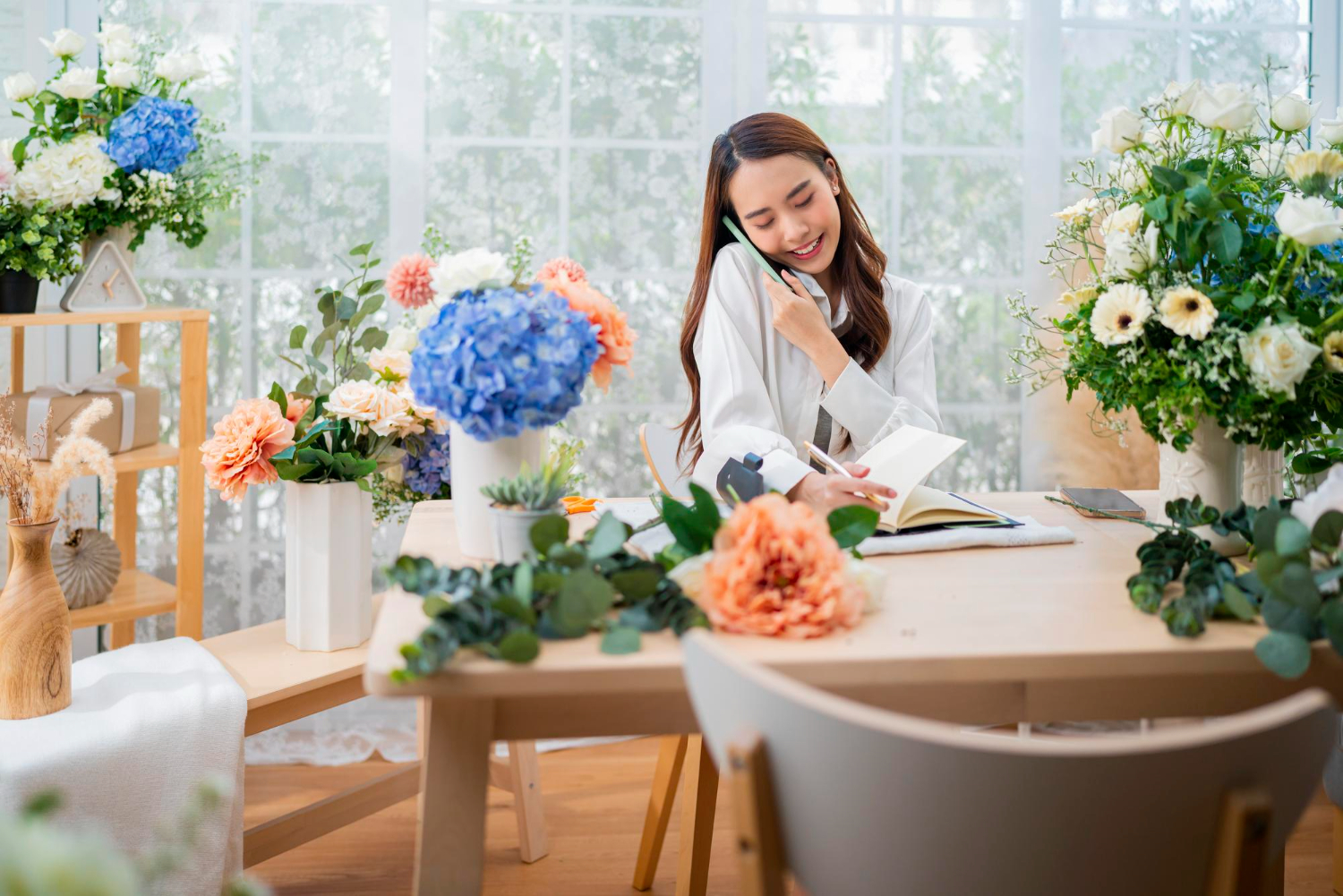
Planning a wedding is one of the most important and emotional undertakings in any couple's life. However, right at the beginning of this adventure, a fundamental question arises that can determine how the coming months of preparation will look: should you organize everything yourself, or perhaps entrust this task to a professional wedding consultant? This decision is not simple, as each solution has its strengths and limitations, and the final choice depends on many factors – from free time availability and budget to personal preferences and organizational skills.
The reality of the wedding industry is dynamically changing. A few years ago, wedding planners were perceived as a luxury available only to the wealthiest couples; today, more and more engaged couples consider this option as a real investment in peace of mind and professionalism. On the other hand, the development of modern wedding tools and apps makes DIY organization easier and more accessible than ever before. There is no single answer that works for every situation. Therefore, it is worth carefully weighing all the pros and cons of both solutions to make an informed decision that best suits your needs, capabilities, and dreams of the perfect wedding day.
In this article, we will take a detailed look at both wedding organization options, analyzing not only their advantages and disadvantages but also practical aspects related to time, budget, and stress. You will learn when DIY planning is a great choice and when it is better to entrust yourself to an experienced wedding planner. You will also discover hybrid solutions that may turn out to be the golden mean for many couples. Whether you ultimately decide on full independence or professional support, this guide will help you approach wedding planning with greater awareness and confidence.
DIY Wedding Planning – When is it a Good Choice and What are the Consequences?
The decision to organize a wedding independently is a choice increasingly made by couples, and for good reason. This solution gives a sense of full control over every aspect of the ceremony, allows for creating an event according to one's own vision without any compromises, and can additionally significantly reduce the total cost of the reception. When a couple decides to take the organization into their own hands, they simultaneously become the creator, coordinator, and executor of all tasks – from choosing the venue and menu tasting to designing wedding invitations and establishing a detailed wedding day timeline. This form of organization works particularly well for couples who have plenty of free time, a clear vision for their wedding, and are not afraid of organizational challenges.
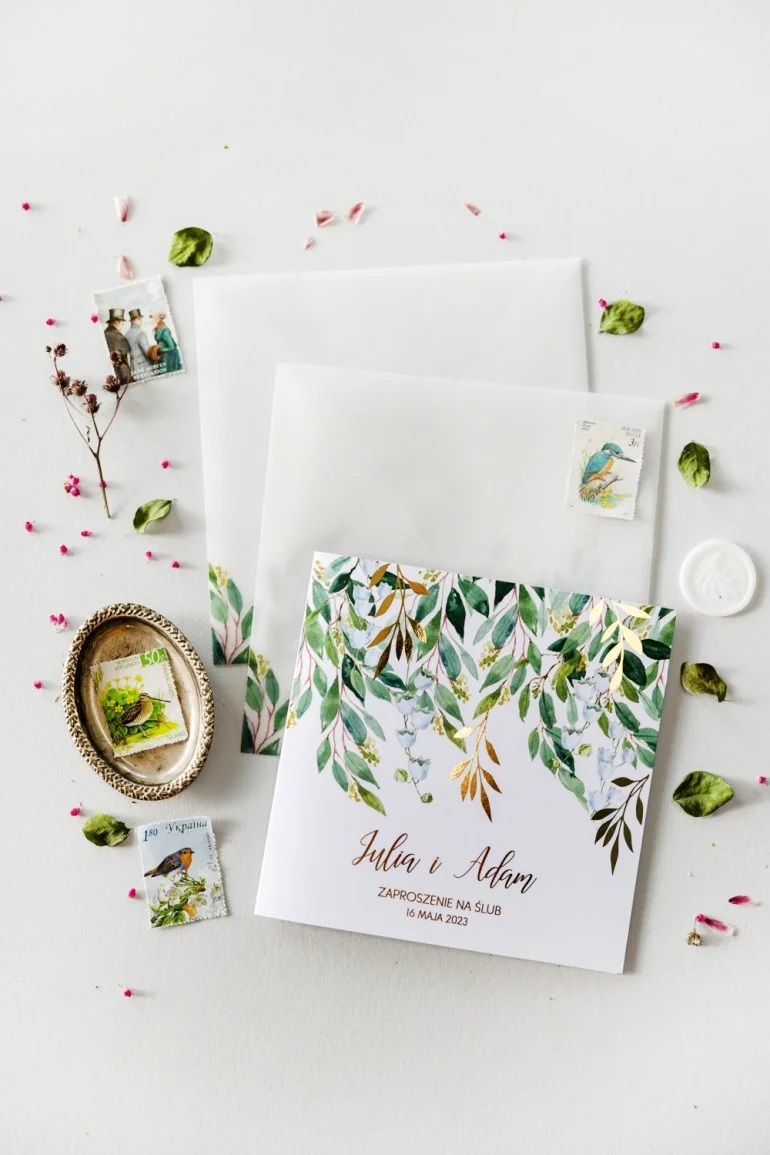
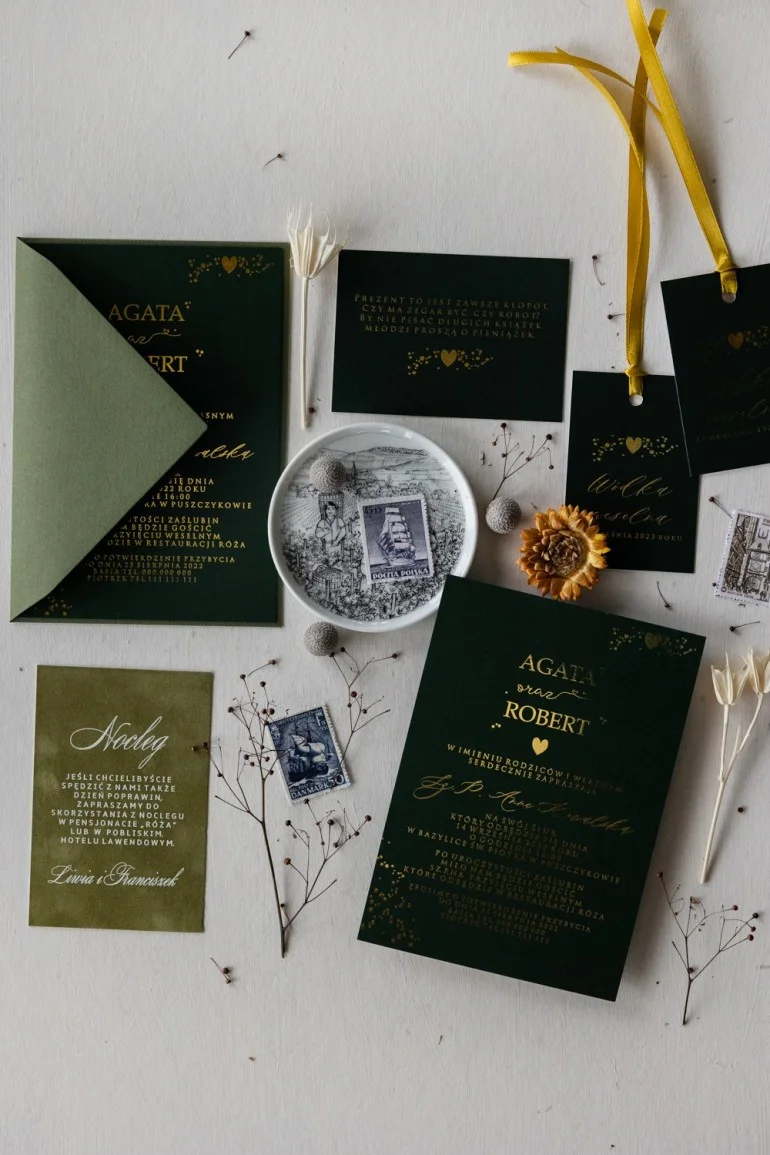
Wedding invitations with green leaf motif, gold accents | Rubin no. 4
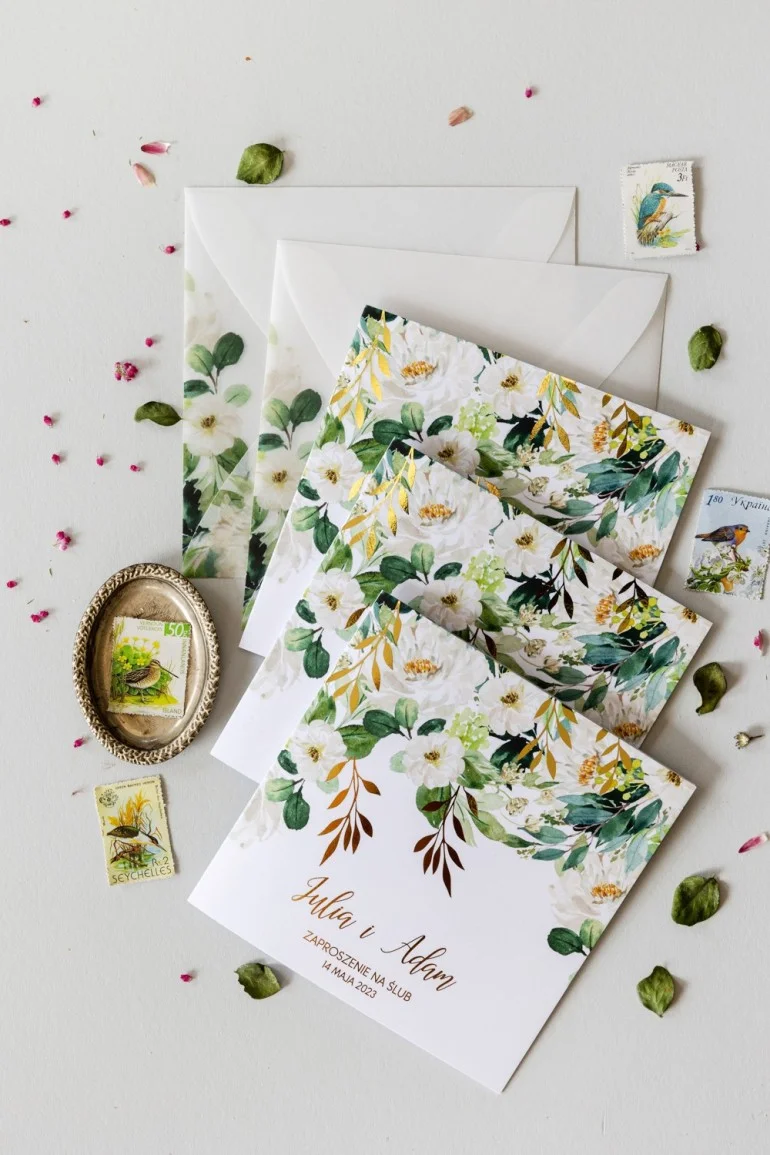
Stylish Wedding Invitations with Gold Accents, Watercolor Flowers | Rubin no. 1
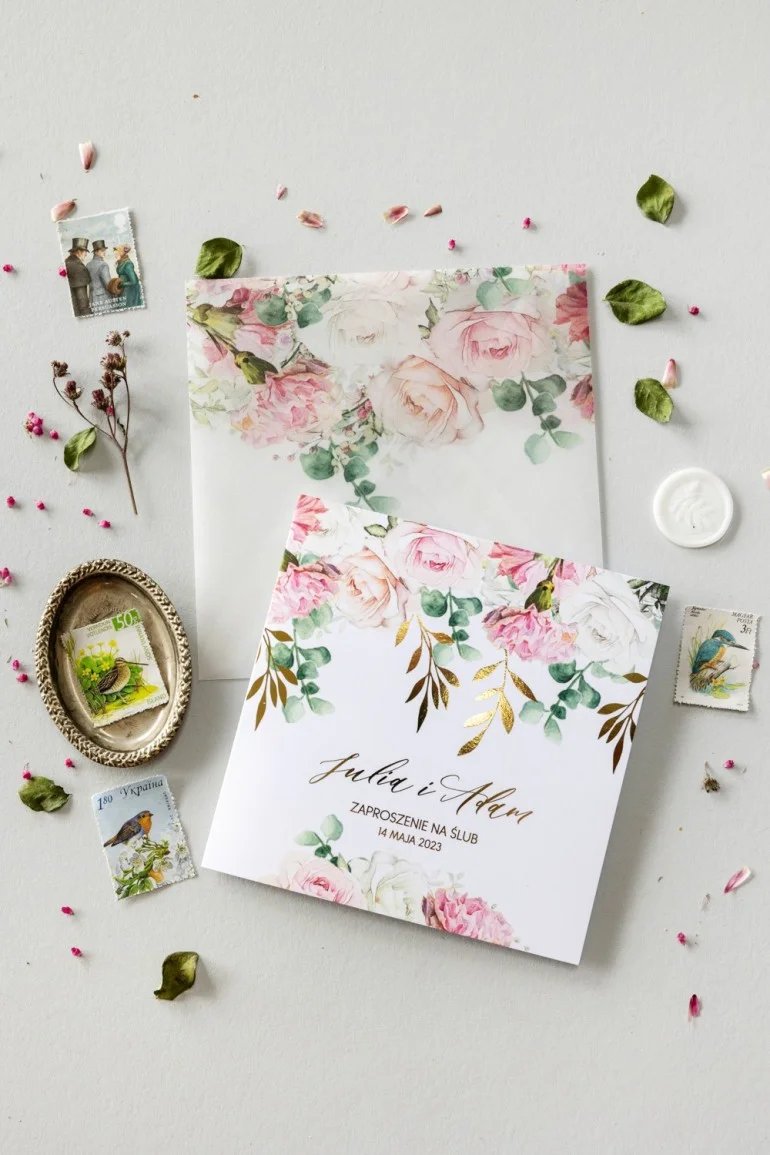
Wedding invitations with pink roses and gilding | Rubin no. 9
DIY wedding planning primarily means personal involvement in every detail. You will personally meet with the venue owner, taste the cake at the bakery, try on wedding dresses in several boutiques, and spend hours browsing photographers' portfolios. It is an incredibly intense process that can last from twelve to eighteen months and, according to industry estimates, requires an average of three hundred to four hundred hours of work. This sounds almost like a full-time job, but for many couples, these hours spent planning together become a valuable part of the pre-wedding adventure. DIY organization also allows for direct contact with every vendor, ensuring that your vision is accurately understood and realized according to your expectations. You don't have to worry about someone misinterpreting your ideas or suggesting solutions that don't fit your style.
One of the most important arguments in favor of DIY planning is financial. Hiring a professional wedding consultant can cost anywhere from several thousand to tens of thousands of pounds or dollars, depending on the scope of services and the planner's experience. For many couples, this money can be allocated to other wedding elements – a better venue, a more exclusive photographer, extra entertainment for guests, or a longer honeymoon. DIY organization also allows for greater budget flexibility – you can decide where to splurge and where to save. Often, the couple decides to do some things themselves, for example, creating handmade wedding invitations or place cards, which further reduces costs and gives the celebration a personal touch. It's worth mentioning professional online solutions, such as the Amelia Wedding offer, where you can design and order elegant wedding stationery tailored to your style without needing an expensive designer.
However, DIY wedding planning isn't just about benefits – it also comes with real challenges that can significantly impact the comfort of your preparations. The first and biggest issue is the massive time commitment. Three to four hundred hours is nearly ten weeks of full-time work, and remember, this time is spread over months of simultaneously managing your normal professional and personal life. For couples working full-time, often in demanding industries, finding so many extra hours for wedding planning can prove practically impossible. Days off become filled with vendor meetings, evenings are spent browsing offers and comparing prices, and weekends are dedicated to touring venues and tastings. It's an intense marathon that requires not just time, but consistency and systematic effort – one delay in the schedule can cause a domino effect and disrupt the entire plan.
Another significant challenge is the lack of professional knowledge and experience in the wedding industry. Most couples are planning their wedding for the first time, while wedding consultants have dozens or even hundreds of weddings under their belts. This difference in experience translates into many aspects – from knowing market rates and negotiating with vendors to understanding hidden costs and contract pitfalls. A couple planning independently might not realize that a standard venue contract should include specific protections, or that a photographer offering the lowest price might not deliver materials on time. Without knowing the industry realities, it's easy to over- or underestimate the budget, which can lead to unpleasant financial surprises right before the wedding. Additionally, a lack of market knowledge means a DIY couple might miss out on the best vendors who are booked months in advance or overpay for services available elsewhere at a better price.
The emotional aspect and stress associated with DIY planning cannot be overlooked. Planning a wedding is an incredibly stressful undertaking that can affect the couple's relationship and overall well-being. Deadline pressure, the need to make hundreds of decisions, unexpected complications – all this can lead to tension, arguments, and exhaustion. Many couples admit that the wedding preparation period was one of the most difficult times in their relationship. Furthermore, DIY organization means that on the wedding day, you will have to coordinate all activities or assign them to friends or family, which might mean that instead of fully enjoying the ceremony, you'll be solving logistical problems. When the DJ is an hour late, the photographer forgets to take photos with one side of the family, or the caterer mixes up the vegetarian order – it all falls on your shoulders. Such situations can effectively ruin the mood and ensure that the day intended to be the most beautiful of your life is remembered mainly through a lens of chaos and stress.
DIY planning works best in specific circumstances. If you are planning an intimate wedding for up to fifty people, most organizational tasks are much easier to handle on your own. Fewer guests mean simpler logistics, easier arrangements with the venue, a smaller budget, and less complex decor solutions. For such intimate gatherings, DIY planning is often perfectly sufficient and allows for maintaining an intimate, personal character. Similarly, if you have a very specific vision for the wedding – you know exactly what style you're looking for, you follow wedding trends, and you enjoy organizing events – DIY planning can be a rewarding challenge for you. It's also worth mentioning modern planning tools, such as the free wedding app available at blissaro.com, which helps organize tasks, manage the budget, and create guest lists. Such technological solutions can significantly facilitate DIY organization and reduce the risk of overlooking important details.
The Wedding Planner as a Solution for Demanding Couples and Complex Projects
Table of Contents:
- DIY Wedding Planning – When is it a Good Choice and What are the Consequences?
- The Wedding Planner as a Solution for Demanding Couples and Complex Projects
- Hybrid Solutions and Modern Tools Supporting Organization
- Cost and Budget Analysis – Is a Wedding Planner Worth It?
- Stress and Time Management – Key Decision Factors
- Making the Final Decision – A Practical Guide for Couples
A professional wedding consultant, also known as a wedding planner, is someone who can completely transform the wedding preparation process, turning a potentially stressful organizational marathon into a smooth-running adventure leading to an exceptional day. They are not just a task coordinator, but primarily an experienced wedding industry specialist who knows market realities inside out, possesses an extensive network of contacts with top vendors, and knows how to avoid common pitfalls and mistakes. A wedding planner has seen wedding preparations from the inside hundreds of times, knows exactly how long each element takes, what the real costs of various services are, and how to negotiate the best terms of cooperation. For many couples, hiring a wedding consultant is the best investment in the entire wedding process – not only for saving time and nerves but also because the final result often exceeds expectations.
A wedding planner's responsibilities can vary greatly depending on the chosen service package and the couple's individual needs. There are three main models of cooperation. The first is full-service wedding planning, which covers everything from the first meeting, through the entire preparation process lasting typically twelve to eighteen months, to full coordination on the day of the ceremony. In this model, the wedding planner becomes your right hand – helping to define the budget and wedding style, suggesting the best locations suited to your expectations, and handling the search and negotiations with vendors like photographers, videographers, bands, or florists. They create a detailed preparation schedule, track deadlines, manage payments, and coordinate the work of all subcontractors. On the wedding day, the planner ensures everything goes according to plan – from the punctual arrival of vendors to checking decor and solving any problems that may arise.
Single-card Gilded Wedding Invitations | Simple no. 2
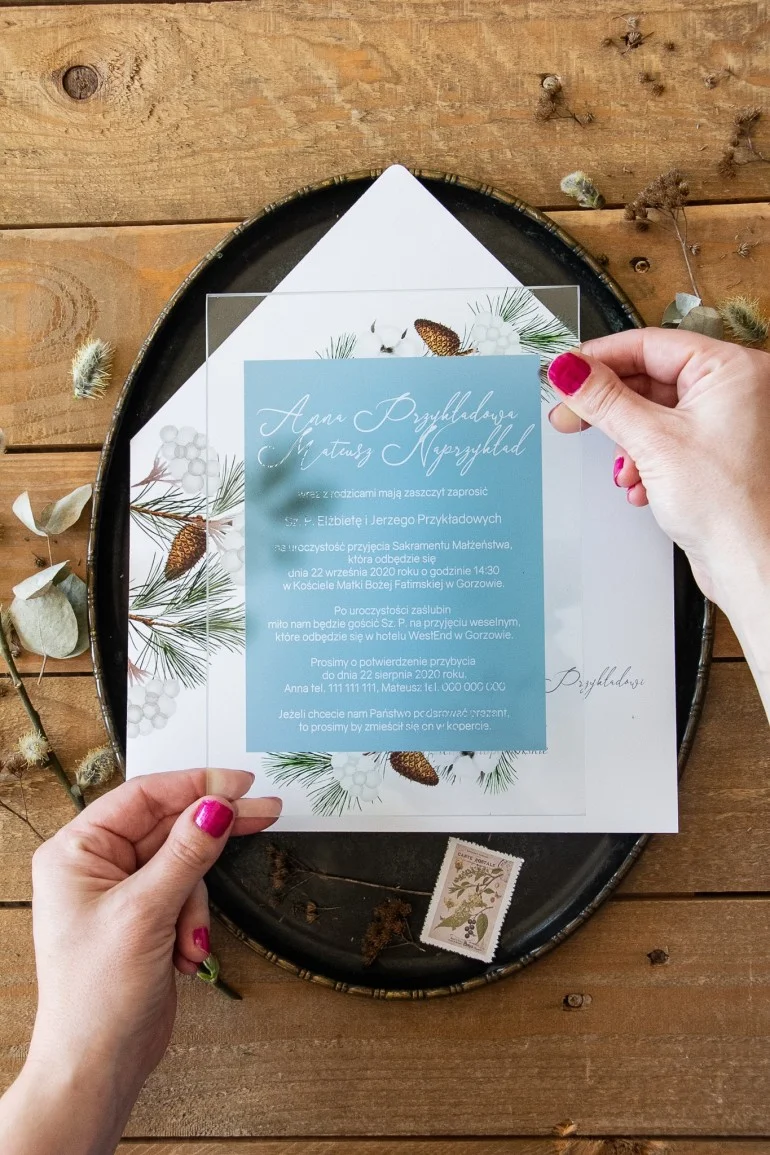
Extravagant Glass Wedding Invitations | Korani no. 8
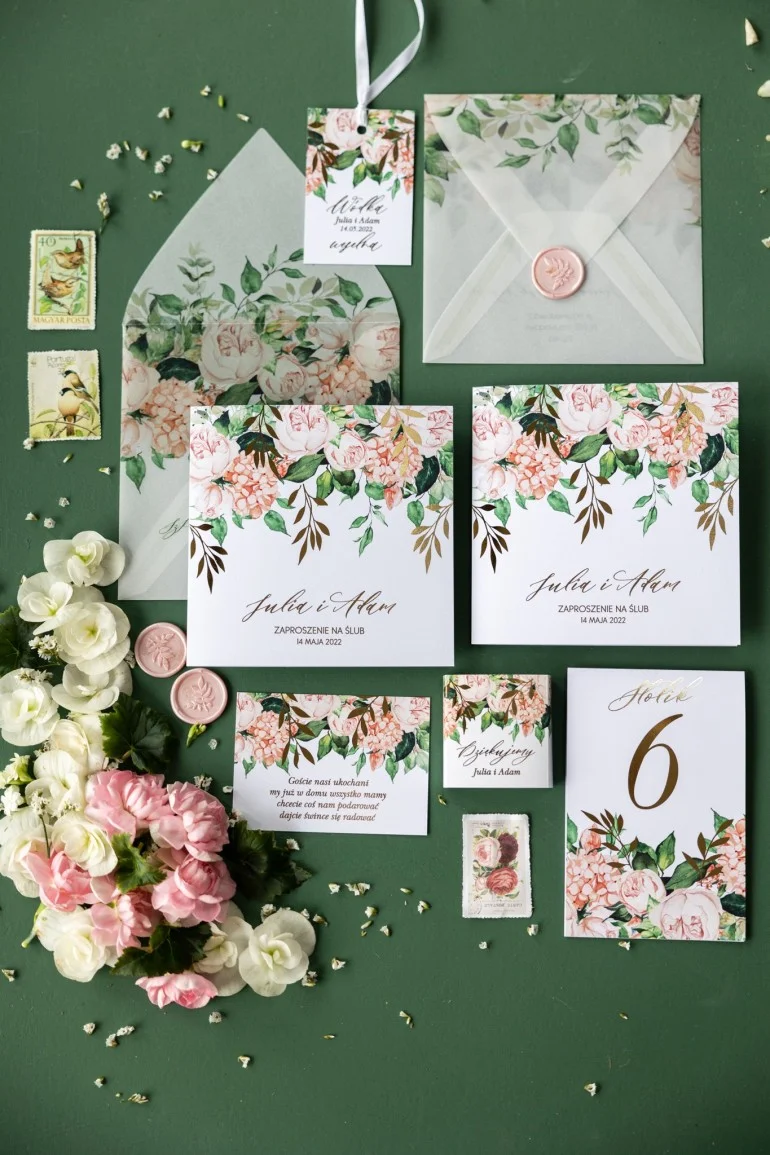
Unique Gilded Wedding Invitation, Pink Peonies | Rubin no. 10
The second model is partial wedding planning, which is ideal for couples who want to maintain control over certain aspects of the celebration but need professional support in specific areas. In this case, the couple might decide to handle choosing the wedding dress and invitations themselves but entrust the wedding planner with venue organization, floristry, decor, and vendor coordination. This flexible solution allows for tailoring the scope of cooperation to individual needs and financial capabilities while benefiting from the planner's most important competencies. The third model, which is gaining popularity, is day-of coordination – the wedding planner joins the process only at the final stage, usually a month before the ceremony, to take over all logistics and coordination on the wedding day. This option is perfect for couples who have handled most preparations themselves but want to ensure that on the big day, a professional takes care of all details so they can fully enjoy the celebration without solving logistical issues.
The financial aspect of hiring a wedding planner requires consideration, but it's worth looking at it through the lens of the value you gain in return. The cost of professional wedding consultant services varies depending on many factors – the planner's experience and reputation, the region, the size and complexity of the wedding, and of course, the scope of services. Day-of coordination is a smaller investment, while partial or full planning scales accordingly. At first glance, these amounts might seem high, but they should be compared to the total wedding budget. A wedding planner typically represents a percentage of the total budget, but in exchange, you receive professional support throughout the preparation period, which can realistically translate into savings in other areas.
Experienced wedding consultants can often negotiate better rates with their trusted subcontractors, have access to discounts unavailable to individual clients, and know market prices well enough to protect the couple from overpaying. A professional wedding planner will also help avoid costly mistakes, such as choosing the wrong venue that requires extra spending on decor or signing an unfavorable contract with a photographer who doesn't deliver on time. It's also worth remembering that a wedding planner saves you three to four hundred hours of your precious time – for a working professional, this is value measured in significant sums. From this perspective, investing in a wedding consultant stops being just a cost and becomes a rational business decision that brings tangible benefits in terms of time saved, reduced stress, and often better utilization of the wedding budget.
When is it worth considering hiring a wedding planner? There are several situations where professional support becomes not just helpful, but essential. The first is, of course, a lack of time – if you both work full-time, have demanding careers, travel for work, or simply don't have the physical capacity to dedicate hundreds of hours to planning, a wedding planner is invaluable. Similarly, if you are organizing a wedding from afar, for example, living abroad or planning a destination wedding in another region, a local consultant who knows the area's specifics and has vendor contacts can be key to the project's success. Another argument is the size and complexity of the wedding – if you're planning a reception for 150 or 200 people with numerous extra attractions, a complex decor concept, and many subcontractors, coordinating it all yourself might exceed your capabilities. A wedding planner is perfectly equipped to manage such a large project.
Personal predispositions and preferences also matter. If you don't feel confident in an organizational role, don't have a style concept, or simply dislike dealing with logistics and planning, hiring a wedding planner will allow you to enjoy the process without pressure. A professional consultant will also help you create a cohesive vision, suggest current trends and creative solutions, and support you in dealing with family pressure. It's no secret that wedding planning often involves family conflicts – grandparents have opinions on the menu, aunts want to interfere with the guest list, and parents have their own visions. A wedding planner can act as a buffer in these situations, taking on some of that pressure and helping you assertively defend your own choices. This allows you to focus on the joy of preparation rather than family disputes over tablecloth colors or band selection.
When deciding to work with a wedding planner, it is crucial to find the right person who fits you. A good wedding consultant is not just an experienced professional but primarily an empathetic, patient person who knows how to listen. When looking for a wedding planner, look at their portfolio – review past weddings and see if their aesthetic style resonates with your vision. Read reviews from former clients, often found on social media or wedding portals. During the first meeting, pay attention to the chemistry between you – you'll be spending many months with this person, so it's important that you feel comfortable and trust their competence. Ask about the detailed scope of services, payment methods, availability, and communication style. A good wedding planner should be accessible, provide regular progress updates, and always respond to your questions and concerns.
Hybrid Solutions and Modern Tools Supporting Organization
The debate between DIY planning and fully entrusting a wedding planner doesn't have to be a black-and-white choice – there are many intermediate solutions that combine the best features of both approaches and allow for tailoring the process to each couple's individual needs. These hybrid models are gaining popularity because they offer flexibility, budget control, and professional support where it's most needed, while leaving room for the couple to independently create selected elements. The modern wedding industry is moving toward personalized services, meaning more consultants offer "à la carte" packages where couples can choose exactly which areas they need help with.
One of the most popular hybrid solutions is wedding consultations – a series of meetings with an experienced planner where the couple receives expert advice on key areas, but final decisions and task execution remain in their hands. A typical consultation package might include several hour-long meetings throughout the preparations, where the consultant helps set the budget, advises on style and concept, recommends trusted vendors, and assists in analyzing offers and contracts. This is a fraction of the cost of full planning while providing access to professional knowledge. Consultations are ideal for couples who feel capable of organizing the wedding themselves but want to ensure they are on the right track and avoiding basic mistakes.
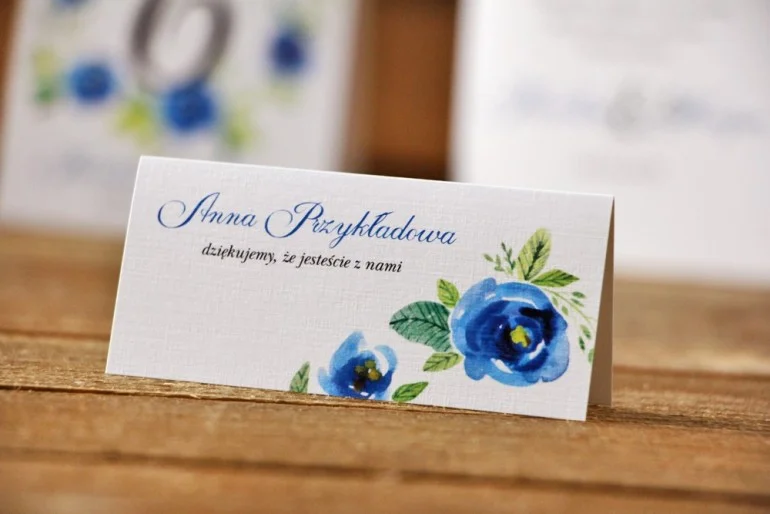
Linen-textured place cards | Watercolors no. 10
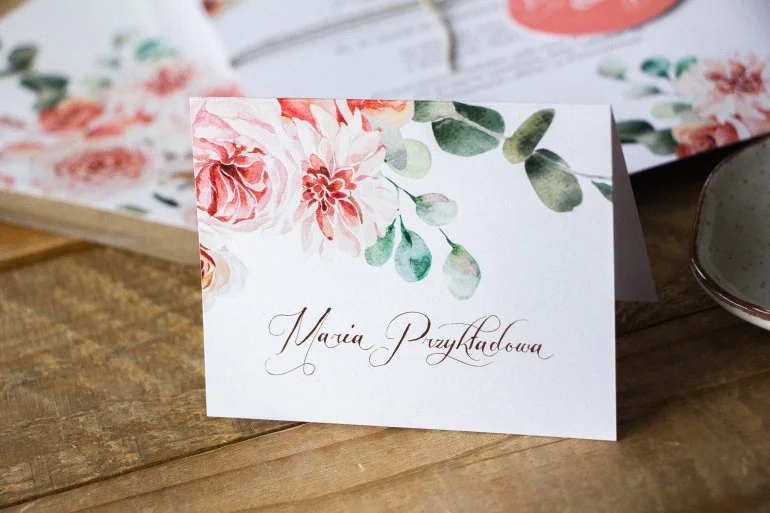
Place cards with pink bouquet | Indigo no. 7
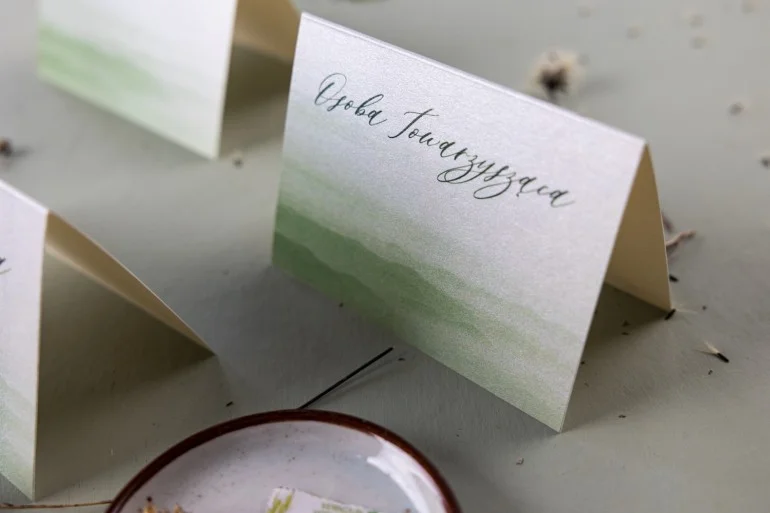
Pearlescent cream place cards | Opal no. 11
Another valuable hybrid solution is partial organizational help in specific areas that are particularly time-consuming or require specialized knowledge. For instance, some couples decide to handle the wedding dress, suit, photographer, and videographer themselves – elements that are very personal – but entrust the planner with the venue, floristry, decor, catering, and day-of coordination. This split saves time on the most logistically complex aspects while maintaining control over the most personal ones. Another popular option is hiring a planner only for day-of coordination – the couple handles everything for a year or more, and then a consultant takes over the logistics a month before to ensure a stress-free wedding day.
Technology also plays an increasing role in facilitating DIY wedding planning, offering tools that were unavailable a decade ago. Wedding apps have become invaluable support for those planning on their own, helping organize hundreds of tasks, manage budgets, and track guest lists. Modern apps like the free wedding app at blissaro.com offer comprehensive planning tools – from schedules with reminders to real-time budget calculators and interactive seating charts. For many couples, a professional wedding app replaces the need for a planner during the planning phase, though it cannot replace a consultant's personal experience and problem-solving skills.
Online wedding stationery creators are another valuable resource, allowing couples to independently design professional-looking invitations, place cards, and other accessories without hiring a graphic designer. Platforms like amelia-wedding.pl offer intuitive design tools where you can create personalized invitations in minutes, choosing from various templates, fonts, and motifs. These solutions are often much more affordable than traditional print shops while giving full control over the final look. Similarly, for wedding favors – instead of spending a fortune on ready-made sets, you can create unique, personalized thank-you notes that perfectly match your wedding concept.
Educational online resources also help DIY couples. You can find dozens of wedding blogs, YouTube channels by experienced planners, and Facebook groups where couples share experiences and solutions. These communities are a goldmine of practical knowledge – you can learn which venues have the best reputations, real costs of services, and what to look for in contracts. This "democratization" of wedding knowledge makes DIY planning more accessible and safer for the average couple.
A hybrid approach can also involve selective help from family and friends. Many couples successfully involve loved ones in specific tasks while maintaining control over key decisions. For example, an artistic friend might help with DIY decor, or a sibling with organizational talent might assist with the timeline. The key is clearly defining responsibilities and deadlines to avoid chaos. Remember, it's better to involve truly competent and responsible people rather than assigning tasks just for social reasons, which could lead to disappointment.

Forest motif Guest Book | Opal no. 2
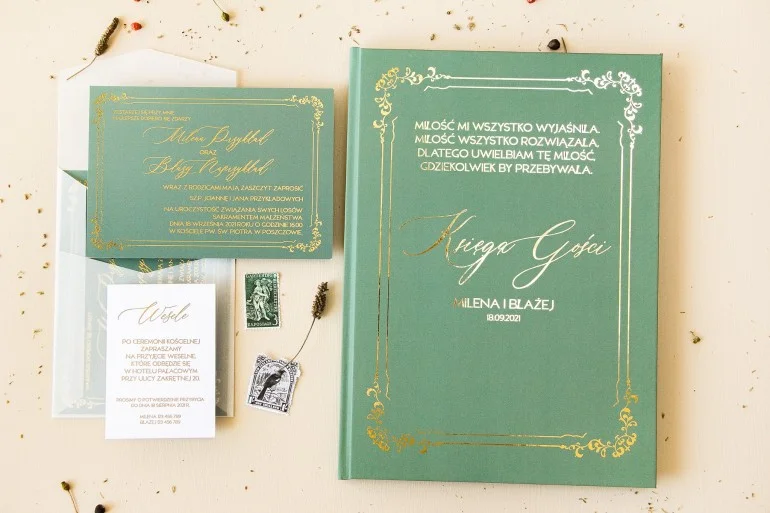
Personalized Guest Book | Sand no. 3
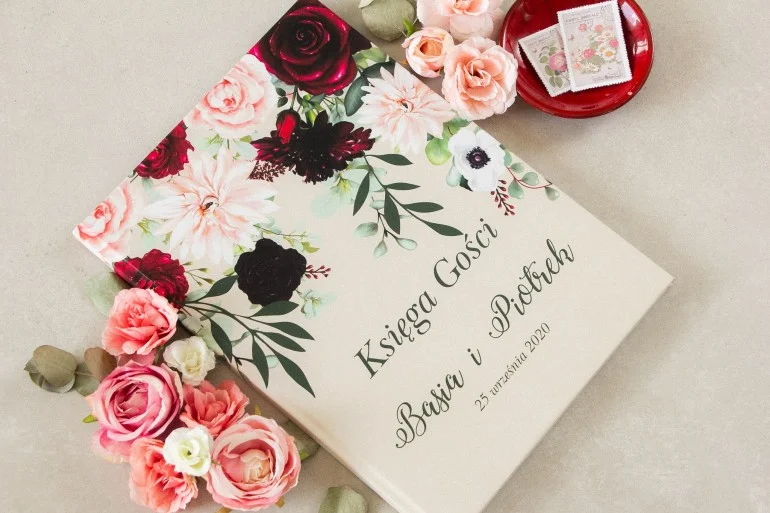
Burgundy Guest Book with anemones | Korani no. 4
When deciding on a hybrid solution, think about which areas are most important to you and which are the most difficult. If you have a precise aesthetic vision but lack logistical knowledge, you can handle the visual elements – from the dress to the stationery at amelia-wedding.pl/zaproszenia-slubne/ – and hire a planner for oversight and day-of coordination. There is no one-size-fits-all recipe; every couple is different, so an honest analysis of your capabilities and priorities is key to choosing the optimal model.
Cost and Budget Analysis – Is a Wedding Planner Worth It?
Finances are a major factor in deciding whether to DIY or hire a professional. For many, a planner's fee seems high at first glance. However, looking only at direct costs is oversimplified. To objectively evaluate if a planner is economically justified, consider not just their fee, but also potential savings they generate, the value of your time, and the alternative costs of DIY planning.
In a typical wedding budget, the venue and catering often take up about 50%. Other major costs include music, photography, videography, flowers, and attire. A wedding planner's fee usually represents a significant but not dominant portion of the total budget. The key question is: can they generate savings to offset their fee? Often, yes. Experienced planners have long-standing relationships with vendors and can often secure rates unavailable to the public. For example, a photographer might offer a lower price to a planner they work with regularly. Summing up these savings across categories can significantly offset the planner's own cost.
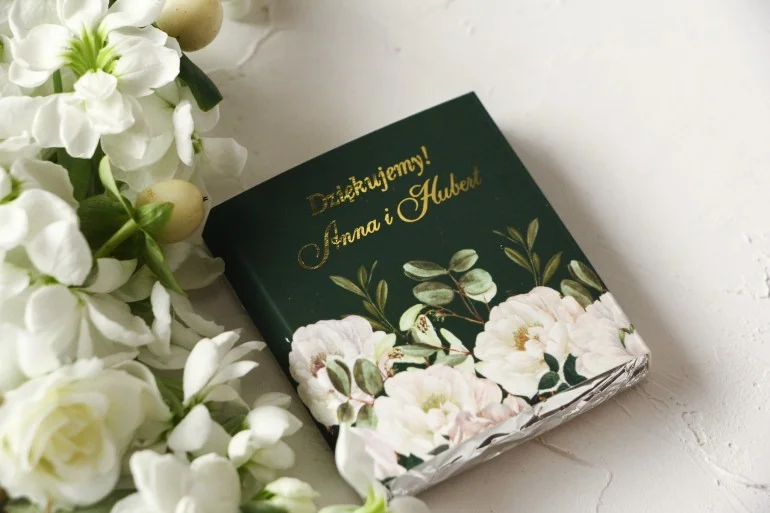
Wedding chocolates | Sapphire no. 3
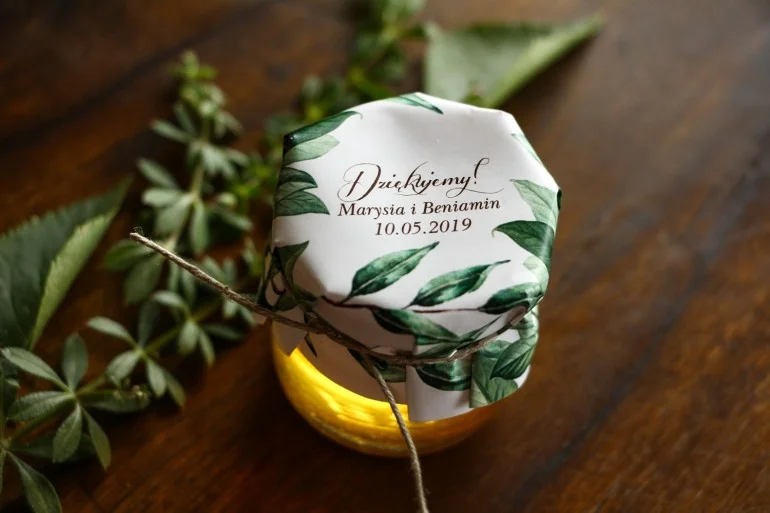
Wedding honey with olive branches | Indigo no. 2
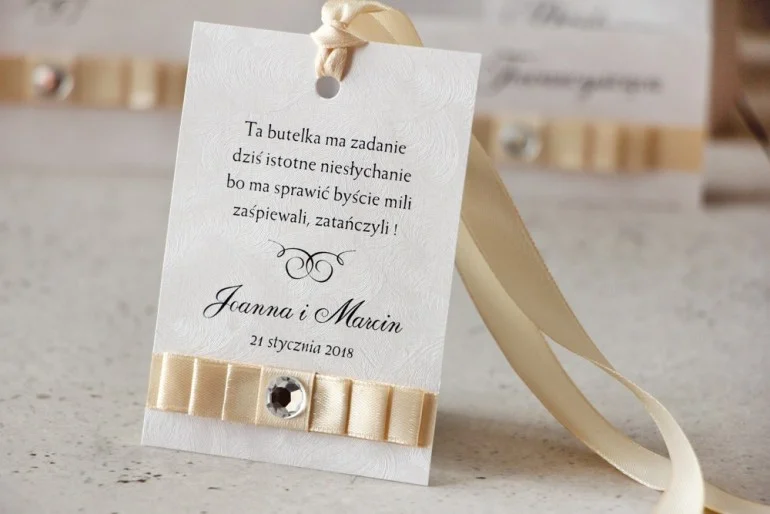
Elegant wedding bottle tags | Amaretto no. 1
A planner's knowledge also helps avoid costly mistakes. A DIY couple might overpay or hire the wrong vendor, leading to lost deposits. A planner knows market rates and can judge if an offer is fair. They also help create a realistic budget with a buffer for unforeseen expenses. Furthermore, consider the value of your time. If you save 400 hours, what is that worth based on your hourly earnings? For many professionals, hiring a planner is a rational economic decision when time is factored in.
Stress also has an economic impact on health and productivity. Chronic stress can lead to health issues or decreased performance at work. A planner reduces this burden. Finally, consider the scale: for a small wedding, a planner's fee might be disproportionately high. For a large, complex wedding, they become almost essential for efficient realization. If you're on a budget, consider consultations or day-of coordination as more affordable professional support options.
Stress and Time Management – Key Decision Factors
Wedding planning is an emotionally intense process. Research shows that over 70% of couples experience significant stress during planning. This isn't surprising – it's one of the largest projects most people ever manage. Stress sources include time pressure, decision fatigue, financial pressure, and social/family expectations. Dealing with an opinionated relative or balancing dreams with a budget can be exhausting.
DIY planning multiplies these stressors. 400 hours of work means every free evening and weekend is consumed by wedding tasks. This can lead to chronic fatigue and burnout. A professional wedding planner changes this dynamic by taking on the heavy organizational lifting, leaving you with the enjoyable parts – making key decisions on style and vision. They act as a buffer, handling vendor meetings, negotiations, and logistical problems.
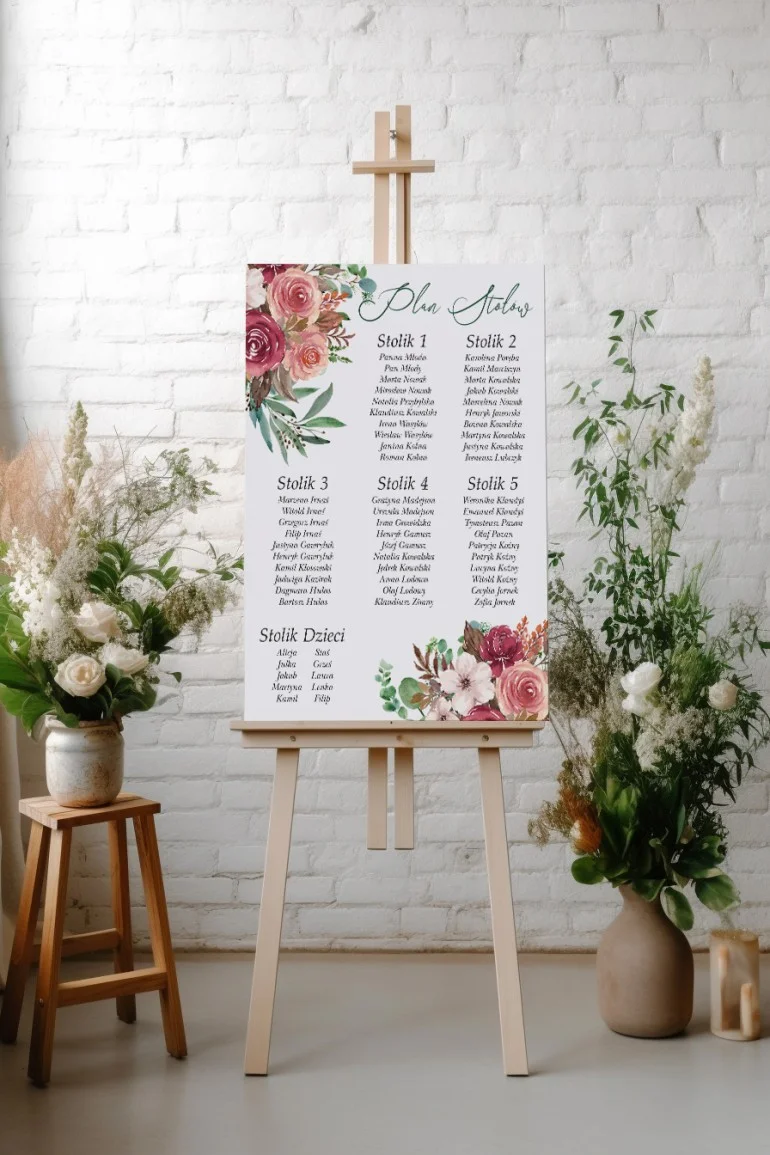
Seating chart Delize no. 3
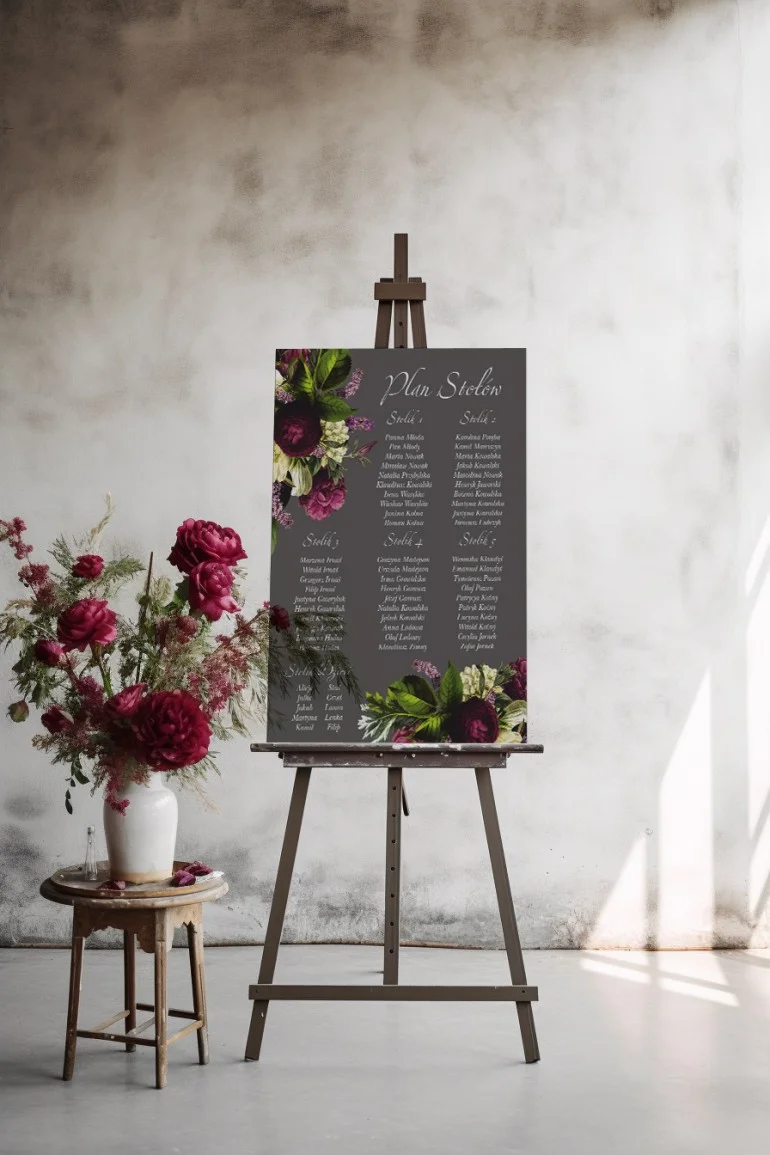
Seating chart Ethereal no. 2
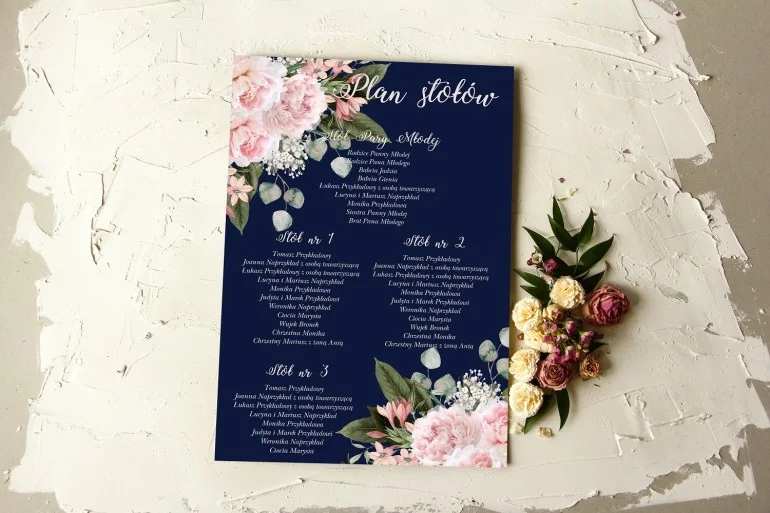
Seating chart Pastel no. 3
The planner's role on the actual wedding day is especially vital. Without coordination, you or your family will be checking if vendors arrived or if the catering is on time. A planner allows you to focus solely on the ceremony and your guests. If you DIY, use tools like blissaro.com to stay organized, delegate tasks to competent friends, and set time boundaries so the wedding doesn't take over your entire life. Remember, guests won't remember the napkin color – they'll remember the atmosphere and your joy. Keep perspective on what truly matters.
Making the Final Decision – A Practical Guide for Couples
When choosing between DIY and a planner, be honest about your situation. First, consider time availability. If you can't realistically find 300-400 hours over the next year, DIY might be too much. Second, look at your budget. Does the planner's fee make sense relative to your total spend? Third, consider your personality. Are you naturally organized and stress-resilient? If not, a planner is a great investment in your mental health.
Fourth, consider the complexity of the wedding. A large event with many moving parts (shuttles, hotels, multiple attractions) is much harder to DIY than a simple restaurant reception. Fifth, evaluate your support system. Do you have helpful, competent family, or will they be an added source of stress? A planner can be a necessary buffer against family interference.
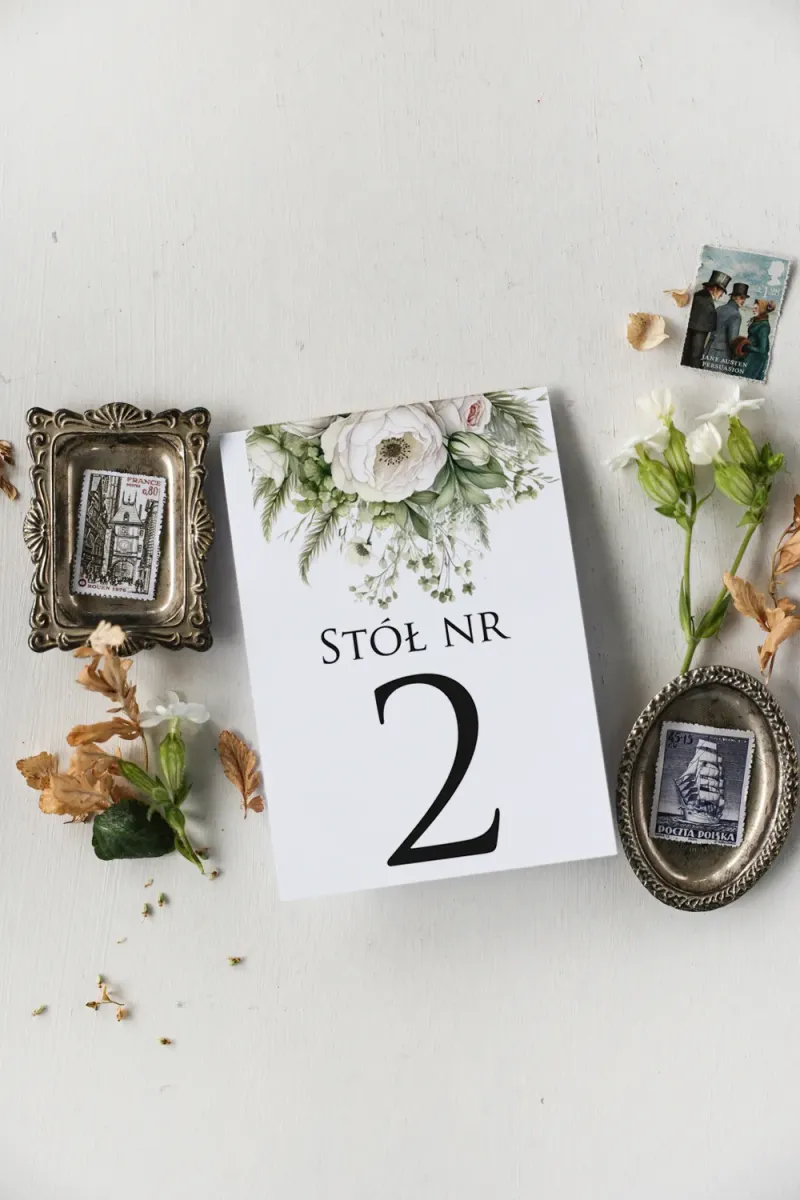
Original table numbers | Impression no. 3
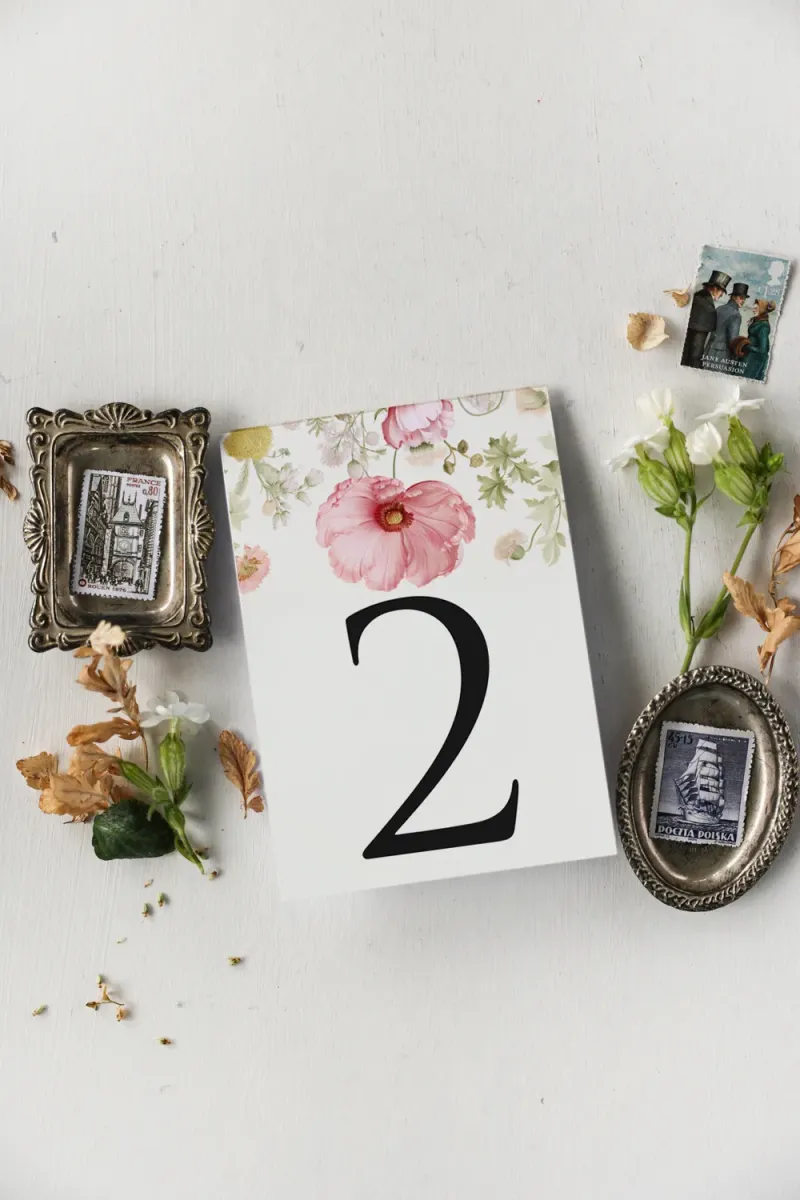
Pastel wedding table numbers | Impression no. 1

Mini Nutella jars with floral label | Kraft no. 11
If you have time, a smaller budget, and good skills, DIY is a great path. Support yourself with tools like blissaro.com and amelia-wedding.pl for professional stationery. If you have a high-pressure job and a larger budget, a planner is a wise choice. Don't see it as a sign of laziness – it's a conscious investment in a professionally executed day. For many, the hybrid model is the sweet spot: DIY the personal details like invitations and favors, but hire a professional for the heavy logistics and day-of coordination.
Ultimately, the goal is a beautiful day with loved ones that you'll remember with joy, not relief that it's over. Choose the tool that gets you there with the least stress. Good luck with your preparations!
Recommended articles:
