Elopement and Micro-Weddings – Is an Intimate Ceremony for Two a Good Idea?
What is an elopement – definition and essence of the trend
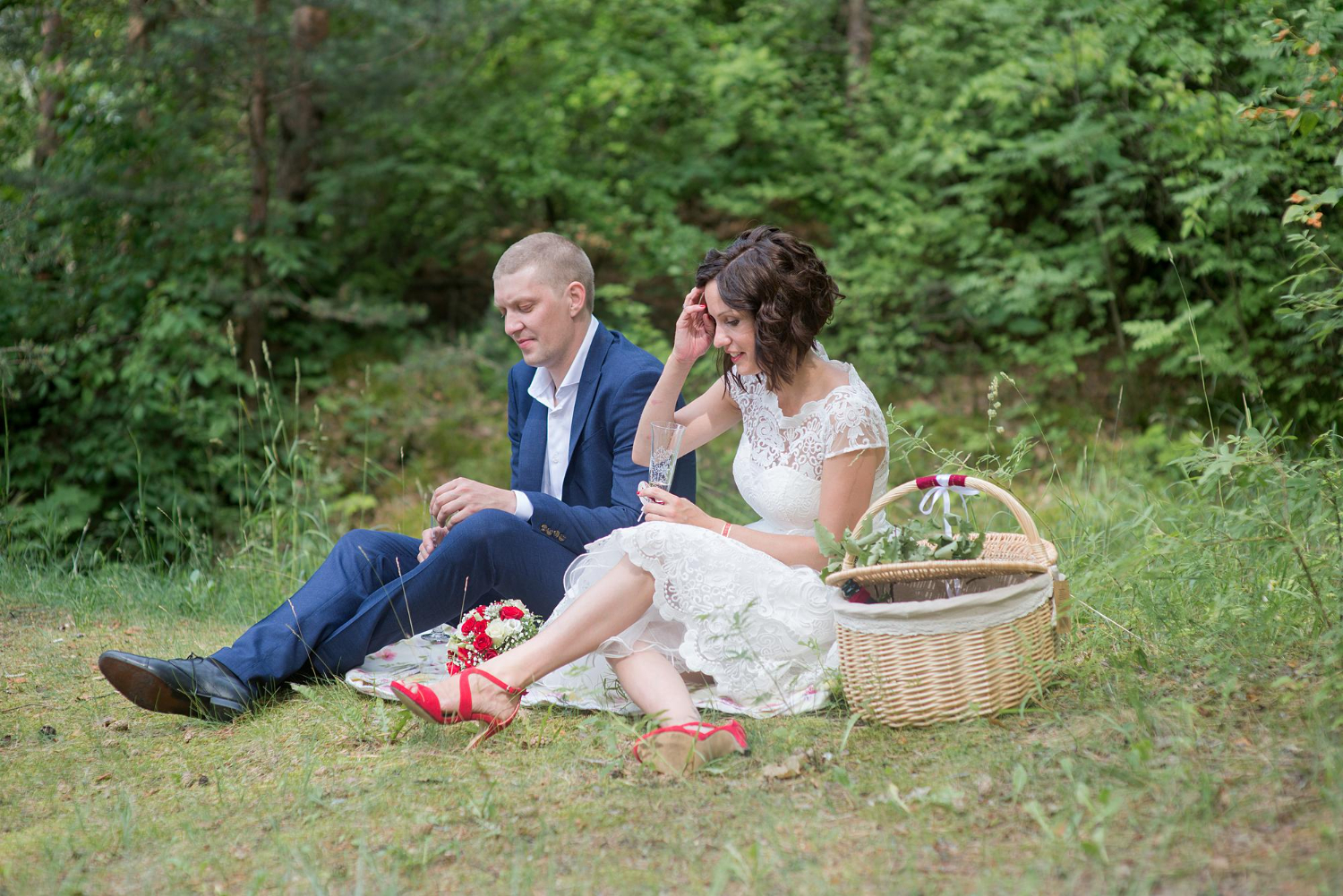
In the world of modern weddings, more and more couples are looking for alternatives to traditional, large-scale celebrations. The trend for intimate weddings and cozy ceremonies is gaining popularity not only abroad but also in Poland. Elopements and micro-weddings are becoming the answer for couples who want to celebrate their love in a more personal way, free from social pressure and massive financial expenses. These modern forms of wedding celebrations offer a unique opportunity to focus on what matters most – the relationship between two people in love.
The wedding industry has undergone significant changes in recent years, and the 2025 wedding trends clearly point to a growing interest in intimate ceremony formats. Modern couples are increasingly opting out of conventional weddings in favor of more authentic and personalized experiences. Organizing a wedding for two or with a very small group is becoming a conscious choice that allows for a deeper experience of this special day. This article provides a comprehensive guide to the world of elopements and micro-weddings, discussing both the advantages and the challenges associated with such ceremony forms.
Origin of the term and its contemporary meaning
The term "elopement" originally meant "to run away." In a wedding context, it refers to marriage ceremonies organized away from traditional conventions, often in secret from a wider circle of family and friends. The contemporary understanding of an elopement differs significantly from its historical meaning – today, it is no longer about a secret escape from disapproving family, but a conscious decision by couples who want to experience their most important day in a more intimate and personalized way.
An intimate elopement ceremony is characterized primarily by a limited number of participants – often just the newlyweds, witnesses, and the officiant. This form of ceremony allows for complete focus on each other and the significance of the vows being exchanged. Unlike traditional weddings, where attention is scattered across many elements – from the wedding menu to guest entertainment – a wedding for two enables a deep experience of every moment of this unique celebration.

Gaja No. 2 Wedding Invitation – Sage Green with Letterpress Embossing

Glamour Wedding Invitation with Gilded Branch and Velvet Paper – Ruskus No. 14

Kraft Wedding Invitation No. 12 – Forest Style with Pine Forest Graphic
An intimate elopement can take place in a variety of locations, from exotic destinations to beautiful spots in Poland. The choice of location is not limited by conventions or guest expectations – the couple can choose a location that has special meaning for them or simply fulfills their dreams of an ideal setting for their ceremony. This freedom of choice is one of the greatest advantages of an elopement, allowing for the creation of a truly unique and personal wedding experience.
Differences between an elopement and a traditional wedding
The main difference between an elopement and a traditional wedding is the scale and character of the celebration. While classic weddings often involve hundreds of guests, elaborate menus, professional bands, and complex logistics, a symbolic ceremony in the style of an elopement focuses on simplicity and authenticity. The couple has the opportunity for full control over every aspect of their day, without having to consider the preferences or expectations of numerous guests.
Organizing an elopement is much less complicated than preparing a traditional wedding. There is no need to book large wedding halls, plan a menu for hundreds of people, or coordinate complex logistics. Instead, the couple can focus on the elements that are most important to them – the ceremony, each other, and creating unforgettable memories. Beautiful wedding invitations for an elopement are often replaced by a simple notification to loved ones about the plans, which further simplifies the preparation process.
The difference also lies in the approach to the entire event. Traditional weddings often become an opportunity for the whole family and friends to meet, which can generate stress related to the need to meet the expectations of different groups of people. An outdoor wedding in the style of an elopement allows you to focus solely on the relationship between the newlyweds, without the pressure of entertaining guests or coordinating various wedding elements. This difference in approach often translates into a much calmer and more meditative experience of this special day.
Popularity of elopements in Poland
In Poland, the trend for intimate weddings is gaining popularity, especially among younger generations. Polish couples are increasingly inspired by global trends and are looking for alternatives to traditional, often very expensive weddings. The wedding industry in Poland is seeing growing interest in intimate ceremony forms, which is reflected in the offerings of an increasing number of wedding planners and photographers specializing in these types of events.
The growing popularity of micro-weddings and elopements in Poland stems from several social and economic factors. First, younger generations increasingly value authenticity and individualism, preferring personal experiences over spectacular shows. Second, the costs of a wedding in Poland are systematically rising, making alternative forms of ceremony financially attractive. The average cost of a traditional wedding in Poland can range from 30,000 to 60,000 PLN, while an intimate ceremony can cost significantly less.

Glamour Wedding Place Cards with Pearls – Pearls No. 1 White

Lauren No. 3 Wedding Place Cards – Classic Calligraphy Name Cards

Minimalist Wedding Place Cards – Glare No. 1 with Embossed Border
Polish wedding trends show that more and more couples are opting for outdoor weddings in beautiful locations across the country. From the picturesque mountain landscapes of the Tatra and Karkonosze mountains, through romantic seaside scenery, to charming rural locations – Poland offers plenty of places perfect for intimate ceremonies. The development of this offer means that couples no longer have to go abroad to fulfill their dreams of an intimate wedding, which further increases the availability and popularity of this form of ceremony in our country.
Advantages of intimate wedding ceremonies
Table of contents:
Significant reduction in stress and social pressure
One of the greatest advantages of elopements and micro-weddings is the dramatic reduction in stress associated with organizing the ceremony. Traditional weddings often generate enormous pressure on the couple – from the need to satisfy the diverse tastes of guests, through managing complex logistics, to balancing the expectations of various family members. An intimate ceremony eliminates most of these sources of stress, allowing the couple to focus on what is truly important – celebrating their love.
An intimate wedding takes the burden off the newlyweds of being "on stage" all day. In the case of traditional weddings, the couple often feels obligated to smile constantly, pose for photos with every guest, and ensure that everyone is having a good time. Such constant stress can make one's own wedding more exhausting than joyful. A symbolic ceremony for two or with a very small group allows for the natural expression of emotions and a true experience of every moment without artificial pressure.
The lack of social pressure related to choosing wedding invitations is also a significant relief for many couples. Often, the biggest stress associated with organizing a traditional wedding is creating the guest list – who to invite and who to omit so as not to offend anyone. Organizing an elopement completely eliminates this problem, allowing the couple to make decisions about their day freely. Thanks to a free wedding app, couples can easily organize even the most intimate events, maintaining full control over every detail of their celebration.
Drastic reduction in financial costs
The financial aspect is one of the most important advantages of intimate wedding ceremonies. Wedding costs in Poland can be quite high – average expenses for a traditional wedding range from 30,000 to 60,000 PLN. An elopement can cost just a fraction of that amount, often fitting into a budget of a few to a dozen thousand PLN, depending on the chosen location and additional services. This difference is particularly significant for young couples who are just starting their life together and have other financial priorities.

Simple No. 3 Soy Candle – Gold Foiling & Elegant Wedding Favours

Golden Fortune Cookies with Personalized Label | Affordable Wedding Favours | Cejla No. 3

Merci Favour with White Flowers, Green Leaves | Elegant Guest Gifts | Impresja No. 10
A micro-wedding allows for significant savings in several key areas. First, it eliminates the need to rent large wedding halls, which often constitute one of the highest costs of a traditional wedding. Second, it drastically reduces catering expenses – instead of a menu for 100-200 people, the couple pays only for themselves and possibly a few closest guests. Third, it lowers costs associated with decorations, flowers, and other decor elements, which can be much more modest yet more personalized for a small wedding.
The saved money is often allocated by couples to other goals – a dream honeymoon, a down payment on an apartment, or simply saved for the future. An outdoor wedding in Poland can be not only beautiful but also very economical, especially when the couple chooses public locations or rents private spaces for a short time. Additionally, the ability to prepare some elements yourself, such as place cards or guest favors, allows for even greater savings while maintaining the personal character of the celebration.
Unique atmosphere and deeper experience of the ceremony
Intimacy is an absolutely key advantage of elopements and micro-weddings. When the crowd of guests, music, and the whole atmosphere of a big wedding disappear, only the most important thing remains – two people in love and their mutual feelings. A symbolic ceremony in a small group allows for a deep experience of every moment, true focus on the significance of the vows being exchanged, and looking into each other's eyes without distractions.
The ability to personalize every element of an intimate ceremony means that the couple can create an event that perfectly reflects their personalities and relationship. From choosing a unique location, through writing their own wedding vows, to including symbolic rituals that have special meaning for them – everything can be tailored to their individual preferences. A wedding for two can take place on a mountain top at sunrise, on a beach at sunset, in a forest among old trees, or in any other place that has special meaning for the couple.
The lack of need to consider the preferences of numerous guests also means greater freedom in choosing the timing of the ceremony and its flow. The couple can decide on unusual times, private moments of silence and reflection, or spontaneous changes in the ceremony script. Such wedding organization allows for the creation of truly magical and unforgettable memories. The ability to use professional services highlights the uniqueness of this day while maintaining its intimate character.
Challenges and difficulties in organizing an elopement
Problems with acceptance from family and friends
One of the biggest challenges associated with an elopement is the potential lack of understanding from family and close friends. Traditional weddings are often seen as family occasions where family members have the opportunity to participate in an important moment in their children's lives. When a couple decides on an intimate ceremony for just the two of them, they may encounter disappointment, misunderstanding, or even anger from their loved ones. Older generations, in particular, may find it difficult to understand such a choice, perceiving it as a rejection of family and social traditions.

Flores No. 1 Soy Candle in Gypsum – Gilded Wedding Favour

Delize No. 1 Soy Candle – Forest Motif Wedding Favours

Flores No. 2 Soy Candle in Gypsum – Burgundy Flowers Wedding Favour
An intimate wedding can also be a source of problems in family relationships for a long time after the ceremony. Some family members may feel excluded or rejected, which can lead to long-term tensions and conflicts. The couple must be prepared to patiently explain their choice and be ready for the fact that not everyone will accept it. It is important to find a way to include the family in the celebration in another way – for example, by organizing a modest reception upon return or sharing photos and memories from the symbolic ceremony.
The wedding industry increasingly offers compromise solutions that allow for maintaining the intimate character of the celebration while simultaneously addressing the needs of the family. Some couples decide on a micro-wedding with the participation of the closest family members, others organize two ceremonies – a private one for themselves and a larger one for the family, and others stream their ceremony online for those who cannot be present. Organizing a wedding in this way requires extra work and diplomacy, but it can help maintain family harmony while realizing the couple's dreams of an intimate celebration.
Legal and formal limitations in Poland
In Poland, wedding formalities related to an elopement can be a significant challenge, especially if the couple wants their ceremony to have legal standing. A civil wedding requires the presence of a civil registrar and two witnesses, which means that even the most intimate ceremony must meet specific formal requirements. The couple must notify their intentions to the Civil Registry Office with appropriate advance notice – at least a month and one day before the planned date – and provide all required documents.
Wedding costs associated with formalities can also be higher than expected. While a standard ceremony at the office costs 84 PLN, an outdoor wedding outside the office can cost up to 1,000 PLN, depending on the location and logistical requirements. Additionally, not all places may be approved by the office as suitable for a wedding ceremony – they must meet specific safety and accessibility requirements. This means that the couple may be limited in their choice of the dream location for their intimate ceremony.
An alternative is a symbolic ceremony, which has no legal standing but allows for complete freedom in choosing the place, time, and form of the celebration. In such a case, however, the couple must additionally enter into marriage at the civil registry office, which effectively means two ceremonies. Some couples choose a solution where they handle legal formalities quickly and discreetly at the registry office and then organize their dream intimate ceremony in a chosen location. Such a division, however, requires additional planning and can affect the spontaneity, which is one of the main advantages of an elopement.
Logistical challenges related to location choice and organization
Organizing an elopement, despite its apparent simplicity, can involve unique logistical challenges, especially when the couple dreams of an unusual location. An outdoor wedding in the mountains, by a lake, or in a forest requires considering many factors – from the accessibility of the location for the official and guests, through weather conditions, to the need to provide basic amenities. Some dream locations may prove difficult to access, without electricity or toilets, which complicates the organization of even the most modest ceremony.

Glamour Wedding Place Cards No. 1 – Satin Name Cards with White Print

Cappuccino Wedding Place Cards No. 1 – Satin Ribbon Table Name Cards

Rose Bow Wedding Place Cards No. 1 – Pink Satin Glass Ribbon Cards
Weather is a particularly significant challenge for intimate outdoor ceremonies, especially in Poland, where atmospheric conditions can be unpredictable. The couple must have a plan B in case of rain, strong wind, or other unfavorable conditions. Wedding trends show that more and more couples are opting for ceremonies in transitional periods – early spring or late autumn – which may increase weather risk but also create exceptionally beautiful and romantic scenery.
Issues related to photography and filming can also be more complicated in the case of an elopement. The chosen location may require special permits for a professional photo shoot; some locations may have restrictions regarding the use of tripods or other equipment. Additionally, the intimate character of the ceremony means that the photographer must be particularly discreet and skillfully combine documenting the event with respecting the couple's privacy. Finding a photographer experienced in these types of ceremonies and understanding the specifics of micro-weddings can be a challenge, but it is crucial for creating beautiful memories of this special day.
Legal and organizational formalities
Required documents and legal procedures
Wedding formalities in Poland require careful preparation and understanding of all legal requirements, regardless of whether the couple chooses a traditional wedding or an elopement. The basic document required from each of the fiancés is an ID card or passport, as well as an abridged copy of the birth certificate not older than six months. For those who were previously in a marriage, additional documents confirming the dissolution of the previous relationship are necessary – this can be a final court judgment on divorce or an abridged copy of the death certificate of the deceased spouse.
The procedure related to organizing a civil wedding begins with a visit to the Civil Registry Office, where you must submit an application for marriage and pay the stamp duty. Wedding costs associated with legal formalities are relatively small – the fee for drawing up a marriage certificate is 84 PLN, but in the case of a ceremony outside the office, it can increase up to 1,000 PLN. The couple must also submit a written assurance of no circumstances excluding the marriage, which is valid for six months from the date of signing.
Particular attention should be paid to the requirements regarding witnesses, who are mandatory at every civil wedding in Poland. Witnesses must be of legal age and possess valid identification documents – they do not necessarily have to be of different genders; the couple can choose two men or two women. In the case of an intimate ceremony, the choice of witnesses is particularly important because they will be the only guests at the celebration. It is worth choosing people who understand and support the couple's decision for an intimate wedding, which will further strengthen the emotional dimension of the ceremony.
Differences between a civil wedding and a symbolic ceremony
A civil wedding has full legal standing and creates a legal bond between spouses recognized by the Polish state. Such a wedding must take place in the presence of a civil registrar and two witnesses, which means that even the most intimate ceremony must meet specific formal requirements. The official conducts the ceremony according to an established protocol, the couple exchanges wedding vows in the presence of witnesses, and then signs the marriage certificate. This type of wedding guarantees all marital rights provided for in Polish law, including property issues, inheritance, or medical decision-making.
Golden Fortune Cookies with Personalized Label | Affordable Wedding Favours | Cejla No. 3

Fortune Cookies with Gold Foliage – Ruskus No. 2

Personalized Fortune Cookies, Light Grey | Original Wedding Favours | Cejla No. 7
A symbolic ceremony, although devoid of legal standing, offers significantly greater freedom in shaping the course of the celebration. The couple can choose any place, any time of day, can write their own vows and include any elements of the ceremony that have special meaning for them. An outdoor wedding in the form of a symbolic ceremony can take place on a mountain top, by the shore of a lake, in the middle of a forest, or in any other place that the couple deems appropriate. Such a ceremony can be conducted by a humanist celebrant, a friend of the couple, or even by one of the newlyweds.
Many couples choose a hybrid solution, combining both approaches – first, they handle legal formalities at the civil registry office in a very intimate group, and then organize their dream symbolic ceremony in a chosen location. This approach allows for meeting all legal requirements while maintaining complete freedom in shaping the main ceremony. Wedding trends show that more and more couples are opting for such a solution, treating the legal part as a formality and the symbolic ceremony as the true celebration of their love.
Practical aspects of ceremony planning
Planning an elopement or micro-wedding requires special attention to details that are often delegated to organizers or families in the case of larger weddings. The couple must independently take care of all aspects of their ceremony – from choosing and securing the location, through organizing transport, to providing basic amenities for themselves and any guests. Organizing a wedding in an intimate form may seem simpler, but in practice, it requires greater personal involvement from the newlyweds in every detail.
Choosing the right date is crucial for the success of an outdoor wedding. In Poland, the best weather conditions usually prevail from May to September, but during this period, popular locations can be the most crowded. Some couples consciously choose off-season dates, which allows for greater privacy and often lower costs, but requires preparation for less predictable weather conditions. It is also important to consider holiday periods, long weekends, and local events that may affect the availability of the chosen location.
Technical and logistical aspects of an intimate ceremony require special attention during planning. The couple must think about issues related to access to the location for all participants, the possibility of parking vehicles, access to toilets, and shelter in case of bad weather. In the case of ceremonies in remote locations, catering or at least basic refreshments should be planned, which can be a logistical challenge. Using modern tools, such as a free wedding app, can significantly facilitate the coordination of all these elements and help create a detailed schedule for the day.
Micro-wedding as a compromise between tradition and intimacy
Definition and characteristics of a micro-wedding
A micro-wedding is an ideal compromise solution for couples who desire an intimate atmosphere but at the same time want to share the joy of their day with loved ones. Unlike an elopement, which usually involves only the couple and witnesses, a micro-wedding allows for inviting from 10 to a maximum of 30-50 people – members of the closest family and friends. This number of guests allows for maintaining the intimate character of the celebration while avoiding dilemmas related to completely excluding loved ones from the most important day in the couple's life.

Personalized Wedding Welcome Sign with Two Photos – Photo Design No. 6

Elegant Wedding Welcome Sign with Black & White Photos – Photo Design No. 7

Rubin No. 5 Wedding Seating Plan – Purple Heather and Gold Motif
An intimate ceremony in the form of a micro-wedding offers all the advantages of an intimate wedding while retaining some elements of a traditional wedding. The couple can organize a professional photo shoot, an elegant reception with a menu tailored to the group of guests, and even modest dance entertainment. Organizing a wedding on such a scale allows for greater personalization of every element – from individually prepared place cards for each guest, to personalized guest favors, which can become keepsakes from this special day.
A small wedding in the form of a micro-wedding is also characterized by greater flexibility in choosing the location and style of the celebration. A smaller number of guests means the possibility of renting unusual places – from small restaurants with charming gardens, through historic manors, to private villas or even apartments with beautiful terraces. Wedding trends show that micro-weddings are enjoying growing popularity, especially in large cities, where couples value the possibility of organizing a stylish celebration in unique locations that would not be available for larger groups.
Benefits of a micro-wedding for couples and their guests
The main advantage of a micro-wedding is the opportunity to spend quality time with each of the guests. Unlike traditional weddings, where the couple often barely manages to exchange a few words with each invitee, an intimate ceremony allows for real conversations, sharing emotions, and creating deep memories with the closest people. Each guest feels special and important, and the couple can fully enjoy the company of their loved ones without the rush and stress associated with managing a large event.
From the perspective of wedding costs, micro-weddings offer significant savings while maintaining elegance and style. A smaller number of guests means lower catering expenses, but at the same time, it allows for choosing a higher quality menu – the couple can afford more luxurious dishes, better alcohol, or even hiring a renowned chef. Organizing a wedding on such a scale also allows for investing in details that could be too expensive for larger weddings – such as professional floral arrangements, high-quality wedding stationery, or exclusive accessories.
The intimate character of a micro-wedding also translates into the possibility of organizing more personalized attractions and activities for guests. Instead of standard wedding animations, the couple can plan joint activities that reflect their interests – from cooking together, through games and fun, to mini-concerts or presentations. An outdoor wedding in the form of a micro-wedding can include group walks, picnics, or even sports activities if this form of entertainment suits the character of the couple and their guests. Such personalization makes every micro-wedding a unique event that cannot be replicated.
Glamour Wedding Place Cards with Pearls – Pearls No. 1 White
Lauren No. 3 Wedding Place Cards – Classic Calligraphy Name Cards
Minimalist Wedding Place Cards – Glare No. 1 with Embossed Border
Practical aspects of organizing a small wedding
Organizing a wedding in the form of a micro-wedding requires a special approach to space planning and logistics. A smaller number of guests allows for choosing more intimate locations but simultaneously requires care to ensure that the space is neither too large (which could make the celebration seem empty) nor too small (which could cause a feeling of crowding). Ideal are places that can be easily adapted to the number of guests – restaurants with separate rooms, manors with the possibility of renting only part of the premises, or garden spaces with the possibility of creating an intimate zone.
Planning a menu for a small wedding offers unique opportunities but also poses special challenges for organizers. On one hand, the couple can afford more sophisticated and expensive dishes; on the other, they must consider the individual preferences and possible allergies of each guest. Wedding costs associated with catering can be proportionally higher per person, but the total budget will remain significantly lower than in the case of a traditional wedding. Many couples opt for family-style formulas – shared tables with dishes to share, which strengthens the intimate character of the celebration.
Particular attention should be paid to decorations and the visual setting of a micro-wedding because with a smaller number of guests, every detail is more visible and has greater significance. The wedding industry increasingly offers special packages dedicated to small weddings, which allow for creating a stylish and elegant setting on a reasonable budget. The couple can invest in high-quality decorative elements – from professional floral compositions to elegant tablecloths and stationery, which will become keepsakes for guests. Using planning apps can help coordinate all elements and ensure that every detail is taken care of.
Practical tips for couples considering an elopement
Choosing the perfect location for an intimate ceremony
The choice of location is the foundation of a successful elopement and can determine the character of the entire celebration. An outdoor wedding in Poland offers countless possibilities – from the majestic landscapes of the Tatra and Karkonosze mountains, through the romantic Baltic coast, to the charming lakes of Masuria or the picturesque valleys of the Bieszczady mountains. Each of these locations offers a unique atmosphere and can become the perfect backdrop for an intimate ceremony. It is important to choose a place that has personal meaning for the couple or simply perfectly reflects their vision of a dream wedding.
When choosing a place for an intimate wedding, several practical aspects should be considered. First, the accessibility of the location – whether it can be easily reached by car, whether there is parking for guests and possibly for the civil registrar. Second, infrastructure – whether there are toilets nearby, shelter in case of bad weather, access to electricity if needed. Third, legal regulations – whether the chosen place can be approved by the Civil Registry Office as a location for a civil wedding, whether special permits are needed to organize the celebration in a given place.
Wedding trends show that locations of historical and cultural character are gaining popularity – castle ruins, historic parks, open-air museums, or even military cemeteries of special significance to the couple. Some couples decide on places associated with the beginnings of their relationship – the place of their first meeting, first date, or first trip together. Organizing a wedding in such a place adds a deeper, personal dimension to the ceremony and makes it not only a celebration of love but also a tribute to the history of the relationship.
Budget planning and cost management
Wedding costs in the form of an elopement can vary significantly depending on the chosen options, but generally remain much lower than expenses for a traditional wedding. The basic budget includes official fees (84-1000 PLN for the ceremony), travel costs to the chosen location, possible accommodation, wedding attire, and photographer services. A minimalist elopement can be organized even on a budget of 3,000-8,000 PLN, while a more luxurious version with professional organization can cost 15,000-25,000 PLN, which still constitutes a fraction of the costs of a traditional wedding.
Effective budget management for an intimate ceremony requires careful planning of priorities. The couple must decide which elements are most important to them – whether it's professional photography, elegant attire, a unique location, or perhaps a romantic stay in a luxury hotel after the ceremony. The wedding industry offers more and more packages dedicated to small ceremonies, which can be more financially advantageous than ordering each service separately. It is also worth considering DIY elements – preparing decorations or simple gifts yourself can be not only a saving but also a pleasant way to personalize the celebration.
When planning an elopement budget, do not forget about hidden costs and additional expenses that may arise. Basic costs often include expenses for transport to the location (especially if it is remote), meals for all ceremony participants, possible accommodation, as well as costs associated with obtaining necessary permits or insurance. Wedding organization also requires thinking about indirect costs – such as time off work, pet care during the trip, or costs of preparing documents. Using budget planning tools can help control expenses and avoid unpleasant financial surprises.
Communication strategy with family and loved ones
One of the biggest challenges associated with an elopement is managing the expectations and reactions of family and friends. It is crucial to communicate your decision openly and honestly as well as the reasons that led to it. The couple should prepare for diverse reactions – from full understanding and support to disappointment or even anger. It is important to present your choice as a positive decision to celebrate love in a way that is ideal for this specific relationship, and not as a rejection of tradition or the exclusion of loved ones.
An intimate wedding does not have to mean the complete exclusion of the family from the celebration. Many couples decide to organize additional events that allow loved ones to participate in the joy – this can be a modest reception upon return from the ceremony, a presentation of photos and memories, or even a later renewal of vows in the presence of the family. Some couples organize a virtual stream of their symbolic ceremony, allowing loved ones to "participate" in real-time, which can be a compromise between maintaining intimacy and including the family.
The communication strategy should take into account different groups of loved ones and their potential reactions. Older generations may need more time and patient explanations to understand the couple's choice, while peers may be more open to non-standard solutions. Wedding organization should include a communication plan from the beginning – when and how to inform different people, how to answer questions and doubts, how to deal with negative reactions. It is also important to prepare informational messages that clearly present the couple's decision and express hope for understanding and support from loved ones.
Is an intimate ceremony a good idea? – summary
Elopements and micro-weddings are an answer to the changing needs of modern couples who are looking for authentic ways to celebrate their love. 2025 wedding trends clearly show that intimate forms of ceremony are ceasing to be a niche choice, becoming an increasingly mainstream solution for couples who value intimacy, authenticity, and a conscious approach to finances. The decision for an intimate wedding or micro-wedding can be an ideal choice for introverted couples, minimalists, people who value privacy, couples with a limited budget, as well as those who simply dream of a unique, personalized celebration of their relationship.
The advantages of intimate ceremonies are undeniable – significant stress reduction, dramatic cost reduction, the possibility of full event personalization, and a deep, emotional experience of the most important day in life. Wedding costs in the form of an elopement can be even several times lower than a traditional wedding, allowing couples to invest saved funds in other life goals – from dream trips to a down payment on an apartment. Organizing a wedding in an intimate form allows for focusing on things that are truly essential and avoiding the stress associated with managing a large event.
At the same time, the challenges associated with an elopement should not be ignored – from potential problems with family acceptance, through legal and logistical limitations, to the need to independently manage all aspects of the ceremony. Wedding formalities in Poland require careful consideration and appropriate preparation, especially if the couple wants their ceremony to have legal standing. The wedding industry is increasingly better at meeting the needs of couples choosing alternative forms of ceremony, offering specialized services and packages dedicated to intimate weddings.
Ultimately, whether an intimate ceremony for two is a good idea depends on the individual needs, values, and dreams of a specific couple. For some, it will be an ideal solution, allowing them to experience the most important day in life in a way that is fully consistent with their vision of love and relationship. For others, a traditional wedding with family and friends will remain the most appropriate way of celebration. Regardless of the choice, it is important that the decision is thoughtful, conscious, and made with a full understanding of both the advantages and challenges of each option. An outdoor wedding, a symbolic ceremony, or a micro-wedding – each of these forms can become the basis for beautiful memories and the beginning of a happy marriage, as long as it meets the true needs and dreams of the couple.
Modern organizational possibilities, from professional wedding invitations, through elegant accessories, to useful planning tools, mean that even the most intimate ceremonies can be organized professionally and stylishly, while simultaneously maintaining their intimate character.
Recommended articles
- Wedding trends 2025: colors, motifs, and news worth knowing
- Guest list and seating wedding guests: how to create the perfect table plan?
- Cost of a wedding for 30 people: a step-by-step budget planning guide
- What texts to include on wedding invitations?
- When to start planning a wedding?
- Wedding day coordinator: is it worth hiring? Learn about the role, duties, costs, and alternatives