Green wedding – how to plan an eco-friendly and zero-waste celebration
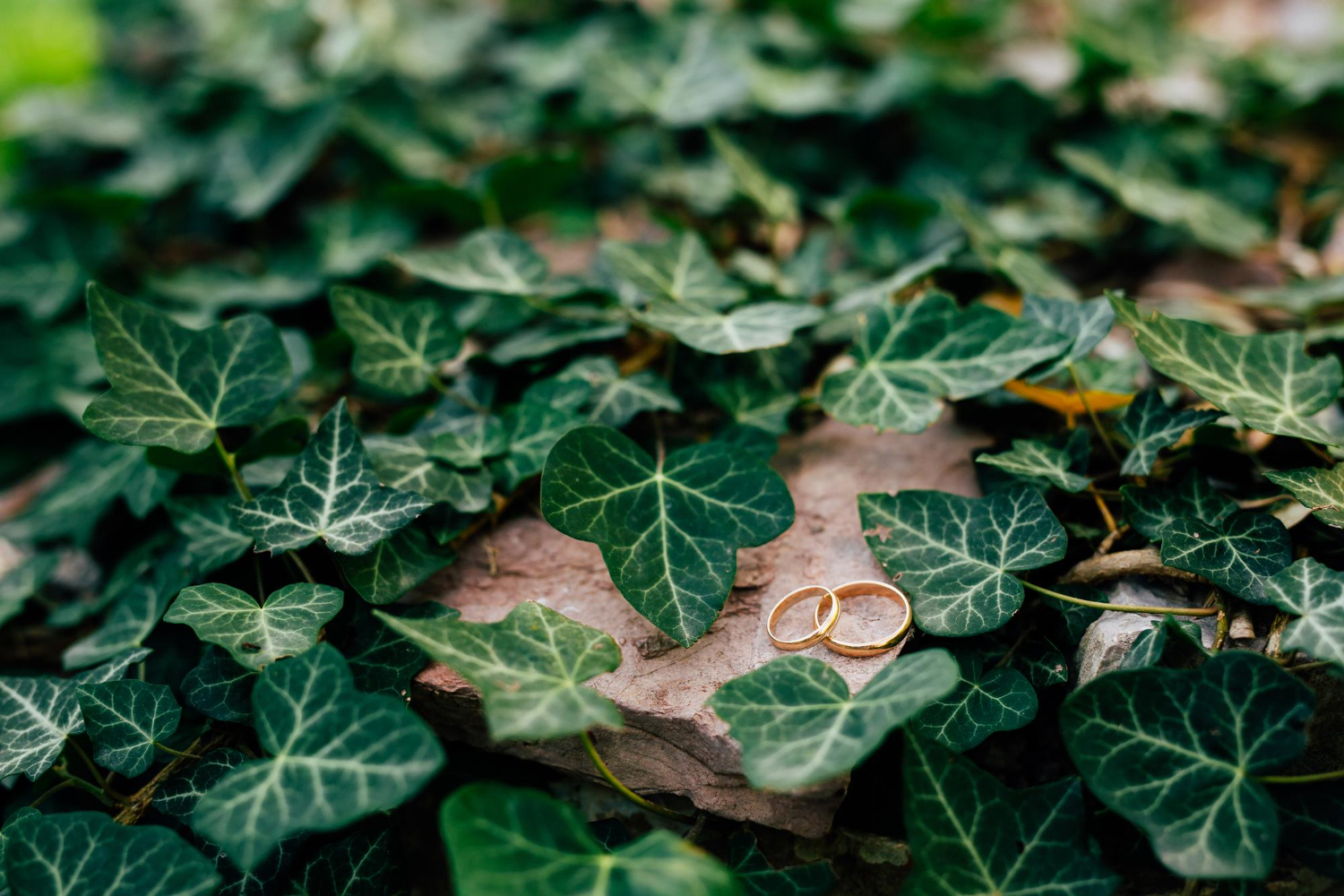
Organizing a green wedding is not just a modern trend, but also a conscious choice for couples who want to celebrate their love in harmony with nature. In Poland, more and more engaged couples are opting for an eco-style wedding that combines elegance with environmental responsibility. Such a celebration can be just as beautiful and memorable as a traditional wedding, while also saving money and minimizing the negative impact on the planet. An eco-friendly wedding does not mean giving up luxury or elegance – it is a thoughtful approach to planning that prioritizes local products, biodegradable materials, and zero-waste solutions. Couples who choose this style of celebration support the local economy, reduce the carbon footprint of their event, and inspire their guests to live a more conscious lifestyle.
Eco-friendly wedding invitations – the first step towards zero waste
Digital invitations as a modern alternative
The first step in organizing a green wedding is choosing wedding invitations made in an eco-friendly spirit. Digital wedding invitations are the most eco-friendly choice, completely eliminating paper consumption and the associated production processes. Modern platforms offer beautiful, personalized templates that can be sent via email or shared on social media, while maintaining an elegant look and professional presentation. An additional advantage of electronic invitations is the ability to quickly update information, easily manage the guest list, and receive RSVPs in real-time. Many couples choose to create a dedicated wedding website where guests can find all the necessary information about the ceremony, directions, accommodation suggestions, and dress code details.
Recycled and FSC-certified paper
If the couple prefers traditional paper wedding invitations, it is worth choosing recycled paper or materials with FSC (Forest Stewardship Council) certification. This certificate guarantees that the paper comes from responsibly managed forests that prioritize sustainable development and ecosystem protection. Printing houses offering eco-friendly solutions also use water-based inks instead of traditional chemical inks, which further reduces the negative environmental impact. Eco-friendly papers are often characterized by a tactile texture and natural charm – from smooth to fibrous with visible recycled elements, which gives the invitations a unique, rustic character that perfectly fits boho and vintage trends.

Gaja No. 2 Wedding Invitation – Sage Green with Letterpress Embossing

Glamour Wedding Invitation with Gilded Branch and Velvet Paper – Ruskus No. 14

Kraft Wedding Invitation No. 12 – Forest Style with Pine Forest Graphic
Seed paper invitations – a growing keepsake
An absolute hit in the category of eco-friendly invitations are seed paper invitations made from handmade, biodegradable paper. After the ceremony, guests can plant the invitation in the soil, where colorful flowers will sprout and grow over time – most often wildflower species such as night-scented stock, chamomile, or daisies. This symbolic solution shows how the couple's love "grows" and blooms, while being fully in line with the zero-waste philosophy. The planting process is very simple – just place the paper in a pot with soil, cover it with a thin layer of earth, water it, and place it in a sunny spot. Such invitations are not only eco-friendly and vegan (free of animal-derived ingredients), but also leave a lasting, living memento of a special day.
Biodegradable wedding decorations in harmony with nature
Natural materials instead of plastic
Biodegradable decorations are the heart of every eco-friendly wedding, replacing disposable plastic ornaments with materials sourced directly from nature. Wood in various forms – from rustic crates and information boards to decorative hoops with inscriptions – creates a warm, authentic atmosphere in the wedding venue. Natural fabrics such as linen or organic cotton, macramé made from jute ropes, and wicker baskets add coziness to the interior and harmonize with floral arrangements. Stones, pinecones, moss, and tree branches collected from local forests can be used as bases for candle holders, centerpiece elements, or wall decorations. All these materials can be passed on to another couple after the wedding, used at home, or composted, leaving no trace in the environment.

Glamour Wedding Place Cards with Pearls – Pearls No. 1 White

Lauren No. 3 Wedding Place Cards – Classic Calligraphy Name Cards

Minimalist Wedding Place Cards – Glare No. 1 with Embossed Border
Seasonal flowers and local arrangements
Choosing seasonal flowers from local crops is a key element of eco-decor, which not only reduces transport costs and the carbon footprint but also guarantees the freshness and durability of the arrangements. Spring arrangements can consist of tulips, daffodils, lilacs, and forsythia branches, while summer weddings can be beautifully decorated with peonies, roses, sunflowers, and flowering herbs like lavender or rosemary. Autumn celebrations will gain atmosphere thanks to chrysanthemums, asters, ornamental kale, and colorful maple and oak leaves, while winter ceremonies can be decorated with spruce branches, mistletoe, pinecones, and dried fruits. It is also worth considering the use of dried pampas grass, whose natural elegance and durability mean it can serve as decoration long after the wedding. Local florists often offer "field-to-vase" packages, where flowers are cut just before the ceremony, ensuring maximum freshness and a beautiful look throughout the wedding day.
Soy candles as eco-lighting
Natural soy candles are an excellent alternative to traditional paraffin candles, which are a petroleum-based product. Candles made from soy wax burn much longer, do not emit harmful substances or black smoke, and are characterized by a natural, delicate scent. In Poland, more and more manufacturers offer handmade soy candles with the addition of dried flower petals – roses, lavender, or chamomile – which not only look beautiful but also fill the space with a subtle aroma. Such candles can be placed in glass jars or candle holders made of natural materials, creating romantic lighting that can serve the couple in their new home after the wedding. Additionally, soy wax is fully biodegradable and compostable, meaning that leftovers after burning can be safely disposed of in the compost.
Local and seasonal wedding menu
Collaboration with regional suppliers
A local wedding menu based on seasonal ingredients is not only a way to create unique flavors but also an important element of a green wedding that supports the regional economy. Collaborating with local breeders, organic farmers, and small producers allows the couple to provide guests with fresh, high-quality products that did not require long refrigerated transport. Cheeses from regional dairies, meats from local butchers, honey from nearby apiaries, vegetables and fruits from agritourism farms – all these ingredients can be included in the wedding menu, creating authentic dishes with the character of the region. Many catering companies in Poland already specialize in cuisine based on local products, offering full vegetarian or vegan menus that perfectly fit the idea of an eco-friendly wedding.

Simple No. 3 Soy Candle – Gold Foiling & Elegant Wedding Favours

Golden Fortune Cookies with Personalized Label | Affordable Wedding Favours | Cejla No. 3

Merci Favour with White Flowers, Green Leaves | Elegant Guest Gifts | Impresja No. 10
Seasonal menu tailored to the time of year
Planning a wedding menu in tune with the rhythm of nature allows not only for the use of the freshest ingredients at their peak flavor but also for significantly lowering catering costs. Spring weddings can delight guests with salads made of asparagus, young root vegetables, and early radishes, while summer parties are perfectly complemented by grilled vegetables, fresh salads with tomatoes and cucumbers, and refreshing gazpacho. Autumn celebrations are the time for warming pumpkin cream soups, dishes with wild mushrooms, venison stew, and desserts with seasonal fruits such as apples, pears, or plums. Winter weddings can offer guests traditional Polish soups like żurek or borscht, roasted meats with fried cabbage, and warm desserts like poppy seed cake or gingerbread with nuts. This approach not only reduces the wedding's carbon footprint but also allows guests to taste unique, authentic flavors that will be perfectly associated with the season and the place of celebration.
Reducing food waste
One of the biggest problems with traditional weddings is the huge amount of wasted food – an average party can generate up to several dozen kilograms of uneaten food. An eco-friendly zero-waste wedding therefore requires a thoughtful approach to planning meal quantities and managing leftovers. The couple should consult with the catering company regarding the actual number of guests and their dietary preferences to avoid food overproduction. Many companies already offer "rescue food" packages, where food left over from the wedding is donated to local charities or food banks. Alternatively, guests can be asked to take leftovers home in pre-prepared eco-friendly cardboard boxes, which is an increasingly accepted practice at Polish weddings. Additionally, composting organic food waste can be organized by the wedding venue or catering company, turning waste into valuable fertilizer for local gardens.
Seedlings and seeds instead of traditional flowers
Gifts for guests that grow
Wedding favors in the form of seedlings or seeds are one of the most symbolic elements of a green wedding, combining practicality with deep meaning. Instead of traditional, disposable gifts, the couple can offer their loved ones small potted plants – succulents, culinary herbs, or small cacti – that will grow and thrive in the guests' homes for many years. This is a beautiful metaphor showing how the newlyweds' love "takes root" in the hearts of their loved ones and grows over time. Especially popular are place cards with seeds, which can be planted in a garden or on a balcony after the ceremony. Such growing place cards made of biodegradable paper with embedded wildflower seeds (night-scented stock, chamomile, daisies) serve as practical table markers and transform into colorful flower meadows after the wedding.

Flores No. 1 Soy Candle in Gypsum – Gilded Wedding Favour

Delize No. 1 Soy Candle – Forest Motif Wedding Favours

Flores No. 2 Soy Candle in Gypsum – Burgundy Flowers Wedding Favour
Eco-friendly packaging and personalization
Wedding favors in the form of seeds or seedlings require appropriate, eco-friendly packaging that is both aesthetic and in line with the zero-waste idea. Small glass jars, linen bags, recycled paper bags, or wooden boxes are excellent options that guests can later use at home. Personalizing such gifts by adding the couple's names, wedding date, and short care instructions makes each gift a unique keepsake. Labels can include inspiring quotes about love and growth, information about the plant species, and tips on planting and care. Many Polish companies already offer ready-made sets of eco-friendly wedding favors with honey-producing plant seeds, which support local bee populations and contribute to the protection of biodiversity.
Alternative ideas for living gifts
In addition to traditional seedlings and seeds, an eco-friendly wedding can surprise guests with other living gifts that will serve for a long time. Seed bombs made of paper pulp with embedded seeds are an original eco-gadget that can be "launched" in neglected parts of the city, contributing to its greening. Small jars with homemade preserves, syrups, or honey from a local apiary, provided with personalized labels, are a tasty and lasting gift. Natural soy candles in small glass containers, made with the addition of dried flower petals, will create a cozy atmosphere in guests' homes. Tea blends from local herbs, packed in beautiful linen bags, or small pots with culinary herbs (basil, rosemary, thyme) are gifts that combine utility with aesthetics and a long-lasting character.

Glamour Wedding Place Cards No. 1 – Satin Name Cards with White Print

Cappuccino Wedding Place Cards No. 1 – Satin Ribbon Table Name Cards

Rose Bow Wedding Place Cards No. 1 – Pink Satin Glass Ribbon Cards
Alternative transport and location solutions
Choosing an environmentally friendly venue
The location of a green wedding should be thoughtfully chosen to minimize environmental impact and facilitate eco-friendly transport choices for guests. Ideal places are botanical gardens, organic farms, agritourism spots, or resorts located close to nature, which in themselves provide a natural setting, minimizing the need for additional decorations. Many such places have eco-certificates confirming their commitment to sustainable development, the use of renewable energy sources, waste segregation, and cooperation with local suppliers. Folwark Ruchenka, as the only wedding venue in Poland listed on the Zero Waste Map, does not use plastic during weddings, offers purified tap water eliminating the need for plastic bottles, and uses cosmetics in reusable containers. Choosing a location near where most guests live significantly reduces the carbon footprint associated with travel and also lowers wedding organization costs.
Eco-friendly transport for guests
Organizing zero-waste transport for wedding guests requires advance planning and encouraging loved ones to carpool. The couple can create a special social media group or mobile app where guests can coordinate rides, sharing seats in cars and reducing the number of vehicles on the road. Renting buses or coaches to transport larger groups of guests from major cities is an investment that often proves more economical than individual travel, and additionally significantly reduces CO2 emissions. For guests living nearby, it is worth preparing maps of cycling routes or encouraging walking if the weather and distance allow. Some couples choose to offset the CO2 emissions associated with guest transport by supporting reforestation or renewable energy projects, which can be included in the wedding budget as a "contribution to the planet's future".
Local accommodation and longer stays
Encouraging guests to stay longer in the wedding region and choose local accommodation is a great way to support local tourism and reduce travel frequency. The couple can prepare a list of recommended agritourism spots, guesthouses, boutique hotels, or rural farms in the area that offer authentic experiences and the opportunity to get to know local culture. Organizing a wedding weekend instead of a one-day celebration allows guests to get to know each other better, relax, and discover the charms of the region, while also reducing the stress associated with quick travel. Many places offer group packages for wedding guests that include accommodation, meals with local products, and outdoor activities such as walking regional trails, tasting local specialties, or handicraft workshops. Such a wedding format creates unforgettable memories and allows the couple to save on transport costs while supporting the development of sustainable tourism in Poland.
Practical tips for waste management
Waste segregation system at the wedding
Effective waste management during an eco-friendly wedding requires a thoughtful waste segregation system and educating guests on proper zero-waste practices. Strategically placed recycling stations in various parts of the wedding hall – at the bar, near tables, at the entrance to restrooms – should be clearly marked with colorful stickers or information signs about types of waste. Biodegradable disposable tableware, made from sugarcane, bamboo, or corn, should go into separate containers intended for composting, while glass, metal, and paper require standard segregation. The couple can designate people responsible for monitoring the segregation system and educating guests – often bridesmaids, groomsmen, or close family members are happy to take on this role. Food leftovers should be collected in special compost containers, and the catering company can be obligated to transfer organic waste to a local composting plant or biogas plant.
Golden Fortune Cookies with Personalized Label | Affordable Wedding Favours | Cejla No. 3

Fortune Cookies with Gold Foliage – Ruskus No. 2

Personalized Fortune Cookies, Light Grey | Original Wedding Favours | Cejla No. 7
Elimination of single-use plastic
Completely giving up plastic during a green wedding is an ambitious but achievable goal that requires advance planning and cooperation with all suppliers. Reusable tableware – glass plates, metal cutlery, ceramic mugs – is the optimal choice, although it involves higher rental costs and the need to organize professional washing. In case of the necessity to use disposable tableware, the best options are those made of biodegradable materials: palm leaf plates, bamboo cutlery, FSC-certified paper cups, and paper or steel straws. Drinks should be served in returnable glass bottles, metal cans, or directly from dispensers, eliminating plastic bottles. Decorations made of latex balloons, although biodegradable, can pose a threat to animals, so it is better to replace them with paper garlands, fabric flags, or natural elements.
Post-wedding composting and recycling
Composting organic wedding leftovers is the final but extremely important stage of zero-waste waste management. The couple should contact a local industrial composting plant or biogas plant in advance, which accepts larger quantities of organic waste and converts it into valuable fertilizer or renewable energy. Leftover flowers, leaves, and other plant decorations can be donated to local community gardens, organic farms, or plant nurseries, where they can serve as natural fertilizer. Glass jars, bottles, and metal cans should be thoroughly washed and taken to a local recycling point or used by the couple in their household. Textile decorations, wooden elements, and ceramics can be passed on to other couples planning a green wedding or used in home decor. Remaining food, if in good condition, should be packed in biodegradable containers and given to guests or local charities that deal with food rescue.
Organizing a green wedding in an eco and zero-waste style is a wonderful opportunity to celebrate love in harmony with nature, which inspires guests to live a more conscious lifestyle. Thanks to a thoughtful choice of recycled wedding invitations, biodegradable decorations, a local seasonal menu, and wedding favors in the form of seedlings or seeds, the couple can create an unforgettable celebration that will have a positive impact on the environment. Using natural materials such as wood, glass, linen fabrics, and place cards made of eco-friendly paper allows for creating an elegant atmosphere while supporting local suppliers and reducing waste. The free wedding app Blissaro can help couples plan and organize such an eco-friendly celebration, offering tools for coordination with suppliers who follow zero-waste principles and tracking the carbon footprint of the entire event.