How far in advance should you send wedding invitations?
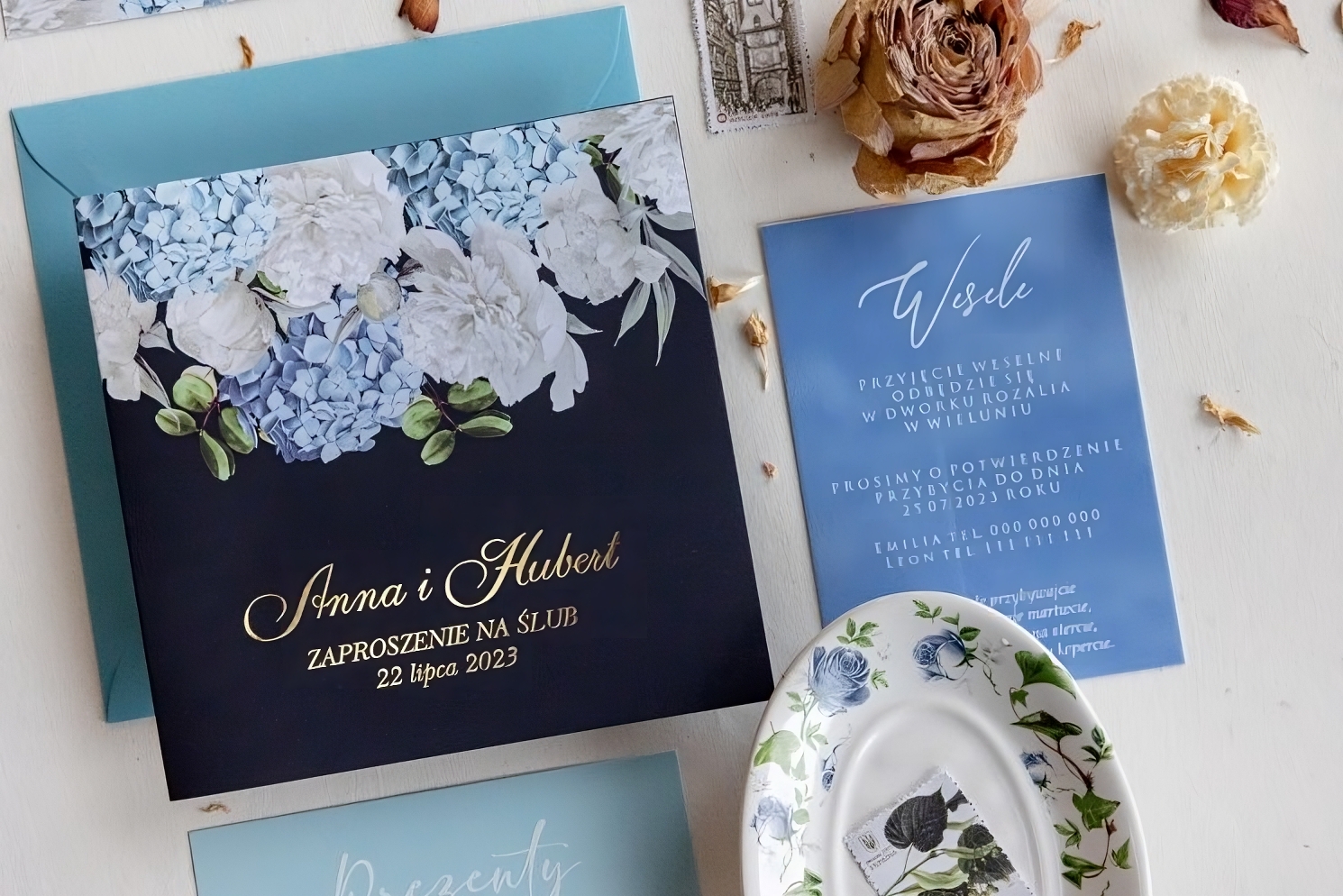
Why is the timing of sending invitations crucial?
The right time to send wedding invitations
Sending out wedding invitations at the right time is the foundation of a successful wedding. A key reason to handle invitations early is to give your guests enough time to prepare. Wedding invitations are not just a formality; they are a way to inform guests about the upcoming event, allowing them to save the date, prepare their outfits, and arrange travel and accommodation. Sending them too late may result in many loved ones being unable to attend due to prior commitments. Remember, sending invitations well in advance minimizes stress for both the bride and groom and the guests, who will have more time to organize their participation in the ceremony.
The history and evolution of wedding invitations
Wedding invitations have come a long way since their inception. The tradition dates back to times when wedding information was shared orally or via handwritten letters delivered in person. In the 19th century, with the development of printing, wedding invitations became more popular and accessible. Today, thanks to advanced printing technology and online stores like Amelia-Wedding.pl, we have an endless array of designs and styles that can be personalized to match the couple's individual preferences. This evolution has turned invitations into more than just information—they are now beautiful keepsakes that reflect the style and character of the celebration.
The impact of invitations on wedding planning
Planning a wedding is a complex process requiring precise time and task management. Sending invitations on time directly affects many organizational aspects. Most importantly, guest RSVPs are essential for planning seating, catering, and table arrangements. Invitations that include additional information, such as RSVP requests, accommodation details, or directions, help guests plan their attendance, which in turn makes organizing the entire event easier. Furthermore, sending invitations early gives the couple time to adjust their plans in case of sudden changes or guest cancellations.
The right moment to send wedding invitations is not just a matter of tradition, but also of practicality and effective planning. This allows both the couple and their guests to enjoy the upcoming event without unnecessary stress or misunderstandings.
Table of Contents
The ideal time to send invitations
What are the general rules for sending invitations?
General rules for sending wedding invitations are crucial to ensure all guests have enough time to prepare. Wedding invitations should be sent 3 to 6 months before the wedding date. During this period, guests have time to save the date, organize travel, and plan accommodation if they live far away. If the wedding is planned during a popular wedding season or holiday period, consider sending them even earlier to avoid scheduling conflicts with other guest plans.
Differences based on wedding type (civil, religious, themed)
The type of wedding also significantly impacts when to send invitations. Civil weddings often require fewer formalities and can be planned with less lead time than religious ceremonies, which may require additional preparations. For themed weddings, such as boho or vintage, it is important that guests have time to prepare accordingly. Destination weddings or ceremonies abroad require even more lead time—up to a year in advance—to allow guests to organize travel, visa formalities, and potential vacation time.
How does the wedding season affect invitation timing?
The wedding season, from late spring to early autumn, is when most couples choose to get married. During this time, the availability of vendors like photographers, caterers, or bands can be limited, so it is important to send invitations well in advance. Wedding invitations sent during the peak season should reach guests at least 6 months before the wedding to ensure they can book dates and avoid other commitments. Additionally, sending them early allows for more effective guest list management, which is especially important for large weddings.
In summary, the ideal time to send wedding invitations depends on many factors, including the type of wedding, its location, and the season. Adopting general rules, such as sending invitations 3-6 months before the wedding, allows for the smooth organization of this special day and ensures guest comfort. With proper lead time, both the couple and their guests can enjoy the upcoming celebration without unnecessary stress or rush.

Preparing the invitations
How to choose the perfect wedding invitations?
Choosing the perfect wedding invitations requires considering many aspects, from style and color palette to personalization and print quality. First and foremost, wedding invitations should reflect the character and style of your celebration. If you are planning an elegant reception, the invitations should be equally sophisticated, using high-quality paper and classic fonts. Conversely, for a boho or rustic wedding, invitations with natural motifs and handcrafted details will work better.
Another important step is choosing a color scheme that harmonizes with your wedding's overall decor theme. Personalization is crucial—from adding guest names to custom invitation text. For many couples, price is also a key criterion, so it is worth setting a budget for invitations early and looking for offers that fit within it. Consider ordering invitation sets that may include matching RSVP cards, maps, or accommodation information.
The process of creating and ordering invitations
The process of creating and ordering wedding invitations should begin about 5-6 months before the planned wedding date. The first step is choosing a supplier. You can work with a local printer, a specialized wedding invitation store like Amelia-Wedding.pl, or hire a graphic designer to create a unique custom design.
Next, think about the invitation text—it should include all necessary information, such as the date, time, and location of the wedding, as well as any RSVP requests or dress code instructions. Once you have a final design, it is worth ordering proof prints to ensure everything looks exactly as you wish. The ordering process also includes choosing the right envelopes, which should be aesthetically matched to the invitation style and durable enough to withstand shipping.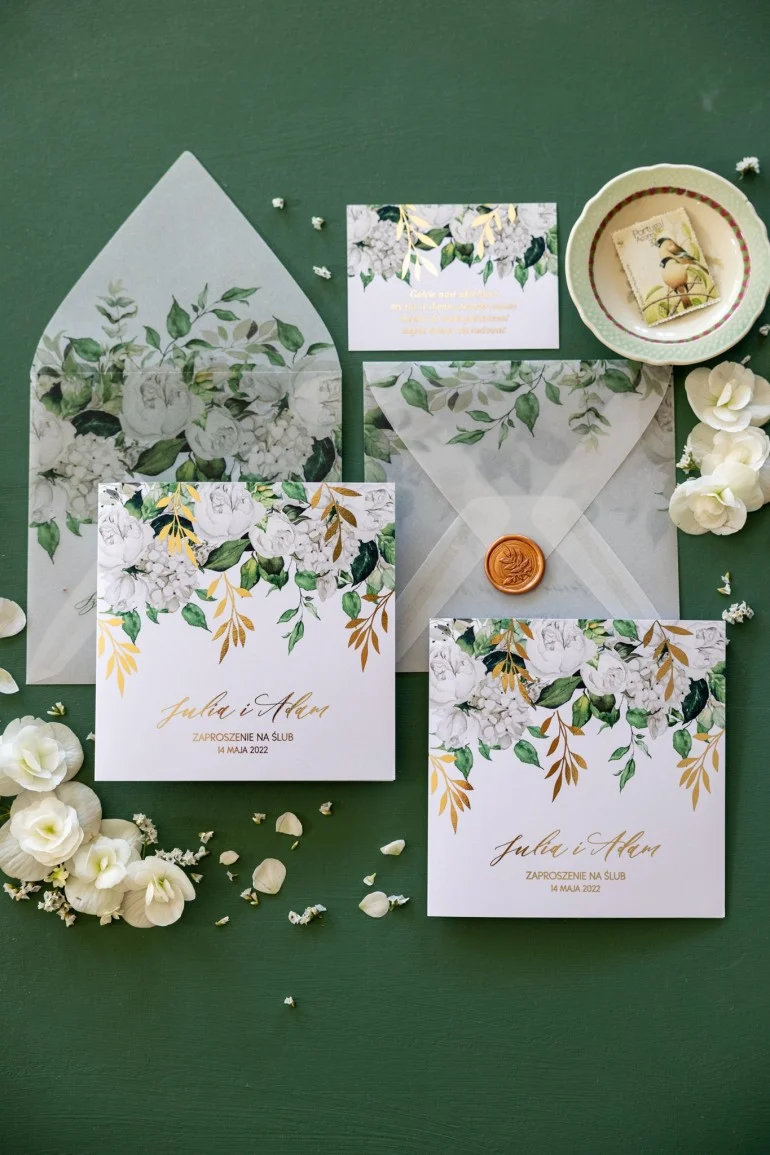
The importance of proof prints
Proof prints of wedding invitations are an essential part of the preparation that should not be skipped. They allow you to evaluate paper quality, finishes, and the overall look before ordering the full batch. They let you see how the invitations will look in reality, allowing for any necessary design tweaks.
Proofs also give you the chance to check if the text is legible and all information is correctly placed. It is also worth paying attention to colors—sometimes shades on a computer screen differ from the actual print. Ordering proofs can prevent potential problems and ensure the final product is exactly what you dreamed of. It is also a great opportunity to ensure all elements, including envelopes and inserts, are cohesive and harmonious.
Preparing wedding invitations is an important stage of wedding planning that requires care and attention. With a thoughtful approach and proper lead time, you can create invitations that will be a beautiful keepsake and the perfect introduction to your special day.
Sending the invitations
How to send invitations: by mail or in person?
Sending wedding invitations is an important part of wedding organization that requires thought and planning. Traditionally, invitations are delivered in person, which is especially appreciated by older generations and close family and friends. Delivering invitations in person allows for direct interaction and sharing the joy of the upcoming event. It is also an opportunity to express personal thanks and discuss wedding details.
However, for guests living far away or abroad, sending invitations by mail is a more practical solution. Sending invitations by mail is convenient and effective, especially when the guest list includes many people from different locations. Ensure the invitations are well-protected so they arrive in pristine condition. Envelopes should be durable and aesthetically matched to the invitations. In some cases, especially for international mail, consider using bubble mailers or extra protection to prevent damage during transit.
What to include with invitations (RSVP, map, additional info)
It is worth including a few extra elements with your wedding invitations to help guests plan their attendance. The RSVP card is one of the most important additions, allowing guests to confirm their attendance or inform you of their absence. The RSVP card should include clear instructions on how to respond, for example, via phone, email, or an online form.
Another essential element is a map, especially if the wedding is in a less familiar location or if guests are traveling from afar. The map should include accurate directions and parking information. It is also worth including accommodation information, especially if you are planning a weekend-long wedding or have out-of-town guests who will need lodging. Additional information can include dress code, planned wedding attractions, and any other relevant details that will help guests better prepare for your special day.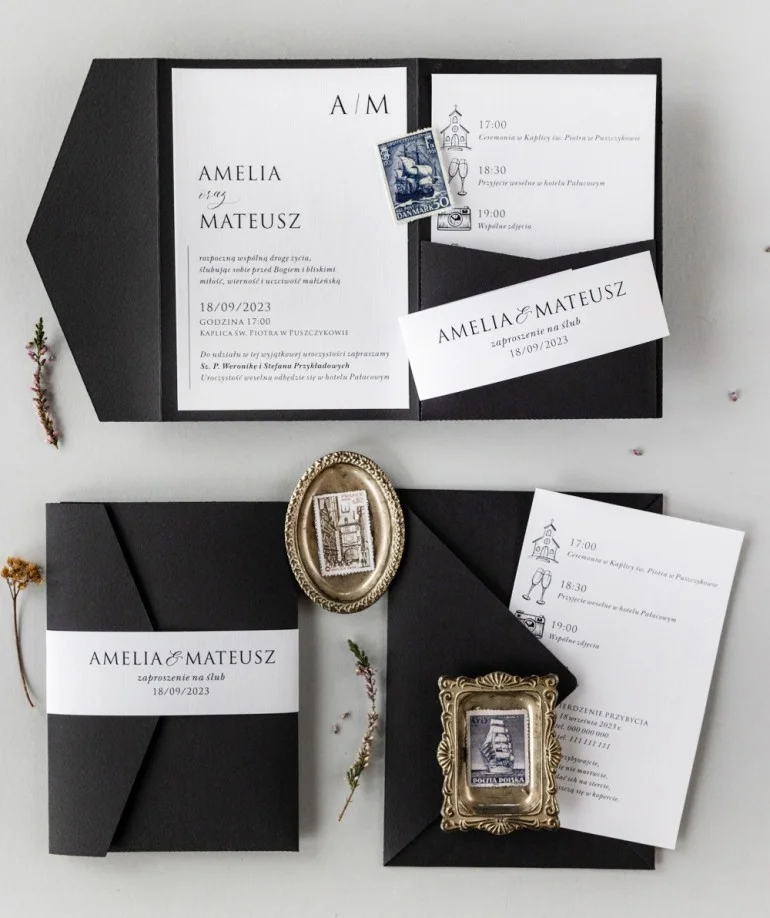
Sending international invitations
Sending international invitations requires special attention and care. First, invitations should be sent with more lead time, even up to a year before the wedding date, to give guests enough time to plan travel and handle visa formalities. It is also worth ensuring the invitations are written in the guests' native language or at least contain a translation, which will certainly be appreciated.
When sending international invitations, pay attention to cultural differences and etiquette to avoid misunderstandings. In some countries, RSVP formalities may differ from those in Poland, so clearly specify what form of response you expect. Additionally, consider including information about local tourist attractions and suggestions for free time, which can be helpful for guests planning a longer stay.
In summary, proper planning and sending of wedding invitations, both domestic and international, is key to ensuring all guests are well-informed and prepared to attend your special day. With care and attention to detail, you can make your invitations not only beautiful but also practical, helping to organize this unforgettable event.
Guest RSVPs
How to get RSVPs from guests?
Getting RSVPs from guests is a crucial part of wedding organization that allows for accurate seating planning and ordering the right amount of food and drinks. To effectively get confirmations, include an RSVP card with your invitations. The RSVP card should include a request to confirm or decline attendance and specify a deadline for the response. Typically, this deadline should be about a month before the wedding, giving the couple enough time to finalize logistical details.
On the RSVP card, you can also ask guests for additional information, such as dietary preferences or participation in additional wedding-related events, like the day-after brunch. It is important that the RSVP card is clear and concise, with a clearly provided phone number or email address for responses. Additionally, online forms are becoming increasingly popular, making it quick and convenient for guests to confirm their attendance.
When should you remind guests to respond?
Despite including an RSVP card, some guests may forget to confirm their attendance. Therefore, it is important to remind them. Reminders should be sent about two weeks before the response deadline. You can do this via phone, email, or text message. A gentle reminder not only helps in getting all necessary confirmations but also shows guests that you truly value their presence.
If you still haven't received a response from everyone after the reminder, it is worth contacting them directly. A personal phone call can be more effective than an email or text, as it allows for a direct conversation and clears up any guest doubts. It is important to remain polite and understanding in these contacts, making guests feel that their presence is truly important to the couple.
Using a wedding planner
Using the services of a wedding planner can significantly simplify the process of collecting guest RSVPs. A professional wedding planner will not only help prepare and send invitations but also take on the responsibility of monitoring responses. This allows the couple to focus on other aspects of wedding organization, knowing that the RSVP process is in good hands.
A wedding planner can also suggest various strategies for reminding guests to respond and manage any inquiries or issues related to RSVPs. Their professional approach and experience in organizing such events make the process run more smoothly and without unnecessary stress for the couple. Additionally, a planner can advise on additional invitation elements, such as maps or accommodation info, further increasing guest comfort.
In summary, effectively obtaining guest RSVPs is a key element of wedding organization. It is worth ensuring clear RSVP cards, reminding guests to respond, and considering a wedding planner so the entire process runs smoothly and stress-free. This way, you can be sure your wedding will be perfectly planned, and every guest will be well-informed and prepared for this special day.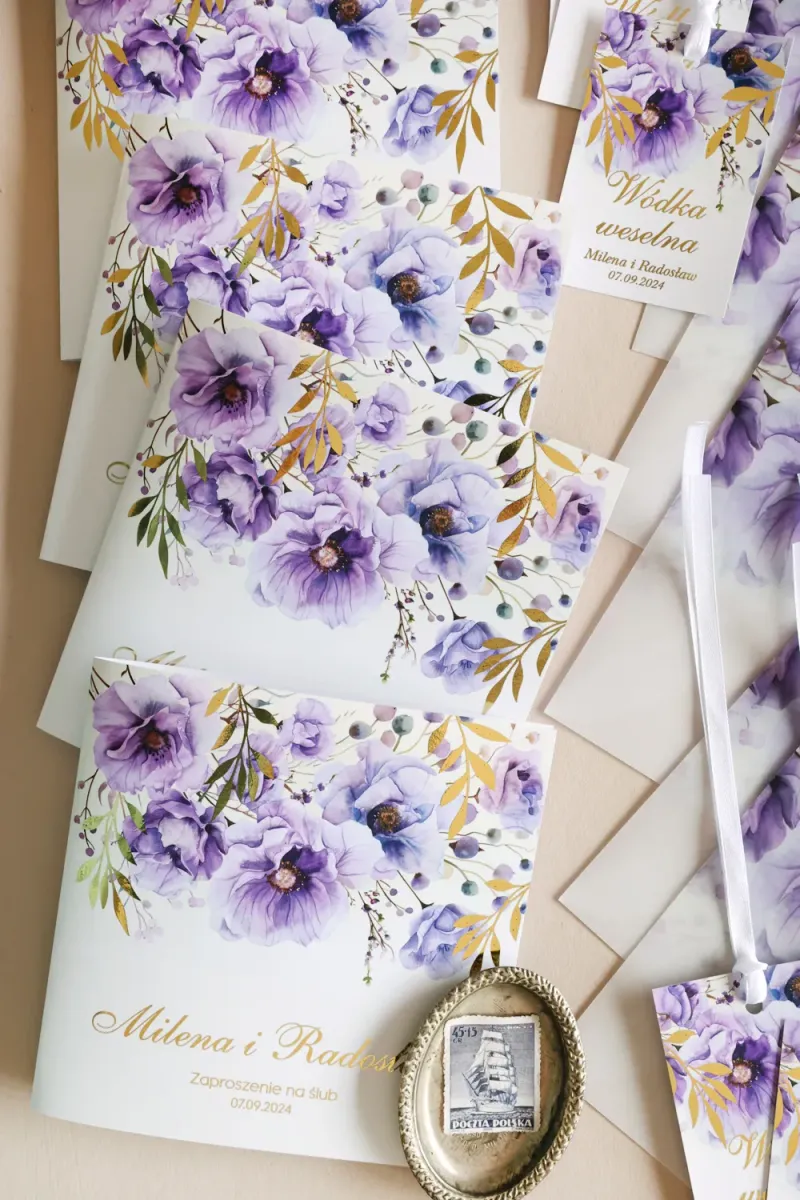
Additional information for guests
What additional information should be included with invitations?
It is worth including a few extra pieces of information with your wedding invitations to help guests prepare for your celebration. A map is extremely useful, especially if the ceremony is in a less familiar location. The map should include accurate instructions on how to get there and information about available parking. Another important element is the RSVP card, which allows guests to confirm their attendance and report any dietary preferences or special needs.
It is also worth including information about the dress code if you are planning a themed wedding or have a specific style of attire in mind. Additionally, including information about local tourist attractions can be helpful, especially if you expect out-of-town guests. Consider adding a brief description of the day's schedule so guests know what to expect during the celebration.
Informing about the day-after brunch and accommodation
If you are planning a day-after brunch or offering accommodation for guests, include this information in the invitations. Information about the day-after brunch should include the location, start time, and any planned attractions for that day. It is important that guests know if the brunch will be held at the same venue as the wedding or elsewhere. You can also include accommodation suggestions near the ceremony site, which is especially important for out-of-town guests.
For accommodation, provide a few options in different price ranges and information about booking. You can also include contact details for people who can help with accommodation arrangements. This type of information can be provided as an elegant insert or a special brochure included in the envelope.
How to communicate gift preferences?
Communicating gift preferences is a delicate matter that can be handled in several elegant ways. The most popular form is including a short note or poem in the invitation informing guests of the couple's preferences. You can suggest that instead of traditional gifts, guests provide a monetary gift or support a specific charity. Gift requests should be phrased delicately and politely so that no one feels obligated or uncomfortable.
If the couple decides on a gift registry, indicate where it is available (e.g., in a selected store or online). You can also indicate a contact person who will help guests make a choice. An elegant solution is to add a special insert to the invitation containing detailed information about gift preferences. Such an addition can be beautifully designed and consistent with the rest of the invitation.
In summary, including additional information with wedding invitations is extremely helpful and appreciated by guests. Information about the day-after brunch, accommodation, and gift preferences helps guests better prepare for your celebration, making the entire process more transparent and organized. With carefully prepared invitations, all participants will know exactly what to expect, contributing to a calm and joyful experience of this special day.
Summary and common mistakes
Common mistakes when sending invitations
One of the most common mistakes when sending wedding invitations is sending them too late. Sending invitations at the last minute may mean guests are unable to properly plan their attendance, which can result in low turnout. It is recommended that invitations be sent at least 3-6 months before the wedding date, and for international or destination weddings—even earlier.
Another common mistake is missing information in the invitations. Invitations should include all key details, such as the date, time, and location of the ceremony, but also additional details regarding RSVPs, maps, accommodation, the day-after brunch, and gift preferences. Lack of this information can lead to confusion and numerous guest inquiries.
Inaccuracies on the guest list are also a frequent problem. Incomplete or incorrect contact details can result in no response from guests. Therefore, it is important to carefully check the guest list and ensure all data is current and correct.
How to avoid invitation problems?
To avoid problems with sending wedding invitations, it is key to start preparations well in advance. Start by creating an accurate guest list and ensure all contact details are up to date. Then, choose and order invitations at least 5-6 months before the wedding date. This will give you enough time for any necessary corrections and mailing.
It is always worth ordering proof prints to ensure everything looks exactly as you wish. Proofs allow you to check paper quality, print color, and the correctness of all data. If necessary, you can make corrections before ordering the full batch.
Ensure you have included all necessary information with the invitations: RSVP card, map, accommodation info, and any gift requests. Clear and transparent invitations will make it easier for guests to prepare for your celebration and minimize the number of extra questions.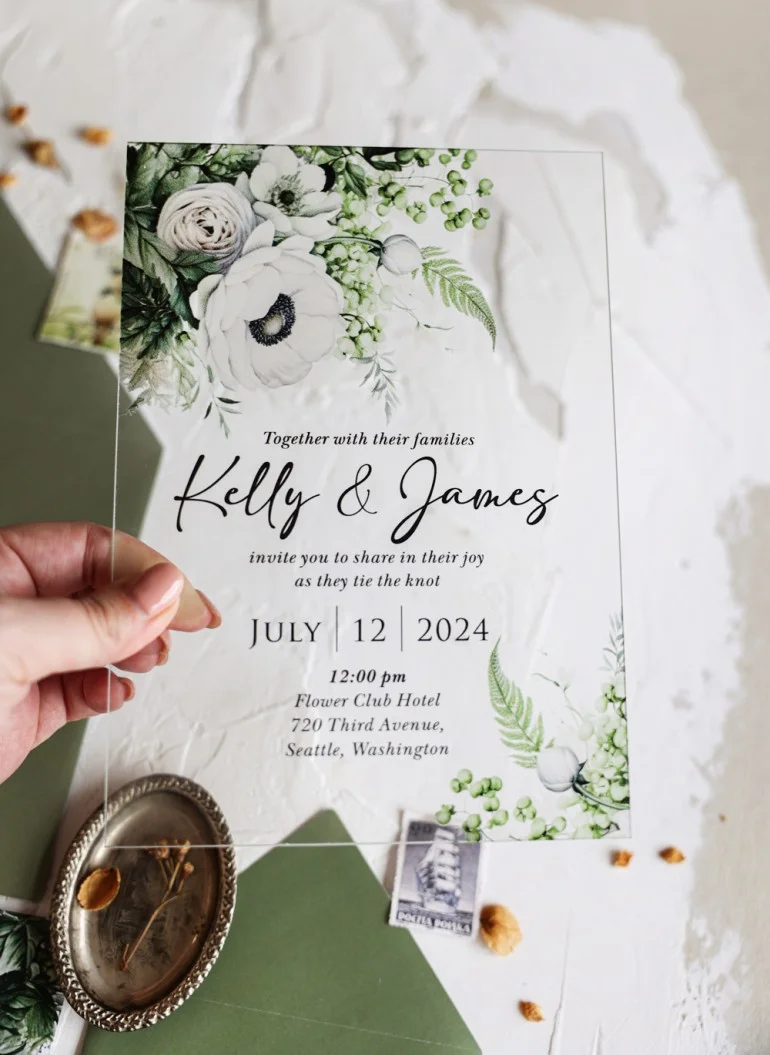
Final tips for future couples
Planning a wedding is quite a challenge, but with careful preparation, you can avoid many problems related to sending invitations. Remember to start preparations well in advance and pay attention to every detail. Communication with guests is key—clear and detailed invitations will avoid many misunderstandings and ensure everyone is well-informed.
Consider using a wedding planner who will help you organize and manage all the details related to invitations. Professional help can significantly lighten your load during this stressful period and ensure everything goes according to plan.
Also, remember to be flexible and open to suggestions. Not everything has to be perfect, but with good organization and careful planning, your wedding will be a unique and unforgettable event. We also invite you to read other articles on our blog that may prove helpful in planning your big day:
- What attractions for children to organize at a wedding
- Planning a wedding menu for guests with special dietary needs
- How to choose the perfect wedding cake: flavor, decorations, and trends
- How to choose the perfect location for a wedding photoshoot
We encourage you to read on and wish you the best of luck in preparing for your dream wedding!