Planning a wedding menu for guests with special dietary needs
Introduction to planning a wedding menu with special diets in mind
Special diets at a wedding – what does it mean?
Starting wedding preparations is a time full of decisions, and one of the key ones is organizing the right menu. Nowadays, more and more attention is paid to the nutritional needs of all guests, including those following various special diets. The term "special diet" covers a wide range of dietary restrictions and preferences, such as vegetarianism, veganism, gluten-free, or lactose-free, which may stem from ethical beliefs or medical requirements like allergies or food intolerances. Properly planning such a menu for a wedding is not only a gesture of respect towards guests with dietary restrictions but also a crucial element that contributes to the comfort and satisfaction of the attendees. Organizing such a menu requires a deep understanding of guests' needs and collaboration with an experienced catering service that can offer both attractive and appropriate culinary solutions.
What are the most common special diets at weddings?
In the context of wedding receptions, we most often encounter several main types of diets that should be considered during planning. Vegetarians, for whom excluding meat is key, require a menu based on protein-rich vegetables, dairy, and eggs. Vegans, taking it a step further, expect dishes completely free from animal-derived ingredients, including honey or gelatin. Gluten-free guests need dishes prepared without wheat, barley, rye, and oats, which is crucial in cases of celiac disease or other gluten sensitivities. Those allergic to nuts, soy, eggs, or milk also require special attention to avoid ingredients that could trigger allergic reactions. Planning such a menu is therefore a complex task, requiring not only knowledge of various diets but also creativity in combining flavors that satisfy diverse needs.
Why is it worth considering guests' special dietary needs?
Including special diets in the wedding menu has a profound impact on how the entire celebration is perceived. By choosing this solution, the bride and groom show that they care about all their guests, which strengthens positive impressions and memories associated with their special day. From a technical point of view, it also eliminates health risks associated with food allergies, which is particularly important given the growing number of people suffering from various types of intolerances and allergies. Additionally, this approach helps avoid stress and misunderstandings during the reception, as every guest knows they will find something for themselves. Couples planning their wedding can easily find inspiration and ideas for attractive and tasty dishes that will be tailored to special diets by using catering services that specialize in such arrangements. We invite you to visit our wedding invitations page, where you will find additional inspiration for elegant invitations that can equally reflect the attention to detail you show when planning your menu. Don't forget about wedding favors, which will be a beautiful gesture of gratitude for celebrating this special day together. Such a comprehensive approach to wedding planning will not only facilitate organization but also make the wedding reception an event that will be remembered by all participants as one full of warmth, hospitality, and mutual respect.
Table of Contents
- Introduction to planning a wedding menu with special diets in mind
- Choosing dishes for vegans and vegetarians
- Menu for guests with food allergies
- Adapting the menu to the wedding theme and style
- Consultations and collaboration with catering
- Planning the quantity of food and drinks
- Tips and tricks for the finish
Choosing dishes for vegans and vegetarians
Dish suggestions for vegans
Organizing a wedding menu that satisfies vegan guests requires special attention to ingredients and creativity in composing dishes. Ideal vegan wedding dishes should not only be free from animal products but also visually attractive and rich in flavor, making them enjoyable not just for vegans, but for all guests. Examples include vegan porcini mushroom risotto, which, thanks to the deep flavor of the mushrooms and the creamy texture of arborio rice, can be an excellent main course. Another hit could be baked sweet potato filled with quinoa and vegetables, served with tahini sauce, which adds an oriental character to the dish. For cold options, eggplant rolls with sun-dried tomato and pesto filling work great, as they are not only tasty but also look impressive on the wedding table.
What dinner to serve vegetarians?
Vegetarians at weddings are a group of guests that traditionally enjoy a wide selection of dishes. It is important that the dishes are varied and contain all necessary nutrients. Roasted tomato cream soup with basil pesto is a great choice for a starter, while for a main course, grilled polenta with ratatouille can impress, combining the richness of vegetables with the slightly crispy texture of polenta. Serving baked portobello mushrooms stuffed with feta and spinach is also a good idea, as it is both filling and aesthetically pleasing.
Starters and desserts without animal products
In addition to main courses, starters and desserts are a key element of the wedding menu. Beetroot carpaccio with nuts and raspberry dressing is an excellent, light starter that will delight with its appearance and taste. Among desserts, mini raw cashew cheesecakes can reign supreme, delighting with their creamy texture and delicate sweetness, and their vegan version will certainly satisfy all guests. One cannot forget the classic, yet always popular avocado chocolate mousse, which is not only a healthy but also an exceptionally tasty alternative to traditional desserts.
Preparing such a menu is a great opportunity to show how extensive and varied vegetarian and vegan dishes can be, which will certainly be appreciated by all guests, regardless of their dietary preferences. Providing a wide range of choices in the meat-free category is not just a matter of fashion or trends, but above all, an expression of care for the well-being and satisfaction of the invited guests, who feel fully accepted and valued on such an important day. Don't forget to invite your guests with stylish wedding invitations.
Menu for guests with food allergies
How to avoid allergens in the wedding menu?
Planning a wedding menu with guests with food allergies in mind requires close cooperation with an experienced catering service and a detailed understanding of the allergen profile that could pose a health risk to some guests. The first step is to conduct a survey among invited guests regarding their allergies and food intolerances. This information should be collected at the stage of sending out wedding invitations, which will allow them to be taken into account when composing the menu. The second step is to eliminate products with high allergenic potential, such as nuts, shellfish, eggs, and gluten, from the menu, or to create separate, safe versions of dishes for allergy sufferers. The third step is to accurately label dishes, including information about ingredients and possible allergens, which increases the safety and comfort of those eating.
Gluten-free and lactose-free options
Offering gluten-free and lactose-free options at a wedding is not only an expression of care for guests with allergies and intolerances but also a response to increasingly common dietary needs. Gluten-free dishes can include a wide range of options, from risotto based on arborio rice, through polenta, to specially prepared desserts like panna cotta made with agar. Lactose-free dishes can contain alternative sources of calcium and protein, such as plant-based milks (e.g., almond, soy), tofu, and legumes. It is crucial to use fresh, natural ingredients and avoid processed products, which often contain hidden allergens. Working with a caterer who has experience in preparing these types of dishes guarantees that the taste and presentation will be of the highest level.
Food safety – the key to success
Ensuring food safety at a wedding is extremely important, especially when food allergies are involved. It is not just a matter of choosing the right ingredients, but also their storage and preparation. The kitchen must be equipped with separate areas for preparing special dishes to avoid cross-contamination with allergens. Equally important is training the kitchen and service staff in recognizing and handling allergens, which increases guest trust and safety. It is also worth considering having a first aid kit with adrenaline (epinephrine auto-injector) on-site, especially if there are guests with severe allergic reactions. Caring for these details not only provides peace of mind but also raises the prestige and professional image of the entire celebration, all of which contributes to creating an unforgettable experience for the bride and groom and their guests. Don't forget about a beautiful gesture, such as wedding favors, which will be a beautiful gesture of gratitude for celebrating this special day together. Such a comprehensive approach to wedding planning will not only facilitate organization but also make the wedding reception an event that will be remembered by all participants as one full of warmth, hospitality, and mutual respect..jpg "Photo of food at a wedding")
Adapting the menu to the wedding theme and style
Traditional vs. modern wedding menu
The choice between a traditional and a modern wedding menu should be a conscious decision that reflects the style and personality of the bride and groom and the character of the celebration itself. A traditional menu often relies on well-known, local delicacies that can reflect regional culinary heritage, such as Polish cuisine with dishes like broth or dumplings. In turn, a modern menu can explore less conventional approaches, combining ingredients and techniques from different corners of the world, offering dishes such as sushi, ceviche, or fusion-style meals. When deciding on a menu, it is worth considering the preferences of guests, including those following special diets like vegetarian or vegan, and adjusting each dish to meet their needs as well.
The influence of culture on dish selection
The culture the bride and groom come from can significantly influence the choice of wedding dishes, which is a wonderful opportunity to share their heritage with guests. For example, a couple with Italian roots might offer flavor-rich antipasti, pasta, risotto, and classic tiramisu for dessert. Incorporating cultural elements into the menu not only diversifies the gastronomic offer but also creates an unforgettable atmosphere and helps guests better understand the background and traditions of the bride and groom. At the same time, it is crucial to ensure that all dishes are adapted to the dietary needs of guests, including gluten-free, lactose-free, or other specialized diet options.
Harmony of flavors and aesthetics of presentation
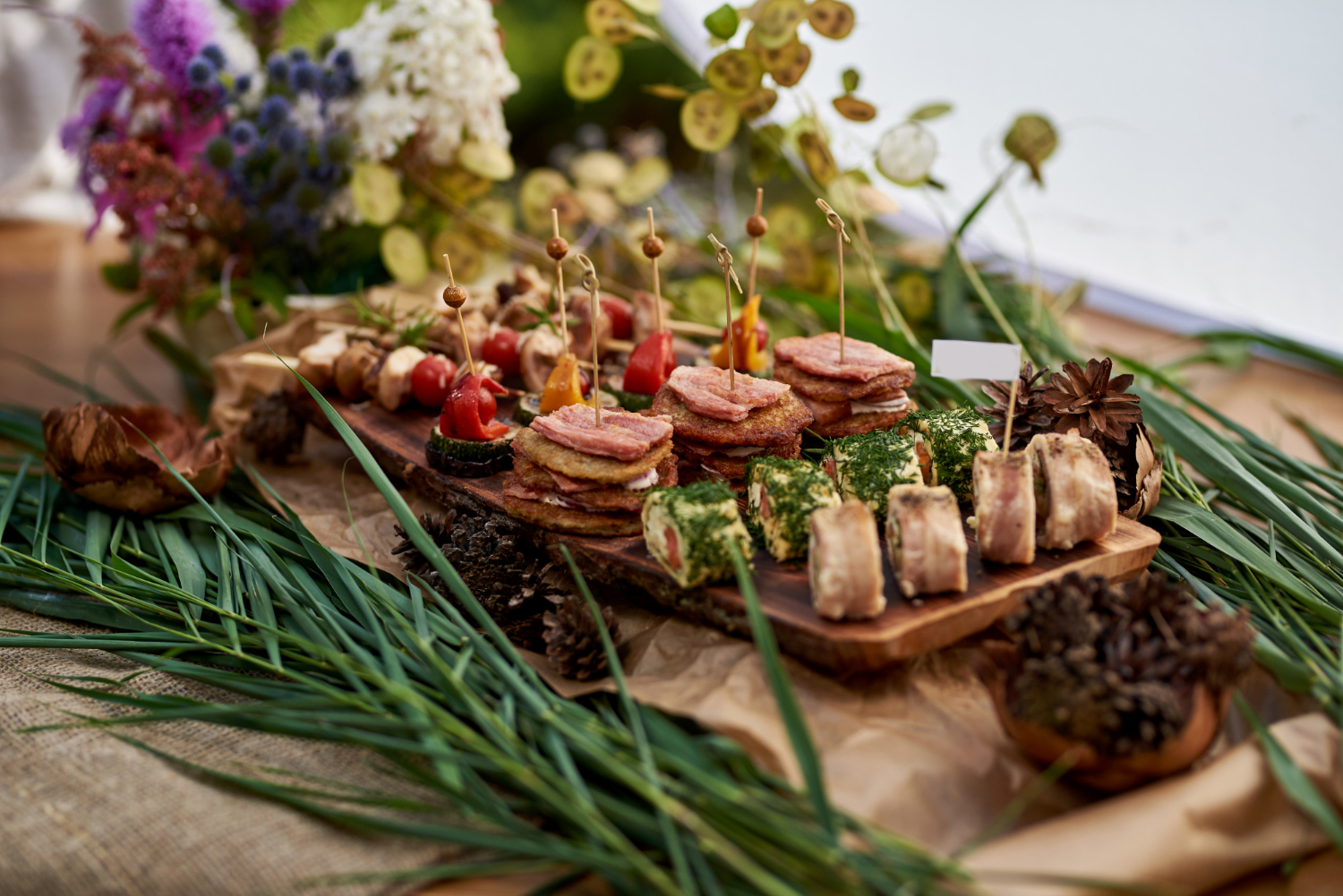
Harmony of flavors and aesthetics of presentation are the foundations that determine the success of a wedding menu. It is important that dishes are not only tasty but also beautifully served. In the era of social media and visual culture, the presentation of food is of great importance. Dishes should be composed in such a way that they are both colorful and aesthetically arranged on the plate, which will certainly be appreciated by guests taking photos and sharing them online. Impressive presentation can be further highlighted by table decorations and details such as unique wedding favors, which add extra charm to the whole event.
Creating a wedding menu that is both tasty and beautifully presented requires not only considering different diets and cultures but also an artistic approach to the presentation of the dishes themselves. All of this together adds up to an unforgettable culinary experience that will stay with guests long after the celebration ends.
Consultations and collaboration with catering
Choosing a catering service provider
Choosing the right catering service provider is a key element in organizing a wedding, especially when considering the special dietary requirements of guests. The ideal wedding caterer should not only offer a wide range of culinary options but also have experience in adjusting the menu to individual needs, such as gluten-free, vegan, or lactose-free diets. It is important to be guided by the opinions of previous clients and recommendations from trusted sources when making your choice. The catering service provider must demonstrate flexibility, openness to suggestions, and a readiness to cooperate, which is essential for creating a personalized and memorable culinary experience. Before deciding on specific services, it is recommended to have a detailed conversation to ensure that the selected menu will meet both the tastes and needs of all guests.
Communication with catering and special dietary requirements
Effective communication with the caterer is essential to guarantee that all special dietary requirements are met. It is necessary to provide the caterer with detailed information about the number of guests requiring a special menu and specifics regarding allergies and dietary preferences. It is also worth discussing the possibilities of replacing certain ingredients that may be potential allergens and proposing alternative ways of preparing dishes. A good caterer should be able to present menu proposals that are not only tasty and healthy but also fully safe for people with allergies or intolerances. Furthermore, it is important to establish a way of labeling dishes at the wedding, which will make it easier for guests to identify dishes that comply with their diet.
The role of pre-wedding tasting
A pre-wedding tasting is not only a pleasure but also an indispensable element of wedding menu planning, which allows you to ensure that the food will meet the expectations of both the bride and groom and their guests. It is a perfect opportunity to evaluate the taste, quality, and presentation of the dishes to be served during the celebration. The tasting is also a moment when you can make final adjustments to the menu, ensure that all dishes are prepared according to the established dietary requirements, and discuss with the caterer all details regarding serving and the timing of meals. Don't forget that a well-chosen culinary offer can become one of the most memorable aspects of the wedding, and a successful tasting is the key to the success of this special day.
Keeping these aspects in mind, it is worth investing time and energy in choosing the right catering, which will certainly translate into the satisfaction and comfort of all wedding participants. When looking for inspiration, it is worth visiting pages such as wedding invitations and wedding favors, which can provide additional sources of tips on organizing the perfect wedding..jpg "Photo of cheese at a wedding")
Planning the quantity of food and drinks
How to estimate the right amount of food?
Estimating the right amount of food at a wedding is a key element in preventing food waste and ensuring that every guest leaves the reception full and satisfied. It is important to start by thinking about the structure of the reception – will it be a formal dinner, a buffet, or perhaps just snacks? It is generally accepted that for a formal dinner, there should be about 600-800 grams of food per person, including starters, the main course, and dessert. In the case of a buffet, this amount can be increased by about 20% due to the greater variety and guests serving themselves. Also remember about special diets – people on vegetarian or vegan diets may consume smaller amounts of animal protein but larger portions of vegetables and plant-based products. Good practices also include preparing about 10% more food than the estimates suggest, to avoid a situation where food might run out before the end of the reception.
The importance of choosing drinks and alcohol
The choice of drinks and alcohol at a wedding is just as important as the food menu. In the case of drinks, it is worth paying attention to variety – from non-alcoholic options such as water, juices, and carbonated drinks, to various types of alcohol. Strategic planning of the amount of alcohol is based on understanding the preferences of the guests and the character of the event. On average, it is assumed that one guest will drink about 2-3 drinks in the first hour of the reception, and one more drink for every subsequent hour. Don't forget about options for people who do not drink alcohol by offering a wide selection of interesting non-alcoholic cocktails. It is important that all drinks are available throughout the wedding, which will ensure the comfort and satisfaction of the participants.
Preventing food waste at a wedding
Preventing food waste is not only an ethical issue but also a practical one. When planning the amount of food and drinks, it is worth using waste minimization methods. First, accurately estimate the amount of food needed based on the number of confirmed guests. Second, choose a caterer that offers packages tailored to the actual number of participants. Another practice is to organize a collection of unused food after the reception, which can be donated to local shelters or charities. Additionally, it is worth considering choosing eco-friendly containers for storing food that guests can take home, which will also contribute to reducing waste.
When planning the amount of food and drinks for a wedding, always remember to adjust the menu to the needs of all guests, including those on special diets, and to manage resources responsibly, which will help create a memorable and pleasant experience for all participants.
Tips and tricks for the finish
Final remarks on the wedding menu
To sum up the planning of a wedding menu for people with special diets, it is crucial to think through every aspect – from getting to know the preferences and dietary requirements of the guests to choosing the right catering. It is always worth discussing the details of each dish with the caterer to ensure they are suitable for vegans, vegetarians, and people with food allergies. Additionally, don't forget about the aesthetics of the presentation, which should go hand in hand with the quality of the dishes served. Harmony and consistency of the menu with the overall theme and style of the wedding also play a significant role, enhancing the overall guest experience.
Common pitfalls in menu planning
One of the most common pitfalls in wedding menu planning is underestimating the importance of details regarding special diets, which can lead to dissatisfaction or even health complications among guests. Another pitfall is overproducing food, which often ends in a lot of waste. To avoid this, accurately estimating the amount of food and drinks needed is absolutely crucial. You should also not underestimate the quality of ingredients – using seasonal and fresh products always translates into a better culinary experience.
How to stay calm and in control of the menu
Staying calm and in control of the menu planning process requires organization and flexibility. Setting everything up well in advance, delegating tasks, and maintaining an open line of communication with suppliers and catering is the basis. Regular meetings and status updates with all involved parties can help in easily managing unexpected changes and challenges. Remember that flexibility and a readiness to adjust plans in response to feedback from guests or the catering team are equally important.
By following these tips and keeping these pitfalls in mind, you can significantly increase your chances of creating a wedding menu that will be both memorable and enjoyable for all guests, regardless of their preferences or dietary requirements.
If you are interested in information about planning a wedding menu for people with special diets, you might want to check out other articles on our blog that can provide more knowledge and inspiration on organizing a wedding and reception:
- How to choose the perfect location for a wedding photoshoot - Find the perfect backdrop for your wedding photos.
- The most common wedding guest questions and how to answer them - Prepare for any questions that may arise from your guests.
- How to send wedding invitations - Practical tips on invitation etiquette.
- How to choose and personalize tablecloths for the wedding table - Learn how to choose tablecloths that will add charm to your wedding table.
- Wedding menu: how to surprise guests with unusual dishes - Inspiration for original dishes that will impress your guests.
These articles can provide valuable tips and ideas that will help in organizing an unforgettable wedding and reception. We invite you to read them!