Common wedding guest questions and how to answer them
Organizing communication before the wedding: The key to success
Invitations and RSVPs: The first step in wedding planning
The process of sending out wedding invitations and collecting RSVPs is the foundation of any well-organized wedding. It is the first official notification to guests about the upcoming event, designed not only to inform them of the date and venue but also to encourage them to attend this special day. Invitations should reflect the style and character of the wedding and the couple, serving as a calling card for the upcoming celebration.
Invitations can be tailored to any budget and preference – from exclusive, handmade cards to more economical yet equally elegant solutions. It is important that they include all necessary information such as the venue, date, time, and details regarding the RSVP. RSVP, or the request for confirmation of attendance, is crucial for precise wedding logistics planning – the number of guests, catering, and even the size of the venue. Well-designed invitations can also include additional information about the dress code or the wedding theme, which will help guests prepare for the celebration.
Nowadays, digital invitations are gaining popularity, allowing for quick and convenient communication with guests. Wedding platforms offer various templates and tools for managing confirmations, which significantly streamlines the entire process. However, regardless of the form, every invitation should be sent well in advance, usually three to six months before the wedding, giving guests time to plan their attendance.
Pre-wedding information: How to communicate plans effectively
Communication with guests before the wedding does not end with the invitations. Throughout the period leading up to the wedding, it is important for the couple to maintain regular contact with guests, providing all necessary information regarding logistics and plans related to the ceremony. Informing about the location, especially if the wedding takes place in an unusual venue, such as castles or remote resorts, is crucial to ensure that all guests arrive without any problems.
Providing information about available accommodation, airport transfers, or transport between different wedding venues will help in efficiently managing a large group of people. Good practices also include information about local attractions that may interest guests arriving from afar, especially if they plan to extend their stay beyond the ceremony itself. Tools such as wedding websites, mobile apps, or even social media groups are invaluable in this regard, enabling easy information exchange and the creation of personalized guides for guests.
Tailoring communication to guests: The key to participant satisfaction
The last, but equally important aspect is tailoring communication to different age groups and guest needs. Assuming that a wedding is a multi-generational event, one must consider differences in access to technology and communication preferences. Older guests may prefer traditional methods of communication, such as phone calls or personal conversations, while younger generations will be more comfortable using digital tools and social media.
The key is therefore to use multi-channel communication that meets the expectations of all groups. For example, you can create a dedicated wedding hashtag for younger guests who would like to share their impressions live on social media, while at the same time providing older individuals with detailed written or verbal instructions regarding the wedding day. Additionally, it is worth considering different levels of information – from basic for those only attending the ceremony, to more detailed for close family and friends involved in the organization or having special roles during the wedding.
Ensuring clear, accessible, and understandable communication will not only increase guest comfort but also help in the smooth running of the entire wedding day. Thanks to this, the couple will be able to focus on celebrating their big day, confident that all guests are well-informed and feel taken care of.
Table of contents
- Organizing communication before the wedding: The key to success
- Seating guests at the wedding: Proven methods
- How to Answer Common Wedding Guest Questions
- Wedding Attractions and Their Organization
- Handling unusual situations at the wedding
- The art of gratitude: How to effectively thank wedding guests
- Summary and reminder of key wedding points
Seating guests at the wedding: Proven methods
Seating arrangements: The key to a successful wedding reception
Seating guests at the wedding reception is one of the key aspects of wedding planning, which can affect both guest comfort and the overall atmosphere of the party. Preparing a wedding venue floor plan starts with knowing its dimensions and the placement of doors, windows, and special areas like the dance floor or the band's stage. When creating an optimal table layout, it is worth considering a few rules that will facilitate guest interaction and ensure the flow of the party.
The basic step is to plan seats in such a way that families and groups of friends sit together, which will ensure comfort and promote better fun. It is important to place older people closer to the exit and restrooms, which will provide them with easier access and minimize potential inconveniences. Younger generations, who may prefer to party until late hours, should find their seats closer to the dance floor. Also, remember to place people who may not feel comfortable in a large gathering in more discreet areas of the room.
The next step is to decide on the table shape. Round tables encourage conversation and interaction, while long rectangular tables may look better in some spaces and make serving easier. At each table, it is worth leaving a little more space than is standard for one person, which will increase guest comfort and make it easier for waiters to serve.
Themed tables: A creative approach to seating guests
Themed tables are an increasingly popular way to diversify a wedding reception and at the same time an excellent method for seating guests according to their interests. Organizing tables by interests allows for the creation of mini-groups that can share common passions, which significantly facilitates starting conversations and building an atmosphere at the table. You can organize tables for literature lovers, movie buffs, travel fans, and even separate tables for guests who are in the circle of the couple's closest friends.
Each themed table can be additionally decorated in a way that reflects its motif, which not only enriches the wedding decorations but also becomes a great conversation starter. For example, a traveler's table can include maps, compasses, and globes as decorative elements, while a movie buff's table can be decorated with replicas of famous film props or posters.
Seating challenges: How to deal with problems
Despite the best plans, seating challenges can arise at any time. Some of the most common problems include unexpected changes in the number of guests, the need to add or remove seats at the table at the last minute, and difficulties with seating people who may have tense relationships with each other. To deal with this, it is recommended to maintain some flexibility in planning the layout. Always prepare a few extra seats and tables that can be quickly arranged in case of unexpected changes. In case of potential conflicts between guests, try to seat them in a way that minimizes direct interaction, which may require a discreet discussion with both parties to understand their preferences and limitations.
A key aspect is also having a plan B for every element of the ceremony. Working with an experienced wedding coordinator or the person responsible for seating guests can significantly facilitate managing these difficulties. Thanks to experience and an understanding of group dynamics, a professional can quickly adapt to changing circumstances and ensure that each guest feels comfortable and enjoys the party without stress.
In summary, seating guests at a wedding requires careful planning and flexibility, but also creativity and an understanding of the needs and relationships between participants. By making careful decisions about seating and applying these proven methods, you can significantly contribute to creating a harmonious and joyful atmosphere at your wedding.
How to Answer Common Wedding Guest Questions
Questions about the ceremony and reception: Preparing guests for the big day
When planning a wedding, one of the most important aspects is properly preparing guests for the events of the wedding day. Typical questions that your guests may ask usually concern the details of the ceremony and the reception. It is important to answer these questions in a clear and understandable way, preferably through detailed information already included in the invitations or on a specially prepared wedding website. Communication at the wedding should be smooth and accessible to everyone.
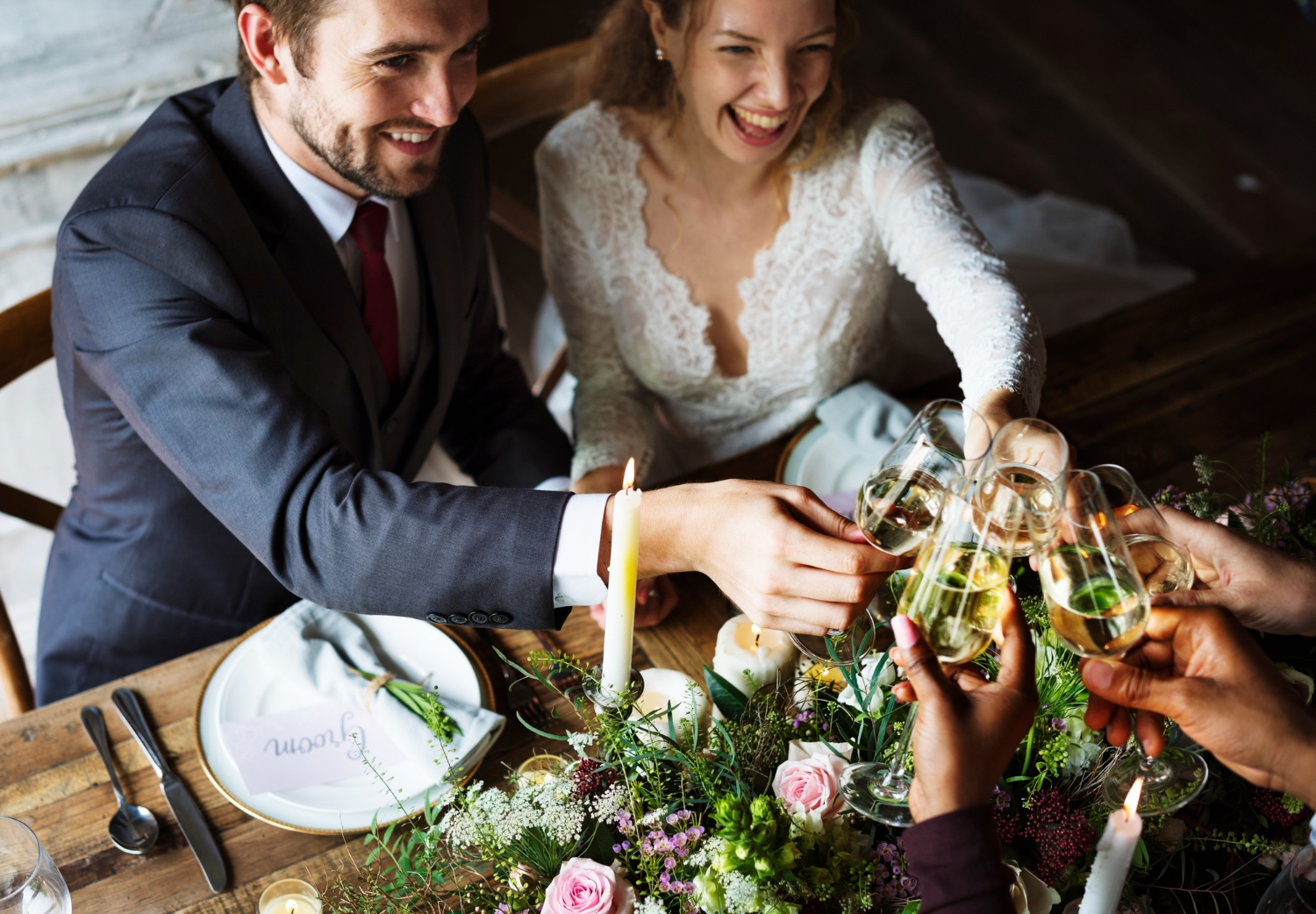
Frequently asked questions may concern the start time of the ceremony, its location, duration, and dress code. The couple should also prepare information about the type of ceremony – whether it will be a civil, religious, or symbolic wedding. Additionally, it is good to inform about planned attractions or special moments of the wedding reception, such as the first dance, traditional games, or artistic performances, which will help guests better prepare to participate in these moments..jpg "People talking at a wedding")
Logistical questions: Ensuring guest comfort and convenience
Logistical issues are equally important, as they directly concern the comfort and convenience of guests. Questions in this category may include transport to the venue, nearby accommodation options, parking availability, or details regarding transport between the ceremony and reception locations. Answers for guests to these questions should be detailed and simple to understand.
It is worth ensuring that all logistical information is easily accessible, e.g., by sending directions in reminder emails or by placing them on the wedding website. Informing about public transport options, travel times, as well as recommending taxi-hailing or ride-sharing apps can significantly facilitate travel planning for guests.
Uncomfortable questions: A tactful and diplomatic approach
Uncomfortable questions, such as those regarding wedding finances, family planning, or the couple's personal decisions, can be difficult to address directly. It is important to maintain tact and diplomacy while setting clear boundaries regarding privacy and personal choices. Communication at the wedding in such situations requires delicacy and understanding for the guests' curiosity, while maintaining one's own emotional comfort.
In such cases, it is good to prepare answers in advance that will be firm but polite. For example, to a question about the cost of the wedding, you can answer: "We are so happy that we can celebrate this day with the people closest to us, and we prefer to focus on that joy rather than on financial details." This allows you to close the topic without going into details that may be uncomfortable.
In summary, an effective and thoughtful response to wedding guest questions can significantly affect their experience and comfort during the ceremony. By properly managing information and answering questions in a transparent and consistent manner, the couple can significantly increase their guests' satisfaction and make their wedding a memorable event for all participants.
Wedding Attractions and Their Organization
Traditional and Modern Attractions: An Overview of Popular Wedding Entertainment
Weddings in Poland are known for a rich offer of entertainment, which can vary significantly depending on the tastes and preferences of the couple and their guests. Traditional wedding attractions often include folk bands playing live music, dance competitions, and a series of games and activities led by a master of ceremonies, such as the traditional 'oczepiny'. Nowadays, modern forms of entertainment are also gaining popularity, such as photo booths, which allow guests to take funny photos in themed props, and candy bars, where you can taste a variety of sweets.
Additionally, many couples decide to invite artists performing fireworks displays, which becomes a spectacular culmination of the evening. Other modern attractions include bartender shows with acrobatics, live cooking, where a chef prepares dishes in front of the guests, or even short musical concerts with the participation of well-known bands or DJs. These entertainments not only provide great fun but are also a great way to make the wedding stand out and create unforgettable memories.
Attractions Engaging Guests: Interactive Games and Shows
Ensuring that every guest feels included and has a good time is a key task during a wedding. Interactive games and shows are an excellent way to engage guests and build an atmosphere of shared fun. For example, dance competitions or quizzes about the couple can integrate guests and make everyone feel part of the special day. Illusionist or circus performer shows, especially popular among children, add an element of surprise and magic to the celebration.
Another interesting option is dance workshops or salsa lessons, which can be a great warm-up before opening the dance floor. Additionally, organizing a joint painting of a large picture, on which each guest can add something of their own, becomes not only an attraction but also a keepsake for the newlyweds. These types of activities not only entertain but also help in breaking the ice between guests who may not know each other.
Planning Attractions: How to Organize Attractions to Suit Guests and Budget
Organizing wedding attractions requires thoughtful planning and coordination so that everything runs smoothly and according to the couple's expectations. It is key to tailor the entertainment to the budget that the couple has at their disposal, as well as to the tastes and preferences of the invited guests. Planning should start with setting priorities and deciding which attractions are the most important and what the culmination moments of the evening should be.
Furthermore, it is important to ensure a variety of attractions so that everyone finds something for themselves – from children to seniors. It is also worth considering the duration of individual attractions and their placement in accordance with the wedding schedule. The schedule of attractions should be clearly communicated to the wedding band, as well as to the DJ or music group, to ensure smooth transitions between individual points of the program.
Effective time and resource management will allow for the realization of the plan without excessive tension or rush, which is crucial for maintaining a good atmosphere and ensuring that both guests and the couple can fully enjoy this special day. Preparing a plan B in case of unforeseen situations, such as unfavorable weather conditions or technical problems with attractions, can also prove invaluable, ensuring peace of mind and continuity of entertainment for guests.
In summary, proper planning and organization of wedding attractions can significantly contribute to the success of the entire reception. An approach tailored to individual needs, both in the context of guests and financial possibilities, will allow for creating an unforgettable atmosphere and making the wedding day truly special.
Handling unusual situations at the wedding
Special needs guests: Ensuring comfort for everyone
Managing the diversity of wedding guest needs requires a special approach and precise organization. Handling elderly people, children, and people with allergies must be thought out to ensure the safety and comfort of every participant. For seniors, it will be key to provide easy access to seats near entrances and exits, as well as avoiding placing them near speakers, which could be tiring for them. It is also worth considering preparing seats at the table in advance so that elderly people do not have to stand in line for the buffet.
For children, the best solution will be to prepare a special play area that will allow them to play safely and pleasantly under the supervision of experienced animators. Providing a menu tailored to younger guests and options for educational games can also contribute to a better experience for their parents. People with allergies should be given the opportunity to report their dietary needs in advance, which will allow for adjusting the wedding menu in a way that is safe for their health.
Unforeseen changes: How to deal with last-minute changes and logistical problems
No wedding is free from unexpected situations that can occur both during preparations and on the day of the ceremony. Dealing with last-minute changes and logistical problems requires flexibility and the ability to react quickly. This may include changes in the number of guests, sudden weather changes, supplier delays, or technical problems with lighting or sound. It is important that the couple and the wedding coordinator have a plan B prepared for every key element of the ceremony.
Communication is key here, so in case of any changes, it is essential to quickly inform the appropriate people and adjust the plan. Sometimes this may mean the need to negotiate with suppliers at the last minute or change the seating arrangement. Staying calm during such situations is essential for effectively solving the problem.
Maintaining calm and control: Stress management techniques for the couple
A wedding is an event full of emotions, which is often a source of stress for the couple. Stress management techniques can prove invaluable in maintaining calm and control over the situation. It is worth it for the couple to prepare mentally before the wedding day, establishing strategies for dealing with stress, such as breathing techniques, meditation, or short walks, which can help in regaining inner peace during the ceremony.
Additionally, delegating tasks to trusted people can significantly relieve the couple and allow them to focus on celebrating this special day. It is also worth establishing in advance a person who will be the first point of contact for suppliers and guests in case of any questions or problems, which will significantly reduce the tension associated with the need to make quick decisions.
In summary, managing unusual situations at a wedding is a key element of ensuring that the wedding day will be both memorable and comfortable for all participants. Preparing contingency plans, tailoring the ceremony to the needs of all guests, as well as developing skills to deal with stress and pressure, can contribute to creating an event that will be a source of joyful memories, not stress. Support from trusted people and professionals can be invaluable in achieving this goal, ensuring that the couple can fully enjoy their big day.
The art of gratitude: How to effectively thank wedding guests
Ideas for favors: Creative and personal ways to thank guests
Thanking guests is an important element of every wedding, allowing you to express gratitude for their presence and involvement in this special day. Creative and personal ways of thanking can significantly influence how guests will remember the ceremony. Traditionally, couples decide on small wedding gifts, such as personalized treats, small utility items with the wedding date, or handmade souvenirs that guests can take home.
One popular idea is to prepare personalized thank-you notes that can be attached to each gift. Another creative option is to create a thank-you video, which can be shown during the wedding reception or sent to guests after the ceremony. Such a video can include short speeches from the couple, emphasizing how much they appreciate the presence of each guest. For more tech-savvy couples, a digital "thank you" sent via email or social media can also be an attractive option, which is especially practical when there are many young people among the guests.
Timing and method of presenting thanks: When and how best to thank
Timing of thanks is just as important as the way they are expressed. The ideal moment to present thanks is usually at the end of the wedding reception, when the couple can personally thank all the guests. It can also be a time when guests are already relaxed and enjoying the wedding atmosphere, which makes this moment even more memorable. Presenting gifts during farewells additionally reinforces the personal character of the gesture.
For more formal weddings, thanks can be presented individually to each guest by the groom, the bride, or both. For smaller, more intimate ceremonies, it is possible to organize a short speech at the end of the evening, where thanks are expressed verbally along with a toast.
Examples of thanks: What to say and how to present it
Formulating thanks should be thoughtful and sincere. Regardless of whether they are verbal thanks or written notes, it is important that they are personalized and reflect the couple's feelings. For example, the couple can mention a guest's specific contribution to their life or thank them for traveling a long distance to attend the ceremony.
"We are incredibly happy that you could be with us today. Your presence makes this day even more special. Thank you for your love, support, and good wishes, which will stay with us forever."
Every thank you, regardless of the form, should be expressed from the heart and in a way that best reflects the personality and style of the couple. By adding a personal touch to every expression of gratitude, the couple not only appreciates their guests but also strengthens the bonds that will be remembered for years.
Summary and reminder of key wedding points
Wedding checklist: A reminder of the most important tasks to complete
In the final stages of wedding preparations, it is extremely important for the couple to have a detailed checklist prepared that will help ensure all key elements are ready. The list should include, among others, confirming reservations with service providers, final fittings for the wedding dress and suit, setting the day's schedule with the photographer, as well as preparing the final version of the guest list. Additionally, it is worth checking all contracts with hired services to avoid misunderstandings or additional costs.
Final tips: How to make sure everything is ready
Managing stress and ensuring all details are finalized is the key to a calm and organized wedding day. On the wedding day, it is important for the couple to have a person responsible for coordinating the day - this could be a trusted friend, a family member, or a professional wedding coordinator. This person will be able to react quickly to any logistical problems and inform the couple about current matters.
For peace of mind, it is also worth organizing a pre-wedding meeting with key suppliers to discuss all details and confirm the schedule. Ensuring that everyone knows what to do and when will help in the smooth running of the ceremony.
We encourage you to check out other articles on our blog that may be helpful in further planning your special day:
- Is 3 months too early to send wedding invitations?
- How to send wedding invitations
- Who not to invite to the wedding: practical tips on how to politely narrow down the guest list
- How to choose and personalize tablecloths for the wedding table
- What documents are needed for a church wedding 2024
Discover more, plan consciously, and enjoy every moment of preparation for one of the most important days of your life!