How to address wedding invitations with children?
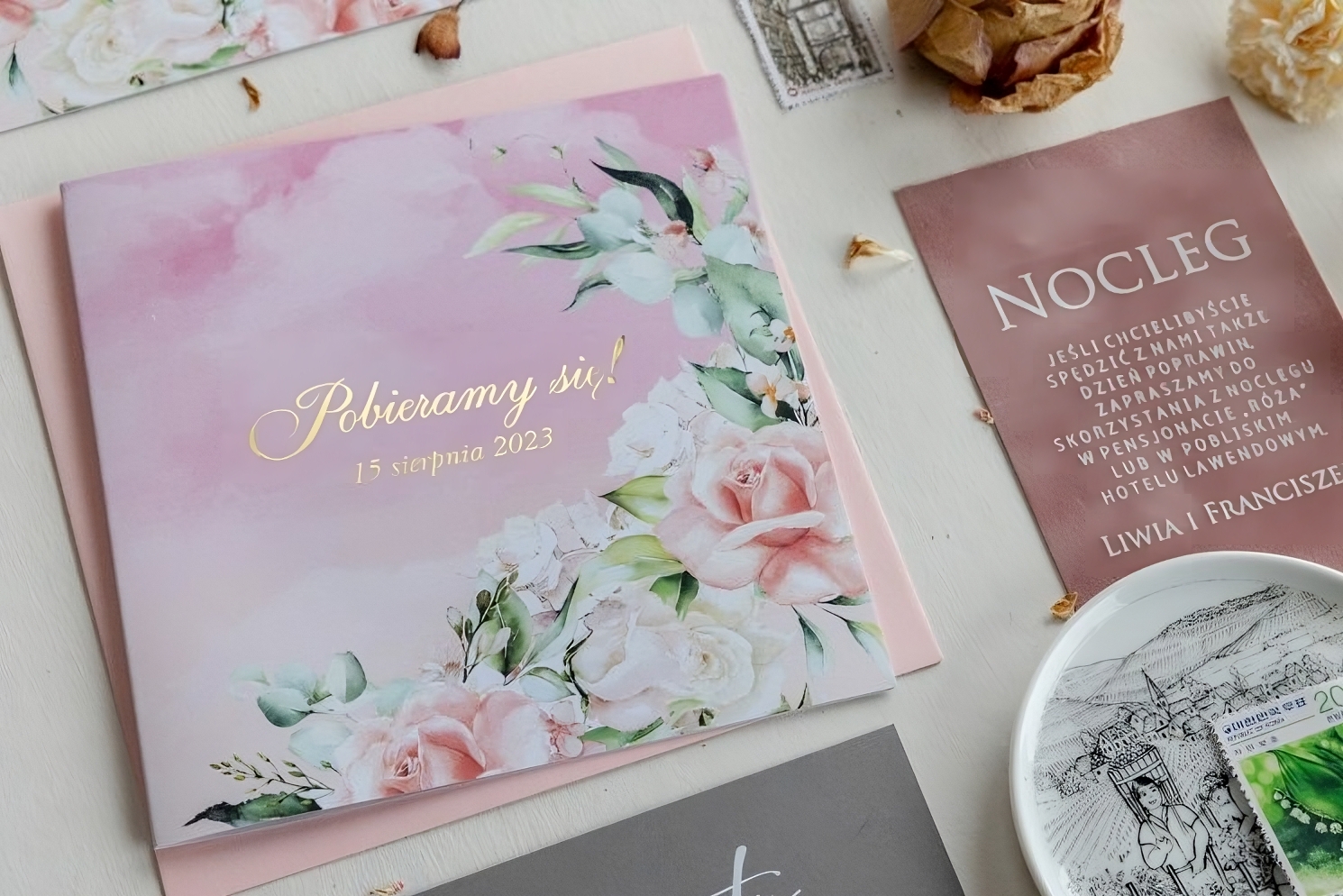
Introduction to Wedding Invitation Etiquette
The History and Significance of Wedding Invitations
Wedding invitations have a long and fascinating history, serving as an essential part of wedding ceremonies for centuries. Their origins date back to times when invitations were handwritten, often by professional scribes, and delivered by special messengers. In Poland, this tradition has always been celebrated with great solemnity, where invitations were not just an announcement of the ceremony but also a symbol of a family's prestige and social status. Over the years, trends and techniques have evolved, from hand-calligraphy to modern printing methods, but one thing remains constant: wedding invitations reflect the personality and style of the couple and set the tone for the upcoming celebration.
The Role of Invitations in Wedding Culture
Wedding invitations play a key role in wedding culture, acting as the first official communication regarding the most important day in a couple's life. In Poland, where a wedding is one of life's most significant events, invitations are treated as an important tradition that connects families and friends. Invitations not only provide information about the date and location of the ceremony but also serve as a declaration of the couple's intentions, expressing their personal style and what is truly important to them.
How Invitations Reflect Respect and Personal Commitment
The couple's personal involvement in creating wedding invitations is an expression of respect for their guests. In Poland, where great importance is placed on family ties and traditions, invitations are considered a personal gesture that shows guests their presence is valued and appreciated. Refining every detail, from the choice of paper and fonts to the wording, is a testament to how much the couple cherishes their guests and how important it is to them that their wedding day is special for everyone present.
First Impressions and Their Impact on Recipients
The first impression a wedding invitation makes is of great importance. It is the first moment guests begin to imagine what the celebration will look like. In Poland, where aesthetics and tradition play key roles, a stylish and elegantly designed invitation can delight guests and raise expectations for the ceremony itself. At the same time, the invitation acts as a guide to the upcoming event, giving guests clues about the form of the ceremony, its character, and the expected etiquette. A properly formulated and designed wedding invitation is therefore not just an announcement of a joyful day, but also an element that builds an atmosphere of anticipation and happiness.
Table of Contents
- Introduction to Wedding Invitation Etiquette
- How to Properly Address Wedding Invitations
- Designing Wedding Invitations with Children in Mind
- Planning and Budgeting for Wedding Invitations
- Communication Through Invitations – What Your Invitations Convey
- Practical Aspects of Creating Invitations
- Summary and Final Tips
- Closing Advice
How to Properly Address Wedding Invitations
Rules for Addressing Invitations
Addressing wedding invitations is a key element of wedding etiquette that requires attention and precision. In Poland, where traditions and customs play a significant role, correctly addressing invitations is seen as a sign of respect and care for the guests. The basic rule is to clearly and precisely define who the recipient is. This means that every invitation should include the full names of the guests, along with appropriate titles if applicable. This is especially important when inviting older guests, for whom a title may be a sign of recognition and respect. Furthermore, depending on the nature of the celebration, couples may choose more formal or informal forms of addressing, which should remain consistent with the overall tone and style of the wedding.
Using Appropriate Titles and Forms
The etiquette for addressing wedding invitations in Poland requires the use of appropriate titles and honorifics. It is important to address people of different social or professional status appropriately. For example, for doctors, judges, or clergy, appropriate titles such as "Doctor," "Professor," or "Father" are used. This is a way of showing respect for their profession and position. Also, in the case of married couples, it is important that both individuals are mentioned on the invitation, showing that both are equally welcome. For informal weddings, where the couple has closer and more relaxed relationships with their guests, the form of address may be less formal, yet it should still reflect respect and appreciation for the invited guests.
Addressing Families with Children
In Poland, weddings are often family events where the presence of children is welcome. Addressing invitations to families with children requires extra attention. It is important to clearly indicate whether children are invited to the ceremony. If children are invited, this should be clearly marked by including their names on the invitation along with their parents' names. This can take the form of "Mr. and Mrs. Nowak and children" or, more specifically, by listing the children's names. This is also an excellent opportunity to emphasize that the presence of the entire family is important and valued by the couple.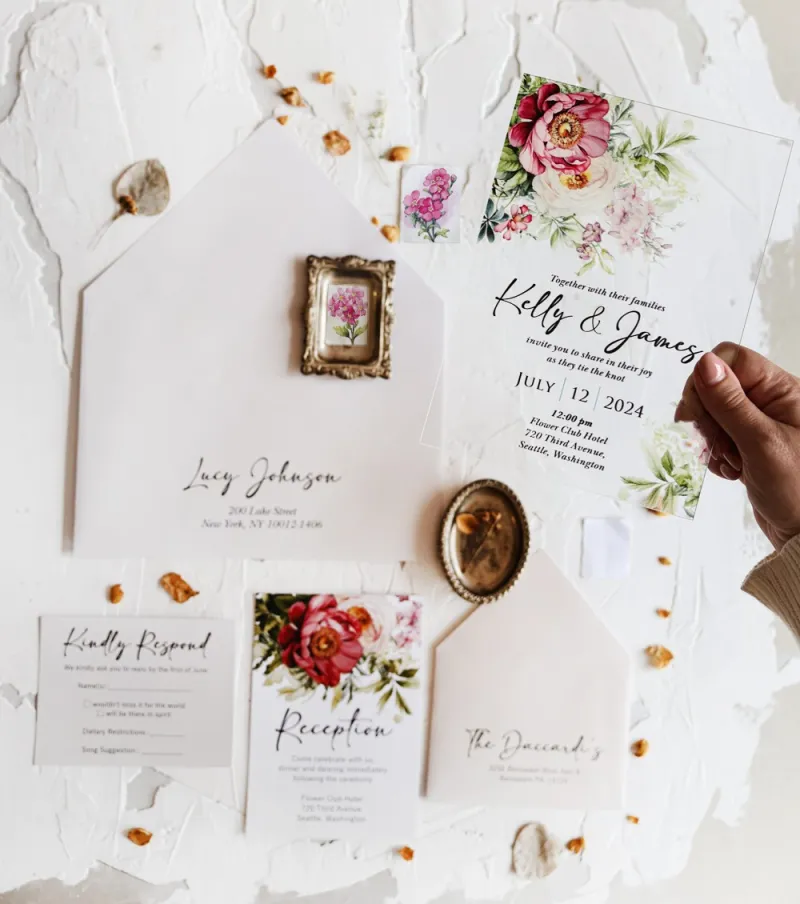
Special Addressing Cases
In special situations, such as inviting singles with the option to bring a plus-one, it is important to state this clearly. You can do this by adding the phrase "and guest" after the invited person's name. This is a subtle way to show that the couple is aware of their guests' different life situations and wants everyone to feel comfortable at the celebration. Similarly, when inviting older people or those with special titles, it is important to include them appropriately, which is an expression of respect and recognition for their experience and position.
Designing Wedding Invitations with Children in Mind
Choosing Style and Materials
Designing wedding invitations that account for the presence of children begins with choosing the right style and materials. In Poland, where weddings are often family events involving the youngest guests, it is important that invitations are friendly and inviting for children. When choosing a style, consider motifs that will resonate with both adults and younger guests. This could be delicate, fairy-tale motifs, pastel colors, or nature-related elements. Materials should be durable and safe for children—for example, avoiding sharp edges or small, easily detached elements. The choice of paper also matters—eco-friendly paper is not only durable but also environmentally friendly, which is an important value for many modern couples.
Invitation Content Tailored to Children
The content of the invitation should acknowledge that children will be reading it too. Using simple but warm language that is understandable and pleasant for the little ones is recommended. You can add special mentions directed at children, such as "We are waiting for you with balloons and sweet surprises" or "There will be plenty of fun and games for our little guests." This makes children feel like an important part of the celebration and builds excitement for the upcoming event.
Adding Graphic Elements
Graphic elements in wedding invitations involving children should be colorful, joyful, and eye-catching. Using illustrations such as flowers, animals, soap bubbles, or stars adds charm and makes the invitation more attractive to younger recipients. Graphics should be styled in a way that fits the overall wedding aesthetic while maintaining an element of fun and innocence. You can also use techniques like embossing or glitter to add a bit of magic and sparkle to the invitations.
Precision in Wording
Precision in wording is crucial. Every word should be carefully chosen to convey all necessary information clearly and understandably. It is important to provide information about the location, date, time, and any other relevant details, such as dress code or information about childcare. The wording should be elegant yet simple and direct enough to be understood by all guests, regardless of age. This ensures that everyone who receives an invitation feels important and appreciated.
Planning and Budgeting for Wedding Invitations
Setting a Budget for Invitations
Wedding planning begins with setting a budget, and invitations are one of the key elements that require special attention. Setting a budget for wedding invitations requires thoughtful financial analysis and a realistic approach to expenses. Consider the various options available on the market, comparing prices and the quality of products offered. Remember that the price of an invitation depends on many factors, such as the type of paper, printing techniques, the quantity ordered, and additional elements like envelopes or personalization. It is important to set a budget that reflects both your visual expectations and your financial capabilities.
Choosing Appropriate Materials and Shipping Methods
Choosing materials and shipping methods for invitations is another important stage in wedding planning. When deciding on specific materials, consider the style and character of the planned celebration. Do you prefer traditional, elegant invitations, or perhaps more modern and minimalist designs? The method of delivery is also important—will they be sent by traditional mail, or perhaps delivered in person, which can be a nice gesture toward guests? Remember to choose a delivery method that is both effective and consistent with the overall style and tone of the wedding.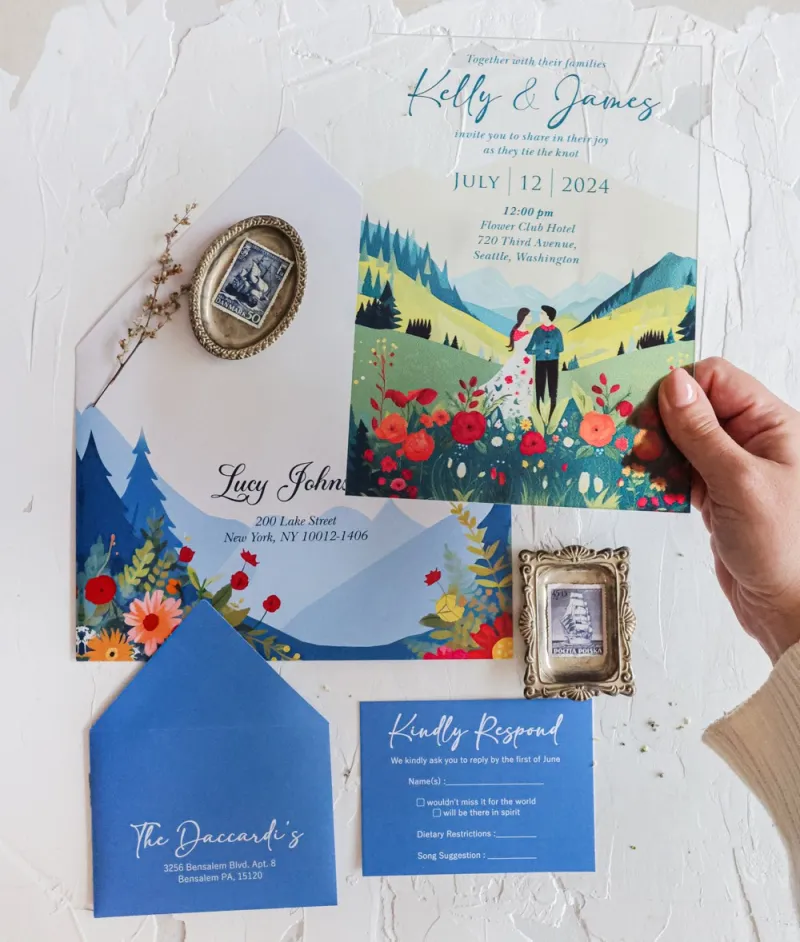
Preparing the Guest List and Addresses
Compiling the guest list and their addresses is a key element of wedding planning. This task requires accuracy and organization. Collect all necessary information from family and friends, ensuring that addresses are current and correct. Preparing the guest list in a timely manner will allow for efficient ordering and mailing of invitations, and will also help avoid later misunderstandings or stress related to forgetting important people.
Checking Text and Address Accuracy
The final, but equally important step in the process of preparing wedding invitations is carefully checking the text and addresses. Grammatical errors, typos, or outdated addresses can cause unnecessary confusion and delays. Take the time to carefully review each invitation before sending it out. This is not just a matter of aesthetics, but also of respect and professionalism. Ensuring that all information is correct will help create a positive first impression and ensure that invitations reach all guests without problems.
Communication Through Invitations – What Your Invitations Convey
How Invitations Influence Guest Expectations
Wedding invitations play an extremely important role in communication between the couple and their guests. They are the guests' first contact with the upcoming event and significantly shape their expectations. Elegant, carefully prepared invitations may suggest a formal, traditional ceremony, while modern and minimalist designs may indicate a less formal celebration. In Polish wedding culture, where the detail and quality of invitations are valued, these elements reflect the couple's care for their guests and attention to every aspect of the celebration. As a result, from the moment they receive the invitation, guests can feel an emotional connection to the event and look forward to participating in it.
Reflecting the Character of the Celebration
Wedding invitations are also a mirror of the celebration's character. Every element—from the choice of colors and font style to the images or textures used—conveys the vision and atmosphere of the upcoming day to the guests. In Poland, where tradition blends with modernity, couples often choose invitations that are consistent with the theme and style of their wedding. For example, a romantic invitation with floral motifs might suggest an outdoor or rustic wedding, while a simple, elegant invitation might point to a more formal event.
Choosing Language and Tone of Communication
The language and tone used in wedding invitations are of key importance. They are a reflection of the couple's personality and their attitude toward tradition and modernity. In Poland, where respect for tradition is important, couples often choose language that is formal yet warm and personal. Using appropriate honorifics, as well as a personalized approach to the invitation content, can make guests feel special and appreciated.
The Importance of First Impressions
The first impression a wedding invitation makes is often decisive in shaping guests' expectations and emotions. An elegant and well-designed invitation can evoke a sense of joy and anticipation, as well as emphasize the importance of the ceremony. In Polish culture, where attention to detail is valued, invitations that are carefully crafted and beautifully presented can be seen as a preview of an unforgettable and unique event. This first impression can be a deciding factor in building a positive mood and emotional engagement of guests in the wedding.
Practical Aspects of Creating Invitations
Examples of Invitation Content
Creating wedding invitation content is an art that combines elegance, tradition, and the couple's personal style. Sample invitation content might include classic phrases such as "With great joy, we invite you to our wedding ceremony, which will take place on [date] at [time] in [location]." It is also worth adding a personal touch, for example, by quoting a favorite poem, a song lyric, or your own thoughts, which gives the invitation a unique and personal character. Remember to keep the content concise yet complete, including all necessary information.
How to Avoid Errors and Misunderstandings
To avoid errors and misunderstandings in invitation content, it is crucial to carefully read and check the text before printing. Ensure that all names, dates, times, and addresses are correct. A common mistake is a typo in guests' names, which can be a source of embarrassment. Therefore, it is recommended that before final approval, someone from your family or a friend also takes a look at it. This can help catch errors that might have been overlooked.
Consulting with Professionals
Consulting with professionals, such as graphic designers, printers, or wedding etiquette specialists, can be invaluable in the process of creating invitations. These professionals can advise on font choices, colors, paper, as well as printing methods. They can also help create a consistent and elegant design that reflects the character of the celebration. In Poland, where wedding traditions are strong, their advice can be key to creating the perfect invitations.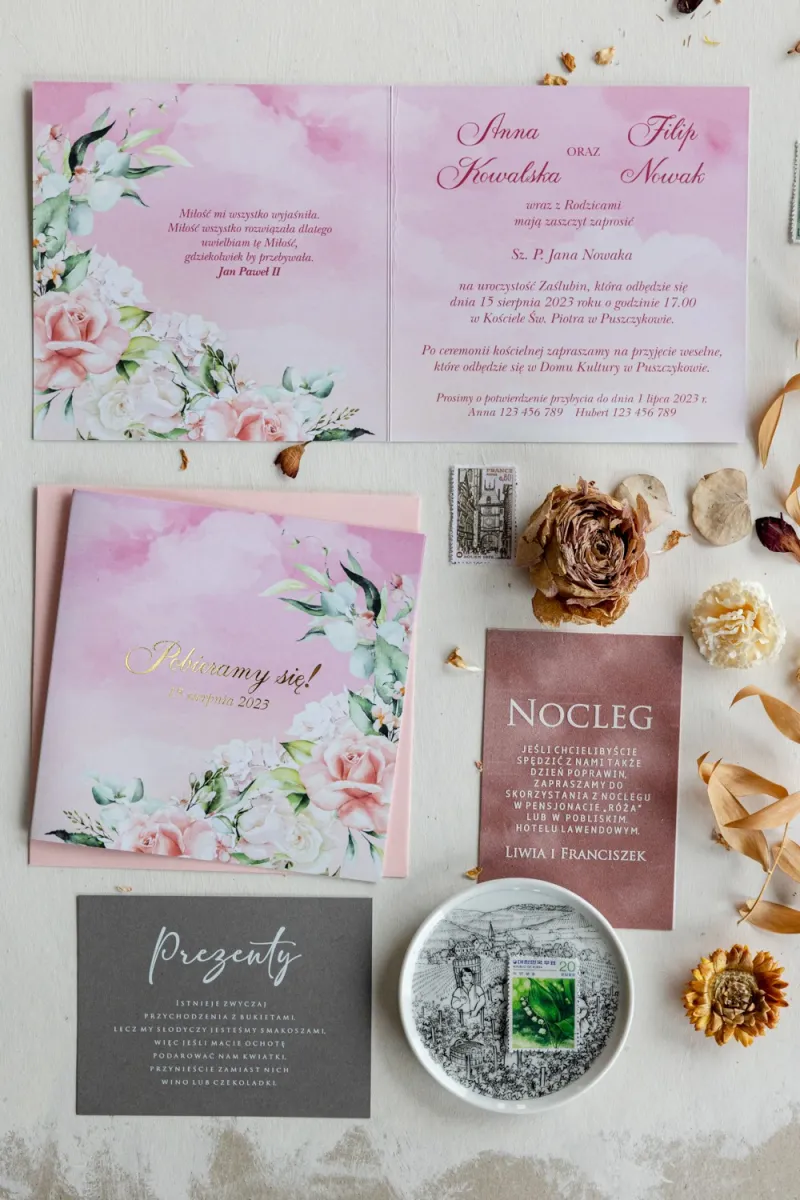
Printing and Mailing Invitations
Printing and mailing invitations is the final stage of their creation. It is important to choose a printing house that guarantees high quality and timeliness. After receiving the printed invitations, check each one for any printing errors. When mailing invitations, remember to allow enough time—usually, they are sent 6 to 8 weeks before the wedding, which gives guests enough time to plan their attendance. When mailing, remember to protect them properly so they reach your guests in perfect condition.
Summary and Final Tips
Emphasizing the Importance of Invitations
Wedding invitations play an extremely important role in the wedding organization process. They are not only a way to notify guests of the upcoming ceremony but also represent the first visual element of the wedding that guests will see. A good wedding invitation conveys not only basic information but also puts guests in the mood for the entire ceremony, reflecting its style and character. Therefore, it is so important to dedicate enough time and attention to their planning and execution.
Final Checks Before Mailing
Before invitations are mailed, it is necessary to perform final checks. Ensure that all information is correct and there are no spelling or printing errors. Check addresses to ensure that every invitation reaches the right person. These final steps are crucial to prevent misunderstandings and ensure that the invitation process runs smoothly and professionally.
How Invitations Influence the Overall Image of the Ceremony
Invitations have a significant impact on the overall image and perception of the wedding ceremony. They are a kind of "sneak peek" or introduction to what guests can expect on the wedding day. Elegant, personalized invitations can raise guests' expectations, creating an impression of uniqueness and careful organization of the celebration. It is the wedding invitations that set the tone for the entire event.
Closing Advice
Finally, a few tips: always match the invitation style to the overall wedding theme, don't be afraid to be creative, but at the same time maintain elegance and simplicity. Consider consulting with professionals to ensure the highest quality. And above all, remember that invitations are more than just a piece of paper—they are a personal message from you, as a couple, to your guests.
We encourage you to read other articles on our blog, which can provide more inspiration and practical tips:
- Is it appropriate to invite guests only to the wedding ceremony?
- Must the invitation include 'Sz.P.' (Dear Mr./Ms.)?
- Creative ideas for a wedding photo shoot
- How to involve children in the wedding ceremony
- How to organize a themed wedding: from boho to retro
And many other interesting contents that will help you perfectly plan your wedding!