How to Choose the Perfect Wedding Dress – A Bride's Guide
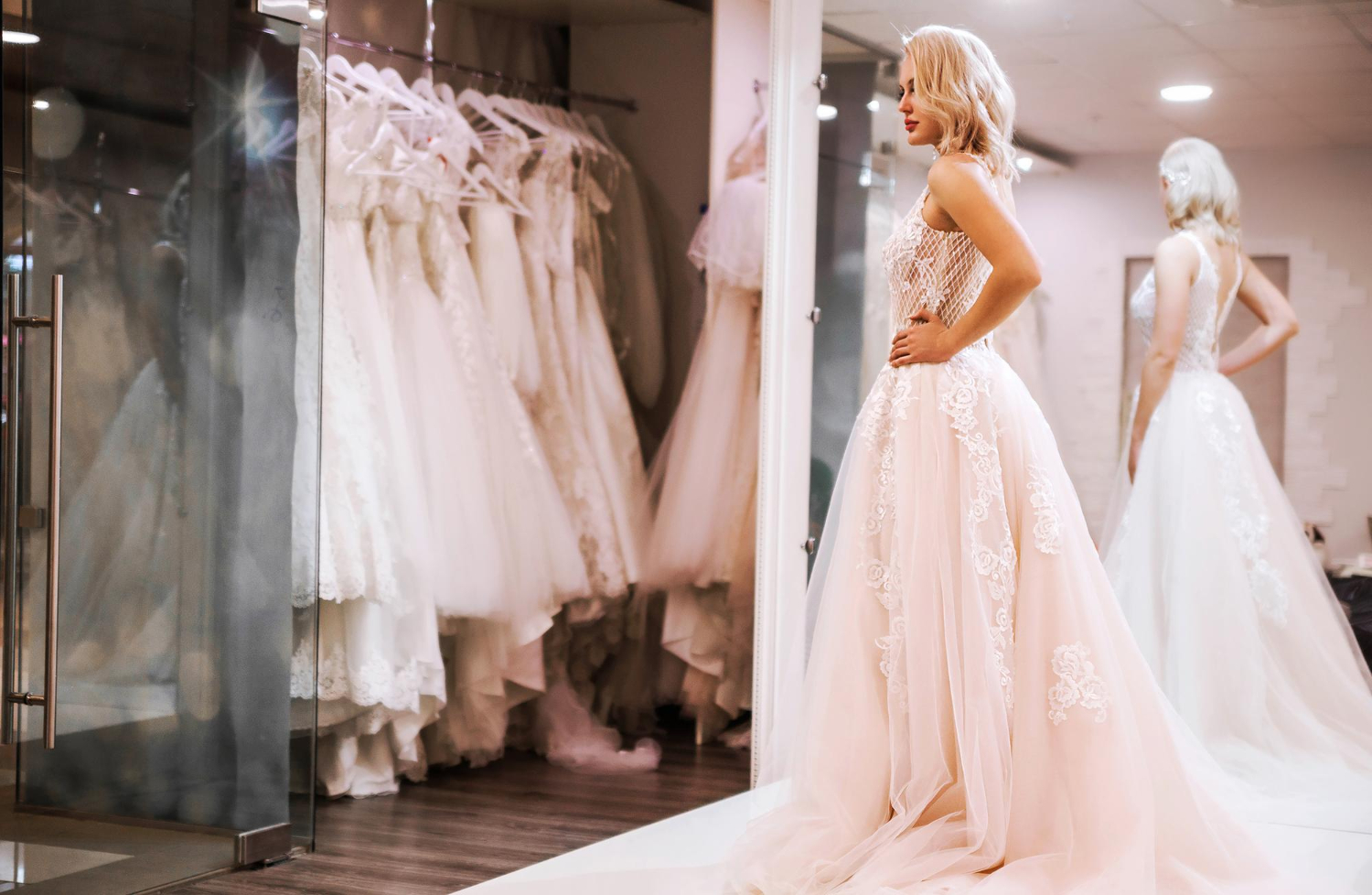
Choosing a wedding dress is one of the most important and emotional tasks in wedding preparations. As a wedding industry specialist with ten years of experience, I observe how future brides struggle with this difficult choice, often feeling overwhelmed by the vast number of options available. The perfect wedding dress is one that not only looks spectacular but also perfectly complements the bride's silhouette, the style of the ceremony, and the wedding budget. In the upcoming year 2026, we can expect fascinating trends combining classic elegance with modern touches, from the return of romantic lace to minimalist lines inspired by 90s style. The key to success is a systematic approach to the selection process, which takes into account both practical aspects like budget and seasonality, as well as aesthetic preferences regarding cut, fabric, and accessories. Modern brides have unlimited possibilities for personalizing their attire – from custom-made gowns to unique accessories and wedding invitations and other ceremony elements that together create a cohesive, unforgettable whole.
Setting the budget and schedule - practical basics of choosing a wedding dress
A realistic wedding dress budget in 2026
Setting a budget for your wedding dress is the foundation of all further decisions and should be considered early in the wedding planning stage. Average prices for wedding dresses currently range from 1,500 PLN for mass-produced models to as much as 15,000 PLN for exclusive creations from renowned designers. For dresses from bridal salons, the most popular price range is 3,000-8,000 PLN, which includes high-quality gowns with the possibility of basic tailoring adjustments. Custom-made dresses in Polish studios cost on average between 4,000 and 12,000 PLN, with the price depending primarily on the complexity of the design, the quality of materials, and the designer's market position. It is worth remembering that additional costs should be added to the base price of the dress: tailoring adjustments (300-800 PLN), accessories such as a veil (200-1,500 PLN), wedding shoes (300-1,200 PLN), wedding lingerie (200-600 PLN), and potential dry cleaning of the dress after the ceremony (150-400 PLN). Experts recommend allocating about 10-15% of the total wedding budget to the wedding dress, which, given the average cost of a Polish wedding, means an amount between 4,000 and 7,000 PLN. If the budget is limited, it is worth considering alternatives such as renting a dress (800-3,000 PLN), buying second-hand (500-3,000 PLN), or taking advantage of previous season collection sales, where you can get up to 50% off original prices.

Gaja No. 2 Wedding Invitation – Sage Green with Letterpress Embossing

Glamour Wedding Invitation with Gilded Branch and Velvet Paper – Ruskus No. 14

Kraft Wedding Invitation No. 12 – Forest Style with Pine Forest Graphic
Optimal search schedule
Searching for the perfect wedding dress should begin 8-12 months before the planned wedding date, which allows for a calm choice without time pressure and the possibility of ordering a custom-made dress. The first stage, lasting 2-3 months, should be devoted to gathering inspiration, determining the preferred style, and initial price research in various salons and studios. During this period, it is also worth setting a preliminary budget and consulting with loved ones about their expectations regarding the style of the ceremony. The second stage involves intensive fittings in selected salons, which should take place 6-8 months before the wedding, when the silhouette is relatively stable and wedding plans are concrete enough to match the dress to the character of the celebration. Choosing the final creation and placing the order should happen no later than 4-5 months before the wedding, which leaves enough time for the dress to be made, the first fitting, and any necessary adjustments. The last 2-3 months before the ceremony are for final adjustments, the last fitting, and completing accessories, with the final fitting taking place 2-3 weeks before the wedding, when no drastic changes to the silhouette are expected. Remember that during the wedding season (May-September), salons are particularly busy, so it is worth moving all deadlines 1-2 months earlier.
Factors affecting final costs
The final cost of a wedding dress depends on many variables that should be considered at the budget planning stage. The material used has a fundamental impact on the price – dresses made of natural silk, handmade lace, or mikado can cost twice as much as those made of high-quality synthetic materials. The complexity of the design is another significant factor: dresses with rich embellishments, hand embroidery, Swarovski crystal applications, or pearls naturally cost more than simple, minimalist creations. The location of the salon also affects prices – in Warsaw and other large cities, you can expect higher amounts than in smaller towns, although this difference has been decreasing in recent years due to growing competition. The time of year of purchase also matters: the biggest discounts can be obtained by buying dresses after the wedding season (October-February), during collection sales, or during Black Friday promotions organized by some salons. Additional services such as individual stylist advice, a professional photoshoot in the dress, or special packages including a set of accessories can increase the final amount by 1,000-3,000 PLN. It is also worth considering the costs of maintaining the dress: professional dry cleaning, which is necessary after the ceremony, costs 150-400 PLN, and proper storage in a special box is an expense of about 200-500 PLN, which may matter for brides planning to keep the dress as a keepsake.
Choosing the dress cut for your body type - a detailed guide for every bride
Table of contents:
- Setting the budget and schedule - practical basics of choosing a wedding dress
- Choosing the dress cut for your body type - a detailed guide for every bride
- Choosing materials and fabrics - quality, seasonality, and practical properties
- Matching the dress to the wedding style and ceremony - harmony in every detail
- Trends for 2026 - fashion directions and inspirations for the upcoming season
- Practical tips for fittings and the purchase process
- Wedding accessories and final details completing the styling
Guide to matching wedding dress cuts to different body types
Pear silhouette - highlighting the top and optically balancing proportions
Women with a pear silhouette, characterized by narrower shoulders and wider hips, should opt for wedding dresses that balance the body's proportions by highlighting the upper part and subtly masking the lower part. The ideal choice is an A-line dress, which, thanks to its gradual widening towards the bottom, optically slims the silhouette and creates a harmonious whole. Models with a richly decorated bodice are particularly recommended – lace applications, embroidery, sequins, or pearls in the upper part of the dress will draw attention to the neckline and shoulders, diverting attention from wider hips. Boat, carmen, or off-the-shoulder necklines are perfect for this type of figure because they optically widen the shoulder line and create the impression of a more proportional silhouette. Long sleeves with puffy cuffs, cape shoulder covers, or decorative epaulets are additional elements that can support the effect of optically widening the upper part of the body.
Materials and embellishments play a key role in creating the desired visual effect for a pear silhouette. The upper part of the dress should be made of materials with more structure and shine - satin, mikado, or glitter tulle will work great in this role, while the lower part can be sewn from more matte and delicate fabrics like chiffon or crepe. Lace applications, embroidery, or crystal ornaments should focus primarily on the bodice, sleeves, and neckline, creating vertical lines that will additionally slim the silhouette. Avoid mermaid or trumpet style dresses, which highlight the hips and buttocks, as well as models with tight skirts or large bows and ornaments placed at hip height. It is also worth being cautious with dresses with a very wide princess-style skirt, which may additionally highlight disproportions, unless the upper part is appropriately richly decorated and draws attention.

Glamour Wedding Place Cards with Pearls – Pearls No. 1 White

Lauren No. 3 Wedding Place Cards – Classic Calligraphy Name Cards

Minimalist Wedding Place Cards – Glare No. 1 with Embossed Border
Apple silhouette - elegant masking of the middle and highlighting long legs
Brides with an apple silhouette, characterized by a wider waist, fuller bust, and often a protruding belly, should focus on dresses that optically lengthen the silhouette and shift attention to other parts of the body. Empire style dresses with a high waist placed just under the bust are absolutely ideal for this type of figure - the high waistline not only masks potential imperfections in the middle part of the body but also optically lengthens the legs and gives the whole silhouette slimness. The loosely falling A-line bottom ensures freedom of movement and comfort throughout the ceremony day. Heart-shaped or V-necklines are particularly beneficial because they expose a beautiful neckline and optically lengthen the neck, creating an elegant, slim line from the face to the feet.
Choosing the right materials is crucial for dresses aimed at an apple silhouette - delicate, flowing fabrics like chiffon, or silk naturally fall around the body without highlighting problematic areas. Fabrics with a slight sheen in the upper part of the dress can beautifully highlight the neckline, but avoid shiny materials in the waist and stomach area. Vertical lines in the dress design, such as vertical ruffles, lace strips, or applications arranged in vertical patterns, optically slim the silhouette and are particularly recommended. On the other hand, you should absolutely avoid dresses with a clearly marked waist, corsets tightly fitted at the waist, and all elements that may additionally highlight the width of the middle part of the body - large bows at the waist, wide belts, or horizontal decorative lines.
Hourglass silhouette - highlighting natural proportions and feminine shapes
Women with an hourglass silhouette are truly lucky when it comes to choosing a wedding dress because their natural proportions allow for experimenting with almost every cut. Characteristic of this silhouette are similar bust and hip dimensions and a clearly marked waist, creating ideal proportions that can be highlighted by almost any style of wedding dress. However, dresses that expose the natural waistline look particularly beautiful - mermaid or trumpet models, which fit the body down to the knees and then flare out, creating a spectacular visual effect. A-line dresses with a highlighted waist will also be an excellent choice, as will models with a simple cut with vertical lines, which will additionally lengthen and slim the silhouette.
Necklines can be practically anything - from a classic heart-shaped neckline through an elegant V-neck to a minimalist round or boat neck, each of them will look beautiful on an hourglass silhouette. Dresses with a deep back neckline or side cutouts look particularly impressive, adding modernity and sex appeal to the whole creation. When choosing materials, the hourglass silhouette allows for almost complete freedom - from heavy satins and mikado to delicate chiffon and tulle, every fabric will lay beautifully on this figure. You can afford rich embellishments, lace applications, embroidery, or crystal ornaments, which will additionally highlight the assets of this silhouette. The only limitations concern empire style dresses, which may hide the beautiful waistline characteristic of this type of figure - unless a special waist highlight is used using a belt or application that will maintain the hourglass silhouette proportions.

Simple No. 3 Soy Candle – Gold Foiling & Elegant Wedding Favours

Golden Fortune Cookies with Personalized Label | Affordable Wedding Favours | Cejla No. 3

Merci Favour with White Flowers, Green Leaves | Elegant Guest Gifts | Impresja No. 10
Rectangle silhouette - creating the illusion of feminine shapes
Brides with a rectangle silhouette, characterized by similar bust, waist, and hip dimensions with no clear waist indentation, should opt for dresses that create the illusion of more feminine shapes. The key element is optically narrowing the waist through appropriate embellishments, draping, or structural elements of the dress. Dresses with a clearly marked waist using a belt, a ruffled corset, or contrasting inserts are ideal for this type of silhouette. Peplum models, which artificially create hip lines, can wonderfully add femininity to a rectangular figure. Princess-style dresses with a fitted corset and a very full skirt also work great because they create a dramatic contrast between the top and bottom, simulating a waist indentation.
Embellishments and structural details play a fundamental role in creating the desired proportions for a rectangle silhouette - vertical lines of lace or applications in the center of the corset optically slim and create the impression of a narrow waist, while horizontal accents on the hips add volume. Puffy sleeves or cape shoulder covers can optically widen the upper part of the body, creating a more proportional silhouette. Heart or deep V necklines are particularly recommended because they create the impression of a fuller bust and more feminine shapes. Materials of different structures used in the upper and lower part of the dress - for example, smooth satin in the corset and structural tulle or lace in the skirt - can also help in creating the illusion of different proportions between the top and bottom of the body. You should avoid dresses with a simple, column cut and models without any embellishments or structural details that will not add femininity to this naturally more boyish silhouette.
Choosing materials and fabrics - quality, seasonality, and practical properties
Natural versus synthetic materials - a guide to wedding fabric quality
Choosing the right material for a wedding dress is crucial not only for the look of the creation but also for the comfort of wearing and the durability of the entire styling. Natural materials, such as silk, cotton, or linen organza, are characterized by exceptional elegance, natural shine, and breathability, which makes them an ideal choice for summer ceremonies. Natural silk, especially in varieties such as charmeuse, crepe de chine, or mikado, provides a luxurious look and lays perfectly on the body, creating flowing, elegant lines. Its natural thermoregulatory character means that a silk dress does not overheat on hot days and does not cause discomfort during long ceremonies. Handmade lace from natural fibers, coming from traditional French or Italian manufactories, adds a unique character to the dress and is an investment for years, retaining its look even after many years of storage.
Modern synthetic materials have already reached a level of quality that successfully competes with natural counterparts, and often exceeds them in terms of practical properties. Polyester satin or microfiber are characterized by greater resistance to wrinkling, ease of cleaning, and a significantly lower price while maintaining an elegant look. Synthetic glitter tulle or machine lace can look just as spectacular as their natural counterparts, and additionally, they are more durable and resistant to mechanical damage during the wedding. Particularly noteworthy are modern hybrid fabrics, combining natural fibers with synthetic ones, which provide the best properties of both types of materials - the natural look and breathability of silk with the practicality and resistance of artificial materials. When choosing a material, it is always worth checking its composition, care methods, and resistance to external factors, especially if an outdoor ceremony is planned, where the dress will be exposed to wind, sun, or potential precipitation.

Flores No. 1 Soy Candle in Gypsum – Gilded Wedding Favour

Delize No. 1 Soy Candle – Forest Motif Wedding Favours

Flores No. 2 Soy Candle in Gypsum – Burgundy Flowers Wedding Favour
Seasonality of materials - matching fabrics to the wedding season
The proper choice of material for the season in which the wedding ceremony takes place is crucial for the bride's comfort and the overall aesthetic impression of the entire styling. For spring weddings, light, airy materials such as chiffon, or delicate organza are perfect, allowing the skin to breathe during the first warm days of the year and waving beautifully in the spring breeze. Fabrics in shades of ivory, very delicate pink, or creamy champagne harmonize with the spring aura of nature awakening and create a romantic atmosphere for the ceremony. Lace with plant motifs, embroidery depicting delicate flowers, or applications in the shape of young leaves additionally emphasize the spring character of the celebration and create a cohesive whole with seasonal wedding decorations and wedding invitations in an analogous style.
Summer wedding dresses require special attention to breathability and thermoregulation to ensure comfort on hot days. Natural silks, linen organza, cotton lace, and very delicate tulle work best, allowing for free air circulation and not causing the body to overheat. Avoid heavy satins, thick lace, or multi-layered constructions that can be unbearable in high temperatures. Summer dresses are often characterized by a simpler cut, fewer layers, and more open necklines, which not only ensures thermal comfort but also creates a light, heavenly styling ideal for outdoor ceremonies. Autumn wedding dresses can be richer in material and construction - satins, silks, mikado, or thicker lace will be appropriate for the cooler aura. Colors can be deeper and more intense - champagne, cream, and even delicate shades of beige or gold, which harmonize with the autumn color palette and create a warm, cozy atmosphere for the celebration.
Practical properties of fabrics - durability, care, and functionality
Practical aspects of choosing a material are often underestimated by future brides, but they are crucial for the success of the entire ceremony and later satisfaction with the dress. Resistance to mechanical damage is a basic feature, especially important for dresses with a long train or delicate embellishments, which are exposed to frequent contact with the ground, other guests, or decor elements during the wedding. Materials with a loose weave, such as very delicate tulle or spiderweb lace, require special caution and may not work well at a very active wedding with many dances. On the other hand, modern microfibers, polyester satins, or reinforced machine lace are characterized by significantly greater resistance to damage while maintaining an elegant look and may be a better choice for brides planning intensive wedding fun.
Ease of cleaning and maintaining the dress is another significant aspect, especially for brides planning to keep the dress as a keepsake or pass it on as a family heirloom. Natural silks require professional dry cleaning and specialized maintenance, which involves additional costs and the risk of damage with an unprofessional approach. Modern synthetic materials can often be washed at home, which significantly lowers the costs of keeping the dress in good condition. Some fabrics also have special practical properties - antibacterial materials prevent the formation of unpleasant odors during long wear, fabrics with UV protection protect the skin during outdoor ceremonies, and materials with water-repellent properties can be a lifesaver in case of unexpected precipitation. It is also worth considering the acoustic properties of the material - heavy satins and silks dampen the sounds of footsteps and the rustle of the fabric, which may matter for ceremonies in places with special acoustics, such as cathedrals or concert halls, where every sound is clearly audible.
Matching the dress to the wedding style and ceremony - harmony in every detail
Classic wedding - elegance and tradition in every detail
A classic wedding requires a wedding dress that reflects timeless elegance and respect for wedding traditions, while maintaining subtle modernity. The ideal creation for such a celebration is a dress with a simple yet sophisticated cut - A-line with a delicately highlighted waist, made of noble materials such as silk mikado, duchesse satin, or high-quality crepe. The color scheme should focus around classic white, ivory, or delicate champagne, avoiding bold color accents that could disturb the solemn atmosphere of a traditional ceremony. A long train, reaching at least to the knees, adds dignity and formality to the entire creation, especially during the procession down the central aisle of the church or an elegant ceremony hall. The neckline should be relatively modest - round, boat, or delicate V allow for maintaining appropriate elegance, while deep cutouts or an open back could be inappropriate in the context of a formal ceremony.
Embellishments in a classic wedding dress should be subtle but of high quality - delicate lace applications, hand embroidery, or Swarovski pearls add luxury without excessive ostentation. Vertical lines of lace arranged along the corset or delicate floral motifs embroidered with silver or pearl threads look particularly beautiful. The sleeve can be of any length, but should maintain a classic form - long sleeves with lace cuffs are particularly elegant for winter ceremonies, while delicate cap sleeves or thin straps will work in the summer season. Accessories for a classic dress should be equally sophisticated - a long veil with a delicate lace border, pearl earrings, or a subtle tiara will emphasize the formal character of the celebration. A professional free wedding app can help coordinate all elements of a classic wedding, from the dress to decorations to the ceremony schedule, ensuring stylistic consistency of the entire event.

Glamour Wedding Place Cards No. 1 – Satin Name Cards with White Print

Cappuccino Wedding Place Cards No. 1 – Satin Ribbon Table Name Cards

Rose Bow Wedding Place Cards No. 1 – Pink Satin Glass Ribbon Cards
Boho and rustic wedding - natural freedom and artistic expression
Boho or rustic style weddings give the bride unlimited possibilities to express her individuality through a wedding dress that combines naturalness with artistic expression. Characteristic of this style are dresses with a loose, unconstrained cut, made of delicate, airy materials such as chiffon, or lace with an organic structure. Empire cuts with a high waist under the bust, models with a simple, column cut, or peasant dress style gowns with puffy sleeves perfectly capture the boho spirit, while ensuring freedom of movement during an outdoor ceremony. The color scheme can go beyond traditional white - shades of ecru, champagne, delicate pink, or even very subtle beiges create harmony with the natural surroundings and additionally emphasize the non-traditional character of the celebration.
Embellishments in boho dresses are often inspired by nature - embroidered flowers, plant motifs, ethnic patterns, or fringes add an authentic, artistic character to the dress. Lace with an irregular structure, applications of dried flowers, or natural materials such as jute or linen emphasize the connection with nature characteristic of this style. Boho dresses are often characterized by asymmetry - uneven lengths, asymmetrical necklines, or irregular lace applications create a non-schematic, artistic effect. Sleeves can be very diverse - from airy, transparent ones to dramatic cape covers or ethno-inspired patterns in the form of bell sleeves characteristic of the 70s. Accessories for a boho dress should emphasize the natural character - wreaths of fresh flowers instead of veils, boho sandals, or delicate vintage-style jewelry create a cohesive whole with the rustic decor of the wedding hall. Place cards made of natural materials or thank you gifts for guests in the form of small plants will additionally emphasize the eco-character of the entire celebration.
Modern wedding - minimalism and avant-garde elegance
Modern couples are increasingly choosing modern, minimalist weddings, which require a wedding dress that is equally avant-garde and stylish, but devoid of unnecessary ornaments. The ideal dress for a modern wedding is a creation with clean, geometric lines, made of smooth materials such as crepe, jersey, or modern fiber blends with a matte finish. The cut should be simple but perfectly tailored - a column, simple A-line, or minimalist mermaid, which highlight the natural beauty of the silhouette without additional ornaments. Necklines can be bolder than in the case of classic dresses - deep V, back cutouts, asymmetrical forms, or modern boat necks create a dramatic effect while maintaining elegance. Also characteristic of modern dresses are non-traditional structural elements - transparent panels, contrasting inserts, metal details, or futuristic sleeve forms adding an avant-garde character to the entire creation.
The color scheme of modern wedding dresses can go far beyond traditional white - clean blues, delicate grays, nude, or even black accents are acceptable in the context of a contemporary wedding. Materials are often characterized by unusual properties - metallic shine, 3D structure, changing color depending on lighting, or innovative surface design. Embellishments, if they appear at all, should be very modern - geometric applications, laser cutouts, 3D elements, or even technological additions such as LED or holograms can find a place in an avant-garde wedding dress. Accessories should also reflect the modern character - instead of a traditional veil, geometric headwear, avant-garde jewelry, or futuristic shoes create a cohesive whole with the modern decor of the wedding hall. Outdoor ceremonies in modern architectural spaces, lofts, or industrial halls require a dress that will harmonize with the raw, minimalist surroundings and at the same time constitute a spectacular contrast to the industrial aesthetics of the place.
Trends for 2026 - fashion directions and inspirations for the upcoming season
Return of romanticism - lace, multi-layering, and vintage inspirations
The upcoming year 2026 brings a spectacular return of the romantic style in wedding fashion, characterized by an abundance of delicate lace, multi-layered constructions, and nostalgic references to vintage fashion. Designers around the world are focusing on the highest quality lace - from traditional French Chantilly to modern interpretations of Italian macramé, which add a unique, artistic character to the dresses. Particularly fashionable will be lace applications with botanical motifs - flowers, leaves, twigs arranged in organic, asymmetrical patterns, which give the impression that nature itself decorated the dress. Multi-layering is another key trend - dresses consisting of several layers of chiffon, tulle, or create a dreamy, fairy-tale effect, especially beautiful during movement or dancing, when each layer moves independently, creating a dynamic, changing silhouette.
Inspirations from the 80s in the form of Basque waists are returning with full force, but in a modern, sophisticated interpretation. The characteristic line dropped below the natural waist creates an elegant, royal silhouette, especially effective in combination with flared princess-style skirts. Colors in 2026 go beyond traditional white - delicate shades of powder pink, champagne, very subtle blue, or vanilla cream will be extremely popular, especially in combination with natural materials and ecological embellishments. Sleeves play a key role in romantic 2026 creations - dramatic puffs, transparent extensions, long lace cuffs, or ethereal cape covers add theatricality and a unique character to the dresses. Vintage accessories - juliet cap veils, pearl headpieces, antique brooches, or retro mid-heel shoes complete the romantic look and create a cohesive whole with the nostalgic aesthetics of the entire celebration.
Golden Fortune Cookies with Personalized Label | Affordable Wedding Favours | Cejla No. 3

Fortune Cookies with Gold Foliage – Ruskus No. 2

Personalized Fortune Cookies, Light Grey | Original Wedding Favours | Cejla No. 7
Minimalism of the modern bride - 90s lines and sustainable fashion
Parallel to the return of romanticism, 2026 also brings the strengthening of the trend for minimalist wedding dresses inspired by 90s aesthetics, especially the iconic creation of Carolyn Bessette-Kennedy. Characteristic of this trend are dresses with simple but perfect lines - a slip dress with thin straps, simple columns made of high-quality crepe, or elegant sheath dresses that highlight the natural silhouette without unnecessary additions. Smooth materials with a matte finish - crepe, jersey, modern fiber blends - dominate in minimalist creations, ensuring an elegant look while maintaining comfort. Necklines are simple but effective - round, delicate V, or boat neck, which do not distract from the clean lines of the entire creation. A characteristic element of 2026 minimalist dresses can be geometric cutouts, contrasting inserts, or very subtle structural details that add modernity without violating the general philosophy of less is more.
Sustainable fashion is another fundamental trend of 2026, which introduces ecological awareness and social responsibility to wedding fashion. Brides are increasingly choosing dresses made of materials from ethical sources - organic silks, recycled polyester, lace woven from bamboo fibers, or linen organzas grown without pesticides. Designers are introducing concepts of modular dresses - creations consisting of interchangeable elements that allow for personalization and later use in various configurations after the wedding ceremony. Vintage and second-hand dresses are gaining prestige - professionally restored creations from previous decades, especially those from the 80s and 90s, are becoming desirable alternatives to new dresses. Local designers and small manufactories are gaining an advantage over international brands thanks to the ability to provide full transparency of the production process and minimize the carbon footprint associated with transport. Accessories also follow the sustainability trend - veils made of vintage lace, jewelry made of recycled gold, shoes made of vegan materials create a cohesive whole with the ecological philosophy of modern brides.
Whimsical aesthetic and artistic expression
2026 also brings a fascinating trend of whimsical aesthetic, which introduces an element of fantasy, artistic expression, and references to pop culture and fairy tales to wedding fashion. Dresses in this style are characterized by imaginative, theatrical elements - oversized sleeves resembling butterfly wings, asymmetrical constructions inspired by the clothes of fantasy elves, or embellishments imitating magical artifacts. Materials with unusual properties - holographic fabrics changing color, tulle with woven-in LED lights, applications reacting to touch or temperature add a futuristic, magical character to the dresses, ideal for couples desiring an unforgettable, spectacular ceremony. The color scheme of whimsical dresses can be very bold - metallic shades, very delicate rainbow reflections, changing color, or even subtle fluorescent accents create an extraordinary visual effect, especially with appropriate lighting of the wedding hall.
Inspirations from pop culture, fantasy films, and animations create a rich source of ideas for whimsical dresses - from creations inspired by Disney princesses to futuristic interpretations of science fiction costumes. Applications with astronomical motifs - stars, moon, constellations made of Swarovski crystals or holographic materials - are particularly popular, as are plant motifs in surreal interpretations. Accessories for whimsical dresses can be equally spectacular - a crystal crown instead of a veil, magic wands as elements of a photo session, shoes resembling the ballet slippers of fairy-tale characters create a completely unreal, dreamy atmosphere for the ceremony. Whimsical aesthetic works particularly well at outdoor ceremonies in magical locations - in forests, by lakes, in historic parks, or romantic ruins, where the natural surroundings enhance the fairy-tale character of the entire celebration. Photo sessions with whimsical dresses often resemble frames from fantasy films and create unique, artistic memories from the most important day in life.
Practical tips for fittings and the purchase process
Preparation for the first fitting - key to effective searching
Proper preparation for the first wedding dress fitting is fundamental to the efficiency of the entire search process and can determine the success of finding the ideal creation. A week or two before the scheduled visit, it is worth preparing a mood board with inspiration - photos of dresses that you like the most, to be able to quickly and precisely communicate your preferences to the consultant in the salon. Equally important is preparing a list of practical questions - about the possibility of tailoring adjustments, deadlines, payment procedures, return policies, or the scope of any additional services. The day before the fitting, you should take care of proper skin care - do a scrub and moisturize so that the skin looks its best, while avoiding new cosmetics that could cause allergic reactions. On the day of the fitting, makeup should be minimal or completely omitted to avoid staining the dresses while putting on and taking off the creations over the head.
Choosing the right lingerie for fittings is crucial for a realistic assessment of how the dress will look on the wedding day. The best option is a nude, seamless bra with detachable straps, which will not show under any fabric, and seamless panties in a similar color. If you plan to wear special shapewear, it is worth taking it to the fittings or at least something similar in terms of the degree of silhouette modeling. Shoes are equally important - you should take footwear with a similar heel height to the one planned for the wedding or at least shoes of different heights to be able to assess how the dress looks with different silhouette proportions. Hair is best tied in a loose bun, which will allow for easy trying on of dresses with different types of necklines and will give an idea of the final look of the wedding hairstyle. Taking one trusted person with you - mother, sister, or best friend - can be very helpful, but necessarily someone who will be honest and supportive, not critical or focused on their own preferences.

Personalized Wedding Welcome Sign with Two Photos – Photo Design No. 6

Elegant Wedding Welcome Sign with Black & White Photos – Photo Design No. 7

Rubin No. 5 Wedding Seating Plan – Purple Heather and Gold Motif
Criteria for evaluating the dress during fittings
During the wedding dress fitting, you should consider much more than just the look in the mirror - comfort, functionality, and practical properties of the creation are equally important for the success of the entire ceremony. The first step is to assess the fit of the dress to the silhouette - does it highlight assets, does it hide potential imperfections, does it create harmonious proportions, and does it visually slim the figure? Equally important is checking the freedom of movement - you should try to sit down, bend over, raise your hands up, do a few dance steps to make sure that the dress does not restrict movement and will allow for comfortable participation in all elements of the ceremony. Quality of workmanship is another key aspect - you need to check the evenness of the seams, the accuracy of the finishes, the quality of zippers or buttons, the stability of applications, and the overall solidity of the dress construction. It is also worth paying attention to the way the dress lays during movement - does the train naturally follow the bride, does the material not stick unpleasantly to the body, do the lace not catch on other elements of the outfit.
A very important part of the evaluation is imagining the dress in the context of the planned ceremony - will it be appropriate for the place, season, type of celebration, and planned wedding attractions? A dress ideal for an intimate ceremony in the forest may be inappropriate for an elegant ballroom and vice versa. You should also assess whether the dress photographs well - different materials, colors, and cuts look different in photos than in person, so it is worth asking for a few test photos during the fitting. A practical test is also checking whether the dress will be appropriate for the restroom - can you use the bathroom in it on your own, or will help be needed, which may matter for long ceremonies or weddings without the possibility of using a bridesmaid's help. The final decision should be made using the 24-48 hour rule for reflection - even if the dress seems perfect, it is worth giving yourself time to analyze all aspects from a distance and compare with other options.
Communication with the salon and managing the order process
Professional communication with the staff of the wedding dress salon is the foundation of a successful purchase process, which can determine satisfaction with the entire transaction and the quality of the final product. From the first contact, it is worth clearly communicating your expectations, budget, deadlines, and any special requirements regarding the dress or the celebration. It is also important to build a good relationship with the consultant who will accompany you in the selection process - her experience and professionalism can be invaluable when making difficult decisions. All arrangements regarding prices, deadlines, the scope of adjustments, or payment terms should be confirmed in writing to avoid misunderstandings at later stages of cooperation. It is particularly important to precisely define the deadlines for the completion and collection of the dress, taking into account the time for potential adjustments and final fittings.
The order management process requires a systematic approach and regular monitoring of work progress. It is worth keeping a calendar with marked dates for fittings, payments, and other significant moments so as not to miss any important deadline. Regular contact with the salon, especially in the case of custom-made dresses, allows for ongoing tracking of progress and quick response to potential problems. It is also important to prepare a plan B - alternative solutions in case of delays, quality problems, or other unforeseen situations. The final weeks before the wedding are a period of particularly intensive preparations, so it is worth planning the collection of the dress well in advance, allowing for potential last adjustments. Communication with the salon should also include practical issues - the method of transporting the dress, care instructions, procedures in case of potential damage during the ceremony, and setting the terms for potential storage of the dress after the wedding as a keepsake or family heirloom.
Wedding accessories and final details completing the styling
Veil as the quintessence of wedding elegance
The veil remains the most characteristic and recognizable wedding accessory, which can completely change the character of the dress and give the ceremony an appropriate ceremonial setting. Choosing the right length of the veil is an art in itself - short shoulder-length veils perfectly match dresses with a modern, minimalist cut and are practical for outdoor ceremonies, while long cathedral veils reaching several meters add dignity and drama, especially effective in spacious churches or elegant halls. A fingertip-length veil is a universal length that fits most dresses and types of ceremonies. The material of the veil should harmonize with the dress - delicate tulle for airy, romantic creations, stiffer tulle for formal princess-style dresses, lace veil for dresses rich in embellishments. The edges of the veil can be finished differently - from a simple, raw cut to rich lace borders or pearl trims, which should harmonize with the dress embellishments without competing for attention.
The way the veil is attached has a significant impact on the final look of the wedding hairstyle and overall comfort of wearing. Traditional combs are the most frequently chosen solution, which allows for stable attachment while maintaining the flexibility of the hairstyle, while clips or headbands may be appropriate for more free, natural hairstyles. Juliet cap veils, worn low on the forehead, are returning to favor along with the 20s and 30s trend and are ideal for brides who value vintage style. Double veils - a shorter one to the shoulders and a long one to the ground - allow for changing the character of the styling during the wedding, removing the long layer after the ceremony and remaining with a practical, short veil for the party. Alternatives to the traditional veil are increasingly popular solutions - floral wreaths for boho style, elegant tiaras or headpieces for glamour ceremonies, minimalist combs with pearls for modern stylings, or even avant-garde headwear made of unusual materials for couples who value originality. Choosing a veil should also take into account the planned wedding hairstyle - loose hair requires a different type of attachment than high updos or braids.
Glamour Wedding Place Cards with Pearls – Pearls No. 1 White
Lauren No. 3 Wedding Place Cards – Classic Calligraphy Name Cards
Minimalist Wedding Place Cards – Glare No. 1 with Embossed Border
Wedding jewelry - subtlety or effectiveness
Choosing the right wedding jewelry requires maintaining a delicate balance between highlighting the bride's beauty and maintaining harmony with the dress and other accessories. The "less is more" rule is particularly important in the case of dresses rich in embellishments - if the dress has an embroidered or applied corset, the jewelry should be minimalist, limited to delicate earrings or a subtle bracelet. On the other hand, simple, minimalist dresses allow for slightly bolder jewelry - an elegant necklace, effective earrings, or more expressive bracelets can beautifully complete a toned-down creation. Metals used in jewelry should harmonize with other elements of the styling - gold for warm shades of the dress and accessories, silver for cool tones, and rose gold as a universal compromise fitting most color schemes. Pearls remain a classic choice for wedding jewelry, especially in combination with traditional dresses, but can also be modernly interpreted in the form of asymmetrical compositions or combinations with other gemstones.
Practical aspects of choosing wedding jewelry are often underestimated, but they are significant for the bride's comfort throughout the ceremony day. Earrings should not be too heavy or too long so as not to interfere during hugging, dancing, or taking photos, and their choice should take into account the planned hairstyle - high updos better expose long earrings, while loose hair requires more subtle jewelry. Necklaces must perfectly match the dress neckline - deep V allows for effective jewelry, round necklines require shorter chains, and dresses with a high, closed neckline look best without necklaces or with very subtle, short chains. Bracelets should be chosen so as not to catch on the dress material or veil, and in the case of dresses with long lace sleeves, they can be completely omitted. The engagement ring requires special attention - its style should harmonize with the rest of the wedding jewelry, and the wedding band must be appropriately matched to existing jewelry to create a cohesive composition for many years.
Wedding shoes - comfort meets elegance
Wedding shoes are an element of styling that must combine high aesthetic values with practicality and comfort, because the bride will spend many hours in them, often in difficult conditions. The heel height should be adjusted to the bride's experience in wearing high shoes - if she does not wear heels on a daily basis, this is not the right moment for experiments with 12-centimeter stilettos. The ideal height for most brides is a 5-8 centimeter heel, which provides an elegant look while maintaining relative comfort for long hours of the ceremony and wedding. The type of heel also matters - thick, stable heels are much more comfortable for dancing and walking on uneven surfaces than thin stilettos, which may be important for outdoor ceremonies or a wedding in a tent. The material of the upper part of the shoe should harmonize with the dress material - satin shoes for satin dresses, lace for lace creations, but you can also opt for neutral solutions like high-quality nude leather, which fits practically every dress.
Practical tests of wedding shoes are a key stage of the purchase, which can prevent painful surprises on the wedding day. Shoes should be bought in the afternoon, when the feet are slightly swollen, which best reflects the conditions of a long wedding day. It is worth trying on shoes with tights or socks similar to those planned for the wedding to realistically assess the fit. The walking test should include at least 10-15 minutes of walking around the salon, ideally on different surfaces, to check the stability and comfort of the shoes. Some brides decide on two pairs of shoes - elegant for the ceremony and more comfortable for the wedding, which can be a practical solution for long celebrations. Preparing wedding shoes for the ceremony is a process that should begin at least a month earlier - gradual breaking in, using gel insoles, protective heel plasters, or professional fitting at a cobbler can significantly increase wearing comfort. Spare solutions in case of problems with shoes - foldable ballet flats, blister plasters, gel insoles - should be part of the planning, especially for long weddings or outdoor ceremonies, where foot comfort is crucial for the bride's well-being.
Choosing the perfect wedding dress is a process requiring time, patience, and a systematic approach, but the effects of this work accompany the young couple for their whole life in the form of unforgettable memories from the most important day. Remember that the perfect dress is one that makes the bride feel confident, comfortable, and beautiful, regardless of current trends or the expectations of others. The modern wedding fashion market offers unlimited possibilities for personalization - from custom-made dresses to unique accessories that allow every bride to create a unique styling reflecting her personality and dreams of an ideal wedding. It is worth using professional planning tools, such as a free wedding app, which will help coordinate all elements of the ceremony and wedding, creating a cohesive, harmonious whole from wedding invitations to thank you gifts for guests, which will remain in memory for many years.