Intimate Wedding – How to Organize a Small Reception Step-by-Step
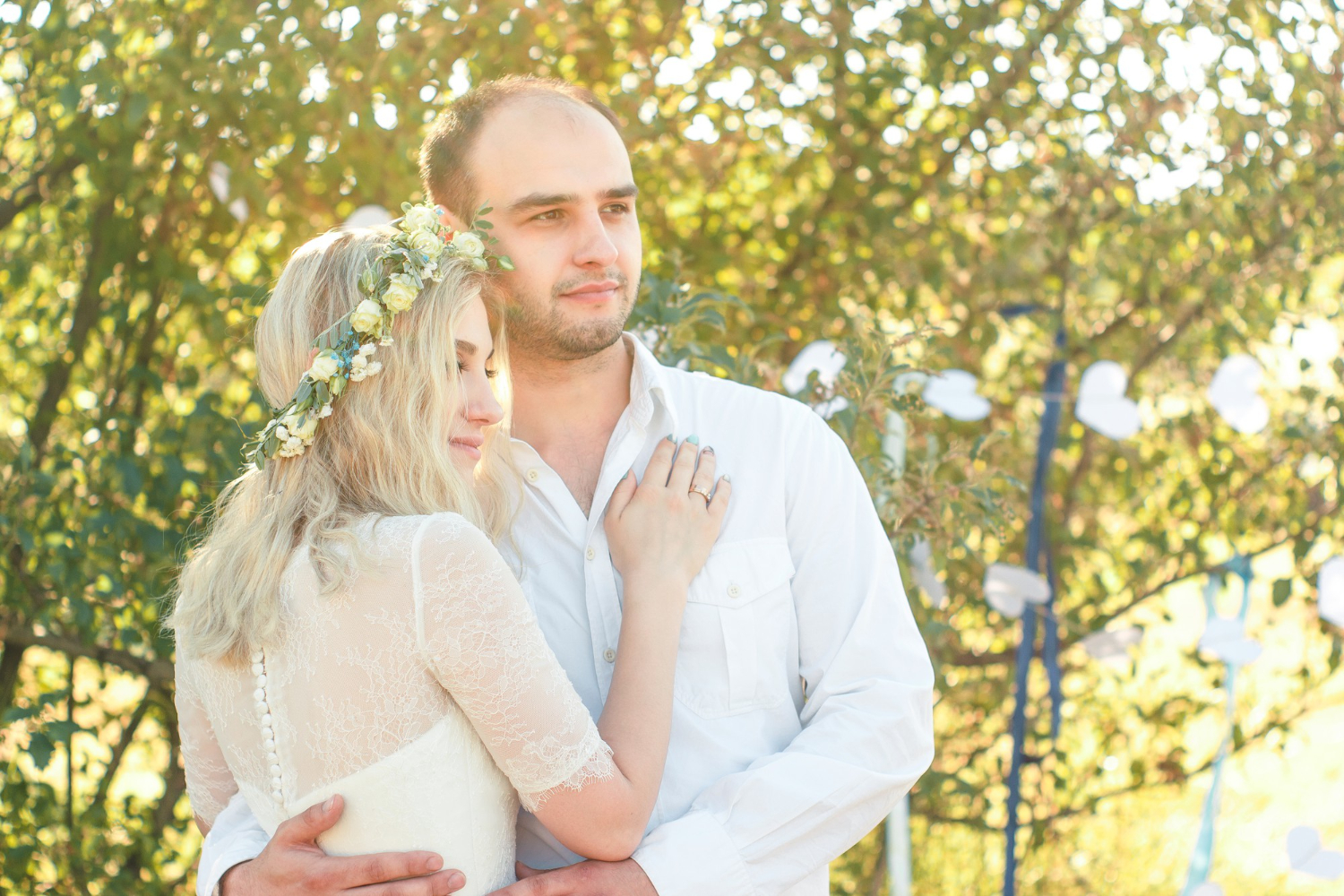
Intimate weddings are becoming an increasingly popular choice for couples who dream of a more personal and private celebration. A smaller reception, attended by those closest to you, can be just as magical as a large gala, while allowing you to focus on what matters most – your love and the joy shared with family and friends. Organizing a small wedding step by step requires a thoughtful plan, but it allows the wedding day to be calmer, more affordable, and filled with a sense of closeness. Below, we present a comprehensive guide on how to plan an intimate wedding from A to Z, to create unforgettable memories for both you and your guests.
Table of Contents
1. Advantages of an Intimate Wedding
The decision to host a small wedding brings many benefits. Before we dive into detailed planning, it's worth exploring the advantages of an intimate wedding reception that convince so many couples to limit their guest count. Here are the most important ones:
Savings and Lower Costs. One of the most obvious perks of a small wedding is significantly lower expenses. The fewer people you invite, the smaller the budget required for catering, drinks, venue hire, or stationery. The differences are vast – for example, with a price of around £50-£70 per head for food, a party for 30 people will cost significantly less than a wedding for 150 guests. These substantial savings can be put toward other goals – a dream honeymoon, a house deposit, or simply a peaceful start to married life without debt. A smaller scale also means savings on many additional elements. You don't need to rent a massive hall, order hundreds of cake portions, or buy dozens of bottles of spirits. Thanks to a limited guest list and more modest arrangements, you can save on many aspects of organization, which clearly lowers the total cost of the wedding. In short – an intimate wedding means fewer expenses and, consequently, less financial stress.
Greater Intimacy and Personal Atmosphere. A small wedding reception with only immediate family and friends fosters a warm, family atmosphere full of sincere emotions. A wedding for 100 or 200 people inevitably becomes more formal and anonymous – the couple often doesn't even get the chance to speak with every guest for more than a moment. Meanwhile, an intimate wedding allows you to spend time with each invitee, talk, laugh, and reminisce together. This close atmosphere helps build deeper bonds – your guests will feel truly important and appreciated because the focus is on them, not on managing the logistics of a crowd. An intimate group also allows for more relaxed fun – guests know each other better, so they are more likely to dance and mingle together, rather than forming stiff groups of strangers. Close interactions and the ability to experience every moment together make small weddings rich in touching moments that everyone will remember for years. An added bonus is the lack of pressure for a "showy party" – the intimate nature of the reception allows you to be yourselves and enjoy your wedding day without artificial pretension.
Possibility of Choosing a Unique Venue. A limited guest count opens up options for hosting your wedding in unusual or hard-to-reach locations that wouldn't work for a large event. Dreaming of a wedding in a mountain cabin with a view of the peaks? Or perhaps a moody garden party under the open sky, lit by fairy lights and candles? With a small wedding, this is entirely possible! Intimate celebrations allow for more atmospheric venues – it could be a small family-run restaurant, a charming room in a boutique hotel, a stylish city loft, a country manor, or even your own backyard. It's important that the place reflects your taste and fits the style of the party you're planning. With 20–30 people, it's also easier to organize an outdoor wedding – e.g., on a beach, in a forest, or in the mountains – because the logistics of travel and potential accommodation for guests are easier to manage. In short, the smaller scale lets your imagination run wild when choosing a location. You don't have to limit yourselves to typical wedding halls if you prefer a more original setting. What's more, many places that are too small for large weddings will be perfect for you. A cozy fireplace room in a mountain guesthouse in winter, a favorite lakeside bistro in summer, or a fairytale garden in the countryside – all these options are open if you plan a small reception. By choosing a venue for an intimate wedding, you gain a unique atmosphere and a setting that will enchant you and your guests.
Of course, the advantages of a small wedding go even further – greater flexibility in planning, the possibility for full personalization of every element, better communication and contact with guests, and the fact that it's easier to oversee the flow of events. All these pros make more and more couples lean toward intimate celebrations. However, before we move to organizing such a wedding step by step, it's worth considering one challenge that comes with scaling down – shortening the guest list.

Gaja No. 2 Wedding Invitation – Sage Green with Letterpress Embossing

Glamour Wedding Invitation with Gilded Branch and Velvet Paper – Ruskus No. 14

Kraft Wedding Invitation No. 12 – Forest Style with Pine Forest Graphic
2. How to Trim the Guest List?
One of the hardest decisions when planning a small wedding is creating a curated guest list. In many traditions, it's common to invite a very broad circle of relatives and acquaintances, which won't be possible for an intimate wedding. So how do you choose who to invite without offending anyone while staying within your planned number? Here are a few tips on how to limit the guest list in a delicate and thoughtful way.
Criteria for Choosing Guests. First, establish a common strategy with your partner – it's important that you both have a consistent approach. It's best to start by listing the absolutely closest people, without whom you cannot imagine this day. Usually, the first people on the list should be: parents, siblings, grandparents, best friends, and witnesses. These are your VIPs, and you should start with them. Next, you can consider aunts, uncles, cousins, or a few close friends from outside the inner circle – but only if your set limit allows. It's very helpful to ask yourselves a few questions for every additional person: Do we keep in regular contact? Are they truly close to us? Will they bring positive energy to our wedding? If this person were getting married, would they invite us?. If you answer "no" to most of these, it's a sign that this person can be omitted. Also, set clear rules beforehand – for example: no relatives further than first cousins, no colleagues from work, only people we see at least once a year, etc. Such criteria will make it easier for you to make decisions and explain them to family if necessary. Remember that your wedding is your choice – you have the right to celebrate it with the group you feel best with, even if someone from the extended family is surprised by the lack of an invitation.
Ways to Delicately Communicate Limitations. Once you've decided that your wedding will be intimate, it's worth communicating this to loved ones early to avoid misunderstandings. Transparency is key here – it's best to openly tell family and friends that you're planning a small ceremony, e.g., "We've always dreamed of an intimate wedding with our closest circle, so our guest list will be very limited." This information, given in advance, helps people understand your decision and accept the fact that not everyone expecting an invitation will receive one. If someone directly asks if they will be invited and you don't plan to, prepare a tactful refusal. You can say honestly: "We would love for you to be with us on this day, but unfortunately, due to venue and budget constraints, we had to significantly narrow down the guest list." This response explains the situation – highlighting that it's a tough decision dictated by organizational factors, not ill will. It's important to show understanding and gratitude for their desire to celebrate with you while firmly sticking to your decision. Remember assertiveness – you have the right to say "no" politely without over-explaining. A good solution is also spreading the news of the intimate nature of the wedding through the "grapevine" – word will travel through the family and social circles, reducing the number of people expecting an invite. For those you cannot invite, you can always organize a post-wedding get-together (e.g., a small party a few weeks later) or send a nice card thanking them for their wishes – this can soothe any potential hard feelings.
Advantages of a Smaller Guest List. Although limiting the guest list is initially stressful, it's worth remembering the pluses gained by inviting a narrower circle. Above all, every guest at a small wedding is truly important – no one is there just out of obligation. This makes the atmosphere relaxed, and everyone feels like a special participant in your love story. A small group also means easier logistics – fewer invitations to send, fewer table settings to arrange, simpler coordination of transport or accommodation. The couple has time to personally greet everyone and exchange a few words, which is almost impossible at a large wedding. Fewer guests = more comfort – not just for you, but for the invitees as well. Guests don't have to crowd at tables or wait long for meals, the staff has an easier task, and the dance floor isn't overcrowded. Everything happens at a slightly slower, more "slow" pace, giving you time to enjoy the moment. As a result, intimate weddings are often remembered as more touching and family-oriented than large banquets, because they focus on relationships and emotions. If anyone questions your decision, you can confidently use these arguments – that by choosing a small reception, you are prioritizing quality over quantity, closeness over scale.
Finally, remember: it's your day. You have the right to celebrate it with the people who make you happy. Once the guest list is set, the next step is officially inviting the chosen ones. It's worth preparing wedding invitations early and handing or sending them out in advance (usually 2–3 months before the wedding date) so they have time to save the date. Handing out invitations can also be a good opportunity to emphasize the intimate nature of the reception – e.g., by including a note like: "The wedding will be held among immediate family." Now that you know who and how to invite, it's time to move on to organizational and financial matters.

Glamour Wedding Place Cards with Pearls – Pearls No. 1 White

Lauren No. 3 Wedding Place Cards – Classic Calligraphy Name Cards

Kraft Place Cards No. 12 – Rustic with Forest Panorama
3. Organization and Budget – What to Look Out For?
A small wedding also requires a solid organizational plan and a pre-written budget. Although the scale of the party is smaller, we still need to take care of all the basic elements – from the venue and food to music and decorations. The good news is that planning an intimate wedding is often simpler and more flexible, and many expenses will be lower than with a large reception. Here are the most important organizational and budget issues to consider:
Costs and Sample Calculations. Start by creating a framework wedding budget, taking into account available funds and priorities. Define the maximum amount you want to spend on the whole event, and then divide it into individual expense categories (e.g., food, attire, decorations, photographer, music, entertainment, stationery, favors, etc.). Even if the total cost is lower than for a large wedding, a budget plan will protect you from uncontrolled spending. Remember that some costs are fixed, regardless of the guest count – e.g., legal fees, car rental, rings, the couple's outfits, or the photographer. Others, however, grow proportionally to the number of guests – primarily catering, alcohol, cake, sweets, and prints (invitations, place cards, menus), etc. In practice, this means a small wedding might cost only 20–30% of a large one in terms of food and drink, but you can afford more luxury in other areas. Many couples choose to spend the saved money on upgrading what they offer their closest guests – e.g., serving a more exquisite menu, hiring a better band, or investing in exceptional venue decor. Others use the savings to fund extra attractions (e.g., a photo booth, slideshow, cocktail bar) or simply keep expenses to a minimum, happy that they don't need a loan for the wedding. Estimate the initial cost of the wedding for your chosen number of people – a "per head" calculation will help. As mentioned before, for 30 people at a rate of £60/person for catering, you'll spend around £1,800 on food, while for 150 people, it would be £9,000. Such a comparison highlights the scale of savings. When drafting the budget, also include smaller expenses that are easy to overlook but add up – e.g., invitation and postage costs, favors, corkage fees (if bringing your own alcohol), guest transport, or accommodation. Don't forget a financial buffer for unforeseen expenses – ideally keeping about 10% of the budget in reserve. Having a well-outlined financial plan makes it easier to make organizational decisions and keep spending in check, leading to peace of mind during preparations.
Venue Hire for a Small Wedding. Choosing and booking a venue is one of the first and most important steps. Fortunately, with an intimate reception, finding the perfect hall or venue is much easier than for a large wedding. You don't need a massive space for 150 people with a giant dance floor – a cozy room that can hold 30 guests with space to dance is enough. This broadens the range of available options, and many beautiful locations that would be ruled out for a large crowd will be just right here. Options include: small wedding rooms in holiday resorts (often called fireplace rooms – ideal for winter weddings), small restaurants (e.g., your favorite bistro or a charming spot in a picturesque area), or even a garden – your own or a rented one, as outdoor weddings are growing in popularity. Think about what vibe suits you best: a rustic country manor, an elegant city restaurant, a stylish barn, or a modern viewing terrace? With few guests, you can even hire a smaller venue exclusively (e.g., a guesthouse, villa, cottage) and host the entire celebration just for yourselves. When booking, inform the owners or manager of the planned guest count – they can advise on the best table layout and space usage. Ensure the chosen room isn't too large – too much empty space can weaken the intimate atmosphere. Sometimes it's better to have a smaller room that's full than a huge hall where 20 people get lost on the dance floor. Not all standard wedding houses are suitable for small parties – some have a minimum guest count for bookings, others are just hard to decorate so they don't look empty. That's why picking a venue appropriate to the scale of the wedding is so important. A plus is that many venues are happy to host smaller weddings on less busy weekdays or off-peak. If you have flexibility, consider a Friday or Sunday, or even a winter or autumn wedding – it's easier to find availability and often better prices. Once you find your dream spot, don't delay the booking – even small rooms can be booked months (sometimes a year) in advance, especially in popular months. Booking early gives you certainty and peace of mind.
Decorations, Place Cards, and Accessories. A smaller wedding absolutely doesn't mean giving up on beautiful decorations – on the contrary, the intimate nature allows you to refine the venue arrangement in the smallest detail. Often, with fewer tables and less space to decorate, you can allocate a larger budget (or your own creative energy) to striking decorations. In a small room, every detail will be noticed and appreciated. Where to start? First, decide if you have a theme or style – e.g., rustic, boho, glamour, minimalist – and match the colors and decor elements to it. For an intimate wedding, you can focus on elements that create a unique atmosphere rather than mass-produced decor. Candles, lanterns, and strings of LED lights work great for adding coziness. Flowers are essential – with fewer tables, you can opt for more sophisticated floral arrangements or even hand-arranged bouquets of your favorite plants. Handmade decorations also add charm – e.g., DIY macramé, calligraphed name signs, or photos of the couple with loved ones hung on strings. Such personalized accents create a one-of-a-kind vibe. An important element of table decor are place cards. Even if there are few guests, it's worth preparing aesthetic place cards – they are practical (avoiding seating chaos) and serve as a lovely keepsake and part of the table decor. You can order elegant, printed wedding place cards matching your invitations or try making them yourself – e.g., writing names on decorative cards, leaves (great for boho style), or engraved wood pieces (rustic style). Also remember details like wedding menus on tables, table numbers, decorative napkins, ribbons, and chair covers – in a small room, these details build the wow effect. Refine the surrounding decorations – the entrance, ceremony site (if outdoors), guest book corner, or cake table. Since the decoration budget for a small wedding is usually smaller, consider which elements you can do yourself and which to outsource to professionals. You can handle paper decorations, signs, and small ornaments yourself to lower costs. Harder tasks like large floral pieces or lighting are better left to experts. If the budget is very tight, think about renting decorations – many companies offer hire for lanterns, candle holders, or flower walls, which is cheaper than buying everything. A carefully prepared arrangement will make your reception unique and one-of-a-kind. Guests will surely appreciate the effort put into the details, and you'll have the satisfaction of seeing your vision come to life.
Summarizing organization and budget: an intimate wedding gives you not only financial savings but also organizational freedom. It's easier to coordinate fewer elements, negotiate with suppliers (e.g., a restaurant might prepare a special menu for a small group), or introduce your own ideas. A less formal atmosphere also means you can handle some things more casually – e.g., instead of renting an expensive car, you can ask a friend to decorate their vehicle; instead of a 5-tier cake, a beautiful single-tier homemade cake from a favorite bakery will suffice. It's important to stick to the plan (especially the budget) and check off tasks. Speaking of tasks – it's time to see how to give your intimate reception a unique character to make it truly unforgettable.

Golden Fortune Cookies with Personalized Label | Affordable Wedding Favours | Cejla No. 3

Simple No. 3 Soy Candle – Gold Foiling & Elegant Wedding Favours

Merci Favour with White Flowers, Green Leaves | Elegant Guest Gifts | Impresja No. 10
4. How to Give Your Small Reception a Unique Character?
Small weddings have the advantage over large ones in that it's easier to give them a personal, unique touch. Every element – from decor to music to favors – can be tailored to your preferences. This makes your wedding one-of-a-kind, and guests will feel an atmosphere perfectly suited to you. Here are a few ideas to make an intimate reception special.
Individual Approach to Arrangement. For a small wedding, it's really worth going for full personalization. You have a smaller scale to manage, so you can afford to refine the details. Think about what is close to you and what you want to highlight in the decor. Do you have a shared hobby or a theme that connects you? The intimate format makes it easy to weave these into the wedding. For example, if you both love traveling, you can name tables after countries you've visited and decorate them with souvenirs. If you met at a concert – why not decorate the room with vinyls and band posters? Personalization can show up in stationery (invitations, menus, and place cards with a motif from your story), in decorations (photos of you as part of the decor, quotes from favorite movies on the walls), or even in the menu (e.g., a dish from the country where you got engaged). A small wedding also gives more freedom in space layout – you can organize one long banquet table for all guests instead of standard round tables, emphasizing closeness. Or the opposite – set up themed corners (e.g., a coffee corner, a corner with photo albums) for guests to discover. You can also tailor the wedding schedule to your preferences without following set patterns. Don't feel pressured to include all traditional program points if they don't fit you. The intimate nature allows you to move away from a rigid script and, for example, extend dinner time at the expense of traditional games, or cut the cake spontaneously at the table. It's your day and your rules – in a small group, guests adapt much more easily to a non-standard plan. You can safely shorten the traditional timeline and spend more time on casual conversation or improvised toasts. Many couples prefer this slow wedding approach, where moments are celebrated without haste. The slow wedding trend means giving up unnecessary rush and stress in favor of being present – and an intimate wedding fits this perfectly. In summary, try to let your personality and feelings reflect in every detail. This way, you and your loved ones will feel you are part of something truly special, "tailor-made" for you.

Flores No. 1 Soy Candle in Gypsum – Gilded Wedding Favour

Kraft No. 5 Soy Candle in Plaster – Sunflowers Wedding Favour

Flores No. 2 Soy Candle in Gypsum – Burgundy Flowers Wedding Favour
Personalized Wedding Favors. One of the loveliest wedding customs is giving guests small gifts to thank them for coming. At a small wedding, you can approach this with exceptional care. You have dozens, not hundreds, of favors to prepare, so you can opt for personal, handmade, or customized gifts. This gesture makes everyone feel appreciated and ensures they remember your wedding for a long time. There are plenty of ideas for wedding favors – only your imagination is the limit. Popular choices include small sweets (e.g., jars of honey, homemade jam, cookies with the couple's initials), mini-bottles of spirits (e.g., homemade liqueur), scented candles, lavender sachets, or personalized magnets. You can also prepare something completely unique – like a handwritten thank-you note for each guest (doable in a small group!), a small frame with a photo of you and that person, or hand-painted stones with the guest's name. If your budget allows, you can order personalized favors – e.g., chocolates in a box with your names, mini coffee jars, or keyrings. It's important that each gift has a piece of you – attach a tag with a heartfelt thank you, signed by hand. Handing these out at the end of the wedding (or placing them at table settings) will be a nice touch that guests will definitely notice. Remember, it's the gesture that counts – at a small wedding, guests know they are a chosen few, so even a symbolic trifle will bring a smile. Personalized favors emphasize the warm, family character of the celebration and serve as a beautiful keepsake. It's worth investing some time and heart into them.
Music and Entertainment at a Small Wedding. Elements like music, games, or extra entertainment should also be adapted to the intimate character. Typical solutions for large weddings – like hiring a 7-piece band or a huge fireworks display – might be overkill. Consider what musical setting best fits your group. You have great flexibility: you can hire a DJ who will lead the fun and tailor the repertoire to your guests' taste, or go for a small musical ensemble – like an acoustic duo playing atmospheric background music and lively dance tracks, or even a string quartet for an elegant lunch. Another option (often chosen for budget reasons) is preparing your own playlist – in a close circle, this personal disco can be great, especially if the song list includes tracks meaningful to you and your friends. Ensure the venue allows for connecting your own music and that the acoustics are right. Even an intimate wedding needs music to set the mood and encourage fun. Silence in the room is the last thing you want. As for wedding games and entertainment, in a small group, you can conduct them in a more integrated form. Good ideas include ice-breaker games that get everyone laughing – charades, a couple's quiz (engaging for everyone since they know you well), or group sing-alongs with a guitar. You can also plan unusual attractions that are more accessible in a small group – e.g., a bonfire with marshmallows in the evening, a slideshow of family photos, or a creative guest book (like a fingerprint tree). To increase the fun, prepare some props – masks and photo booth accessories, board games for those who prefer a quieter time, or disposable cameras for guests to take photos from their perspective. An intimate wedding also favors shared activities that are hard to do with a crowd – like releasing lanterns (safely), planting a commemorative tree, or even a cooking demo. It's important to match entertainment to your loved ones' personalities – you know them best. Remember that moderation and authenticity are key. Sometimes the best moments are just unhurried conversations or singing a favorite song together. Your party doesn't need fireworks every hour to be successful. If the atmosphere is warm, the music is right, and you're surrounded by kind people – that's the recipe for success.

Glamour Wedding Place Cards No. 1 – Satin Name Cards with White Print

Cappuccino Wedding Place Cards No. 1 – Satin Ribbon Table Name Cards

Rose Bow Wedding Place Cards No. 1 – Pink Satin Glass Ribbon Cards
When organizing entertainment, you can also ask the guests themselves – in a small group, it's easier to ask friends what would bring them joy. Maybe it turns out everyone dreams of karaoke after midnight, or they prefer an intimate dance party without traditional games. This flexibility is a huge plus. As a result, your reception will take on a unique character – because it will be exactly what you want, without having to meet the expectations of a hundred people.
5. Sample Timeline for Organizing an Intimate Wedding
Even a small wedding requires planning over time – this ensures no important element is missed. Below is a sample timeline for organizing an intimate wedding, leading you step by step from engagement to the big day. Every celebration is different, so adjust the order and dates to your needs, but this plan serves as a starting point and a checklist of key points.
12+ Months Before (or right after engagement): Start with the basics. Establish a preliminary vision – confirm it will be intimate, choose a season, set a budget, and draft a guest list. This is the time to talk to parents (if they are contributing or you want their input) – explain your dream of a small wedding. Next, pick a wedding date. With a small wedding, you have more freedom, but the sooner you decide, the better. Book the ceremony venue (church or registry office) and start searching for a reception venue. This is the most important task – once you have the date and place, everything else falls into line. For an intimate wedding, you might find dates faster, but if aiming for a popular month (e.g., June, August) or a weekend, book even a small room a year ahead. Now is also the time to draft the guest list to know what size venue to look for. Once you have a list, think about notifying guests – a simple save the date call or message to the closest circle is enough.
6–8 Months Before: You have the venue and date – great! Now book key vendors. Find and book a photographer (and videographer if planned). The best ones book up fast regardless of wedding size. The same applies to a band or DJ. For a smaller wedding, you might skip professional music for a playlist, but if you want someone specific – act now. Next is wedding attire. The bride should start looking for a dress – some require months for ordering and alterations. In an intimate setting, you can opt for a less formal outfit, but you still need to find it! The groom can start looking for a suit or tuxedo. Now is also a good time to think about extra entertainment – photo booths or bar services. Don't forget legalities – start any required pre-marital courses or paperwork gathering now so you aren't rushing later.
Golden Fortune Cookies with Personalized Label | Affordable Wedding Favours | Cejla No. 3

Fortune Cookies with Bottle Green Label | Personalized Wedding Favours | Cejla No. 2

Personalized Fortune Cookies, Light Grey | Original Wedding Favours | Cejla No. 7
4–5 Months Before: Time to finalize more details. At this stage, choose and order wedding stationery – wedding invitations and accessories (place cards, menus). Get this done early so you can send them 2–3 months before. Now handle the rings – visit a jeweler and order them with engravings. Next are decorations and flowers. Decide if you're hiring a pro or doing it yourself. If DIY, start collecting items. Book your flowers with a local florist. Order the wedding cake and sweets if the venue doesn't provide them. If you're planning a honeymoon right after, book it now.
2–3 Months Before: This is an intense period. Most importantly, send out invitations – guests should have them 2 months before with an RSVP request. Finalize the menu with the venue or caterer. If providing your own alcohol, buy it now. Arrange accommodation/transport for guests if needed. Finalize ceremony details with the priest or registrar. The bride should have dress fittings, and the groom should complete his outfit. Book trial hair and makeup sessions. Use a checklist to keep track of all the small items like guest books and car ribbons.
1 Month Before: Final phase! You should have all RSVPs. Create the final seating plan. Order or make place cards. Refine the wedding day schedule – ceremony time, travel, meals, cake cutting, first dance. Confirm all bookings with vendors. Make final purchases like drinks and favor items. The bride and groom should have final fittings and pick up their attire. Stay organized with your checklist.
1 Week Before: The home stretch! Most things should be done; use this time for finishing touches and rest. Pick up the cake, flowers, and car decor as arranged. Prepare cash in envelopes for vendors paid on the day. Pack a wedding survival kit with essentials like safety pins and plasters. Deliver decorations to the venue. Try to get an early night before the wedding – you've planned everything, now enjoy it!

Lauren No. 1 Wedding Table Plan – Classic Monogram Seating Chart

Elegant Wedding Welcome Sign with Black & White Photos – Photo Design No. 7

Rubin No. 5 Wedding Seating Plan – Purple Heather and Gold Motif
The Big Day: It's finally here. If you've planned well, you can experience every moment with a calm mind. Morning prep, hair and makeup, the ceremony, greetings, and the reception. Now just have fun and soak up the emotions. Thanks to the intimate nature, you can spend it exactly how you want with your favorite people.
Every plan can be modified. A small wedding is great because some things can be handled later or faster. Even a last-minute wedding is doable with few guests. However, we recommend not leaving everything to the end. Below is a short wedding checklist to ensure nothing is missed:
- Vision and Budget: decision on the intimate nature, guest count, initial budget, cost split.
- Guest List: creating the list, verification, informing loved ones, inviting the VIPs.
- Date and Venue: picking the date, booking the ceremony, finding and booking the reception venue.
- Vendors: booking photographer, videographer, DJ/band, extra entertainment.
- Attire and Rings: buying/sewing the dress and suit, accessories, ordering rings.
- Wedding Stationery: ordering wedding invitations, sending them out, ordering place cards and menus.
- Menu and Cake: finalizing the menu, ordering the cake and sweets, tastings, buying alcohol.
- Decorations and Flowers: developing the decor concept, hiring a florist or DIY prep, ordering the bouquet.
- Wedding Favors: preparing guest gifts (ordered or DIY), personalization.
- Schedule and Fun: setting the timeline, preparing music/playlists, organizing attractions.
- Formalities and Logistics: completing legal paperwork, guest transport/accommodation, delegating tasks to witnesses.
- Confirmations: gathering RSVPs, final seating plan and place cards, confirming with vendors, picking up attire.
- Wedding Day: getting ready, overseeing decor, the ceremony, the reception – and enjoying every moment!
This list is general but covers the essentials. Modify it to your needs. The most important thing is to stay in control of preparations without losing the joy of anticipation.
An intimate wedding is a beautiful way to celebrate love with those who matter most. While it takes courage to go against "traditional" expectations, for many couples, this form brings the most happiness. Lower costs, an intimate atmosphere, and full personalization make the day exactly as you dreamed. By following these step-by-step tips, you can focus on what's essential. Remember, it's your celebration. Whether you say "I do" in front of 10, 30, or 50 people – what matters is that they are the people who sincerely share your joy. An intimate wedding proves that less is more. We wish you a smooth planning process and a wedding day full of love and smiles. Good luck!
We warmly encourage you to continue exploring inspiration and practical advice on our blog. Since you are interested in organizing a smaller party and unique ceremony ideas, you will surely enjoy these articles:
- Cost of a wedding for 30 people – a step-by-step budget planning guide – learn how to create a clear expenditure calculation.
- Guest list and seating – how to create the perfect table plan – discover tricks for smooth seating and a harmonious atmosphere.
- How to choose the perfect outdoor wedding venue? – if you like the idea of an open-air ceremony, check our tips.
- Wedding reception at home – tips and organization – learn how to organize an intimate party within your own four walls.
- Last-minute wedding organization – tips and advice – see how even in a short time you can plan an exceptional wedding.
On our blog, you will find many more topics to help you create a dream-tailored ceremony and reception. Happy reading!