Is Marriage Outdated?
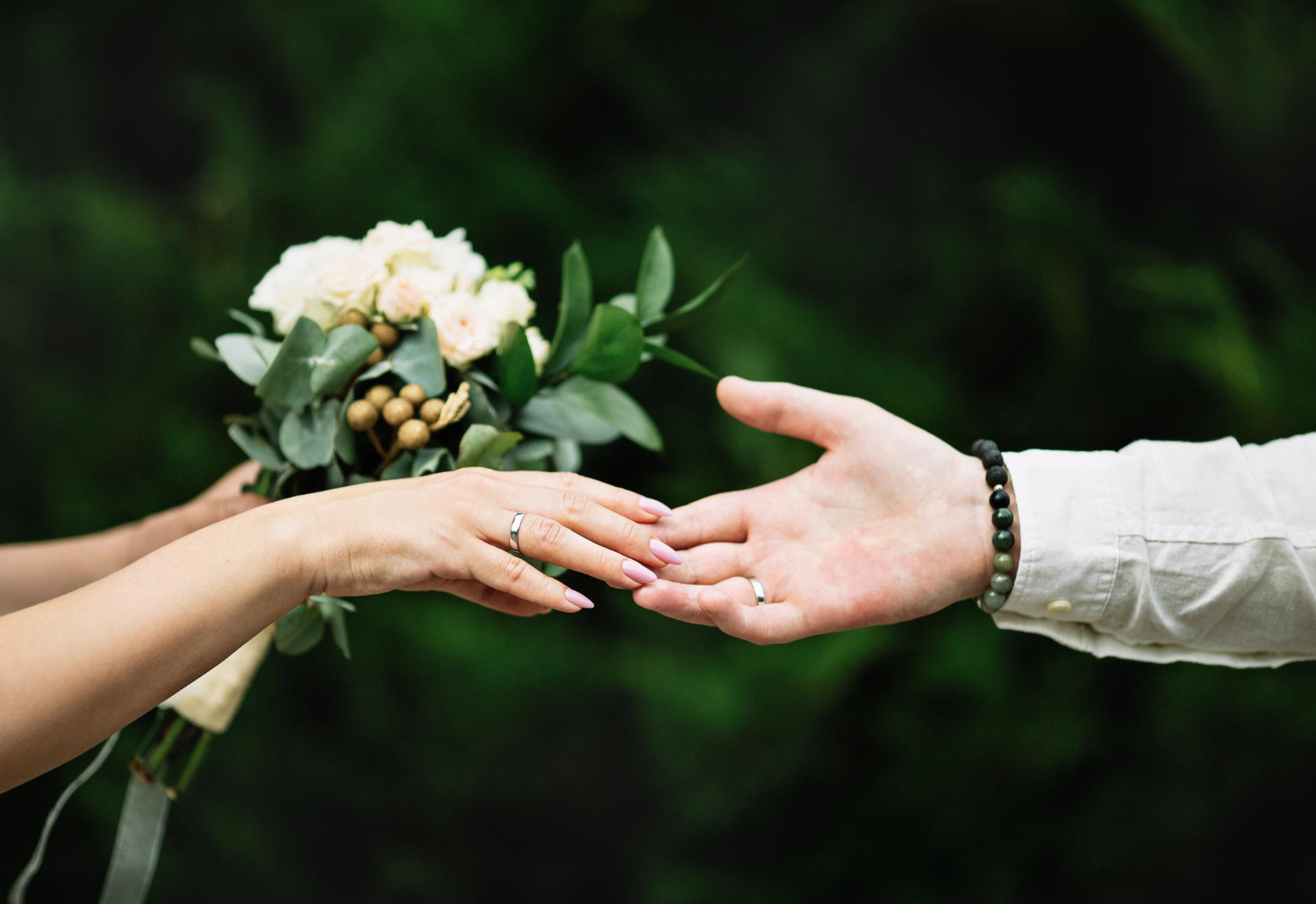
The definition of marriage and its place in human history
Marriage – a word that for many of us evokes thoughts of love, commitment, and a life shared together. But what exactly does this concept mean? In its simplest definition, marriage is a formal union between two people, recognized legally, religiously, or socially, which binds them into one. But is that enough to understand the full significance of marriage in the context of human history?
Since the dawn of time, marriage has been the foundation of societies all over the world. In ancient Egypt, Greece, or Rome, marriage was not only personal but also social and political in nature. It was a tool for building alliances, securing family assets, and passing down traditions from generation to generation. In medieval Poland, marriage was often an arrangement between families aimed at strengthening their position in society.
Marriage in modern times - is it a subject of debate?
Modern society, especially in Poland, often discusses the role of marriage. Is it still relevant in the era of feminism, gender equality, and changing social norms? Has marriage, as an institution, perhaps become a relic of the past?
There is no denying that in recent years we have observed certain changes in the approach to marriage. More and more couples are choosing to live together without a formal wedding, opting for cohabitation or even raising children without official confirmation of their union. However, despite these changes, marriage remains one of the most important events in the lives of many Poles. Why?
The first and most important reason is tradition. Poland, as a country with deep Catholic roots, treats marriage as a holy sacrament, symbolizing love and commitment. For many couples, a church wedding is not just a formality, but above all an expression of deep faith and belonging to a community.
Another aspect is the social recognition of marriage. Despite the evolution of norms and values, many people in Poland still consider marriage to be the most important stage in a person's life. It is the moment when two people decide to live together, share joys and sorrows, build a family, and create their own little world.
Highlighting the importance of marriage in the wedding industry
The wedding industry in Poland is thriving, which is the best proof that marriage is still important. Wedding dresses, photographers, wedding planners – all of this testifies to the fact that Poles want their wedding day to be exceptional. Why? Because for many of us, marriage is not just a formality, but above all an expression of love, commitment, and the desire to spend the rest of our lives with a chosen person.
In summary, although marriage as an institution has undergone many changes over the centuries, it remains one of the most important elements of our culture and tradition. In Poland, where tradition and family play a key role, marriage is still a symbol of love, commitment, and community. Regardless of discussions and diverse opinions, one thing is certain – marriage in Poland is not a relic, but a living and dynamic tradition that continues to evolve and adapt to modern realities.
The evolution of the perception of marriage
Marriage, being one of the oldest social institutions, has undergone many transformations over the centuries. In Poland, as in many other countries, the perception of marriage has evolved in response to changing cultural, social, and economic trends. In this article, we will look at how the perception of marriage has been shaped over the centuries and what modern trends and values influence the decision to enter into a marriage.
Marriage in the old days
In the old days, marriage was primarily a social and economic contract. Families united in marriage to secure their social position, wealth, or to establish political alliances. Love and feelings were often secondary, and decisions regarding marriage were made by the family elders.
Romanticism and the idea of love
With the advent of the Romantic era in the 19th century, the idea of love began to play a key role in marital decisions. Marriage for love became the ideal, and feelings and emotions gained importance. In Poland, under the influence of literature and culture, more and more couples decided to marry by choice, not by coercion.
Modern trends and values
Nowadays, marriage is perceived as an expression of a deep emotional bond and partnership. Modern couples strive for equality, mutual support, and the realization of personal passions. Values such as independence, self-realization, and communication have become key elements of a successful marriage.
However, modern trends in the wedding industry in Poland show that tradition still plays an important role. Although many couples opt for non-standard wedding ceremonies, traditional elements such as white wedding dresses, wedding rings, or a wedding reception with family are still extremely popular.
The decision to enter into a marriage
The decision to enter into a marriage is one of the most important choices in life. Modern couples are increasingly opting for longer engagements to get to know their partner thoroughly before making this important decision. Values such as trust, loyalty, and understanding are crucial for a lasting and happy marriage.
The evolution of the perception of marriage in Poland is a fascinating testament to changing social trends and values. From marriages arranged by families to marriages for love, from traditional wedding ceremonies to modern and non-standard solutions – the history of marriage in Poland is rich and diverse. Modern couples, while drawing inspiration from tradition, shape their own unique visions of marriage that reflect their individual values and desires.
Marriage as the foundation of a relationship
Marriage, for centuries perceived as one of the most important social institutions, serves as the foundation of their relationship for many couples. In Poland, where traditions and family values play a key role, the decision to enter into a formal marriage is often treated as a natural step in the development of a relationship. But why do so many couples decide to take this step? How can marriage strengthen a relationship and build a sense of security?
Formal confirmation of the relationship
In Polish culture, marriage is often perceived as the highest form of expressing love and commitment to a partner. For many couples, the decision to marry is not only an expression of feelings but also a desire to build a common future, start a family, and share life with a loved one.
However, marriage is not just about romantic feelings. It is also a formal and legal confirmation of the relationship, which brings many benefits, such as property rights, tax benefits, or inheritance. In Poland, where law and tradition are closely linked, marriage gives couples the assurance that their relationship is protected and recognized by society.
Strengthening the relationship through marriage
The decision to marry is often seen as the beginning of a new stage in a couple's life. Planning the wedding together, choosing the venue, the wedding dress, or the rings are unique moments that strengthen the bond between partners. Planning the future, starting a family, choosing a place to live – all these decisions build a sense of community and partnership.
Furthermore, marriage as a social institution gives couples a sense of belonging to a larger community. Participation in traditional wedding ceremonies, such as the bride's reception, the wedding party, or the post-wedding celebration, integrates the couple with their family and the local community.
Building a sense of security
One of the key aspects of marriage is building a sense of security. In a world full of uncertainty, marriage gives couples the assurance that they have someone by their side they can rely on in any situation. Making decisions together, sharing responsibilities, or providing support in difficult moments are elements that build a sense of security and trust in a relationship.
Marriage in Poland, being a combination of tradition, culture, and law, plays a key role in the lives of many couples. For many people, the decision to marry is a natural step in the development of a relationship, an expression of love and commitment to a partner. Marriage strengthens the relationship, builds a sense of community, and provides a sense of security. In a world full of change and uncertainty, marriage provides a foundation upon which a lasting and happy future can be built.
Benefits of marriage
Marriage, being one of the oldest and most established social institutions, brings many benefits to those who participate in it. In Poland, where family traditions and social values are deeply rooted, marriage is not only a symbol of love and commitment but also a source of many benefits, both legal, social, and emotional. In this article, we will take a closer look at the benefits that come from the decision to enter into a marriage.
Legal and social aspects
In Poland, marriage brings many legal benefits. First of all, marriage provides property rights. Spouses have the right to joint property, which means that assets acquired during the marriage are the common property of both spouses. In the event of a divorce, this property is divided between the spouses.
Besides that, marriage brings tax benefits. In Poland, spouses can take advantage of tax breaks that are not available to single people. Furthermore, marriage grants the right to inherit from a deceased spouse, even if they did not leave a will.
Socially, marriage is recognized as a stable and responsible form of relationship. Spouses are often perceived as more responsible, stable, and trustworthy. In many communities, marriage is also a symbol of maturity and adulthood.
Emotional, spiritual, and material support
One of the most important aspects of marriage is the support that spouses offer each other. Emotional support is invaluable in difficult times when we need someone to listen to us, comfort us, and give us a sense of security.
Spiritual support is equally important, especially in communities where religion plays a significant role. Shared religious practices, prayers, or participation in church life can strengthen the bond between spouses and give them a sense of belonging to a larger spiritual community.
Material support is also one of the key aspects of marriage. Managing a household together, sharing duties, and responsibility for household finances are just some of the benefits of marriage. Planning a budget together, saving for the future, or investing in real estate are actions that can bring material benefits to both spouses.
Planning the future together and sharing responsibility
The decision to marry is not only a decision to live together but also to plan the future together. Spouses often make important decisions regarding careers, education, starting a family, or investing in real estate. Planning the future together gives a sense of purpose and direction, and also strengthens the bond between partners.
Sharing responsibility is another important aspect of marriage. Both in daily duties and in important life decisions, spouses share duties and responsibility. This gives a sense of community and partnership, and also strengthens trust between spouses.
Marriage in Poland brings many benefits, both legal, social, and emotional. For many people, the decision to marry is not only an expression of love and commitment but also a source of support, a sense of security, and community. In a world full of challenges and uncertainty, marriage provides a foundation upon which a lasting and happy future can be built.
Modern marriage vs. tradition
In the era of globalization and rapid socio-cultural changes, marriage as an institution has undergone many transformations. In Poland, a country with strong traditions and deeply rooted family values, marriage is still considered one of the most important stages of life. However, modern couples are increasingly combining traditional values with a modern approach to life, creating unique and innovative interpretations of marriage. In this article, we will look at how today's marriages harmoniously combine tradition with modernity.
Combining traditional values with a modern approach
In Poland, traditional family values are deeply rooted in culture and society. Many young people are raised with the belief that marriage is a holy sacrament that should be based on love, trust, and mutual support. However, modern couples, raised in the era of technology and globalization, also have a modern approach to life, which influences their choices and life decisions.
For many young couples, traditional values such as loyalty, trust, and commitment are still key. However, independence, equality, and cooperation are equally important to them. Modern marriages often combine these two perspectives, creating relationships based on mutual respect, understanding, and flexibility.
Examples of innovative interpretations of marriage
In Poland, many couples decide on a traditional-style wedding, with a white dress, veil, and a church ceremony. However, more and more young people are choosing alternative forms of weddings that better reflect their individual values and beliefs.
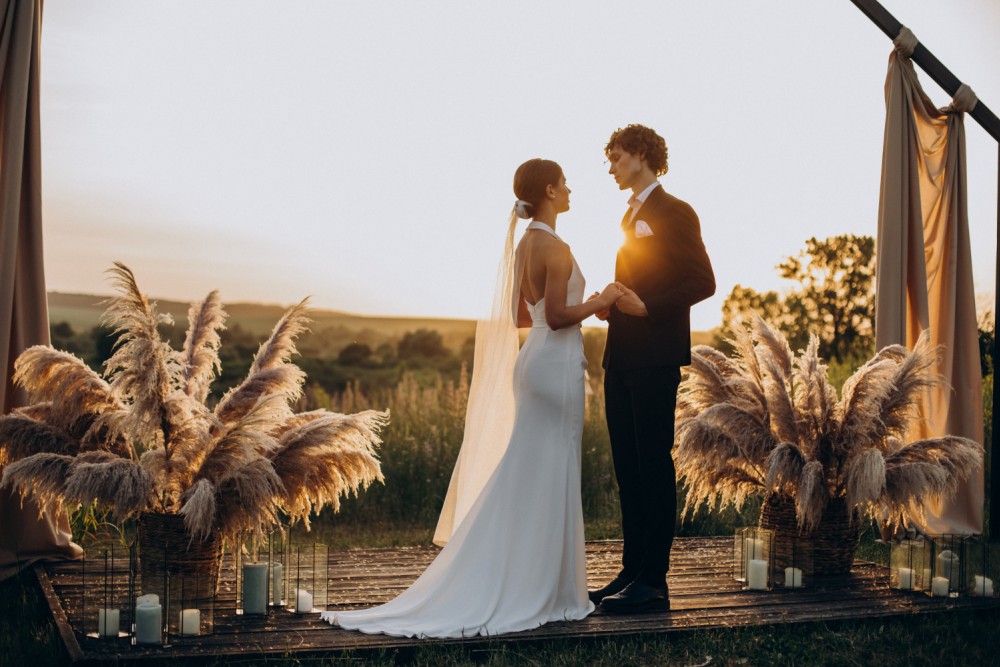
1. Outdoor weddings: More and more couples are opting for outdoor weddings that combine traditional ceremony elements with a natural setting. Such weddings often take place in picturesque locations, such as mountains, forests, or beaches, and are perceived as more intimate and personal.
2. Themed weddings: Some couples decide on themed weddings that reflect their shared interests and passions. These can be weddings inspired by literature, films, music, or popular culture.
3. Equality-based weddings: Modern marriages increasingly emphasize equality and cooperation. Therefore, many couples opt for ceremonies where both parties have an equal share, and traditional gender roles are broken or reinterpreted.
Modern marriages in Poland are a fascinating combination of tradition and modernity. Young couples, while respecting traditional values and norms, are not afraid to experiment and create their own unique interpretations of marriage. Thanks to this, marriage as an institution is able to evolve and adapt to changing times without losing its deep and universal meaning.
Challenges and criticism
Marriage, although for centuries considered the foundation of society and a key element of culture, faces diverse opinions in modern times. Modern society, including in Poland, is witnessing debates about the role and importance of marriage. Why do some consider marriage a relic of the past? What challenges do newlyweds face? And how do modern marriages cope with these challenges? In this article, we will try to answer these questions, based on the experiences of many couples and experts from the wedding industry.
Marriage as a relic?
In the era of independence, individualism, and rapidly changing social norms, some are beginning to perceive marriage as an obsolete institution. They argue that formal unions are no longer necessary in a society that increasingly accepts diverse forms of relationships. Critics argue that marriage can be restrictive, imposing certain social roles and expectations.
Most common challenges for newlyweds
Modern marriages face many challenges that were less common in the past. Here are a few of them:
1. Work-life balance: In the era of globalization and constant rush, many couples struggle with the difficulties of balancing professional duties with family life.
2. Social pressure: Although much has changed, there are still certain expectations regarding what an "ideal" marriage should look like. Couples often feel pressure to meet these expectations.
3. Communication: In the era of social media and technology, ironically, communication is becoming one of the biggest challenges. Maintaining deep, authentic communication in a relationship requires conscious effort.
4. Finances: Money is one of the main sources of conflict in marriages. Budgeting, saving, and making financial decisions can be difficult for many couples.
How do modern marriages cope with challenges?
Despite numerous challenges, many modern marriages find ways to overcome them:
1. Marriage counseling: More and more couples are seeking help from specialists to improve communication and resolve conflicts in a constructive way.
2. Financial education: Couples learn to manage finances by participating in workshops and consultations with financial advisors.
3. Time for yourself: Many marriages realize the importance of spending time together, but also separately. Regular "date nights" or weekends just for the two of you help renew the bond.
4. Shared values: Despite differences, shared values and goals are the foundation of many successful marriages. Couples who share similar beliefs and aspirations often find it easier to deal with challenges.
Marriage, although it undoubtedly changes along with the evolution of society, remains one of the most important elements of culture and tradition. Modern couples, despite facing many challenges, cope with them with determination and support, creating strong and lasting relationships. In an era of uncertainty and change, marriage can be a haven of stability and love.
Summary
Over the last few decades, along with dynamic social, cultural, and technological changes, marriage as an institution has been subjected to criticism and repeatedly labeled as a "relic." However, is that really the case? Has modern marriage lost its significance? Has it become merely a formality, devoid of deeper meaning? In this summary, we will return to the thesis that marriage in modern times is not a relic, but still an important and valuable element of many people's lives.
Marriage in the 21st century - is it really a relic?
Although many people claim that marriage has lost its significance in the face of the growing number of divorces, partnerships, or cohabitation, one cannot forget those for whom marriage is still sacred. In Poland, a country with strong Catholic traditions, marriage is often perceived not only as a formal act but above all as a sacrament, a holy union of two people.
1. Marriage as a foundation: For many couples, marriage is the foundation of their relationship, a confirmation of their love and commitment to each other. It is an act that not only unites two people but also their families, creating stronger social bonds.
2. Shared values: Marriage is not just a ceremony and a ring on the finger. It is primarily about sharing common values, goals, and dreams. It is the desire to build a common future, raise children, and grow old together.
Reflection on the value of marriage
We encourage you to reflect deeply on your own approach to marriage. Is it just a tradition for you, or perhaps something more? What place does marriage occupy in your life? What values does it bring with it?
1. Marriage as a challenge: Modern marriage is not only joy but also a challenge. It requires work, commitment, compromise, and mutual support. But above all, it is an investment in the future, in building a lasting relationship based on love, respect, and trust.
2. The value of marriage in human life: For many people, marriage is one of the most important stages in life. It is a decision that shapes their future, influences their daily life, choices, and relationships with other people.
In summary, although modern society questions traditional institutions and values, marriage remains an important element of many people's lives. It is not just a tradition or a formality, but above all an expression of love, commitment, and the desire to share life with another person. We encourage you to reflect on your own approach to marriage and its value in each of our lives.
Conclusion
Modern marriage is not just a formality or a tradition, but above all an expression of the deep feelings that connect two people. At the center of every successful relationship are three fundamental values: mutual respect, love, and trust. These are the foundation upon which a marriage is built, and they determine its durability and quality.
Mutual respect in marriage
Mutual respect is the basis of every healthy relationship. It is the ability to see the other person, their needs, feelings, and desires. It is also the acceptance of their choices, decisions, and values. In a marriage where mutual respect prevails, there is no room for criticism, judgment, or deprecation of the partner. Instead, an atmosphere of understanding, support, and acceptance dominates.
Love as a foundation
Love is the feeling that connects two people and makes them want to spend the rest of their lives together. It motivates them to make difficult decisions, to work on themselves, and on the relationship. Love is not just a passionate feeling at the beginning of a relationship, but above all a lasting bond that grows and develops over time.
Trust as the key to success
Trust is another key element of every marriage. It is the belief that the other person is trustworthy, that they will not let you down or betray you. In a relationship where trust prevails, there is no room for unfounded suspicions, jealousy, or control. Instead, an atmosphere of mutual trust and certainty that the other person is trustworthy dominates.
Share your experiences
We encourage you to share your own experiences and observations about marriage in the comments under the article. What values are most important to you in marriage? What challenges does life as a couple pose for you? Your stories can be an inspiration to other readers and help them understand how important a marriage based on mutual respect, love, and trust is.
We also recommend other articles on our blog:
If you are interested in wedding topics and would like to learn more, we recommend reading the other articles on our blog:
- What do wedding banns look like?
- How to hand out wedding invitations? A step-by-step guide
- Wedding menu - how to surprise guests with unusual dishes?
- Honeymoon trips in Poland - the most beautiful places for a honeymoon in the country
- What is a Roman wedding? Understanding tradition and meaning ...
- and many other interesting articles available on our blog. We invite you to read!