The Perfect Host: How to Make Your Wedding Guests Feel Special and Comfortable
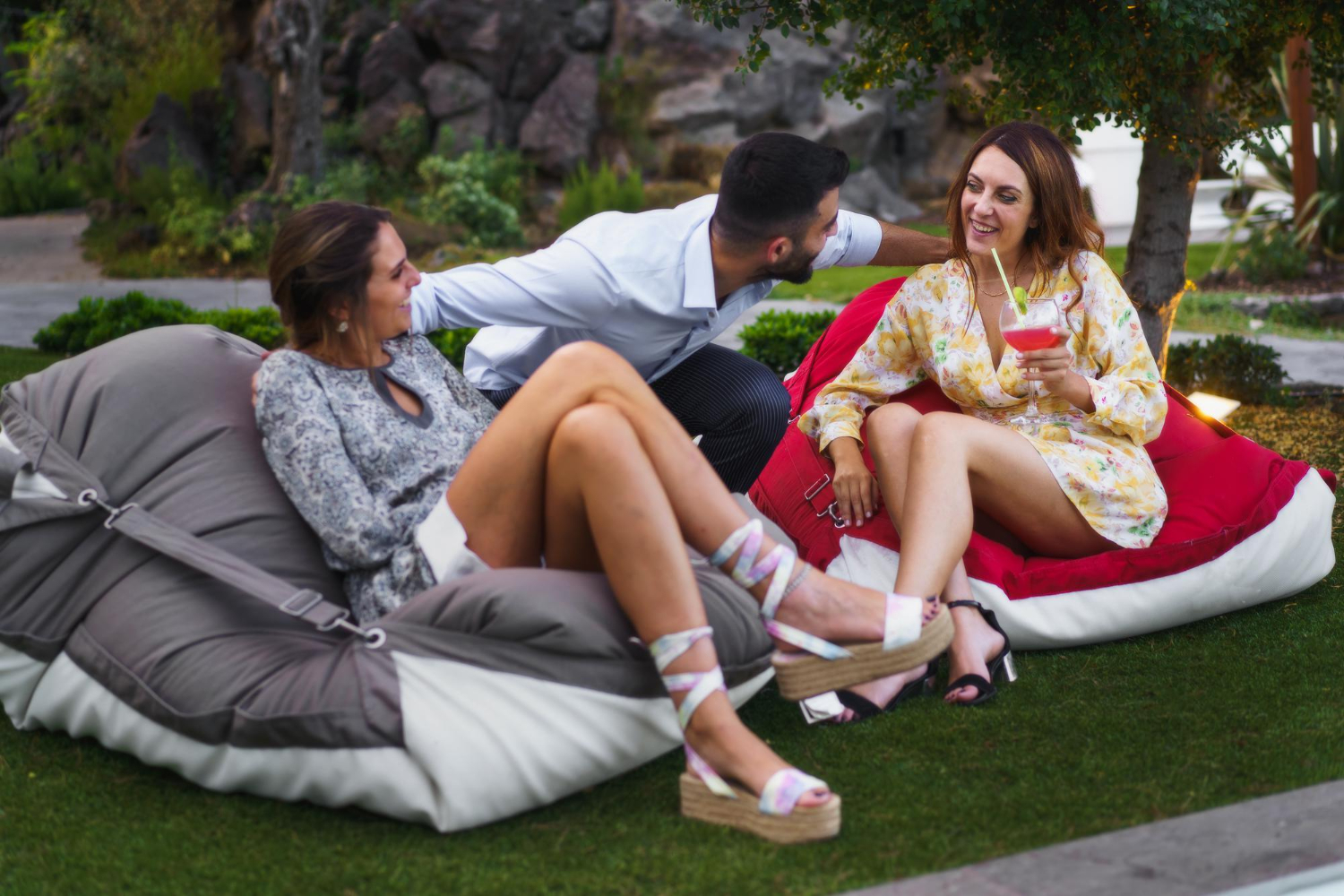
When planning a wedding, we usually focus on our own experiences – after all, it is your big day. However, it is worth remembering that this is also a significant event for the family and friends you have invited. A happy couple is one thing, but satisfied wedding guests are the second key to the success of the entire celebration. A wonderful atmosphere, great fun, and the comfort of your guests will ensure that everyone – including you – will have fond memories of this day. So, how do you make your guests feel special and comfortable? Below is a comprehensive guide: from beautiful invitations to heartfelt thanks – ways to make your guests feel like true VIPs at your wedding.
Table of Contents
- 1. Personalized Invitations – The First Step to Guest Satisfaction
- 2. Amenities for Out-of-Town Guests and Comfort During the Ceremony
- 3. Thoughtful Seating and Comfort at the Wedding Venue
- 4. Wedding Attractions and Integration – Ensuring Everyone Has Fun
- 5. Unique Thank-Yous and Treating Guests with Honor
- Conclusion
1. Personalized Invitations – The First Step to Guest Satisfaction
It all begins long before the wedding, at the moment the invitations are handed out. The way you invite your guests sets the tone for the entire celebration. Wedding invitations are more than just sharing information about the date and place – they are the first signal to your guests that they are important to you and that you are looking forward to seeing them. Personalized, beautifully crafted invitations can spark a smile and excitement long before the big day.
Unique Wedding Invitations as a Preview of an Extraordinary Day
Before guests arrive at your wedding, they receive an invitation – this is their first contact with your celebration. It is worth ensuring that this moment already makes them feel distinguished. How to achieve this? Here are a few tips:
- Invitation Personalization: Address your guests by name and avoid generic formulas. A named invitation shows that you truly care about the presence of that specific person. A good idea is to sign the invitations by hand or add a short, handwritten personal note. Such a gesture is an expression of respect and closeness that will surely be appreciated.
- Aesthetics and Quality: Choose wedding invitations with an attractive design that matches the style of your wedding. Elegant paper, beautiful fonts, perhaps a photo or graphic that refers to you – these elements turn an invitation into a keepsake. When guests see refined, personalized invitations, they will feel that you are preparing something special and that their presence is part of that uniqueness.
- Heartfelt Content: Beyond the standard information (who, where, and when), add a sentence from yourself to set a warm tone. For example: "We would be absolutely delighted if you would celebrate this day with us" – such a phrase makes the guest feel truly wanted and expected.
Remember that the invitation is the beginning of building a relationship with the guest in the context of your wedding. The more personal and thoughtful the invitation, the greater the chance that the guest will feel important from the very start. It's a bit like inviting someone into your home – you want them to feel welcome from the threshold.

Gaja No. 2 Wedding Invitation – Sage Green with Letterpress Embossing

Glamour Wedding Invitation with Gilded Branch and Velvet Paper – Ruskus No. 14

Impresja No. 7 Wedding Invitations – Eucalyptus and Greenery Style
Guest Information in the Invitation – Ensuring Comfort Before the Wedding
A well-designed invitation not only pleases the eye and heart but also provides essential information that helps guests feel more confident when traveling to your celebration. A lack of information creates questions and stress – and we want to avoid that. What should you take care of?
- Precise Location and Time Details: In addition to the address of the church or registry office and the reception venue, provide the times (of the ceremony and the planned reception). If there is a break or a change of location between the ceremony and the wedding, note it. Guests should know how to plan their travel and time so they don't have to rush or wait around. You can include a map or a Google Maps link with the location marked.
- Dress Code or Terrain Type: If you are planning an outdoor ceremony, inform guests about any potential terrain inconveniences. Pebbled paths, soft grass, or sand do not go well with high heels – warn them about this, suggesting more comfortable shoes for a change. Similarly, if the reception is in a garden, it might get chilly in the evening – it's worth mentioning they should bring a wrap. Guests will appreciate these tips because they show that you are thinking about their comfort. If you have a theme requiring a specific color or style, be sure to signal it so no one feels inappropriately dressed.
- Accommodation Information: If you expect some guests will need overnight stay, you can provide hotel suggestions in the invitation or note that you are providing accommodation. A guest from afar will feel relieved knowing in advance that they have a place to stay and don't have to search for a hotel on their own late at night.
- Gift Preferences: More and more couples include requests regarding gifts in their invitations – e.g., to bring books for a library, lottery tickets, or simply a contribution toward future plans instead of flowers. This information also affects guest comfort – you take away the stress of "is our gift appropriate?". Of course, it's worth phrasing it tactfully and with humor to avoid offending anyone.
- Contact and RSVP: At the end of the invitation, always provide a phone number (or email) for yourselves or a coordinator where guests can direct questions. This is important because an uncertain guest often hesitates to ask about small details – and you want to clear up any doubts beforehand.
By providing a complete set of information at the invitation stage, you ensure that guests feel confident and calm before your wedding. They know where they are going, how to dress, and what will make you happy as a gift – so they can joyfully anticipate the day of the celebration instead of worrying about details.

Kraft Place Cards No. 12 – Rustic with Forest Panorama

Lauren No. 3 Wedding Place Cards – Classic Calligraphy Name Cards

Deckle Edge Wedding Place Cards – Golden Edges No. 1 Hand-Gilded
RSVP and Contact – The Key to Good Organization
Requesting a confirmation of attendance (RSVP) is not a whim, but an element that is very helpful for both you and your guests. Thanks to it, you can better plan the wedding, and guests will feel that you are considering them individually in the organization. A few tips related to confirmations:
- Clear Request with a Deadline: Place a polite request for confirmation on the invitation along with a specific date by which you expect a response. Usually, this is about 3-4 weeks before the wedding, depending on when you sent out the invitations. Give guests enough time to check their plans. Remember that it's best to send invitations not too late – the optimal time is about 6-8 weeks before the wedding date, which gives invitees the comfort of planning their participation.
- Why It's Important: Having a list of confirmed guests, you know how many people to prepare food for, how many seats at the tables, how many gifts, etc. This, in turn, translates into the comfort of the guests themselves – there won't be a situation where chairs or portions are missing, or that you reserved a bus that's too small. Confirmation helps ensure everything is tailored to the right number of people.
- Phone Contact: Not all guests remember to RSVP, so it's worth calling those who haven't responded 1-2 weeks before the wedding. This can be done in a friendly way, asking if the invitation arrived and if you can add them to the attendance list. Such a call is also an opportunity to ask if they need any help (e.g., with hotel reservations). On one hand, you ensure your guest list is accurate; on the other, you build a relationship by showing interest.
- Awareness of Special Needs: While contacting invitees before the wedding, you can also collect important information to ensure their comfort. At the RSVP stage, gently ask if anyone has a special diet (vegetarian, gluten-free), if they are coming with children, or if they need transport assistance. This information allows you to prepare for various needs in advance – and guests will be grateful that you asked.
In summary, invitations are the first element of guest care. By giving beautiful, personalized cards, rich in information and containing a request for contact, you show that you value your loved ones and their comfort. This is a preview that your wedding will be a refined and guest-friendly event. Once this foundation is ready, you can move on to the next steps – organizing amenities on the wedding day.

Merci Favour with White Flowers, Green Leaves | Elegant Guest Gifts | Impresja No. 10

Simple No. 3 Soy Candle – Gold Foiling & Elegant Wedding Favours

Mini Chocolate Favours 'Pearls No. 1' – Luxury Wedding Favours with Pearl Accents
2. Amenities for Out-of-Town Guests and Comfort During the Ceremony
Another aspect that will affect the well-being of your guests is the logistics and organization of the wedding day. Special attention should be paid to those who travel a long way to celebrate with you – take care of their comfort, and they will repay you with smiles and good energy. It is equally important that the wedding ceremony runs smoothly and is a pleasant experience for guests, rather than a tiring obligation. Here is how you can achieve this.
Accommodation and Transport for Out-of-Town Guests – How to Facilitate Arrival
If there will be many people from outside the town where the celebration takes place, it's worth thinking about how to facilitate their travel and stay. A guest who feels cared for in logistical matters will certainly be more relaxed and focused on having fun. A few practical tips:
- Help with Booking Accommodation: It is good practice to reserve a block of rooms in a nearby hotel or guesthouse for the night after the wedding. Often, couples negotiate discounts for wedding guests. At the invitation or RSVP stage, find out who needs accommodation and suggest a specific option. You can collect a list of interested parties and pass it to the hotel or provide guests with a reservation code. For a guest, this is a huge help – they don't have to search for a place to sleep in an unknown area themselves. If you have the opportunity (e.g., you have several rooms available with family or friends), provide free accommodation for closest relatives traveling from afar. Such a gesture will be highly appreciated.
- Local Area Information: In the information package for out-of-towners (e.g., an email sent a week before the wedding), it's worth including a few tips on what they can do in their free time in your area – especially if they are coming for the whole weekend. Recommend nearby attractions, restaurants, or tourist highlights they can visit. Guests will feel almost like they're on a mini-vacation, and your tips will help them navigate.
- Organization of Collective Transport: Consider organizing transport for guests on the wedding day. This could be a rented coach that takes people from the hotel to the church/registry office and then to the wedding hall. This way, out-of-towners won't have to drive in unfamiliar territory or worry about how to get back after the party (especially if they plan to toast your health and don't want to get behind the wheel). Even for local guests, a rented bus can be an attraction – everyone travels together, integrates on the way, and no one has to forgo a glass of champagne. If not full transport, at least take care of the return logistics – e.g., pre-order several taxis for a specific time so that older people or families with children can return home/to the hotel without stress.
- Directions and Parking: For guests arriving by their own car, prepare clear driving instructions. You can include a map in the invitation and set up wedding road signs on the streets on the wedding day (arrows saying "Monika & Krzysztof's Wedding ->" leading to the church and then the hall). Also, ensure there is sufficient parking at the site. If the venue's parking is small, reserve some spots or point out alternative parking nearby. This way, guests won't be driving around nervously looking for a space.
- Hotel Welcome: If many guests are staying in one place, you can leave a surprise for them at the reception – e.g., a welcome letter from you with the schedule of the celebration, a small map, and phone numbers (for you or the witnesses), and even a small gift (a bottle of water, a mini snack). It's a small detail that makes them feel cared for from the start of their stay.
Ensuring comfortable travel and accommodation is an expression of care for guests that takes many worries off their minds. A relaxed guest is a guest ready to have fun and enjoy the ceremony. Speaking of the ceremony – let's ensure it runs smoothly for everyone.

Flores No. 1 Soy Candle in Gypsum – Gilded Wedding Favour

Flores No. 2 Soy Candle in Gypsum – Burgundy Flowers Wedding Favour

Kraft No. 5 Soy Candle in Plaster – Sunflowers Wedding Favour
Guest-Friendly Ceremony – Comfort and Good Organization
The moment of the wedding ceremony – whether in a church, a registry office, or outdoors – is solemn and emotional. For guests, it's a time when they watch you take your vows and experience it deeply themselves. It's worth doing everything to make this part of the day moving but not burdensome for anyone. Here is what you can do:
- Sufficient Seating: Ensure that every guest finds a place to sit during the ceremony. If the wedding is in a small church, reserve pews for family and close ones, and prepare chairs for the rest of the guests (they can be rented and placed in the aisle or even outside the church with sound reinforcement if you expect crowds). For outdoor weddings, be sure to rent an appropriate number of chairs. Standing for 30-60 minutes for elderly people or pregnant women can be very tiring – don't let that happen. It's better to have a few extra chairs than too few.
- Prepare for the Weather: Of course, you have no control over the weather, but you can be prepared. In case of rain, prepare large umbrellas for guests (there are companies offering rental of elegant white umbrellas for outdoor weddings). If heat is expected, consider renting standing garden umbrellas for shade or handing out retro-style fans before the ceremony. In cooler months, you can prepare several blankets or throws for guests to wrap themselves in during the vows (especially useful for the elderly). These measures will ensure that regardless of weather whims, guests will feel comfortable during your vows.
- Sound and Good Audibility: There is nothing worse for a guest than standing at the back of a hall or church and not hearing a word of the vows or sermon. Ensure the ceremony site is well-amplified. A microphone for the officiant and for you is essential. Outdoors, speakers are needed. Check this during rehearsal or with the staff beforehand – your "I do" should resonate so that even those in the back can hear it and be moved along with you.
- Short, Concise, and to the Point (where possible): To the extent you have influence over the ceremony (e.g., a civil or humanist wedding), try to keep it from being too long. A fifteen-minute homily can be inspiring, but a thirty-minute one can be tedious for guests. Similarly with extra songs, prayers, or rituals – they are important, but try to balance the ceremony program to maintain the attention of those gathered. Remember that in a church, guests often stand, kneel, and sit – this can also be tiring, especially when it lasts over an hour. If you have influence, adjust the length of the ceremony so it is solemn but not drawn out.
- Engaging Elements: You can include small touches that make guests feel part of the ceremony. For example, hand out song sheets beforehand and ask for a joint singing of a favorite song at the end of the ceremony. Or ask someone close to read a passage during the ceremony (a reading in church, a love poem outdoors). These individuals will feel honored, and the rest of the guests will listen with interest to a more individualized proceeding.
If you take care of such details, the ceremony will not be just a formality for your guests to get through, but a pleasant and moving experience. When everyone sits comfortably, hears everything well, and doesn't get wet or cold – they can focus on experiencing your vows. And moved, delighted guests are the best sign that you are on the right track.

Glamour Wedding Place Cards No. 1 – Satin Name Cards with White Print

Cappuccino Wedding Place Cards No. 1 – Satin Ribbon Table Name Cards

Rose Bow Wedding Place Cards No. 1 – Pink Satin Glass Ribbon Cards
Greeting Guests on the Wedding Day – First Contact and Care
Just after the ceremony (or just before it), the first direct contact with guests of the day occurs. Traditionally, after the wedding, the couple receives wishes from guests – this is also an opportunity for a quick greeting. However, it's worth thinking about the organization of the greeting in a broader context so that every invitee feels cared for from the very beginning. What can be done?
- Setting a Host at the Entrance: If you as a couple cannot (e.g., because the mass or ceremony is starting), ask a witness, friend, or family member to stand at the entrance to the ceremony/wedding site and greet arriving guests. Such a person can direct: "Good morning, the couple asked me to mention that the family section is on the left and friends on the right" or simply with a smile and a handshake make the guest feel noticed. This is a small thing, but it warms the atmosphere from the start.
- Instructions and Signage: When the ceremony is in a different place than the reception, provide guests with clear instructions on what's next. For example, after the wedding, someone (maybe the priest or officiant) can announce: "We now invite everyone to travel to the wedding hall in town X. Please follow the car with hazard lights on – it will lead the procession to the site." Such clear instructions ensure no one gets lost, and the entire entourage of guests arrives together, which is already a nice shared experience. If you have collective transport, ensure everyone knows where to board the bus. Sometimes couples hire a wedding coordinator for the day – such a person ensures guests know what to do and where to go at each point of the program.
- Welcome Toast or Snack: Upon arrival at the hall, a very nice gesture is to greet guests with a glass of champagne or another drink. It is common practice for the venue staff to serve guests a welcome drink while the couple takes their place and prepares for the grand entrance. Guests with a glass in hand can raise the first toast to you even before they sit at the tables. Alternatively or additionally, you can serve a small snack – especially if some time has passed since the ceremony and guests are hungry. A tray of appetizers, fruit, or small sandwiches at the entrance will be welcomed with gratitude instead of waiting for a warm meal only after all the greetings.
- Seating and Place Cards: The moment of entering the hall is also the time when guests look for their seats. To avoid chaos, prepare a clear table plan board placed in a visible spot. This way, everyone quickly finds their name and table number. Place cards (cards with names at the setting) complete the rest – they indicate exactly where everyone sits. This is a huge help and comfort for guests: they don't have to wander with a plate in hand wondering where to sit, but immediately occupy a place prepared specifically for them. If you are afraid not everyone will notice the board, ask witnesses or staff to guide guests: "Mr. and Mrs. Kowalski – table number 5, this way please." A few such helpful tips and soon everyone is comfortably seated.
- First Speech/Welcome: Once guests are in the hall, you can officially welcome them. Sometimes an MC or DJ does this, sometimes the couple themselves – briefly saying "We are so glad you are with us. Have a great time!". Such a signal lets guests know it's now time for joy and fun, and you as hosts openly express joy at their presence. It's a formality, but it builds a shared atmosphere from the first moments of the wedding.
From the moment of arrival at the ceremony, through the travel to the hall, to taking seats at the tables, guests should feel that someone is thinking of them and watching over everything. When they don't have to worry about where to go, where to sit, or if they'll get something to drink – they can joyfully devote themselves to what they came for: celebrating your love. The next stage is taking care of their comfort during the wedding itself.
3. Thoughtful Seating and Comfort at the Wedding Venue
Now that all guests have arrived safely at the hall and sat at the tables, the next challenge is ensuring their comfort during the wedding reception. This involves both smartly placing guests at tables and the general conditions in the hall: space, temperature, acoustics, and access to amenities. A wedding usually lasts many hours – it's worth making sure nothing disturbs the guests' good mood during this time. Here's what to look out for.
Table Plan and Place Cards – Every Guest Has Their Place
Imagine a party where guests enter and have to choose their own seats. Confusion arises: an aunt and uncle want to sit near you, friends group elsewhere, someone is left alone at a table next to strangers... Chaos and dissatisfaction guaranteed. Therefore, developing a wedding table plan is a foundation of good organization and a nod to the guests. How to do it well?
- Knowing Relationships: Sit down with the guest list and think about who feels best with whom. Try to seat people who know each other or who might have common topics next to each other. For example, create a table for college friends, a separate one for coworkers, a table for extended family, etc. This way, at every table, people will have something to talk about and no one will feel alienated. Mixing groups is also fine, but with tact – it's nice to seat two couples who don't know each other yet but, for example, have children of similar ages or similar interests, as there's a chance they'll become friends. However, avoid seating a lonely person with a completely strange family – such a person may feel awkward. Better to pair them with other singles or a couple that is sociable and will talk to anyone.
- Proximity to the Couple: Usually, parents, witnesses, and immediate family are seated closest to the couple. This is natural – these people play an important role and you'll probably want to toast with them often or exchange smiles. Extended family and friends sit a bit further away. It's important that no one feels pushed to the "end of the hall" as punishment – try to ensure even distant guests have a good view of you and access to you, even if just during a toast walk. If the hall is very large, consider round tables placed more centrally rather than a long table on the sidelines for some.
- Separating Conflicting Parties: This is a delicate issue, but if you know, for example, that there are feuding relatives in the family or your friend doesn't like a certain person, seat them far apart. Why risk tension or an unpleasant atmosphere? Better to seat "feuding uncles" on opposite sides of the hall so they have few chances for interaction. By planning this in advance, you prevent potential conflicts and guarantee peace for everyone around.
- Take Care of Singles: Couples often wonder how to seat people who came without a partner. The worst thing you can do is scatter them individually among tables full of couples – then every single feels like a fifth wheel. Better to create one "singles table" or seat a group of them together at a larger table so they can integrate. In a group of several people, no one will feel strange that they came alone. And who knows – maybe new friendships or even loves will be born at your wedding table among those who came solo?
- Place Cards for Order and Prestige: Once you've decided who sits where, prepare wedding place cards – cards with the first and last name of each guest, placed on the correct plate or in front of the setting. Place cards serve several functions: they indicate the seat (order), make it easier for people to get to know each other (since everyone has their neighbor's name in front of them, which helps memory), and... they are a nice touch indicating that this place was waiting specifically for you, dear guest. Many people keep the place card as a souvenir, especially if it's nicely designed and matches the wedding style. You can order elegant place cards matched to the wedding stationery (e.g., in the same style as the invitations or menu) or do something creative – e.g., personalized coasters with the guest's name engraved. Either way, this small organizational element really makes a difference in comfort and the sense of being appreciated.

Fortune Cookies with Gold Foliage – Ruskus No. 2

Golden Fortune Cookies with Personalized Label | Affordable Wedding Favours | Cejla No. 3

Forest Theme Fortune Cookie | Personalized Wedding Favours | Impresja No. 8
A well-thought-out table plan and the use of place cards are a recipe for a harmonious wedding start. Guests quickly find their seats, sit next to people they get along with, and this builds a positive atmosphere from the first moments of the reception. Once everyone is seated where they should be, you can take care of further amenities in the hall.
Guest-Friendly Wedding Hall – Space, Temperature, Amenities
The decor and layout of the wedding hall have a huge impact on guests' well-being throughout the event. Often the couple focuses on decorations and aesthetics – which is of course important – but it's worth thinking equally about purely practical aspects: whether guests will be comfortable sitting, eating, talking, and dancing in a given environment. Here is a list of things to check and organize to make the hall truly guest-friendly:
- Enough Space for Everything: Ensure that the tables are arranged so that there is enough space between them for free passage. Waiters should be able to pass comfortably with a tray, and guests should be able to pull out a chair without bumping into someone's back. Freedom of movement is key – no one likes crowding and brushing against others with every move. If you have many guests and the tables don't fit – maybe reduce their number or change to a larger hall. Better to have some space than a squeeze that will irritate all night.
- Dance Floor: Plan a clear distinction between the dining and dancing areas. The dance floor is best placed in the central part of the hall or in one half, leaving tables in the other half. This way, those sitting won't be bumped by dancers. Ensure the dance floor is not slippery (check this before the event) and that it's the right size – too small will make it crowded while dancing, too large will make the fun "disperse" and lose energy.
- Acoustics and Noise: The placement of music speakers matters. It's best if the speakers stand near the dance floor, aimed at the dancing section, and further from the tables. This way, dancers have it loud enough, and those sitting at tables can still talk without shouting. Also ensure the DJ/band can regulate the sound during meals (it should be quieter, atmospheric) and turn it up during dances. Guests will appreciate that the music isn't thumping in their ear over the soup. If there's an echo in the hall, think about sound-absorbing elements (heavy curtains, fabric walls) – many venue managers understand this and can advise so there's no echo effect.
- Air Conditioning/Heating: Thermal comfort is essential. In summer, the hall must be air-conditioned – dozens of people dancing and having fun in the heat could quickly lose strength. Air conditioning or at least large fans are life-savers then. Conversely, in winter, ensure the heating works, doors don't create drafts, etc. It's good to be able to air out the hall every now and then – plan short music breaks during which windows are opened for 5 minutes to let in fresh air. Guests won't even notice, and they'll breathe better. The temperature should be monitored – if you see guests fanning themselves with napkins, ask the staff for more cooling. If they're sitting in jackets and shivering – turn up the heat. React in real-time, because nothing spoils pleasure like "sauna" conditions or, conversely, a chill.
- Comfortable Furniture: Check the chairs beforehand – whether they are soft and stable. Sometimes wedding venues offer beautiful stylish chairs that unfortunately turn out to be hard as wood. If possible, ask for seat cushions for more comfort, especially for the elderly. Note if the tables are too high or low relative to the chairs – guests should sit comfortably, not slouching over the plate or having it under their chin.
- Placement of Amenities: Think about where the dessert buffet is, where the bar is, or the so-called "rustic table." It's important that these culinary attractions are easily accessible but not in the way. If the hall has a separate room for the dessert buffet, inform guests (e.g., an announcement from the DJ: "We invite you to the adjacent room for sweets"). If not – set the dessert table or snacks on the sidelines of the main hall so it creates a pleasant corner that can be approached at any time. Similarly with the rustic table (with cold cuts, lard, etc.) – let it stand to the side so it doesn't block the passage but is visible and inviting. Guests like such variety, especially if they can approach freely without crowding.
- Toilets and Smoking Area: Ensure everyone knows where the toilets are – you can mark them or mention it at the start. It's a small detail, but in a new place, people sometimes wander uncertainly looking for the bathroom. If there are smokers among the guests, it's good to have a designated smoking area near the hall (e.g., outside, with ashtrays, maybe a roof). This way, smokers won't have to wander, and non-smokers won't be exposed to smoke inside.
- Decorations vs. Comfort: Flowers on tables, candlesticks, garlands – it all creates atmosphere, but remember that decorations shouldn't hinder guests. Too-high compositions on tables can block the view and make it hard to talk to the person sitting opposite. If you have tall decorations, choose ones that are narrow or transparent at the base (e.g., a tall vase) so people can see each other. Also ensure that fragrant flowers aren't too intense – a strong lily scent, for example, can be tiring during eating. Scented candles are also a risk – go for unscented ones so they don't mix with the food aroma.
The overall goal is to create a space where guests naturally feel good. Without crowding, without sweat pouring down backs, without shouting in ears during conversation. Instead, with easy access to food, drink, and a comfortable place to sit. If you see everything is in place and working – you can breathe a sigh of relief. But guest care doesn't end there! You still need to consider the special needs of certain groups so that absolutely everyone remembers your wedding with a smile.
Special Needs: Children, Seniors, Singles – Ensuring Comfort for All
Your guest list probably includes people of various ages and needs. Children have different expectations than adults, seniors have their habits, and people with disabilities require accommodations. An individual approach to these groups is proof that you truly care about every participant. How to ensure none of these people feel neglected?
- Children at the Wedding: If you've decided to invite children as well, it's worth spending a moment planning attractions and care for them. A great idea is a kids' corner – a designated zone where the youngest will find toys, coloring books, board games. It can be organized right by the hall (e.g., in a corner of the wedding hall, separated by a screen, or in an adjoining room). An absolute hit is hiring an animator or nanny who will take care of the little ones for a few hours: doing a drawing contest, blowing soap bubbles, movement games, maybe a mini disco for kids. An animator at the wedding ensures children aren't bored, and parents gain time to dance and talk with friends. It's a win-win – kids have fun, and parents are grateful to you for thinking of their offspring. Don't forget a kids' menu: most venues offer half portions or special dishes for children (e.g., nuggets and fries instead of spicy, sophisticated dishes children wouldn't touch). When the little ones get tired, it would be good to have a place to lay them down – maybe a quiet room with a prepared mattress or blankets where a parent can put the child to sleep and keep an eye on them. Organizing such a quiet nap spot also shows great care.
- Seniors Among Guests: Grandmas, grandpas, older aunts, or uncles are often the soul of family gatherings, but their energy may deplete faster. To make seniors feel comfortable, take care of their needs. In the hall, as mentioned, seat them a bit further from noise sources (speakers, band). Check if there are amenities in the toilets (e.g., grab bars, non-slip surfaces). If any senior has mobility limitations, assign them a seat at the edge of the table so they can easily get up and leave. Ensure proximity to the exit – so, for example, grandpa can go out for fresh air at any time without pushing through a crowd. You can also assign a younger family member to "look after" a given grandma or grandpa – help at the buffet, accompany them in conversation when others go to dance. Seniors most appreciate time and attention, so encourage the family not to let any elderly person sit alone for long. From a purely physical side – think about the temperature (older people get cold more often, so watch out for drafts). If the menu has many modern dishes, ensure there's also a traditional dish that grandparents like (even chicken soup or a cutlet) – so they also feel "at home" culinarily.
- People with Disabilities: A guest using a wheelchair, crutches, or who is blind requires special attention when planning space. Before the wedding, it's worth talking to such a person or their caregiver to ask what they need. Standard: accessibility of ramps/lifts (if the hall has stairs, ramps or help in carrying the wheelchair must be organized), plenty of room at the table (a wheelchair takes more space, so the person in a wheelchair should sit at a table corner or a separate table with close ones for comfort). Disabled toilet – check if there is one, and if not, how to help. During the wedding, it's good to assign such a person a "guardian angel" – someone nearby to help, but tactfully and non-intrusively. Sometimes wedding venues propose support from staff in this regard. For a guest with a disability, it's extremely important to be able to participate in the fun like everyone else – so, for example, if they are in a wheelchair, ensure the dance floor is reachable for them (nothing is as moving as the sight of friends dancing while pushing a wheelchair to the music – allow for this by arranging space!).
- People on Special Diets: We mentioned this earlier – ask in advance if anyone doesn't eat meat, gluten, or has food allergies. It is well-regarded to prepare several vegetarian or vegan dishes for those guests who need them. More and more people pay attention to diet, so a menu "with options" is practically a standard of a good wedding today. A guest who doesn't eat something for health or ideological reasons will feel distinguished (in a positive sense) when a waiter brings them, for example, a separate version of the main course tailored to their needs, instead of forcing them to nibble only on salad. The same applies to children – a toddler likely won't eat beef in port sauce, so order something simpler for children. Allergies – if you know someone has a severe allergy (e.g., nuts, lactose), definitely inform the kitchen to avoid these ingredients or prepare an alternative.
As you can see, the key is anticipating the needs of different guests and meeting them. Everyone, from the youngest toddler to the elderly grandma, will then find something for themselves at your wedding and feel pampered. And that's what it's about – so every guest without exception can say: "They really took care of us!". Once the organizational and comfort part is settled, it's time to think about an equally important issue: providing entertainment and maintaining a great atmosphere throughout the reception.

Personalized Wedding Welcome Sign with Two Photos – Photo Design No. 6

Elegant Wedding Welcome Sign with Black & White Photos – Photo Design No. 7

Rubin No. 5 Wedding Seating Plan – Purple Heather and Gold Motif
4. Wedding Attractions and Integration – Ensuring Everyone Has Fun
Even the best-fed and seated guests can get bored if the wedding lacks attractions and good fun. Of course, it's not about arranging an artistic program for guests down to the minute – weddings have their own rules and spontaneous fun is highly desirable. However, it's worth preparing certain elements that will engage guests, integrate them, and provide fun, so no one sits with a watch in hand waiting until it's "okay to go home." Below we discuss how to take care of music, games, the relaxation zone, and extra attractions so every guest has a top-tier experience.
Music and Games for Everyone – How to Engage Guests on the Dance Floor
The heart of every wedding is the dance floor and the music flowing from the speakers. It is during dances and shared games that the best memories are created. But beware – guests vary: some just wait to hit the floor, others are more shy or less physically active. The role of the couple (and practically the band/DJ and MC) is to guide the fun so that everyone finds something for themselves and has a chance to shine. How to achieve this?
- Diverse Music Repertoire: A good DJ or wedding band is a treasure. Ensure the people responsible for the music know your expectations, but also that they are flexible and adapt the repertoire to the guests. At the beginning of the party, older, well-known hits work well – e.g., 70s and 80s classics that both younger and older people will happily dance to. In the middle of the night, you can play something more modern while the older ones rest and the young go wild. It's important to have a mix of genres. Wedding music should unite generations – even if you listen to alternative jazz daily, consider whether your uncles and cousins will dance to it. Better to leave super niche tracks for late hours and stick to "sure things" in key moments that will pull most people to the floor.
- First Dance and Joint Dances: Your first dance is of course your showpiece, but right after it, it's worth inviting everyone to the floor with a lively song. Often couples choose something integrative after their dance – like a conga line or another track that traditionally draws guests into collective fun. This "ice-breaking" is great because after one joint dance in a circle, people are more likely to stay on the floor.
- Wedding Games in Moderation: Games led by an MC or DJ can loosen up even the shyest crowd, provided they are well-chosen. Guest integration is often the goal of such games – e.g., popular "find someone who..." or a balloon dance contest. Choose fun games but not embarrassing ones. Avoid cringeworthy competitions that might make someone feel ashamed. Focus on team contests, dance-offs, or simple quizzes. A fun option is a quiz about you: e.g., the MC asks "Who cooks better – the Bride or Groom?" and guests raise "Bride" or "Groom" cards. There will be laughter, and no one will have to do anything awkward. You can always include traditional elements in a modern form. Remember to involve different people – younger and older. It's good to mix the crowd so guests from different sides get to know each other.
- Engaging All Generations: A great integrative moment is, for example, a generational group dance – you can ask the DJ to play a Polonaise or a Ceilidh-style dance and encourage everyone to line up in pairs. Even those who don't like to improvise on the floor will take part because the steps are predetermined and simple. Another idea is creating a huge circle with all guests and dancing together – simple, but always causes a lot of laughter and unites people in shared fun.
- Flexibility and Sense of the Moment: Let's emphasize – sensing the guests' mood is key. If you see the floor emptying because, for example, a series of unknown tracks is playing, go to the DJ and ask for a change to something more catchy. If people are tired of games, give them a longer break for food. As hosts, you can discreetly steer the party dynamics – after all, you know your loved ones best. Good fun is where no one feels forced, but everyone is encouraged.
Take care of variety and comfort in dancing, and the floor will be full until dawn. When some people get tired, they should have a place to rest – and here we move to the next point.
Relaxation Zone: When Guests Need a Break from the Fun
Not everyone can dance non-stop all night. Many guests, especially seniors or parents with children, will appreciate the chance for a momentary breather from the loud music and hubbub. Therefore, a great idea is organizing a chillout zone at your wedding – a place where one can escape the party for a moment without leaving it altogether. How to do it?
- Designated Corner in the Hall: If the wedding hall is large, you can set up several comfortable armchairs, sofas, or even chairs and tables in a corner or on the sidelines, creating a mini-lounge. Such a corner can be decorated differently – e.g., with lanterns, plants – to encourage quiet sitting. It's important that it's a bit further from the speakers. There, guests who aren't dancing can sit, talk without shouting, and drink coffee. This is also a good place for people who, for example, don't like dancing – they'll have their sanctuary and won't feel excluded.
- Separate Room: Some wedding venues have a separate room or foyer next to the main hall. If possible, ask to arrange a lounge space there. Put in some sofas, a low table with water, juices, maybe an extra coffee and tea station. You can play quiet background music there, different from the dance music – like smooth jazz or classical music, which will further relax the guests there.
- Outdoors: If your wedding is in the spring-summer season and the site allows, organize a chillout zone outside. Pallet sofas with cushions, deckchairs set out in front of the hall, hammocks hung between trees – sounds wonderful, right? Many wedding venues already have amenities like a gazebo or terrace. Use them: set out lanterns, candles, maybe blankets for the evening. Such a space will attract those who need a moment of silence. A couple spending a few minutes under the stars on a deckchair will regain strength for the next dance block. And some guests will likely spend a longer while there talking, away from the din.
- Corner with Snacks and Drinks: In the relaxation zone, it's worth providing small refreshments: a pitcher of water with lemon, maybe some cookies or fruit. After intense dancing, those resting will gladly replenish fluids and sugar. You can also set up a tea or coffee station for those interested – especially after midnight, a cup of coffee can pick you up, and not everyone wants to return to the main hall to ask a waiter for it. Such a self-service station in the chillout zone is a bullseye.
- Peace for the Youngest: We mentioned children earlier – the relaxation zone can also serve as a quiet corner where a parent can put a toddler to sleep in a stroller or on a makeshift bed of blankets. If no separate room is available, try setting 2-3 chairs together or a folding deckchair in the quietest corner of the hall to lay down a sleeping child. Parents will be grateful you thought of that too.
A chillout zone is a place that often saves the evening for guests – thanks to it, they don't have to choose between "either I dance, or I go home because I've had enough noise." They can quiet down for a moment, talk, and then return to the fun with new energy. By creating such conditions, you show that you care about the well-being of absolutely everyone, even the less party-oriented people.
Extra Attractions: Photo Booth, Guest Book, and Other Ideas to Honor Participants
Besides dancing and eating, more and more couples provide guests with extra attractions that diversify the reception and make it unforgettable. Such attractions serve a dual role: they entertain guests during the wedding, and often also accentuate their presence and ensure they leave a memento behind. Here are several popular (and less popular) ideas worth considering:
- Photo Booth with Props: This is already a classic of recent years. A photo booth – an automatic camera with a printer – set up in a corner of the hall or in the foyer, works wonders. Guests can approach at any time, take funny props (hats, glasses, signs with inscriptions), and snap a series of fun photos. They immediately receive printed photos, often in two copies: one for themselves, the second to stick in an album for the couple along with a dedication. The result? Guests have a blast, they get cool photos as a souvenir, and you gain a wonderful memory book full of photos and wishes. A photo booth is an attraction that engages practically everyone – young and old line up, because who doesn't like to laugh at their own faces in a photo?
- Guest Book in a Creative Form: If not a photo booth, at least a traditional guest book should appear. However, it's worth moving away from a simple notebook for entries in favor of something more interesting. For example, a book in the form of a tree painted on canvas where guests leave a fingerprint "leaf" and sign next to it – it creates a beautiful graphic to hang at home. Or a large frame with a photo of the couple where guests write short wishes on the margins – later such a framed photo will be a great souvenir on the wall. Another idea: recording video wishes – you can set up a camera (or just a GoPro or phone on a tripod) in a secluded spot and ask guests to record short messages for you. After the wedding, you'll have moving (and sometimes very funny) material to watch. Each of these forms allows guests to express themselves and their joy at being with you, which builds their sense of being an important part of your celebration.
- Slide Show or Film with Guests: An interesting way to honor guests is preparing a multimedia presentation displayed on a screen during the wedding. You can collect your photos with loved ones – e.g., from childhood with parents, funny photos with friends, shared vacations with siblings – and make a slideshow displayed somewhere in the background (without sound, so it doesn't disturb the music). When guests see themselves on the big screen among the couple's memories, they'll feel truly special – "look, that's our photo from the seaside, remember?". It's a way to show that you value the shared moments spent with them also before the wedding and that you wanted to share that on the wedding day. Such a presentation doesn't have to last long; it can loop somewhere on the side of the hall. Alternatively, you can play it once, e.g., right after dinner, and announce: "We've prepared a little surprise – let's reminisce!".
- Unusual Attractions: Depending on budget and preferences, there are many other attractions available. A photo booth isn't the only option. Increasingly popular are magicians circulating among tables and presenting magic tricks to guests – especially kids and teenagers will be delighted, and adults will gladly engage in guessing the tricks. Another idea: a flair bartender – an impressive show of juggling bottles ending with preparing colorful drinks for the audience. It's both a show and a delicious attraction to taste. You can also hire a photographer taking Instax photos (instant, like Polaroid) – they walk among people, snap photos, and hand them out as souvenirs. Alternatively, set up a Polaroid corner yourself: an instant camera + plenty of film and encourage guests to take photos themselves and, for example, hang them on a string with clips. After a few hours, you'll have a whole gallery of wedding photos from the guests' perspective.
- Outdoor Attractions: If you have grounds around the hall, you can also use them to bring joy to guests. Fireworks or a laser show after dark is a big "wow" and a beautiful culmination of the evening – just remember safety and any permits. Sparklers are also popular – handed out to guests and lit simultaneously, they create a magical atmosphere (and great photos!). You can also release sky lanterns with guests, though again, watch out for regulations and weather conditions. Sometimes couples organize lawn games in the garden – like giant Jenga, bean bag toss, or a photo throne, which provides a nice break from dancing for a while.
Extra attractions should be tailored to you and your guests. It's not worth taking everything that's trendy – choose those that will actually bring you joy and integrate the invitees. Well-organized attractions will ensure guests don't stop smiling throughout the wedding, and they'll take home a tangible souvenir (photo booth photo, guest book entry, a plushie won in a contest, etc.). This way, they'll long remember your reception as exceptional.
Since everyone is entertained and souvenirs are collected – finally, let's not forget to thank guests for participating in this beautiful day and bid them farewell with proper attention.
5. Unique Thank-Yous and Treating Guests with Honor
The best measure of whether guests felt good at the wedding is their smiles at farewell and words like "that was a wonderful wedding, thank you!". To hear such opinions, it's worth taking care of the final chords of the reception – thank guests for coming and show them that you appreciate their presence. Thank-yous can take various forms: an official speech, small gifts, and individual gestures. Remember that although it's your day, it wouldn't be the same without them – your loved ones. Here's how you can express your gratitude.
Guest Favors – Thank-Yous in the Form of a Nice Memento
Increasingly, couples prepare a small farewell gift for each guest. It's a charming way to say "thank you for being with us" without using words. Such a gift, known as a wedding favor, can be symbolic but should be thoughtful and aesthetic. A few ideas for guest thank-yous in the form of gifts:
- Sweets: A classic is sugared almonds (so-called lucky almonds) packed 5 to a decorative box – each almond symbolizes one wish for the couple (happiness, health, wealth, long life, love). You can also give small honey jars with a label "Sweet thanks for your presence" or bottles of homemade syrup. Personalized fudge or chocolates (e.g., with the couple's names and wedding date) are also popular – put a few in an organza bag. Another option is macarons, pralines, or fortune cookies – all nicely wrapped. A guest will happily devour such a sweet gift the next day, reminiscing about the successful wedding.
- Miniature Alcohol: If the budget allows, you can gift guests a small bottle of alcohol – like homemade liqueur, regional vodka, or gin. Often 50 ml bottles with a wedding label and thank-you are seen. For non-drinkers, small bottles of olive oil or fruit syrup can be an alternative.
- Candles, Soaps, Magnets: Personalized scented candles in mini jars, handmade colorful heart-shaped soaps, or fridge magnets with your name and date – these are all cool, practical trifles. A candle will warm an evening in the guest's home, a soap will be useful in the bathroom, and a magnet will remind them of you daily when reaching for milk from the fridge. It's important that these are aesthetic and of good quality; otherwise, they'll end up forgotten in a corner.
- Plants: An interesting trend is giving guests small potted plants – like succulents (mini cacti, aloes) in decorative pots with a note "Thank you for helping us grow on this day" or seeds to plant. Such a gift grows along with your love – the guest takes it home and nurtures it, remembering your wedding.
- Personalized Trinkets: You can also approach the topic creatively and relate to your passions. For example, if you love reading, give everyone a nice bookmark with your quote. If you love music – a note-shaped keychain with initials. The possibilities are endless.
These gifts can be placed at the settings beforehand – then they also become part of the table decoration. More often, however, they are distributed at the end of the wedding – e.g., witnesses stand at the exit and hand a gift pack to everyone as they prepare to leave. You can also do this yourselves at farewell if time permits. This way, every guest leaves the hall with the feeling they received something tangible from you as a thank-you for their presence.
Note: It's worth attaching a tag or sticker to the gift saying "Thank you for coming" and your names. This clearly communicates the intent of the gift and personalizes it. Store-bought guest favors often already have such cards, so you can use ready-made solutions – many inspirations can be found, for example, in the offer of companies like Amelia Wedding, which specialize in personalized wedding gadgets.
Thank-Yous in Speeches – Appreciating the Presence of Every Person
Material gifts are charming, but a word from the heart is equally important. Guests will surely enjoy hearing thank-yous from you spoken publicly. In some traditions, the couple doesn't always speak, but more and more couples decide to take the floor at some point during the wedding to express gratitude. How can this be done?
- Couple's Speech: You can jointly grab the microphone (or give this role to one of you if the other is very stressed) right after dinner, after the first toast, or at the end of the wedding – choose a moment that suits you. A few sentences are perfectly sufficient. Thank everyone for coming, for sharing this important day with you. You can mention guests who traveled from afar ("Aunt Barbara is here all the way from London – thank you for traveling so many miles, it means a lot to us!") – such recognition will make that person feel truly appreciated. It's also worth thanking parents and witnesses in this speech (though if you plan separate thank-yous for parents with flowers and a song, focus this speech more on the guests overall). It doesn't have to be anything official – speak from the heart, in your own words. Even if your voices tremble with emotion, guests will understand and appreciate the sincerity.
- Thank-Yous from Parents/Witnesses: Sometimes the couple's parents or witnesses take the floor to, for example, raise a toast to the guests. If you have someone eloquent in the family who would like to help you with this part, you can ask them. For example, the bride's father can welcome guests at the start of the wedding on your behalf and wish everyone a great time, thanking them for coming. This is sometimes practiced and received very positively because guests feel formally welcomed as at a true reception with etiquette. Of course, nothing prevents you from adding something yourselves later.
- Toast to the Guests: A nice touch is raising a toast to the health of the wedding guests. Usually, guests toast the couple, but you can reverse the role and, for example, after the cake cutting say: "Now we want to raise a toast – to you, dear guests! For being here with us and making our wedding wonderful. To your health!". Such a moment unites everyone and is a beautiful expression of your gratitude.
- Remembering Those Who Are Missing: If someone was missing from the wedding (e.g., deceased grandparents or someone who couldn't make it), you can also subtly mention them with a word in the speech or dedicate a song to them. Guests seeing that you remember everyone will appreciate your sensitivity. This is of course a delicate topic – only if you feel the need.
By speaking and thanking publicly, you let everyone present know that you are aware of their presence and value it. Often after such words, guests are even more willing to engage in the fun – because they see that their effort (coming, participating, dancing) matters to you. This builds a very positive host-guest relationship.
Individual Attention for Guests – Conversation and Farewell with Each Person
Finally, the most important: personal contact with guests. No attractions or gifts can replace the impression left by a short conversation or a handshake from the couple. We understand – you have a lot on your minds that day and are experiencing huge emotions yourselves. But try to find a moment to exchange a few words with each guest. How to organize this?
- Circulating the Hall: Many newlyweds use the rule that after the first course, they both stand up and go from table to table to say hello and talk for a while. This is a good idea because at the start of the wedding, guests are still "fresh," full of energy, and will appreciate the couple approaching. You can go to a table, ask if they like the food, if everything is OK, thank them for the gift (if already given), or simply smile and high-five friends. Even a minute of attention works wonders. Try to exchange at least a few sentences with everyone – if not right away, then later on the dance floor or at the buffet. A short chat like "Hi, how are you having fun? Everything okay? We're so glad you're here!" makes the guest feel noticed. This is really important – people don't like being anonymous at a big party, and a wedding is after all a family-friend gathering where everyone wants contact with the heroes of the evening, namely you. The couple should talk for a moment with each invitee, ask about impressions, travel, etc. This kind of direct attention is memorable.
- Shared Photos: A good pretext for interaction with guests is taking photos. The photographer will surely immortalize you with parents, witnesses... but you can also ask to, for example, organize a group photo of all guests at some point, and then a series of photos by tables or families. This way, you'll approach a group of people, line up together, laugh – and another guest is "checked off" in heartfelt contact. Later, you can attach such a photo to thank-you cards after the wedding.
- Farewell to Every Couple: When the fun draws to a close and guests start to say goodbye, don't let anyone leave without a personal farewell. Even if you are tired, it's worth finding the strength for a handshake, a smile, a hug, or a kiss for everyone leaving. Thank them once more for coming, wish them a good night/safe journey home. This is the last impression of the wedding – if they say goodbye to you personally and see gratitude in your eyes, they will leave with a warm feeling. Try even to walk them a bit, help take flowers or cakes if you're giving them to go. That moment when you stand in the door and wave goodbye to the last guests can be moving but also satisfying – you did it, you hosted everyone as best as you could!
- Further Contact: After the wedding, a nice gesture is sending thank-you cards or at least an SMS to those who particularly made an effort (e.g., to the aunt who baked the cake or the friend who acted as a driver for several people). In the era of social media, you can also thank all guests collectively on your wall, posting a fun wedding photo with the caption "Thank you to our wonderful guests – thanks to you this day was truly magical!". However, despite everything, nothing beats a personal word during the wedding – that's what stays most in the heart.
Finally, remember one thing – the sincere smile and joy of the couple are contagious. If you are tense, inaccessible, hidden only in your own world, guests will feel it and perhaps also feel uneasy. However, if you are open, heartfelt, laugh, chat, dance with an aunt, pose for selfies with friends – this creates an atmosphere of a great family feast where everyone feels welcome. And that's what top-tier hospitality is about.
Conclusion
Organizing a wedding is a big challenge, but with guest comfort and satisfaction in mind, it's impossible to omit any of the aspects described above. From the moment of handing out invitations, through the greeting, seating, entertaining, to the farewell – your loved ones should feel they are important to you. Such an approach will build an incredible atmosphere of mutual kindness and ensure that your day becomes unforgettable not only for you but for everyone gathered.
Remember that a wedding is a celebration of joy and love that you share with family and friends. By investing time and heart into making guests feel special and comfortable, you invest in the success of the entire celebration. Happy guests will have a wonderful time, and the sight of their smiles and tears of emotion will be priceless to you.
Your efforts will surely be noticed. No small details will go to waste – guests will appreciate and remember that you lent a helping hand, thought of their needs, and gave something of yourselves. In thanks, they will congratulate you on a wonderful reception and remember it for years. And you will have the satisfaction that you met the role of perfect hosts.
It is said that "Guest in the house, God in the house". By treating guests royally on your wedding day, you show that this saying is close to you. Guests of honor are those who feel appreciated – and that's exactly how they will leave your wedding, carrying warm memories in their hearts.
So may the planning go smoothly, and may your wedding be not only the fulfillment of your dreams but an event where every invitee feels special. Good luck with the preparations and all the best on your new path of life – for you and your wonderful guests!
I also encourage you to read other articles on our blog that will help in refining the smallest wedding and reception details. Here are a few selected topics:
-
Dress code for guests — how to guide them in the right direction?
You will learn how to clearly communicate the applicable clothing style to guests so everyone feels prepared and comfortable. -
Practical tips regarding wedding guest seating
If you are interested in additional ideas for table planning and avoiding confusion in the hall, this article will be a great supplement. -
What attractions for children to organize at a wedding?
Discover simple and proven methods to ensure the youngest have plenty of fun and relieve parents. -
Why it's worth having a wedding day schedule
A well-planned day is a guarantee of less stress and smooth transitions through subsequent stages of the celebration, for you and your guests. -
How to thank for presence at a wedding
Several creative ways to express gratitude toward loved ones who celebrate this unique day with you.
Enjoy the read!