Practical tips for wedding seating arrangements
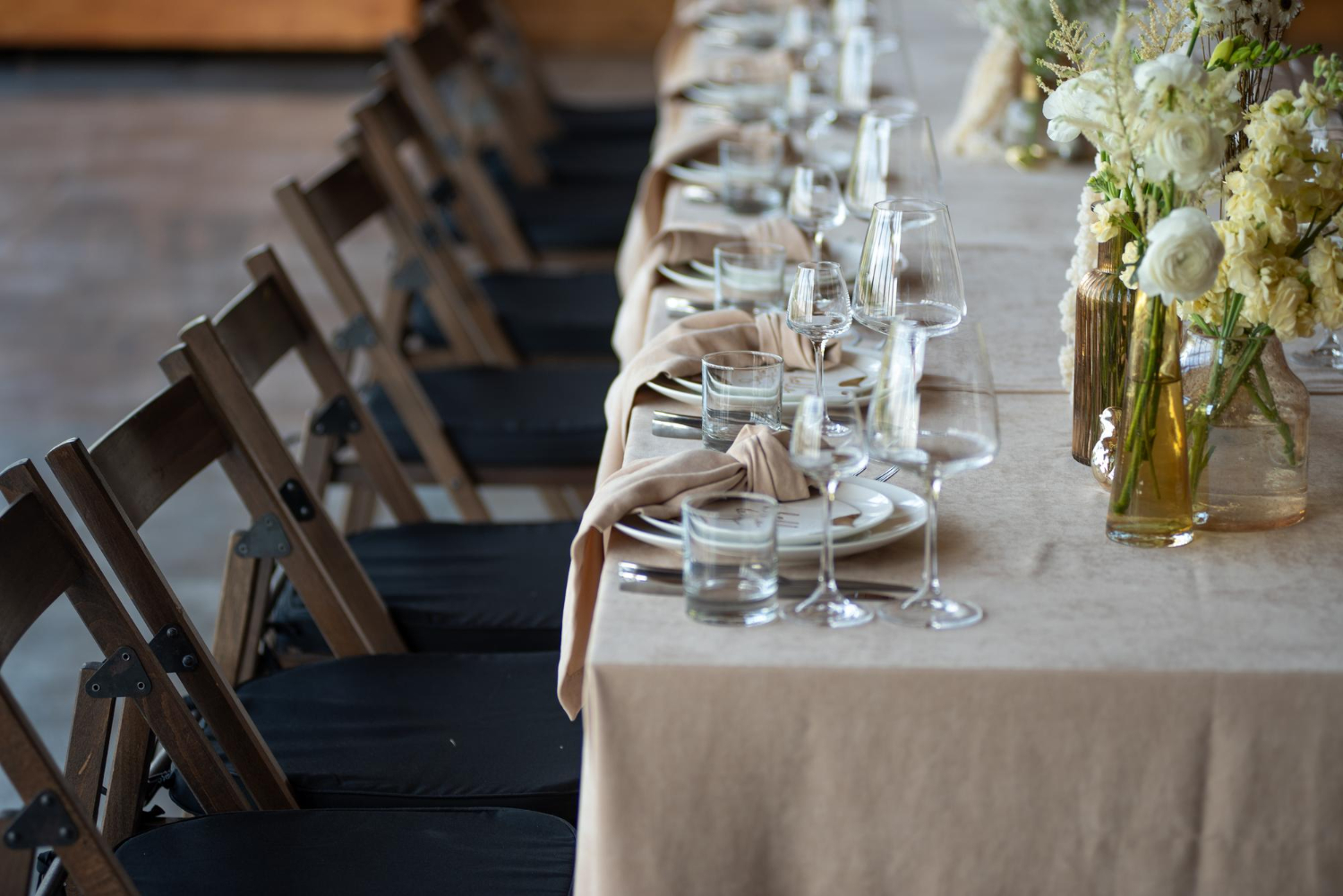
Introduction to wedding table planning
Why is table planning important?
Planning wedding tables is one of the key elements of organizing any wedding, directly impacting guest comfort and satisfaction. A well-thought-out seating plan ensures smooth movement around the venue, encourages guest interaction, and helps maintain order during the reception. Poorly planned seating can lead to chaos, conflicts between guests, and even dissatisfaction with the entire event.
Seating arrangements should be tailored to the relationships between guests. It is worth seating family and close friends together, which ensures they feel comfortable and enjoy their conversations. Guests who do not know each other are best seated in a way that encourages them to make new connections. This will make the wedding an unforgettable event full of positive impressions and pleasant memories.
First steps in organizing the table layout
The first step in organizing a wedding table layout is to thoroughly understand the floor plan of the wedding venue. It is worth consulting with the venue manager to get information about available seating options. Do you prefer round tables, rectangular ones, or perhaps a mixed layout? Each option has its pros and cons that are worth considering. Round tables encourage interaction and free conversation, while rectangular ones allow for accommodating a larger number of guests.
Next, it is worth creating a table layout diagram to help visualize the plan. You can use online table planning tools that make it easy to make changes and adjust the layout to the final guest count. Such a diagram will help identify the best spots for specific groups of guests, taking into account their preferences and needs.
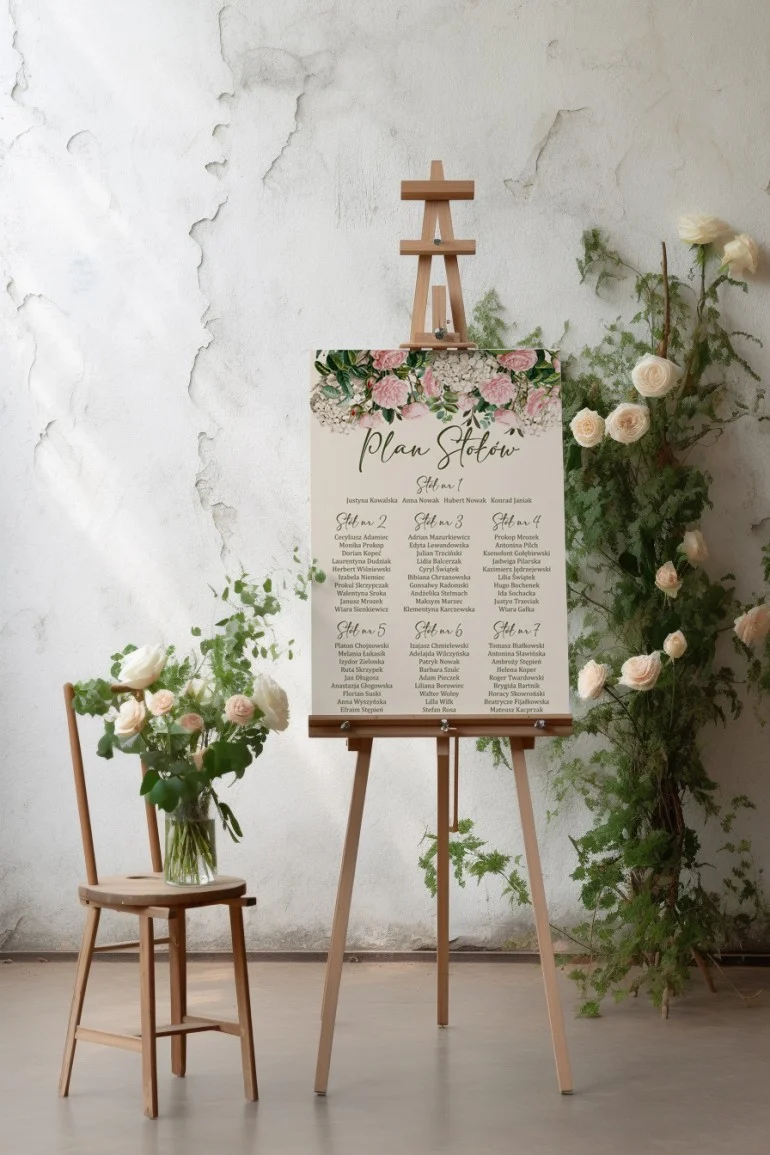
Korani No. 1 Wedding Table Plan with White Peonies and Blue Hydrangeas
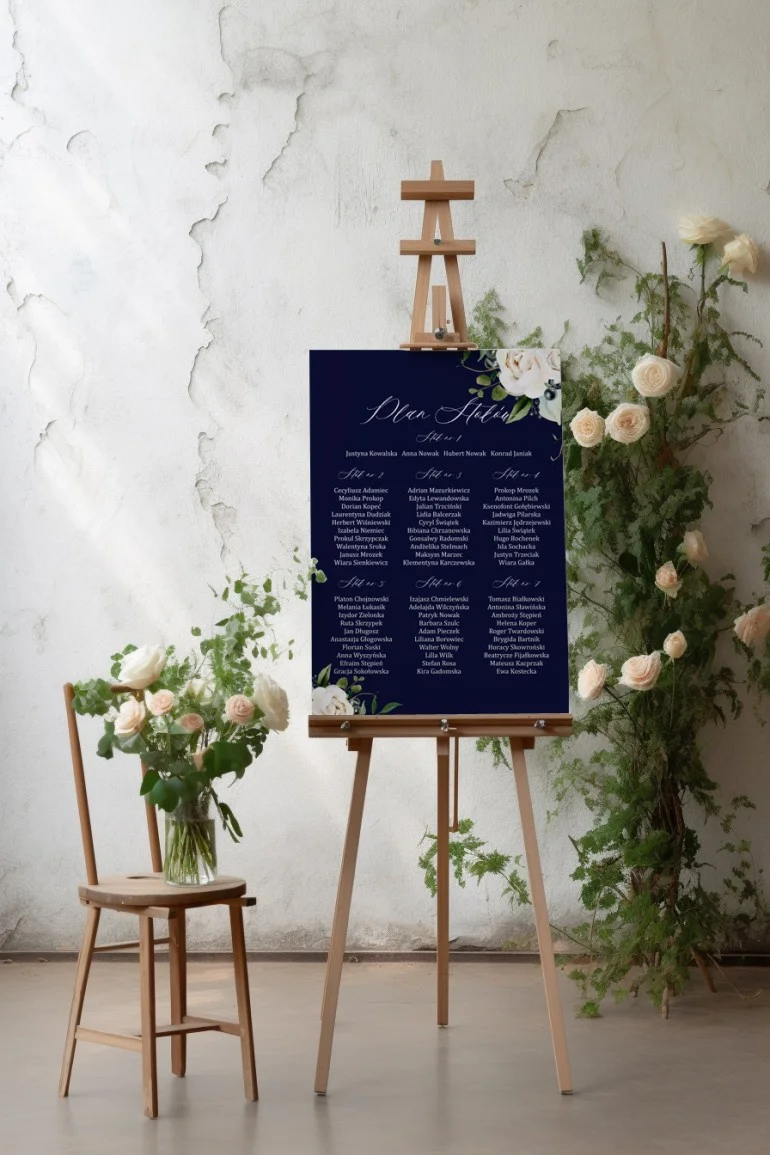
Navy Blue Szafirowe No. 7 Wedding Table Plan with a Bouquet of White Flowers
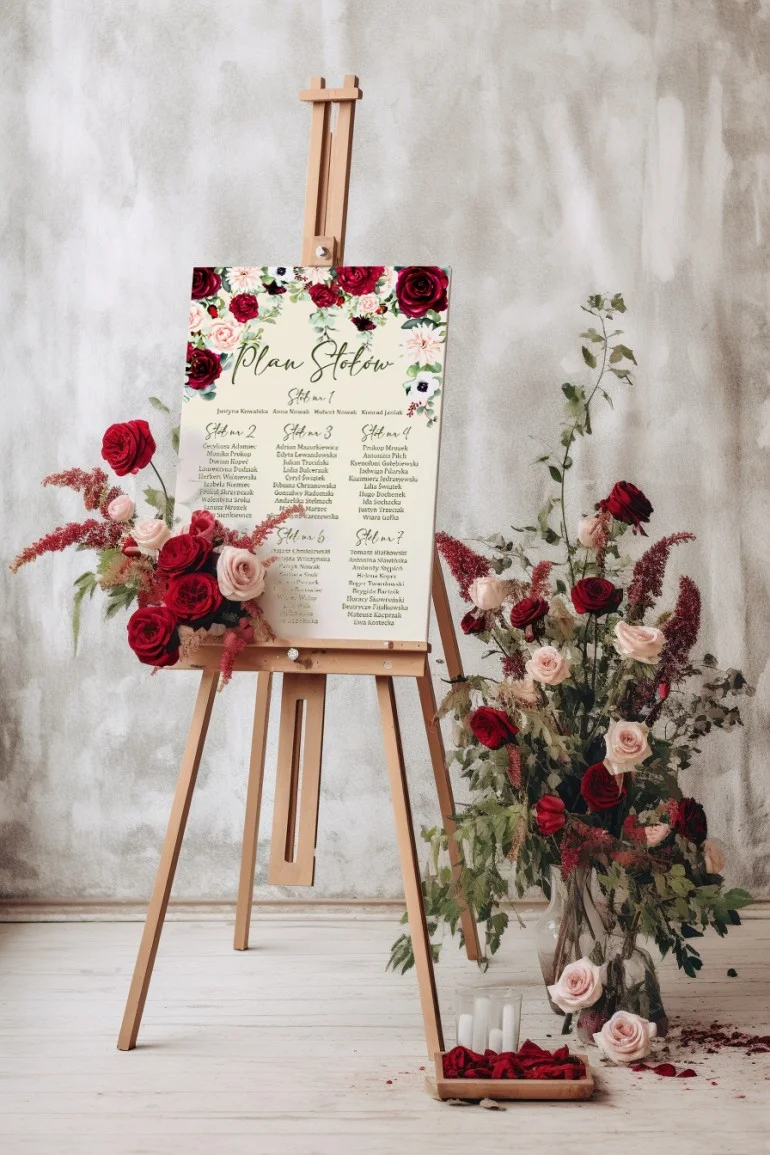
Korani No. 4 Wedding Table Plan in Burgundy with Pastel Dahlias
Rules for creating a guest list
Creating a guest list is one of the most important tasks when planning a wedding. The list should start with immediate family and friends, and then expand to include extended relatives, acquaintances, and colleagues. It is important to determine the number of available seats in the wedding venue in advance, which will help avoid later seating problems.
When creating the guest list, it is also worth considering special needs of certain individuals, such as families with children, elderly guests, or guests with limited mobility. It is worth seating children at special tables where they can play and spend time with their peers, which will improve their comfort and that of their parents. For elderly guests or those with mobility issues, it is worth reserving seats near the exit or restrooms to make it easier for them to move around the venue.
Remember that good planning is the key to success. Take care of every detail so that your guests feel comfortable and can fully enjoy this special day. Thanks to careful preparation of the wedding table plan, you will create the perfect atmosphere for your wedding that will remain in your guests' memories for a long time.
Table of Contents
Choosing the right table layout
Round or rectangular tables?
The decision of whether to choose round or rectangular tables for your wedding is crucial for the atmosphere and guest comfort. Round tables, usually seating 8 to 12 people, encourage interaction between guests because everyone has a good view of the others seated. This wedding table layout is ideal for smaller weddings or larger venues where space is not a constraint. Guests can talk freely and enjoy each other's company, which translates into a more integrative and friendly atmosphere.
On the other hand, rectangular tables are more space-efficient and can accommodate more people in smaller venues. With rectangular tables, it is also easier to organize seating for larger groups, which is particularly useful for larger weddings. This wedding table layout also promotes a more formal atmosphere and makes it easier to organize seating for guests with special needs, such as families with children or elderly guests.
Pros and cons of different layouts
Round tables have many advantages, including the aforementioned ease of communication between guests. Additionally, this wedding table layout looks elegant and modern, which can be a great asset for a couple planning a stylish wedding. However, a disadvantage may be the larger space they occupy, which can be a problem in smaller wedding venues. Rectangular tables, on the other hand, allow for better space utilization and easier arrangement of more seats. They are more practical but may not encourage the same level of interaction as round tables, as guests sitting at the ends of the table may feel isolated.
Creative table layouts
If you want to give your wedding a unique character, it is worth considering creative table layouts, such as an "L" or "T" shape. These types of layouts not only add originality to the decor but can also be practical in terms of space organization. Tables set in an "L" shape can, for example, surround the dance floor, which allows guests easier access to dancing and fun. A "T" shaped wedding table layout can be an excellent solution for a couple who wants to have all guests within sight during the reception, which promotes better interaction and builds a shared atmosphere.
It is also worth thinking about additional elements that can diversify the table layout. For example, original table names instead of traditional numbers can add a personal touch. Names related to places important to you or shared interests can become an interesting topic of conversation between guests. Decorative elements, such as floral centerpieces, candles, or personalized place cards, can also emphasize the individual style of your wedding.
Planning the right table layout is not just a matter of aesthetics, but also practicality and guest comfort. Thanks to a thoughtful approach, you can create a pleasant and interaction-friendly atmosphere that will remain in your guests' memories for a long time. We encourage you to visit amelia-wedding.pl, where you will find inspiration and solutions that will help you perfectly organize your special day.
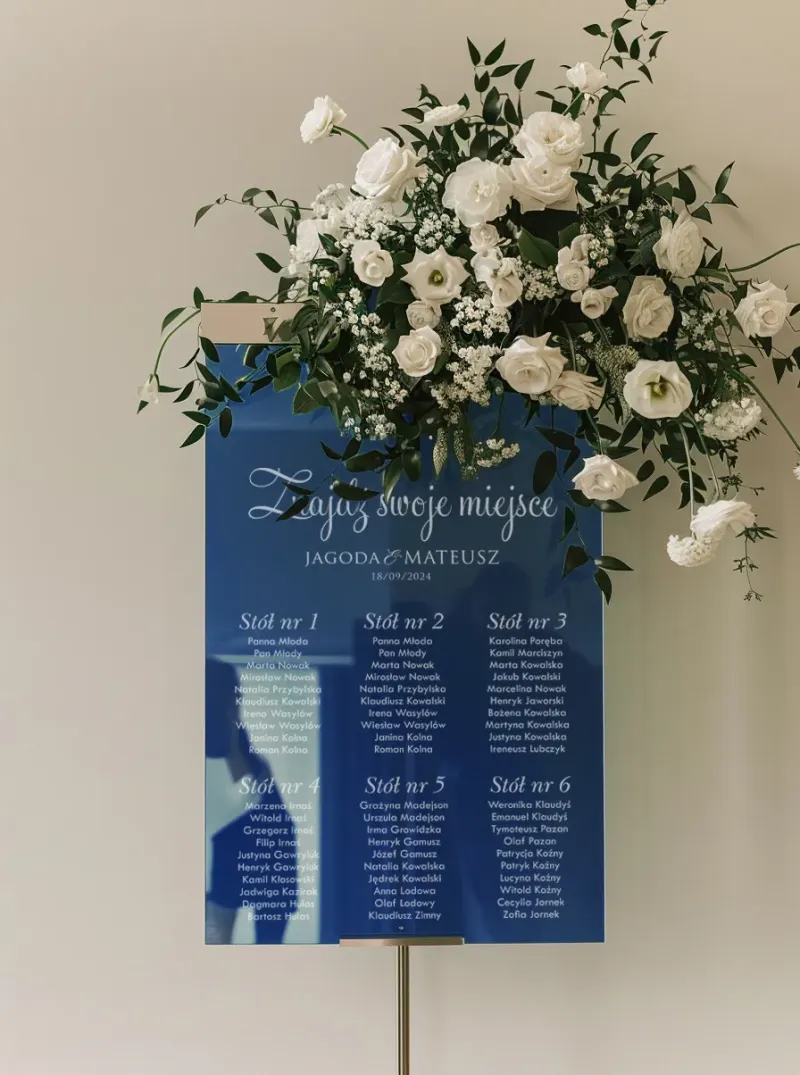
Elegant Acrylic Table Plan, White Text, Dark Blue | Personalized Wedding Table Plans | Avril No. 7
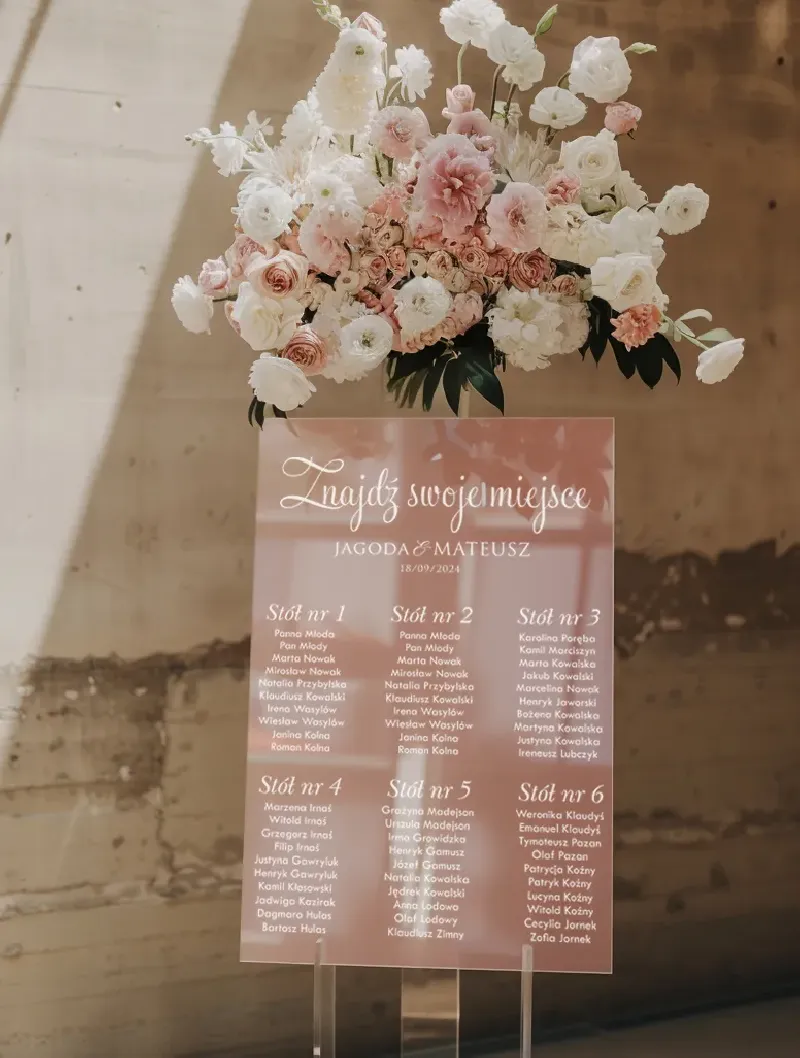
Pink Acrylic Table Plan with White Text | Wedding Table Plans with Graphics | Avril No. 12
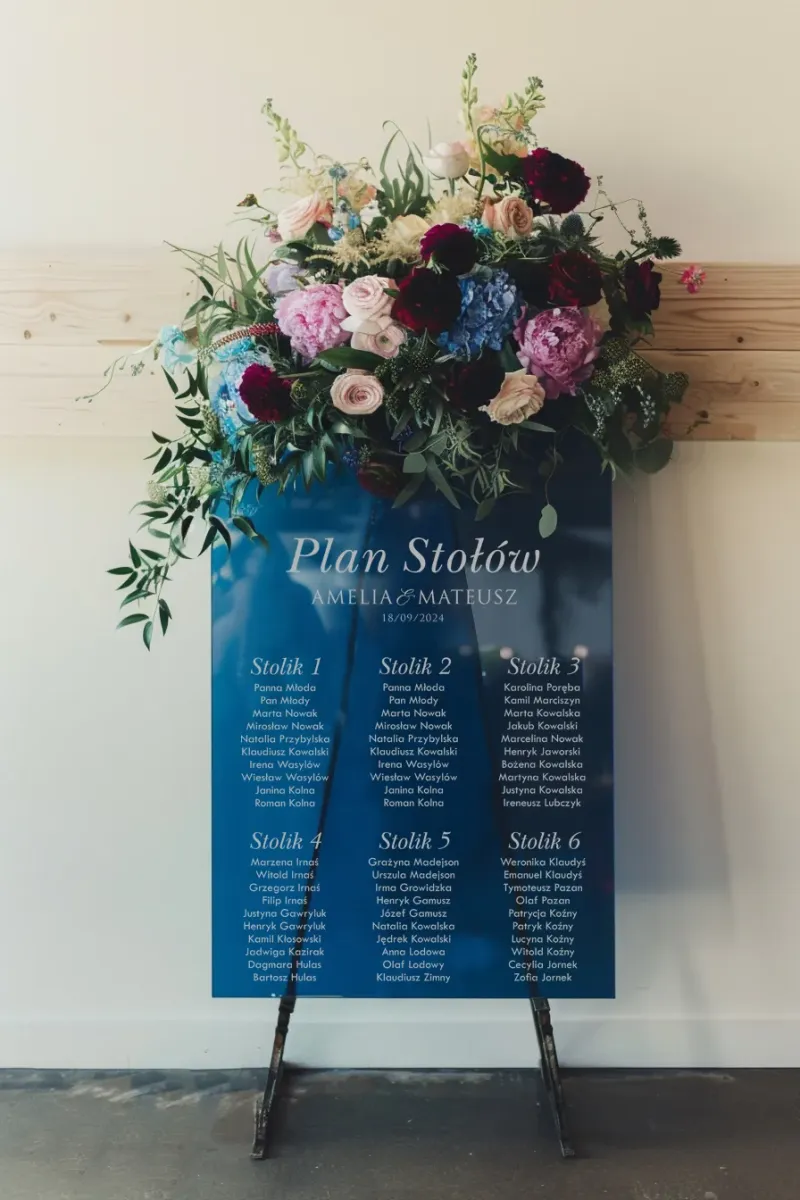
Elegant Blue Table Plan on Transparent Acrylic | Personalized Guest Seating Plan | Kraft No. 7
Technologies supporting table planning
Planning apps and software
Nowadays, wedding planning has become much easier thanks to modern technologies. Wedding table planning apps and software allow for quick and effective management of guest seating. Thanks to them, it is possible to create precise plans that can be easily modified as needed. Apps like AllSeated, WeddingWire, or PerfectTablePlan offer a range of features that help with seating arrangements, venue visualization, and automatic guest list creation.
These online tools allow for interactive table plan creation, which significantly simplifies the work. The ability to drag and drop elements, edit the venue layout in real-time, and add notes or reminders makes planning more transparent and less stressful. Moreover, these apps often offer collaboration options, so the couple and wedding planners can work on the plan simultaneously without the need for physical meetings.
Benefits of using technology
Using technology in wedding table planning brings many benefits. First and foremost, these tools allow for quick changes. In case of sudden changes to the guest list or venue reorganization, editing the plan is immediate and intuitive. You don't have to manually move cards or draw new diagrams – everything happens digitally, which saves time and reduces the risk of errors.
Another advantage is plan visualization. Thanks to apps, we can see what the tables will look like in reality, which allows for better adjustment of the layout to the venue's specifics and guest needs. These programs often offer 3D features that enable a walk-through of the virtual wedding venue, giving a fuller picture of the whole. Additionally, these apps help manage the guest list, which is invaluable in the context of organizing seating.
Examples of popular tools
Among the most popular wedding table planning tools is AllSeated. It is an app that offers a wide range of features, from creating table plans to managing the guest list and 3D visualizations. Thanks to its intuitive interface, AllSeated is easy to use for both the couple and wedding planners.
Another popular tool is WeddingWire, which, in addition to table planning, also offers features related to budget management, wedding day scheduling, and vendor contacts. WeddingWire is a comprehensive tool that can significantly facilitate the organization of the entire wedding.
PerfectTablePlan is another app that deserves attention. It is a program dedicated exclusively to table planning, which makes it extremely precise and adapted to various needs. PerfectTablePlan allows for detailed planning of guest seating, taking into account relationships between them and preferences regarding seating.
All these tools have one goal – to facilitate the wedding planning process and ensure that the day is perfectly organized. Thanks to technology, wedding table planning becomes simpler, more effective, and more pleasant. We encourage you to visit amelia-wedding.pl, where you will find more inspiration and helpful tips regarding the organization of your special day.
Rules for seating guests at tables
Family and friends – how to seat them?
Seating family and friends is one of the most important aspects of wedding planning. The key to success is understanding the relationships between guests and arranging them appropriately at the tables. It is worth seating close family members and friends near each other so they feel comfortable and can talk freely. Parents and siblings are best seated close to the couple, which will emphasize their importance on this special day. Extended relatives and friends can be placed a bit further away, but still within the couple's sight to ensure they feel close and involved in the event.
If there are guests at the wedding who do not know each other, it is worth considering mixed seating, which encourages making new connections. Good practices include seating people with similar interests or in a similar age group next to each other, which will make it easier for them to start a conversation and integrate. On the other hand, conflicting individuals or those who may have unpleasant memories with other guests are best seated away from each other to avoid unnecessary tension.
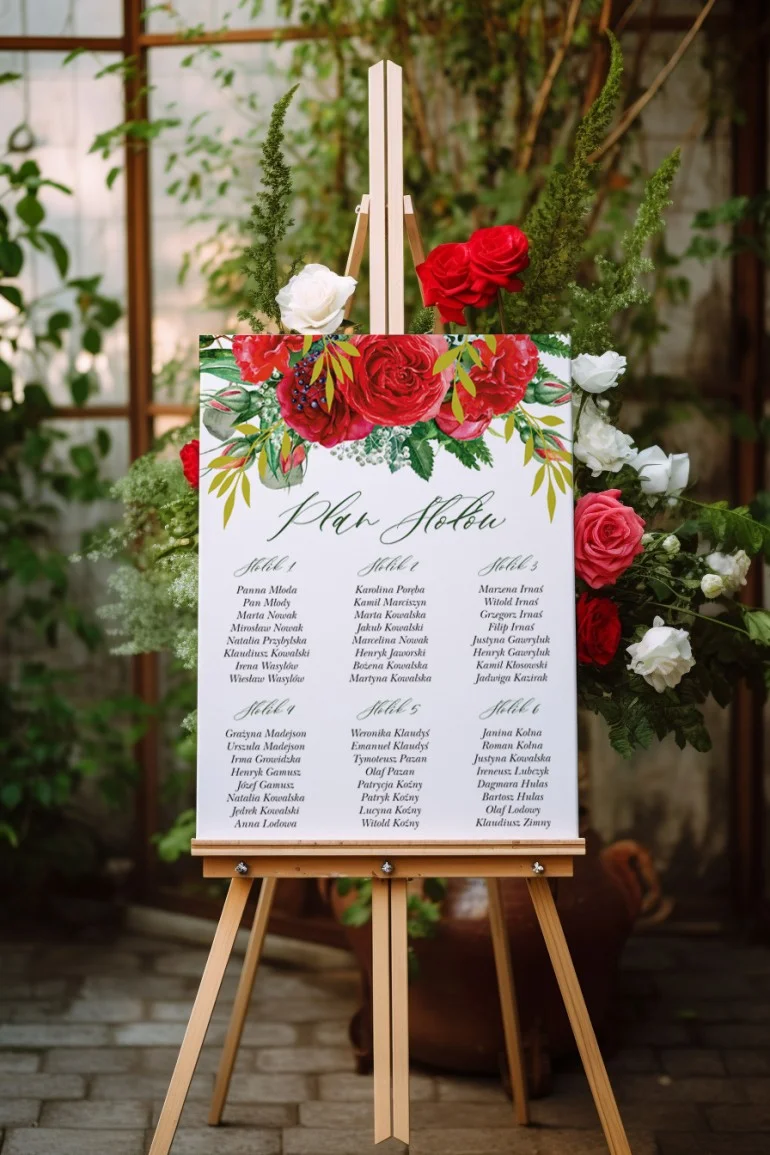
Rubin No. 8 Table Plan
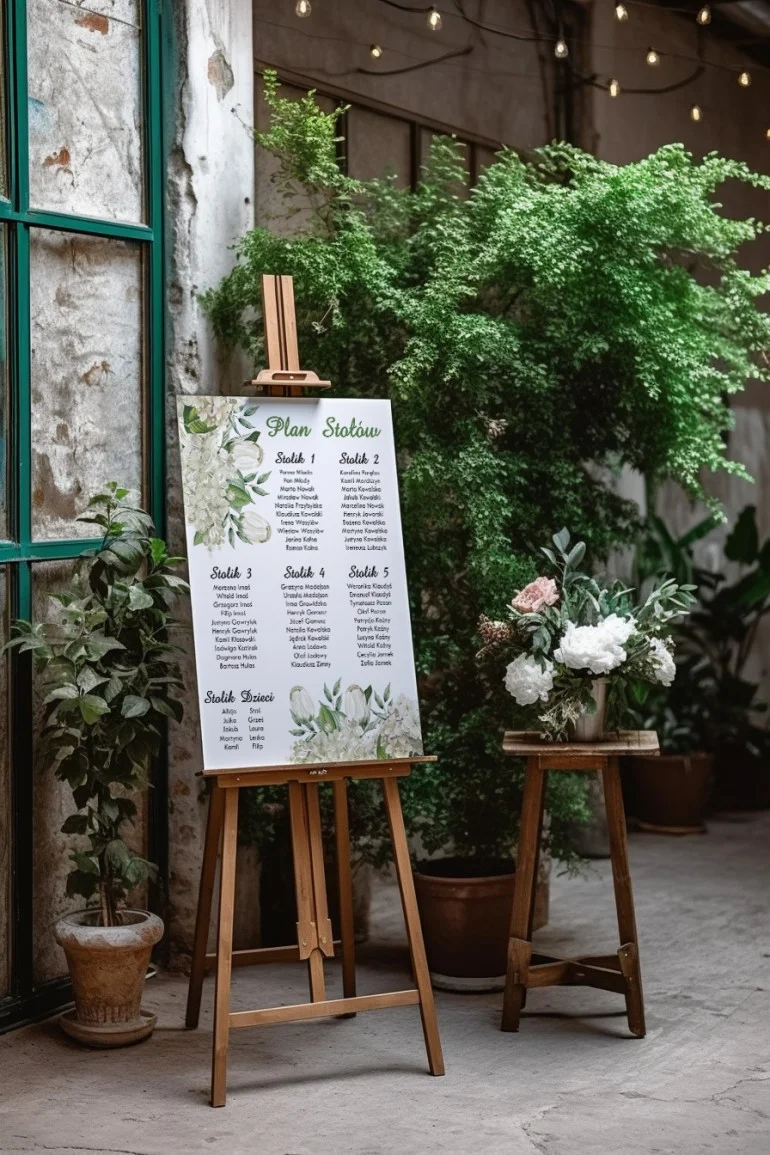
Avril No. 2 Table Plan
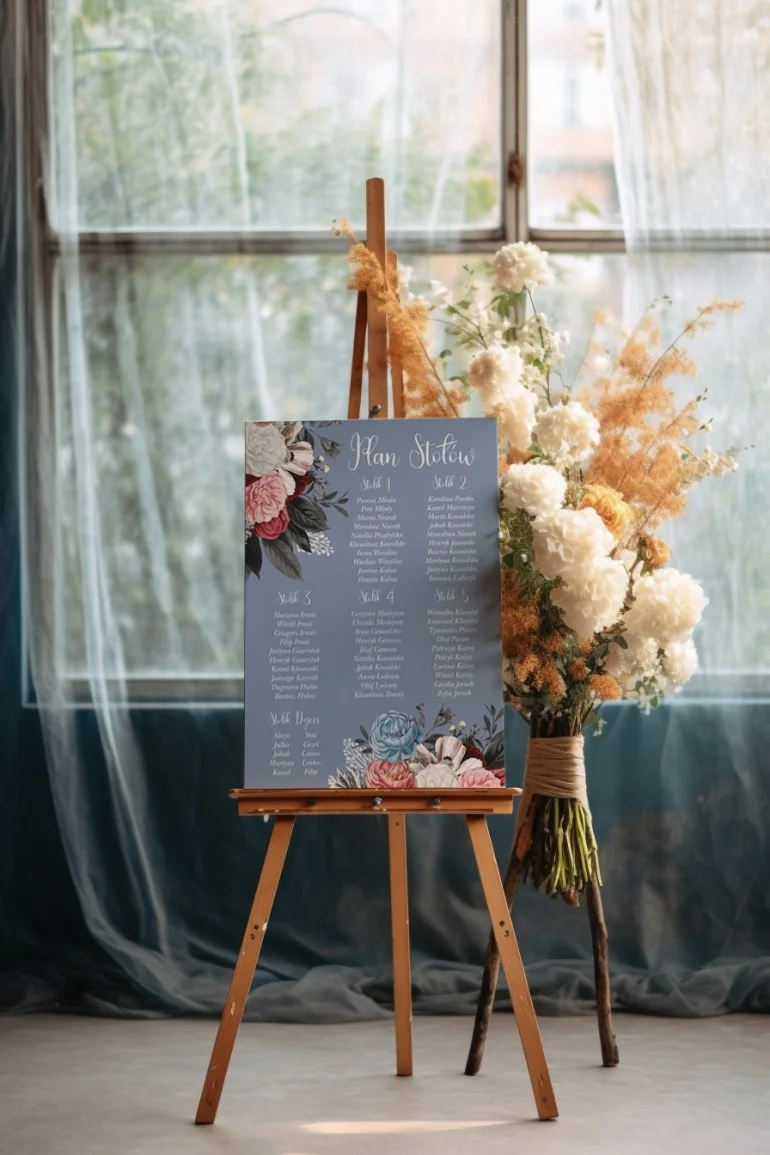
Eteryczne No. 4 Table Plan
Creating comfortable zones for guests
Creating comfortable zones for guests is crucial so that every wedding participant feels special. Comfort zones can include specially arranged areas for children, the elderly, and guests with special needs. For children, it is worth preparing a separate table where they can spend time in the company of their peers, which will allow them to play and talk freely. The children's table should be placed in a location where parents can keep an eye on them, while ensuring they do not disturb other guests.
Elderly guests and those with limited mobility should be seated near the entrance and exit to make it easier for them to move around the venue. It is also worth taking care of their comfort by providing comfortable chairs and easy access to the restroom. For guests with children, you can offer a zone with a changing table and a comfortable place for breastfeeding, which will increase their comfort and allow them to fully enjoy the reception.
Seating children and the elderly
Children and the elderly require special attention when planning wedding seating. The children's table should be planned so that children have the opportunity to play freely but do not disturb other guests. You can prepare a special menu for them and attractions such as coloring books, board games, or small gifts that will occupy their time and ensure they have a good time.
Elderly guests, especially those with mobility issues, should be seated in easily accessible places. Proximity to the restroom and entrance doors are key aspects to consider. It is also worth taking care of their company by seating them next to other elderly guests with whom they can talk freely. For those with health issues, you can also prepare special chairs or cushions to ensure maximum comfort during the reception.
A well-planned wedding seating arrangement is a guarantee of a successful reception. Take care of the comfort and well-being of all participants by creating zones tailored to their needs and preferences. Thanks to this, your wedding will be an unforgettable event full of joy and positive emotions.
Using place cards and seating charts
The role of place cards in wedding organization
Wedding place cards play a key role in the organization of every wedding, helping guests easily find their seats and ensuring a smooth flow of the ceremony. Thanks to them, every guest feels special, knowing that the couple has taken care of their comfort and convenience. Place cards not only help avoid confusion when looking for seats but also add elegance and personalization to every table. Placed on tables, they can be a beautiful decoration that emphasizes the style and theme of the wedding. Additionally, well-designed place cards can serve as a keepsake for guests, reminding them of this special day.
Types of place cards and their functions
There are many different types of place cards available on the market that can be adapted to the style and theme of the wedding. Calligraphed place cards are an elegant option, ideal for couples who value handmade, artistic touches. Each guest's name is carefully written, which adds a personal character and makes the place cards small works of art.
On the other hand, printed place cards are more practical and offer a wide range of designs and colors. They can be easily adapted to the wedding theme by adding, for example, graphic elements related to the venue's decor. Also popular are place cards combined with the menu, which not only indicate guest seats but also inform them about the planned meals. This is a practical solution that allows guests to quickly familiarize themselves with the wedding menu while serving a decorative function.
Seating charts and their significance
Seating charts are an essential element of every well-organized wedding. They help guests easily navigate the table layout and quickly find their seats. Thanks to them, chaos and confusion that may occur at the beginning of the reception when all guests are trying to find their places are avoided.
Seating charts can be designed in various ways to match the wedding style. These can be elegant, minimalist boards with clear table numbers and guest lists, placed on easels or stands. Another interesting idea is boards on transparent acrylic, which add a modern touch and elegance. It is important that the chart is placed in a well-visible spot, for example, at the entrance to the venue, so that guests can easily reach it and check their seats.
Seating charts can also serve a decorative function, becoming an integral part of the wedding venue decor. They can be decorated with flowers, ribbons, or elements related to the wedding theme, which will further emphasize the unique character of the day. It is also worth thinking about personalized details, such as individual lettering or table names that refer to the couple's shared memories, which will make guests feel even more special.
Well-organized place cards and seating charts are a guarantee of a successful wedding where every guest feels important and appreciated.
Adjusting the plan to guest needs
Considering guest preferences and needs
One of the key aspects of a successful wedding is adjusting the plan to individual guest needs and preferences. It is worth gathering information about their preferences in advance, for example, by attaching a short survey or online form to the invitations. Thanks to this, you can find out if there are people with special dietary requirements, guests with mobility limitations, or families with small children among the invitees. Understanding these needs will allow for creating comfortable conditions and minimizing potential problems on the wedding day.
Special dietary and health needs
More and more people have specific dietary requirements, such as vegetarian, vegan, gluten-free diets, or those related to food allergies. Adapting the wedding menu to these needs is not only an expression of care for the guests but also demonstrates a professional approach to organization. It is worth consulting with the chef or catering service to ensure that a variety of dietary options will be available to satisfy all guests. Information about special diets should be included in the table plan so that the staff knows which dishes to serve to specific individuals.
Diet is not the only important aspect. Elderly guests or those with health limitations may need special amenities. Proximity to restrooms, easy access to the venue, and comfortable, ergonomic chairs are elements that can significantly affect the comfort of these guests. Thanks to proper preparation, you can ensure they have a pleasant experience without additional stress or health problems.
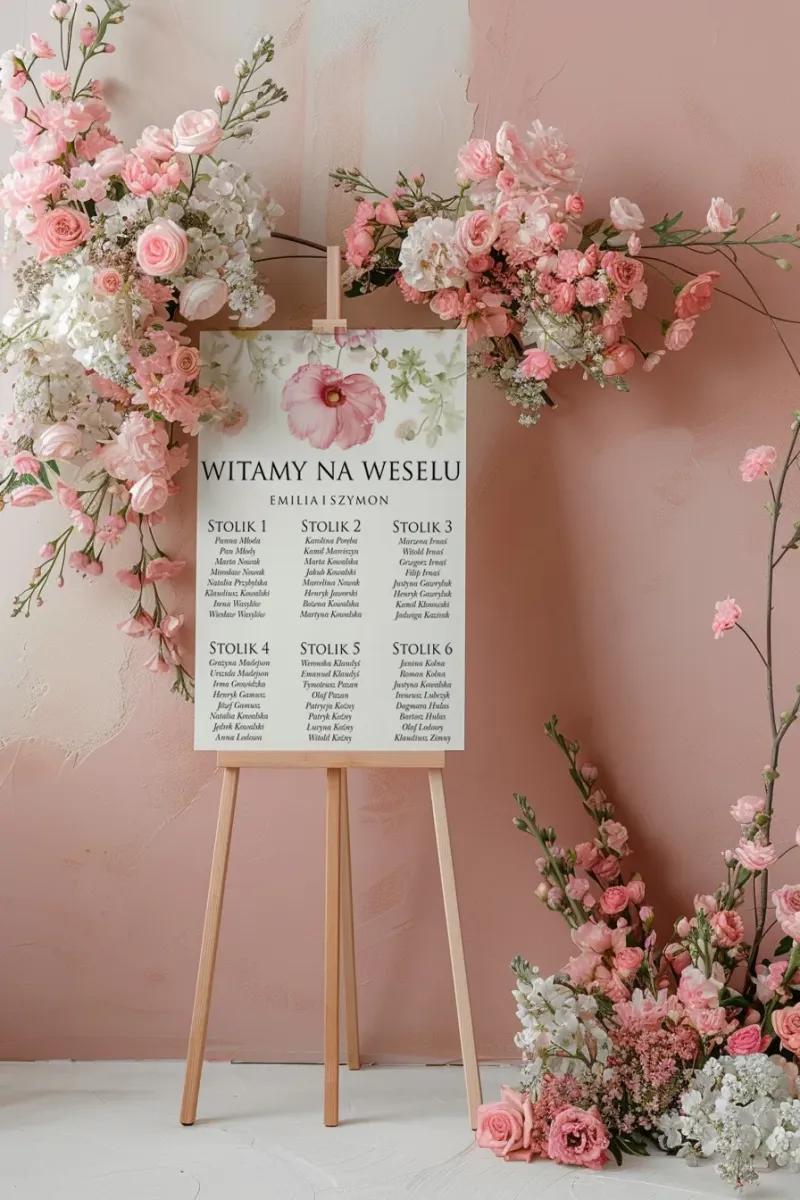
Elegant Wedding Table Plan with Floral Motifs | Wedding Table Plan | Impresja No. 1
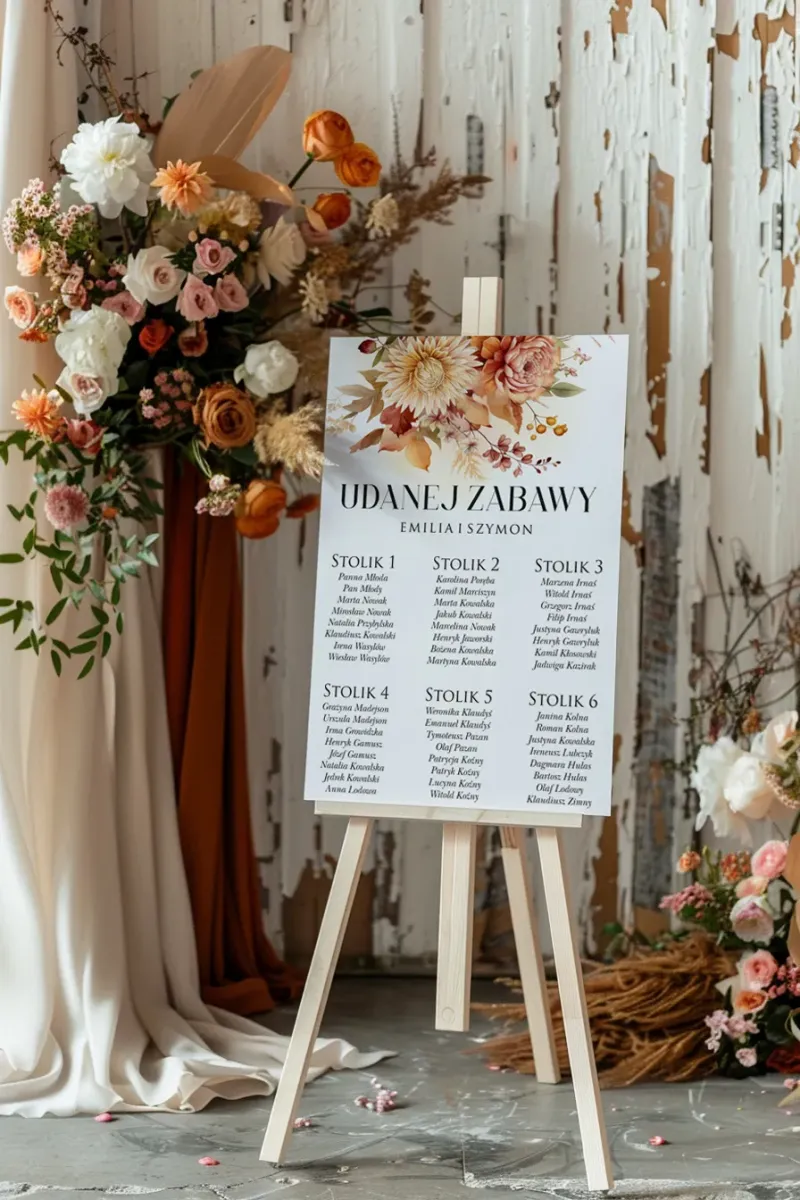
Elegant Wedding Table Plan with Subtle Floral Accents | Wedding Table Arrangement | Impresja No. 2
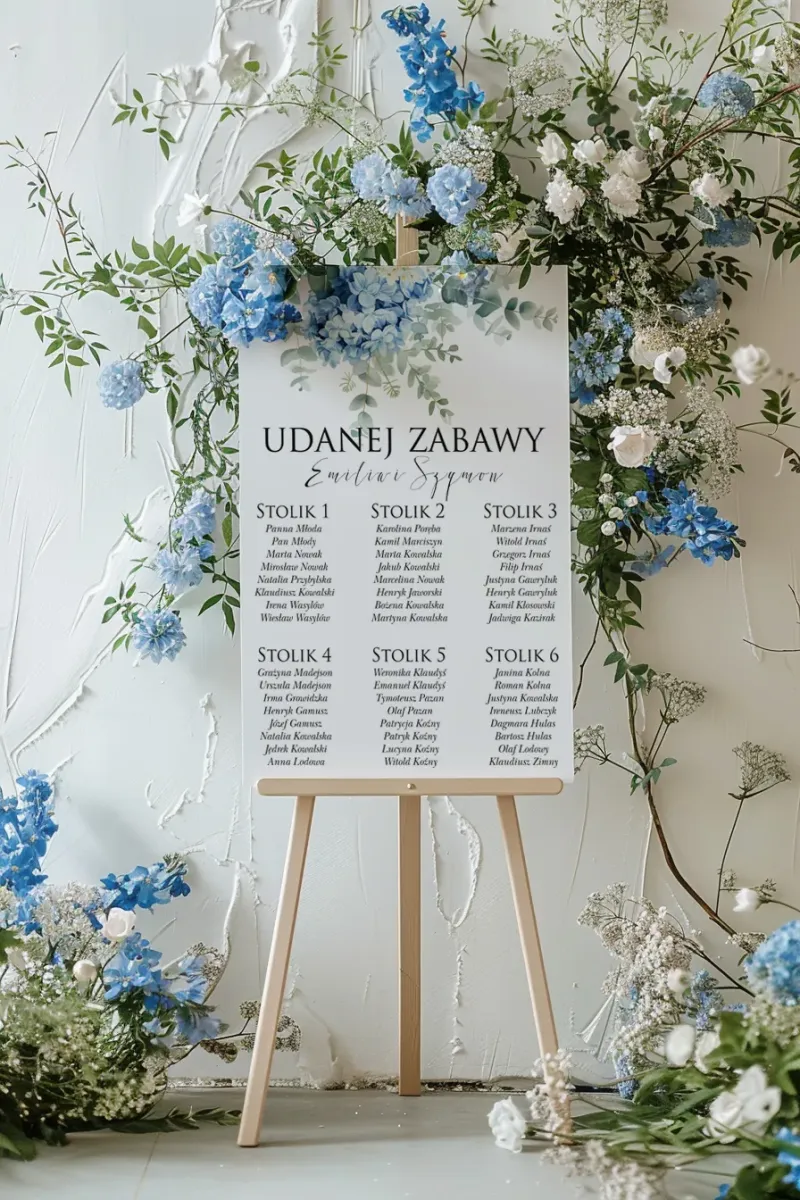
Wedding Table Plan with Blue Hydrangeas | Romantic Table Arrangement | Impresja No. 4
Flexibility in table organization
Flexibility in table planning is crucial to fully meet the diverse needs of guests. It is worth keeping in mind that despite best efforts, unexpected situations may occur on the wedding day, such as additional guests or changes in seating arrangements. Therefore, it is good to be prepared for such eventualities by having a few extra seats and a Plan B in case of last-minute changes.
One solution can be the use of modular tables, which can be easily adapted to changing conditions. Such an approach allows for quick rearrangement of the space without the need for major changes. It is also worth consulting with the wedding venue manager, who can offer help and advice regarding optimal use of the available space.
Planning a wedding is a complex task that requires considering many details. Adjusting the plan to guest needs is a key element that will allow for creating an unforgettable atmosphere and ensure comfort for all participants.
Finalizing and testing the table plan
Dress rehearsal – testing the layout
A dress rehearsal of the table layout is a key stage before final approval of the plan. It is worth conducting it a few days before the wedding to ensure that everything will proceed according to plan. Preparing the venue according to the preliminary plan and testing how guests will move in the space allows for early detection of potential problems. Check if the table layout blocks emergency exits, if there is enough space between tables for guests and staff to move freely, and if comfort zones for children and the elderly are appropriately located. A dress rehearsal is also a great opportunity to see what the decorations will look like in reality and make any necessary adjustments.
Communication with wedding staff
Effective communication with the wedding staff is essential to ensure that all elements of the plan are correctly implemented. Regular meetings with the venue manager and wedding coordinators will help in conveying all necessary information and resolving any doubts. Provide the staff with a detailed table plan along with notes regarding special guest needs, such as dietary requirements or seating for those with limited mobility. Thorough discussion of the plan with the team ensures that everyone will know what to expect and how to react to any unexpected situations. It is also good to ensure that the staff has copies of the table plan and is familiar with its details.
Final corrections and plan approval
Final corrections and plan approval are the last steps before the big day. After the dress rehearsal and consultations with the wedding staff, it is time to make any necessary changes. Check again if all names on the place cards are correct, if guests with special diets have properly marked seats, and if all comfort zones are properly planned. Final approval of the plan should take place a few days before the wedding to ensure that everyone involved has enough time to prepare.
After approving the plan, it is also worth sending a copy to the wedding coordinator and to those responsible for decorations, catering, and guest service. Thanks to this, every person will know what role they have to play and what their responsibilities are on the wedding day. The final version of the plan should also be available to the couple so they can calmly enjoy their day, knowing that everything has been carefully planned.
Thanks to a meticulous approach to finalizing and testing the table plan, your wedding will proceed without disruptions, and guests will be able to fully enjoy every moment of this special day. We encourage you to visit amelia-wedding.pl for more inspiration and practical tips regarding wedding organization.
If you found this article interesting, be sure to check out our other blog posts that will help you better prepare for this special day:
- What attractions for children to organize at a wedding?
- Planning a wedding menu for people with special diets
- How to choose the perfect wedding cake: flavor, decorations, and trends
- How to choose the perfect location for a wedding photo shoot
- Most common questions from wedding guests and how to answer them

Szymon Jędrzejczak
Wedding industry expert and stationery designer at Amelia-Wedding.pl. For years, she has been helping couples create unforgettable moments by combining tradition with modern design.