Traditional Polish wedding dishes: from borscht to pierogi
Introduction to Polish Wedding Traditions
History and Significance of Culinary Traditions at a Polish Wedding
Culinary traditions at a Polish wedding are as old as the very idea of wedding celebrations in Poland. When we talk about a Polish wedding, it is impossible to overlook the richness and diversity of the dishes served. For centuries, a Polish wedding has not only been a celebration of love but also an opportunity to showcase the culinary heritage of the region. Wedding meals are not just a feast for the palate, but also a cultural element that connects generations. From the proudly served broth (rosół) to classic pierogi, every dish has its own story and place in the hearts of the guests. It is worth noting that in the past, it was through food that hospitality and abundance were expressed – the richer the menu, the greater the prestige of the family.
The Role of Food in Wedding Culture
In Polish wedding culture, food serves not only a gastronomic function but also a social one. It is around the wedding tables that unforgettable memories are created, stories are shared, and new relationships are built. During a wedding, every dish tells its own story, and the tastes and aromas transport guests back in time, evoking memories of childhood or family holidays. It is a moment where tradition meets joy, and culture blends with new experiences. Food at a Polish wedding is not just about satisfying hunger; it is a celebration of life, love, and community.
Modern Interpretations of Traditional Dishes
Modern Polish weddings are a fascinating blend of tradition and modernity. Although classic dishes like broth or pierogi still dominate the tables, new interpretations of these culinary classics are appearing more and more often. Wedding chefs experiment with form and ingredients, creating dishes that delight both in appearance and taste. It is this innovation in Polish wedding cuisine that gives traditional dishes a new lease on life. Often, the wedding menu is also enriched with elements of international cuisine, including Asian, which is a response to the growing interest in exotic flavors and the need to adapt to the diverse preferences of guests.
Table of Contents
- Introduction to Polish Wedding Traditions
- Soups – An Essential Part of the Wedding Menu
- Main Courses – The Heart of the Polish Wedding Table
- Additional Warm Meals – From Bigos to Pierogi
- Salads and Cold Dishes – Perfect for a Quick Snack
- Desserts – The Sweet Finale of the Wedding Feast
- Drinks – From Traditional Spirits to Modern Cocktails
- Menu Planning – Tips for Organizers
- Wedding Trends in Polish Cuisine
- Conclusion – Summary of Polish Wedding Flavors
Soups – An Essential Part of the Wedding Menu
Rosół – Classic Polish Style
Rosół (chicken soup) is more than just a soup – it is the essence of Polish weddings, a symbol of hospitality and home warmth. The traditional Polish broth served at weddings is the quintessence of culinary mastery. It is worth emphasizing that every portion of this golden, aromatic broth, prepared with poultry and beef, is a feast for the senses. Rosół is not only an excellent start to the wedding feast but also proof that simple ingredients can create unforgettable flavors. It is a dish that connects generations – the recipe for the perfect broth is passed from hand to hand, from home to home, becoming almost a ritual. In Polish wedding tradition, broth is served with homemade noodles, creating a perfect harmony of flavors and textures.
Żurek in Bread – Tradition with a Modern Twist
Żurek (sour rye soup) in bread is a dish that delights not only with its taste but also with its unique presentation. This traditional Polish soup, served in a freshly baked loaf of bread, is a true delicacy on wedding tables. Its deep, distinct flavor, achieved thanks to a real rye flour starter, becomes a highlight of the wedding feast. Żurek in bread combines tradition with modernity, being both a tribute to Polish cuisine and its innovative incarnation. Additions such as eggs, kabanos sausages, or white sausage emphasize the richness and variety of flavors of this dish. The presentation of żurek in bread is not just an aesthetic aspect, but also a way to emphasize the uniqueness and elegance of the wedding menu.
Seasonal Soups – From Tripe to Mushroom Soup
Seasonal soups are an important element of the wedding menu, allowing for the showcase of local flavors and traditions. Tripe soup (flaki), mushroom soup, as well as creams made from seasonal vegetables, such as pumpkin or white root vegetables, are dishes that delight with their originality and depth of flavor. Tripe, rich in meat and aromatic spices, is an ideal choice for those who appreciate intense culinary experiences. On the other hand, mushroom soup, prepared from a variety of wild forest mushrooms, is a tribute to Polish nature and its richness. Seasonal soups, adapted to the time of year and local products, are a way to emphasize the uniqueness of the wedding and its connection to nature. Served at a wedding, they are not just an element of the menu, but also part of the story about the region where the celebration takes place.
Main Courses – The Heart of the Polish Wedding Table
Meat Specialties – From Pork Cutlets to Beef Roulades
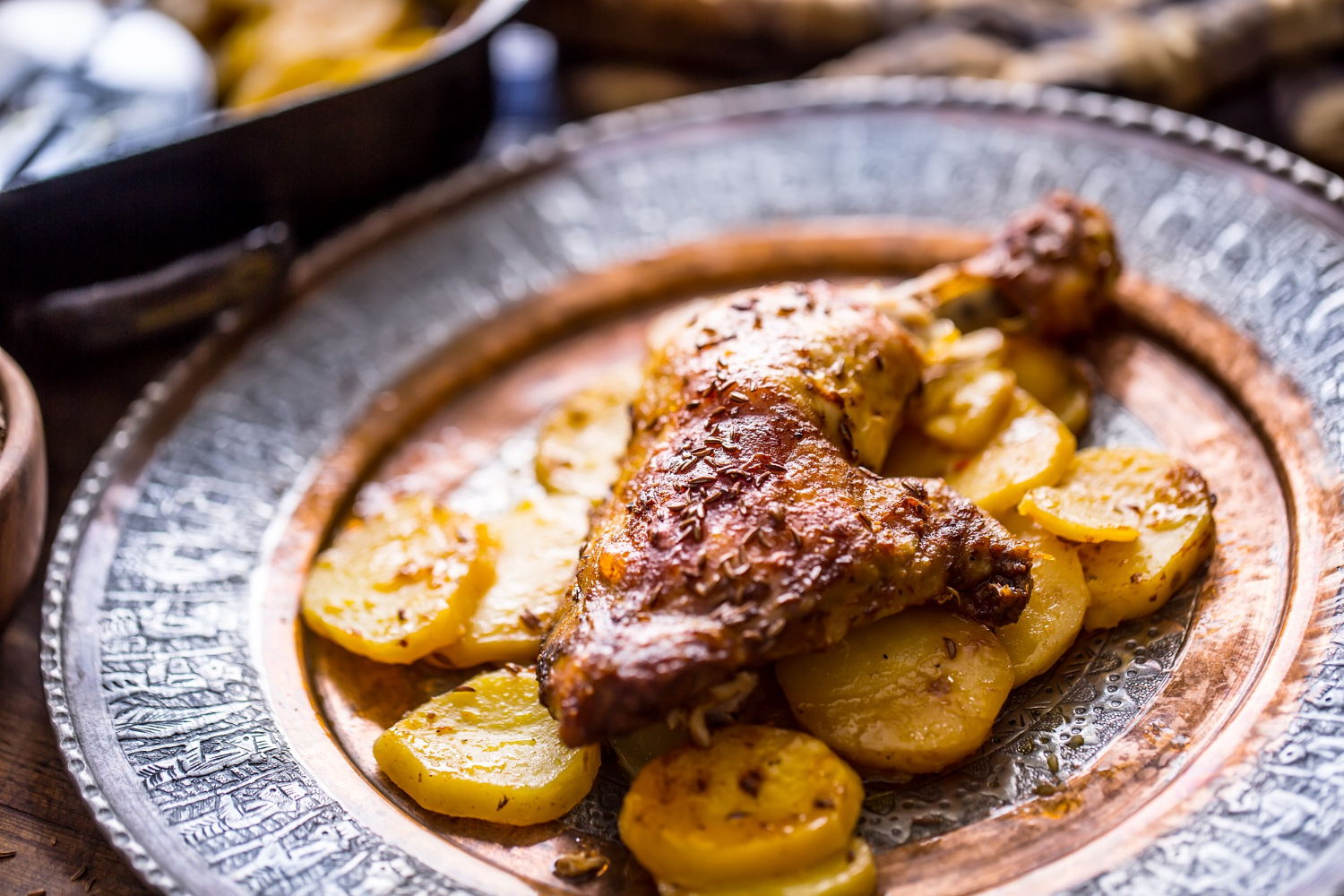
In Polish wedding tradition, meat dishes occupy a central place on the tables, attracting attention with their variety and exceptional taste. From the classic pork cutlet (schabowy) to delicate beef tenderloin in mushroom sauce, every dish is a symphony of flavors and aromas that delights guests. Particularly prized are traditional beef roulades (zrazy), which are the quintessence of Polish culinary heritage. Meat specialties at weddings are not just a feast for the palate but also an element of culture that combines tradition with modern culinary techniques. It is worth noting the important role played by the variety of meats – from poultry and pork to game, each type of meat brings with it a unique flavor and preparation method. These dishes are often served with classic sides, such as potatoes or rice, which further emphasizes their richness.
Vegetarian Alternatives – A Variety of Flavors
In response to the growing popularity of plant-based diets, Polish weddings increasingly offer a rich selection of vegetarian alternatives. This is a sign of the times in which the traditional wedding menu is evolving, enriching itself with new flavors and concepts. Vegetarian dishes, such as vegetable casseroles, falafels, or meatless cabbage rolls (gołąbki), are gaining popularity, offering guests not only tasty but also healthy options. This shows that a Polish wedding is capable of adapting to diverse needs and dietary preferences while maintaining values deeply rooted in the culture. Vegetarian alternatives are not just meatless dishes, but also a testament to culinary craftsmanship, where vegetables, herbs, and spices play the leading roles, creating dishes full of flavor and color.
Side Dishes – From Dumplings to Salads
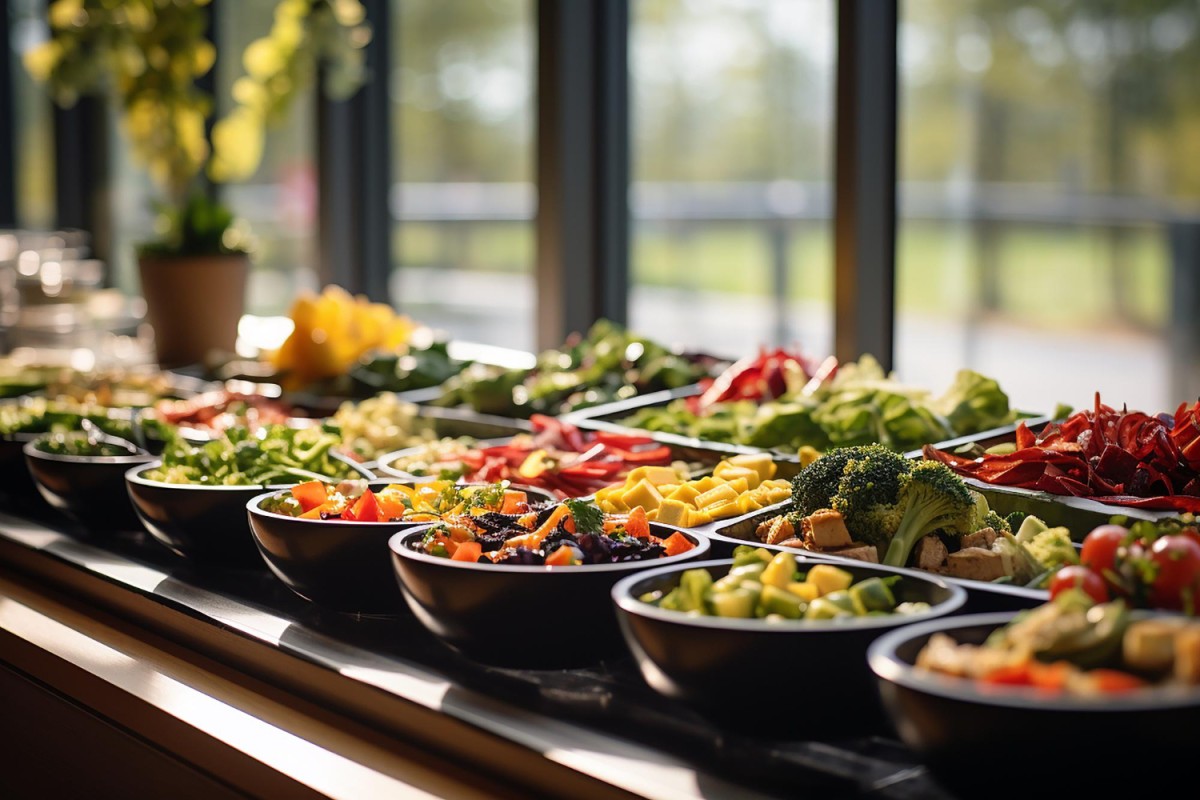
Side dishes at a Polish wedding are more than just a supplement – they are an essential element that completes and enriches the entire culinary offer. Dumplings (kluski), potato dumplings (kopytka), and Silesian dumplings are classics that perfectly complement meat dishes, creating full and balanced meals. On the other hand, salads – from the traditional carrot salad to creative compositions with red cabbage or celery – are not only a source of vitamins but also a fresh and light element that perfectly contrasts with heavier main courses. Side dishes at weddings are proof that Polish wedding cuisine can be both rich and diverse, offering guests a complete palette of flavors and textures.
Additional Warm Meals – From Bigos to Pierogi
Bigos and Pierogi – Flavors That Connect Generations
Bigos (hunter's stew) and pierogi are not just dishes – they are symbols of Polish culinary tradition that connect generations at weddings. Bigos, with its richness of flavors and aromas, is the true essence of Polish cuisine. A mixture of cabbage, various types of meat, mushrooms, and spices, stewed for a long time, creates a dish of exceptional depth and intensity of flavor. Every portion of bigos is a journey through the history and culture of Poland. On the other hand, pierogi, especially the 'Russian' style (ruskie) with a potato and cheese filling, are a dish that delights with its simplicity and perfection. Whether they are pierogi with meat, cheese, fruit, or cabbage and mushrooms, every type of this dish is a testament to Poland's culinary heritage. At a Polish wedding, bigos and pierogi are not just dishes; they are part of the celebration that passes the richness of flavors and traditions from generation to generation.
Stroganoff and Skewers – Variations of Tradition
Stroganoff and skewers are dishes that bring variety and diversity to the traditional Polish wedding menu. Stroganoff, with beef tenderloin, a rich sauce, and delicate spices, is a dish that combines elegance and refined taste. Its creamy consistency and rich aromas make it one of the favorite dishes at weddings. On the other hand, skewers, both in meat and vegetable versions, are a wonderful way to showcase a variety of flavors and textures. They are proof that Polish wedding cuisine skillfully combines traditional elements with new ideas, creating dishes that delight both in appearance and taste.
Game Meat – An Exclusive Accent on the Wedding Table
Game meat is a dish that serves as an exclusive accent at Polish weddings, offering guests a unique culinary experience. Roasted whole and served directly by the chef, game meat is a real attraction on the wedding table. Its intense, characteristic flavor and delicate meat texture make it unique among other dishes. Game meat, often served with wild mushrooms, berries, or seasonal vegetables, is not only a symbol of luxury but also a tribute to Polish nature and its riches. It is a dish that combines hunting heritage and culinary art, while also serving as a bridge between tradition and modernity.
Salads and Cold Dishes – Perfect for a Quick Snack
Vegetable Salad – A Classic on the Wedding Table
Vegetable salad (sałatka jarzynowa) is undoubtedly a classic on the Polish wedding table that never goes out of style. This colorful composition of vegetables, often enriched with mayonnaise or sour cream, is not only tasty but also versatile, fitting well with various main courses. Vegetable salad combines the freshness of ingredients with traditional recipes, creating a dish that enjoys unwavering popularity among guests. It is a dish that harmoniously combines different flavors and textures: crunchy vegetables, delicate eggs, and sometimes even fruit, which makes it not only tasty but also visually attractive. Thanks to its versatility, vegetable salad works perfectly as a snack, but also as an addition to more sophisticated dishes.
Fruit and Vegetable Salads – Freshness and Variety
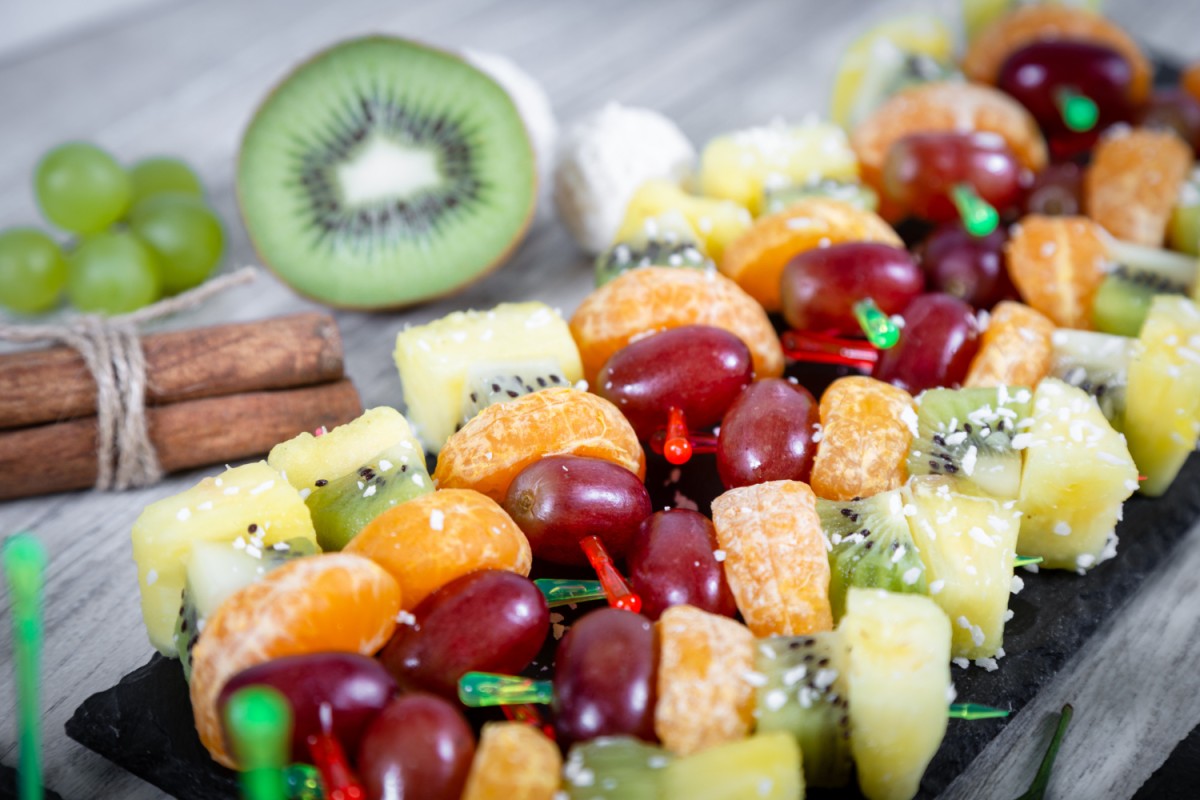
Fruit and vegetable salads are another essential element of the wedding menu that brings freshness and lightness. These colorful, vitamin-packed compositions are an ideal alternative to heavier wedding dishes. Salads made from fresh fruit, such as pineapple, grapes, or melon, with the addition of delicate dressings, are not only refreshing snacks but also beautiful table decorations. On the other hand, vegetable salads, in various variations – from the classic Greek to modern compositions with quinoa or avocado – offer guests a wealth of flavors and colors. They are a perfect complement to the wedding feast, offering guests tasty and healthy options that will satisfy even the most demanding palates.
Cold Appetizers – From Cold Cuts to Fish
Cold appetizers are an inseparable element of every Polish wedding, delighting with their variety and taste. Among them, we find both exquisite cold cuts and delicate fish or fruit jellies. These elegant and often artistically presented dishes not only encourage tasting but also serve as an important decorative element of wedding tables. Cold cuts, from classic pork loin to more sophisticated products like Parma ham or salami, offer guests a wealth of flavors and textures. On the other hand, fish, served in various ways – from traditional herring to salmon in jelly – attract with their delicacy and freshness. These cold appetizers are not only an excellent choice for lovers of flavor variety but also work great as light snacks, perfect for a quick bite between dances.
Desserts – The Sweet Finale of the Wedding Feast
Homemade Cakes – From Cheesecake to Apple Pie
Homemade cakes are an inseparable element of every Polish wedding, constituting the sweet finale of the feast. Cheesecake, apple pie (szarlotka), wedding cake – these are just some of the classic desserts that we will find on wedding tables. Each of these cakes has its own history and preparation method, being an expression of culinary traditions and the skills of home bakers. Cheesecake, with its creamy consistency and delicate taste, delights guests with its elegance. Apple pie, with its crunchy topping and sweet apples, is the quintessence of home warmth. These cakes not only please the palate but are also a testament to Polish hospitality and attention to detail. They are served with pride, each telling its own story and catching the eye with its decoration and presentation.
Chocolate Fountain – An Attraction for Guests
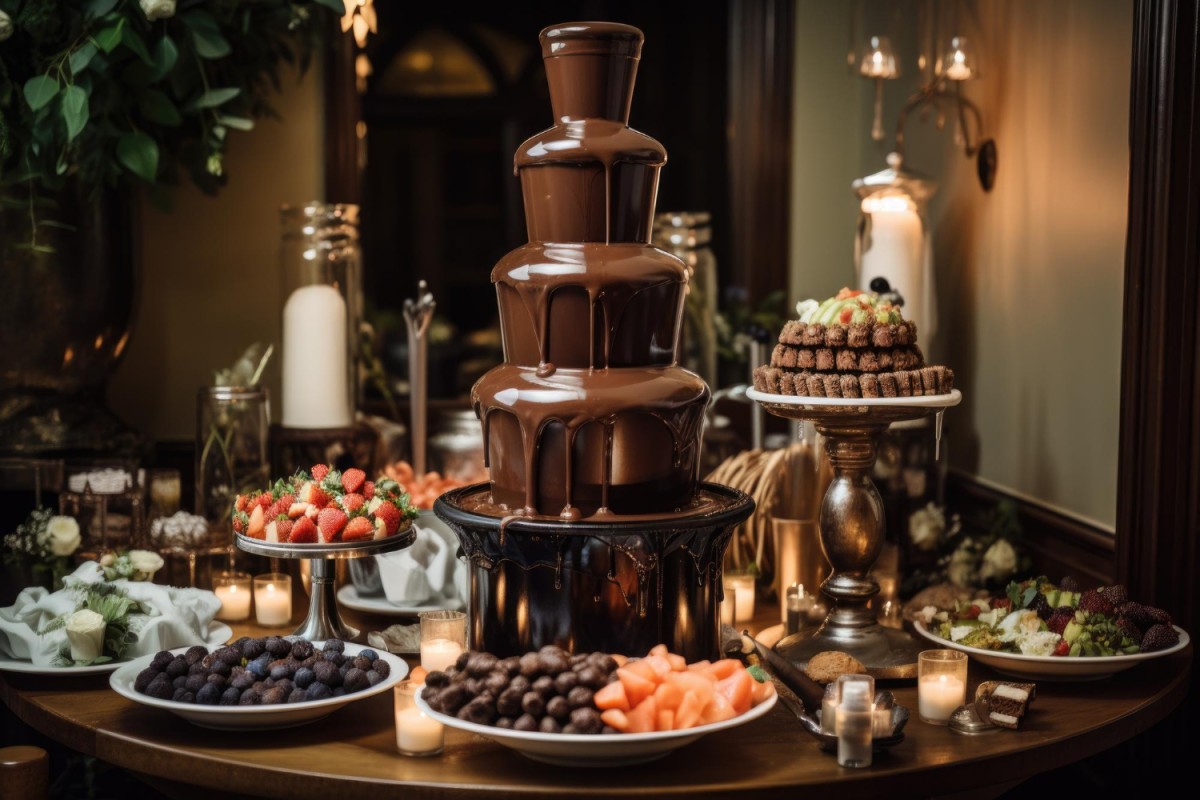
A chocolate fountain is a modern and spectacular element of the wedding menu that attracts attention and delights guests. It is not just a dessert, but also an attraction that adds a unique character to the wedding. Streams of liquid chocolate, into which everyone can dip fruit, marshmallows, or cookies, are a great form of entertainment and tasty experimentation. A chocolate fountain is a symbol of luxury and modernity, and its presence at a wedding always arouses admiration and is a perfect background for photos. It is a way to add a bit of extravagance and sophistication to the wedding, while also providing guests with unforgettable taste experiences.
Ice Cream and Fruit – A Light Alternative
Ice cream and fresh fruit are an ideal option for those looking for a lighter dessert at a wedding. Ice cream, served in various flavors, from classic vanilla to more extravagant combinations, is a perfect complement to heavier wedding dishes. They offer cooling refreshment and delicate sweetness, being a favorite choice for both children and adults. On the other hand, fresh fruit, served as a standalone dessert or as an addition to other sweets, is not only a source of vitamins but also a colorful and appetizing table decoration. They are a symbol of freshness and lightness, perfectly matching summer and spring weddings. Fruit, both in the form of elegant platters and creatively served in glass vessels, adds color and freshness to the wedding.
Drinks – From Traditional Spirits to Modern Cocktails
Polish Vodkas and Infusions – The Essence of Wedding Toasts
At Polish weddings, vodkas and infusions (nalewki) play a central role in celebration and toasts. Polish vodka, known worldwide for its quality and purity, is an inseparable element of wedding tradition. Served in various forms – from classic clear, through flavored, to exclusive editions – vodka is a symbol of Polish hospitality and joy. Infusions, prepared according to old Polish recipes from fruit, herbs, and spices, add a local character and originality to the wedding feast. They are not only an expression of culinary heritage but also a way to provide guests with unique taste experiences. Vodkas and infusions, served both as an aperitif and a digestif, are key elements of toasts and celebrations, connecting guests in a shared celebration.
Wines and Champagnes – Elegance and Celebration
Wines and champagnes are elegant additions to the wedding table that introduce an atmosphere of celebration and elegance. Champagnes, with their sparkling character, are often chosen for a toast during the wedding ceremony or as a welcome for guests. They are a symbol of luxury and celebration, perfect for emphasizing the uniqueness of the moment. Wines, both white, red, and rosé, are carefully selected to match the served dishes, complementing flavors and creating harmonious combinations. Elegantly presented on the tables, wines are not only a consumption element but also part of the decoration and style of the wedding. They are chosen with consideration for guest preferences and the nature of the celebration, which shows attention to detail and an individual approach to wedding organization.
Non-Alcoholic Alternatives – For Every Guest
Non-alcoholic alternatives are an essential element of every wedding, ensuring that all guests, regardless of preference or age, will find something for themselves. Mineral water, freshly squeezed juices, carbonated drinks, and non-alcoholic cocktails are the basis of this offer. In particular, non-alcoholic cocktails, prepared with the same care and creativity as their alcoholic counterparts, offer unique taste experiences. They are an excellent choice for those who do not drink alcohol, children, and also drivers. Providing a wide range of non-alcoholic drinks is an expression of concern for the well-being of all guests and a testament to careful wedding organization.
Menu Planning – Tips for Organizers
How to Choose the Perfect Wedding Dishes?
Choosing the perfect dishes for a wedding is a key element that influences the overall atmosphere and guest satisfaction. The basis is understanding the nature of the event and the preferences of the guests. Should the wedding be traditional or modern? Do guests prefer classic Polish flavors, or perhaps more international cuisines? The perfect wedding menu is one that reflects the personality and taste of the bride and groom, while also taking into account the expectations of the guests. It is important to balance the menu, combining lighter dishes with more filling ones, and ensuring variety so that everyone finds something for themselves. It is also worth remembering the aesthetics of food presentation, because a wedding is not just feasting, but also an aesthetic experience.
Considering Guest Preferences and Allergies
Nowadays, considering the dietary preferences and allergies of guests is essential when planning a wedding menu. From vegetarians and vegans to people with gluten intolerance or food allergies – everyone should find something suitable on the wedding table. This is an expression of respect and concern for the well-being of all participants in the celebration. Organizers should conduct a survey with guests or ask about their dietary needs in the invitations so that they can adjust the menu. Providing information about the ingredients of each dish is also helpful so that guests can make an informed choice of dishes.
Collaboration with Catering – The Key to Success
Effective collaboration with a catering company is crucial for the success of a wedding reception. It is important to choose a provider who has experience in handling weddings and is able to adapt their offer to individual needs. Before making a decision, it is worth checking reviews about caterers, their portfolio, and organizing a tasting meeting to personally verify the quality of the dishes. Good catering will not only provide tasty food but also professional service, elegant presentation of dishes, and flexibility in adjusting the menu. It is important to discuss every aspect of the collaboration, from logistics related to food delivery to details regarding table decorations and service.
Wedding Trends in Polish Cuisine
Modern Interpretations of Traditional Dishes
Modern interpretations of traditional Polish dishes at weddings are becoming increasingly popular, combining respect for culinary heritage with a modern approach to cooking. Classic dishes, such as pierogi or bigos, are refreshed by chefs who experiment with new ingredients, cooking techniques, or presentation methods. Thanks to this, traditional flavors are rediscovered, delighting wedding guests with their unexpected incarnation. Such an approach allows for the creation of unique, personalized culinary experiences that remain in the guests' memory as exceptional and innovative. This is a trend that shows that Polish wedding cuisine does not stand still but is dynamically developing, combining tradition with modernity.
Fusion – Combining Polish Cuisine with Exotic Flavors
The fusion trend, i.e., combining traditional elements of Polish cuisine with exotic flavors from around the world, is gaining popularity at Polish weddings. This creative mix of culinary cultures allows for the creation of extraordinary and unforgettable dishes that combine local ingredients with international inspirations. Examples of such an approach include Polish pierogi with Asian fillings or traditional broth with the addition of oriental spices. Fusion in wedding cuisine is a way to surprise guests and offer them something that is both familiar but in a completely new, exciting form.
Veggie and Vegan – The Growing Popularity of Meatless Dishes
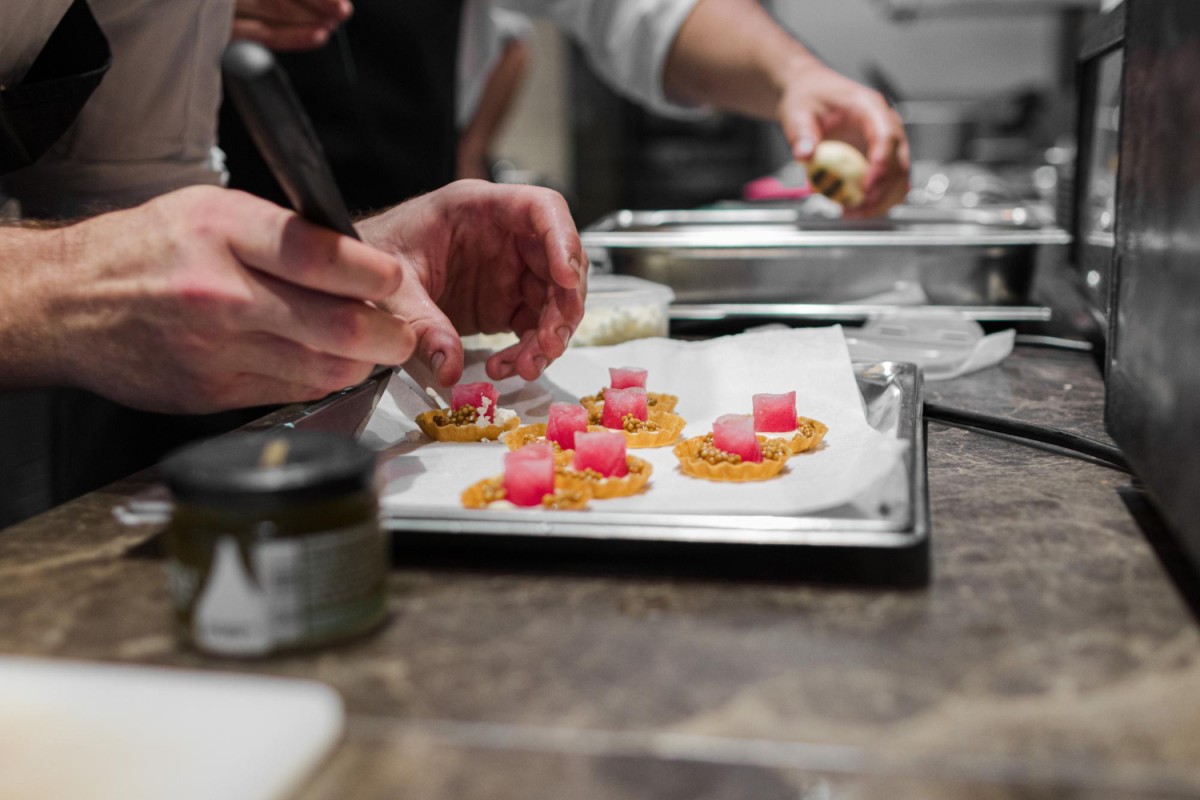
The popularity of vegetarian and vegan dishes at Polish weddings is also growing, which reflects the changing dietary preferences of society. More and more couples are deciding to include meatless options in their wedding menu to adapt to the needs and beliefs of all guests. Such dishes not only provide an alternative to meat dishes but often surpass them in creativity and variety of flavors. Vegetarian cabbage rolls, vegetable risotto, or vegan burgers are just some examples of how you can diversify the wedding menu while taking care of the environment and health.
Conclusion – Summary of Polish Wedding Flavors
In summary, the right choice of dishes is a key element that contributes to the success of every wedding. The perfect combination of tradition and modernity in Polish wedding cuisine is an art that requires both knowledge of local flavors and openness to new trends. Flavors that remain in the guests' memory create unforgettable memories and experiences, transforming the wedding into a unique event.
Weddings are not only celebrations that unite hearts but also a culinary journey through the diversity of Polish flavors, from classic dishes, through modern interpretations, to exotic fusion and vegetarian and vegan dishes. These culinary delights not only satisfy the appetite but also celebrate the richness of Polish culture, history, and innovation.
Finally, if you are looking for more inspiration and advice on organizing a wedding, we invite you to check out other articles on our blog:
- Etiquette and Traditions: Is it appropriate to invite only to the wedding ceremony
- Wedding Stationery Ideas: Must 'Sz.P' be on the invitation
- Wedding Planning: Creative Ideas for a Wedding Photo Shoot
- Wedding Inspiration: How to involve children in the wedding ceremony
- Traditions and Rites: How to organize a themed wedding, from Boho to Retro
- Etiquette and Traditions: Is it appropriate to ask for money for a wedding
- Etiquette and Traditions: What to say when handing out wedding invitations
- Wedding Stationery Ideas: How to make place cards
- Wedding Inspiration: Where to propose
- Wedding Stationery Ideas: What to put on the back of a place card
We encourage you to continue reading and drawing inspiration from our articles to make your wedding an unforgettable event.

Szymon Jędrzejczak
Wedding industry expert and stationery designer at Amelia-Wedding.pl. For years, she has been helping couples create unforgettable moments by combining tradition with modern design.