Wedding Venue Lighting – How to Create a Unique Atmosphere with Light
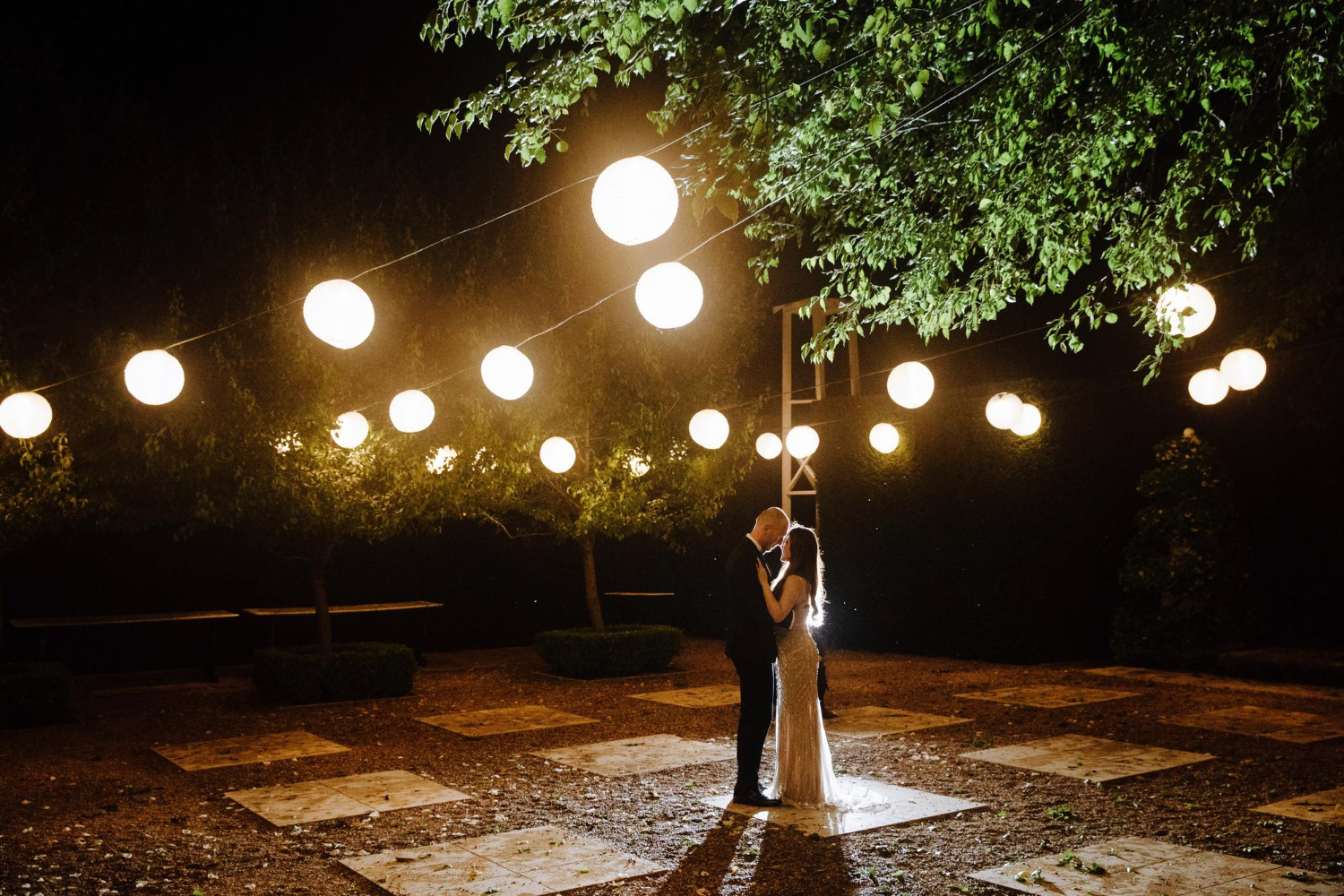
The magic of light at a wedding: How to create an unforgettable atmosphere
Every bride and groom dreams of their wedding becoming a magical moment that will be remembered forever, not just by them, but by all their guests. One of the most important, yet often overlooked elements that can completely transform the character of the celebration, is the wedding venue lighting. Light has an incredible power to create an atmosphere – it can turn an ordinary banquet hall into a fairytale space and give the most important moments a unique character.
Nowadays, lighting decorations are not just practical illumination, but a true art of mood setting. Fairy lights, candles, neon signs, and architectural lighting – each of these elements plays a key role in building a unique wedding scenery. When the sun goes down, it is the light that becomes the main director of emotions, giving the hall a magical character after dark.
Professional wedding lighting is an investment that pays off a hundredfold in the form of unforgettable memories and spectacular photos. Thanks to thoughtful lighting arrangements, you can zone the space, highlight the most important decoration elements, and create a romantic vibe that will make guests feel like they are in a real fairytale. The role of decorative lights goes far beyond simple illumination – it is what sets the tone for the entire celebration and makes the wedding a truly special event.

Gaja No. 2 Wedding Invitation – Sage Green with Letterpress Embossing

Glamour Wedding Invitation with Gilded Branch and Velvet Paper – Ruskus No. 14

Kraft Wedding Invitation No. 12 – Forest Style with Pine Forest Graphic
Fairy lights – a classic with a modern twist
Fairy lights have enjoyed unwavering popularity in wedding decorations for years, and in 2025 they have gained even more significance in creating a unique party atmosphere. These versatile lighting decorations can completely change the character of a wedding hall, adding warmth, coziness, and a romantic glow. Modern wedding fairy lights are much more than just simple Christmas lights – they are sophisticated lighting systems that combine aesthetics with functionality.
Types of wedding fairy lights and their application
Choosing the right fairy lights for a wedding depends on many factors, including the style of the celebration, the size of the hall, and the planned budget. LED fairy lights are currently the most popular solution due to their energy efficiency, safety, and the ability to customize lighting effects. The most beautiful effect is achieved with fairy lights featuring sockets spaced every 50 centimeters and low-lumen bulbs, which create a delicate, romantic glow instead of harsh light. Bulb string lights with classic Edison bulbs remain a hit for rustic and vintage-style weddings, adding a warm, nostalgic character to the interior. On the other hand, "fairy lights" are a delicate option perfect for boho, glamour, or romantic weddings, creating the impression of a starry sky above the guests' heads.
Modern string light systems offer unlimited customization possibilities. Twinkly technology, one of the latest innovations in lighting decor, allows for the control of 16 million colors and the creation of personalized light animations. Such solutions allow for synchronizing the lighting with music, which can become a spectacular element during the first dance or other key moments of the wedding. Curtain lights (Twinkly Curtain) work perfectly as a backdrop behind the bride and groom's table or as wall decor, creating the effect of a romantic light curtain. Icicle lights (Twinkly Icicle) hung vertically create the impression of falling stars or icicles, fitting perfectly into winter weddings or those with an elegant, modern character.
Techniques for installing fairy lights in a wedding hall
The way fairy lights are hung is crucial for the final visual effect and guest safety. Ceiling fairy lights are created by stretching lights under the ceiling in the form of a star, grid, or parallel lines, which gives the effect of a starry sky over the hall. This type of installation requires appropriate mounting points and a professional approach to electrical safety. Wall fairy lights can be used to highlight the architecture of the hall, wrap around columns, pillars, or other structural elements, creating vertical light accents. Fairy lights wrapping around railings or stairs look particularly impressive if the wedding hall has such architectural elements.
Table fairy lights are a subtle way to add sparkle to wedding table decorations. They can be placed in central floral arrangements, wrapped around candle holder bases, or laid along the center of the table in combination with wedding invitations and other stationery elements. Outdoor fairy lights are an ideal solution for outdoor weddings or those with a garden section. Hung between trees, on gazebos, or pergolas, they create a magical atmosphere under the open sky. It is important that outdoor fairy lights are fully waterproof and adapted to weather conditions.
Combining fairy lights with other decorative elements
The true magic of fairy light illumination is revealed when they are skillfully combined with other decorative elements of the wedding hall. Floral fairy lights are a trend that is gaining popularity – light strings intertwined with fresh greenery, such as eucalyptus or ivy, create natural, organic compositions. Such arrangements fit perfectly into the trendy "garden party" style and rustic-style weddings. Fairy lights with fabrics are an elegant solution where delicate materials like tulle, organza, or silk are intertwined with lights, creating romantic canopies over the dance floor or the bride and groom's table.
Fairy lights as a photo backdrop are a practical application that couples are increasingly appreciating. Thoughtful lighting arrangements can become a natural background for photos, eliminating the need for additional photo decorations. Fairy lights with mirrored elements create additional light reflections, multiplying the lighting effect and giving the hall a more luxurious character. They can be combined with disco balls, crystals, or other light-reflecting accessories. Thematic fairy lights adapted to the wedding theme, for example in the shape of hearts for romantic celebrations, stars for space-themed weddings, or flowers for boho-style parties, allow for the creation of a coherent visual narrative.

Glamour Wedding Place Cards with Pearls – Pearls No. 1 White

Lauren No. 3 Wedding Place Cards – Classic Calligraphy Name Cards

Minimalist Wedding Place Cards – Glare No. 1 with Embossed Border
Candles – creators of an intimate atmosphere
Table of contents
- Fairy lights – a classic with a modern twist
- Candles – creators of an intimate atmosphere
- Neon signs and light lettering – modern glamour
- Architectural lighting – highlighting the beauty of space
- Light compositions – the art of combining different light sources
- Summary: How light creates wedding magic
For centuries, candles have symbolized romance, intimacy, and special moments in human life. In the context of wedding venue lighting, candles play a unique role, creating a warm, cozy atmosphere that makes guests feel special and comfortable. The delicate, flickering glow of candles introduces an element of magic and mystery that cannot be replaced by any other light source. In 2025, wedding candles are experiencing a true renaissance, becoming not just a decorative element, but an integral part of the entire lighting concept of the celebration.
Types of wedding candles and their characteristics
Wedding candles are available in countless variants that can be matched to any style and wedding budget. Pillar candles are a classic of the genre, characterized by elegant proportions and a long burn time. Available in various heights and thicknesses, they work perfectly in tall candle holders placed on wedding tables. Cylinder candles are a versatile solution that looks just as good in rustic mason jars as it does in elegant glass candle holders. Sphere candles are a modern proposal that adds character to the interior and can be a central point of a table composition.
Taper candles and dinner candles are long, slender candles ideal for placing in candelabras or single candle holders. Their height allows for the creation of vertical light accents that give the composition dynamics and elegance. Tealight candles are small candles with a short burn time that work perfectly in group arrangements. They can be placed in glass bowls, lanterns, or scattered across tables, creating a flickering sea of light. Floating candles are a spectacular solution for placing in transparent vases with water, often combined with flower petals or beads.
Scented candles are gaining popularity, allowing not only for visual but also aromatic personalization of the wedding space. LED candles are a safe alternative to traditional wax candles, especially important in high-traffic areas or in the presence of children. Modern LED candles can realistically imitate a flickering flame while maintaining safety.

Simple No. 3 Soy Candle – Gold Foiling & Elegant Wedding Favours

Golden Fortune Cookies with Personalized Label | Affordable Wedding Favours | Cejla No. 3

Merci Favour with White Flowers, Green Leaves | Elegant Guest Gifts | Impresja No. 10
Candle arrangements on wedding tables
The art of composing candle arrangements on wedding tables is a combination of aesthetics, practicality, and safety. Central candle compositions should be low enough not to hinder conversations between guests sitting on opposite sides of the table, but at the same time impressive enough to attract attention. A classic solution is a group of pillar candles in various heights, placed on a mirror or wooden base, surrounded by fresh flowers and greenery. Asymmetrical compositions with candles of different shapes and sizes create a more modern, organic look that fits perfectly into the 2025 trends.
Candles in glass cloches are an elegant solution that simultaneously protects the flame from drafts and adds chic to the composition. Glass cloches can be decorated with ribbons, lace, or strings, matched to the wedding color scheme. Candles in lanterns are a proposal for weddings with a rustic, boho, or vintage character. Metal, wooden, or rattan lanterns create a warm, cozy atmosphere and can be used both as table decorations and as elements of space lighting.
Candles grouped in various configurations allow for the creation of dramatic lighting effects. This can be a dozen or so small tealight candles scattered across the table, a group of tall candles placed in one corner of the table, or a mix of different types of candles creating rich, multi-layered compositions. Candles with place cards are a practical combination of functionality and aesthetics – small candles with name tags attached to them serve simultaneously as lighting and as table seating guides.
Safety and practical aspects of using candles
Using candles at a wedding requires special attention to safety and practical aspects. LED candles are the safest alternative, especially in high-traffic areas, near fabric decorations, or in the presence of children. Modern LED candles offer realistic flickering effects and are available in various light colors, from warm white to multi-colored options. Wax candles require proper protection – they should be placed in stable candle holders, away from flammable materials and drafty places.
Candle burn time is an important aspect of wedding lighting planning. Candles should be lit just before the start of the ceremony and regularly replaced during the reception. Spare candles and lighters should be easily accessible to the venue staff. Scented candles should be used in moderation so that their aroma does not clash with the smell of food or flower bouquets. Extinguishing candles at the end of the wedding should be planned and carried out by a responsible person to avoid fire hazards.
Integrating candles with other lighting elements is the key to creating a harmonious wedding hall lighting system. Candles go perfectly with wedding favors placed on tables, creating a coherent visual composition. Candles as souvenirs are a growing trend – guests can take small, personalized candles home as wedding gifts. Thematic candles matched to the season, such as cinnamon-scented candles for autumn weddings or fresh, floral aromas for spring ceremonies, can enhance the atmosphere of the celebration and make it even more special.

Flores No. 1 Soy Candle in Gypsum – Gilded Wedding Favour

Delize No. 1 Soy Candle – Forest Motif Wedding Favours

Flores No. 2 Soy Candle in Gypsum – Burgundy Flowers Wedding Favour
Neon signs and light lettering – modern glamour
In the Instagram and social media era, wedding neon signs have become an absolute hit, combining modern design with functionality perfect for creating spectacular photo backdrops. These luminous works of art are much more than just a decoration – they are a way to express the couple's personality, commemorate important dates or quotes, and create a focal point for the entire wedding arrangement. Wedding neon signs in 2025 are characterized not only by aesthetics but also by advanced LED technology, which guarantees safety, energy efficiency, and unlimited personalization possibilities.
Types of wedding neon signs and their application
LED neon signs for weddings (often also called "ledons") are a modern alternative to traditional glass neon signs, offering all the aesthetic qualities while increasing safety and functionality. Made of flexible LED strips enclosed in silicone housings, they are lighter, more durable, and easier to transport than their glass counterparts. Personalized neon signs with the bride and groom's names, wedding date, or meaningful quotes are the most popular option, allowing for the creation of a unique decoration perfectly matched to the character of the ceremony. Thematic neon signs like "Love", "Mr & Mrs", "Just Married", or "Til Death" are ready-made solutions that work well in various wedding styles.
Neon signs in the shape of symbols – hearts, rings, Cupid's arrows, or infinity – add a romantic character and can serve as central decorative elements. Multi-colored neon signs with the ability to change light colors allow for adjusting the lighting to different moments of the wedding – warm colors during dinner, dynamic ones during dancing. Neon signs with special effects like flashing, pulsing, or smooth color transitions create additional possibilities for creating an atmosphere and synchronizing with music.
Quote neon signs with words important to the couple, song lyrics, or wedding themes allow for deeper personalization of the space. Bilingual neon signs are a solution for international couples or weddings with guests speaking different languages. Seasonal neon signs adapted to the wedding season – snow motifs in winter, flowers in spring – allow for even greater thematic consistency of the celebration.
Location and installation of neon signs in the wedding hall
Strategic placement of wedding neon signs is crucial for maximizing their impact on the atmosphere of the celebration. The backdrop behind the bride and groom's table is the most frequently chosen place, where the neon sign becomes the center of attention for all guests and photographers. Placed at the right height and at the right angle, it provides an ideal background for official photos and speeches. A photo wall with neon signs is a solution that allows guests to take spectacular photos all night long, creating a natural photo-entertainment zone.
Neon signs above the dance floor create a dynamic atmosphere and can be synchronized with music, creating a true light show during the most important songs. Neon signs at the bar or in the cocktail area add a modern character and help in designating functional zones of the wedding hall. Outdoor neon signs at the entrance to the hall, in the garden, or on the terrace create an impressive welcome for guests and can serve as orientation points.
Ceiling neon signs hung over the entire hall create an extraordinary visual effect, especially in combination with fairy lights or other lighting elements. Floor neon signs are an avant-garde solution that can mark paths for guests to move around or create light borders for key zones of the hall. Mobile neon signs on stands allow for easy relocation of decorations during the wedding, adjusting the lighting to the changing character of the celebration – from a formal dinner to dynamic dance fun.
Personalization and technical aspects of LED neon signs
Personalizing wedding neon signs is a process that allows couples to create a unique decoration that perfectly reflects their personality and style. Online creators offered by manufacturers allow for easy design of inscriptions, selection of fonts, colors, and effects without the need for advanced technical knowledge. Matching the neon colors to the wedding theme or the main colors of the celebration allows for creating a coherent visual narrative. The multilingual nature of neon signs is an option particularly appreciated by couples from different countries or with an international background.
LED technology provides not only a beautiful visual effect but also practical advantages. The energy efficiency of LED neon signs allows for their long-term use without a significant impact on the electricity bill. A lifespan exceeding 50,000 hours of operation means that the neon sign can serve the couple long after the wedding, as home decor or a keepsake. Safety of use – no heating up, resistance to mechanical damage, no glass – makes LED neon signs safe in all conditions.
Remote control of modern neon signs allows for easy lighting control during the wedding. Programmable effects like color transitions, flashing, or pulsing can be synchronized with key moments of the celebration – the couple's entrance, the first dance, cake cutting. Connecting to mobile apps allows guests to interact with the lighting, which can become an additional wedding attraction. The possibility of renting neon signs is an economical solution for couples with a limited budget, offering access to professional decorations without the need to purchase them. Warranty and service ensure peace of mind on such an important day as a wedding.

Glamour Wedding Place Cards No. 1 – Satin Name Cards with White Print

Cappuccino Wedding Place Cards No. 1 – Satin Ribbon Table Name Cards

Rose Bow Wedding Place Cards No. 1 – Pink Satin Glass Ribbon Cards
Architectural lighting – highlighting the beauty of space
Architectural lighting of a wedding hall is a professional approach to creating an atmosphere that goes far beyond traditional lighting decorations. This field of lighting focuses on highlighting the natural qualities of the space, hiding its flaws, and creating dramatic visual effects that make the wedding hall take on a unique character. In 2025, architectural lighting is becoming a standard in luxury celebrations, offering unlimited possibilities for personalizing the space according to the couple's vision.
Techniques for lighting architectural elements
Wall lighting is a fundamental technique of architectural lighting that allows for a complete transformation of the character of a wedding hall. By directing LED spotlights at the walls, you can change their color, create color gradients, or even project patterns and textures. Grazing light – a technique involving lighting walls at a very sharp angle – highlights the surface texture, whether it be brick, stone, or other materials with an interesting structure. Wall washing is a technique of evenly brightening entire wall planes, creating the effect of a uniform, colorful background for the entire celebration.
Lighting columns and pillars transforms these structural elements into spectacular decorative accents. Up-lighting – directing light upwards along the columns – creates an effect of monumentality and elegance, while down-lighting from the top of the columns can create dramatic shadows and highlight decorations at their base. Lighting ceiling beams, especially in halls with a rustic character, can emphasize the architectural identity of the space and integrate it with other decor elements.
Lighting windows and glazing can create impressive frames of light or mask unsightly views from the outside. Stair lighting not only increases guest safety but also creates elegant paths of light leading between different levels of the hall. Lighting alcoves and niches allows for exhibiting decorations, sculptures, or other artistic elements, transforming them into central points of attention.
Golden Fortune Cookies with Personalized Label | Affordable Wedding Favours | Cejla No. 3

Fortune Cookies with Gold Foliage – Ruskus No. 2

Personalized Fortune Cookies, Light Grey | Original Wedding Favours | Cejla No. 7
Colored lighting and its impact on the atmosphere
The psychology of colors in architectural lighting plays a key role in creating the moods and emotions of wedding guests. Warm colors – red, orange, yellow – create an atmosphere of intimacy, coziness, and romance, ideal during dinner or the first dance. Cold colors – blue, purple, green – can give the space an elegant, modern character, particularly effective during dynamic moments of fun. A color scheme consistent with the wedding theme allows for creating a coherent visual narrative that connects all decorative elements.
Dynamic color changes during the wedding allow for adjusting the atmosphere to different moments of the celebration. During the couple's entrance, you can use dramatic, contrasting colors; during dinner – warm, calm tones; and during dancing – energetic, dynamically changing colors. Gradient effects creating smooth transitions between colors add sophistication and depth to the space. Thematic lighting adapted to the season – gold and orange in autumn, silver and blue in winter, pink and green in spring – reinforces natural associations and creates harmony with the surroundings.
Synchronizing colors with music is an advanced technique that allows for creating a true audiovisual spectacle. DMX systems allow for precise lighting control in real-time, adjusting intensity and colors to the rhythm and mood of the music. Programmable lighting scenarios allow for preparing lighting sequences in advance for key moments of the wedding – the couple's entrance, the first dance, cake cutting, parent thank-yous.
Integrating lighting with the hall architecture
Architectural analysis of the wedding hall is the first step in designing an effective architectural lighting system. Identifying the strengths of the space – beautiful columns, interesting alcoves, high ceilings – allows for exposing them and making them the main decorative elements. Masking architectural flaws – low ceilings, unsightly structural elements, poor wall colors – can significantly improve the guests' perception of the space.
Zoning the space with light is a technique that allows for separating functional areas of the wedding hall without physical barriers. The bride and groom's table area can be highlighted with more intense, dramatic lighting, while the guest area receives warmer, cozier light. The dance floor requires dynamic, energetic lighting that will change with the music, while relaxation zones should have delicate, calming lighting.
Working with a free wedding app can help in planning and visualizing the architectural lighting concept. Integration with floral decorations requires precise planning so that the lighting highlights the beauty of the floral compositions without dominating them. Harmonization with other decor elements – from tablecloths, through place cards, to stationery elements – requires a holistic approach to designing the entire wedding space.
Technical aspects of installing architectural lighting require cooperation with professional companies specializing in this type of service. Electrical safety, compliance with fire regulations, and the technical capabilities of the hall are key factors that must be considered at the planning stage. The installation schedule must be precisely coordinated with other wedding preparation elements so as not to interfere with hall decorating or catering preparations.
Light compositions – the art of combining different light sources
The true magic of wedding hall lighting is revealed only when different light sources are skillfully combined into a coherent, harmonious composition. Light compositions are much more than the sum of individual elements – they are a thoughtful orchestration of all types of lighting that creates a multi-layered, dynamic atmosphere capable of adapting to the changing character of the wedding celebration. In 2025, the trend towards a holistic approach to lighting means that couples are increasingly investing in professional design of comprehensive lighting systems.

Personalized Wedding Welcome Sign with Two Photos – Photo Design No. 6

Elegant Wedding Welcome Sign with Black & White Photos – Photo Design No. 7

Rubin No. 5 Wedding Seating Plan – Purple Heather and Gold Motif
Layers of lighting and their functions
Basic lighting forms the foundation of the entire wedding hall lighting system and must ensure an adequate level of visibility for all activities related to the wedding. General lighting from chandeliers, ceiling lights, or track lighting systems should be sufficient for guests to move around safely, eat meals, and hold conversations, but at the same time subdued enough not to dominate decorative lighting elements. The PN-EN 12464-1 standard specifies that the light intensity in dining areas should not be lower than 200 lx, which is a reference point for designing basic lighting.
Task lighting focuses on specific functions and zones of the wedding hall. Table lighting must be sufficient for comfortable dining, but at the same time create an intimate atmosphere conducive to conversation. Dance floor lighting requires greater intensity and dynamics, the ability to change colors, and synchronization with music. The bride and groom's area lighting should be more intense to highlight the central role of the newlyweds in the celebration and ensure appropriate conditions for photographers.
Decorative lighting is the layer that most influences the atmosphere and character of the wedding. Fairy lights, candles, neon signs, and architectural lighting work together, creating a romantic, magical climate. Accent lighting is used to highlight specific decoration elements – floral compositions, the wedding cake, wedding invitations, or other important details.
Synchronizing different types of lighting
Color harmonization of all light sources is the basis for creating coherent light compositions. The color temperature of different types of lighting must be carefully selected – the warm light of candles (about 2000K) should harmonize with LED fairy lights of a similar temperature, while architectural lighting can use the full spectrum of colors to create accents. The light intensity of individual layers must be balanced so that no element dominates the others, unless it is intended for a specific effect.
Lighting scenarios allow for adjusting the light composition to different moments of the wedding. The welcome scenario can use the full intensity of decorative lighting to create a spectacular first impression. The dinner scenario focuses on warm, intimate table lighting with subdued lighting in other zones. The dance scenario activates dynamic, colorful dance floor lighting while dimming other areas.
Lighting control systems allow for smooth transitions between different scenarios without interrupting the celebration. DMX controllers allow for synchronizing hundreds of individual light sources, creating complex, programmed effects. Mobile apps for lighting control give the possibility of real-time atmosphere adjustment to the current needs of the celebration. Motion and sound sensors can automatically adjust lighting to guest activity, creating an intelligent, responsive lighting system.
Creating moods through light compositions
The psychology of light in a wedding context uses emotional reactions to different types of lighting that are deeply rooted in human nature. Warm and soft light from candles and fairy lights creates a sense of safety, intimacy, and romance, ideal during the wedding ceremony or the first dance. Dynamic and colorful light from neon signs and LED systems generates energy and excitement, perfect during dance fun. Light contrasts between bright and dark zones create depth and drama, highlighting key decoration elements.
Thematic compositions allow for creating a coherent visual narrative corresponding to the wedding style. Rustic weddings can use the warm light of wooden fairy lights combined with candles in glass jars and delicate backlighting of wooden architectural elements. Glamour weddings require a more dramatic approach with crystal chandeliers, intense architectural lighting, and elegant neon signs with clean lines. Boho weddings can combine delicate fairy lights with colorful lanterns and candles with natural scents.
Special effects created by light compositions can become unforgettable wedding moments. Tunnels of light created from fairy lights and spotlights can accompany the couple's entrance. A rain of light from ceiling installations can highlight the first dance. Pulsing rhythms synchronized with music can transform the hall into a real concert hall during the most energetic songs. Soft transitions between different lighting scenarios ensure the fluidity of the celebration and guest comfort.
Photographic aspects of light compositions are crucial for capturing the magic of the wedding. Balancing light must take into account the needs of photographers and videographers, ensuring appropriate conditions for creating beautiful photos without the need for additional studio lighting. Light points strategically placed in the hall can serve as natural photo spots – a backdrop behind the bride and groom's table with a neon sign, a romantic corner with candles for couples, a dynamic dance floor with colorful lighting for group photos. Controlling reflections and shadows ensures that decorative lighting will not interfere with the photographers' work, but will support them in creating atmospheric shots.
Glamour Wedding Place Cards with Pearls – Pearls No. 1 White
Lauren No. 3 Wedding Place Cards – Classic Calligraphy Name Cards
Minimalist Wedding Place Cards – Glare No. 1 with Embossed Border
Summary: How light creates wedding magic
Wedding hall lighting is a true art that requires combining technical knowledge, creativity, and an understanding of the couple's needs. Each element – from delicate fairy lights to spectacular neon signs, from intimate candles to professional architectural lighting – plays its role in creating a magical atmosphere that will make the wedding an unforgettable experience for all participants.
The key to success is a thoughtful combination of different types of lighting into a coherent composition that will harmonize with other decor elements and the character of the celebration. Modern LED technologies offer unlimited personalization possibilities, safety of use, and energy efficiency, making professional wedding lighting accessible to couples with different budgets.
Let's remember that light has the power to transform space and create emotions. Properly designed lighting will not only highlight the beauty of the hall and decorations but will also create an atmosphere that will long remain in the memory of all guests. Investing in thoughtful wedding lighting is an investment in unforgettable memories and spectacular photos that will remind you of the magic of this special day for a lifetime.
When planning wedding lighting, it is worth using the help of professionals and modern planning tools. A free wedding app can be helpful in organizing all aspects of the wedding, including coordinating different lighting elements with other decorations and the celebration schedule.
Recommended articles
- Wedding trends 2025: colors, motifs, and novelties worth knowing
- How to ensure consistency of invitation style with wedding decor?
- Wedding attractions for guests 2025: Ideas for diversifying the party
- Guest list and wedding seating: How to create the perfect table plan?
- Wedding table decorations: trends and classic solutions