What is a Concordat Wedding?
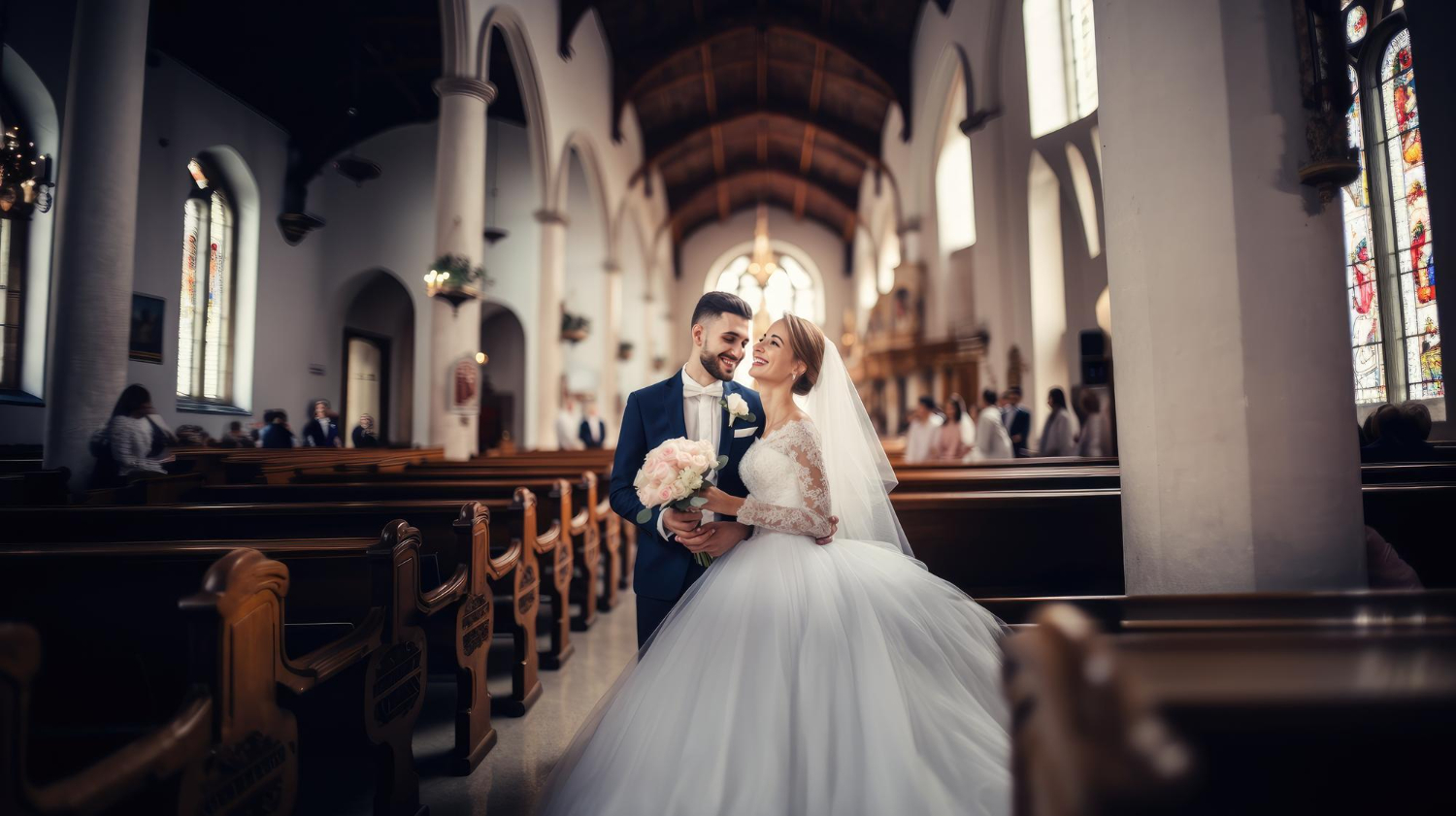
What exactly is a concordat marriage?
The term "concordat marriage" is inextricably linked to Polish tradition and culture. Poland, with its rich Catholic heritage, has a unique marriage system that integrates the sacrament of church matrimony with the legal act of a civil marriage. When we speak of a concordat marriage, we are talking about a ceremony that combines both spirit and law. Many of us have heard this term, but do we truly understand what it means?
History and significance of the concordat marriage in the Polish context
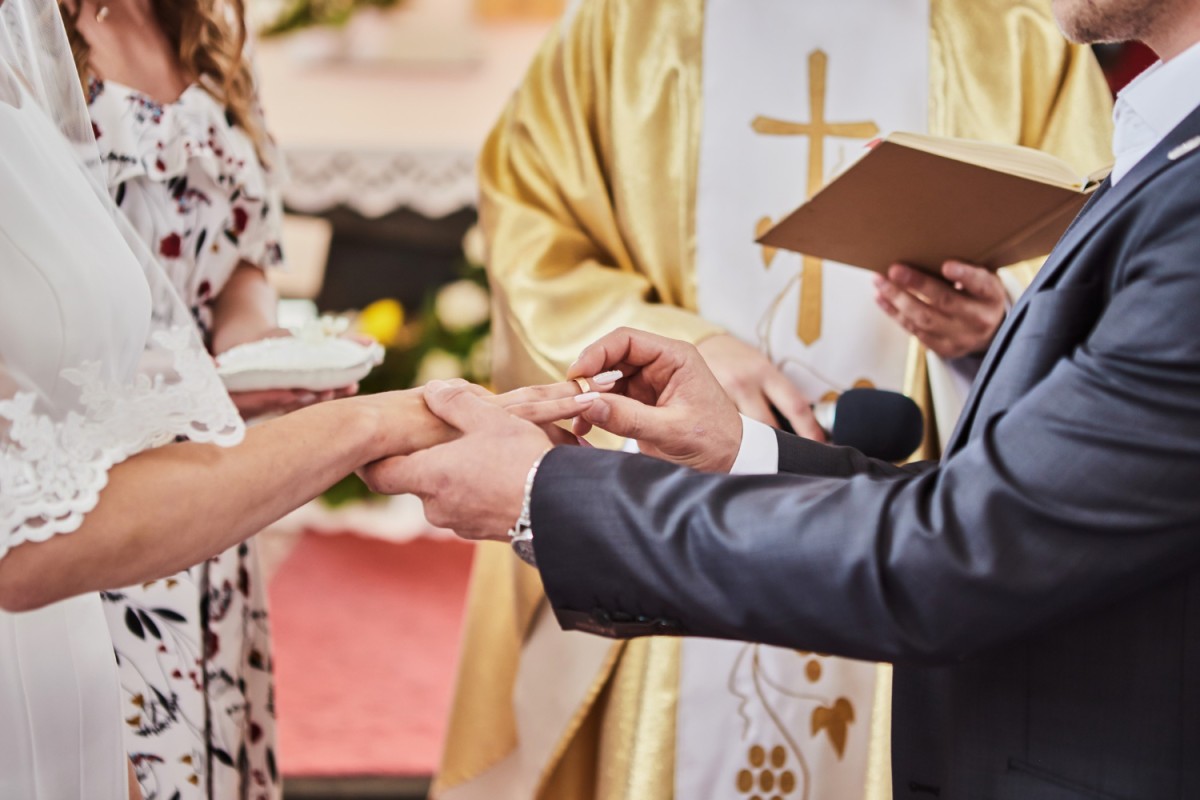
In Poland, unlike in many other countries, a church marriage can simultaneously hold legal validity. This means that a couple choosing a concordat marriage does not have to go through two separate ceremonies – church and civil. Thanks to a special agreement, known as the concordat, concluded between Poland and the Holy See in 1993, Poland recognized marriages contracted in the Church as valid under civil law as well. This allows the bride and groom to marry simultaneously in the eyes of God and the state.
The significance of a concordat marriage in a couple's life
For many couples, the decision to have a concordat marriage is not just a legal choice, but also a deeply rooted spiritual desire. In Poland, where the majority of society identifies with Catholicism, a church wedding is often seen as a natural step in the lives of those in love. It signifies a commitment not only to each other but also to God. Many people believe that a marriage contracted before the altar carries a stronger bond and deeper meaning than a civil marriage.
Key aspects of a concordat marriage
However, a concordat marriage is not solely a spiritual matter. It has specific legal requirements that must be met for the marriage to be valid in the eyes of both the Church and the state. The most important include the necessity of pre-marital counseling, obtaining the appropriate documents, and the presence of witnesses during the ceremony. Furthermore, although a concordat marriage is a religious act, it has specific legal consequences, such as property rights or obligations toward children.
Table of Contents
- What exactly is a concordat marriage?
- The origin of the name "concordat"
- Legal foundations: civil vs. concordat marriage
- Benefits and advantages of choosing a concordat marriage
- Procedures and legal requirements for a concordat marriage
- Preparing for a concordat marriage - a step-by-step guide
- Costs associated with a concordat marriage
- Preparing for a concordat marriage - a step-by-step guide
- Costs associated with a concordat marriage
- Summary
- Opinions on concordat marriage – an important voice in the debate
- Join the discussion!
The origin of the name "concordat"
Before we delve into the deep history of the concordat marriage, it is worth looking at the origin of the name itself. The term derives from the Latin word "concordatum," which means "agreement" or "settlement." A concordat is therefore a formal agreement between a state and the Holy See, representing the Catholic Church. For centuries, concordats have been concluded in various countries, regulating relations between the state and the Church, including matters of church marriage.
Initial relations between Church and State
The history of the concordat marriage in Poland cannot be viewed separately from the pan-European context of state-Church relations. Since the beginnings of Christianity, marriages contracted in the Church were treated as a sacrament. However, in the Middle Ages, when the Church became the dominant force in Europe, its influence on state affairs, including marriage, was significant. In many countries, including Poland, church marriage was the only recognized form of marital union.
The Concordat and marriage in Poland
Poland, with its deeply rooted Catholic heritage, treated church marriages as the primary form of marital union for centuries. However, over time, as state structures developed, the need to regulate state-Church relations arose. It was in this context that people first began to speak of a concordat in Poland. A key moment for the history of the concordat marriage was the conclusion of the concordat between Poland and the Holy See in 1993. This document, the result of long negotiations, recognized marriages contracted in the Church as valid under civil law as well. It is thanks to this agreement that the term "concordat marriage" gained its specific meaning in Poland.
The evolution of the concordat marriage
Although the 1993 concordat provided a formal framework for the concordat marriage, the very idea of combining a church marriage with a civil one has a longer tradition in Poland. Already in the interwar period, there were voices advocating for such a union. The modern concordat marriage is therefore the result of an evolution of social and spiritual thought, as well as specific legal practice. It is a combination of tradition and modernity, spirit and the letter of the law, faith and everyday life.
Knowing the history and origin of the concordat marriage, we can better understand its place in Polish culture and tradition. It is not only a legal act but, above all, a sacrament that reflects Poland's deep spiritual and cultural bond with the Catholic Church.
Legal foundations: civil vs. concordat marriage
Both civil marriage and concordat marriage are recognized by the Polish state as valid legal acts, but they have different foundations and consequences. A civil marriage, contracted at the Registry Office, is based on the provisions of the Civil Code. Its main purpose is to regulate the couple's legal status and protect their rights under state law. In contrast, a concordat marriage is based on the agreement between Poland and the Holy See from 1993, which gives it both sacramental and legal power.
Spiritual and cultural significance
In a cultural and spiritual context, the differences become even more apparent. Civil marriage has no religious connotations and is viewed as a formality. Conversely, concordat marriage is deeply rooted in Poland's Catholic tradition, being not just a legal act but, primarily, a sacrament. For many couples, the decision to have a concordat marriage stems from a desire for the Church's blessing and the recognition of their union in the eyes of God. This marriage combines both spiritual and practical aspects, which is why it holds a special place in the hearts of many Poles.
Requirements and procedures
When it comes to the requirements and procedures associated with both types of marriage, there are some differences. Civil marriage requires meeting specific formal requirements, such as submitting the appropriate documents or the presence of witnesses. In the case of a concordat marriage, the couple must not only meet civil requirements but also those imposed by the Church – e.g., participating in a pre-marital course.
Legal consequences
Although both types of marriage have legal force, their consequences can differ, especially in the context of divorce. In Poland, divorce in the case of a concordat marriage requires not only a court ruling but also an annulment by the Church, which can be a more complicated process. In contrast, a civil marriage can be dissolved solely through court proceedings.
In summary, the choice between a civil and a concordat marriage is an important decision for every couple and depends on their individual beliefs, values, and life situation. Both types of marriage have their unique features and consequences, which are worth considering when planning your big day.
Benefits and advantages of choosing a concordat marriage
Strengthening the spiritual bond
One of the most important aspects of a concordat marriage is its ability to strengthen the spiritual bond between the bride and groom. In Poland, where the majority of society identifies with the Catholic tradition, a church wedding is not just a legal act but, above all, a sacrament. This deep spiritual connection can be an invaluable asset for many couples. By choosing a church wedding, the couple expresses their commitment not only to each other but also to God. The benefits of a concordat marriage in this aspect lie in building stronger spiritual foundations for the future marriage, which can help during difficult times.
Social recognition
Concordat marriage enjoys great prestige and social recognition in Poland. In a country where traditions and family values are deeply rooted, a church wedding is often seen as a "real" wedding. For many families and local communities, this specific type of ceremony is a symbol of full commitment and dedication. Therefore, choosing a concordat marriage can bring the couple not only spiritual but also social benefits, strengthening their position in the community and emphasizing the traditional values they represent.
Practical aspects of a single act
By choosing a concordat marriage, couples have the opportunity to combine the church ceremony with the legal aspects of marriage in a single act. This means they do not have to organize two separate ceremonies – one at the registry office and another at the church. This not only saves time but can also significantly reduce the stress and costs associated with wedding planning. Furthermore, for many couples, one ceremony that combines both spiritual and practical aspects is more cohesive and meaningful.
Tradition and beauty of the church ceremony
One cannot overlook the aesthetic and cultural advantages of a church wedding. Polish churches, with their magnificent architecture and rich history, are the perfect setting for this special occasion. Traditional elements of the ceremony, such as white wedding dresses, the entrance to the church, or the exchange of rings in a sacred setting, add charm and deep meaning to the entire event. For many couples, these traditional elements are an inseparable part of their vision of an ideal wedding, which makes a concordat marriage an exceptionally attractive choice.
Procedures and legal requirements for a concordat marriage
Basic information about concordat marriage
The decision to have a concordat marriage is one of the most important steps in the lives of many couples in Poland. By choosing this type of ceremony, the bride and groom decide to combine a church wedding with a marriage act under state law. But what steps must they take to meet the requirements for a concordat marriage in Poland? And what documents are necessary in this procedure?
Prerequisites
Before proceeding with the specific organization of a concordat marriage, it is worth knowing the basic conditions that must be met. First and foremost, at least one of the fiancés must be Catholic. If one of the fiancés has not been baptized in the Catholic Church, it is possible to obtain special permission from the diocesan bishop.
Furthermore, both parties must present a certificate of completion of a pre-marital course, which confirms their preparation for the sacrament of marriage. This is a church requirement aimed at preparing the couple for married life in light of Catholic doctrine.
Documents and formalities
Once the basic conditions are met, it is time to gather the necessary documents. To contract a concordat marriage, it is necessary to submit:
- Birth certificates of both parties.
- Certificates of single status from the parish where the fiancés were baptized.
- Certificate of completion of a pre-marital course.
- If one of the fiancés is not Catholic, it is necessary to obtain a dispensation from the diocesan bishop.
- If either of the fiancés was previously in a marriage, it is required to present a document stating the annulment of the previous marriage or the death certificate of the former spouse.
Once all documents have been gathered, it is worth submitting them to the chosen parish and the appropriate registry office to set the wedding date and ensure that all requirements for a concordat marriage in Poland have been met.
Organizational issues in the parish
After gathering all the documents, it is worth paying attention to organizational issues. Many parishes have a reservation system, so it is worth booking your dream date early. Furthermore, it is a good idea to discuss the details of the liturgy and other nuances of the ceremony with the priest who will preside over it. An important aspect is also the choice of readings, hymns, and other elements that will make the ceremony unique and unforgettable.
When deciding on a concordat marriage, it is worth remembering that it is not only a religious event but also a legal one. That is why it is so important to prepare carefully for all aspects related to this important day. Obtaining the appropriate documents and fulfilling all formalities will allow for a smooth passage through the entire procedure and full enjoyment of this special day.
Preparing for a concordat marriage - a step-by-step guide
1. Understanding the essence of a concordat marriage
Preparation for a church wedding begins with understanding its essence. A concordat marriage is not just a sacrament in the eyes of the Church, but also an official marital commitment under state law. For many couples in Poland, it is a combination of the spiritual and legal aspects of the union, which adds a special character and meaning to this ceremony.
2. Gathering documents and fulfilling formalities
The next step in the stages of organizing a concordat marriage is gathering the necessary documents. Required items include: birth certificate, certificate of single status from the parish of baptism, certificate of completion of a pre-marital course, and, in the case of a non-Catholic fiancé, a dispensation from the bishop. After gathering all documents, it is worth presenting them at the chosen parish and the appropriate registry office to set the wedding date and ensure all requirements have been met.
3. Organizing the wedding in the parish
Once all legal formalities are settled, it is time to focus on organizing the ceremony itself. Many parishes have pre-set dates, so it is worth booking your dream date as early as possible. It is also good to meet early with the priest who will preside over the ceremony to discuss all details related to it. Choosing readings, hymns, and other liturgical elements is crucial to making this day special.
4. Visual and aesthetic preparations
The last, but not least, stage in preparing for a concordat marriage is paying attention to all visual and aesthetic details. This includes choosing outfits for the bride and groom, church decorations, and planning a photo session. For many couples, it is important that the decor and atmosphere of the day reflect their shared values, thoughts, and how they see their future married life.
When preparing for a concordat marriage, it is worth remembering that it is not only a spiritual but also a practical challenge. It requires commitment, organization, and consideration of many nuances. However, with proper planning and dedication, this special day will become one of the most beautiful memories in the life of any couple.
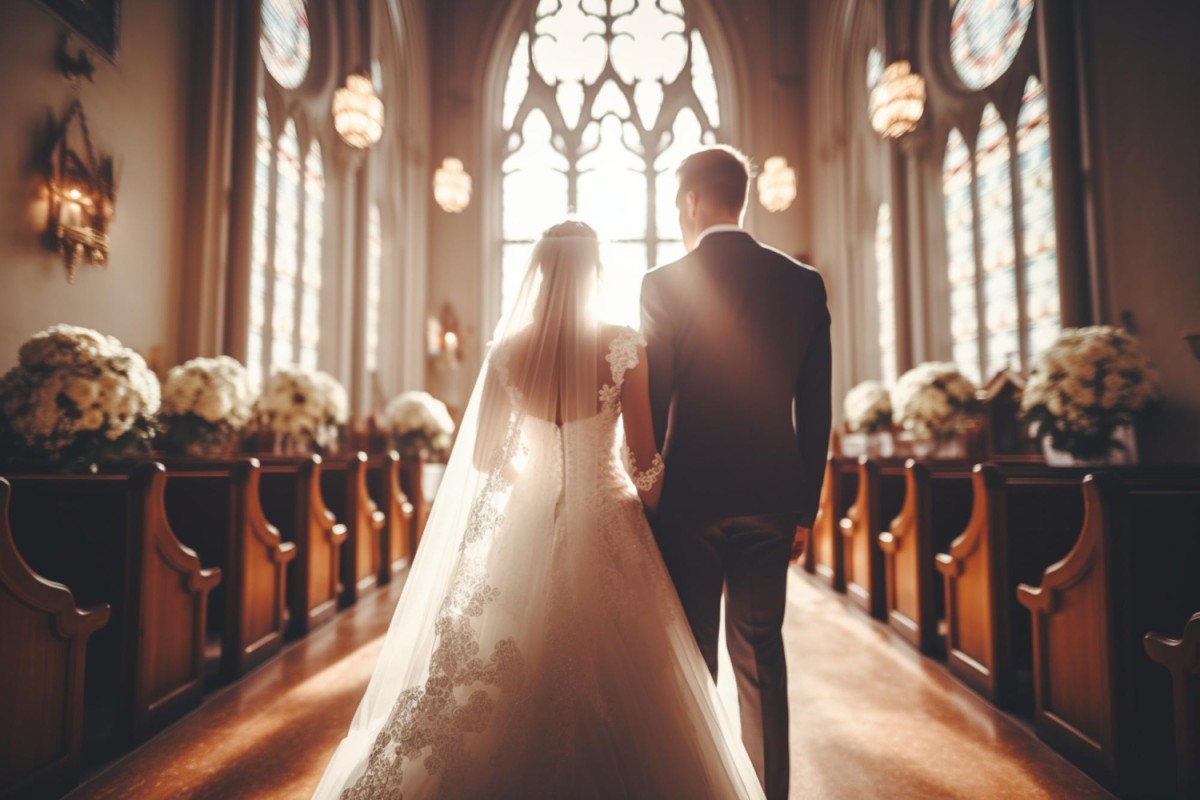
Costs associated with a concordat marriage
1. Church wedding fees - what are they and what are they for?
When wondering how much a concordat marriage costs, it is worth paying attention to church fees. Although the sacrament of marriage in the Catholic Church is administered free of charge, the faithful usually offer a certain sum as a so-called stipend. The amount of this sum is not strictly defined and may vary depending on the parish. Often, this fee serves to cover costs related to church maintenance, the priest's remuneration, and the purchase of necessary liturgical accessories.
2. Costs related to documentation and formalities
When organizing a concordat marriage, one cannot forget about the costs related to gathering the necessary documentation. These fees may include certificates of single status, episcopal dispensations, or even document translations if one of the partners is not a Polish citizen. Additionally, since we are talking about a concordat marriage, which combines a church sacrament with a legal marriage act, there may be fees related to the registry office.
3. Preparations and decorations - aesthetics have a price
Although this is not a cost directly related to the church ceremony, it is worth including expenses for decorations, flowers, or candlesticks. Church decor is an important element of the ceremony, and many fiancés want the place where they receive the sacrament to be beautifully decorated. Depending on the choice of florist, stylist, and the scope of the decorations themselves, these costs can vary significantly.
4. Other expenses - music, photographer, and unforeseen costs
One cannot forget about other aspects that, while not directly related to the church ceremony, are an integral part of the celebration. Hiring an organist, purchasing special musical pieces, or photographer services are other items on the expense list. Furthermore, it is also worth allocating a certain budget for unforeseen costs that may arise during preparations.
When planning a concordat marriage in Poland, it is worth setting a budget in advance and carefully planning expenses. Although the costs associated with such a ceremony can vary, conscious financial planning will allow you to avoid unpleasant surprises and ensure your dream celebration.
Preparing for a concordat marriage - a step-by-step guide
1. Initial steps: choosing the date and church
Preparations for a church wedding usually begin with choosing the right date and church where you want to receive the sacrament of marriage. When choosing a date, it is worth considering potential church holidays and periods when the Church does not administer the sacrament, such as Lent. After setting the date, the second step is choosing a parish. If the fiancés want to get married outside the parish where they are registered, they may need the permission of their parish priest. At this stage, it is also important to establish with the priest the availability of the church on the chosen date and to discuss all details related to the ceremony.
2. Gathering the necessary documentation
The stage of organizing a concordat marriage, which is often perceived as the most tedious, is gathering all the necessary documents. First, the fiancés must obtain a baptismal and confirmation certificate. If one of the partners has not been baptized yet, they must receive the sacrament of baptism before contracting the sacrament of marriage. The next step is obtaining a certificate of single status, which confirms that there are no obstacles to contracting a church marriage. In the case where one of the fiancés was previously married, it may be necessary to obtain an annulment of the church marriage.
3. Spiritual preparation and pre-marital courses
In addition to formal preparations, spiritual preparations are extremely important. Many fiancés decide to attend pre-marital retreats, which aim to deepen their relationship and better understand the sacrament they are about to receive. Pre-marital courses are often a mandatory element of preparation for a church wedding and cover both spiritual and practical aspects of life together. These are meetings led by experienced married couples and priests that help future spouses better understand each other and their shared vocation.
4. Final preparations: church decor, choice of readings and songs
As the wedding date approaches, it is time for the final preparations. Choosing the right church decor, flowers, and candles is an important element that adds character to the celebration. Working with a florist and discussing details with the priest will allow for the creation of the perfect setting for this important moment. Equally important is the choice of readings and songs. This can be an opportunity to include loved ones in the ceremony – through their participation in reading the Holy Scripture or singing. It is also worth establishing with the priest the details regarding the course of the ceremony, such as the moments of entrance, the marriage vows, and the blessing.
Preparations for a concordat marriage require not only organizational commitment but, above all, spiritual commitment. This is an important time for the fiancés, full of reflection, prayer, and preparation for life together in light of Church teaching.
Costs associated with a concordat marriage
1. Fees for using the church and the collection plate offering
The first aspect that comes to mind when we talk about "how much a concordat marriage costs" are the direct fees for using the church. In many parishes, there are set rates for administering the sacrament of marriage. Some of them may be related to specific costs of maintaining the temple, such as heating or lighting. However, it is worth emphasizing that many parishes treat these amounts as collection plate offerings, which are voluntary. It is important, however, that the fiancés are aware of these costs and include them in the wedding budget.
2. Church decor: flowers, candlesticks, carpet, and other elements
Another area of costs are expenses related to church decoration. Church decor can vary depending on individual preferences and the role aesthetics play in wedding planning. Flowers are the most commonly chosen decoration element - they can adorn the altar, guest pews, or the entrance to the church. Besides these, there are also candlesticks, carpets, or decorative fabrics. The prices of these elements can vary depending on suppliers and the region of Poland. Therefore, it is worth consulting with several companies providing decoration services to find an offer that fits your budget and expectations.
3. Musical services: organist, soloists, bands
Music can play a key role in wedding celebrations. Traditionally, the parish organist is responsible for the musical setting during the ceremony. However, many fiancés decide on additional musical services, such as soloists or bands singing traditional wedding songs. The cost of the organist is often included in the church wedding fees, but when it comes to additional musical services, their price will depend on the performer's reputation and the duration of their performance. Remember that music adds a special character to the celebration, so it is worth thinking about its choice.
4. Pre-marital courses and retreats
Although they are often not seen as a large budget item, pre-marital courses and retreats also involve certain costs. Not only the fee for the course itself, but also potential travel or accommodation costs if the retreats take place outside the fiancés' place of residence. It is worth including these costs in your wedding budget planning so as not to be surprised at the last minute.
When planning a concordat marriage, it is worth being aware of all potential costs and including them in your budget. Each element has its value, but it is important to remember above all the deep meaning of this sacrament and what is truly important for the fiancés.
Summary
Many couples wonder, is it worth having a concordat marriage?. The joint decision to get married in church is not only a matter of tradition or faith but also a conscious choice that can bring many benefits. Let's go through the key arguments and benefits that speak for such a decision to help you make this important life choice.
Spiritual and emotional benefits
For many people, the decision to have a church wedding is a decision that has deep spiritual roots. It expresses the desire to unite in a sacramental marriage in the presence of God. Such a wedding is not just a ceremony but, above all, a sacrament that has spiritual power and meaning for the faithful. It is worth considering whether it is important for you as a couple that your union be blessed by the church and recognized in the eyes of God. For many couples, such a blessing provides a sense of greater unity, peace of mind, and support in difficult moments of life.
Tradition and culture
There is no denying that Poland is a country with deep Christian roots. For many families, a church wedding is a tradition passed down from generation to generation. By choosing such a wedding, we honor our ancestors and the culture in which we grew up. By contracting a concordat marriage, the young couple becomes part of this long and rich tradition. It is also an opportunity to spend an important moment of life surrounded by loved ones, in a temple that has often witnessed many important moments in the family's life.
Legal and social aspects
Although one often thinks of a church wedding in spiritual and traditional terms, one cannot forget its practical aspects. A concordat marriage in Poland simultaneously has civil power, which means that you do not need to contract a separate civil marriage. This simplifies many legal and organizational issues. Furthermore, for many people in our society, a church wedding is recognized as a "full" wedding, which can influence how your union is perceived by the community.
The decision is yours
Ultimately, the decision of whether it is worth having a concordat marriage belongs solely to you. Every couple is different and has their own reasons for choosing a church or civil wedding. However, it is worth thinking through all the above arguments and considering which values are most important to you. Remember that the decision to marry is a lifelong decision, so it is worth it to be conscious and well-thought-out. If there is room in your hearts for God, tradition, and culture, a concordat marriage may be the perfect choice for you.
Opinions on concordat marriage – an important voice in the debate
When we start planning a wedding, it is worth drawing knowledge not only from guides but, above all, from the experiences of other couples. The choice between a civil and a concordat marriage is often one of the most important aspects of preparations for many. Opinions on concordat marriage can prove to be an invaluable source of information that will help you make the best decision for yourself.
Why is it worth sharing your experience?
Every couple that has gone through the process of preparing for a church wedding possesses a wealth of unique experiences, thoughts, and tips. Experiences of couples after a concordat marriage are a real treasure trove of knowledge. Sharing them allows other future newlyweds to avoid certain mistakes, find inspiration, and gain confidence in their choices.
Your experience is valuable
There is no single universal recipe for an ideal wedding or ceremony. That is why opinions and advice from those who have already "been through it" are invaluable. Your story, your choices, and above all your feelings and thoughts on the subject of concordat marriage can be an inspiration for many other couples.
Join the discussion!
We encourage you to share your thoughts on the subject of concordat marriage. What were your biggest challenges? What would you have done differently, and what turned out to be a bullseye? Every comment is valuable and will certainly help future spouses in making their decisions.
If you are interested in further exploring wedding topics, we recommend a few articles from our blog that may interest you:
- Traditional wedding games and activities
- Should you invite parents to the wedding?
- How to organize a church wedding in Rome?
- How to engage guests in the wedding and reception?
- What gifts for guests?
- In what order to invite to the wedding?
- What is an ecumenical wedding?
We want our blog to be a place for the exchange of experiences and thoughts. Thank you for every comment provided and we wish you good luck in further preparations for your wedding!
FAQ concordat marriage: Most important information
1. How does a concordat marriage differ from a civil one?
A concordat marriage is a sacrament administered by a clergyman in a church, which simultaneously has civil power. This means that a couple who has a concordat marriage is recognized as married in the eyes of both church and state law. In contrast, a civil marriage is a legal act contracted before a registry office official, which has no religious character.
2. What documents are needed to contract a concordat marriage?
To contract a concordat marriage, the fiancés must present, among others: baptismal certificates with a notation about not having contracted a marriage, a certificate of completion of a pre-marital course, a confirmation certificate, and, in the case of widows and widowers, the death certificate of the previous spouse. Additionally, if one of the fiancés is not of the Catholic faith, special permission from the bishop may be required.
3. How long before the planned date should we start preparations?
It is recommended to start preparations for a concordat marriage at least a year before the planned date. This gives enough time to gather all the necessary documents, complete the pre-marital course, and resolve any potential legal or canonical issues.
4. Is a concordat marriage valid abroad?
Yes, a concordat marriage contracted in Poland is recognized as valid in many countries around the world thanks to special agreements between the state and the Catholic Church. However, in some countries, an additional certificate or oath may be required, so it is worth consulting with the consulate of the given country before planning your life abroad.

Szymon Jędrzejczak
Wedding industry expert and stationery designer at Amelia-Wedding.pl. For years, she has been helping couples create unforgettable moments by combining tradition with modern design.