Should You Invite Your Parents to the Wedding?
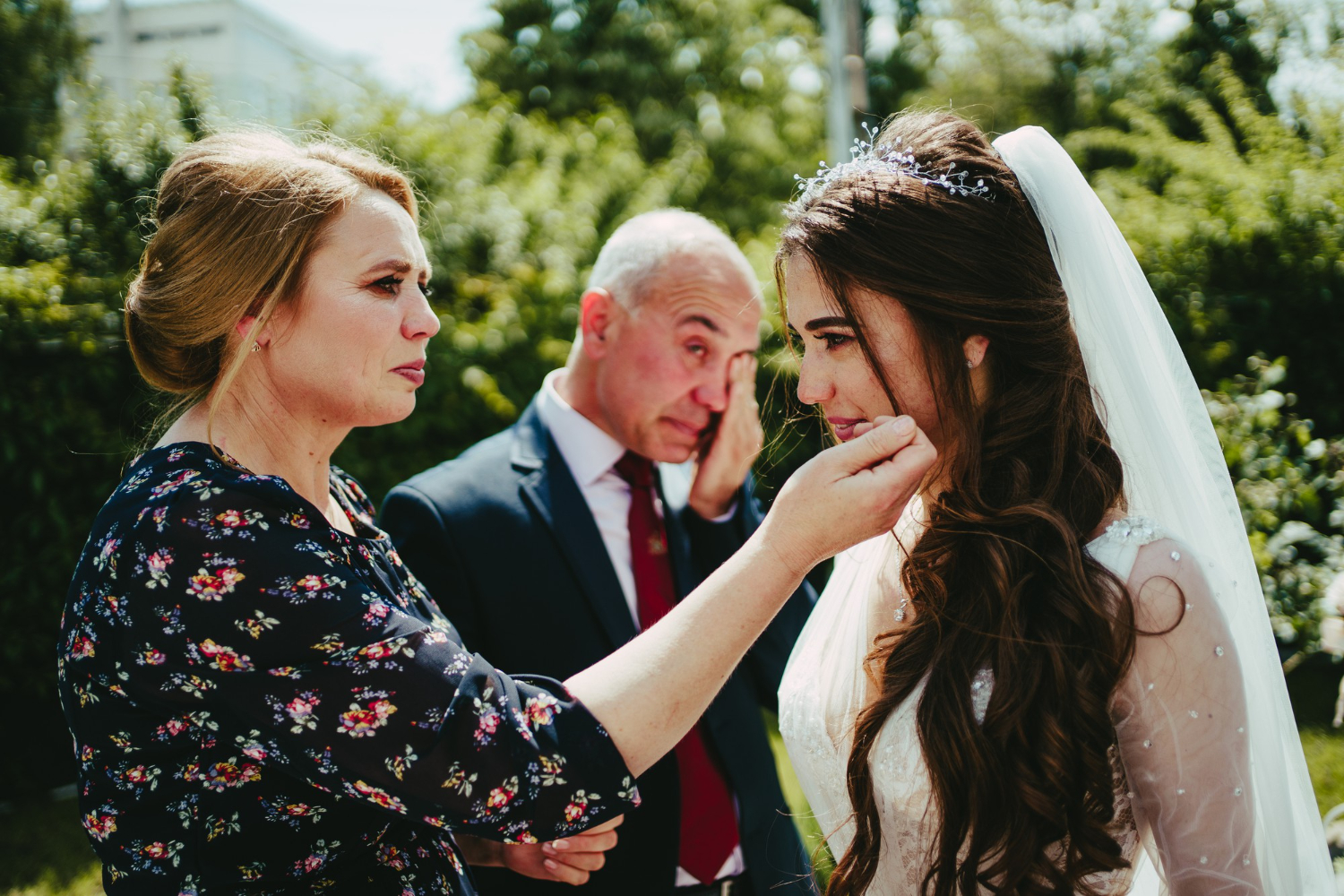
Table of Contents
- Wedding traditions and the role of parents in the ceremony
- History and tradition of inviting parents
- Benefits of inviting parents to the wedding
- Potential complications related to parents' presence
- When should you consider not inviting your parents?
- Alternative ways to honor parents during the ceremony
- Advice for couples considering this decision
- The importance of family in the context of weddings: Individual choice in modern times
Wedding traditions and the role of parents in the ceremony
Wedding traditions have played a key role in culture and social life for centuries. One of the most fundamental elements of this tradition is the presence of family, and in particular, the role of parents during the wedding ceremony. But where did this tradition come from, and why is it so significant?
The roots of wedding traditions
Before we consider the specific role of parents, it is worth understanding where wedding traditions came from in the first place. In the past, marriage was not just an act of love between two people. It was a contract that united not just two individuals, but entire clans or families. In many cultures, including Poland, the wedding primarily served a social function. Parents were often the ones who chose partners for their children, based primarily on family benefits, such as alliances, wealth, or social status.
The role of parents in traditional weddings
If we look at old Polish wedding traditions, we will see that parents played a key role. They were witnesses, guardians, and often decision-makers. Their blessing was essential for the marriage to take place, and their presence during the ceremony was considered a sign of acceptance and support for the young couple.
Modern weddings in Poland still draw from these traditions. The role of parents is deeply rooted in our culture, even if some of these customs have evolved or been forgotten. Today, the parents' blessing may not be as formal as it once was, but for many couples, it still holds great significance.
The evolution of wedding traditions
Modern Poland is a multicultural and multidimensional country. Wedding traditions, like many other aspects of our culture, have undergone a transformation. Although we still attach great importance to the role of parents, many couples choose a more individual approach to planning their big day. Modern weddings often combine traditional elements with modern touches, reflecting both respect for the past and a desire to create their own unique memories.
The importance of family in the wedding ceremony
The importance of family in everyone's life cannot be overstated. They are the ones who shape us, support us, and stand by our side during important moments in life. A wedding is one of those moments. The presence of parents at a wedding is not just a tradition, but also an expression of love, respect, and gratitude.
When we think about a wedding, we often imagine a white dress, flowers, music, and of course, loved ones around. For many people, inviting parents to the wedding is a given, but it is worth understanding the deeper meaning of this decision. It is not just about tradition. It is also about the relationships we have built throughout our lives.
Final thoughts
When considering the topic of wedding traditions and the role of parents in the ceremony, it is important to remember that every wedding is different. There is no single answer to the question of whether to invite parents to the wedding. However, it is important to understand the roots of tradition and the importance of family on this special day. One thing is certain: regardless of the decision you make, your ceremony will be one of a kind, and the memories of this day will stay with you forever.
History and tradition of inviting parents
In the context of the wedding ceremony, the history of wedding traditions in Poland is deeply rooted in our culture and identity. Inviting parents to the wedding is not just a matter of formality, but a deeply embedded practice that reflects family values and bonds. By exploring the history and tradition of this custom, we will understand how the role of family in culture has evolved and why the presence of parents at the wedding is so essential.
Old Polish wedding traditions
In the days of our ancestors, a wedding was not seen only as a union of two people in love. It was a social contract that aimed to unite not only two people but also two families. In many cases, it was the parents at the wedding who decided the fate of the young couple, negotiating dowries, assets, and the future of their children.
In the Middle Ages, parents were often the ones who set the terms of the marriage. These were not decisions based solely on feelings, but also on practical aspects, such as securing assets or raising the family's social status.
Parents' blessing
One of the most symbolic moments in old Polish wedding ceremonies was the parents' blessing. It was a moment when parents expressed their approval and support for their child's choice of partner. Without this blessing, the marriage often lacked legal or social recognition.
Such a blessing was not only a symbolic gesture but also an important ritual that emphasized the role of family in culture. Modern versions of this ritual still take place in many Polish wedding ceremonies, although they are more symbolic than practical.
Parents as guardians of tradition
In Polish tradition, parents played the role of guardians of tradition and passed on knowledge about customs, values, and culture to younger generations. The presence of parents at the wedding therefore also had an educational significance. By participating in the ceremony, parents passed on traditions and family values, teaching the young couple what their responsibilities and social expectations were.
Evolution of the parents' role
Over time, the role of parents in planning and executing weddings began to change. Modern Poland, under the influence of globalization and changing social norms, has become more open to individual choices and decisions of young couples. However, even in this modern reality, the presence of parents at the wedding is still an important element, reflecting deep family bonds and tradition.
Modern couples often opt for more personal and individual ceremonies, but many of them still value and respect the traditions in which their parents and grandparents were raised. Inviting parents to the wedding is therefore not just a matter of tradition, but also an expression of respect for the past and cultural heritage.
Continuing tradition in the modern world
Although many wedding traditions have evolved or been adapted to modern times, the deeply rooted role of family in culture still plays a key role in the lives of many Poles. Modern couples, when planning their wedding, often wonder how to combine traditional elements with a modern approach to create a ceremony that reflects their individual values while respecting their families' traditions.
Conclusions
Understanding the history of wedding traditions and the importance of parents at the wedding allows for a deeper appreciation of the role they play on this important day. Although modern times have brought many changes in how we perceive and practice weddings, family bonds and traditions still hold key significance for many of us. After all, a wedding is not just a ceremony, but also an opportunity to celebrate love, family, and cultural heritage.
Benefits of inviting parents to the wedding
When considering who to invite to the wedding, many couples face the dilemma of whether to invite their parents. Although it seems obvious, it is not an easy decision for everyone. However, inviting parents to this important day brings many benefits that are worth considering. The main advantages of such a choice include emotional support, the parents' wedding experience, and their role as an intergenerational bridge.
Emotional support on an important day
For many couples, a wedding is not just an important event, but also a source of stress. Organizing the ceremony, making decisions, or wanting everything to go perfectly can be overwhelming. In such moments, the presence of loved ones who love and understand us is invaluable.
Parents generally offer emotional support, which is extremely needed on the wedding day. Their life experience, advice, and words of comfort can help calm nerves and boost confidence.
Wedding experience and practical advice
There is no doubt that many parents have already gone through the process of organizing their own wedding. Although times change, many aspects remain the same. The opportunity to benefit from the parents' wedding experience is another important advantage.
They can offer practical advice regarding the choice of vendors, deal with unexpected challenges, or share their knowledge about wedding etiquette. Working with parents can be extremely valuable, especially for couples who are organizing such a large event for the first time.
Intergenerational bridge
When we think about a wedding, we often focus on the present and the future. However, it is also important to understand what traditions and values are passed down by previous generations. Parents play a key role here, acting as an intergenerational bridge.
Thanks to their presence at the wedding, young couples have the opportunity to combine family traditions with their own ideas and vision for this special day. Parents can also help in understanding certain wedding traditions that are important to the family, which the young couple might want to incorporate into their celebration.
Building family bonds
Inviting parents to the wedding is not just a tradition, but also an opportunity to strengthen family bonds. For many parents, being present at their child's wedding is one of the most important days of their lives. It is a time full of emotions, memories, and joy.
Inviting parents gives them the opportunity to participate in one of the most important moments in their child's life. It is also an opportunity for the young couple to show gratitude and respect for those who raised, supported, and loved them throughout their lives.
Understanding and acceptance
Although generational differences can lead to tension, the presence of parents at the wedding can help in understanding and accepting certain choices. It is often an opportunity for conversation, exchange of views, and understanding where certain traditions and values come from.
Thanks to this, young couples can better understand their roots and family traditions that they want to pass on. Working together on wedding planning can also be an opportunity to strengthen bonds and better understand each other.
Emphasizing the importance of family
In Polish culture, family plays a key role. Inviting parents to the wedding is an expression of recognition for this important institution and for what it represents. It is also a reminder to everyone present about the importance of family in each of our lives.
Although modern weddings are often more individual and tailored to the needs of the young couple, the presence of parents serves as a reminder of the tradition, heritage, and values that are important to many Poles.
Bringing a unique atmosphere
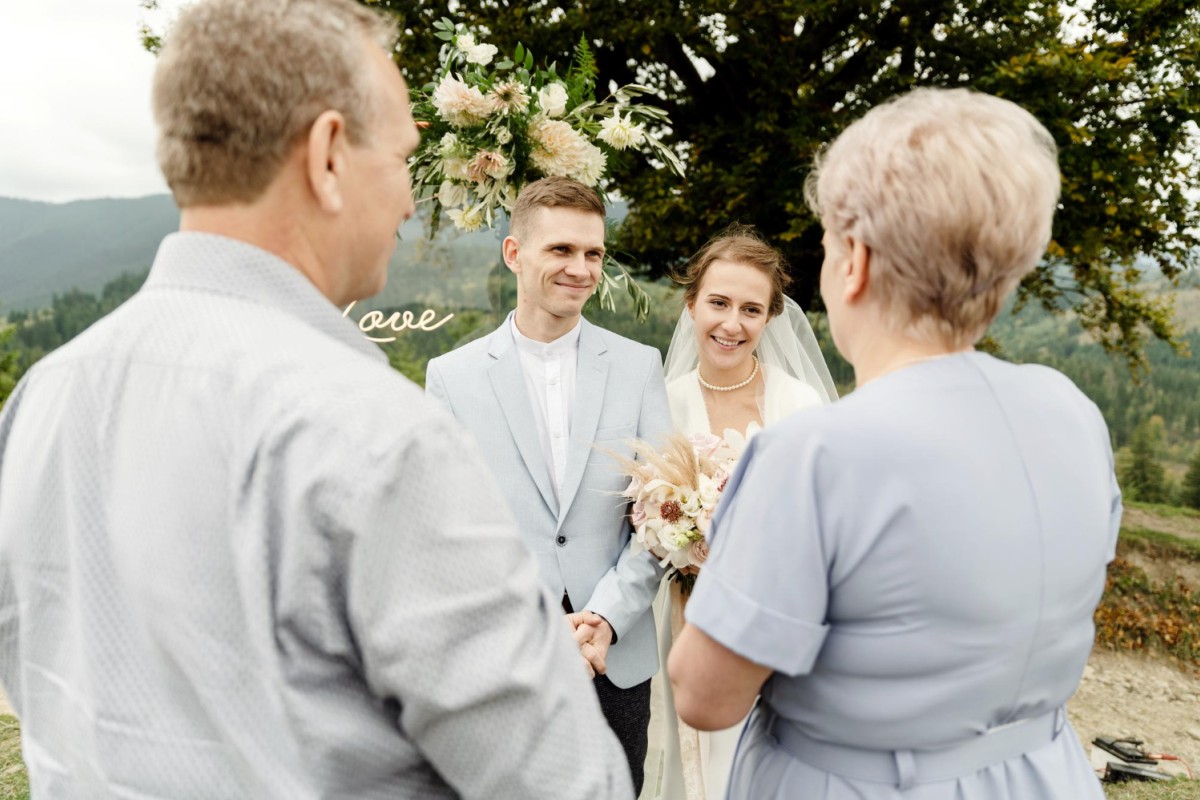
One cannot forget about the unique atmosphere that the presence of parents at a wedding brings. Their emotions, memories, and joy on the occasion of their child's wedding contribute to creating unforgettable moments and memories for everyone present.
Inviting parents to the wedding is not just a tradition, but also a choice full of love, respect, and appreciation for those who played a key role in our lives.
Potential complications related to parents' presence
A wedding is a special moment in every couple's life. However, although the presence of parents can bring many benefits, it does not always go hand in hand with harmony. Sometimes it complicates the situation and presents the young couple with a series of challenges. It is worth considering the potential complications that may arise, such as family conflicts, generational differences, or pressure of tradition.
Family conflicts at the forefront
It is no secret that every family has its tensions. It is often the case that certain problems or disputes are hidden on a daily basis, but during important events such as a wedding, they can come to the surface.
Some families have deeply rooted family conflicts, which can be the result of various situations: long-standing misunderstandings, unresolved issues, or past hurts. The presence of parents, as well as other family members, can make these conflicts more visible and affect the atmosphere of this important day.
Generational differences – when worlds collide
Generations differ from each other not only in age but also in experience, upbringing, and outlook on the world. Generational differences can be a source of misunderstanding, especially in the context of organizing and conducting a wedding.
For many older family members, a traditional approach to a wedding is the only right one. It may be difficult for them to accept when a young couple decides on a more modern approach to the ceremony. Choosing a non-traditional wedding dress, opting out of a church ceremony, or an unconventional form of reception – all this can become a source of tension resulting from generational differences.
Pressure of tradition – is it always worth giving in?
Traditions are an important element of culture and play a key role in the lives of many people. However, a wedding is a special moment that should reflect the individual needs and desires of the young couple. Unfortunately, sometimes the pressure of tradition can become a source of stress.
Parents, meaning well, often pressure the young couple to follow traditions and organize the wedding in a certain way. This may concern the choice of the ceremony venue, the schedule of the day, or even the guest list. Such pressure can lead to conflicts and a feeling that it is not the young couple's wedding, but the fulfillment of family expectations.
Misunderstandings regarding finances
Often, parents decide to financially support the young couple in organizing the wedding. Although such help is invaluable, it can also become a source of misunderstanding. It may happen that parents, by investing in the wedding, will want to have more influence on its organization, which can lead to conflicts.
Emotions take over
A wedding is an extremely emotional time for everyone involved. Many people have an idea of what this day should look like. Unfortunately, when expectations do not align with reality, emotions can reach their peak. Disappointment, anger, sadness – these are just some of the emotions that can appear in the context of the parents' presence.
Conclusions
Although the presence of parents at a wedding brings many benefits, it is also worth considering potential complications. The key is communication, understanding, and respect for all parties involved. Every couple should remember that the wedding is their day and they have the right to celebrate it in a way that is most appropriate for them.
When should you consider not inviting your parents?
Every wedding is different and unique, just like the love story that leads to this day. A wedding is a moment that is often the culmination of a long journey, full of challenges, joys, and trials. Therefore, for many couples, it is a moment when they want to feel surrounded by love, support, and positive energy. However, not all family relationships foster such feelings. There are situations where it is worth considering whether it is really worth inviting parents to the wedding. Key factors in this matter include mental health, toxic relationships, and the individual needs of the young couple.
Mental health comes first
Modern society increasingly appreciates the importance of taking care of mental health. It is an important aspect of our lives that affects our well-being, relationships with other people, and quality of life. If the relationship with parents is a source of constant stress, tension, and sometimes even trauma, it is worth considering whether their presence at the wedding will be beneficial for the mental health of the young couple.
Key question: Will we, as a young couple, feel comfortable and calm knowing that our parents are present during our wedding?
Toxic relationships – when is it worth saying stop?
Not every family relationship is positive. Unfortunately, many families have toxic relationships that are based on manipulation, criticism, lack of support, or even violence. If the young couple realizes that their relationship with their parents is toxic, it is worth considering whether their presence will bring benefits or rather complications.
Key question: Are our relationships with our parents a source of positive energy, or do they bring us more pain and suffering?
Individual needs of the young couple
Every young couple is different and has their own unique needs and expectations. Therefore, the decision of who to invite to the wedding should be the result of deep reflection and analysis of these needs. If the couple feels that the presence of parents will be a source of tension, stress, or conflict, it is worth considering the possibility of not inviting them.
Key question: Are our parents a source of support for us, or do they complicate our lives?
Social pressure vs. the well-being of the young couple
In many cultures, including the Polish one, there is strong social pressure to invite parents to the wedding. However, it is worth remembering that this decision should be based primarily on what is best for the young couple. If the couple feels that the presence of parents will be a source of stress for them, it is worth considering whether it is worth giving in to this pressure.
Conversation is key
If the young couple is wondering whether to invite their parents, it is worth having an open and honest conversation with them. Perhaps it will be possible to clear up misunderstandings, or perhaps it will turn out that the best solution is not to invite them. It is important to make a decision that will serve the good of the young couple and ensure them a calm and joyful experience of this important day.
Alternative ways to honor parents during the ceremony
Parents play a huge role in everyone's life, regardless of whether it is a positive relationship or one full of challenges. Many couples decide to honor their presence and contribution to their lives during the wedding ceremony, even if for various reasons they are not physically present. Thanks to modern solutions and creativity, there are many symbolic gestures, videos, and dedications that can be used to honor parents on this important day.
Symbolic gestures – strength in subtlety
1. Memorial candle: Many couples decide to light a candle during the ceremony in tribute to those who have passed away or for various reasons cannot be present. This is a simple but deeply emotional gesture that allows honoring loved ones.
2. Empty seat: Leaving an empty seat in the front row with a rose or another symbol can be a powerful reminder of the presence of those who are missing.
3. Special jewelry: Wearing an item that belonged to a parent or is associated with them can be a subtle but powerful gesture.
Video – memories that live on
1. Photographic memories: A multimedia presentation containing photos and memories with parents can be a moving element of the wedding reception. It can be a short presentation that reflects shared moments and time spent together.
2. Video messages: If parents cannot be present for health or other reasons, recording a video message from them to be played during the ceremony can be a touching addition.
Dedications – words that have power
1. Dedication in the wedding program: You can include a special dedication to your parents in the wedding program, thanking them for their love, support, and upbringing.
2. Toast to the parents: During the wedding reception, it is worth raising a toast to the parents, emphasizing their importance in the life of the young couple.
3. Musical pieces: Choosing a special song that has meaning for the relationship with the parents and playing it during the ceremony or at the reception can be a beautiful tribute.
Other creative ideas
1. Wish tree: Guests can leave wishes for the young couple and their parents on a specially prepared wish tree. It is a wonderful keepsake for years to come.
2. Guest book with a dedication: Instead of a traditional guest book, you can prepare a special book with a dedication to the parents, where guests will be able to share memories and wishes.
3. Symbolic ritual: Creating a unique ritual, such as pouring sand into one vessel, can symbolize the union of families and honor the parents.
Ultimately, it is important to find a way that will best suit the individual needs and feelings of the young couple. Regardless of the choice, remembering and honoring parents on this special day can add depth and meaning to the entire ceremony.
Advice for couples considering this decision
When the big day is approaching and you are getting ready to make a decision about who to invite to the wedding, the choice can be difficult, especially when it comes to family. The decision to invite or not invite parents to the wedding is not just a matter of tradition and etiquette, but also of emotions, relationships, and practicality. That is why we have prepared some advice for couples who are considering this extremely important decision. Through communication in the relationship, family mediation, and listening to your heart, you can make a decision that will be most appropriate for your situation.
1. Communication in the relationship – key to understanding
Talk to your partner: This is step number one. An open and honest conversation with your partner about your feelings and concerns regarding inviting parents will help you both better understand each other's positions. Together, you can make a decision that will be best for your relationship.
Understanding your emotions: Recognizing your own feelings on this matter is crucial. Think about why you feel the way you do about inviting your parents. It may be related to the past, current family relationships, or concerns about the future.
2. Family mediation – support in difficult times
Consultations with a family mediator: If you are afraid of conflicts or tensions related to this decision, consider seeking help from a family mediator. This person will help you conduct a constructive conversation and find a compromise.
Recognizing the roots of the conflict: Often, family conflicts have a deeper source than it seems at first glance. Understanding the causes of tension can help in making the right decision.
3. Listening to your heart – intuition as a guide
Your feelings matter: Although logical arguments and advice from loved ones are important, ultimately your feelings are the most important. If something tells you that you should make a certain decision, it is worth listening to your inner voice.
Do not give in to outside pressure: Although family, friends, and social expectations may exert some pressure, remember that it is your day and you should feel comfortable with the decisions made.
4. Practical steps to take
Create a list of pros and cons: Writing down all the arguments for and against inviting parents can help visualize the situation and approach it more objectively.
Consider alternative solutions: As we mentioned earlier, there are various ways to honor parents during the ceremony, even if they are not physically present. Think about them.
Consult with professionals: Wedding planners, psychologists, or clergy can offer valuable tips and advice on this matter.
In summary, the decision of whether to invite parents to the wedding is very individual and depends on many factors. Mutual communication, support in the form of family mediation, and listening to your heart are key steps on the way to making the best decision. Remember that it is your day and it should reflect your feelings and values.
The importance of family in the context of weddings: Individual choice in modern times
In today's world, weddings are becoming increasingly individual, reflecting the uniqueness of the young couple and their story. But does the importance of family still have a place in modern wedding ceremonies? How does individual choice affect how a wedding is perceived and celebrated? How does the modern approach to weddings affect our culture and traditions? In this article, we will try to answer these questions, paying attention to current trends in the wedding industry in Poland.
Family as a key element of the wedding ceremony
It cannot be denied that family plays a key role in wedding ceremonies. From traditional roles, such as bridesmaid or witness, to more symbolic moments, such as handing flowers to mothers or a father's blessing. However, in today's times, many couples choose a non-standard approach, integrating traditions with modern touches that reflect their individual stories.
Individuality within tradition
Modern couples often look for ways to add their own character to their celebration. This may include choosing an unusual location, such as the beach or mountains, or adding personal thoughts to the wedding vows. Individuality in weddings, however, does not mean abandoning family. In fact, many couples choose to deeply involve their families, creating new traditions that can be passed down through generations.
Modern approach to weddings
With the advent of social media and the growing popularity of personalization in every aspect of life, weddings are also evolving. A modern approach to weddings often focuses on creating unique experiences for the young couple and their guests. Whether that means a themed wedding ceremony, eclectic decorations, or a unique menu, modern weddings in Poland are a celebration of individuality.
Conclusions
Although a modern approach to weddings may seem different from traditional celebrations, the importance of family still remains at the center of attention. Through a combination of tradition and individual choice, young couples are able to honor their family and culture while expressing their uniqueness.
If you want to learn more about how modern trends in the wedding industry affect the traditional celebration of this important day, we recommend reading some of our other articles, which will perfectly complement this topic:
- Is marriage a relic of the past?
- What do wedding banns look like?
- Wedding menu: How to surprise guests with unusual dishes
- Honeymoon trips in Poland: The most beautiful places for a honeymoon in the country
- Humanist wedding: a modern alternative to a traditional wedding ...and many others! We invite you to read and discover new inspirations on our blog.

Szymon Jędrzejczak
Wedding industry expert and stationery designer at Amelia-Wedding.pl. For years, she has been helping couples create unforgettable moments by combining tradition with modern design.