What is an Ecumenical Wedding?
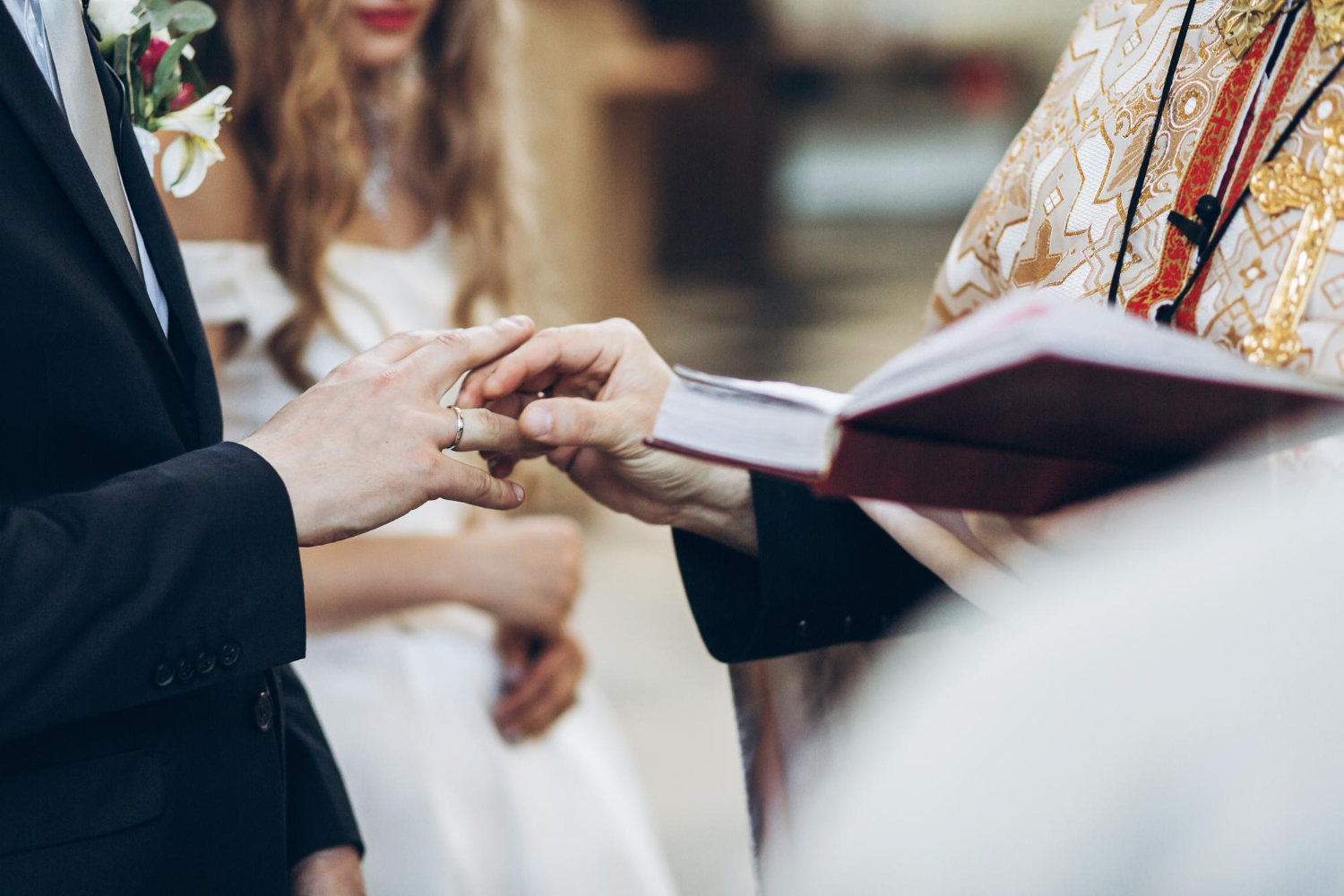
Table of Contents
- Modern wedding traditions – a reflection on the changing face of ceremonies
- What is an ecumenical wedding? A deep understanding of the concept
- The history of ecumenism - roots of the movement in Christianity
- Advantages of an ecumenical wedding - why is it worth choosing this path?
- Traditions and rituals of an ecumenical wedding - combining diversity in one act of love
- Preparing for an ecumenical wedding - a journey full of challenges and beautiful moments
- Deciding on an ecumenical wedding: What you need to know
- Experiences from an ecumenical wedding - why share them?
- Frequently asked questions about ecumenical weddings
Modern wedding traditions – a reflection on the changing face of ceremonies
Weddings are a universal celebration, but the way we celebrate them changes depending on culture, era, and the individual choices of the bride and groom. In Poland, where tradition is deeply rooted in culture and history, a modern approach to wedding ceremonies is becoming increasingly popular, leading to a fascinating blend of the old and the new.
The evolution of wedding traditions in Poland
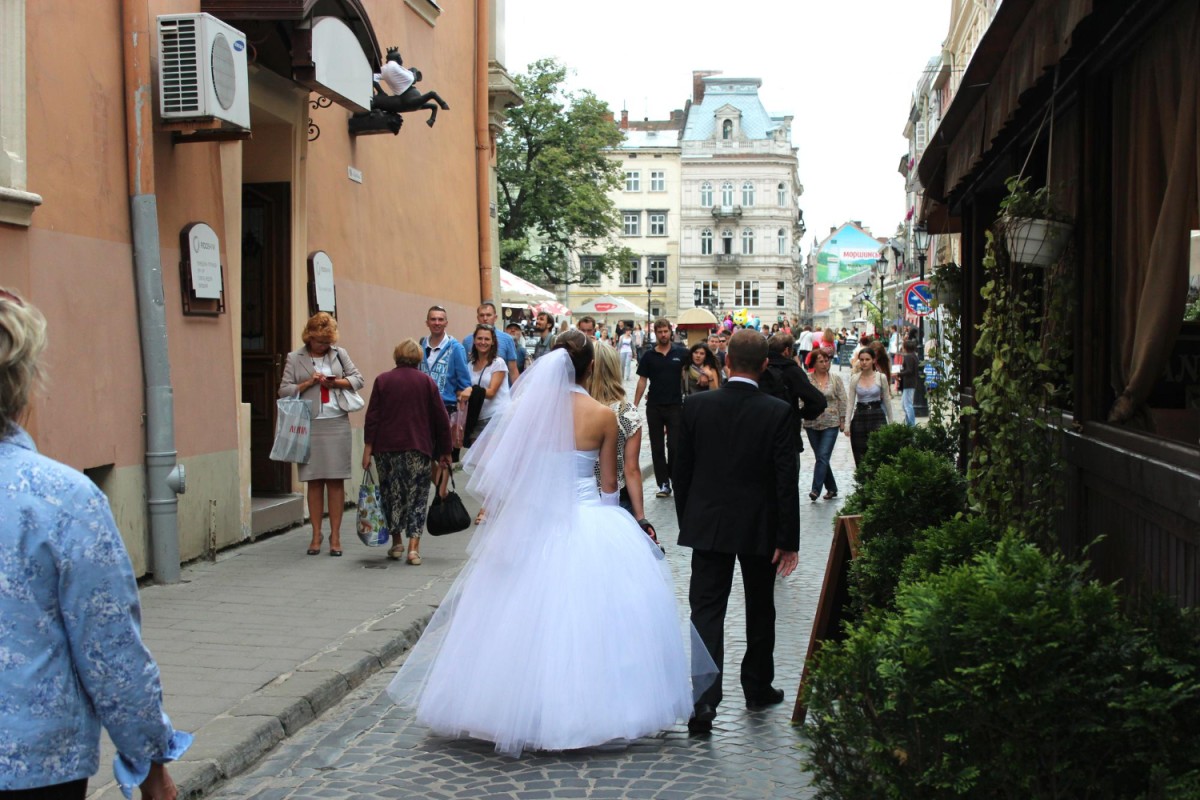
A traditional Polish wedding is usually a Catholic ceremony in a church, preceded by an engagement and adorned with many rituals, such as the bride's welcome or cutting the wedding cake together. However, as time goes by, many couples are opting for outdoor weddings, individual photo sessions, and more personalized details, such as custom wedding rings or original decorations.
One of the most important factors in this evolution is globalization. Thanks to access to the internet and social media, couples have the opportunity to draw inspiration from different cultures and trends from around the world. Although many traditional elements remain, modern wedding traditions are often a combination of multiple cultures and styles.
The importance of personalization in modern wedding ceremonies
One of the most distinct trends in modern weddings is the drive for individualization. Couples want their wedding to be unique and reflect their personality. This means that traditional elements, such as white wedding dresses or classic invitations, can be replaced with more innovative solutions. The final effect depends on the creativity and vision of the couple, which makes every ceremony unique.
Personalization also manifests in the choice of venue, decorations, and even the wedding menu. Many couples choose themed weddings, such as rustic, boho, or vintage. Using technology, such as drones for filming or wedding planning apps, adds a modern touch to the ceremony.
Changing the role of tradition in the context of a modern wedding
Although modernity and personalization play a key role in today's weddings, this does not mean the end of tradition. In fact, many couples consciously choose traditional elements that have personal meaning to them, combining them with modern accents. It is important to remember that traditions have their roots and significance, which remain important to many people.
It is not about abandoning tradition, but rather reinterpreting it in a modern context. That is why it is so important for couples to be aware of the traditions and the meanings behind them, while also having the courage to create their own unique wedding stories that will reflect their values and passions.
What is an ecumenical wedding? A deep understanding of the concept
In a world where cultural and religious diversity is becoming increasingly visible, the ecumenical wedding is gaining importance. It is a concept that may be unclear to many, especially in the context of Poland, where the Catholic wedding tradition is so strong. But as societies become more diverse and connected, more couples are choosing this form of marriage. But what is an ecumenical wedding and what are its roots?
The origins of the ecumenical idea
Ecumenism, in its simplest sense, refers to the movement seeking to unite different Christian denominations. It is a pursuit of unity and understanding between different Christian traditions, not necessarily a unification of doctrines. Ecumenism was born out of a desire to overcome the divisions and differences that have separated Christians for centuries. From this movement emerged the idea of an ecumenical wedding, which is an expression of unity and mutual respect between partners from different Christian traditions.
In Poland, where the majority of the population identifies with Catholicism, the concept of an ecumenical wedding may seem foreign. However, as society becomes more globalized and diverse, more couples from different denominations are choosing to join in marriage, looking for a way to combine their traditions in a single wedding act.
An ecumenical wedding in practice
An ecumenical wedding is becoming increasingly popular in societies that are witnessing a changing religious and cultural landscape. In the context of Poland, where traditional Catholic ceremonies have deep roots, this concept may seem innovative. However, the growing number of couples who cross denominational boundaries in search of a spirit of unity draws attention to how an ecumenical wedding can serve as a bridge connecting diverse traditions.
When we talk about an ecumenical wedding, we most often think of a Catholic and a Protestant deciding to live together. But in reality, this is just one of many possible scenarios. It can also be an Orthodox and a Lutheran, a Baptist and a Methodist, or even different branches of Catholicism. The key is the pursuit of a deeper understanding and respect for the traditions of each side.
In practice, an ecumenical ceremony requires careful planning. Preparations for such a wedding often begin with a series of meetings with clergy from both traditions. This allows you to understand exactly which aspects of each ceremony are essential and which can be adapted so that both sides feel comfortable and respected.
One of the key challenges is finding a common liturgical language. This means choosing readings, hymns, prayers, and rites that reflect the spirit of ecumenism. For example, a hymn chosen from a Catholic hymnal can be combined with a prayer from the Protestant tradition. This often requires creative thinking and a willingness to compromise on the part of both partners.
Another important aspect is the physical space where the ceremony takes place. Should it be a Catholic church, a Protestant temple, or perhaps a neutral venue? Choosing such a location can be symbolic, showing the unity and community that is the foundation of an ecumenical marriage.
But an ecumenical wedding is not just a challenge, it is also a wonderful opportunity. It is a chance for a deeper understanding and appreciation of the diversity within Christianity. It is also a way to show loved ones and the community that love and commitment can overcome cultural and religious differences, creating strong and lasting marital bonds.
The significance and value of an ecumenical wedding
For many couples, the decision to hold an ecumenical wedding is an act of deep love and understanding. It indicates a willingness to compromise and respect the other person's traditions. In an environment where religious differences can lead to divisions, an ecumenical wedding is a beautiful symbol of unity and mutual understanding.
For a society where cultural and religious diversity is present, an ecumenical wedding can serve as a model for others, showing that love and understanding can overcome differences. In Poland, where tradition and faith are so important, an ecumenical wedding is also a reminder of the value of dialogue and mutual respect in the face of diversity.
The history of ecumenism - roots of the movement in Christianity
The ecumenical movement, although in some sense modern, has its roots in the deep history of Christianity. Understanding its genesis is key to understanding where the concept of an ecumenical wedding comes from and what significance it has for contemporary Christian communities, especially in the context of the wedding industry in Poland. To understand these connections, it is worth diving into the fascinating "history of the ecumenical movement".
The beginnings of the ecumenical movement
The first steps towards ecumenism can be observed as early as the first centuries of Christianity. After the division of Christianity into East and West in 1054, and later during the Reformation in the 16th century, Christianity began to fragment into many different traditions and denominations. Despite these divisions, there was a longing among believers for unity and understanding.
In the 19th century, with the growing interest in missions and evangelization, Christians of different denominations began to see the need for greater cooperation and dialogue. The first ecumenical conferences, such as the Edinburgh Conference in 1910, became milestones in the pursuit of Christian unity. These meetings focused on common problems faced by missionaries in different parts of the world, as well as the need for unity in proclaiming the Gospel.
The 20th century - the golden age of ecumenism
The 20th century brought significant progress in the field of ecumenism. In 1948, the World Council of Churches (WCC) was established, which became one of the main bodies promoting interfaith dialogue. This council promoted cooperation between different denominations in the fields of theology, culture, and society.
We also cannot forget the Second Vatican Council (1962-1965), which brought a new opening to ecumenism for the Catholic Church. Documents such as "Unitatis Redintegratio" emphasized the need for Christian unity and understanding of the diversity of traditions within Christianity.
Poland and ecumenism
Poland, with its rich cultural and religious mosaic, also played an important role in the history of ecumenism. The Christian community in Poland, consisting mainly of Catholics, but also numerous Protestants and Orthodox, has faced the challenges of unity for centuries. Ecumenical dialogue in Poland has always been rich and diverse, leading to mutual understanding and respect for the traditions of each side.
What makes the history of ecumenism in Poland unique is the fact that it has always been viewed through the prism of national identity. At times when the country faced external or internal threats, the unity of Christians was the key to survival and resistance.
Ecumenism today - the pursuit of full unity
Modern ecumenism focuses on the pursuit of full Christian unity. Despite existing theological and liturgical differences, the ecumenical movement emphasizes what unites, not what divides. In the context of the wedding industry, an ecumenical wedding becomes a symbol of this unity and shows how two different denominations can join in the holy unity of marriage.
In Poland, where the wedding tradition is so deeply rooted in culture and beliefs, ecumenical weddings are becoming increasingly popular. They are proof that love and commitment can overcome denominational barriers, offering couples a unique opportunity to celebrate their faith and traditions in a way that is both authentic and unifying.
Advantages of an ecumenical wedding - why is it worth choosing this path?
Many couples face the choice of an ecumenical wedding due to denominational differences. Modern society, including the Polish wedding scene, is increasingly open to diversity and acceptance, prioritizing the love and commitment of two people. And the benefits of an ecumenical wedding go far beyond unique aesthetics and symbolic meaning. In this paragraph, we will look at the most important advantages of such a decision.
Synthesis of traditions and deep meaning
By choosing an ecumenical wedding, a couple has the chance to integrate the traditions of both denominations into one unforgettable event. It is not just an opportunity to combine two different liturgies, but above all to create a ceremony that has deep meaning for both sides. Celebrating love together in the context of diverse religious traditions becomes a powerful statement of faith in the universal values that unite all Christians.
Supporting interfaith dialogue and mutual understanding
An ecumenical wedding is not just a personal event in a couple's life, but also an important symbol in a broader social context. In a country where traditions and religious values are as deeply rooted as in Poland, the decision to have an ecumenical wedding can be a testament to openness, tolerance, and interfaith dialogue. In practice, it is an excellent opportunity for education and spreading knowledge about different Christian traditions among family, friends, and the local community.
The opportunity to create unique memories
No two ecumenical weddings are identical. Every couple, by choosing such a step, has the opportunity to create a unique ceremony that will reflect their individual beliefs, values, and traditions. It is about creating unique memories that will stay with them for a lifetime. By choosing an ecumenical wedding, the spouses have the opportunity to create a unique celebration that will be a true reflection of their relationship and the connection of two worlds.
Overcoming challenges strengthens the relationship
Although organizing an ecumenical wedding can involve certain challenges, such as obtaining church permission or planning the appropriate liturgy, for many couples it is an opportunity to strengthen their bond. Striving for a common goal, overcoming difficulties, and making important decisions strengthens the relationship and helps in building solid foundations for the future. A joint approach to the challenges posed by organizing an ecumenical wedding can be an excellent test for their relationship and proof that they are ready to face future challenges as a married couple.
Traditions and rituals of an ecumenical wedding - combining diversity in one act of love
Although for many people a wedding is an event deeply rooted in tradition, an ecumenical wedding is a unique opportunity to create new customs that reflect the values of both partners. The modern wedding industry in Poland focuses on personalization and an individual approach to the ceremony, and ecumenical weddings are a unique example of this trend. Let's dive into the world of ecumenical wedding traditions to discover how different Christian cultures can harmoniously combine with each other.
Diversity of readings and prayers
A key element of any wedding ceremony are the readings and prayers that are meant to reflect the spirit and values of the marriage. In the case of an ecumenical wedding, the couple has a unique opportunity to choose texts from both traditions, while creating a coherent message. The ability to choose readings from both the Catholic and Protestant Holy Scriptures allows the spouses to deeply experience their spirituality and emphasize the universal values of love and fidelity.
The symbolism of candles and their connection
Candles play an important role in many Christian traditions. In ecumenical weddings, the tradition of two candles is often used – each representing one of the denominations. During the ceremony, the spouses light both candles, and then using their flames, they light a common, central candle, symbolizing their unity in marriage and the connection of traditions. This simple yet deeply symbolic ceremony emphasizes the idea of connecting two families, traditions, and cultures into one.
Music – the harmony of diversity
The choice of music for an ecumenical wedding is another aspect that allows for creativity and a personal approach. Hymns from different traditions can be beautifully combined, creating a harmonious mix of sounds that reflect the spirit of ecumenism. Thanks to this, guests can experience spiritual and cultural diversity while participating in a unified, soothing ceremony. It is worth paying attention to the choice of appropriate hymns that will highlight the idea of unity, tolerance, and love.
Symbolic elements - from rings to attire
Traditional wedding elements, such as rings or attire, can also be adapted to the character of an ecumenical wedding. Choosing rings with symbols of both denominations, or the decision to wear traditional attire from both cultures, are not just beautiful gestures, but also concrete actions that show how different traditions can coexist in harmony. By choosing such solutions, the couple shows that every tradition is important and has its place in their life together.
Preparing for an ecumenical wedding - a journey full of challenges and beautiful moments
The decision to have an ecumenical wedding is a unique step that requires not only deep love, but also commitment, planning, and openness to the diversity of traditions. The modern wedding industry in Poland offers many possibilities for couples who wish to combine their traditions in one celebration. Preparations for an ecumenical wedding are, however, slightly more complicated than in the case of traditional ceremonies. Let's dive into the preparation process to find out what to expect and how to ensure that this special day will be truly unforgettable.
Dialogue with the clergy of both denominations
The first and most important step in preparations for an ecumenical wedding is establishing a dialogue with the clergy of both denominations. It is important that both sides are aware of your desires and expectations for the ceremony. Understanding the dogmas, requirements, and traditions of both Churches will help in building a bridge of understanding and planning a ceremony that will reflect the values of both partners. It is also necessary to obtain the appropriate permissions and documents that will allow such a celebration to take place.
Understanding and integrating traditions
The next step is a deep understanding and integration of the traditions of both partners. Although this may seem complicated, it is a key element that will make the ceremony unique. Thinking about which elements from both traditions you would like to include in the celebration will allow you to create a ceremony that will reflect your shared values. Do you want both sides to have equal representation in the ceremony? Or perhaps one tradition will have more emphasis? Answering these questions will help in planning and choosing the right elements that will have meaning for both sides.
Choosing the venue and decorations
Choosing the ceremony venue is one of the most important aspects of preparations for an ecumenical wedding. Do you want it to take place in a church, or perhaps in a neutral place, such as a wedding hall or a garden? Choosing the right place will help in creating an atmosphere that will reflect the spirit of ecumenism. Decorations also play a key role, emphasizing the character of the ceremony. Choosing the right colors, flowers, and other decorative elements that reflect the traditions of both partners will make your wedding truly unique.
Communication with guests
When preparing for an ecumenical wedding, it is also important to inform guests about the specifics of this ceremony. Many of them may not be aware of what it exactly means and what the rules of participation are. Preparing special information for guests that explains the character of the ceremony, its course, and the meaning of different elements will help them better understand and appreciate the uniqueness of this event. Furthermore, thanks to this, guests will feel more comfortable and engaged in the ceremony, experiencing the fullness of its beauty and depth.
Deciding on an ecumenical wedding: What you need to know
A wedding is one of the most important moments in many people's lives. The decision to link it with the ecumenical tradition is just as important as choosing the right partner or the venue for the ceremony. The decision to have an ecumenical wedding is a chance to combine the traditions, values, and culture of two different denominations in one unforgettable moment.
Combining two worlds in one heart
By making the decision to have an ecumenical wedding, couples choose to experience a unique moment where two different worlds join into one. The Polish wedding market abounds in many traditions and rituals, and an ecumenical wedding allows them to be combined in a harmonious way. It is not just an opportunity to emphasize unity in diversity, but also an opportunity to learn more about one's own roots and the partner's roots. In Poland, where religious traditions play a significant role, such a wedding becomes a symbol of openness, dialogue, and mutual respect.
A unique atmosphere full of meaning
Every wedding is unique, but the decision to have an ecumenical wedding adds extra depth to it. It is not just a legal and religious act, but above all a deeply spiritual moment. For many couples, it is an opportunity to share their love, faith, and hope for the future with loved ones. By choosing an ecumenical wedding, the young couple shows that true love knows no denominational barriers. It is worth emphasizing that in Poland, a country with a rich religious history, such a decision is just as important as choosing the right wedding dress or the venue for the reception. It is a testament to maturity, openness, and readiness to build a future on the foundation of mutual respect.
How to approach planning an ecumenical wedding?
Planning such an event as an ecumenical wedding may seem complicated, but with the right preparation, it becomes a real pleasure. The decision to have an ecumenical wedding requires thinking through many issues, starting from choosing the ceremony venue, through choosing the right readings and songs, to setting the details related to the traditions of both denominations. However, with the right support from family, friends, and the clergy, the whole process becomes not only easier, but also more meaningful. It is also worth remembering that such an event is an opportunity to learn and understand the partner's traditions, which can enrich the relationship and contribute to its strengthening.
The decision to have an ecumenical wedding is a choice full of challenges, but above all full of love, respect, and understanding. It is a decision that can enrich a couple's life and give them a unique opportunity to celebrate their love in a way that reflects their individual beliefs and traditions. For those who are facing such a choice, it is worth considering the deeper meaning of this decision and giving yourself the chance to experience one of the most important days of your life fully consciously and with joy.
Experiences from an ecumenical wedding - why share them?
Every wedding is unique and brings with it many emotions, memories, and challenges. However, an ecumenical wedding has an additional, unique dimension that combines different traditions, cultures, and beliefs. Experiences from an ecumenical wedding are undoubtedly valuable both for those who have already gone through this path and for those who are just taking their first steps towards such a decision.
Sharing experiences - why is it so important?
Sharing experiences not only helps other future newlyweds in making decisions and preparing for an ecumenical wedding, but also allows for a deeper understanding and appreciation of the beauty of such a union. Finding support, advice, or simply stories about how someone else handled similar challenges can be extremely valuable.
Creating a community based on our shared experiences
A wedding is not just a ceremony and a reception. It is primarily about building relationships, mutual support, and striving for a common goal. By sharing our experiences related to an ecumenical wedding, we create a strong community of people who understand what it means to combine different traditions and beliefs into one harmonious whole.
Share your story and inspire others
Do you have your own experiences related to an ecumenical wedding? Share them in the comments below. Your story can become an inspiration for someone else. It can help future newlyweds in making decisions, finding answers to questions, or overcoming difficulties. We also encourage you to share this article with friends and family. The more people have access to such valuable information, the better!
We also recommend other articles on our blog:
- Musical inspirations for a wedding
- Traditional wedding games and activities
- Should you invite parents to the wedding?
- What do wedding banns look like?
- Wedding menu - how to surprise guests with unusual dishes?
- Honeymoons in Poland - the most beautiful places for a honeymoon in the country
...and many other interesting texts that will help you in preparing for this special day. Dive into the world of wedding inspiration with Amelia-Wedding!
Frequently asked questions about ecumenical weddings
An ecumenical wedding is a unique and meaningful event that combines the traditions of different Christian denominations. However, for this reason, many questions and doubts arise. Below we present a list of the most frequently asked questions related to ecumenical wedding FAQs, which will help in understanding this unique type of ceremony and dispelling any doubts.
What exactly is an ecumenical wedding?
An ecumenical wedding is a ceremony connecting people of different Christian denominations. It is an opportunity to celebrate love and unity, regardless of differences in beliefs and traditions. Unlike traditional weddings, where the ceremony takes place according to one denomination, an ecumenical wedding is an attempt to harmoniously combine elements from different traditions into one coherent rite.
What are the main challenges associated with organizing an ecumenical wedding?
Organizing an ecumenical wedding carries certain challenges. First, it is necessary to obtain the consent of both Churches to hold such a ceremony. Many denominations have specific guidelines and requirements regarding ecumenical weddings, so it is important to understand and comply with them in advance. Furthermore, an important element is combining traditions and rituals in a way that reflects the values of both partners while being coherent and understandable to guests.
Is an ecumenical wedding recognized by both Churches?
This is one of the most frequently asked questions regarding ecumenical wedding FAQs. The answer to this question may vary depending on the specific Churches and their doctrines. In many cases, both Churches recognize an ecumenical wedding as valid and holy, provided that certain requirements have been met. However, it is important to consult with the clergy of both denominations in advance to ensure that all formalities are followed.
What are the most important aspects to pay attention to when planning an ecumenical wedding?
Planning an ecumenical wedding requires special attention to a few key aspects. First, dialogue and communication between the partners and the clergy of both denominations are the key to ensuring that the ceremony will reflect the values of both sides. Second, choosing the right venue and decorations that harmoniously combine elements of both traditions is essential to creating the right atmosphere. Finally, preparing guests by providing them with information about the specifics of an ecumenical wedding will help them understand and fully participate in this unique ceremony.

Szymon Jędrzejczak
Wedding industry expert and stationery designer at Amelia-Wedding.pl. For years, she has been helping couples create unforgettable moments by combining tradition with modern design.