Who Buys Wedding Invitations?
The Role and Significance of Wedding Invitations
The Role of Invitations in the Wedding Ceremony
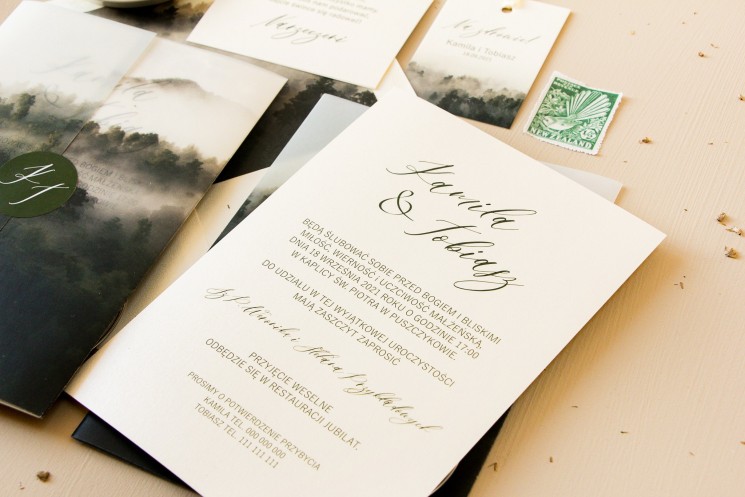
Wedding invitations are not just an elegant tradition, but above all, a key element in communicating with guests. They play an invaluable role in the ceremony, providing information about the date, location, and nature of the upcoming event. Preparing invitations is the first step in wedding planning, serving as the official announcement of this special occasion. They are a symbol of the warmth and respect shown to guests when asking them to celebrate this important day together. In Poland, where wedding traditions are deeply rooted in culture, invitations are not just a formality, but an expression of etiquette and good taste.
How Invitations Influence Guest Expectations
Wedding invitations create the first impression on guests, setting the tone for the entire celebration. They are a sneak peek of what to expect at the wedding. Carefully chosen colors, motifs, and even the font style can signal the character of the wedding, whether it is classic, modern, or perhaps themed. In Poland, where weddings are known for their rich and diverse nature, invitations can provide hints regarding the dress code, the wedding theme, or even the expected mood. Elegant invitations may suggest a formal atmosphere, while more creative and casual designs might point to a relaxed and joyful reception.
The Importance of Aesthetics and Invitation Style
Choosing the aesthetics and style of wedding invitations is one of the first and most important decisions a couple makes. They define the visual language of the entire event. In Poland, where special attention is paid to details and personalization, invitations reflect the personality and tastes of the couple. Whether it is a traditional, elegant design with delicate ornaments or a modern invitation with a minimalist aesthetic, every choice says something about the couple and their vision for the wedding. Properly designed wedding invitations become not only a practical tool but also an important keepsake that stays with guests for years.
Table of Contents
- The Role and Significance of Wedding Invitations
- Who is Responsible for Purchasing Invitations
- Planning and Budgeting for Invitations
- Choosing the Style and Motif
- Materials and Formats
- Wording and Content
- Personalization
- Wedding Etiquette and Procedures
- Distribution and Mailing
- DIY Wedding Invitations
Who is Responsible for Purchasing Invitations
The Traditional Role of Parents in Purchasing Invitations
In Polish wedding tradition, parents played a central role in financing the wedding, including the purchase of invitations. This practice has its roots in times when parents were the main organizers of the wedding, and invitations were a symbol of their commitment and support for the couple. The bride's and groom's parents often shared the costs, which was an expression of not only financial help but also the symbolic union of two families. In many Polish families, the custom still holds that parents cover the costs of wedding invitations, which is treated as part of their contribution to the celebration.
Modern Approaches to Financing Invitations
Nowadays, many couples in Poland decide to finance their own wedding invitations, which reflects greater independence and a desire to personalize the wedding. This shift in approach allows couples to have more control over the style, content, and aesthetics of the invitations, which is especially important in the era of individualization and personalization of wedding ceremonies. Self-financing often goes hand-in-hand with modern wedding organization methods, such as using online wedding platforms or personalizing wedding details. This trend demonstrates the growing role of couples in planning and financing their own wedding.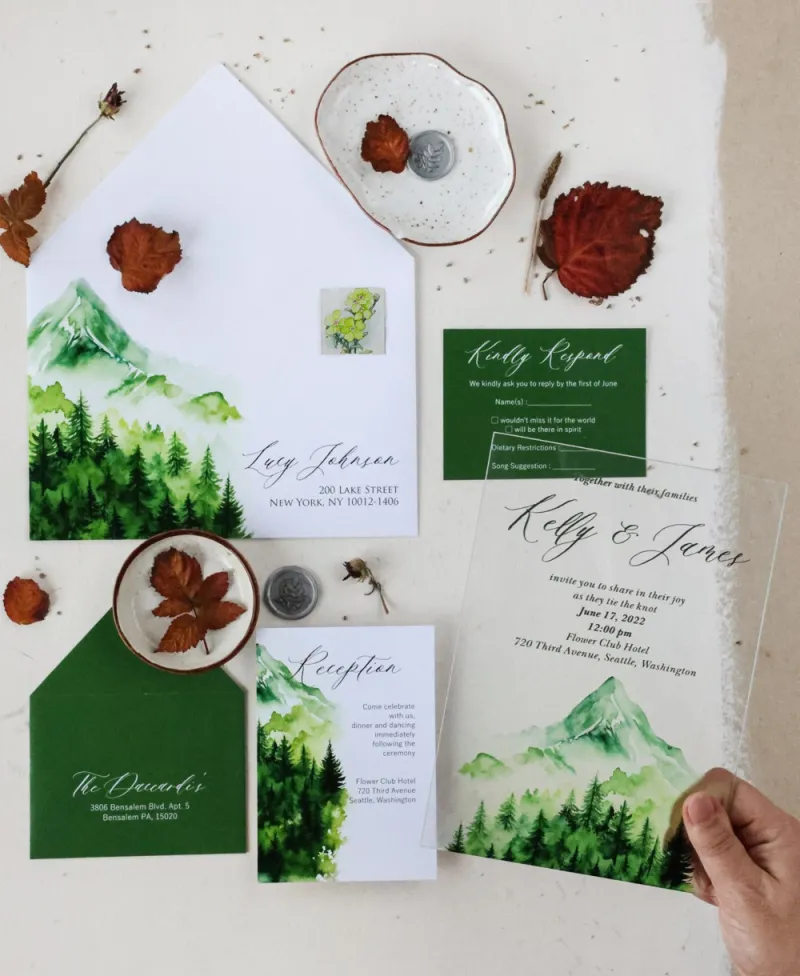
Cultural and Regional Differences in Purchasing Invitations
In Poland, as in other countries, there are regional and cultural differences regarding the financing of wedding invitations. In some regions of Poland, traditional customs are still strictly followed, where parents bear the main responsibility for wedding costs, including invitations. In other parts of the country, especially in large cities and among younger generations, a shift is increasingly observed toward a model where the couple takes on most of the costs associated with organizing the wedding. These cultural and regional differences show how wedding traditions evolve and adapt to changing socio-economic conditions.
Planning and Budgeting for Invitations
How to Set a Budget for Wedding Invitations
Setting a budget for wedding invitations is one of the first steps in the wedding planning process. It is crucial to realistically estimate the costs associated with the invitations, taking into account their style, quantity, and potential extras such as maps or additional inserts. Various options should be considered – from simple, classic cards to more exclusive, personalized invitations. In Poland, where prices can vary significantly depending on the region, it is important to do preliminary research on prices offered by different print shops and designers. Setting a budget will help avoid unnecessary expenses and allow for better management of wedding finances.
Comparing Offers and Looking for Discounts
The next step is comparing offers from different suppliers. It is worth checking both local print shops and online stores, which often offer competitive prices and attractive promotions. Looking for discounts and special offers is especially important when planning a wedding in Poland, where the variety of offers can be vast. Do not forget about the possibility of negotiating prices, especially for larger orders. Comparing offers allows you to find the best quality at the most affordable price.
Strategies for Saving on Invitations
There are many strategies for saving on wedding invitations. One of them is choosing less expensive materials or limiting extras that can significantly increase the price. Couples in Poland are increasingly deciding to create their own invitations, which can be not only a cheaper but also a more personal option. Using online templates or hiring a local artist to create a unique design are just some of the possibilities. It is important to remember that saving on invitations does not have to mean sacrificing quality – it is about finding the best solution that fits both the budget and the couple's expectations.
Choosing the Style and Motif
Matching the Invitation Style to the Wedding Theme
Matching the style of the invitations to the overall wedding concept is crucial. In Poland, where weddings are often characterized by unique motifs and themes, invitations are the first element that reveals the character of the upcoming celebration. Whether it is a traditional Polish wedding with folk motifs or a modern, minimalist ceremony, the invitations should be consistent with the overall style of the wedding. Choosing the right style of invitations, reflecting the venue, season, or even the wedding color palette, is a way to create a harmonious image of the entire event.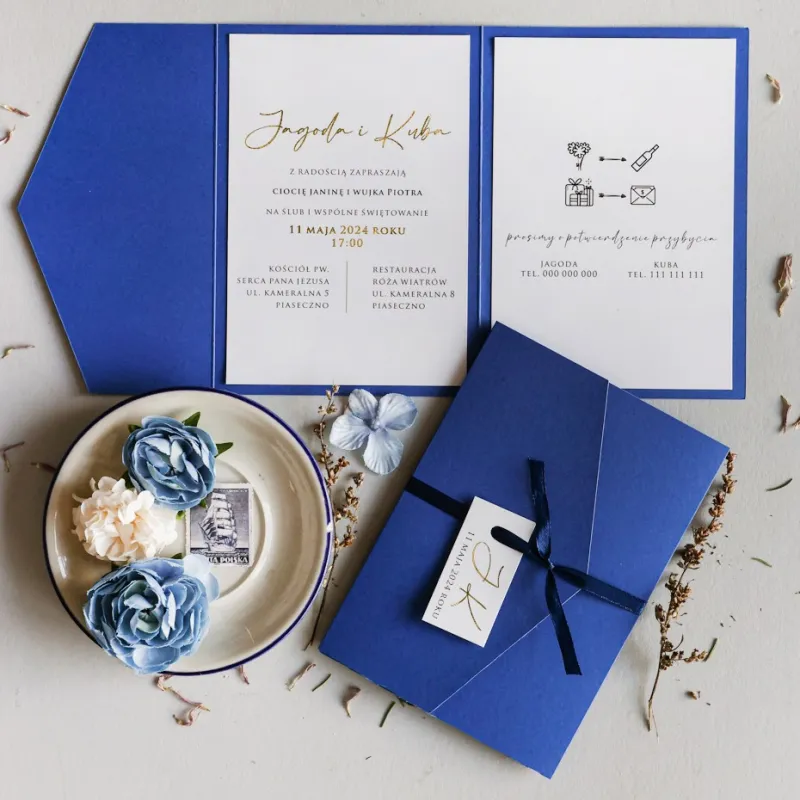
Choosing a Motif That Matches the Couple's Personality
Personalizing wedding invitations is a trend that is gaining popularity in Poland. Couples want their invitations to say something about themselves, their history, and their passions. Choosing a motif that is close to the couple's heart creates a personal and unique touch in wedding preparations. It could be a motif related to the place where they met, a shared hobby, or even a favorite book or movie. Such personalization makes the invitations not just an announcement of the event, but also a keepsake full of individual meaning.
Diversity of Styles and Motifs Available on the Market
The Polish wedding market offers a wide range of invitation styles and motifs, from classic, elegant designs to modern and abstract projects. The availability of diverse options means that couples can experiment and choose from many different trends – from rustic and vintage to ultra-modern. It is important for the couple to find a style that best suits their personal preferences and vision for the wedding. This choice can also reflect current trends in the wedding world while remaining true to individual tastes and expectations.
Materials and Formats
Choosing Materials: Parchment, Decorative Paper, Cardstock
The decision on the material for wedding invitations has a significant impact on the final visual effect. Parchment, decorative paper, or cardstock are popular choices in Poland, each giving the invitations a different character. Parchment paper, with its transparency and delicacy, is perfect for creating elegant, subtle invitations. Decorative paper, on the other hand, offers a variety of textures and patterns, allowing for greater creativity. Cardstock is a choice for couples looking for durability and sturdiness. Choosing the right material is key to highlighting the style and motif of the wedding.
Deciding on the Format: Traditional vs. Modern
When it comes to choosing the invitation format, couples face a choice between traditional and modern solutions. Traditional formats, often characterized by a rectangular shape and classic composition, are a safe and timeless choice. Modern invitations, with their unique shapes, folds, and unconventional solutions, allow for a more creative and individual approach. In Poland, where tradition meets modernity, more and more couples are opting for non-standard formats that make their invitations stand out from the rest.
The Importance of Material Quality for Aesthetic Impression
The quality of the material used is extremely important. A well-chosen paper not only enhances the aesthetics of the invitation but also affects its durability and how it is perceived by guests. In Poland, where great emphasis is placed on details and quality of workmanship, choosing a high-grammage paper with a pleasant texture can significantly influence the perception of the invitation as a luxury product. Investing in high-quality paper is an investment in the first impression the invitation will make on the recipient.
Wording and Content
How to Formulate the Invitation Content
Formulating the content of a wedding invitation is one of the most important aspects of its preparation. The content should reflect the tone and character of the celebration while being clear and understandable. It starts with a formal greeting, for example, "Dear Guests," which sets the tone for the rest of the message. Then, the names of the couple should be introduced, suggesting their joy at being able to share this special day with the invitees. It is important that the content is consistent with the overall style and theme of the wedding, reflecting the individuality and character of the couple.
Including Relevant Information and Details
Basic information that must be included in the invitation content is the date, time, and location of the ceremony. Additionally, if the wedding ceremony and reception take place in different locations, this should be clearly stated. Information about planned additional events, such as a pre-wedding dinner or a post-wedding brunch, can also be included. In the content, it is also worth mentioning any special requests, for example, regarding the dress code or wishes regarding wedding gifts.
The Importance of Grammatical and Stylistic Correctness
Grammatical and stylistic correctness of the wedding invitation content is of key importance. The content should be clear, without linguistic errors or typos, which demonstrates professionalism and attention to detail. In Poland, where tradition and etiquette are significant, a correctly formulated invitation is perceived as a sign of respect for the guests. Therefore, it is worth paying special attention to text editing, and if necessary, seek the help of professionals.
For additional inspiration and examples of wedding invitation wording, visit amelia-wedding.pl.
Personalization
Benefits of Personalizing Invitations
Personalizing wedding invitations brings many benefits, one of the most important being the ability to create a unique message that directly reflects the personality and history of the couple. Personalization allows you to make your wedding stand out, giving it an individual character. By adding your own touch to the invitations, the couple creates something that is unique and personal, which will certainly catch the guests' attention and be remembered.
Personalization Options: Photos, Text, Guest Names
The options for personalizing invitations are almost limitless. Couples can choose between different elements, such as their own photos, individually selected texts, or even printing guest names on each invitation. Such an approach allows for creating invitations that are not only an announcement of the celebration but also reflect the personal style of the couple. In Poland, where special attention is paid to details and personalization, these possibilities offer couples a way to express their uniqueness.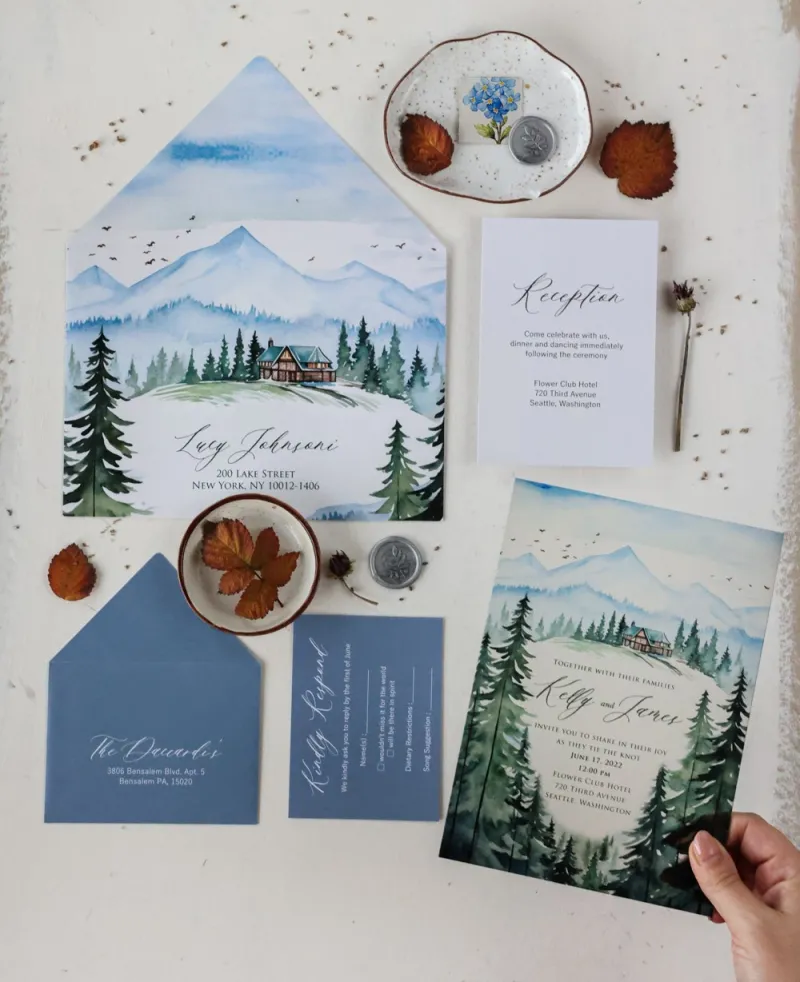
Personalized Invitations as a Keepsake for Guests
Personalized wedding invitations also become a wonderful keepsake for guests. By including elements particularly meaningful to the couple, such as shared photos or a specially chosen quote, these invitations become more than just a formal request. They are small works of art that guests often gladly keep as a memento of this special day. In Poland, where the sentiment for keepsakes from important celebrations is strong, personalized wedding invitations can become a lasting element of family heritage.
If you are looking for perfect, personalized wedding invitations, check out the offer at amelia-wedding.pl, where personalization is always free.
Wedding Etiquette and Procedures
Declining Names on Invitations
Using the correct declension of names on wedding invitations is a key element of etiquette. In the Polish language, there is a rule of name declension that requires adjusting endings to the context of the sentence. For example, when inviting Oksana Wróblewska, one should use the declined form: “zapraszamy Oksanę Wróblewską”. This is an expression of respect and culture, and also demonstrates attention to detail. Correct name declension is an important aspect that reinforces the formal and elegant character of the invitation.
Addressing Invitations with a Plus One and Children
Etiquette also requires that invitations include the presence of plus ones and children. When inviting a couple with a child, one should first write the woman's name and surname, then the man's, and finally mention the child. Example: “Joanna and Jan Nowak with their son Adam”. In the case of plus ones, if the partner's name is unknown, the term “with a plus one” is used. This is a way to ensure that all guests feel properly included and respected.
Etiquette for Writing Names and Surnames
Correctly writing names and surnames on wedding invitations reflects both tradition and modern etiquette standards. According to Polish tradition, the woman's name is written first, followed by the man's. This rule applies to both married couples and engaged couples. This approach emphasizes the importance of each guest and the care for maintaining high culture and good manners. Following these rules demonstrates the professionalism and elegance with which the couple approaches the organization of their wedding.
Distribution and Mailing
Optimal Time to Send Invitations
Sending wedding invitations requires proper planning and timing. The optimal time to send invitations is about three months before the wedding. This rule is of particular importance in Poland, where wedding traditions and event organization require earlier planning. In the case of guests from abroad or those who need to organize travel, it is recommended to send invitations even earlier. Such planning allows guests to properly prepare for the ceremony, for example, by booking accommodation or purchasing appropriate attire.
Distribution Methods: Mail, In-Person, Courier
There are several methods of distributing invitations, and each has its advantages. Sending by mail is a standard and convenient option, especially when guests live in different parts of the country or abroad. Hand-delivering invitations is a more personal and heartfelt gesture, which is valued in Polish culture. Using courier services is an option for couples who want to give the delivery a special character. Regardless of the chosen method, it is important that the invitations are elegantly packaged and sent in a way that ensures they reach the recipients safely.
Planning the Mailing and Ensuring Delivery
Planning the mailing is an essential part of the guest invitation process. Couples should compile a guest list with current addresses to ensure that invitations reach the right people. It is also worth considering a plan B in case the invitations do not arrive on time or are lost. For example, you can order extra invitations or prepare an electronic version. Caring for every detail of the invitation distribution demonstrates respect for the guests and attention to every aspect of wedding organization.
DIY Wedding Invitations
Advantages of Creating Your Own Invitations
Making wedding invitations using the DIY (Do It Yourself) method is a great opportunity to express your own creativity and give them an individual character. Creating invitations yourself allows for full personalization - from choosing colors and motifs to specific content and photos. It is also a way to significantly reduce costs, which is especially important for couples who want to limit wedding organization expenses. DIY is also an opportunity to spend time together with family and friends during wedding preparations.
Tips and Tricks for DIY Design
When creating DIY invitations, planning and experimenting are essential. Choosing the right materials and tools is key. There are various tutorials and templates available that can facilitate the work and inspire you to create unique designs. It is also important that the invitations are legible and contain all necessary information. It is good to start by creating a prototype to check if the design meets all expectations.
Resources and Inspiration for DIY Invitations
There are many resources that can be helpful when creating DIY invitations. Websites, wedding blogs, and social media platforms like Pinterest offer plenty of inspiration and ideas. You can also visit local scrapbooking or craft stores to find unique extras and paper. It is also worth paying attention to current trends in invitation design so that the invitations are fashionable and stylish.
If you are looking for more inspiration and advice on wedding planning, be sure to visit our blog. You will find many interesting articles there that will help you prepare for this special day. We recommend, among others:
- Is it appropriate to invite only to the wedding ceremony
- Must the invitation include formal titles
- Creative ideas for a wedding photo session
- How to involve children in the wedding ceremony
- How to organize a themed wedding: from boho to retro
And many others that you will find on our blog. We invite you to read!