Choosing your wedding officiant – priest, registrar, or celebrant?
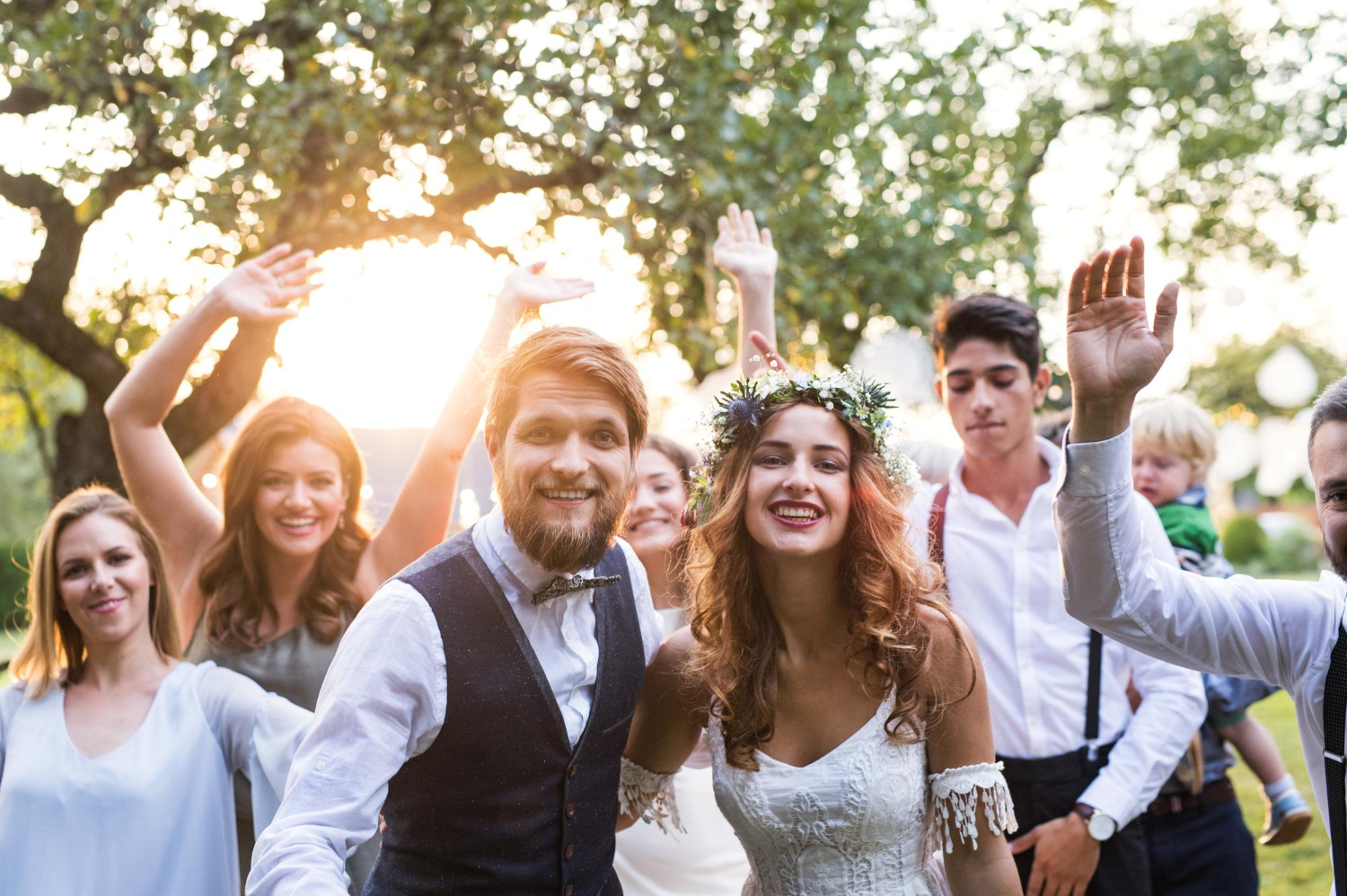
Priest, civil registrar, or celebrant – who should officiate your wedding ceremony?
Deciding who will officiate the most important ceremony of your life is one of the most fundamental aspects of wedding planning. In Poland, there are three main options: a church wedding led by a priest, a civil wedding conducted by a registrar, and the increasingly popular humanist wedding with a celebrant. Each of these forms has its own unique characteristics, advantages, and requirements that should be carefully considered before making a final decision. This choice will determine not only the nature of the ceremony but also its legal consequences, personalization options, and the overall cost of the celebration.
Modern couples are increasingly looking for alternatives to traditional wedding forms, striving to create a ceremony that fully reflects their personality, values, and vision for their life together. In this context, the role of the officiant gains special significance, as they are responsible for creating the right atmosphere, conducting the ceremony according to the couple's expectations, and ensuring the smooth flow of one of the most important days in a couple's life.
Church wedding with a priest – tradition and spirituality
Table of contents:
- Church wedding with a priest – tradition and spirituality
- Civil wedding with a registrar – legal formality
- Humanist wedding with a celebrant – personalization and emotion
- Key traits of a good celebrant – charisma and experience
- Personalizing the ceremony – the key to uniqueness
- The process of working with a celebrant
- Practical tips for choosing an officiant
Religious and spiritual significance of the ceremony
A church wedding is one of the most deeply rooted traditions in Polish culture, serving as a sacrament of fundamental importance for believers. The priest, as the celebrant of such a ceremony, represents not only the Church institution but also acts as a spiritual guide at the moment of entering into marriage before God. This form of wedding carries deep religious meaning, as according to Catholic teaching, marriage is considered an indissoluble bond that is blessed by God and has a sacramental character.
By choosing a church wedding, couples opt for a ceremony rich in religious symbolism and traditional liturgical elements. The officiating priest introduces the couple to the mystery of the sacrament of marriage, explaining its meaning according to Church teaching and blessing their union. During the Holy Mass, the couple not only exchanges marriage vows but also participates in the Eucharistic liturgy, which gives the entire celebration a particularly solemn and dignified character. This type of ceremony is an ideal choice for couples who wish to unite their lives not only before people but, above all, before God, thereby acknowledging the religious foundations of their relationship.
Formal requirements set by the Catholic Church primarily include the necessity of completing pre-marital courses, which aim to prepare future spouses for life in marriage according to Christian values. During these meetings, basic issues regarding Catholic marriage, mutual duties of spouses, raising children, and the role of faith in family life are discussed. Priests conducting pre-marital courses usually focus on practical aspects of married life, communication in the relationship, and preparing the couple to consciously undertake the obligations resulting from the sacrament of marriage.

Gaja No. 2 Wedding Invitation – Sage Green with Letterpress Embossing

Glamour Wedding Invitation with Gilded Branch and Velvet Paper – Ruskus No. 14

Kraft Wedding Invitation No. 12 – Forest Style with Pine Forest Graphic
Traditional character and predictability of the ceremony
A church wedding is characterized by a high degree of formality and predictability in the ceremony's flow, which can be both an advantage and a limitation depending on the couple's expectations. The wedding liturgy in the Catholic Church has a set structure that includes specific prayers, biblical readings, the priest's homily, and the moment of exchanging marriage vows. This predictability can be particularly appreciated by couples who desire a traditional, dignified ceremony of deep spiritual significance, without the need to make many decisions regarding the course of the celebration.
The priest, as the celebrant of a church wedding, has clearly defined duties and competencies resulting from church regulations and liturgical tradition. It is his responsibility to conduct the entire ceremony according to the Roman Rite, deliver a homily relating to the meaning of marriage in the light of the Catholic faith, and give a blessing to the newlyweds. Most priests have extensive experience in conducting wedding ceremonies, which translates into a professional and dignified celebration, but at the same time limits the possibilities for individually tailoring the script to the specific expectations of the couple.
The traditional character of a church wedding can be particularly attractive for couples who value cultural continuity and wish for their ceremony to fit into the centuries-old tradition of Polish weddings. This element also has family and social significance – for many families, a church wedding is a natural and obvious choice, consistent with their religious values and social expectations. Priests often emphasize in their homilies the importance of marriage as the foundation of society and the religious community, which gives the ceremony a broader social and cultural dimension.
Financial and organizational aspects of a church wedding
The costs of a church wedding are one of the significant factors to consider when choosing this form of ceremony. According to available data, the total cost of a church wedding in Poland can range from 1,000 to as much as 6,000 PLN, with various elements making up this amount. The basic offering for the priest for celebrating the wedding mass is usually an amount in the range of 500 to 2,500 PLN, depending on the parish and region of Poland. In larger cities, especially in historic churches or cathedrals, the rates can be significantly higher.
Additional costs include the fee for the organist (usually 150-400 PLN), the fee for the sexton (50-250 PLN), church decoration costs (150-900 PLN), and wedding banns (50-300 PLN). For couples who completed pre-marital courses during high school, this cost may be skipped; otherwise, one should expect an expense of 100-500 PLN. Some parishes also require a symbolic contribution to the collection plate and a fee for cleaning the church after the ceremony.
From an organizational point of view, a church wedding requires meeting specific formalities and adhering to appropriate deadlines. The couple must take care of obtaining necessary documents, such as a baptismal certificate, a certificate of completion of pre-marital courses, and a certificate from the Civil Registry Office (USC) stating there are no obstacles to marriage. The document from the USC is valid for three months, which means the visit to the office should be planned no earlier than three months before the planned wedding date. Additionally, priests usually require a few preparatory meetings, during which the details of the ceremony and the spiritual aspects of marriage are discussed.
Civil wedding with a registrar – legal formality
Legal aspects and validity of a civil wedding
A civil wedding is the only form of marriage in Poland that automatically produces legal effects and is fully recognized by the Polish state. The civil registrar, by conducting the ceremony, acts as a representative of the state and has the authority to formally enter into a marriage according to the provisions of the Family and Guardianship Code. This form of wedding guarantees couples full marital rights, including the right to community property, inheritance, making medical decisions on behalf of the spouse, and enjoying all legal privileges afforded to married couples in Poland.
The primary advantage of a civil wedding is its universality and accessibility – it can be entered into by people regardless of religious affiliation, worldview, or origin. The civil registrar conducts the ceremony in a secular manner, focusing on the legal aspects of marriage and the obligations resulting from Polish law. During the ceremony, the registrar usually delivers a short speech about the meaning of marriage in the light of the law, after which the couple takes the civil oath and signs the marriage certificate. This document serves as official proof of the marriage and is the basis for issuing an abbreviated copy of the marriage certificate.

Glamour Wedding Place Cards with Pearls – Pearls No. 1 White

Lauren No. 3 Wedding Place Cards – Classic Calligraphy Name Cards

Minimalist Wedding Place Cards – Glare No. 1 with Embossed Border
Characteristics and limitations of a civil ceremony
A civil wedding ceremony is characterized by a relatively formal and official nature, which results from its main purpose – the legal formalization of the marriage. The civil registrar conducts the ceremony according to established procedures, which include welcoming guests, reading information about the meaning of marriage, receiving the oath from the couple, and formally declaring them husband and wife. The entire ceremony is concise and practical, usually lasting about 15-30 minutes, which can be an advantage for couples who value simplicity and the speed of formalities.
The limitations of this form of wedding primarily concern the possibilities for personalizing the ceremony. Civil registrars are required to conduct ceremonies according to established standards and procedures, which means limited opportunities for introducing individual elements or modifying the script. The couple can usually choose the musical setting for the ceremony and invite a specific number of guests, but the structure and course of the ceremony remain relatively fixed. Registrars rarely allow for the introduction of personal vows or additional rituals, focusing on completing the formalities required by law.
An additional limitation of a civil wedding can be the environment in which it takes place – usually an administrative office room that may not meet the expectations of couples dreaming of a more romantic or unique atmosphere. However, offices are increasingly offering the possibility of holding a civil wedding outside the office premises for an additional fee of around 1,000 PLN, which allows for organizing the ceremony in a more attractive location while maintaining all the legal aspects of a civil wedding. This option combines the benefits of the legal validity of a civil wedding with the ability to choose a ceremony location consistent with the couple's preferences.
Costs and formalities associated with a civil wedding
One of the greatest advantages of a civil wedding is its transparent and unified cost structure, which is identical in all civil registry offices in Poland. The basic stamp duty for drawing up a marriage certificate is 84 PLN, and each abbreviated copy of this certificate costs an additional 22 PLN. This financial predictability allows couples to accurately plan their budget without the risk of unexpected additional costs that may appear in other forms of weddings.
If the couple does not want to wait the standard month to get married, they can use an expedited procedure by paying an additional fee of 39 PLN. For people who have been married before, additional documents may be required, such as a divorce decree or a death certificate of the previous spouse, which involves additional costs to obtain. If the couple decides to hold the wedding outside the office, the cost of the registrar's travel is approximately 1,000 PLN.
Formalities associated with a civil wedding are relatively simple and transparent. The couple must provide basic documents: ID cards and abbreviated copies of birth certificates. In the case of people who have been married before, documents confirming the dissolution of the previous marriage are also required. The entire process can be carried out efficiently, provided that all documents are complete and up-to-date. The registrar is required to check whether there are any legal obstacles to marriage, and upon positive verification, sets a date for the ceremony. This procedural simplicity makes a civil wedding an attractive option for couples who value efficiency and clear rules of conduct.

Simple No. 3 Soy Candle – Gold Foiling & Elegant Wedding Favours

Golden Fortune Cookies with Personalized Label | Affordable Wedding Favours | Cejla No. 3

Merci Favour with White Flowers, Green Leaves | Elegant Guest Gifts | Impresja No. 10
Humanist wedding with a celebrant – personalization and emotion
Essence and philosophy of a humanist wedding
A humanist wedding represents the newest and most flexible form of wedding ceremony available in Poland, characterized by a total focus on the couple and their individual needs. The name "humanist" comes from the word "human," symbolizing that the main driving force and foundation of love are people, not religious or state institutions. This form of wedding was created in response to the needs of couples who desire a ceremony that reflects their personal values, without the need to conform to ready-made religious or administrative patterns.
A humanist wedding is purely symbolic and does not produce legal effects, which means that couples planning to formally legalize their relationship must additionally have a civil wedding. However, for many couples, it is the humanist ceremony that constitutes the true celebration of their love, while civil formalities are treated as a necessary but secondary administrative procedure. This philosophy allows couples to focus entirely on the emotional and spiritual dimension of their relationship, without the need for compromises resulting from external formal or religious constraints.
The role of the celebrant as a ceremony creator
A wedding celebrant plays a fundamental role in creating and conducting a humanist ceremony, far exceeding the traditional functions of priests or registrars. Their work begins long before the wedding day, with deep conversations with the couple aimed at learning their history, values, dreams, and vision for their life together. This information becomes the basis for creating an individualized ceremony script that tells the authentic love story of a specific couple, rather than operating with ready-made templates. A good celebrant can capture the essence of the relationship between the couple and translate it into a moving narrative that touches both the couple and all the guests.
A celebrant must possess exceptional interpersonal and artistic skills to effectively fulfill their role. Empathy is a basic trait – the celebrant must be able to empathize with the couple's situation, understand their emotions, and create a safe space for expressing the most intimate feelings. Equally important are oratory skills and stage presence – the celebrant must be an excellent speaker, capable of conveying content in a way that touches the hearts of those present.
Possibilities for personalization and creativity
A humanist wedding offers practically unlimited possibilities for personalization, making it an ideal choice for couples desiring a ceremony that reflects their unique personality and style. Couples can freely choose the ceremony location – from romantic outdoor settings like beaches, mountains, or forests, through historic castles and palaces, to modern lofts or even their own gardens. The humanist ceremony script can include an unlimited number of personal elements. Couples can include their own vows written from scratch, chosen musical pieces of special significance, readings of excerpts from favorite books or poems, as well as symbolic rituals like lighting a unity candle, pouring colored sands, or planting a tree.

Flores No. 1 Soy Candle in Gypsum – Gilded Wedding Favour

Delize No. 1 Soy Candle – Forest Motif Wedding Favours

Flores No. 2 Soy Candle in Gypsum – Burgundy Flowers Wedding Favour
Key traits of a good celebrant – charisma and experience
The importance of charisma in conducting the ceremony
The celebrant's charisma is one of the most important factors deciding the success of a humanist ceremony, directly influencing the atmosphere of the celebration and the engagement of all participants. A charismatic celebrant can capture the guests' attention from the first moments of the ceremony, creating a magical atmosphere that makes everyone present feel part of a unique event. This skill does not boil down merely to speaking well, but includes the ability to emanate authenticity, warmth, and passion, which are felt by all participants of the ceremony.
The role of experience in ceremony quality
The celebrant's experience has a direct impact on the quality and flow of the ceremony, translating into professionalism and confidence in conducting the celebration. A celebrant with rich experience has already conducted dozens, and often hundreds, of ceremonies, which gives them deep knowledge about different styles and couple preferences. This experience allows them to quickly recognize the needs of a new couple and propose solutions that have worked in similar situations. An experienced celebrant knows which ceremony elements best resonate with different types of couples and guests, so they can advise on effective combinations of rituals, music, and conducting styles.
Building a relationship with the couple
The ability to establish a deep and authentic relationship with the couple is the foundation of successful cooperation with a celebrant and directly affects the quality of the ceremony. A good celebrant can create an atmosphere of trust and openness, in which the couple feels comfortable sharing their deepest feelings, dreams, and fears. This process of building a relationship begins during the first meeting, where the celebrant not only presents their skills but, above all, actively listens and tries to understand the unique character of the couple's relationship. Genuine interest in the couple's history and their vision for life together allows the celebrant to create a ceremony that truly reflects their personality.

Glamour Wedding Place Cards No. 1 – Satin Name Cards with White Print

Cappuccino Wedding Place Cards No. 1 – Satin Ribbon Table Name Cards

Rose Bow Wedding Place Cards No. 1 – Pink Satin Glass Ribbon Cards
Personalizing the ceremony – the key to uniqueness
Creating a unique script
The process of creating a personalized ceremony script is the heart of the cooperation between the celebrant and the couple, requiring a deep understanding of their history, values, and dreams. A good celebrant begins this process with detailed conversations with the couple, during which they learn not only facts from their lives but also the emotional nuances of their relationship. These conversations include questions about how they met, what the key moments in their relationship were, what they value most in each other, what common dreams they have, and what values are most important to them. All this information becomes the raw material for creating a narrative that will form the basis of the ceremony.
Including personal and cultural elements
Authentic personalization of the ceremony requires including elements that have deep personal meaning for the couple, creating bridges between their past and future. Personal elements can include quotes from favorite books or movies, excerpts of songs that accompanied them at key moments, or references to places particularly important in their history. The cultural dimension of personalization is particularly important for international couples or those who want to honor their family heritage. The ceremony can include elements of national, regional, or family traditions that are important to one or both partners.
Balancing tradition with modernity
The art of successful ceremony personalization often lies in finding the right balance between traditional elements and modern approaches, creating ceremonies that are simultaneously rooted in culture and fresh in their form. Many couples want to keep certain traditional elements that have emotional or family significance for them, but at the same time want the ceremony to reflect their modern lifestyle and values. A good celebrant can help the couple identify those traditional elements that are most important to them and find ways for their modern interpretation.
Golden Fortune Cookies with Personalized Label | Affordable Wedding Favours | Cejla No. 3

Fortune Cookies with Gold Foliage – Ruskus No. 2

Personalized Fortune Cookies, Light Grey | Original Wedding Favours | Cejla No. 7
The process of working with a celebrant
Initial search and candidate selection
The process of searching for the right celebrant should begin with a precise definition of your own expectations and preferences regarding the style of the ceremony. The couple should first think about what kind of atmosphere they want to create during their ceremony – whether it should be more formal and elegant, or rather casual and full of spontaneity. The first step in searching for a celebrant should be gathering recommendations from various sources. The most fruitful source of information is often couples who recently had a humanist wedding – their direct experiences can provide valuable information.
Introductory meeting and compatibility assessment
An introductory meeting with a potential celebrant is a key moment in the selection process, allowing for an assessment of mutual chemistry and compatibility. This meeting should be two-way – the couple gets to know the celebrant, but the celebrant also gets to know the couple to assess whether they will be able to create an appropriate ceremony for them. During this meeting, it is worth paying attention to how the celebrant listens, whether they ask thoughtful questions about the couple's relationship, and whether they show genuine interest in their history.
Setting cooperation terms and expectations
After deciding to choose a specific celebrant, it becomes crucial to precisely set the terms of cooperation and mutual expectations. The first step should be a detailed discussion of the scope of services offered by the celebrant. Financial issues should be discussed in a completely transparent manner. Equally important is setting mutual expectations regarding the preparation process. All these arrangements should be written down in the form of a contract, which will protect the interests of both parties and become a point of reference in case of any doubts during the cooperation.

Personalized Wedding Welcome Sign with Two Photos – Photo Design No. 6

Elegant Wedding Welcome Sign with Black & White Photos – Photo Design No. 7

Rubin No. 5 Wedding Seating Plan – Purple Heather and Gold Motif
Practical tips for choosing an officiant
Criteria for evaluating different options
Choosing between a priest, a registrar, and a celebrant requires a systematic analysis of many factors that will influence the character and course of the wedding ceremony. The first and most important criterion should be the personal beliefs and values of the couple. The second key criterion is the level of control over the ceremony's course that the couple wants to have. The third important criterion is practical and logistical issues, such as costs, availability, and location.
Red flags and warning signs
During the process of choosing an officiant, there are a number of warning signs that should raise the couple's vigilance. The first serious alarm signal is a lack of willingness to meet before the ceremony or very limited availability for consultations. The second signal is a lack of professionalism in communication, and the third – a lack of flexibility and openness to the couple's needs. Any signs of disrespect, judgment, or imposing one's own views should be treated as red flags.
Budget and financial planning
Planning the budget for an officiant requires considering not only the direct costs of the service but also all related additional expenses. In the case of a civil wedding, costs are the most predictable. A church wedding can cost from 1,000 to 6,000 PLN. A humanist wedding with a celebrant can cost from 2,000 to 8,000 PLN or more, depending on the celebrant's experience and the scope of services offered. A good strategy is to set a budget with a margin for unforeseen expenses and compare the total costs of different options.
Glamour Wedding Place Cards with Pearls – Pearls No. 1 White
Lauren No. 3 Wedding Place Cards – Classic Calligraphy Name Cards
Minimalist Wedding Place Cards – Glare No. 1 with Embossed Border
Choosing the person who will officiate the wedding ceremony is one of the most important decisions in the process of planning this special day. Each of the available options – priest, registrar, or celebrant – offers unique benefits and is characterized by specific limitations that should be carefully considered in the context of your own needs, values, and expectations. The key to making the right decision is to honestly discuss priorities as a couple and thoroughly learn about the possibilities that each form of ceremony offers.
Modern trends show the growing popularity of personalized ceremonies, which makes celebrants an increasingly sought-after option, especially among young couples desiring a ceremony that reflects their individuality. At the same time, traditional forms of weddings – church and civil – still play a key role, offering stability, predictability, and deep roots in culture or law. Regardless of the chosen option, the most important thing is to find a person who will conduct the ceremony with respect and professionalism, creating an atmosphere worthy of this unique moment in every couple's life.
When planning this special day, it is worth remembering that besides choosing the officiant, other elements that make up an unforgettable experience are equally important. Properly chosen wedding invitations will introduce guests to the atmosphere of the celebration from the very first contact, while thoughtful wedding favors will remain in their memory as a pleasant souvenir of this special day. Small elements like elegant place cards will help in organizing the reception, and modern technological solutions, such as a free wedding app, can assist in coordinating the entire event. Each of these elements, refined with due diligence, contributes to creating a ceremony that will be a true reflection of the couple's love and will remain in the memory of all participants for a long time.
Recommended articles

Szymon Jędrzejczak
Wedding industry expert and stationery designer at Amelia-Wedding.pl. For years, she has been helping couples create unforgettable moments by combining tradition with modern design.