What does marriage mean to a person?
Love and Trust: The Foundations of a Lasting Marriage
What is marriage?
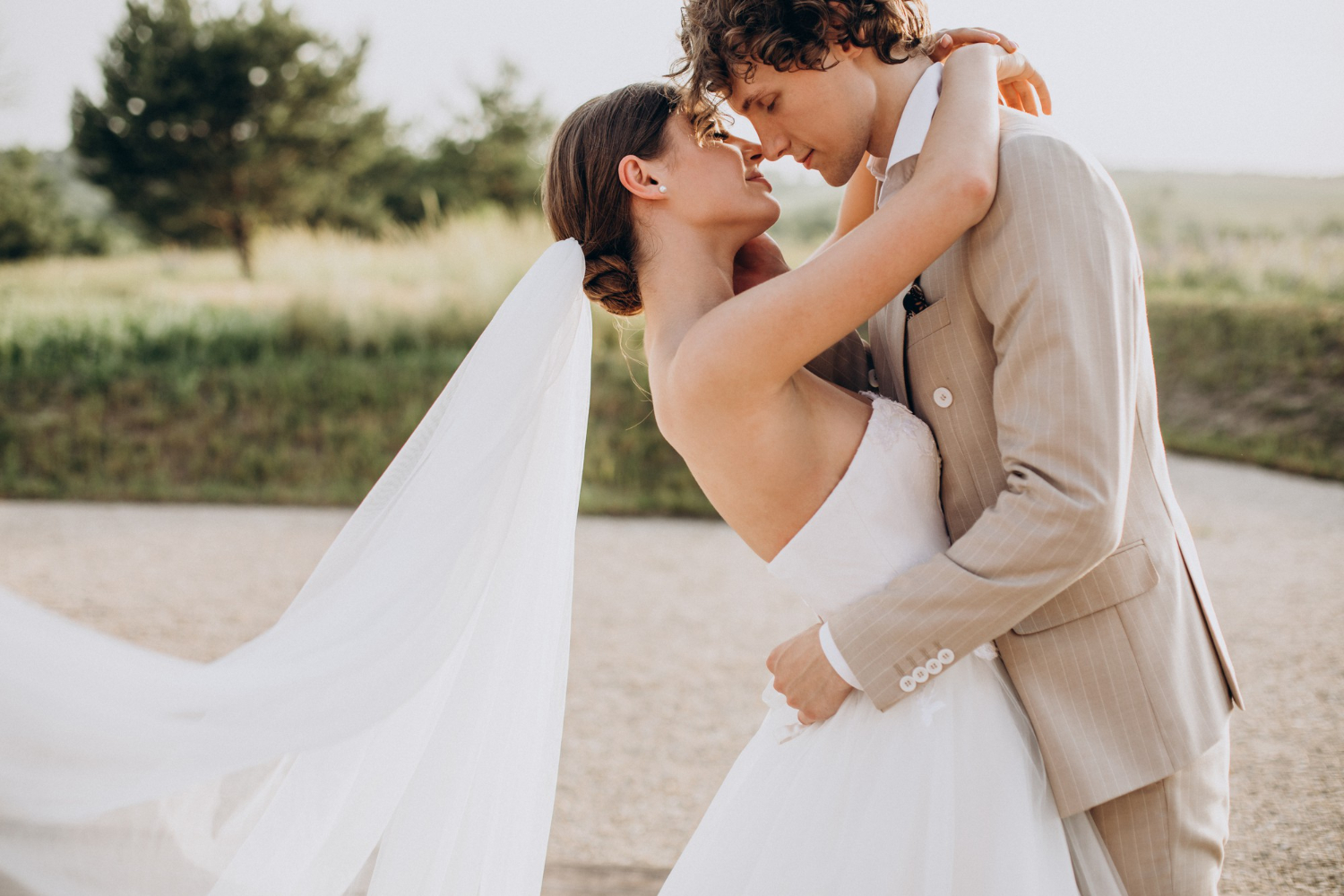
At the heart of every wedding ceremony, whether it takes place in a picturesque church, on a beach at sunset, or at a registry office, lies the decision of two people to join their paths. Marriage is recognized not only as a formal commitment between two people but, above all, as a deep bond based on love, trust, and mutual respect. It is a social and legal institution that has shaped human communities for centuries, serving as a testament to human feelings and promises. In Poland, as in many other countries, marriage is both a life goal for many and the foundation of a family, acting as a space for growth, support, and love.
Love and trust as foundations
Love and trust form the bedrock upon which every successful marriage is built. They are like two pillars supporting the entire structure of the relationship, indispensable in moments of joy, but above all, invaluable during trials and difficulties. Love is what draws two people together, inspired by mutual fascination, the desire for closeness, and sharing life. Trust, as an inseparable companion to love, is the foundation that allows for the creation of a space for honesty, openness, and security. In the wedding industry in Poland, where love is often portrayed through the lens of perfect fairy-tale scenes, it is important to emphasize that true love and trust are constant actions, dialogue, and a willingness to work on oneself and the relationship.
The importance of trust in a relationship
Trust in marriage is more than just the conviction of a partner's fidelity. It is a deep belief that you can rely on the other person in any situation, that they are your greatest ally. It is the knowledge that our weaknesses and mistakes will be accepted with understanding, and our successes celebrated with genuine joy. In Polish culture, where family and lasting relationships are exceptionally precious, trust is the cornerstone upon which the bond between spouses is built. Trust is also essential for building communication, which is the key to resolving conflicts, expressing needs and desires, and sharing fears and dreams. It is thanks to trust that, even after many years of marriage, partners can discover each other anew, deepening their bond and walking through life together.
Table of Contents
- Love and Trust: The Foundations of a Lasting Marriage
- Stages of Married Life: From the Beginning to Happy Union
- Communication and Shared Values in Marriage
- Working on Yourself in Marriage: The Key to a Lasting Bond
- Problems and Challenges in Marriage: How to Deal with Them
- Diverse Perspectives on Marriage
Stages of Married Life: From the Beginning to Happy Union
The beginnings of the shared path
Every marriage begins at the moment two people decide to join their paths, often during the magical moment that is the wedding ceremony. These first days, months, and even years are a time full of discovering each other, sharing joys, and planning the future. It is a period where love blossoms and shared dreams begin to take shape. For many couples in Poland, both those who choose a lavish wedding and those who prefer more modest ceremonies, the beginnings of the shared path are sweet, full of hope and new experiences. It is a time when the foundation for a long-term relationship is built, based on mutual understanding, respect, and, most importantly, love.
Trials and challenges
Married life, like any other journey, is full of trials and challenges. These are inevitable elements of life together that test the strength of the relationship and the partners' determination to walk through life together. From financial difficulties and personality differences to parenting challenges – every couple faces obstacles that require compromise, understanding, and joint action. In Poland, where family is deeply rooted in culture and tradition, these challenges are often seen as opportunities for growth and strengthening the bond. The key to overcoming difficulties is open communication, a willingness to listen and understand the partner's needs, and searching for solutions that satisfy both parties together.
Union and the pursuit of happiness
The ultimate goal of every marriage is union and the pursuit of happiness. This is the stage where a couple achieves full harmony, mutual understanding, and a deep emotional bond. After years of living together, partners know each other's needs, dreams, and ways of dealing with daily challenges perfectly. Union is not the end of the journey, but rather a new chapter in which spouses can enjoy the fruits of their love, experience the depth of intimacy, and support each other in achieving personal and shared goals. In Polish culture, where marriage is often seen as the foundation of a happy life, reaching this stage is considered an expression of true success and fulfillment.
Every stage of married life brings different experiences, feelings, and challenges. Understanding these stages and being willing to work on the relationship at each of them is the key to building a lasting and happy relationship.
Communication and Shared Values in Marriage
The importance of open communication
In every marriage, open communication is an essential component of a lasting and healthy relationship. It enables the expression of feelings, desires, fears, and expectations in a way that is understandable to both sides. Thanks to open communication, spouses can resolve conflicts more effectively, discuss important decisions, and plan the future together. In Poland, where family and traditional values are deeply rooted in society, the ability to talk about one's needs and listen to one's partner is the key to building a strong foundation for marriage. Open communication, however, is not an end in itself, but a tool that allows for a deeper connection, building trust and mutual respect, which are essential for any long-term relationship.
Shared goals and values
Shared goals and values act as a compass for a marriage, guiding its steps in harmony and understanding. When a couple shares the same beliefs and aspirations, it is easier for them to make decisions, solve problems, and strive together to achieve set goals. In Poland, where many couples base their relationships on shared traditions, cultural values, and spirituality, sharing these elements can significantly strengthen the marriage. From planning the family's future and raising children to daily decisions regarding finances or spending time – shared values facilitate all these aspects of life. Couples who actively work on synchronizing their goals and values often find deeper meaning and greater satisfaction in their marriage.
Working on the relationship
Marriage is a journey that requires constant work on the relationship. It is not a process that ends with "I do" on the wedding day; it is rather an ongoing task that requires commitment, patience, and a willingness for mutual growth. This work includes daily gestures, such as showing gratitude, respect, expressing love in various forms, as well as a willingness to solve problems and overcome adversities that inevitably appear in every couple's life. In the Polish context, where family relationships play a central role, the ability to nurture and develop the marital bond is particularly valuable. Remembering that every relationship evolves and that both sides must actively work to keep their marriage flourishing is crucial for achieving long-term happiness and fulfillment.
Each of these aspects – open communication, shared goals and values, and working on the relationship – interact with each other, creating a strong, lasting foundation for every marriage. Understanding their importance and consciously putting them into practice can bring invaluable benefits to the couple, strengthening their bond and building a deep, lasting love.
Working on Yourself in Marriage: The Key to a Lasting Bond
Mutual support and understanding
In every healthy marriage, mutual support and understanding form the foundation upon which a lasting bond between partners is built. It is not just the willingness to be there for each other in good moments, but above all, in the more difficult ones. In Polish culture, where family and close relationships play a central role, the ability to provide emotional, psychological, and sometimes material support is essential. It is the understanding that every person in the relationship has their weaknesses and needs time to work on them, while simultaneously being a support for the other person. Couples who can support and understand each other build stronger and deeper relationships, capable of surviving any life storms.
Personal development and growth as a couple
Personal development and growth as a couple are inextricably linked in the context of marriage. Working on yourself does not end after the wedding; it is a continuous process that has a huge impact on the quality of married life. A couple that strives for personal development together, while simultaneously working on strengthening their relationship, discovers new ways to deepen love and understanding. In Poland, where traditional values often emphasize the importance of family and mutual care, personal development in marriage can include both striving for a better understanding of oneself and learning new skills or hobbies that can enrich life together. It is also a way to overcome routine and introduce freshness and dynamics into the relationship.
Overcoming difficulties together
Overcoming difficulties together is not only a test of the relationship's strength but also an inseparable part of it and an opportunity for growth. The challenges that spouses face can take various forms - from daily misunderstandings to serious life crises. The key to overcoming them is not only searching for solutions together but also the ability to compromise, show understanding, and empathy. In Polish tradition, where the value of effort and cooperation in building lasting relationships is repeatedly emphasized, the ability to face problems together is considered one of the most important traits of a strong marriage. This experience, although often difficult, can extremely tighten the bond between partners, teaching them at the same time that true love can survive even the greatest difficulties.
These three key aspects - mutual support and understanding, personal development and growth as a couple, and overcoming difficulties together - form the foundation of a strong and healthy marriage. Working on yourself and your relationship is a continuous process that can bring extraordinary fruits in the form of deep, lasting love and mutual understanding.
Problems and Challenges in Marriage: How to Deal with Them
Unmet expectations
One of the most common challenges that marriages face is unmet expectations. Many couples enter into marriage with idealistic images of life together that are not always realistic. When everyday life clashes with these images, disappointment appears. It is important that both sides talk openly about their expectations, both before the wedding and at every stage of the relationship. Being willing to negotiate and compromise can help in managing expectations and adjusting them to the realities of life together. Couples who learn to accept each other without constantly striving to change their partner often find deeper sources of satisfaction and joy in their relationship.
Unresolved problems from the past
Unresolved problems from the past can cast a long shadow on the marital future. Unprocessed issues, such as old hurts, traumas, or behavioral patterns brought from the family home, can affect the dynamics of the relationship. The key to solving these problems is openness to dialogue and, if necessary, seeking professional help, such as a marriage therapist. Working on yourself and your problems is an investment in a better quality of married life. Couples who decide to do this work often experience a significant improvement in communication, understanding, and emotional closeness.
How to deal with conflicts
Conflicts are an inseparable part of every relationship, including marriage. Dealing with conflicts requires developing the ability for effective communication, empathy, and listening skills. It is important to approach disputes as problems to be solved, not battles to be won. Establishing fair play rules in conflicts, such as avoiding offensive words or focusing on the specific issue instead of generalizing, can help in constructively resolving disputes. Couples who learn to deal with conflicts in a healthy way that respects both sides build stronger and more satisfying relationships.
These three areas - managing unmet expectations, resolving past issues, and effectively dealing with conflicts - are crucial for overcoming typical problems and challenges in marriage. Working on them can not only prevent potential crises but also contribute to growth and development both individually and as a couple.
Diverse Perspectives on Marriage
Marriage in the eyes of future spouses
For future spouses, marriage often appears as a symbolic beginning of a shared life, full of hope and dreams about the future. It is a time when couples look to the future with enthusiasm, planning their life together, from big life decisions, such as buying a house or planning a family, to daily rituals and traditions. In Poland, where a wedding is often seen as an important social and family ritual, future spouses pay attention not only to the legal and religious aspect of the relationship but also to the deep emotional and symbolic meaning of this ceremony.
Marriage as a life journey
Marriage is not just a wedding ceremony or signed documents; it is primarily a shared life journey. Over the years, spouses experience ups and downs, learn mutual support, patience, and sometimes compromise. Mutual development, both individually and as a couple, becomes the foundation of their relationship. In Poland, where family is treated as the basic social unit, marriage is a daily pursuit of happiness, mutual understanding, and building a strong, shared future.
Marriage in the light of faith and tradition
In Polish society, where traditions and faith play an important role, marriage is often seen through the prism of religious and cultural values. For many people, a church wedding is not just a formality, but above all a holy sacrament, an expression of faith and commitment to living in accordance with religious teachings. These traditions also shape the way couples approach marriage, emphasizing its sanctity, durability, and importance to the community.
We also encourage you to read some of our other articles on wedding planning, which may be useful in further organizing your ceremony:
- How to choose the perfect date for your wedding?
- How to choose a wedding theme?
- When to order place cards?
- How to introduce guests at a wedding?
- How much does a wedding for 50 people cost?
We hope that these articles will provide you with valuable tips and inspiration for creating an unforgettable celebration.

Szymon Jędrzejczak
Wedding industry expert and stationery designer at Amelia-Wedding.pl. For years, helping couples create unforgettable moments by combining tradition with modern design.