What is the difference between a proposal and an engagement?
Introduction: The magic of love commitments - proposals and engagements
The Proposal: A moment full of emotion
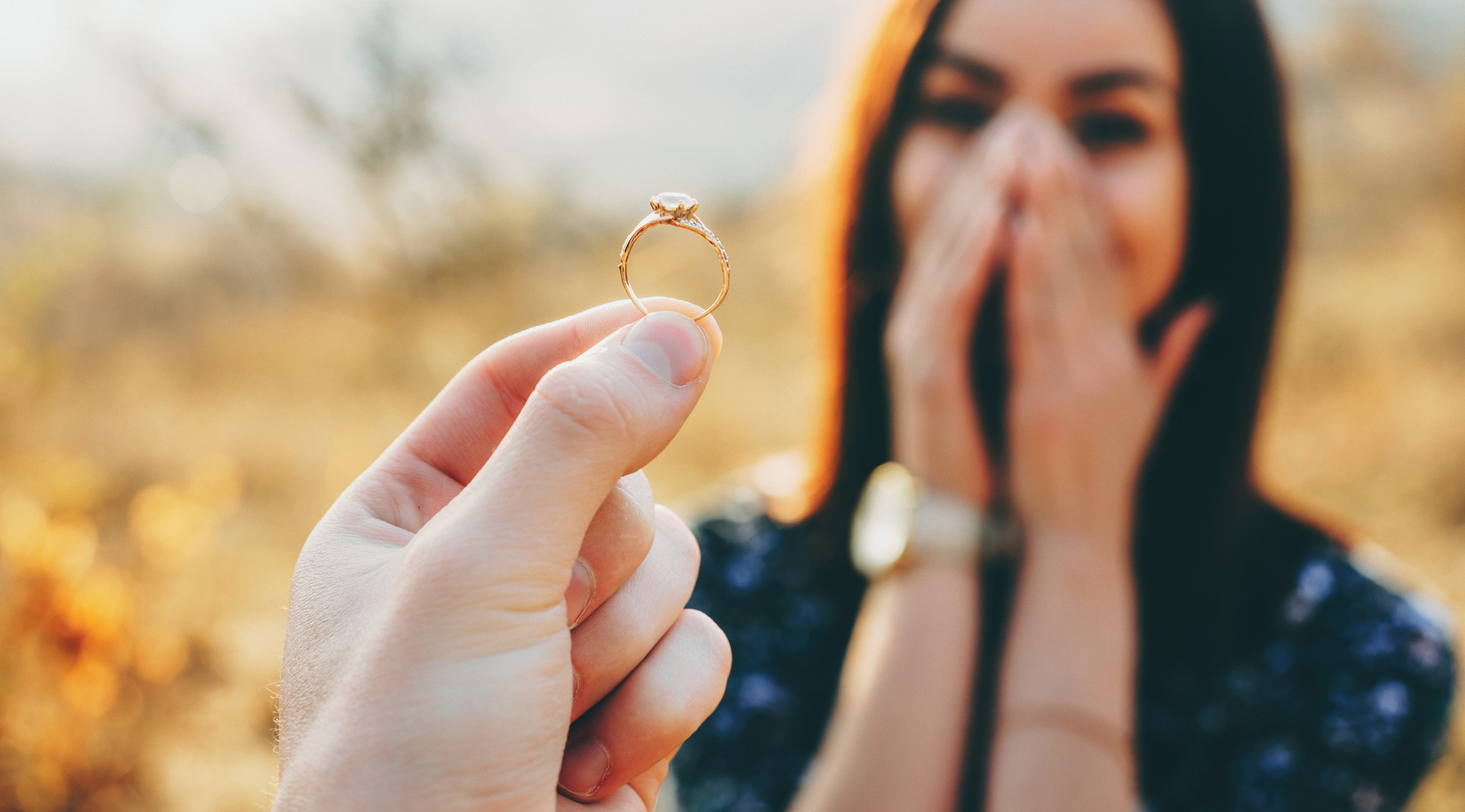
A proposal is undoubtedly one of the most magical and emotional moments in a person's life. It is a time when one person decides to open up to another, declaring their love and desire to spend the rest of their lives together. This unique moment, full of intimacy and anticipation, is often planned with attention to every detail to make it unforgettable. From romantic candlelit dinners and nature getaways to spectacular proposals at the top of the Eiffel Tower - the possibilities are endless. A key element that makes a proposal not just an emotional moment, but a symbol of deep commitment, is presenting the engagement ring. This tradition, dating back to ancient times, symbolizes eternal love and devotion, and choosing that one perfect ring often becomes a challenge accompanied by hours of searching and deliberation.
The Engagement: An official promise
An engagement, on the other hand, is the moment when a couple officially announces their intention to marry. It is a solemn promise, often made in the presence of family and friends, celebrating love and shared future plans. An engagement can be an intimate gathering, but it can just as easily take the form of a large party where the announcement becomes the highlight of the evening. During this event, the couple shares their joy with loved ones, and the engagement ring once again plays a key role as a visible symbol of their commitment. Thus, an engagement is a step toward marriage, a confirmation of readiness to build a life together and take on all the associated challenges.
Fundamental differences
Although proposals and engagements are often used interchangeably, the key difference lies in their nature and meaning. A proposal is an individual action - a romantic and intimate declaration of love and a marriage proposal, usually symbolized by the presentation of a ring. An engagement, however, is a mutual commitment and an official announcement of the decision to marry, often celebrated with family and friends. Both moments are incredibly important on the path to marriage, yet they differ in both intent and form of celebration. Understanding this subtle distinction helps not only in planning these events better but also in appreciating their unique significance for every couple.
Each of these moments requires an individual approach and should be tailored to the personalities and wishes of both parties. Regardless of the form, both the proposal and the engagement are expressions of deep love, trust, and readiness for marriage.
Table of Contents
- Introduction: The magic of love commitments - proposals and engagements
- History of proposals and engagements: From tradition to modernity >
- What do modern proposals and engagements look like?
- When to propose, and when to get engaged?
- The engagement ring - more than just a symbol
- Engagements, culture, and religion
- Summary: How to celebrate these moments?
History of proposals and engagements: From tradition to modernity
Ancient traditions of engagements and proposals
Engagement and proposal traditions have deep roots, dating back to ancient times when these rituals played key roles in communities worldwide. In the past, engagements were often seen as formal contracts between families rather than just an expression of love between two people. Engagement traditions involved the exchange of goods, land, or other valuable resources, aimed at strengthening family ties and ensuring economic security for the future couple. The history of proposals also shows how the perception of love and marriage has changed over the centuries. Originally, a proposal was not an act of spontaneous romantic declaration, but rather a carefully planned event that required the consent of both families.
The evolution of engagement customs
Over time, changes in engagement and proposal traditions reflected the social, cultural, and economic evolution of societies. The transition from arranged marriages to relationships based on mutual love and personal choice was a slow but decisive process. As ideas of romantic love gained popularity, especially during the Enlightenment, both proposals and engagements began to take on a more personal and intimate character. This trend has continued to the present day, where couples are granted great freedom in expressing their feelings and planning their future together. Nowadays, an engagement is often preceded by a romantic proposal, which is an individual and unique expression of love.
The influence of Christianity on engagements
Christianity had a significant impact on the shaping of engagement and proposal traditions. One of the key moments in engagement history was the Council of Trent in the 16th century, which introduced formal rules regarding marriage and betrothal within the Catholic Church. From that moment on, marriage began to be viewed not only as a social contract but also as a sacrament, which elevated the importance of the engagement as a preparatory step toward marriage in the eyes of God and the community. Marriages without public announcement were prohibited to ensure transparency and accountability to the faithful. This change contributed to the further formation of modern engagement practices, where honesty, fidelity, and transparency are valued.
The history of proposals and engagements is a fascinating journey through the centuries, reflecting changing society, values, and the perception of love and marriage. From traditional family agreements to romantic gestures of love, engagements and proposals have come a long way.
What do modern proposals and engagements look like?
Proposal scenarios
Modern proposals take many forms, from traditional to exceptionally creative. Couples deciding to take this step have almost unlimited possibilities to make the moment unforgettable. Proposal ideas are often tailored to the couple's shared interests and history. It could be a romantic dinner at a favorite restaurant, a proposal during a trip, or even a spectacular proposal at a mountain peak or during a hot air balloon ride. Nowadays, more and more couples are opting for personalized scenarios that reflect their individuality and the deep feelings they have for each other. In the era of social media, many of these moments are documented and shared, inspiring others to seek equally romantic proposals.
Engagements today
Celebrating an engagement has also evolved over the years. Today's engagement party can be intimate or large, depending on the couple's preferences. Some couples choose an intimate gathering with their closest friends, while others opt for an elaborate party with a wide circle of family and friends. The focal point of an engagement is often the official announcement of the commitment and future plans, which is a celebration of their love and readiness to build a future together. The moment a couple shares their decision with loved ones is extremely important and symbolic, highlighting the support and love they are surrounded by.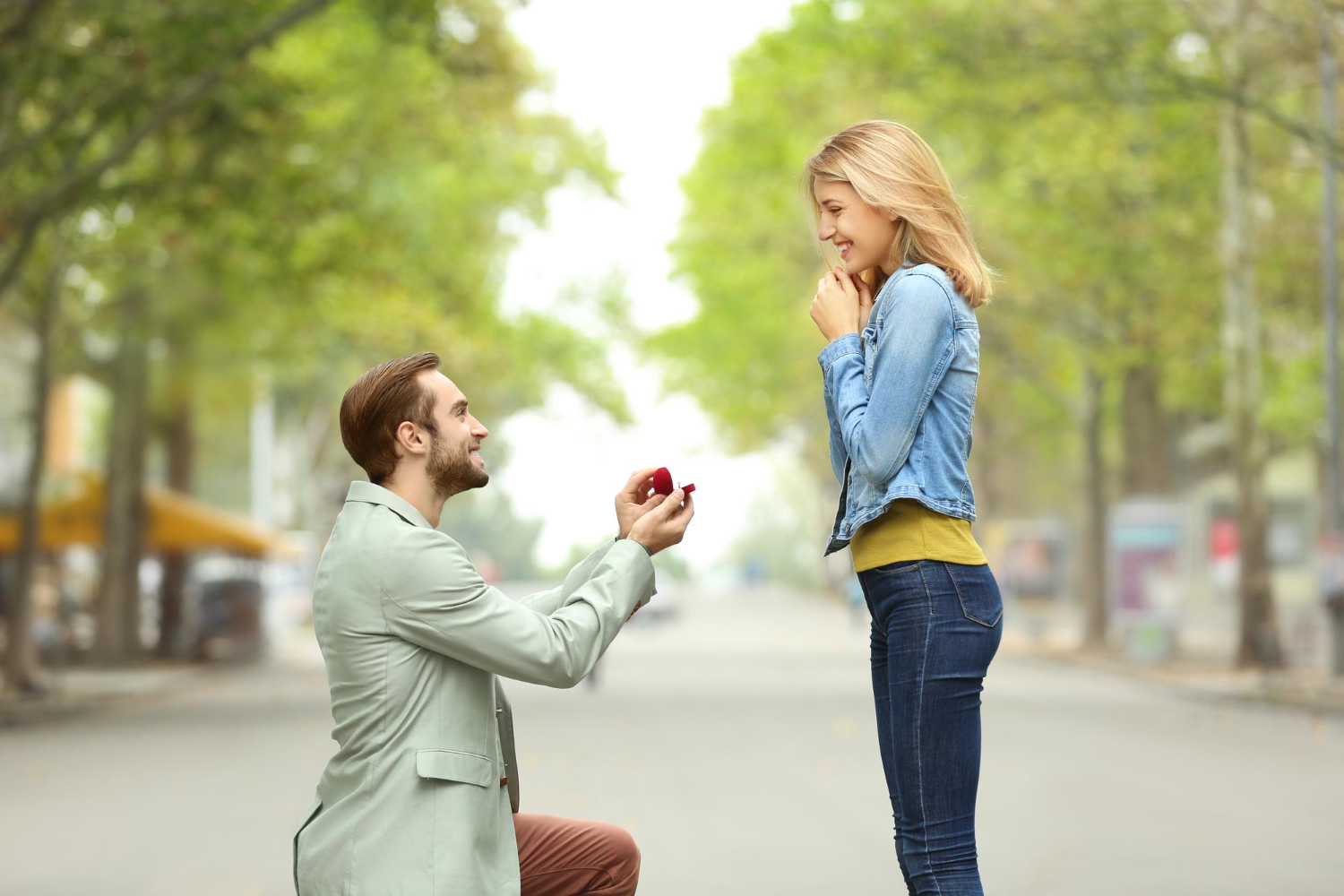
The role of the engagement ring
The engagement ring remains an inseparable element of both proposals and engagements. The meaning of the ring is multidimensional, symbolizing love, devotion, and a commitment to a life together. The choice of stone, often a diamond, is meant to reflect the durability and beauty of the relationship. Modern couples have a wide selection of rings at their disposal, from classic to modern, allowing them to find that one unique piece of jewelry that will perfectly fit their story and character. The process of choosing a ring often becomes a personal journey during which the couple considers not only aesthetics but also the symbolic meaning of the stones, making the choice even more special.
Modern proposals and engagements are unique moments that couples plan with great care to reflect their personalities, values, and the love they feel for each other. From romantic proposal scenarios to festive engagement celebrations and the symbolic choice of a ring, each of these elements is a testament to the individual path the couple chooses to walk together.
When to propose, and when to get engaged?
The sequence of events: From proposal to engagement
In the traditional sense, a proposal precedes an engagement, serving as the first step in officially confirming the intention to spend a life together. A proposal is the moment when one person asks the most important question: "Will you marry me?". This often takes place in an intimate atmosphere where feelings and emotions play the leading role. The moment is full of tension and magic, and its acceptance is the beginning of a new chapter in the couple's life.
Next comes the engagement, which is a more formal confirmation of readiness for marriage. Engagements are often announced to family and friends, becoming an opportunity to celebrate the decision together. It is a moment when the couple shares their joy with loved ones, and it is also a time when one can start planning the future life together, including the wedding ceremony.
Individual preferences: Personalizing the engagement
Modern couples are increasingly focusing on personalizing their engagement, tailoring the moment to their individual preferences. For some, the ideal proposal is one held among the closest family, while for others, it is a spectacular event in an extraordinary place. Engagements can also be celebrated in many ways, from intimate dinners to large parties. It is important that the couple feels this special time reflects their shared history and emotions.
Parental consent: Traditional values in a modern world
Although modern society is becoming increasingly liberal, for many couples, parental consent still holds great significance. The tradition of asking for the hand of one's beloved from their parents is an expression of respect and a desire to include both families in the engagement process. This gesture, while it may seem slightly outdated, is for many an important element of building relationships between future families and emphasizes the weight of the decision to live together.
Modern proposals and engagements are a complex process where tradition blends with individual preferences. Couples have the freedom to decide how they want to celebrate these important moments, drawing from both the richness of tradition and the possibilities of personalizing their own paths to marriage.
The engagement ring - more than just a symbol
Choosing the ring: From the heart to the stone
Choosing the perfect engagement ring is one of the most important steps on the road to engagement. It is a decision that requires not only knowledge of the other person's tastes and preferences but also an understanding of the symbolism and meaning behind the engagement stone. Nowadays, the options are almost limitless, from classic diamonds symbolizing the durability and purity of affection, to colorful gemstones that can reflect the personality and individual style of the loved one. How to choose an engagement ring thus becomes a question we answer by analyzing both the physical beauty of the stone and the depth of the emotions we wish to express through it.
Budget and preferences: Finding balance
The issue of budget is just as important as the emotional aspects of choosing a ring. The prices of engagement rings can vary significantly depending on the type and size of the stone, the metal it is made of, and the jewelry brand. It is important to find a ring that will not only suit the taste and style of the future bride but will also be realistic from a financial perspective. Adjusting to taste and preferences is key, and nowadays, the possibilities for ring customization allow for the creation of something uniquely personalized that will have individual meaning for the couple.
Tradition and modernity: Bridging worlds
In the context of engagement rings, tradition meets modernity, creating unique combinations that reflect both the historical significance of engagements and the contemporary approach to love and relationships. Traditional symbols, such as diamonds, are still very popular, but many couples also opt for more modern solutions, such as custom designs, unusual gemstones, or even vintage engagement rings that have their own history. How couples choose to combine these elements testifies to their individual approach to life and love, and the ring becomes not only a symbol of their relationship but also an expression of personality.
Choosing an engagement ring is a complex process that requires a balance between emotions, tradition, modernity, and financial realities. However, it is also one of the most exciting moments in engagement preparations, allowing for the expression of the depth of feelings and commitment to the future relationship.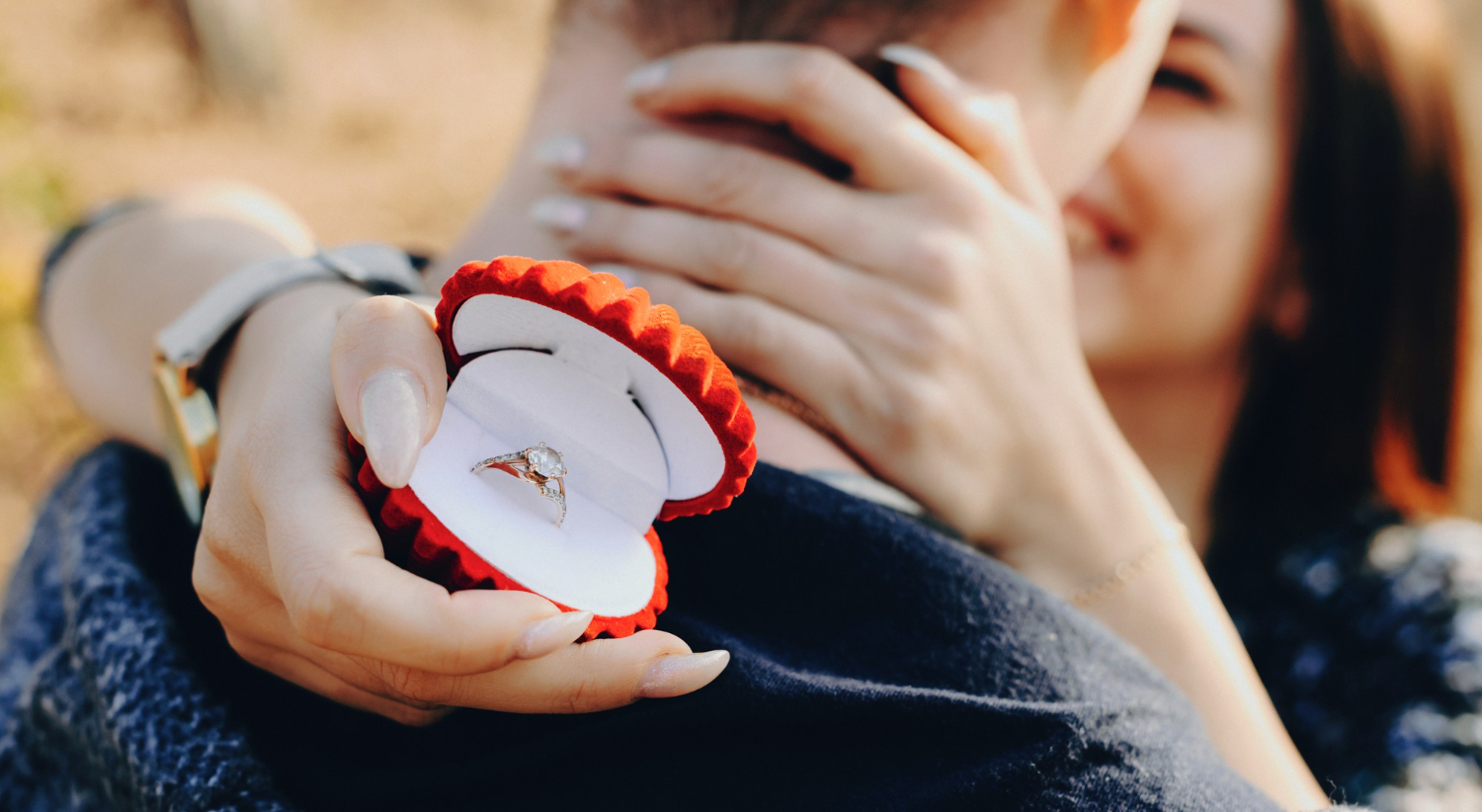
Engagements, culture, and religion
Cultural differences: Engagements around the world
Engagements, as a social phenomenon, are celebrated all over the world, but the way they are celebrated differs significantly depending on the culture. The influence of culture on engagements is undeniable and manifests through unique traditions, rituals, and symbols. In some cultures, traditional gifts play a key role, such as the dowry in India, or special ceremonies like the Japanese "Yuinou" engagement, during which symbolic gifts are exchanged. In other cultures, for example in Western countries, more emphasis is placed on the individual choice of an engagement ring and the personal character of the proposal. This richness of tradition shows how diverse engagements around the world are and how strongly they are rooted in local customs.
Religious aspects of engagements: Engagements in religion
Religion plays a significant role in the engagement rites of many communities. Engagements in religion can be viewed not only as a commitment between two people but also as a vow before God. In Christianity, for example, engagements are sometimes treated as a period of preparation for the sacrament of marriage, during which the couple may participate in special meetings or retreats. In Islam, on the other hand, an engagement allows for the official announcement of the intention to marry, which opens the way for further wedding preparations in accordance with religious principles. These and other examples show how Christianity and other religions influence the way engagements are perceived and celebrated.
Modern adaptations: Changes in perception
Modern societies are witnessing the adaptation of engagement traditions, which reflects changing values and expectations. Young couples are increasingly looking for ways to personalize their engagements, combining traditional elements with modern ideas. This may include non-traditional engagement rings, unconventional ways of proposing, or opting out of certain traditional elements in favor of a more egalitarian approach to the relationship. Changes in the perception of engagements reflect the greater diversity and openness of modern societies, which allows couples to celebrate their love in a way that best reflects their unique stories and values.
These three aspects - cultural differences, religion, and modern adaptations - show the engagement as a phenomenon deeply rooted in tradition but simultaneously evolving with the changing world. Properly understanding these aspects allows for a fuller appreciation of the engagement as a unique stage in a couple's life. I am unable to browse the internet or provide direct quotes from external sources in real-time. My answers are based on previously gathered knowledge and information. If you have other questions or need help in another form, please let me know!
Summary: How to celebrate these moments?
Proposals and engagements - a personal approach
Celebrating a proposal and engagement should reflect the couple's personality and preferences. Regardless of whether you choose an intimate proposal in the comfort of your home or a spectacular engagement at a public event, it is important that these moments are authentic and meaningful to you both. Remember that these events are the prelude to a life together, so they should be celebrated in a way that is most comfortable and happy for you.
Planning and execution
Organizing an engagement requires attention and time, especially if you are planning something more complicated. Start by setting a budget, choosing a location, and then move on to details such as choosing an engagement ring or planning a surprise. Remember to include your shared dreams and expectations in the planning process. You may also consider seeking help from a professional, such as a wedding planner, who will help bring your vision to life.
Tips for couples
- Communication is key: Make sure both parties communicate their expectations and dreams regarding the proposal and engagement.
- Don't compare yourself to others: Every couple is unique, so your engagement should also be unique, not modeled after others.
- Be creative, but realistic: When planning, create something special, but keep your real possibilities in mind.
- Enjoy the moment: Regardless of how big or small your engagement is, the most important thing is to enjoy this special moment together.
For those looking for additional information and inspiration, we invite you to read a few articles on our blog that may help with further planning and celebration:
- What is an ecumenical wedding?
- Musical inspiration for the wedding: What songs are perfect for the first dance?
- Traditional wedding games and activities
- Should you invite parents to the wedding?
- Is marriage an outdated concept?
I hope this information will be helpful in planning and celebrating your proposal and engagement.

Szymon Jędrzejczak
Wedding industry expert and stationery designer at Amelia-Wedding.pl. For years, she has been helping couples create unforgettable moments by combining tradition with modern design.