Difficult Wedding Guests – How to Handle Tactless Behavior and Intoxication
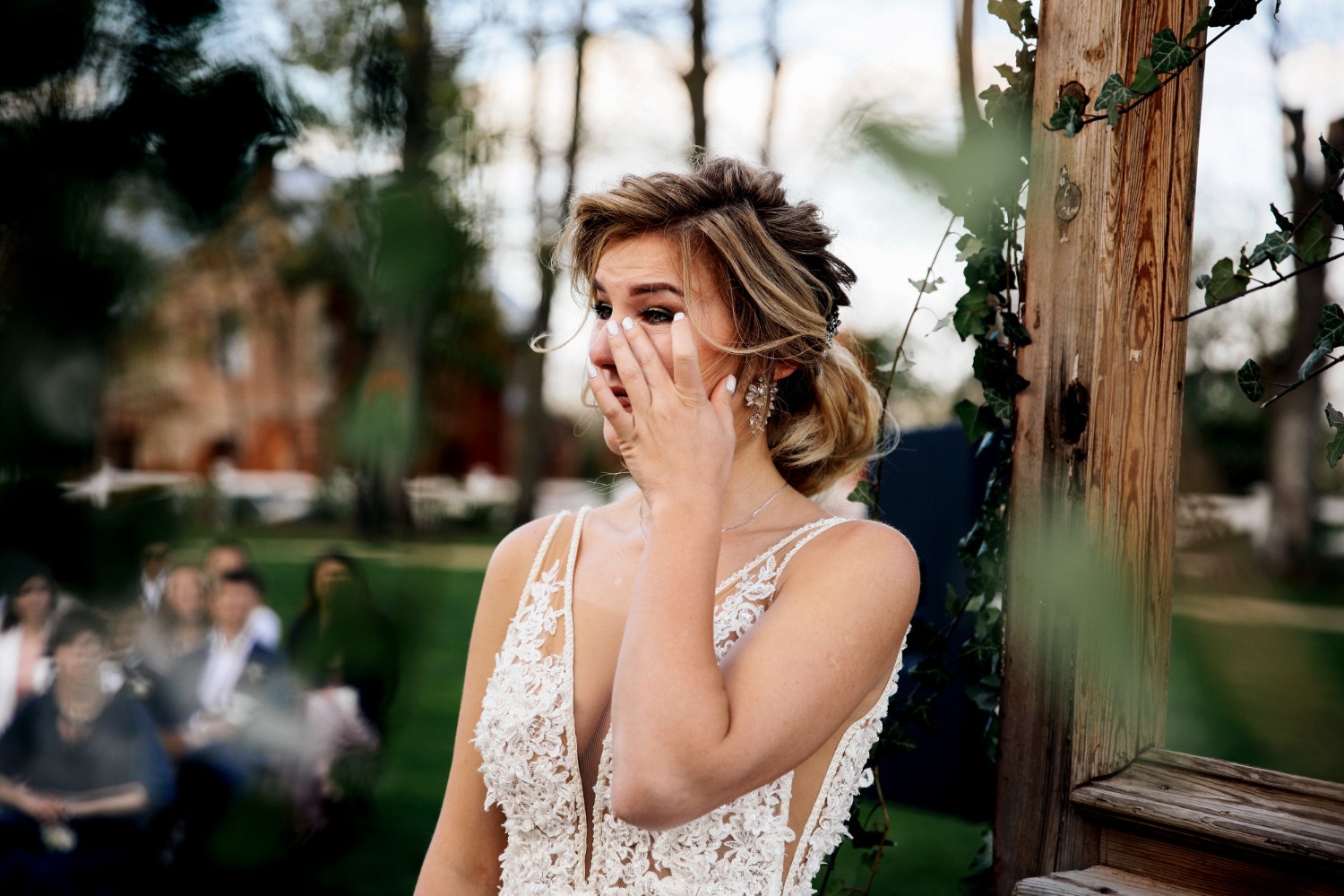
Every wedding is a story that the Bride and Groom want to remember with a smile. Unfortunately, reality can sometimes be less romantic than a Pinterest vision. After a decade in the wedding industry, I’ve seen it all – from an uncle who decided to give a twenty-minute speech about his marital problems, to an aunt commenting on the bride's weight, to guests turning the dance floor into a boxing ring before the cake was even served. Difficult wedding guests are a topic rarely discussed openly, yet it affects almost every couple planning a reception. In this article, I’ve gathered all the situations I’ve encountered over the years to show you how to handle them with class, without causing additional scenes.
The problem with difficult guests often stems from one simple fact: a wedding brings together people from different backgrounds, generations, and families who wouldn't normally sit together. Add alcohol, high emotions, loud music, and a dash of family tension – and you have a recipe for situations that can spoil even the best-planned celebration. The good news is that most wedding guest problems can be effectively prevented, and those that do arise can be resolved quickly and discreetly. You just need a plan.

Wedding Invitation Perełki No. 1 – Minimalist Style with Half-Pearl Appliqué

Minimalist Wedding Invitations – Glare No. 1 with Embossed Frame

Rustic Wedding Invitations Impresja No. 2 – Autumn Flowers
This article is written primarily for Couples, their wedding party, and loved ones who want the big day to run smoothly. I’m not here to moralize or scare you – instead, you’ll get concrete tools: conversation scripts, preventive strategies, and even tips on how to organize your seating chart to minimize conflict risks. Whether you are just sending out your wedding invitations or your wedding is next week – these tips will come in handy. Ready? Let's begin.
1. The Guest Who Had Too Much to Drink – Discreet Intervention Over Confrontation
Let's start with a classic. An intoxicated guest is probably the most common issue Couples and wedding planners face. Alcohol is a staple of wedding traditions, and the line between a good time and a problem can blur faster than a server can bring the next bottle. The key is early reaction and discretion – because publicly shaming a drunk guest never ends well.
Recognizing Early Warning Signs
Many people make the mistake of waiting until a situation becomes serious. Instead, observe guests from the start of the reception and look for early signs. A raised voice, excessive gesturing, a shaky gait, or frequent trips to the bar – these are all signs that someone might soon become a problem. It’s not about tracking every glass, but general vigilance. In my experience, problems often start during dinner – guests drink on an empty stomach between courses, and the effects accumulate after two or three hours.
This is why it's crucial that responsible parties – the Maid of Honor, Best Man, parents, close friends – know in advance who to watch. You can almost always predict who on the guest list has a tendency to overdo it. Grandma knows. Mom knows. The uncle himself knows, though he’ll claim he’s "only having a symbolic drink today." Don't let this be a taboo – talk about it openly before the wedding.

Impresja No. 10 Wedding Place Cards – Botanical White Roses

Aurum No. 1 Wedding Place Cards – Purple Freesia and Peony Floral Table Cards

Jaspis No. 3 Wedding Place Cards – Gold Foiled Glamour Table Cards
It’s also worth establishing a signal system with the venue staff. Many experienced servers recognize these situations and can discreetly limit alcohol service to a specific person – just coordinate with the floor manager beforehand. It’s not about banning someone from drinking, but ensuring the server doesn't appear with a bottle as often at their table. This simple move can effectively slow down the pace without causing a scene. You can also ask the bartender to make specific guests' drinks "light" – with less alcohol. This is a solution I use at many weddings, and no one ever notices.
Who Should Intervene and How
Fundamental rule: The Bride and Groom should never directly confront an intoxicated guest. This is a job for the wedding party, close friends, or the guest's family. The couple has enough on their plate – the last thing they need is a scuffle with Uncle Joe at the bar. Therefore, before the wedding, designate a "response team" – two or three people who know what to do in a crisis. The Best Man and Maid of Honor are natural candidates, but siblings, cousins, or close friends with authority in the family work just as well.
The intervention should be private, calm, and respectful. The worst thing you can do is approach someone in the middle of the dance floor and loudly say: "Buddy, I think you've had enough." Instead, pull the person aside – preferably under a pretext. A proven scenario: approach with a smile and say something like: "Hey, let's step outside for a moment to catch some fresh air, I want to tell you something." Once you're alone, you can be honest but warm: "I see you're having a great time, but I'm starting to get a bit worried. Maybe let's slow down a bit? How about some water?". Avoiding an accusatory tone is key. Don't say: "You're drunk," as that triggers a defensive reaction. Say: "I'm worried about you" – it changes the dynamic of the conversation.
If the guest is past the point of rational conversation, don't argue. An intoxicated person won't understand logic. Instead, focus on action: arrange a taxi or call a family member who can take them home. Many experienced wedding coordinators keep a local taxi number handy for exactly these occasions. It’s not rude – it’s caring for the guest's safety and everyone else's peace of mind.
Practical Conversation Scripts for Intoxicated Guests
Every situation is different, but it's helpful to have a few scripts ready. Preparing dialogues in advance prevents panic in the heat of the moment. Here are three typical situations and suggested responses:
- Scenario 1: The guest starts speaking loudly and vulgarly. A member of the "response team" approaches and says: "Hey, we were just looking for someone to help – come on, help me move some gifts to the car." This is a pretext to pull them away from the group. Privately: "Listen, I noticed things might be moving a bit fast with the drinks. It's no big deal, but maybe have some water and sit down for a bit? The cake cutting is in half an hour, you don't want to miss that." Referring to a specific point in the wedding timeline works surprisingly well – it gives the person a reason to "get it together."
- Scenario 2: The guest starts bothering others. If an intoxicated guest is pestering others, isolating them from the "victim" is key. Approach and say to the pestering guest: "Oh, I've been looking for you! Come on, the DJ wants to talk to you about a song request." To the person being bothered: a discreet "Sorry about him, we're handling it." Privately with the guest: "I see you're in high spirits, but not everyone is keeping up with your energy. Let's sit down for a moment and chat?"
- Scenario 3: The guest refuses to cooperate and becomes aggressive. This is the hardest situation. Don't try to convince them – an aggressive, intoxicated person doesn't listen to arguments. Instead: stay calm, maintain a safe physical distance, and do not raise your voice. Say firmly: "I understand you don't want to talk right now. I've ordered you a taxi; it will be here in ten minutes. Can I let someone in your family know?" If the situation requires immediate intervention, ask the venue security or – in extreme cases – call the appropriate authorities. Guest safety is always the priority.
Organizing Safe Transport Home
It’s not enough to tell someone to leave – you must ensure they get home safely. This is a matter of both moral and often legal responsibility. Before the wedding, prepare a list of local taxi companies and arrange for at least two to be on call. Many venues work with specific transport companies – ask the coordinator. You can also ask a non-drinking guest to be ready to drive someone if needed. Using the free wedding app, you can plan transport logistics in advance and have all necessary numbers at your fingertips. The Blissaro wedding app also allows you to assign tasks to specific people in the organizing team, so no one has to remember everything alone.
It's also good practice to establish with the family of a potentially problematic guest who will be responsible for them. This doesn't have to be an unpleasant talk – just say: "We want everyone to get home safely. Can we count on you if John needs help with transport?" Most people understand the suggestion and accept it gratefully, as they often know the problem exists but don't want to be the first to bring it up.
Preventing Alcohol Issues – Seating Charts and Service Control
The best intervention is the one that doesn't have to happen. That's why thinking about prevention during the planning stage is key. The wedding seating chart is a powerful tool in the hands of a clever couple. Seat a person prone to overdrinking next to someone responsible – preferably their partner or a close relative who isn't afraid to say "Maybe that's enough?". Avoid seating such individuals near the bar or the self-service alcohol station. If possible, seat them closer to the exit – this makes a discreet departure easier if needed.

Golden Fortune Cookies with Personalized Label | Affordable Wedding Favours | Cejla No. 3

Soy Candle Rubin No. 1 – Foiled with Flowers and Wedding Favours

Presto No. 1 Mini Honey Jars with Eco Cover – Natural Wedding Favour with Bride & Groom Illustration
Also, consider the format of alcohol service. Instead of an unlimited open bar all night, you can introduce a system with breaks – for example, closing the bar during official speeches, serving only beer and wine after midnight, or limiting the number of drinks per person in a given period. Of course, it's not about making the wedding feel like a summer camp for adults – it's about smart management. Many guests won't even notice the difference, and those prone to overdoing it will automatically slow down. Setting up water and lemonade stations in visible places is also effective – when a guest looks for a drink, they don't have to reach for alcohol immediately.
If you are concerned about excessive drinking, you can always consider an alternative. Check out our guide on how to organize an unforgettable dry wedding.
2. Inappropriate Jokes and Comments – How to Handle This with Class
Alcohol isn't the only issue – sometimes guests are completely sober yet manage to say something that makes you want to disappear. Tactless behavior in the form of inappropriate jokes, comments, or questions is a plague that isn't talked about enough. Some people simply have no filter or believe a wedding is an occasion for "freedom" that justifies saying literally anything.
Types of Inappropriate Wedding Jokes – From Cringe to Hurtful
Wedding jokes can range from slightly distasteful to genuinely harmful. It’s worth distinguishing them because each type requires a different reaction. Jokes about the couple's intimacy are classics – comments about the "wedding night," suggestive remarks while giving gifts, double-entendre songs. Many couples take this in stride, but not everyone is comfortable with such humor, especially in front of grandparents, children, or guests from the other side of the family they don't know well. On the other hand, jokes about exes are an absolute no-go – mentioning a bride's or groom's ex-partners is an unwritten taboo that some guests unfortunately break, usually under the influence. We once had a situation where the groom's friend stood up and said: "Remember when Mark dated Kate? Now that was a match!" – the silence that followed was deafening.
Another category is political and ideological comments. A wedding is the last place for debates on politics, religion, or controversial social issues, yet there's always someone who "must" say what they think. Imagine a table where a conservative grandmother sits next to a progressive friend of the bride – one unfortunate sentence and you have an hour-long debate ruining the atmosphere. Finally, there are comments about appearance – "you've gained a bit for that dress," "that hairstyle is a bold choice," "isn't that too much makeup?" – these kinds of remarks can ruin a bride's mood for the entire evening, even if the person "didn't mean anything by it."
How the Wedding Party Can Redirect the Conversation
The Maid of Honor and Best Man act as informal guardians of the good atmosphere – and it's up to them to react quickly to tactless comments. The most effective technique is "redirecting attention." When someone starts saying something inappropriate, the bridesmaid or groomsman enters the conversation naturally and changes the subject. For example, if an uncle starts a joke about the wedding night, the bridesmaid can say: "Oh, that reminds me – I have to tell you the story of how they actually met, because that is a real story!". The key is to do it smoothly and with a smile – we don't want the uncle to feel humiliated.
Another effective technique is "physical redirection" – literally taking the person away from the group where they are being inappropriate. "Come on, I have to show you the cake the couple ordered" or "Let's dance, the DJ is playing our song" – these are proven excuses. If an inappropriate comment was made publicly and heard by many, the wedding party can react with tension-breaking humor: "Alright Joe, I see the bar is working its magic – let's get you some water before you say something you'll regret." This must be said warmly and with a smile so it sounds like a joke, not a reprimand. If a comment was truly hurtful – for example, regarding the bride's appearance – the bridesmaid should immediately check on the bride and then discreetly speak to the person who made the comment.
What the Couple Can Do When They Hear Something Hurtful
Even the best preparation doesn't guarantee the Couple won't hear something unpleasant. How to react? Above all – don't let one tactless comment dominate your evening. Easier said than done, but it helps to have a strategy. The first option is an assertive but calm response. When someone comments on your appearance: "Thank you for your opinion, but I feel fantastic and that's what matters today." When someone jokes about your past: "The past is the past – today we're celebrating the future." Short, calm, with a smile. This closes the topic without creating drama.
The second option is simply ignoring it – sometimes the best answer is no answer. You can look at the person, smile, and walk away. The third option is delegating – if a comment upset you, approach your Maid of Honor or a close friend and say: "Can you talk to Aunt Christine? She just said something really unpleasant and I don't want to confront her right now." This is completely normal. Your wedding is your day – you don't have to solve every problem yourself. It's also worth deciding after the wedding, once emotions have settled, if you want to talk to that person about what they said. Sometimes people genuinely don't realize they've said something hurtful, and a sincere conversation later can do more than a confrontation during the party.

Cejla No. 3 Soy Candle in Plaster – Eucalyptus & White Flowers Favour

Cejla No. 6 Soy Candle in Gypsum – Gilded Eucalyptus Wedding Favours

Cejla No. 15 Soy Candle in Gypsum – Golden Heart Wedding Favour
Prevention – Preparing Guests Before the Wedding
Can you prevent tactless behavior before the wedding? To some extent – yes. Communication is key. When sending wedding invitations, you can include information about the nature of the wedding – for example, that it will be an elegant, intimate ceremony or that you care about a comfortable atmosphere for all guests. This is a subtle signal that sets the tone. Well-designed wedding invitations with an elegant layout communicate the level of the event and help guests understand the expected behavior.
Even more effective is directly informing potentially problematic individuals. This doesn't have to sound like a threat – quite the opposite. A conversation could look like this: "You know, Uncle, it means a lot to us that you'll be at our wedding. We'd like to ask one thing – it's really important to us that the evening is calm and elegant. Can we count on you?". Most people, when asked directly, try to meet expectations. It's also good to inform the wedding party and parents about specific sensitive topics – if you don't want jokes about the wedding night or comments about exes, say so clearly. People aren't mind readers – if you don't say it, you can't expect them to know.
3. Unplanned Speeches and Toasts – When Someone Grabs the Mic Uninvited
There's something terrifying about the sight of an uncle approaching the DJ with a glass in hand, asking for the microphone. No one asked for it. No one planned it. And everyone knows that unplanned wedding speeches are Russian roulette – they might be beautiful, but more often they end in awkward silence, drunken rambling, or a story no one wanted to hear.
Why Guests Want to Speak and How to Understand It
Before planning how to handle unplanned speeches, it's worth understanding why people do it. In most cases, the motivation is positive – guests want to express their emotions, show love and respect for the Couple. The uncle who grabs the mic often does so because he is truly moved and wants to say how happy he is. The problem is that emotions plus alcohol plus lack of preparation is a mix that rarely yields a good result. There are also guests who simply love being the center of attention – and a wedding seems like the perfect stage. Finally, some people feel left out: "Why did Chris get to speak and not me? I've known them for years!". This is often a matter of bruised ego, especially among older family members.
Understanding these motivations is key because it helps choose the right reaction. A person wanting to express feelings should be given an alternative space – for example, a private talk with the couple. For someone seeking attention, clear boundaries must be set. And for someone with a bruised ego, even a symbolic gesture – like asking them to lead a toast during dinner – can make them feel valued. The key is anticipation and planning the wedding timeline so there are no gaps for guests to fill with spontaneous speeches.
Managing the Microphone and the DJ's Role in Control
The most effective method for preventing unplanned speeches is physical control of the microphone. It sounds simple, but in practice, it makes a huge difference. Establish a ironclad rule with the DJ or MC: the microphone goes to no one without prior approval from the Couple or the wedding party. A professional DJ should know this rule from experience, but it's worth confirming it in writing – in the contract or at least an email. In my experience, most "slips" happen when the DJ is young and inexperienced and can't say no to an adult man firmly demanding the mic.
The DJ or MC should have clear instructions: "If someone asks for the mic, say that we are moving to the next point of the program and offer to come back to them later." This is a polite refusal that doesn't close the door but gives time to consult with the couple. A well-trained DJ can also save a situation already in progress – if someone has taken the mic and is rambling, the DJ can gently "turn up" the background music and then step in: "Thank you for those beautiful words! And now – everyone – to the dance floor!". It's not about being rude – it's about managing the pace of the evening.
Gentle Ways to Shorten a Long-Winded Speech
What if someone already has the mic and keeps talking... and talking... and there's no end in sight? Any speech longer than three minutes starts losing the audience's attention – that's a fact confirmed by every professional MC. As you approach the five-minute mark, people talk among themselves, look at their phones, and generally lose interest. What to do?
- Method one: "The Toast". A designated person approaches the speaker with a glass of champagne and says: "To the health of the happy couple – let's raise a toast!". This is a natural ending point for any speech – because after the toast, everyone drinks and the speaker loses the "stage."
- Method two: The DJ starts playing a soft melody in the background associated with an ending (like "For He's a Jolly Good Fellow" or a upbeat track) – it's a subtle signal that time is up.
- Method three: A member of the wedding party approaches the speaker, puts an arm around them, and says into the mic: "Thank you, Uncle – beautiful words! Now I'd like to add..." – and smoothly takes over the mic.
The key is that each of these methods is done with a smile and in the spirit of fun, not as a reprimand. The speaker should feel appreciated, not silenced – after all, they probably meant well.

Glamour Wedding Place Cards No. 1 – Satin Name Cards with White Print

Rose Bow Wedding Place Cards No. 1 – Pink Satin Glass Ribbon Cards

Cappuccino Wedding Place Cards No. 1 – Satin Ribbon Table Name Cards
Planning Toast Order – The Key to Evening Control
The best defense against chaotic speeches is a well-planned wedding timeline with a clearly defined toast order. A recommended format: one toast from the Maid of Honor/Best Man, one from the bride's parents, one from the groom's parents, and perhaps one from a close friend – and that's it. No more than four or five official speeches for the whole evening. Each should last a maximum of two to three minutes.
Establish with each speaker beforehand exactly when they will speak and let them know the expected time. You can even offer to help prepare the speech – many people are grateful for this, as public speaking stress is real. The toast order should be written down and given to the DJ or MC, who will introduce each speaker. When the order is public and known, guests automatically understand there's no room for spontaneous performances. And if someone still wants to say something – suggest a short toast at their table, without a mic, in an intimate circle. This often fully satisfies the need to be heard. Using the Blissaro wedding app, you can share the entire wedding timeline with key people – the wedding party, DJ, staff – so everyone knows what is happening and when.
4. Family Conflicts at the Wedding – Old Feuds at New Tables
A wedding is a day of joy, but also a day when two families – sometimes with completely different dynamics, values, and histories – meet in one place. Add to that internal conflicts within each family: feuding siblings, divorced parents, quarreling cousins, an aunt who hasn't spoken to an uncle in five years – and you have a ticking time bomb. Family conflicts at weddings are one of the toughest topics because they involve deep-seated emotions and relationships that the Couple has limited control over.
Identifying Risky Family Dynamics Before the Wedding
The first and most important step is an honest analysis of the wedding guest list regarding potential conflicts. Sit down together as a Couple and go through every name, asking: "Does this person have a problem with anyone else on the list?". Be honest – this is not the time for wishful thinking like "oh, they'll surely get along, it's a wedding." They won't. A conflict that has lasted for years won't magically disappear at the wedding cake.
Typical risky configurations include: divorced parents who can't be in the same room; siblings in an inheritance dispute; a mother-in-law who doesn't accept the son/daughter-in-law; friends who fought and haven't spoken for months. Make a list of these pairs and trios – this will be your "risk map." Then decide what to do. Options are three: seat them far apart (the seating chart is your best tool), designate mediator-people to sit between them, or – in extreme cases – talk to the potentially problematic individuals before the wedding and ask them to keep the peace.
You can find more tips on this in our article on how to create the perfect wedding seating chart to avoid unnecessary friction.
Strategic Seating Chart – Your Secret Weapon
The wedding seating chart isn't just about aesthetics and logistics – it's a strategic conflict management tool. Many couples treat seating as a boring chore, but in reality, it's one of the most important elements of wedding organization. A well-thought-out table layout can prevent 90% of potential problems.
Here are key rules for strategic guest seating:
- Feuding individuals should sit in different parts of the room – ideally so they don't even see each other. If the hall is long, seat them at opposite ends.
- Divorced parents should have separate tables, but both in equally prestigious locations – neither should feel demoted.
- Place a "buffer" between potentially conflicting people – a calm, sociable person who can diffuse tension.
- Seat talkative and sociable people with less familiar guests – they will be a natural bridge that integrates groups.
- Use elegant wedding place cards to clearly mark each guest's spot – this eliminates confusion and "who sits here?".
When creating the seating chart, remember practical aspects too. At amelia-wedding.pl, you'll find beautiful place cards and accessories to help professionally mark seats. Meanwhile, the free wedding app lets you create an interactive seating chart and share it with the venue staff before the wedding, which greatly simplifies organization. This really changes the quality of preparations and eliminates chaos on the wedding day.
The Role of Mediators – Who to Put Out Family Fires
Even with the best seating chart, conflicts can flare up – especially after a few hours and a few drinks. That's why it's worth designating mediators in each family. A mediator is someone who knows the history of the conflict, has authority with both sides, and can stay calm. This could be an older cousin, an aunt who is the "link" between feuding branches of the family, or a family friend everyone respects.
Golden Fortune Cookies with Personalized Label | Affordable Wedding Favours | Cejla No. 3

Fortune Cookies with Gold Foliage – Ruskus No. 2

Eucalyptus Fortune Cookies | Wedding Favours & Sweet Gifts | Korani No. 3
Talk to each mediator before the wedding and explain what you expect: "You know Mom and Dad aren't talking. Can you keep an eye on them and intervene if there's any exchange?". Give the mediator specific instructions – for example: "If you see Dad approaching Mom and starting a talk, go over and change the subject. If things get tense, pull one of them away under the pretext of a photo or a toast." The more specific the instructions, the better – because under stress, even the most experienced mediator can get lost. Remember to thank the mediators after the wedding – it's a tough and thankless task, but vital for the success of the celebration.
What to Do If a Fight or Scene Breaks Out
Despite all preparations, sometimes a scene at a wedding just happens. Someone said one word too many, someone else reacted emotionally, and suddenly you have a shouting couple at table ten. What to do?
- Immediately separate the feuding parties. Each person should be led away by someone else – to another room, outside, to the restroom. Never leave them together "to work it out" – it escalates the conflict.
- Don't try to solve the conflict on the spot. A wedding is not the time for family therapy. The goal is de-escalation, not resolution. Say: "I understand you're upset. We'll talk about this tomorrow. For now, please, let's get back to the party."
- Distract the other guests. Ask the DJ for an energetic track, announce the next program point, invite everyone for cake. The faster the rest of the guests return to the fun, the smaller the mark the incident will leave.
- Take care of the Couple. A member of the wedding party should immediately approach the couple and say: "Everything is under control, we've handled it. Keep having fun." The Couple should not get personally involved in resolving the conflict.
If the situation escalates to physical aggression – which is extremely rare but happens – immediately ask the venue security to intervene. Most venues have staff trained to handle such situations. In extreme cases, do not hesitate to call the authorities. Guest safety is always more important than avoiding a "scene."
How to De-escalate Tension – Communication Techniques
De-escalation is a skill that can be learned. Here are proven techniques that work in a wedding context:
Speak quietly and calmly – when someone shouts, the natural reaction is to raise your voice. Don't. The quieter you speak, the more the other person has to focus to hear you – which automatically lowers aggression levels. Approach closely and speak almost in a whisper: "I see you're upset. Come, let's talk calmly." Use the person's name – it personalizes the contact and makes it harder to treat you as an opponent. "John, look at me. Everything is OK. Let's step outside for a moment." Don't judge, accuse, or lecture – "You're right that this is hard" works better than "You're acting like a child." Even if the person is objectively wrong, acknowledging their emotions (not behavior) diffuses the situation. Remember, at the wedding, your goal isn't justice – your goal is peace.
5. Unsupervised Children and Rule-Breakers – Small Problems That Grow
Not every wedding problem is a dramatic fight or a drunken scandal. Sometimes it's the small, seemingly innocent situations that accumulate and ruin the atmosphere – children running on the dance floor, guests ignoring the dress code, unexpected plus-ones. These are topics the Couple often doesn't think about because they seem trivial. But in practice, they can generate more stress than one drunk uncle.
Children at the Wedding – Joy and Challenge Combined
The question "should we invite children to the wedding?" is one of the hottest in the wedding industry. Regardless of your decision, be prepared. If you decide to invite children, you must plan entertainment for them – because a bored child is a child who runs onto the floor during the first dance, sticks fingers in the cake, and cries because they're tired at 11 PM. It's not the children's fault – it's a lack of planning.
We discussed this dilemma in detail in: Children at the Wedding: Kids' Corner or Adults-Only Reception?
Proven solutions include: designating a special room or corner for children with toys, coloring books, and movies; hiring an animator to look after the little ones throughout the wedding; preparing "entertainment packs" for each seat at the children's table (crayons, books, small toys). It's important that parents know in advance that these attractions are available – you can inform them in the invitation or on the wedding website. No less important is setting clear rules – for example, that children should be supervised by parents, not by the wedding staff. It sounds obvious, but you'd be surprised how many parents treat a wedding like free childcare.
If you decide on an adults-only wedding, communicate this decision clearly and consistently. It's best to place the information on the invitation: "Adults-only celebration – we appreciate your understanding." Be prepared that not everyone will accept this – some guests might take offense or decide not to come. That is their right, and it should be respected without guilt.
Guests Ignoring Dress Code and Other Agreements
You wrote "dress code: black tie" on the invitation, and a guest shows up in a Hawaiian shirt and sandals. Or vice versa – you asked for a casual atmosphere, and an aunt appears in a ball gown and feels out of place. Ignoring the dress code is a problem that usually stems from misunderstanding, not malice. Many people, especially of the older generation, simply don't know what modern terms like "smart casual" or "black tie optional" mean. Therefore, be precise: instead of an enigmatic "elegant," write specifically: "Gentlemen: suit or jacket with trousers. Ladies: cocktail dress or elegant set."

Elegant Burgundy and Gold Wedding Seating Chart, PVC or Acrylic Board | Glamour Guest Board | Kraft No. 6

Watercolor Pink Flowers Wedding Seating Plan | Guest Placement Board | Impresja Design 8

Modern Pink Wedding Seating Plan | PVC Acrylic Guest Board | Personalized Seating Chart | Kraft No. 9
Can anything be done if a guest has already appeared in inappropriate attire? Honestly – not much. And honestly – it's not worth it. Commenting on someone's outfit at a wedding is an issue where it's better to let go. A guest who came in too casual a dress likely already feels awkward – don't make it worse. The only thing you can do is focus on those who followed the dress code and compliment their look – it's a subtle message for future occasions. If, however, someone appears in a white dress (which in many traditions is reserved for the bride), the Maid of Honor can discreetly approach and say: "Beautiful dress! But you know, here white is reserved for the bride – would you like to borrow my shawl to add some color?". Elegant, tactful, and without public shaming.
Unexpected Guests and Self-Appointed Plus-Ones
You sent out invitations by name, clearly stating who is invited – yet a guest shows up with a partner no one has heard of, or brings a sister because "she happened to be visiting." The problem of unexpected guests is more common than you'd think and generates real stress – because suddenly there's a lack of seats, food portions, and overall logistics fail.
Prevention is key. On the invitation, clearly indicate how many people are invited – "We invite Anna and Mark Smith" is a clear message that the invitation is for two. Avoid vague formulas like "We invite you with family" – because for some, "family" is a partner, while for others, it's a partner, three children, and a grandmother. When asking for RSVP, explicitly ask for the number of people. Using appropriate guest list management tools, you can easily track responses and catch inconsistencies before it's too late.
And if an unexpected guest has already appeared? Above all – stay calm and hospitable. Don't kick anyone out, as that will create a scene. Ask the staff to add a chair and place setting – professional venues always have a reserve. The cost of an extra person is minimal compared to the scene that sending someone away would cause. After the wedding, you can talk to the guest who brought an extra person and explain why it was problematic.
Phone Addiction During the Ceremony
The wedding ceremony is a sacred or at least special moment – yet half the guests are looking at it through a phone screen, trying to get the perfect photo or video. Guests with phones during the ceremony is a problem that has drastically increased in recent years and can truly ruin the atmosphere, not to mention the professional photographer's shots, where instead of moved faces, you see a forest of smartphones.
"Unplugged" weddings are becoming increasingly popular – where guests are asked to put away their phones during the ceremony. You can place information about this on a board at the entrance to the church or hall, and the MC can ask for it verbally just before the ceremony begins. The text could be, for example: "Dear guests, we ask that for the next twenty minutes you put away your phones and be with us in this special moment with your eyes and hearts, not a screen. Our photographer and videographer will take care of capturing everything – and we will share your photos after the wedding." It's also worth preparing special cards on each chair with a request to put away phones – it's more effective than a verbal announcement because guests have a physical reminder.
Guests Complaining About Food, Music, and Other Aspects
There are guests who can find a flaw in literally everything. The food is too salty, the music too loud, the hall too dark, the cake too dry, the wedding favors too modest – the list is endless. Complaining guests are often people who tend to criticize regardless of circumstances – and a wedding doesn't change their character.
How to deal with them? Above all – don't take it personally. Your choice of menu, music, and decorations is your choice, and you don't have to explain it to anyone. If a guest complains to your face, a short: "Thank you for your opinion, but we really love what we've prepared. I hope you're having a good time regardless" is enough. Don't explain, don't apologize, don't try to fix something that isn't broken. If a guest complains to others – for example, saying at the table how the food is tasteless – the Best Man can discreetly approach and say: "Hey, I heard you're not enjoying the food. Can we order you something else? Or maybe let's head to the bar?". The point is to stop the guest from "infecting" others with their dissatisfaction. It's also worth remembering that elegant wedding favors at the end of the wedding are a nice gesture that ensures even the most difficult guests leave with a positive memory.
6. The Guest Who Wants to Be the Star – Competing with the Couple for Attention
There is a type of guest every wedding planner knows and every Couple should be prepared for – the person who thinks every social event is their personal stage. This is the guest who stands up for a fifth toast no one asked for. Who occupies the dance floor for three solo songs, not letting anyone else in. Who announces their own engagement during your wedding dinner. Sound absurd? I've seen it all – and more than once.
Types of Attention-Seeking Behavior – From Innocent to Truly Problematic
It's worth distinguishing types of "attention seekers," as each requires a different approach. The first type is the "showman" – the person who simply loves being the center of attention. They dance the loudest, joke the most, and come in the most eye-catching outfit. In small doses, such a guest can be the soul of the party – the problem starts when they can't stop and monopolize attention all evening. A showman usually has no ill intentions – they just have no filter.
The second type is the "announcer" – the person who decides to use the wedding as a stage for their own announcements. The most common scenario: someone announces their engagement, pregnancy, or other big news during your wedding reception. This is behavior many guests don't even see as problematic – "it's great news, why not be happy?" – but in reality, it steals a moment that should belong exclusively to the Couple. A wedding is not a platform for announcements – it's the couple's day, end of discussion.
The third type is the "dramatist" – the person who intentionally or unconsciously creates drama. This could be a guest who makes a scene about their seat, cries loudly during a speech, causes a jealousy scene with their partner, or publicly argues with the staff. A dramatist feeds on attention – the more people watch, the more they ramp up. The key to dealing with a dramatist is not feeding the dynamic – don't give them an audience.
Impresja No. 10 Wedding Place Cards – Botanical White Roses
Aurum No. 1 Wedding Place Cards – Purple Freesia and Peony Floral Table Cards
Jaspis No. 3 Wedding Place Cards – Gold Foiled Glamour Table Cards
How to Elegantly Take Attention Away from an Attention Seeker
Dealing with an attention seeker requires finesse. Harsh confrontation only escalates the situation – because such a guest will treat it as another "scene" where they play the lead. Instead, use the "spotlight redirection" technique. When a showman monopolizes the floor, the DJ can change the music to a group track and invite everyone to dance: "Now we invite everyone – let's create a big circle!". Suddenly, the showman isn't a soloist anymore – they're part of the group.
When someone tries to announce something big during the wedding, the reaction depends on when you notice it. If before – talk to the person privately and ask them to wait for another occasion. Be honest: "We're so happy for your news, but please, wait to announce it – we'd like this evening to be about us." Most people will understand. If the announcement has already happened – don't make a scene. Smile, congratulate them, and return to the program. People will judge it anyway – you don't have to say anything for everyone to know it was out of place.
For a dramatist, the best strategy is minimizing the audience. When drama starts – a designated person approaches and says: "Come, let's talk about this calmly" and leads them to a separate room. Without an audience, a dramatist usually calms down – because there's no one to play for. It's key not to enter a discussion at the table or try to "hush" someone publicly, as that always generates more attention, not less.
Preventive Measures – Reducing the Risk of Attention Competition
As with other difficult situations, prevention is more effective than reaction. Here are proven strategies:
- Plan a rich wedding program – the more program points, the fewer gaps an attention seeker can fill. Contests, games, music dedications, fireworks, food stations – when a lot is happening, it's hard for one person to take control.
- Inform the DJ and MC about potential attention seekers – a professional will know how to subtly manage the party's dynamics.
- Give the attention seeker a controlled role – this is a surprisingly effective technique. If you know Uncle Ted will want to be the center of attention, ask him for something specific: leading one toast, hosting one game, being the "photographer" at the bar with the couple. You satisfy his need for attention in a controlled way.
- Set clear boundaries in the timeline – a published wedding program signals that the evening is planned and there's no room for improvisation.
Remember too that not every attention seeker acts out of malice. Many simply don't realize their behavior is problematic. A gentle talk before the wedding – "I'm glad you'll be there. Just please remember this evening is about us. You'll have a chance to shine on the dance floor, but please, give us those few special moments" – can work wonders.
7. Emergency Plan – Preparing for Difficult Situations Before the Wedding
The best strategy for difficult guests is one you develop long before the wedding, not one you improvise on the day. In this section, we gather all elements of an emergency plan – from creating a crisis team and briefing staff to technological tools that facilitate coordination. If you remember one thing from this article, let it be this: plan for the worst, hope for the best.
Creating a "Crisis Team" – Wedding Party, Siblings, and Trusted Friends
I've mentioned the "response team" several times – now it's time to formally appoint it. An ideal crisis team consists of four to six people: both the Maid of Honor and Best Man, one or two people from each family, and perhaps a close friend. Each of these people should know their task and who to watch out for specifically.
Organize a short meeting or video call with the crisis team a week or two before the wedding. Discuss:
- A list of potentially difficult guests and specific scenarios (who might drink too much, who might fight with whom, who might want to take the mic).
- Division of responsibility – who handles the bride's family, who handles the groom's, who watches the mic, who has the taxi numbers.
- Communication system – how you communicate during the wedding (e.g., discreet signals, designated "meeting points").
- Response scenarios – what we do if someone is drunk, if someone fights, if someone takes the mic, if a child has been crying for an hour.
This plan doesn't have to be a 20-page document – a sheet with the main points and phone numbers is enough. But the mere fact that such a plan exists and people know about it reduces everyone's stress by half. Because when you know what to do, you don't panic.
Briefing Venue Staff and the DJ – The Key to Professional Reaction
Venue staff are your most important allies in dealing with difficult guests – provided they know your expectations beforehand. Don't rely on an "experienced floor manager knowing what to do." Every wedding is different, and every Couple has different boundaries. What doesn't bother some is unacceptable to others.
Meet with the floor manager at least a week before the wedding and discuss the following:
- Alcohol policy – are there guests the staff should discreetly limit service to? What are the refill rules (only beer and wine after midnight? Closing the bar at a certain hour?).
- Procedure for an intoxicated guest – who should the staff report the problem to? Who makes the decision to call a taxi? Does the venue have security?
- Crisis team contacts – the manager should have the number of at least two people from your team so they can quickly notify someone.
- Signals from staff – establish a discreet communication system. For example: a server approaches the Best Man and says "Your help is needed at table four" – that means there's a problem.
Conduct a similar briefing with the DJ or MC. Establish who has the right to ask for the mic, the toast order, and how the DJ should react to spontaneous attempts to take over the sound equipment. Give the DJ the Best Man's contact info so they can consult if in doubt. The more information you provide before the wedding, the fewer unpleasant surprises during it.
Technology in Service of Organization – Wedding Apps and Coordination Tools
We live in times where technology can significantly ease wedding organization – including managing difficult situations. A free wedding app is a tool that allows for the centralization of all information: wedding timeline, guest list, seating chart, vendor contacts, and the crisis team. Instead of searching for a taxi number in stress, you have it in one place, available with one click.
Here is specifically how to use technology to prevent guest issues:
- Digital guest list with notes – next to each name, you can add notes: "don't seat next to Aunt Helen," "watch alcohol intake," "might want to speak." This info is available to the whole crisis team.
- Interactive timeline – share the evening plan with the DJ, staff, and wedding party. When everyone knows what's next, chaos is harder to find.
- Task management – assign specific tasks to crisis team members: "Mark – watch Uncle Stan," "Ann – you have the taxi numbers." Everyone sees their tasks in the app.
- Quick communication – a discreet way to alert about problems without making a scene.
Using such tools doesn't mean your wedding must be "sterilely planned" – quite the opposite. The better prepared you are for problems, the more you can relax and enjoy the party. Because you know that if something goes wrong, you have a plan and people who know what to do.
The Role of a Wedding Day Coordinator – Is It Worth the Investment?
If the budget allows, a professional wedding day coordinator is the best investment a Couple can make. A coordinator is not the same as a planner – they don't plan the wedding from scratch but oversee its course on the day. They are the "director" of the evening: watching the timeline, communicating with staff, reacting to problems, and – most importantly – taking the weight of crisis management off the Couple and the wedding party.
A professional coordinator has experience dealing with difficult guests – they've seen hundreds of weddings and know how to react in any situation. They know how to discreetly pull a drunk guest off the floor. They know how to shorten a speech without offending the speaker. They know how to calm a nervous mother-of-the-groom. And above all – they know how to do it all so the Couple doesn't even know there was a problem. That is the value of professionalism – you don't notice it until it's needed.
The cost of a day-of coordinator varies – it depends on the region, scope of duties, and experience. For many couples, this is an amount that seems unnecessary during planning but is considered the best money spent after the wedding. If you can't afford a coordinator, designate one person from your circle – someone very organized, stress-resistant, and familiar with both families – and give them the role of "amateur coordinator." Give them the authority to make decisions on your behalf and ensure the venue staff treats them as the main point of contact.
Emergency Kit and Preparing for the Unforeseen
Every experienced organizer carries an "emergency kit" – a set of things that save the day at the last minute. In the context of difficult guests, an emergency kit should include:
- Phone numbers for at least two taxi companies and one driver who can arrive within 15 minutes.
- Numbers for parents or guardians of guests who might be potentially problematic.
- The number for venue security (if available).
- Spare hotel room keys (if the wedding is in a hotel – an intoxicated guest can be led there to rest).
- Mineral water, coffee, and light snacks – useful for both an intoxicated guest and a crying child.
- Phone charger – because in a crisis, your phone is your most important tool.
In addition to the physical kit, prepare a "mental kit": establish with the Couple how they want to react to various scenarios. Do they want to know about a problem immediately or only after the wedding? Who makes the decision to call a taxi – the Best Man or parents? Who talks to security? These agreements eliminate decision-making chaos in the heat of the moment.
After the Wedding – How to Talk About Incidents and Move Forward
Even if something unpleasant happened at the wedding, don't let it dominate your memories. From a perspective of years – and I say this after a decade in the industry – most couples remember the beautiful moments: the first dance, dad's moving speech, the madness on the dance floor at 3 AM. Incidents with difficult guests fade and become anecdotes you tell with a laugh.
But if you feel you must talk to a guest about their behavior – do it after a few days, once emotions have settled. Be honest but not aggressive: "We wanted to talk about what happened at the wedding. Your behavior hurt/surprised us. We understand it wasn't intentional, but we wanted you to know how it affected our evening." Many people will sincerely apologize – because they truly didn't realize. Others will be defensive – and you must be prepared for that too. In some cases, such a talk will strengthen the relationship; in others, it might weaken it. But it's always better to talk than to carry resentment.
It's also worth thanking the entire crisis team after the wedding – without them, your evening could have looked very different. A small gift, a warm text, a double-date dinner with the Maid of Honor and Best Man – these are gestures that show you appreciate their involvement. Because being part of a crisis team is truly a tough job – it requires vigilance, diplomacy, and readiness to act, often at the expense of one's own fun.
Summary – Your Wedding, Your Rules
Difficult wedding guests don't have to be a cause for stress – provided you are prepared for them. As I tell all my couples: it's not about the wedding being perfect. It's about having the tools to deal with what isn't perfect. And those tools are: communication, planning, the right people around you, and a bit of humor.
Let's summarize the key takeaways from this article:
- Designate a crisis team – four to six people who know what to do in a tough situation.
- Plan a strategic seating chart – it's your strongest preventive tool.
- Brief the venue staff and DJ – give them specific instructions.
- Use technology – a wedding app will help you coordinate all elements.
- React discreetly but firmly – a private talk is always better than a public scene.
- Don't take everything on yourselves – the Couple doesn't have to solve problems personally.
- Remember the proportions – one incident doesn't define the whole wedding.
And if you're just starting your wedding preparations – start with the basics. Choose beautiful place cards and elegant accessories at amelia-wedding.pl, plan every detail with the help of proven tools, and surround yourselves with people you can rely on. Your wedding is your day – and you deserve to remember it with a smile, regardless of how many difficult guests sit at the tables.
Good luck and see you on the dance floor!
Recommended Articles
- ➔ Guest List and Seating – How to Create the Perfect Seating Chart?
- ➔ Who Not to Invite? Practical Tips on Gracefully Narrowing Down Your Guest List
- ➔ Common Wedding Guest Questions and How to Answer Them
- ➔ Wedding Emergency Plan: How to Prepare for Surprises?
- ➔ Wedding Day Coordinator – Is It Worth It? Role and Costs