Personalizing your ceremony – vows, unity rituals, and other touching elements
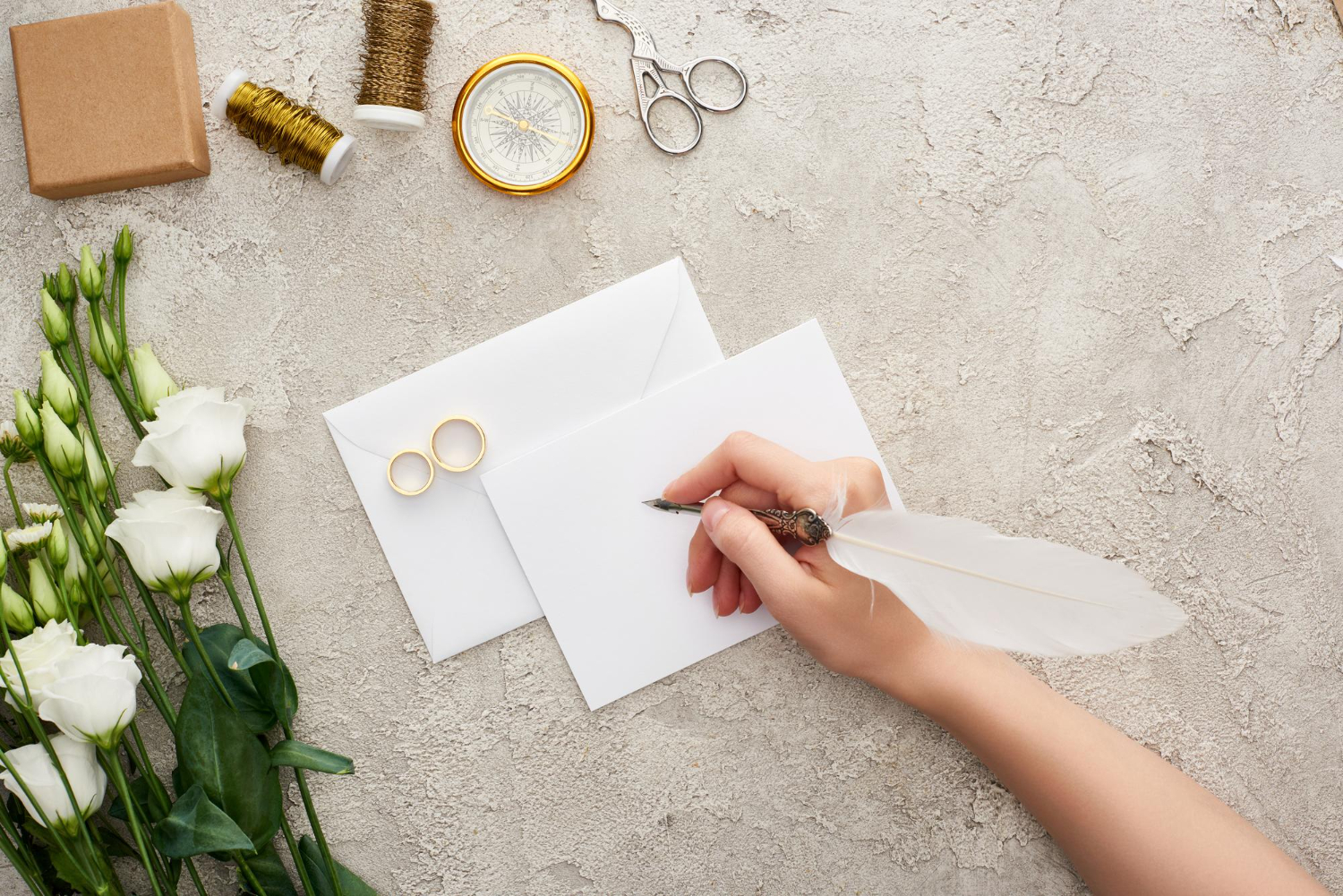
A wedding ceremony is a unique moment that should reflect the personality and love story of the couple. Many couples look for ways to give their big day a one-of-a-kind character. Personal vows, symbolic rituals, and other customized touches bring authenticity and emotion to the celebration. Thanks to them, the wedding becomes truly "tailor-made" for the couple – as advised on the Amelia Wedding blog, it is worth feeling like the authors of your own story, because no one will tell your love story as beautifully as you can yourselves.
Personal wedding vows – the power of spoken words
The power of personal vows
Personal wedding vows are not just an elegant addition, but above all, one of the most moving moments of the ceremony. It is a unique story about your journey and dreams, written in words flowing straight from the heart. When you say what is most important to you to each other, the ceremony takes on a unique, personal dimension. Many guests remember these sincere confessions precisely because they are real and unique. Unlike standard formulas, your own words allow you to capture your individual feelings and promises. As experts emphasize, "no one will tell your love story as beautifully as you can yourselves." Personal vows are therefore the best way to make the ceremony a true reflection of you – it is in them that all the most beautiful emotions are hidden.

Gaja No. 2 Wedding Invitation – Sage Green with Letterpress Embossing

Glamour Wedding Invitation with Gilded Branch and Velvet Paper – Ruskus No. 14

Kraft Wedding Invitation No. 12 – Forest Style with Pine Forest Graphic
How to write moving vows?
Writing your own vows can be a challenge, but it is also a valuable opportunity to reflect on your relationship. When you sit down together, it is worth keeping a few practical tips in mind. First, ensure you have the consent of the officiant – during a civil wedding, you can precede the official vows with a few personal sentences, but this requires prior arrangement. Second, it is worth preparing your vows well in advance. It is better to write them yourself and refine them gradually than to leave it until the last minute. It can be helpful to write them down on a card – although reciting from memory looks more impressive, the stress of speaking aloud can be significant. Also, remember to keep them to a moderate length – about 100 words (plus/minus 10–15) is recommended so as not to prolong the moment too much. A good idea is to use a clear structure: a brief introduction about shared memories and gratitude for the past, a body with promises for the future, and a conclusion full of declarations of love and support. It is important that the whole thing is heartfelt, sincere, and fits your style – perhaps even with a gentle smile (avoid excessive humor that could disrupt the atmosphere).
- Inform the officiant in advance: Ask if and when you can include your own words. Make sure it happens after the official part of the ceremony, when regulations allow.
- Prepare for emotions: The ceremony can be stressful, so it is worth having your vows written on a card. It is a safe method in case of nervousness.
- Write from the heart: No one will prepare this content for you – it is worth avoiding ready-made clichés. Focus on your feelings, memories, and hopes.
- Proper structure and length: Keep an introduction, body, and conclusion. The whole thing does not have to be long – many couples recommend ~100 words (±10) so that your words are full of meaning while sounding natural.
Incorporating vows into the ceremony
You can start personalization at the wedding preparation stage: look at it as part of a larger theme. If you choose a specific theme (e.g., boho or glamour), think about how to reflect it in the words of your vows. You can, for example, refer to the color of your theme or a favorite quote. Coherent graphic design can even appear on the wedding invitations themselves – many couples match them to the atmosphere of the ceremony, so that from the very first moment, guests feel the vibe of the celebration. It is also worth knowing how to ensure the consistency of the invitation style with the wedding decor so that everything creates a harmonious whole. At a wedding with a boho or rustic theme, wooden details or eucalyptus leaves might appear, which then subtly weave through the content of the vows or decorations. Also, remember that your own vows are part of the ceremony script – coordinate with the officiant when they should be delivered so as not to disrupt the rhythm of the ceremony. You can combine them with the act of lighting a unity candle or exchanging rings, which will further emphasize their importance. It is also worth anticipating a moment of emotion – good background music or an accompanying introduction (e.g., a quiet piece played live) will make the moment of taking vows full of magic.
Unity rituals and symbolic ceremonies
Table of contents:
- Personal wedding vows – the power of spoken words
- Unity rituals and symbolic ceremonies
- Personalization by style – boho, glamour, and rustic celebrations
- Adapting to the type of ceremony – civil, church, or outdoor
- Personalization for different couples – international and LGBTQ+
- Additional rituals and thank-yous – every detail counts
Sand blending and colored wines – a symbol of eternal connection
Among the most popular symbolic rituals, sand blending reigns supreme. Originating from Hawaiian tradition, the ceremony involves the Bride and Groom pouring multi-colored sand (or soil) from two separate vessels into one common jar. Each portion of sand represents the individual character and history of each partner. When the grains combine in a common vessel, they create a unique pattern – just as you will be intertwined forever from now on. This ritual not only looks beautiful (the colorful layers make for a spectacular wedding keepsake), but above all, it has deep symbolism: you cannot separate the mixed grains, just as you cannot break a marriage bond. There are many ideas for variations – instead of sand, you can use, for example, soil from places that are important to you, or mix different spices. A very spectacular variant is also the mixing of wine or other liquids. Different wines (often white and red) symbolize marriage as an eternal mixture – after the ceremony, you will drink a glass of the mixed drink as a sign of sealing your vows. Alternatively, you can use colored water with dyes, creating unusual "dancing" patterns in the glass. Such a mixed liquid can also be kept, e.g., in a decorative carafe as a wedding keepsake.

Glamour Wedding Place Cards with Pearls – Pearls No. 1 White

Lauren No. 3 Wedding Place Cards – Classic Calligraphy Name Cards

Minimalist Wedding Place Cards – Glare No. 1 with Embossed Border
Lighting the unity candle – a shared path
A ritual often found in humanist, symbolic, and even church weddings (adopted from Christian rites) is the lighting of the unity candle. The Bride and Groom each light their own candle, and then together they light one larger one – a shared flame. The light symbolizes mutual support and the readiness to walk a shared path. You create a "new light" – just as the light of Christ is created during baptism, now the shared flame signifies the dethroning of the individual "I" in favor of "we". This moment can be very moving – you can hear a few words from the master of ceremonies about your unity or play a favorite, quiet song. It is worth getting elegant personalized candles (with names and wedding date), which will be a beautiful keepsake of this special gesture.
Other symbolic rites – planting a tree, handfasting, and more
Besides sand and candles, there is a whole catalog of symbolic rites that will add emotion to the ceremony. Planting a plant is a ritual where the Bride and Groom together pour soil into a large pot and plant a plant or seed. They reject the metaphor: just as a plant must be cared for to grow, so must love be nurtured. After years, the tree can be your family keepsake – often the couple waters it together on subsequent anniversaries. Another interesting custom is handfasting. It is a gesture from Slavic or Celtic ceremonies, where hands joined by material symbolize an invisible thread connecting the spouses ("What God has joined, let no man put asunder"). The master of ceremonies binds the couple's hands with a decorative cord or ribbon, marking the promise of staying together in words. You can also introduce other elements – e.g., exchanging letters in a special box, the "kataknies" rite (ancient Polish rites), or releasing happiness lanterns just after the wedding. Each of these symbols adds depth to the ceremony and emphasizes that a wedding is many tiny moments that create the great whole of your story. The choice of rituals is unlimited – adapt them to what is close to your heart, and the ceremony will become truly unique and personalized.
Personalization by style – boho, glamour, and rustic celebrations
Boho – close to nature and artistic freedom
The boho style in a wedding ceremony is associated with freedom, nature, and artistic ease. If you love nature and pastoral vibes, you can make this the theme of the celebration. A boho ceremony often takes place outdoors (meadow, forest, garden), and guests have a sense of lightness and authenticity. Key boho elements are eco-fabrics and natural decorations – imagine macramé, ribbons, and dreamcatchers swaying in the background of the ceremony, and the Bride's dress is airy, lace, sometimes decorated with a flower wreath. The Groom can choose linen or a light suit, or even go barefoot. The color palette of a boho ceremony is muted – lots of beiges, pastel pinks, eucalyptus greens, and creamy whites. Decorations are primarily dried flowers, wild bouquets, wooden details, and candle holders with thick candles – the whole setting is meant to look like a slightly shimmering, wild meadow. Thanks to such a theme, the ceremony takes on a fairy-tale, almost mystical character, and guests feel as if they have entered another world full of dreams.

Simple No. 3 Soy Candle – Gold Foiling & Elegant Wedding Favours

Golden Fortune Cookies with Personalized Label | Affordable Wedding Favours | Cejla No. 3

Merci Favour with White Flowers, Green Leaves | Elegant Guest Gifts | Impresja No. 10
Glamour – elegance, brilliance, and chic
For couples dreaming of a luxurious wedding, the glamour style is perfect – here glitter, crystal, and gold reign supreme. The primary glamour colors are gold and silver, often combined with shades of powder pink, white, or deep black and purple. Imagine gold candle holders and crystal chandeliers creating a "wow" effect during the ceremony, and floral arrangements full of roses, peonies, and orchids complemented by elegant accessories – every element is meant to shine and sparkle. To maintain style consistency, it is also worth thinking about details: silver-gold stationery, shimmering place cards and table numbers, or menus richly decorated with light. At the tables, there must be elegant place cards, crystal ruffles, and glass candelabras with tall candles. If you are planning a glamour-style wedding, ensure the consistency of every element – from the sumptuous outfit of the couple to small gadgets for guests. It is also worth matching the stationery – beautiful wedding invitations decorated with gold accents will perfectly announce the elegant tone of the celebration. The entire styling should resemble a scene from a movie – spectacular, full of brilliance, and refined to the last detail.

Flores No. 1 Soy Candle in Gypsum – Gilded Wedding Favour

Delize No. 1 Soy Candle – Forest Motif Wedding Favours

Flores No. 2 Soy Candle in Gypsum – Burgundy Flowers Wedding Favour
Rustic – a return to nature and tradition
A rustic ceremony is another take on the love of nature, but with more emphasis on simplicity and tradition. The rustic style is primarily natural materials (wood, jute, linen) and a wealth of rural details. Imagine an old wooden table with a lace tablecloth, a wicker pergola overgrown with wildflowers, and instead of chairs – rows of pine benches. An important element is also wildflowers: cornflowers, poppies, daisies, and eucalyptus in a bouquet or decorations. The rustic style refers to tradition and family roots – often a Slavic cottage or barn appears at the ceremony. Outfits are subdued and natural – the bride can have a dress decorated with subtle lace, and the groom a linen suit with a stylish bow tie or suspenders. Rustic colors are earth tones: beiges, browns, muted greens, and cream. This style is close to boho, but less extravagant – simplicity and authenticity come first. If your guests immediately smell hay and wooden beams upon entering, it is a sign that the rustic theme has been maintained.

Glamour Wedding Place Cards No. 1 – Satin Name Cards with White Print

Cappuccino Wedding Place Cards No. 1 – Satin Ribbon Table Name Cards

Rose Bow Wedding Place Cards No. 1 – Pink Satin Glass Ribbon Cards
Adapting to the type of ceremony – civil, church, or outdoor
Civil wedding: formal with an individual touch
A civil wedding at the registry office gives couples certain limitations of the formula, but also possibilities for personalization. Formally, the ceremony is short and follows a specific pattern, but we can weave in elements that will make it more "yours". First – talk to the official about delivering your own words. More and more often in Poland, officials allow for the possibility of introducing personal vows. Second – create the setting for the ceremony. You can invite a violinist or guitarist live, who will introduce a romantic atmosphere. Among Polish wedding trends, civil weddings are increasingly taking the form of a mini-wedding. After signing the documents, the couple can perform a ring exchange ritual, or even light a unity candle together or blend sand. It is important to think about what matters to you – even at the Registry Office, you can find a way for a small, personal touch.
Church wedding: tradition with a personal touch
Church ceremonies are the most standardized – the liturgy provides for read prayers and vow formulas. There is no room for full freedom of words here, but you can still add a bit of yourself. As experienced wedding planners suggest, it is worth asking the priest or celebrant if they will allow the inclusion of a short fragment of personal words. If not, try to learn the vows by heart and recite them beautifully (this will make a more personal impression). Beyond the formula, you can introduce elements such as singing a prepared song by the family or symbolic gestures. Also, remember the detail – although the interior of the church imposes certain frames, decorations can be personalized: delicate ribbons, a round arch against the altar background, candles in leading shades – all this can subtly emphasize your own style. Also, learn how to build good relationships with future in-laws, which can be key when organizing a church wedding.
Golden Fortune Cookies with Personalized Label | Affordable Wedding Favours | Cejla No. 3

Fortune Cookies with Gold Foliage – Ruskus No. 2

Personalized Fortune Cookies, Light Grey | Original Wedding Favours | Cejla No. 7
Outdoor ceremony: a natural background for your love
An outdoor wedding, in turn, is a huge opportunity to create a spectacular background for your personal story. Poland abounds in picturesque places – from mountain meadows, through sandy beaches on the Baltic Sea, to historic castles and manors. When choosing an outdoor location, it is worth thinking through the script carefully. An outdoor setting gives great freedom but requires logistical refinement (e.g., plan B in case of rain or comfortable seating). You can therefore arrange a ceremony at sunset by the lake, use natural accents, or even organize a sunrise ceremony. The most important thing is that the place is consistent with the chosen styling and emphasizes the couple's personality. Carefully executed personalization elements (e.g., the aforementioned sand blending by the seashore) will make the outdoor ceremony an amazing experience for both you and your guests.
Personalization for different couples – international and LGBTQ+
Multicultural wedding – a bridge connecting traditions
For couples from different countries, a wedding is not only a celebration of love but also an opportunity to combine cultures. Here, personalization can have a linguistic and symbolic dimension. If one of the fiancés comes from another country, it is worth thinking about a bilingual ceremony. You can also ask friends for musical accompaniment with a piece from your country or weave traditional songs and dances into the ceremony. Personalize decorations so they contain symbols of both nations (e.g., national flags in the shape of a stylized heart). It is also worth preparing small folders or infographics for guests in both languages with a description of customs. Thanks to this, your international wedding will be unique and will show that in love, nationalities do not matter.

Personalized Wedding Welcome Sign with Two Photos – Photo Design No. 6

Elegant Wedding Welcome Sign with Black & White Photos – Photo Design No. 7

Rubin No. 5 Wedding Seating Plan – Purple Heather and Gold Motif
LGBTQ+ wedding – love and equality
Ceremonies of same-sex couples in Poland, although mainly symbolic, give the couple almost unlimited freedom of personalization. Your wedding can have traditional elements (e.g., ring exchange), but also completely new content. Vows can emphasize equality and partner love, using phrases such as "I love you for who you are" or "I vow to be by your side as an equal". Many LGBT couples choose ceremonies in a looser form, where the point of honor is to be yourself: colorful decorations, rainbow accents, or modern music. If you are organizing a ceremony, add something personal – e.g., photos of your shared journey as part of the decoration, poems, or songs written for you. Remember that everyone who is at the wedding deserves to experience special moments.
Additional rituals and thank-yous – every detail counts
Every couple creates their own "must-have" list during the ceremony. One of the most beautiful traditions ending the official part is individual thank-yous for guests. This is a moment when you can briefly thank your loved ones for their support and presence. Personalized thank-yous for guests (e.g., tags with your names and wedding date) are a keepsake that guests will take home. An interesting idea is also scratch cards as a form of thank-you for guests, introducing an element of fun. For couples with children, a good rite is including them in the ceremony, which will emphasize the fact that the wedding unites entire families. Also, don't forget the finale effect – a fireworks display or a shared dance. Each such addition – whether it's beautiful place cards on the tables or mini welcome boards – contributes to creating a whole that is fully "yours".
Glamour Wedding Place Cards with Pearls – Pearls No. 1 White
Lauren No. 3 Wedding Place Cards – Classic Calligraphy Name Cards
Minimalist Wedding Place Cards – Glare No. 1 with Embossed Border
In summary, personalizing the ceremony is the key to an unforgettable wedding. By introducing your own vows, unique rituals, and stylings tailored to you, you can create an event full of emotion. Small gestures, like original thank-yous for guests, will make them feel special. Such a ceremony will certainly leave a lasting mark in the memory of you and all your loved ones. Thanks to careful planning, your wedding will become truly one of a kind.
Recommended articles
- Planning a wedding together without arguments: How to organize a wedding and stay calm?
- Wedding trends 2025: Colors, themes, and innovations worth knowing
- Guest list and seating guests: How to create the perfect table plan?
- Wedding favors for guests: Ideas, trends, and inspiration
- How to choose the perfect place for an outdoor wedding?
- First dance: How to choose a song and prepare a routine?