Wedding curiosities from around the world
Introduction
The diversity of wedding traditions around the world
When we think of weddings, our minds often drift toward white dresses, dream rings, and romantic ceremonies. However, a wedding is not just a ceremony, but above all a collection of traditions that have been shaped in different corners of the world for centuries. From painting henna on hands in India, through red dresses in China, to the Maasai jumping in Kenya - every culture has its own unique and fascinating wedding rites. In Poland, the wedding industry is one of the most rapidly developing sectors, which proves how important it is for us to make this special day unforgettable. But have you ever wondered what wedding traditions prevail in other countries? What stories lie behind individual rituals? In this article, we will take a journey around the world to discover the most interesting and unusual wedding traditions.
The importance of tradition in the cultures of different nations
Wedding traditions are like a mirror reflecting the spirit of a nation, its history, values, and beliefs. Every ritual, every gesture has its deep meaning, often rooted centuries back. In Poland, where the wedding industry is extremely rich in diverse services, from photographers and wedding planners to wedding dress designers, traditions are alive and constantly evolving. But regardless of whether we are in Europe, Asia, or Africa, one thing remains constant - the desire to celebrate the love and union of two people in a unique and unrepeatable way. In many cultures, a wedding is not just a union of two people, but primarily of two families joining as one. It is a celebration of love, but also an opportunity to showcase one's culture, traditions, and national pride. Shared celebrations, dances, songs, and rituals are the essence of what is most important in a given nation's culture.
A preview of what you will learn from this article...
Traveling the world in search of the most interesting wedding traditions, we will discover not only the diversity of rites, but above all the people, their stories, and emotions. Every country, every culture has something unique to offer, something that makes a wedding not just a ceremony, but a true celebration of love. In Poland, where the wedding industry is blooming like never before, it is worth drawing inspiration from what other cultures offer us. It can be an inspiration to create your own unique traditions that will live with us for many years. In this article, we will travel to different corners of the world to learn about traditions that move, fascinate, and inspire. Are you ready for this journey? We invite you to read and discover a world full of love, tradition, and amazing stories.
Table of Contents
India: Henna painting
Description of the tradition of painting the bride's hands and feet with henna
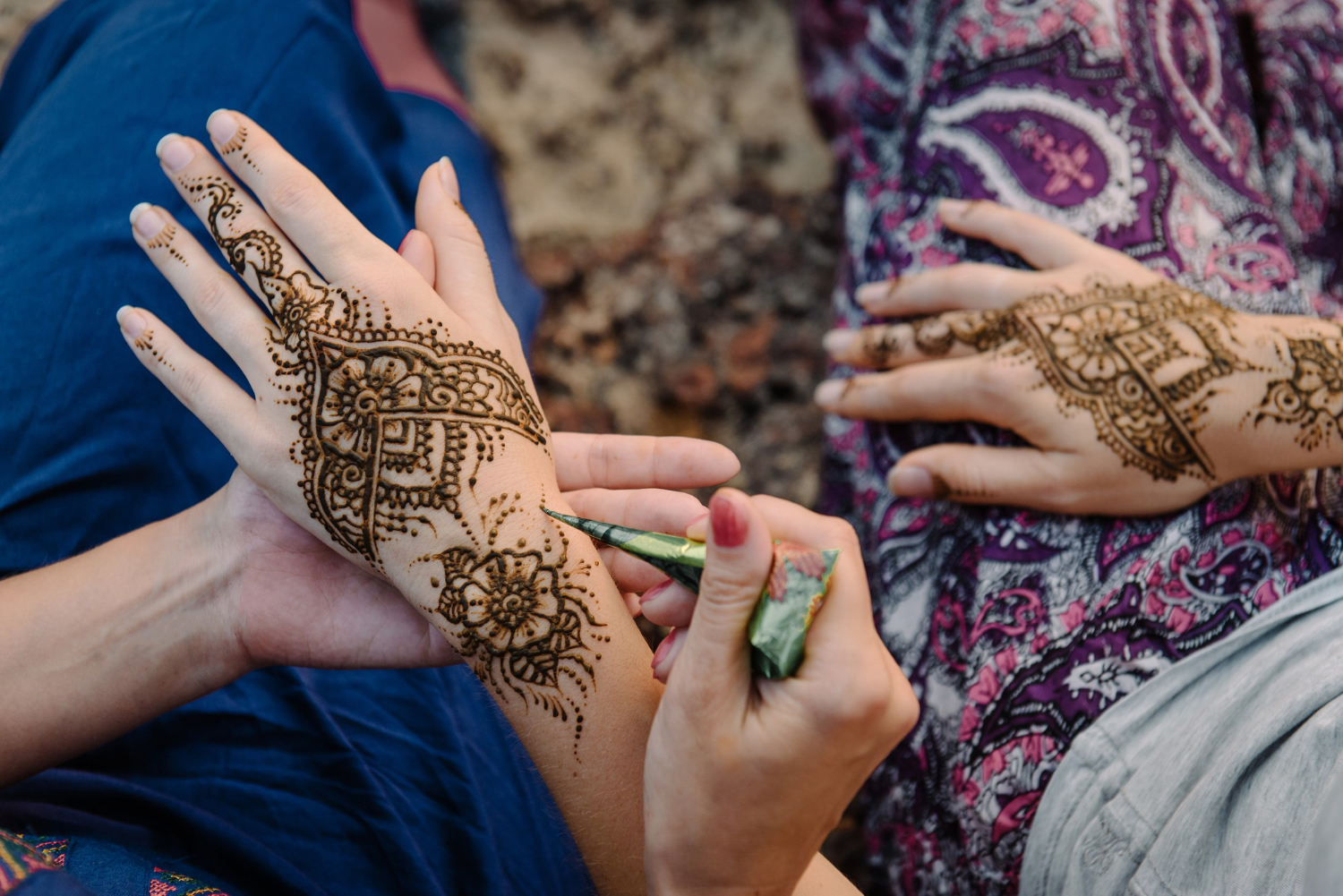
In the world of weddings, where the Polish wedding industry is rich in diversity and innovation, there are traditions that delight with their deep symbolism and beauty. One such rite that attracts attention and fascinates is the Indian tradition of painting the bride's hands and feet with henna. Known as "Mehndi," this tradition is an inseparable element of Indian weddings and is an important ritual on the eve of the main wedding ceremony. Brides spend hours applying intricate and beautiful henna patterns that adorn their hands and feet, creating true works of art. In Poland, where more and more couples are opting for themed weddings and drawing inspiration from different cultures, the tradition of henna painting is becoming increasingly popular, adding an exotic charm to the ceremony.
The meaning and symbolism of henna patterns in Indian culture
Henna is not just an ornament. In Indian culture, every pattern has its meaning and symbolism. Traditional patterns, such as peacocks, lotus flowers, or geometric motifs, carry specific messages and wishes for the bride. For example, the peacock, which is a symbol of beauty and perfection, is often drawn on the bride's hands as a wish for beauty and harmony in marriage. In Poland, where the wedding industry focuses on individualism and uniqueness, such traditions can be a source of inspiration for couples who want to add deeper meaning to their wedding. It is worth paying attention to details, such as the groom's name, which is often hidden among the henna patterns, becoming a kind of game for guests who try to find it.
How the henna painting tradition influences the wedding ceremony
Mehndi is not just a prelude to the main wedding ceremony. It is an important ritual that gathers family and friends to celebrate and share joy with the bride. In Poland, where weddings are an occasion to celebrate with loved ones, one can easily imagine how important this event is in Indian culture. During the Mehndi ceremony, the bride is surrounded by women from the family who sing traditional songs, dance, and share their marriage experiences. It is a time of joy, but also of reflection and preparation for a new chapter in life. The tradition of henna painting introduces an atmosphere of intimacy and closeness, creating an unbreakable bond between the bride and her family and friends. In Poland, where the wedding industry emphasizes authenticity and deep emotions, such traditions can be a source of inspiration for those who are looking for more than just beautiful decoration.
China: The red color of happiness
Why red is the dominant color in Chinese weddings
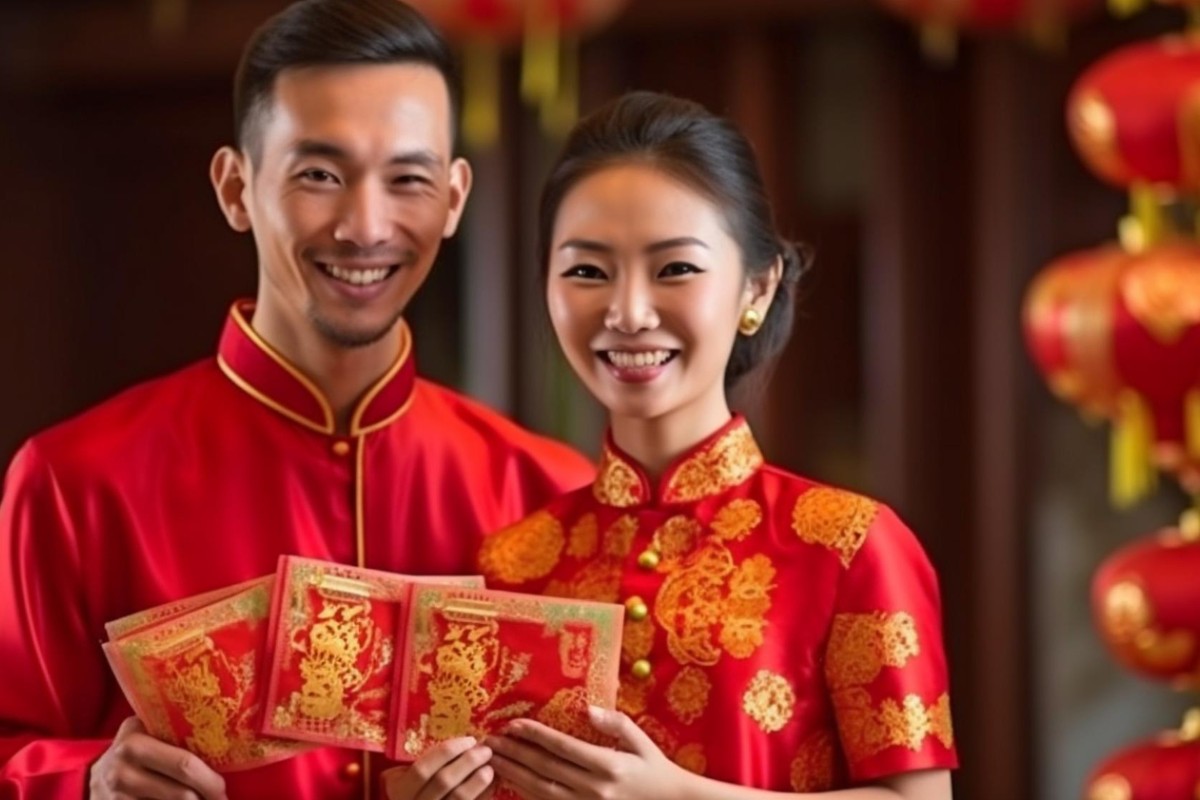
In the world of weddings, where the Polish wedding industry focuses on diversity and innovation, the color red in Chinese weddings represents a symbol that has been deeply rooted in the country's culture and tradition for centuries. Red in China is not just a color, but above all a symbol of happiness, love, and prosperity. In Chinese culture, it is believed that red has the power to ward off evil spirits and bring prosperity. Therefore, during the wedding ceremony, red dominates in decorations, outfits, and accessories. In Poland, where more and more couples are opting for themed weddings and drawing inspiration from different cultures, the Chinese tradition of the color red can be an interesting source of inspiration for those who want to add deeper meaning and symbolism to their wedding.
Traditional Chinese wedding outfits and their meaning
The Chinese wedding outfit, known as "Qipao" or "Cheongsam," is a true masterpiece of art and craftsmanship. Made of the highest quality materials, often silk, it is decorated with intriguing embroidery depicting dragons, phoenixes, and other traditional motifs. Red dominates these outfits, emphasizing the importance of this color in Chinese culture. In Poland, where the wedding industry focuses on uniqueness and individualism, the Qipao can be an excellent alternative to the traditional white wedding dress. But it is not just the color and patterns that make the Chinese wedding outfit special. It is primarily its history, tradition, and the deep meaning they carry. In Chinese culture, it is believed that the wedding outfit has the power to bring happiness and prosperity in marriage, which is why it is chosen with great care and attention.
Rituals associated with the color red during the ceremony
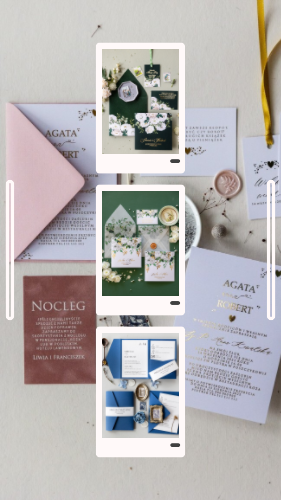
Red does not only dominate in outfits and decorations during a Chinese wedding ceremony. It is also present in many rituals and traditions associated with this special day. One of the most famous is the "Hong Bao" ritual, or the red envelope, in which guests give the young couple money as a symbol of prosperity and good fortune. In Poland, where wedding gifts often take the form of practical presents, the Chinese tradition of giving money in red envelopes can be an interesting alternative. Another important ritual is the lighting of red candles during the ceremony, which are intended to bring happiness and protection to the young couple. Red is also present in traditional Chinese wedding invitations, which are decorated with gold lettering and motifs, emphasizing the importance and solemnity of the event. In Poland, where the wedding industry emphasizes details and authenticity, Chinese rituals associated with the color red can be a source of inspiration for those who want to add deeper meaning and tradition to their wedding.
Kenya: Maasai jumping
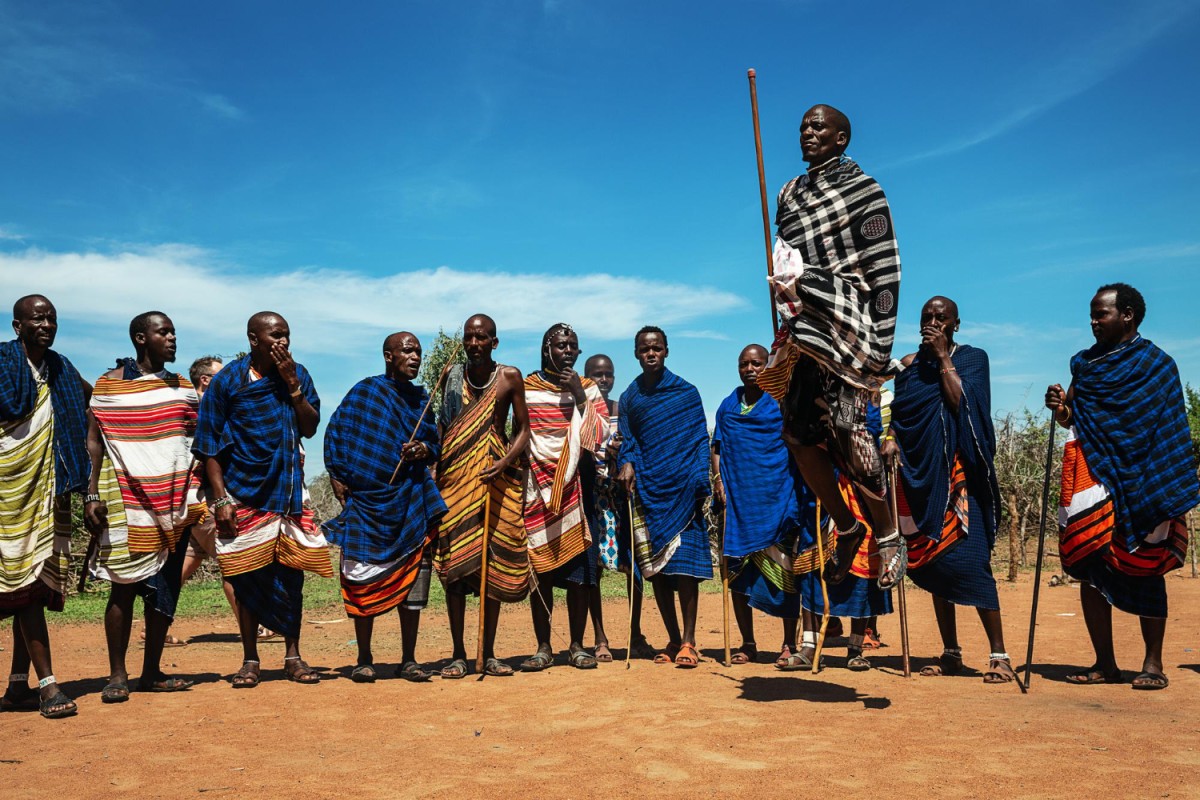
The tradition of jumping by the groom and his groomsmen
In the world of weddings, where the Polish wedding industry is rich in diversity and innovation, there are traditions that delight with their uniqueness and deep meaning. One such rite that attracts attention and fascinates is the Kenyan tradition of Maasai jumping. During the wedding ceremony, the groom and his groomsmen participate in rhythmic jumping, which is not only an expression of joy but also a test of strength and endurance. In Poland, where more and more couples are opting for themed weddings and drawing inspiration from different cultures, the Maasai jumping tradition can be an interesting source of inspiration for those who want to add deeper meaning and symbolism to their wedding. Maasai jumping is not just a physical effort, but above all a ritual that has deep roots in the culture and tradition of the Maasai people.
The meaning of jumping in Maasai culture
Maasai jumping, also known as "Adumu," is not just a traditional dance, but above all a rite of passage intended to celebrate a young man's adulthood. In Maasai culture, it is believed that jumping is a symbol of strength, courage, and masculinity. The groom, by jumping higher and higher, shows his readiness to take responsibility for his family and tribe. In Poland, where the wedding industry emphasizes authenticity and deep emotions, such traditions can be a source of inspiration for those who are looking for more than just beautiful decoration. But it is not just the jumping that makes this ritual special. It is primarily the spirit of community that is present throughout the entire ceremony. Shared songs, dances, and rituals are the essence of what is most important in Maasai culture.
How this ritual influences the wedding atmosphere
The Maasai jumping ritual introduces an atmosphere of joy, community, and deep meaning to the wedding ceremony. It is a moment in which the entire tribe joins together to celebrate and share joy with the young couple. In Poland, where weddings are an occasion to celebrate with loved ones, one can easily imagine how important this event is in Maasai culture. During the ceremony, guests are witnesses not only to the physical effort of the groom and his groomsmen, but above all to the spirit of community and tradition, which are an inseparable element of Maasai culture. Maasai jumping is not just a ritual, but above all an expression of love, respect, and readiness to take on new challenges. In Poland, where the wedding industry focuses on unforgettable moments and authentic emotions, the Maasai jumping tradition can be an excellent source of inspiration for those who want to make their wedding unique and unrepeatable.
Mexico: Las arras matrimoniales
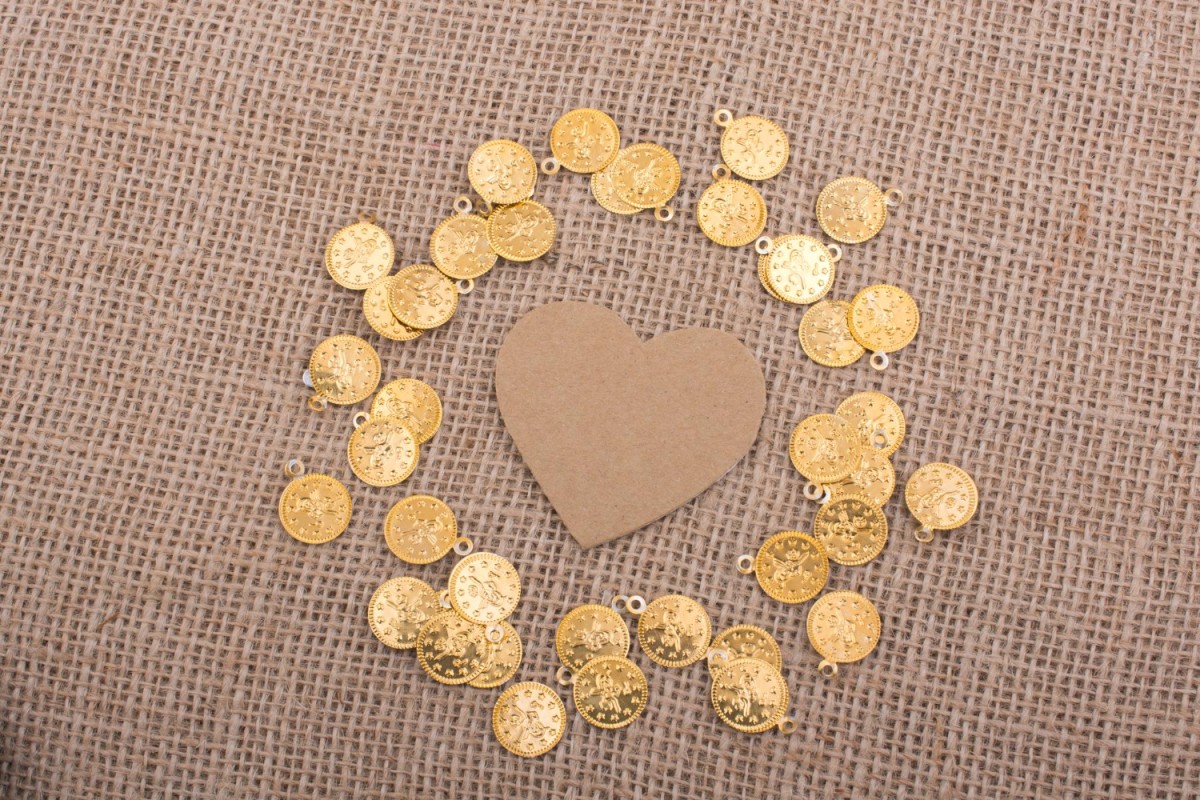
The tradition of exchanging 13 coins between the bride and groom
In the world of weddings, where the Polish wedding industry is constantly looking for new inspirations and trends, the Mexican tradition of "Las arras matrimoniales" stands out for its deep symbolism and historical significance. This ancient rite consists of the groom handing 13 coins, usually silver, to the bride during the wedding ceremony. These coins, also called "arras," symbolize the 12 months of the year and Christ as the thirteenth coin. In Poland, where more and more couples are opting for themed weddings and drawing inspiration from different cultures, the "Las arras matrimoniales" tradition can be an interesting source of inspiration for those who want to add deeper meaning and symbolism to their wedding. It is a ritual full of meaning that emphasizes the couple's commitment and readiness to share everything in marriage.
The meaning and symbolism of this tradition
"Las arras matrimoniales" is not just a physical act of handing over coins, but above all a deep symbolism related to commitment, responsibility, and sharing. In Mexican culture, it is believed that these 13 coins symbolize the wealth, prosperity, and blessings that the marriage will bring to the couple in every month of their life together. In Poland, where the wedding industry emphasizes authenticity and deep emotions, such traditions can be a source of inspiration for those who are looking for more than just beautiful decoration. Each coin has its individual meaning, from health, through love, to happiness, emphasizing the importance of every aspect of married life. It is a reminder to the couple of their mutual obligations and the desire to build a strong and lasting relationship.
How this ritual fits into a Mexican wedding ceremony
"Las arras matrimoniales" is not just one of many rituals during a Mexican wedding ceremony. It is a moment that introduces an atmosphere of intimacy, commitment, and deep meaning. In Poland, where weddings are an occasion to celebrate with loved ones, one can easily imagine how important this event is in Mexican culture. During the ceremony, guests are witnesses not only to the physical act of handing over the coins, but above all to the spirit of community and tradition, which are an inseparable element of Mexican culture. "Las arras matrimoniales" is not just a ritual, but above all an expression of love, commitment, and readiness to take on new challenges. In Poland, where the wedding industry focuses on unforgettable moments and authentic emotions, the "Las arras matrimoniales" tradition can be an excellent source of inspiration for those who want to make their wedding unique and unrepeatable.
Japan: Sake ritual
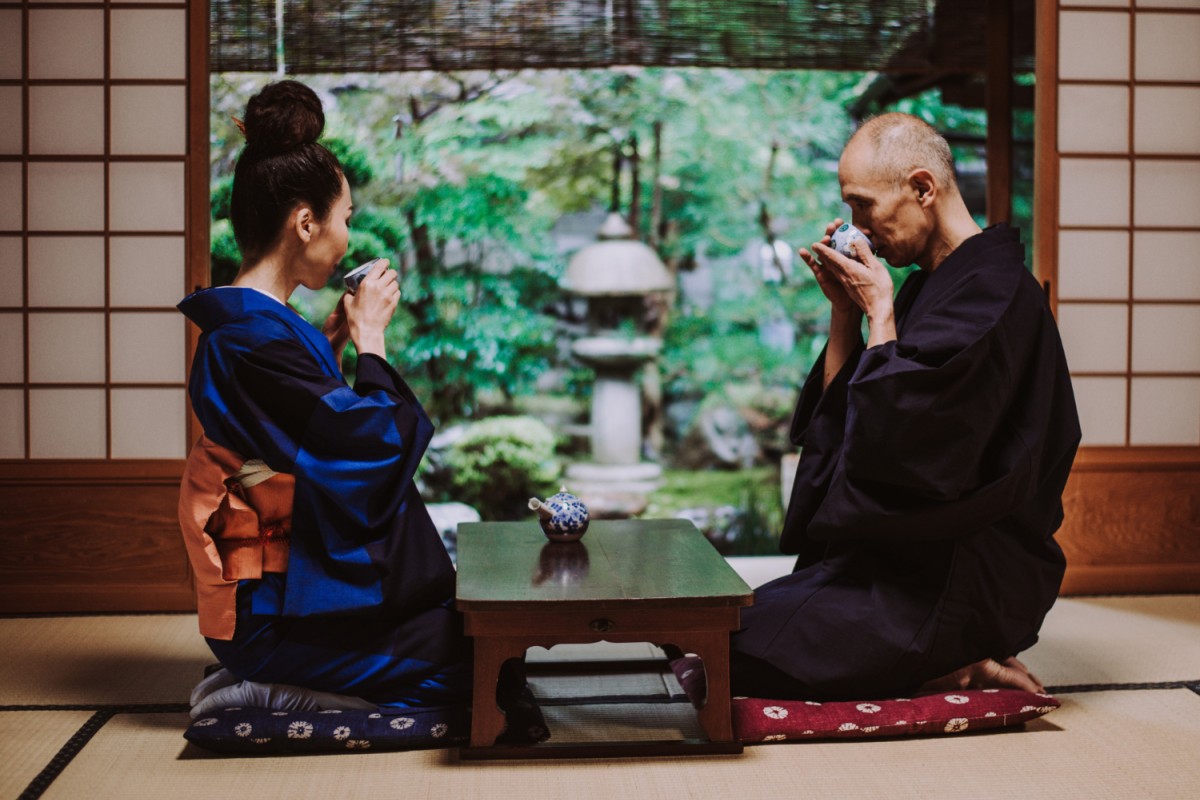
The tradition of the couple drinking sake during the ceremony
In the world of weddings, where the Polish wedding industry is constantly looking for new inspirations and trends, the Japanese tradition of drinking sake during the wedding ceremony stands out for its deep symbolism and historical significance. This ancient ritual, known as "San-san-kudo," consists of the couple drinking sake three times from three different cups. Each drink symbolizes three aspects of life: the past, the present, and the future. In Poland, where more and more couples are opting for themed weddings and drawing inspiration from different cultures, the "San-san-kudo" tradition can be an interesting source of inspiration for those who want to add deeper meaning and symbolism to their wedding. It is a ritual full of meaning that emphasizes the couple's commitment and readiness to share everything in marriage.
The meaning and symbolism of this ritual
"San-san-kudo" is not just a physical act of drinking sake, but above all a deep symbolism related to commitment, unity, and an eternal bond. In Japanese culture, it is believed that drinking sake three times symbolizes three aspects of married life: love, happiness, and prosperity. In Poland, where the wedding industry emphasizes authenticity and deep emotions, such traditions can be a source of inspiration for those who are looking for more than just beautiful decoration. Each drink has its individual meaning, from love, through happiness, to prosperity, emphasizing the importance of every aspect of married life. It is a reminder to the couple of their mutual obligations and the desire to build a strong and lasting relationship.
How the sake drinking tradition influences Japanese weddings
The "San-san-kudo" ritual introduces an atmosphere of intimacy, commitment, and deep meaning to the wedding ceremony. It is a moment that introduces an atmosphere of unity and closeness, joining two families as one. In Poland, where weddings are an occasion to celebrate with loved ones, one can easily imagine how important this event is in Japanese culture. During the ceremony, guests are witnesses not only to the physical act of drinking sake, but above all to the spirit of community and tradition, which are an inseparable element of Japanese culture. "San-san-kudo" is not just a ritual, but above all an expression of love, commitment, and readiness to take on new challenges. In Poland, where the wedding industry focuses on unforgettable moments and authentic emotions, the "San-san-kudo" tradition can be an excellent source of inspiration for those who want to make their wedding unique and unrepeatable.
Greece: Dances and songs
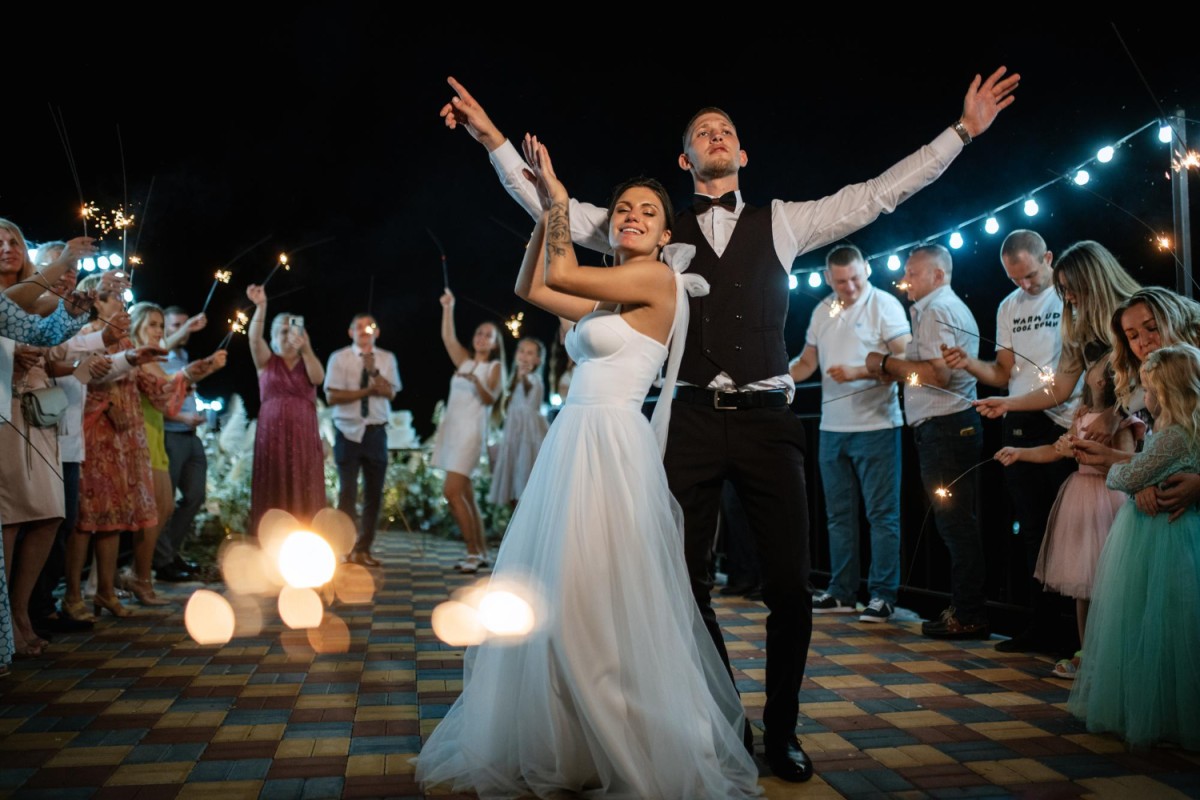
Traditional Greek dances and songs during the wedding
In the world of weddings, where the Polish wedding industry is rich in diversity and innovation, traditional Greek dances and songs during a wedding stand out for their passion and energy. Greece, a country with a rich history and culture, has for centuries cultivated traditions related to dance and song as an integral part of wedding celebrations. Dances such as "Kalamatianos" or "Zembekiko" are not only an expression of joy and celebration, but also a reflection of the deep traditions and history of the Greek nation. In Poland, where more and more couples are opting for themed weddings and drawing inspiration from different cultures, Greek dances and songs can be an interesting source of inspiration for those who want to add deeper meaning and symbolism to their wedding. It is a ritual full of life, joy, and passion that attracts attention and fascinates.
The meaning and history of these traditions
Greek dances and songs have roots dating back to antiquity. They were not only a form of entertainment, but above all a means of expressing feelings, emotions, and stories from everyday life. In Greek culture, it is believed that dance and song are a way to communicate with the gods, ask for blessings, and give thanks for favors. In Poland, where the wedding industry emphasizes authenticity and deep emotions, such traditions can be a source of inspiration for those who are looking for more than just beautiful decoration. The history of Greek dances and songs is rich and complex, reflecting the cultural and regional diversity of the country. They are not only an expression of tradition, but also a testament to the evolution of Greek culture and society over the centuries.
How dances and songs influence the atmosphere of a Greek wedding
It is impossible to imagine a Greek wedding without traditional dances and songs. They are the heart and soul of every celebration, introducing an atmosphere of joy, community, and deep meaning. In Poland, where weddings are an occasion to celebrate with loved ones, one can easily imagine how important this event is in Greek culture. During the ceremony, guests are witnesses not only to the physical act of dancing and singing, but above all to the spirit of community and tradition, which are an inseparable element of Greek culture. Dances and songs are not just a ritual, but above all an expression of love, commitment, and readiness to take on new challenges. In Poland, where the wedding industry focuses on unforgettable moments and authentic emotions, the tradition of Greek dances and songs can be an excellent source of inspiration for those who want to make their wedding unique and unrepeatable.
Summary
Reflection on the diversity of wedding traditions around the world
Traveling the world through various wedding traditions, one can see the incredible diversity and richness of cultures. Every country, every community has its unique rites that reflect their history, beliefs, and values. The Polish wedding industry, although rich in traditions, can draw inspiration from different corners of the world, learning and appreciating the beauty of diversity. Wedding traditions are not only an opportunity to celebrate love, but also a way to express cultural identity, pass traditions from generation to generation, and build social bonds.
Explore other cultures and their rites!
Learning about wedding traditions from different countries is not only a fascinating journey into the depths of cultures, but also an opportunity to broaden horizons and understand others. In Poland, where the wedding industry is dynamically developing, it is worth drawing inspiration from various sources to make your wedding unique and unrepeatable. We encourage everyone to open up to the world, explore, learn, and appreciate cultural diversity. Let every wedding be an opportunity to celebrate love, but also to learn about and appreciate other cultures.
Thanking readers for accompanying us on the journey through the world's wedding traditions
Thank you, dear readers, for accompanying us on this extraordinary journey through wedding traditions from different corners of the world. Your curiosity, passion, and commitment are a source of inspiration for us and motivation to continue searching for and sharing knowledge. We hope that our articles have brought you much joy, inspiration, and new knowledge.
If you are interested in further exploring wedding traditions, rites, and curiosities from different countries, we encourage you to check out the other articles on our blog. Here are a few that might interest you:
- Ideas for wedding stationery
- What questions to ask a wedding photographer before choosing
- At what age can you get married
- What is a concordat marriage
- How to invite to a wedding ... and many others. We invite you to read and wish you many unforgettable moments while planning your dream wedding!