Wedding Day Timeline – How to Plan Your Celebration Step by Step
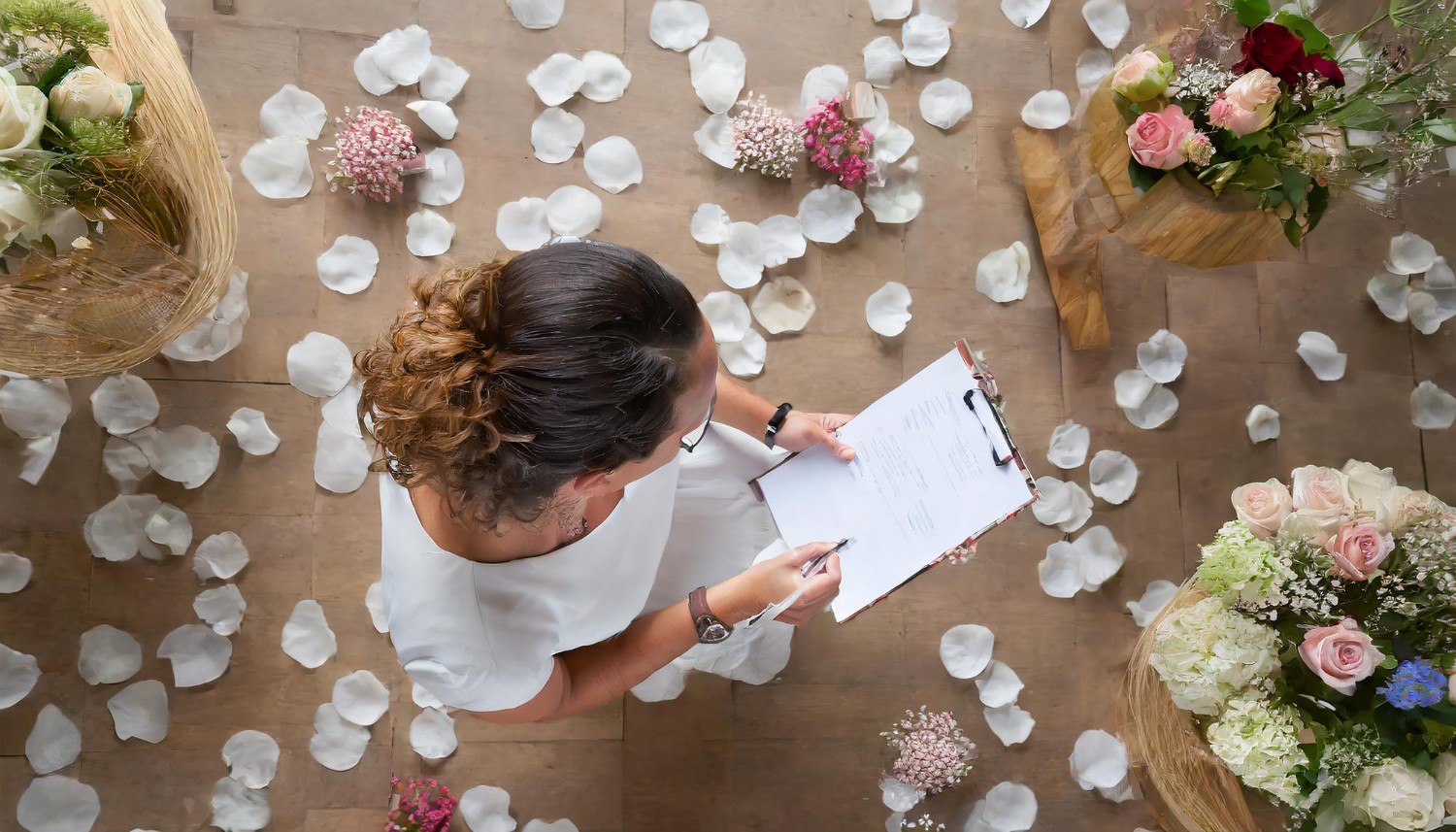
Planning your wedding morning – the foundation of a perfect day
Your wedding day is one of the most important moments in your life, filled with emotions, love, and extraordinary experiences. To ensure this special day runs smoothly without any unforeseen complications, creating a detailed timeline is key. It should cover every stage of the celebration – from morning preparations and the wedding ceremony to the reception that lasts until dawn. A well-planned wedding day schedule not only ensures that everything flows seamlessly but also allows the couple to fully enjoy every moment of this unforgettable day. In this guide, you will find a comprehensive step-by-step walkthrough to help you create the perfect wedding day plan, including all essential elements for a harmonious celebration. You will also learn why it is worth using professional planning tools, such as a free wedding app, which will significantly simplify the organization of this special day.
The Wedding Ceremony – the heart of the celebration
Table of Contents:
- Planning your wedding morning – the foundation of a perfect day
- The Wedding Ceremony – the heart of the celebration
- Welcoming the newlyweds and starting the reception
- Developing the wedding party – key program elements
- The bouquet toss and late-night reception – the peak of the fun
- Practical tips and common planning mistakes
Setting the beauty schedule – hair and makeup as key preparation elements
The wedding morning usually begins with the most important beauty preparations, which require careful time and logistical planning. Hairstyling takes about 40-45 minutes per person, depending on the complexity of the hairstyle and the number of people getting ready. Professional bridal makeup requires a minimum of 30 minutes, though experienced makeup artists recommend reserving 45-60 minutes to ensure everything is done with the utmost care. When planning your preparation schedule, start by determining the exact time you must be ready, then work backward, adding a 40-minute buffer for any unforeseen circumstances.
Experienced professionals recommend doing hair before makeup, as it is a much more convenient and practical approach. There is no risk of damaging the makeup while styling hair, and the makeup artist can precisely adjust the colors and intensity to match the final look. An example schedule for a 4:00 PM wedding would look like this: start hair at 10:00 AM, finish by 11:30 AM, then makeup from 12:00 PM to 1:30 PM, leaving enough time for dressing and final touches. Remember that if you are preparing several people at once, you should extend this schedule accordingly.
Choosing the right location for preparations is also a key element of planning. More and more couples are choosing to invite professionals to their home or a rented apartment, which eliminates travel stress and provides comfortable conditions for everyone. This solution allows for freedom of movement, the ability to have a meal in a calm atmosphere, and gives the photographer ideal conditions to capture the magical moments of preparation. When planning, also include time for potential makeup or hair touch-ups, especially if the wedding is in the summer when high temperatures can affect the longevity of your look. Professional beauty preparations are an investment that will pay off in beautiful memories and photos from this special day.

Gaja No. 2 Wedding Invitation – Sage Green with Letterpress Embossing

Glamour Wedding Invitation with Gilded Branch and Velvet Paper – Ruskus No. 14

Kraft Wedding Invitation No. 12 – Forest Style with Pine Forest Graphic
Organizing preparation logistics – documents, accessories, and practical aspects
Just as important as beauty preparations are the logistical issues that often determine the success of the entire day. The day before the wedding should be dedicated to preparing all necessary items so that you don't waste precious time on the big day searching for things. Your checklist should include: all documents required for the ceremony, wedding rings, complete attire for the Bride and Groom with accessories, an emergency makeup kit, painkillers, a needle and thread, spare stockings, and comfortable shoes for the reception. Pay special attention to the safe storage of the wedding rings, which are traditionally entrusted to the best man – it's worth preparing an elegant box or pillow that will also serve as a prop during the photo session.
An important logistical aspect is also coordinating all service providers. The photographer and videographer should be informed of the exact preparation schedule so they can capture the most important moments. It is worth preparing a detailed plan that includes the time for hair and makeup, dressing, parental blessings, and a potential "first look" session, where the couple sees each other in their full wedding attire for the first time. This intimate moment is often one of the most moving parts of the day and deserves special attention from the photographer. When planning, also include time for a light meal or snack, as there may be many hours until the wedding dinner, and you will need energy throughout the day.
Transportation is another key element of logistics that requires careful planning. Travel time to the ceremony venue should always be planned with a buffer, accounting for possible traffic or other unforeseen circumstances. If the ceremony is far from the preparation site, consider hiring professional transport or asking a trusted person for help. It is especially important to ensure comfortable transport for the Bride in her wedding dress – make sure the car is spacious enough and the dress won't be damaged. Some couples choose to rent special wedding cars that not only provide comfort but also add a festive character to the ceremony. It is also worth preparing a backup plan in case of transport issues to ensure the ceremony takes place on schedule.
First look and parental blessing – emotional moments before the ceremony
The "first look" moment is one of the most magical parts of the wedding day, when the couple sees each other in their full wedding attire for the first time. This intimate moment, full of emotion and excitement, is often the highlight of the preparations and deserves a special place in the day's schedule. Traditionally, this moment is planned about an hour before leaving for the ceremony, allowing you to experience this special event without rushing. The first look can take place at the preparation site, in a beautiful outdoor setting, or a specially chosen location that has special meaning for the couple. It is important that the photographer is prepared to capture the natural reactions and emotions – spontaneous tears of joy, smiles, and first words often become the most precious memories of the entire day.
Equally important is the parental blessing, which is a deeply symbolic moment starting a new chapter in the couple's life. This tradition involves parents giving their children a blessing for their new journey, often presenting them with family heirlooms, icons, or other symbolic items. This moment requires careful preparation both emotionally and logistically – it is worth planning about 15-20 minutes for this ceremony, including time for conversation, congratulations, and photos. The blessing can take place at the family home, which adds a special character and warmth, or at the preparation site if the couple chose to get ready elsewhere.
Some couples also introduce additional traditions and rituals that have special meaning for them. This could be writing a letter to each other to be opened on the first anniversary, exchanging symbolic gifts, a joint prayer, or a moment of reflection on the new stage of life. These personal elements, while not mandatory, often become some of the most important memories of the wedding day and deserve to be included in the schedule. It is important that all these moments take place in a calm atmosphere, without rush and stress. The photographer and videographer should be informed of all planned elements so they can be prepared to capture them. Remember that these intimate moments often require a discreet approach from the photographer, who should capture natural emotions without disrupting the magic of the moment.

Glamour Wedding Place Cards with Pearls – Pearls No. 1 White

Lauren No. 3 Wedding Place Cards – Classic Calligraphy Name Cards

Minimalist Wedding Place Cards – Glare No. 1 with Embossed Border
Church wedding – tradition, duration, and liturgy flow
A church wedding is the most important moment of the entire celebration and requires particularly careful planning in terms of time and organization. A wedding ceremony in a church usually lasts from 45 minutes to two hours, with the average time being about an hour. The final duration depends on many factors, including the type of ceremony – whether it will be just the sacrament of marriage or a full Holy Mass with the Liturgy of the Eucharist. A church wedding with Holy Mass usually lasts from an hour to an hour and a half, but with additional elements like choir performances, occasional speeches, or elaborate musical accompaniment, the ceremony can take up to two hours.
The flow of a church wedding consists of three main parts: introductory rites, the liturgy of the word, and the liturgy of the sacrament of marriage. Introductory rites include the entrance procession, which can take various forms – from the classic entrance of the Bride with her father, to the couple entering together, or entering with parents and witnesses. The liturgy of the word includes biblical readings, a responsorial psalm, the Gospel, and a homily, during which the priest often refers to the meaning of marriage and love. The most important part is the liturgy of the sacrament of marriage, during which the couple exchanges wedding vows, the blessing and exchange of rings take place, followed by the Liturgy of the Eucharist. The whole thing ends with the concluding rite and congratulations from guests.
When planning the schedule, include extra time for wishes and congratulations from guests, which can take from 15 to 45 minutes, depending on the number of guests. This moment, while full of joy and emotion, can significantly extend the total time spent at the church, so it is worth planning it realistically. Some couples decide to limit the time for congratulations, asking guests to offer their wishes at the reception, which allows for a smoother transition to the next stage of the celebration. It is also important to include time for a photo session at the church – traditional group photos, shots of the couple, and documentation of leaving the church also require appropriate time planning. Discuss with your photographer which moments are most important to you so they can be prepared to capture them.
Civil wedding – a modern alternative with a clearly defined flow
A civil wedding is a much shorter ceremony, which usually lasts from 15 to 30 minutes and takes place at the Registry Office or a location chosen by the couple. This form of ceremony is growing in popularity due to its simplicity, the possibility of personalization, and a clearly defined flow that makes planning the day's schedule easier. A civil ceremony has a specific structure that includes the arrival of the couple and guests, a welcome by the registrar, identity verification, a speech on the meaning of marriage, the exchange of vows, the exchange of rings, the signing of the marriage certificate, and the pronouncement of marriage. The whole thing ends with congratulations from guests, which, due to the shorter ceremony time, often go more smoothly than in the case of a church wedding.
One of the biggest advantages of a civil wedding is the ability to organize it almost anywhere, allowing couples to realize their dreams of a unique setting. The ceremony can take place outdoors, in an elegant hotel, in a historic residence, or even on the beach – the only condition is prior agreement with the registrar and fulfilling the appropriate formalities. A civil wedding outdoors, however, requires more careful logistical planning, as you must account for weather factors, appropriate sound systems, and ensuring comfort for all ceremony participants. The duration of an outdoor civil wedding does not differ significantly from a ceremony at the office, but additional elements like live music, personal speeches, or original vows can slightly extend the total time.
An important aspect of planning a civil wedding is the punctuality of all participants, as registrars work according to a strict schedule and delays can affect subsequent ceremonies. The bride and groom and witnesses should arrive at least 30 minutes before the scheduled time to have time to complete final formalities. On the day of the ceremony, have all required identity documents with you, and witnesses must be prepared to sign the appropriate documents. It is also worth discussing the flow of the ceremony with the registrar in advance, especially if you plan additional elements like original vows or special wishes. Some offices offer the possibility of a rehearsal before the actual ceremony, which can be particularly useful for couples who want to ensure everything goes according to their expectations. Also, remember that after a civil wedding, a toast or a short reception is often organized, which should also be included in the day's schedule.

Simple No. 3 Soy Candle – Gold Foiling & Elegant Wedding Favours

Golden Fortune Cookies with Personalized Label | Affordable Wedding Favours | Cejla No. 3

Merci Favour with White Flowers, Green Leaves | Elegant Guest Gifts | Impresja No. 10
Photographic documentation of the ceremony – key moments to capture
Professional photographic documentation of the wedding ceremony is a lifetime investment that allows you to preserve the most important moments of this special day. Collaboration with the photographer should begin at the schedule planning stage, as their experience can be invaluable in determining the optimal times for individual parts of the ceremony. Key moments of the ceremony that deserve special attention from the photographer are: the couple's entrance, the exchange of rings, the vows, the kiss after being pronounced married, the signing of documents, and the couple's exit from the ceremony venue. Each of these moments has its own unique emotional character and requires appropriate preparation from the photographer.
The photographer should be informed of all ceremony details in advance so they can plan their work and be in the right place at the right time. It is especially important to discuss which elements of the ceremony are most important to you – whether you care more about photos of the entire ceremony or capturing intimate moments and emotions. It is also worth establishing whether the photographer has experience working in the specific church or ceremony venue, as familiarity with the location allows for better use of available light and space. Some churches have restrictions on photography during the ceremony, so it is important to establish these issues with the priest or temple administrator in advance.
When planning a photo session, consider different time scenarios depending on the season and the time of the ceremony. If the wedding takes place in the afternoon, especially in summer months, it is worth planning a mini-session during the so-called "golden hour" – about an hour before sunset, when the light is most beautiful for photography. A photo session on the wedding day can take place before the ceremony, immediately after, or during the reception, and each of these options has its advantages. A session before the ceremony allows for the use of fresh makeup and hair, but it might spoil the magic of the first look in the church. A session after the ceremony is the most traditional and allows for capturing the joy after the vows, but it requires including it in the schedule so as not to delay the start of the reception. It is important to inform guests about planned sessions, especially if they will affect the reception schedule.
Welcoming the newlyweds and starting the reception
Traditional welcome at the venue – bread, salt, and the symbolism of starting a new life
Welcoming the newlyweds at the wedding reception is one of the most moving and symbolic moments of the entire wedding, combining tradition with modernity and marking the official start of the marriage celebration. According to Polish tradition, the couple is welcomed by their parents, holding trays with bread, salt, and two glasses – one containing alcohol, the other water. The couple eats bread dipped in salt, which symbolizes life with its sweet and bitter moments, and chooses one of the glasses. According to superstition, the person who picks the alcohol will rule in the relationship, but today this element is treated more as a fun tradition than a serious prediction of the future. After emptying the glasses, the couple throws them behind their backs – the number of broken pieces is said to symbolize years of happiness in marriage.
The highlight of the welcome is the Groom carrying the Bride over the threshold, which symbolizes officially introducing her to their new home and new life. This gesture, while it may seem anachronistic, is still very popular and is often one of the most moving moments for parents and guests. The welcome schedule should include about 30-45 minutes for the entire ceremony, depending on the number of guests and additional elements the couple decides to introduce. After the official welcome, a welcome toast follows, during which guests usually sing "Sto lat" (a traditional Polish birthday/celebration song), and then everyone takes their seats in anticipation of the first meal.
Modern couples often introduce their own modifications to the traditional welcome, adapting it to their beliefs and preferences. Some opt out of alcohol in favor of juices or symbolic drinks, others add elements related to their cultural roots or shared passions. It is important that any modifications are discussed in advance with parents and wedding organizers so everyone is prepared for this part of the celebration. The welcome moment is also a great opportunity for the photographer to capture the emotions and reactions of guests, so make sure they have a proper place to work and can move freely during the ceremony. Some wedding venues have specially prepared areas for welcoming the newlyweds, with appropriate lighting and decorations that further emphasize the festive character of this moment.

Flores No. 1 Soy Candle in Gypsum – Gilded Wedding Favour

Delize No. 1 Soy Candle – Forest Motif Wedding Favours

Flores No. 2 Soy Candle in Gypsum – Burgundy Flowers Wedding Favour
First meal and time for conversation – guest integration before the party
After the welcome ceremony, the first hot meal usually follows, which is a moment of respite for all wedding participants and an opportunity for the first conversations at the tables. This element of the schedule, while it may seem obvious, requires careful planning because its duration affects all subsequent points of the program. The first wedding dinner usually lasts from 60 to 90 minutes, depending on the type of menu served, the number of guests, and the style of service. The couple should consult with the catering or wedding venue on the exact schedule of serving meals to ensure that subsequent parts of the program start on time.
The time of the first meal is a great opportunity for guests to get to know each other and integrate, especially if the guests come from different backgrounds or families. It is worth planning the table layout so that people with similar interests or of similar age sit close to each other, which will make it easier for them to start conversations. Some couples decide to prepare special place cards with information about guests or fun facts, which can be a great conversation starter. Such place cards not only serve a practical function, helping guests find their seats, but also serve as a decorative and integration element.
During the first meal, the couple has the opportunity to visit all tables and talk to guests they might not see every day. This element, while not mandatory, is highly appreciated by guests and allows the newlyweds to thank everyone for coming to their wedding. Plan about 20-30 minutes for this, considering that at each table, guests will want to offer wishes and talk to the couple. Some couples decide to conduct this table tour in two rounds – during the first and second course, which allows for more relaxed conversations and does not excessively lengthen the entire meal. It is also important that the photographer is informed about the planned table tour, as it can be a great opportunity to capture natural moments of joy and emotion. The first meal is also a moment when you can hand out guest favors – small gifts that will be a nice memory of this special day.
First dance – a magical moment starting the party
The couple's first dance is one of the most anticipated and emotional moments of every wedding, which symbolically opens the dance floor to all guests and marks the transition from the official part of the celebration to the party. This special moment requires careful preparation not only in terms of choreography but also appropriate planning in the schedule of the entire event. It is best to plan the first dance about 30-45 minutes after the end of the first meal, so guests have time to digest and prepare for the party. 7:00 PM - 7:30 PM is often considered optimal, as everyone is already a bit relaxed after the meal but still has plenty of energy to dance.
Preparing the first dance is a process that is worth starting long before the wedding, especially if the couple plans choreography beyond a classic waltz or other simple steps. Many couples choose dance lessons, which not only allow them to master basic steps but also help build confidence and comfort on the dance floor. The choice of song for the first dance should be thoughtful and have special meaning for the couple – it could be the song they met to, a song from their first date, or simply a melody that best reflects their feelings. It is also important that the chosen song has an appropriate length – too short might not allow for the full development of the dance, while too long might be tiring for the dancers and boring for the observing guests.
The moment of the first dance also requires appropriate technical and decorative preparation. The DJ or band should be informed of the chosen song well in advance, as well as any special requests regarding lighting or special effects. Some couples decide on additional elements, such as dry ice, confetti, or special lighting, which give the first dance an even more magical character. It is also important to plan an appropriate space for guests observing the dance – traditionally they form a circle around the dancing couple, but in smaller venues, another solution might be necessary. After the first dance ends, all guests are invited to the dance floor, which symbolically starts the party for all wedding participants. This moment should also be appropriately planned – some couples decide to invite subsequent groups gradually (first parents, then siblings, then everyone else), while others prefer everyone to enter the dance floor at once after their dance ends.
Developing the wedding party – key program elements
Organizing a photo session during the wedding – using the golden hour
A photo session during the wedding is an element that requires particularly careful planning in the schedule so as not to disrupt the party, while simultaneously using the best lighting conditions. The "golden hour" – the period about an hour before sunset – provides the most beautiful, soft natural light, which is ideal for romantic wedding photos. In summer months, this time usually falls between 8:00 PM and 9:00 PM, while in autumn and winter it can be around 5:00 PM - 6:00 PM. When planning a session during the golden hour, consider that the couple will be absent from the room for about 30-45 minutes, so it is worth planning this time so it does not conflict with important program elements, such as cutting the cake or speeches.
A photo session during the wedding can take various forms – from classic portrait photos in the outdoors, through romantic shots in the rays of the setting sun, to dynamic sessions using the architecture of the wedding venue. Some couples decide on a so-called "mini-session," which lasts about 15-20 minutes and includes only the most important shots, while others plan a longer session with several locations. It is important that the photographer is familiar with the wedding venue in advance and has the opportunity to plan the best places for photos, considering lighting conditions at different times of the day. A good photographer should also have a backup plan in case of bad weather, especially if the session is planned outdoors.

Glamour Wedding Place Cards No. 1 – Satin Name Cards with White Print

Cappuccino Wedding Place Cards No. 1 – Satin Ribbon Table Name Cards

Rose Bow Wedding Place Cards No. 1 – Pink Satin Glass Ribbon Cards
It is also crucial to inform guests about the planned photo session so they know the couple will be temporarily absent. It is worth planning this time so guests have something to do – this could be the moment of serving additional snacks, a band performance, games and activities led by the DJ, or simply time for free conversation at the bar. Some couples decide to take selected guests to the session, such as witnesses, siblings, or closest friends, which can add spontaneity and naturalness to the session. It is important, however, not to extend the session beyond the planned time, as guests will be waiting for the couple's return, and delays can affect subsequent program elements. After returning from the session, it is worth briefly telling guests about the photos taken or even showing a few shots on the spot if the photographer uses a camera with instant preview – this always evokes smiles and positive reactions from guests.
Wedding cake and traditional celebration elements
Cutting the wedding cake is one of the most symbolic and anticipated moments of every wedding, which requires appropriate placement in the event schedule. The optimal time for serving the cake is 9:00 PM - 10:00 PM, when guests have already satisfied their hunger during the main meals but still want something sweet. Serving the cake earlier might conflict with meals, while serving it too late might hit a moment when some guests are already tired or considering leaving the wedding. The moment of cutting the cake should be preceded by a short break in the music and an announcement so all guests can gather around the couple and witness this symbolic gesture.
The cake-cutting ceremony has its own protocol, which is worth discussing with the couple before the wedding. Traditionally, the couple cuts the first piece of cake together, holding the knife together, which symbolizes their unity and cooperation in their future married life. They feed each other the first piece, which often evokes laughter and joy from guests, especially if the couple approaches it with humor. After this ritual, the cake is cut for all guests, which can be done by staff or by the couple themselves, depending on preferences and the size of the cake. Plan about 30 minutes for the entire ceremony related to the cake, including time for photos, cutting, and serving all guests.
Modern couples often introduce innovative elements related to the wedding cake that add a unique character to the celebration. This could be a multi-tiered cake with special effects, cake pops for every guest, a sweet table with various desserts, or even alternatives to the cake, such as a chocolate fountain or an ice cream station. Some couples decide on two cakes – one traditional for the cutting ceremony and one practical to serve guests, which allows for keeping the beautiful cake as a decorative element while ensuring guests get a delicious dessert. It is important that all unusual elements are discussed with catering in advance and included in the schedule, as they might require additional time or special preparation. The moment of serving the cake is also a great opportunity for thanks to parents and witnesses, which can be combined with the cake-cutting ceremony, creating one more comprehensive program block.
Speeches and thanks – emotional moments of the wedding
Speeches and thanks are some of the most moving moments of every wedding, allowing for the expression of gratitude to loved ones and sharing emotions related to this special day. The optimal time for speeches is 9:00 PM - 10:00 PM, preferably in combination with the cake-cutting ceremony, which creates a natural program block and allows for focusing the attention of all guests. Speeches can be given by various people – from the couple, through parents and witnesses, to friends and other loved ones. It is important to establish the list of people who will speak in advance and inform them of the planned time and suggested length of the speech.
The structure of speeches should be thoughtful to maintain guest attention and not extend this program block beyond reasonable limits. Usually, the order of speeches is as follows: thanks from the couple to parents and guests, speeches by parents, speeches by witnesses, and finally, potential speeches by other people. Each speech should last a maximum of 3-5 minutes to maintain the dynamics of the event and not tire the listeners. A good idea is to prepare speeches in written form in advance, which allows for avoiding repetitions and ensures all important words have been said. A microphone should be available and working, and the person hosting the wedding should coordinate passing it between speakers.
Thanks to parents is a particularly important element of the program, which often takes the form of a ceremony of presenting flowers, souvenirs, or symbolic gifts. The couple can prepare special gifts – from bouquets of flowers and photo frames, through jewelry and souvenirs, to practical gifts related to the parents' hobbies or interests. This moment is often one of the most moving during the entire wedding, so it is worth planning appropriate time and space where parents can calmly react to emotions. Some couples also prepare surprises, such as a presentation of childhood photos, performing the parents' favorite song, or reading specially written poems or letters. These personal touches often remain in the guests' memory long after the wedding and become some of the most precious memories of the day. It is important that the photographer is prepared for these emotional moments and can discreetly capture the natural reactions of all participants in the thanks ceremony.
Golden Fortune Cookies with Personalized Label | Affordable Wedding Favours | Cejla No. 3

Fortune Cookies with Gold Foliage – Ruskus No. 2

Personalized Fortune Cookies, Light Grey | Original Wedding Favours | Cejla No. 7
The bouquet toss and late-night reception – the peak of the fun
Traditional bouquet toss – symbolism and modern interpretations
The bouquet toss (oczepiny) is a traditional wedding custom that takes place around midnight and symbolizes the transition of the newlyweds from a single life to a married state. Historically, the bouquet toss was the moment when the Bride's wreath or veil was removed, which meant an official farewell to her maiden state and entering the role of a wife. Today, the bouquet toss has taken the form of a fun ceremony, during which various games and contests are organized for guests, aimed at amusing wedding participants and ensuring unforgettable experiences. The moment of the bouquet toss should be planned for 11:30 PM - 12:30 AM, when the party is already in full swing, but guests still have energy to participate in games.
The most popular game is throwing the veil and tie, which is intended to reveal the future bride and groom among unmarried guests. According to tradition, all single women gather around the Bride, who throws the veil in their direction with her eyes closed. The one who catches the veil, according to folk beliefs, is to be the next bride. Similarly, the Groom throws his tie or bow tie in the direction of single men. This ritual is not only fun but also very photogenic, so make sure the photographer is prepared to capture these moments. After revealing the new couple, a first dance is traditionally organized for them, after which everyone sings "Sto lat" or "Gorzko, gorzko" (a traditional cheer for the couple to kiss).
Modern couples often introduce their own interpretations of the bouquet toss, adapting them to their preferences and the character of the wedding. Instead of traditional games, you can organize dance contests, charades, quizzes about the couple, or other integration games. Some couples decide to completely give up the bouquet toss in favor of other forms of entertainment, such as fire shows, artist performances, or spontaneous contests prepared by the DJ. It is important that the form of the bouquet toss is matched to the character of the guests and the atmosphere of the wedding – what works at a traditional, family wedding might not fit a modern city-style party. Regardless of the chosen form, the bouquet toss should be conducted with sensitivity and consider the comfort of all participants, avoiding games that might embarrass someone or put them in an awkward situation.
Wedding games without embarrassment – a modern approach to entertainment
A modern approach to wedding games focuses on including all guests without exposing anyone to shame or awkward situations. Well-planned games should be universal, fun, and appropriate for guests of all ages – from children to seniors. One of the most popular games that meets these criteria is wedding charades, where guests guess passwords related to marriage, love, or the couple's history. This classic game is simple to organize, does not require special props, and can involve all willing guests regardless of age or physical condition.
"Ticking bomb" is another innovative game that enjoys great popularity at modern weddings. It involves passing a special "exploding" box between guests while playing a ticking sound. When time runs out and the "explosion" sound occurs, the person holding the box must perform a fun task or answer a question about the couple. This game is dynamic, engaging, and looks great in photos, as it requires cooperation and communication between guests. Additionally, it can be easily adapted to the character of the wedding by preparing different types of tasks – from simple questions, through fun challenges, to creative tasks like writing wishes for the couple.
An alternative form of entertainment is also dance contests adapted to different age groups. You can organize a contest for the best couple dance, a group dance contest by decades (e.g., dances from the 80s, 90s, 2000s+), or dancing with props. It is important that all games are voluntary and that guests do not feel forced to participate. A good solution is to prepare several different entertainment options simultaneously – while some guests take part in games, others can calmly talk at the bar, dance on the dance floor, or use other attractions. The DJ or wedding host should have several different game scenarios prepared and be able to adapt the program to the mood and energy of the guests at any given moment. The key to successful wedding games is flexibility and the ability to read the atmosphere prevailing at the wedding.

Personalized Wedding Welcome Sign with Two Photos – Photo Design No. 6

Elegant Wedding Welcome Sign with Black & White Photos – Photo Design No. 7

Rubin No. 5 Wedding Seating Plan – Purple Heather and Gold Motif
Planning the end of the wedding – late-night meal and dancing until dawn
Planning the end of the wedding requires considering different scenarios related to guest energy, the time of year, and the character of the party. Around 2:00 AM - 3:00 AM, it is worth planning to serve a late-night meal or snacks, which will allow guests to regain strength for further fun. This late-night meal can take the form of warm snacks, soup, sandwiches, or other filling dishes that will help guests "absorb" alcohol and prepare for further dancing. Some wedding venues offer special menus for the end of the wedding, which may include traditional Polish dishes, fast food, or even exotic snacks depending on the couple's preferences.
Music in the late hours of the wedding should be adapted to the changing atmosphere. After the bouquet toss, when some guests might already leave the wedding, the rest usually expect more energetic music and hits that will allow them to dance until dawn. The DJ should have a special set prepared for the end, which will maintain high energy and encourage further dancing. It is also important to consider guest requests regarding music – in the late hours, people are more relaxed and happy to share their favorite tracks. Some couples decide to organize an after-party in another location, which can be a good solution for guests who want to continue the fun in a more intimate atmosphere.
The end of the wedding should be planned considering practical aspects, such as transporting guests home or to hotels. It is worth establishing with guests in advance who plans to return how, and if necessary, organize collective transport or taxis. Some couples prepare special farewell gifts for guests who stay until the end – this could be a second guest favor in the form of small souvenirs, sweets for the road, or symbolic gifts. The formal end of the wedding can take place at different times – from 4:00 AM in the case of traditional, long weddings, to 2:00 AM - 3:00 AM in the case of more intimate celebrations. It is important that the couple establishes the exact end time with the venue staff in advance and ensures all formalities related to leaving the premises have been fulfilled. The last element can be a joint farewell and thanks to all guests who stayed until the end, which will create a nice ending to this special day.
Practical tips and common planning mistakes
Creating a realistic schedule – how to avoid delays
Creating a realistic schedule is an art of balancing ambition with reality, which requires careful thought about every element of the wedding day. The most common planning mistake is overly optimistic estimation of the time needed for individual activities, which leads to cascading delays affecting the entire course of the celebration. To avoid this, it is worth applying the rule of adding 15-20% extra time to every planned activity. For example, if makeup is to take 45 minutes, plan an hour, and if a photo session is to take 30 minutes, it is better to reserve 40 minutes. This time buffer allows for natural adjustment to unforeseen circumstances without affecting subsequent elements of the schedule.
It is also crucial to include travel time between locations with a realistic assessment of road conditions. If the church is 20 minutes from the preparation site, plan 30-35 minutes for the drive, considering possible traffic, especially on weekends. Similarly with the time needed for wishes after the ceremony – for 50 guests, plan a minimum of 20 minutes, for 100 guests about 30-40 minutes, and for larger groups even 45 minutes. These elements, while they may seem obvious, are often underestimated in initial plans, leading to stressful delays at key moments of the day.
A good practice is to prepare the schedule in several versions – basic, full, and emergency in case of unfavorable weather conditions. The basic version should contain the minimum necessary elements, the full version includes all planned activities, and the emergency version provides alternatives for elements dependent on weather. The schedule should be shared with all key people – witnesses, parents, photographer, DJ, wedding coordinator, and venue manager. Each of these people should receive a version adapted to their role, with highlighted moments where their participation is particularly important. Before the wedding, it is worth organizing a short coordination meeting with all service providers to discuss the schedule and ensure everyone understands their tasks and is prepared for potential changes.
Glamour Wedding Place Cards with Pearls – Pearls No. 1 White
Lauren No. 3 Wedding Place Cards – Classic Calligraphy Name Cards
Minimalist Wedding Place Cards – Glare No. 1 with Embossed Border
Coordination with service providers – the key to success
Effective coordination with service providers is a fundamental element of the success of the entire wedding day, which requires a systematic approach and clear communication. A week before the wedding, send a detailed schedule to all providers – photographer, videographer, DJ, band, florist, venue manager, and catering. This document should contain not only the times of individual events but also contact information, location addresses, special requirements, and potential changes compared to original arrangements. Each provider should confirm receipt of the schedule and report any comments or problems with enough lead time to make corrections.
Special attention should be paid to coordination with the photographer and videographer, as their work to the greatest extent depends on knowledge of the detailed flow of the day. The photographer should be informed of all key moments – from preparations, through the ceremony, to special elements of the wedding, such as the first dance, cake cutting, or bouquet toss. Equally important is discussing which elements are most important to you so they can plan their work and be in the right place at the right time. A good photographer can often serve with additional advice regarding the schedule, especially in terms of using natural light and optimal hours for photo sessions.
The DJ or music band requires special coordination regarding the flow of the wedding. They should be informed of the planned order of events, musical choices for key moments (first dance, welcome, bouquet toss), and any special requests from the couple. It is also important to discuss flexibility in the schedule with them – can they adapt to potential delays, how to deal with lengthening speeches, or how to react to changes in guest mood. The wedding venue manager should receive a schedule containing detailed information about serving meals, table decoration, preparing the cake area, organizing the bar, and any special requirements regarding the room layout at different moments of the wedding. The day before the wedding, it is worth conducting telephone confirmations with all providers to ensure everything is ready and there are no ambiguities. On the wedding day, a key person (witness, coordinator, or parent) should have contact with all providers and be ready to solve potential problems so the couple can focus on enjoying this special day.
Practical planning tools – apps and templates
Modern planning tools significantly facilitate the organization of the wedding day schedule, offering functionalities unavailable in traditional planning methods. A free wedding app is an example of a modern solution that allows for comprehensive management of all aspects of wedding organization in one place. Such apps usually offer features for creating detailed schedules, guest list management, budgeting, and coordination with service providers. The biggest advantage of digital tools is the ability to easily share information with all interested parties and make changes in real-time, which is particularly useful in the last days before the wedding.
Schedule templates available online are a great starting point for couples who want to create their day's plan on their own. These ready-made patterns include the most important elements of a typical wedding day and allow for easy adaptation to individual needs. A good template should contain: time blocks for preparations, ceremonies, photo sessions, meals, games, and rest, with the possibility of adding your own elements. It is important to choose a template that is flexible and allows for modifications, as every wedding has its unique elements requiring an individual approach.
A practical solution is also creating several versions of the schedule for different groups of people. The version for the couple should contain all details with a breakdown by hours and personal tasks, the version for family can be simplified to the main points of the program, the version for providers should focus on their specific duties and moments requiring their presence. The version for guests can be prepared in the form of elegant cards with the wedding program, which can be placed at tables or included with wedding invitations. It is also crucial to prepare an emergency schedule in case of bad weather, delays, or other unforeseen circumstances. This plan should contain alternative scenarios for the most important elements of the day, especially those dependent on external factors, such as outdoor photo sessions or outdoor ceremonies. Modern apps often also offer notification and reminder features, which can be particularly useful on the wedding day when emotions can affect concentration and memory of schedule details.
The wedding day schedule is more than just a plan – it is the foundation on which unforgettable memories are built. Appropriately planning every element, from morning preparations to the night party, allows the couple to fully enjoy this special day without stress and unnecessary complications. Remember that the best schedule is one that leaves room for spontaneity and natural emotions, while ensuring the smooth flow of all planned events. Using professional planning tools, such as a free wedding app, can significantly facilitate this process and help create the perfect day that you will remember for the rest of your life.
Recommended articles
- Wedding trends 2025: colors, motifs, and news worth knowing
- Guest list and seating wedding guests – how to create the perfect table plan?
- Wedding attractions for guests 2025 – ideas for diversifying the party
- What texts to put on wedding invitations?
- The last week before the wedding – final preparation checklist
- Top 10 mistakes made by couples during wedding organization