Wedding Photographer – What to Look for When Choosing
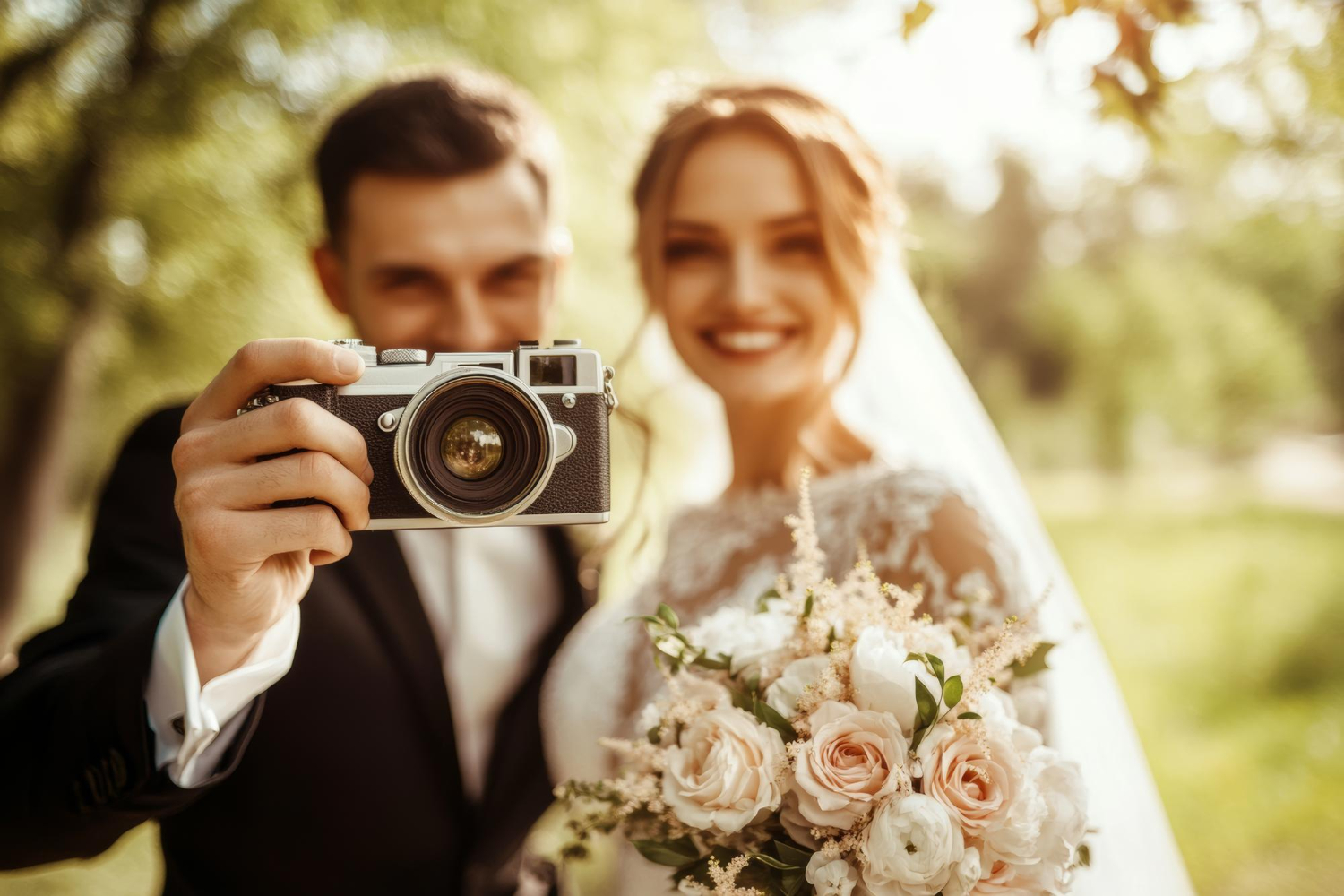
Wedding planning is a series of important decisions. You need to book a venue, choose a menu, create a guest list, and take care of hundreds of organizational details. In the heat of preparations, it's easy to overlook a crucial aspect: choosing a wedding photographer. After all, wedding photos will be one of the few things that remain with you for years after the big day. It is a souvenir for a lifetime, so it's worth taking the time to choose a photographer perfectly suited to your needs.
Online, engaged couples search for advice using phrases like “how to choose a wedding photographer” or “wedding photographer – what to look for when choosing”. No wonder – the range of photography services is vast, and it’s easy to feel lost. In this guide, we will discuss the most important criteria for choosing a wedding photographer step by step. You will learn what to look for when viewing a portfolio, what questions to ask during a meeting, what a photography contract should contain, as well as how much a wedding photographer costs and what influences the price.
Remember: wedding organization is also about the stylistic consistency of the event. Just as you choose a theme and decorations, match the photography style to the character of your wedding. A wedding photographer will capture emotions and details, but the atmosphere is also created by other elements – such as stationery and guest favors. It's worth taking care of every detail. (If you are looking for beautiful wedding accessories, such as wedding invitations, elegant place cards, or charming favors for guests, be sure to check the Amelia-Wedding.pl offer).*
Table of Contents
1. Why is choosing a wedding photographer so important?
The Significance of Great Wedding Photos
Your wedding day consists of unique moments that pass in the blink of an eye. After the wedding, memories remain – and wedding photos help refresh them for years to come. A good wedding photographer can capture emotions, fleeting moments of touch and joy, decorative details, and the entire atmosphere of the day. Thanks to them, years later, you will be transported back to the moment of your first kiss as a married couple or the wild fun on the dance floor.
Choosing a wedding photographer is often highlighted by experts as one of the priority decisions during wedding planning. Why? Because even the most beautiful dress or the most expensive cake will only remain a memory, while photographs stay forever. It is a keepsake you will show to your children, grandchildren, and family. It is worth ensuring it is as beautiful and professionally made as possible. Poorly executed photos (blurry, badly framed, low quality) can be a source of great disappointment, and you cannot repeat that day. Simply put – a good photographer is an investment in memories.

Gaja No. 2 Wedding Invitation – Sage Green with Letterpress Embossing

Gaja No. 1 Wedding Invitation – Minimalist Style with Letterpress Embossing

Impresja No. 7 Wedding Invitations – Eucalyptus and Greenery Style
When to start looking for a photographer?
Popular wedding photographers have their calendars filled even a year or two in advance. If your wedding falls in the peak season (June–September, popular Saturdays), you should start looking for a photographer as soon as possible after setting the date and booking the venue. Optimally, it's good to book a date with your chosen photographer about 12–18 months before the wedding. This will give you a wider choice of available specialists and peace of mind that this key service provider is already "locked in."
If you are planning a wedding outside the main season (e.g., in winter or on a Friday instead of Saturday), finding a good photographer might be slightly easier even a few months before the date. Nevertheless, the earlier you start your search, the better – the best ones can have their dates taken very quickly. Don't leave the decision about the photographer until the last minute, as you might be left with limited choices or overpay.
Where to look for a wedding photographer?
There are many possibilities, so it's worth using various sources to create a list of potential candidates:
- Friend recommendations – ask newly married friends or family if they are happy with their photographer and if they recommend their services. A personal recommendation is often priceless because you can immediately view your friends' album and evaluate the results.
- Wedding portals and directories – there are many websites gathering offers from photographers. You can browse portfolios, service scopes, estimated prices, and reviews from other couples there. This is a great starting point for creating a shortlist.
- Social Media – Facebook and Instagram are true treasure troves of inspiration. Search for hashtags like #weddingphotographer + city/region name or join groups for brides-to-be exchanging recommendations. On Instagram, photographers' profiles often present a cross-section of their best shots and reveal their style.
- Wedding Fairs – this is an opportunity to meet the photographer in person. Many couples value direct contact – at fairs, you can walk up to photographers' booths, look at printed albums, ask about offer details, and see if you have good chemistry. Such a first "live" impression is very helpful in making a decision.
- Google Search – by typing phrases like “wedding photographer [city]” you will find local photographers' websites. You will often come across blogs with advice (like this one), "Top 10 photographers" rankings, or sponsored ads. It's worth looking through several results, but remember not to stop at the first page – sometimes a less promoted photographer might turn out to be the dream one.
Using the above methods, gather a handful of offers that you like. The next step will be a detailed analysis of each candidate – from viewing the portfolio, through the interview, to establishing the terms of cooperation. Below we describe what to look for when choosing a wedding photographer at each of these stages.
2. Portfolio and style fotografa – ocena efektów pracy
One of the first and most important criteria for choosing a photographer is the results of their work, i.e., the photos they create. After all, you are hiring them for beautiful photographs. How to evaluate if a given wedding photographer will meet your aesthetic expectations? Analyzing the portfolio and defining your own style preferences will help.
Portfolio Review – Not Just the Best Highlights
Most photographers present their work on a website or in social media. Usually, you will find a portfolio gallery there – carefully selected best wedding photos of the author. Viewing such a gallery is a good start: notice if the photography style appeals to your taste. Do the photos evoke emotions in you? Do you like the colors, compositions, and the way people and moments are captured? Wedding photography can have different characters – some prefer romantic, bright frames like from a fairy tale, others value drama and artistic light play, while others focus on a relaxed documentary-style reportage. There are no wrong answers here – the best wedding photographer is the one whose photos match your personal taste.
Remember, however, that a portfolio on a website is a showcase containing only top shots from many weddings. This is natural – every photographer shows their gems to the world. To assess skills reliably, ask to see full wedding reportages. Ideally, if the photographer runs a blog and publishes extensive entries from the entire wedding day of selected couples. Browsing such materials, you will see what a complete story told through photos looks like – whether the whole thing maintains a high level, if all important moments are captured, and how diverse the frames are. This way, you will ensure you get a consistent, high-quality reportage, not just a few lucky shots hidden among average ones.
What to look for when evaluating a portfolio:
- Sharpness and technical quality – good wedding photos should be sharp (except for intentional artistic blur), well-lit, or thoughtfully using available light. Check if the photographer handles different lighting conditions: if photos in a dark church or venue at night are clear and atmospheric, while outdoor shots in full sun are not overexposed. A professional will manage difficult lighting using appropriate lenses, flashes, or other techniques.
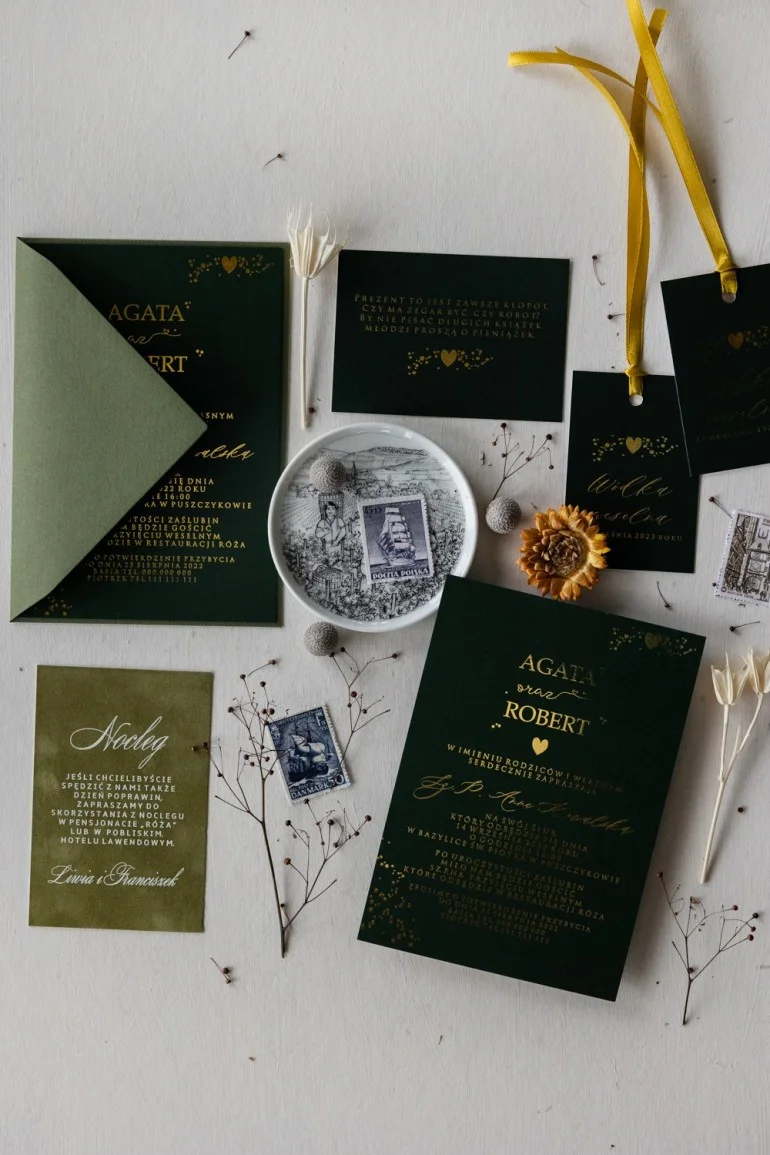
Single-card Wedding Invitations with gilding | Simple no. 2
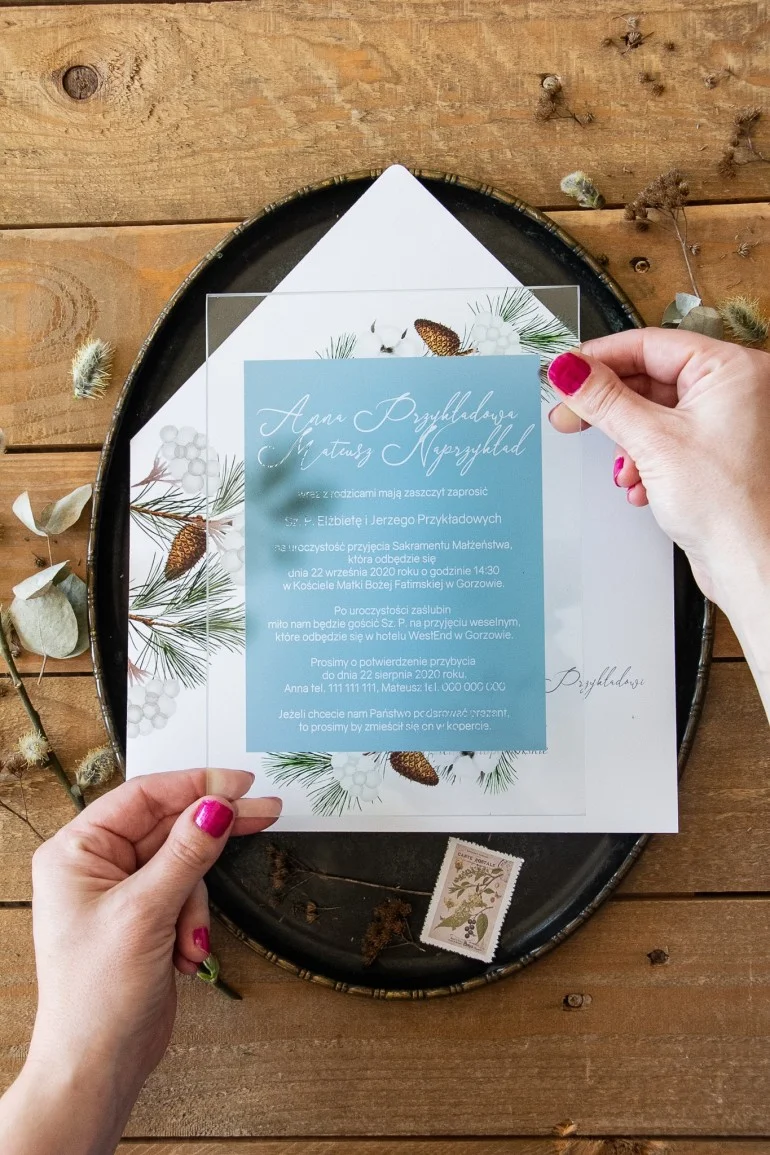
Extravagant Wedding Invitations on Glass | Glass Winter Accent | Cotton & Pine | Korani no. 8
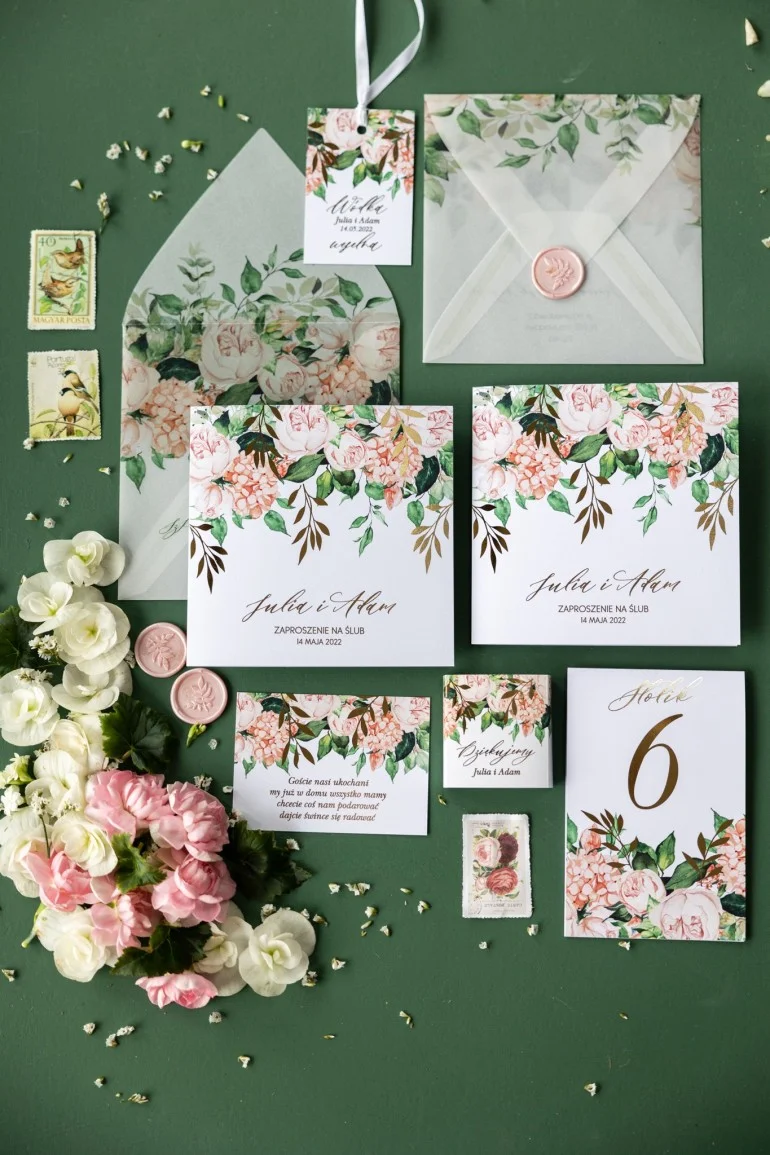
Unique Wedding Invitation with Gilding, Pink Peonies and Vellum Envelope | Unusual Wedding Invitations | Rubin no. 10
- Composition and capturing moments – pay attention to whether the frames are thoughtful and important moments are properly exposed. Can the photographer ”be in the right place at the right time” to catch, for example, parents' tears of emotion, the bride's spontaneous laughter, or the groom's reaction to seeing his beloved in her dress? Wedding reportage is the art of anticipation and reflex – a good photographer won't miss the first kiss, the exchange of rings, or the bouquet toss. Even the best equipment won't help if the photographer doesn't have an eye for moments.
- Photo editing and color style – every photographer has their unique editing style. One prefers vibrant colors and high contrast, another romantic pastels, and yet another the trendy "moody style" (muted colors, lots of shadows). It's important that the editing aesthetics suit you. Look for consistency – whether all photos have a consistent character. Make sure the editing isn't overdone – e.g., natural skin tones and moderation in effects.
- Variety of shots – a complete reportage should include portraits, posed shots (e.g., a couple's session), and candid shots. Evaluate if the photographer can take a beautiful portrait while also capturing dynamic photos of guests dancing and the moving scene of the vows. See if they take detail shots (bouquet, rings, venue decorations) – these are also important elements of the keepsake.
- Experience with similar venues – if you are planning an outdoor wedding and the photographer's entire portfolio consists of dark church photos, ask if they have experience with outdoors. Similarly, it's good to ask if they have photos from your wedding venue or church if it's a popular place – then you can evaluate how they handled that specific environment.
- Awards and recognition – some photographers boast awards in wedding photography competitions or membership in renowned associations (WPJA, Fearless Photographers, etc.). This may indicate passion and a high level, but treat it only as a supplement. Awards are subjective; what matters most is whether you like the photos.
Matching the Style to You and Your Wedding
Every wedding photographer has their own work style. Think about what you expect from your wedding photos and what aesthetic will best reflect the character of your wedding. Some helpful questions:
- Do we prefer posed or natural photos? – Some couples dream of a romantic session like a magazine cover, others primarily want plenty of spontaneous frames. Most photographers combine these two options. However, if you hate posing, it's better to choose someone who specializes in reportage. Conversely, if you care about many beautiful posed portraits, make sure the photographer is happy to do that.
- What vibe should our photographs have? – Should it be fairy-tale-like, bright, boho, rustic, or maybe urban and modern? It's good when the photographer's style harmonizes with your wedding theme. For example, elegant, glowing shots fit a glamour wedding perfectly, while warm tones and artistic flair suit a boho vibe.
- Does the photographer understand your vision? – A good candidate should want to know your expectations. Perhaps you have some must-haves, like a group photo with all guests or a drone shot. Ask the potential photographer if they are open to your ideas. Cooperation is key – if someone ignores your requests at the interview stage, it might signal problems later.
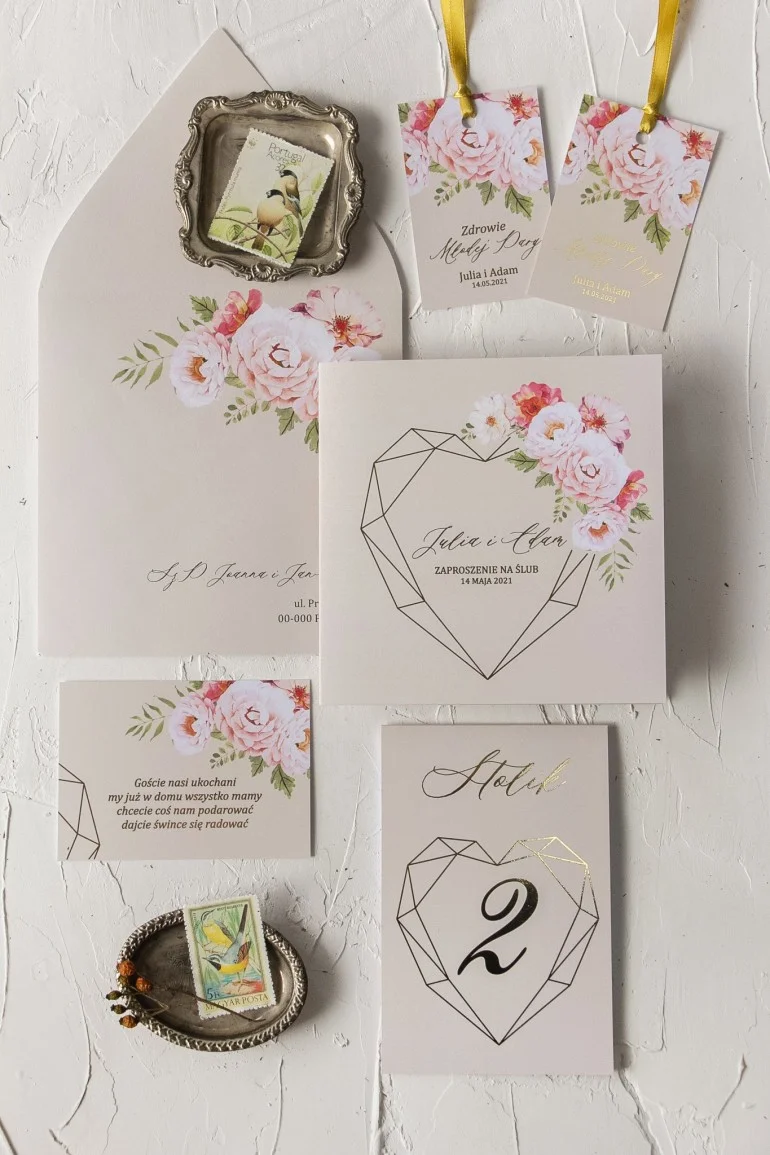
Wedding Invitations with Gold Heart and Floral Motif | Modern and Stylish | Szafirowe no. 8
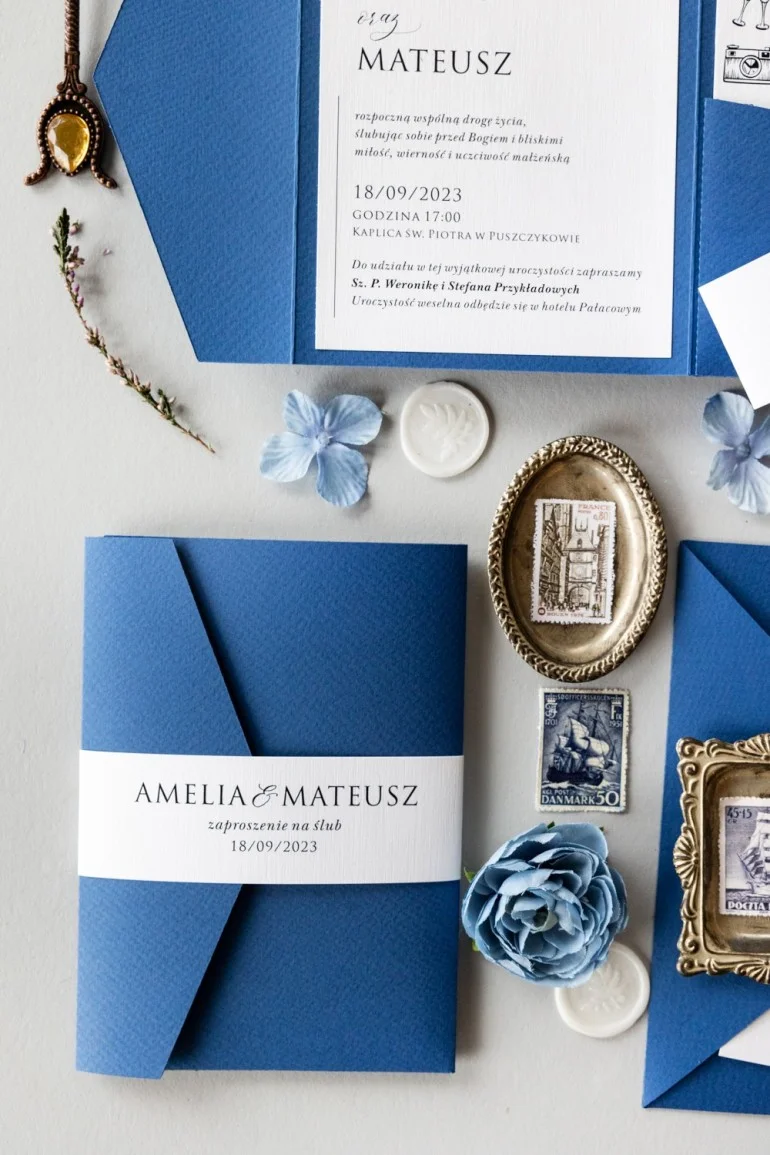
Blue, Elegant Wedding Invitation with Pocket and Personalization | Kraft no. 7
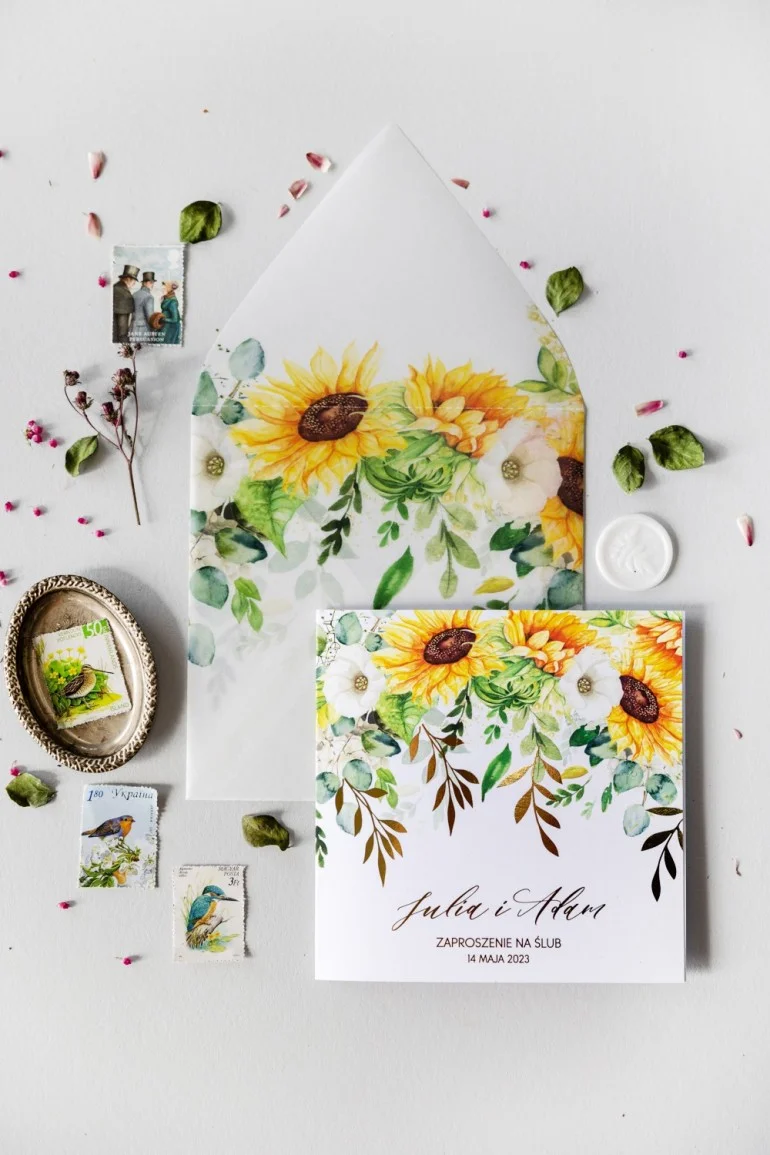
Wedding Invitations with Sunflowers and Gilding | Modern and Original | Rubin no. 7
- Equipment and technique – While you don't need to be an expert on cameras, it's worth knowing if the photographer works with professional gear and has a backup camera. A camera failure on your wedding day would be a disaster, so many photographers carry two cameras. Ask if they work discreetly (ninja-photographer) or if they direct scenes. Match this to your comfort level.
Check Reviews and Recommendations
Photos alone aren't everything. It's worth knowing previous clients' opinions about working with a given photographer. Look for reviews online – on Facebook, Google, or wedding forums. From reviews, you will learn how the photographer behaved at the wedding, if they were punctual, polite, if guests felt comfortable around them, and if they met promised deadlines. A single negative review doesn't necessarily disqualify someone, but if issues like delays in delivering photos or communication gaps repeat – treat it as a red flag.
You can also ask the photographer for references – some might provide contact to couples who agreed to share their experiences. Friends who used a particular photographer are also an excellent source of knowledge.
In summary: take the time to thoroughly vet the photographer's portfolio and reputation. Don't be rashly guided only by low price or nice advertising. You must genuinely like the photos, and the style must match your vision.
3. Contact with the Photographer – Personality and Comfort
A wedding photographer is probably the only vendor who will spend practically the entire wedding day with you. They will be present in intimate moments and during joyful celebrations. Therefore, it is extremely important that you feel comfortable in their presence. Even the best professional, if their personality doesn't suit you, can make you feel tense or irritated on your wedding day – which will surely show on your face in the photos.
The First Meeting – Trust Your First Impression
After an initial selection, arrange a conversation with the photographer. It could be a face-to-face meeting, a video call, or at least a phone call. A direct conversation will allow you to get to know the person behind the lens: do they inspire sympathy, are you on the same wavelength, can they listen to your expectations?
Pay attention to whether the photographer:
- Is communicative and open – are they happy to talk about their work but also ask you questions? A good photographer should be interested in the flow of your day, your ideas, and your story.
- Inspires trust – this is a hard-to-define but important feeling. Do you feel they are someone you can entrust with photographing your most important day without stress?
- Has a professional approach – punctuality, preparation, and a clear way of explaining terms. These are small things that show how they approach their work.
- Personal considerations – sometimes the photographer's personality just has to "click" with yours. If you value a sense of humor and a relaxed atmosphere, and you meet someone extremely serious – or vice versa – consider if you will feel comfortable.
Your Comfort Above All
A professional photographer knows that this is your day and your emotions are most important. They should do everything to make you feel at ease in front of the lens. During an engagement session, you can see if the photographer can relieve your tension and suggest how to pose naturally.
If you think you are unphotogenic or feel awkward with posed shots – honesty is the best solution. Tell the photographer. A good one will reassure you and provide examples of other shy couples they've photographed beautifully. If you build a relationship where the photographer is more like a friendly acquaintance with a camera than a stranger, you will see natural joy in the photos.

Lauren No. 3 Wedding Place Cards – Classic Calligraphy Name Cards

Kraft No. 6 Wedding Place Cards – Burgundy Table Name Cards with White Print

Kraft Place Cards No. 12 – Rustic with Forest Panorama
Professionalism in Communication
- Timeliness of responses – does the photographer reply to emails in a reasonable time? Continuous delays are not a good sign.
- Clarity of information – is the offer easy to understand? Avoiding specifics about price or scope is a bad practice. An honest photographer makes everything clear from the start.
- Flexibility and empathy – the photographer should be your advisor. If you feel your questions irritate them, it's a bad sign. Cooperation should be a partnership.
Questions to Ask the Photographer
- How many weddings have you photographed? Have you worked in a similar style or venue?
- Will you personally be taking the photos at our wedding?
- Do you work alone or with a second photographer/assistant?
- What are your working hours on the wedding day?
- Is a short outdoor session on the wedding day included?
- Do you offer engagement or post-wedding sessions?
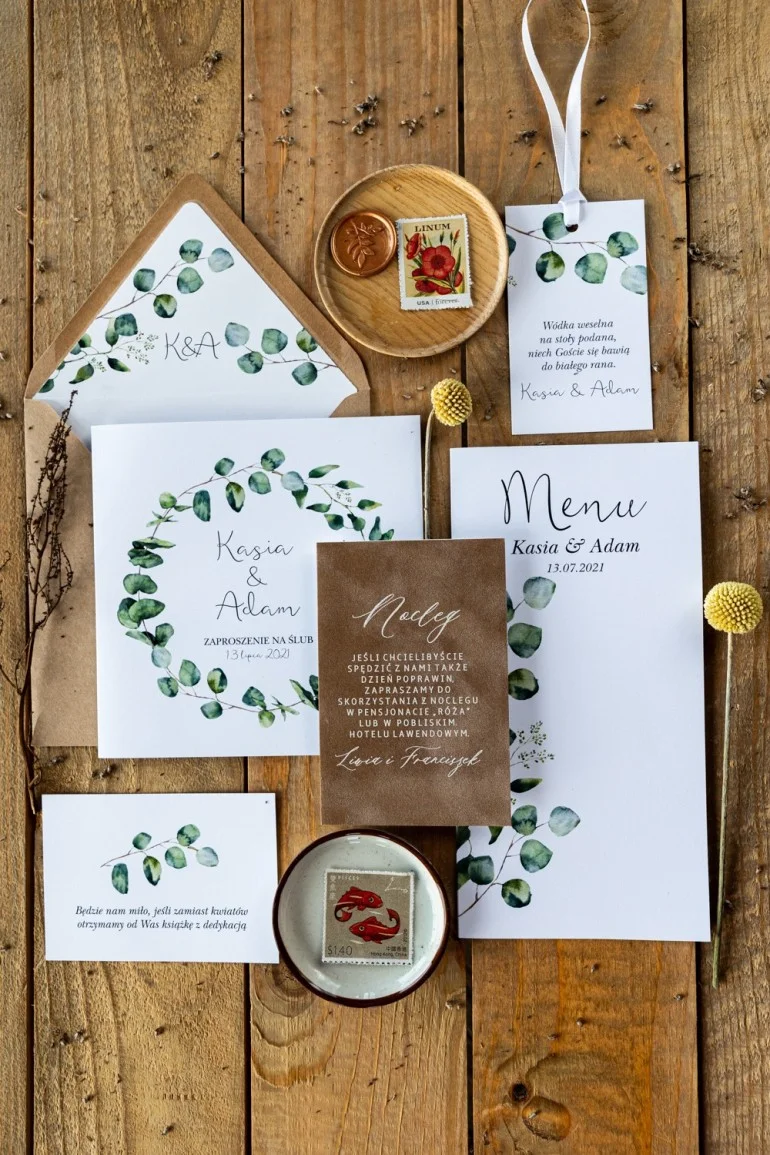
Eco-friendly Invitation with Greenery Styling | Wedding Invitations in eco envelope | Kalia no. 2
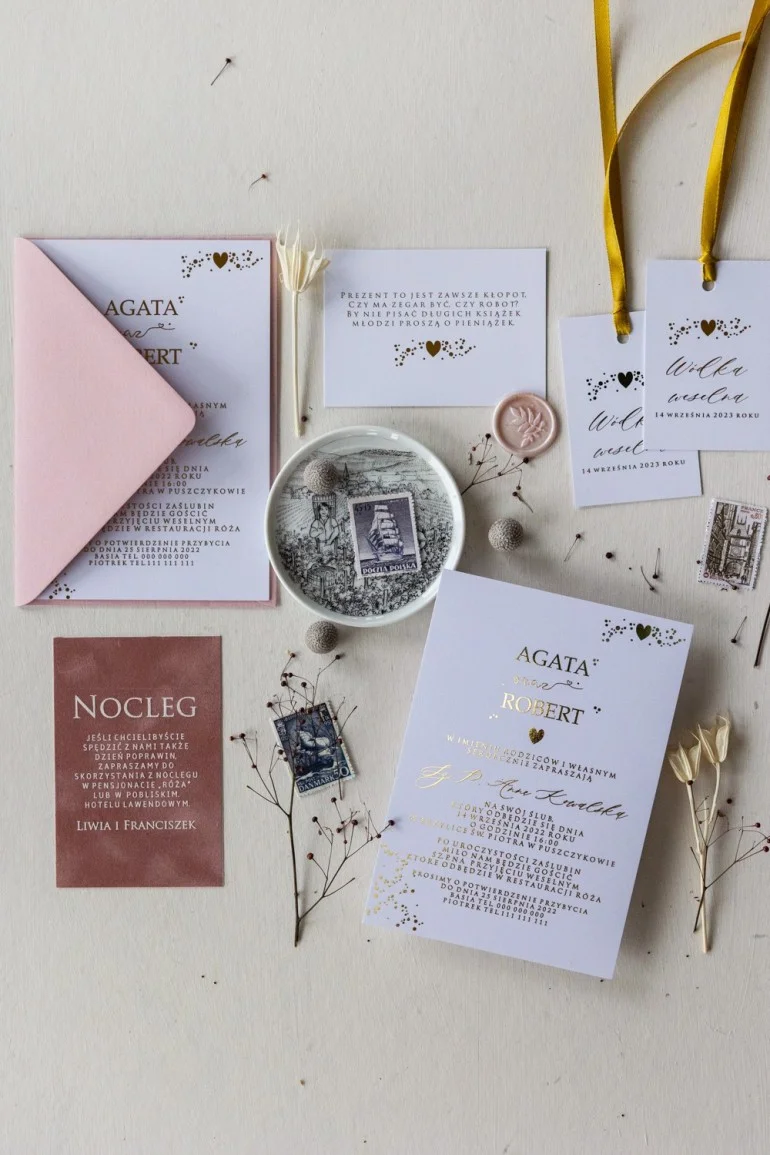
Subtle Wedding Invitations, Minimalist Design with Gold Elements | Simple no. 3
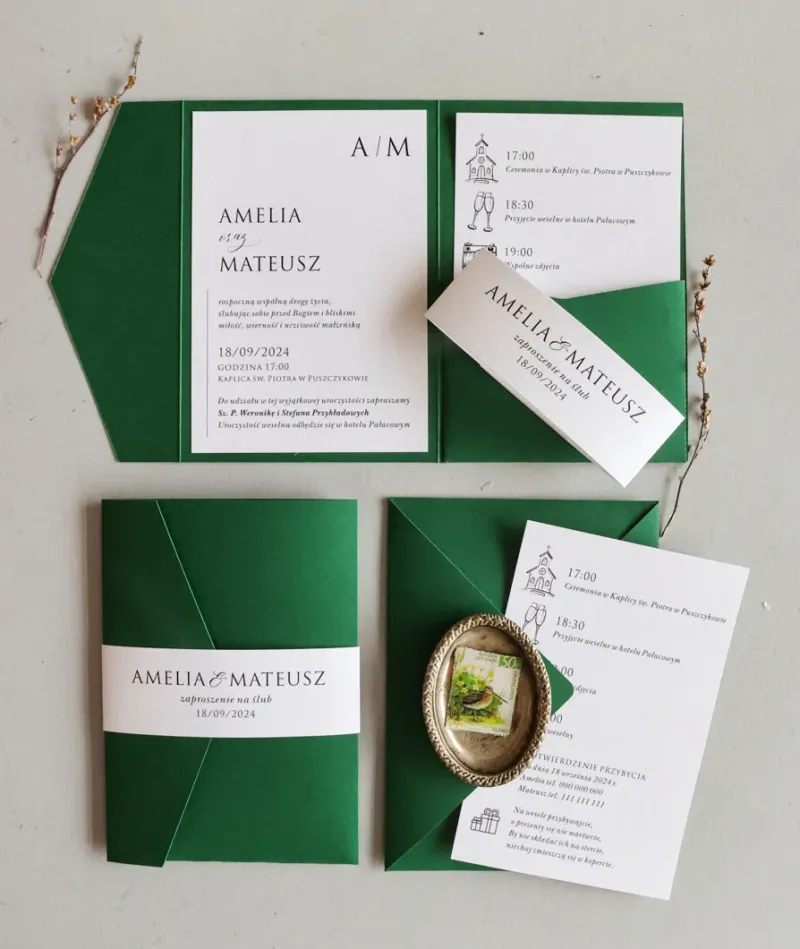
Elegant Wedding Invitations in Bottle Green Shades | Minimalist Design and Modernity | Kraft no. 10
- How many photos will we receive and in what format?
- How long after the wedding will we wait for the photos?
- Do you have a replacement in case of illness/emergency?
- What are the payment terms?
4. Offer, Packages, and Prices – What’s Included?
At the end of the day, the choice of a photographer is often decided by practical factors: the scope of the offer and the budget. It's worth understanding what the photographer offers in a given price package to consciously compare different offers.
Scope of Services – What Can the Offer Include?
- Working time – standard for a full wedding is about 12 hours of work.
- Number of photos – check how many final photos the photographer will deliver. Remember that quality, not quantity, is most important.
- Editing and retouching – almost all professionals deliver only edited photos. Don't expect to receive RAW files.
- Albums, prints, media – check if you get an online gallery, a USB drive, prints, or a wedding album.
- Additional sessions – engagement and post-wedding sessions.
- Travel and accommodation – clarify how travel costs are settled if the photographer is from another city.

Merci Favour with White Flowers, Green Leaves | Elegant Guest Gifts | Impresja No. 10

Simple No. 3 Soy Candle – Gold Foiling & Elegant Wedding Favours

Mini Chocolate Favours 'Pearls No. 1' – Luxury Wedding Favours with Pearl Accents
How much does a wedding photographer cost?
Prices for wedding photographers can vary drastically. You can find someone for £500, as well as a top artist charging £3,000 and more for a reportage. What does it depend on?
- Experience and brand – the more sought-after the photographer, the higher the price.
- Scope of service – prices rise with what the package contains.
- Number of photographers – paying for two people's work naturally costs more.
- Seasonality and date – weddings outside the peak season or on weekdays are often cheaper.
5. Formalities and Contract – How to Secure Your Peace of Mind
When you are almost decided, it's time for formalities. A good contract protects the interests of both parties and prevents unpleasant surprises.
Key Elements of a Photography Contract
- Parties' details – your data and the photographer's business details.
- Venue and date – ensure the exact date and locations are written down.
- Working hours – precisely define when the photographer starts and ends work.
- Number of photos and delivery format – secure a minimum number of edited photos.
- Delivery time – the contract should state the maximum completion deadline.
- Remuneration, deposit, and payments – include the total price and payment schedule.
- Cancellation/rescheduling terms – what happens if the wedding is moved or cancelled.
- Copyright and publication consent – define the rights for non-commercial use and whether the photographer can use photos for their portfolio.
Summary: Choosing a wedding photographer is a complex process that should start early. Define your expectations, browse portfolios, and meet candidates to check for chemistry. A contract is the foundation of a safe cooperation. Let your chosen wedding photographer capture your story in the most beautiful way possible.
? We also recommend other articles on our blog:
? How to choose the perfect location for a newlyweds' photo shoot? – Find the most beautiful locations for your wedding session!
? Wedding attractions for guests 2025 – ideas to spice up your reception – How to make your wedding unforgettable?
? Friday wedding and off-season reception – is it worth it? – Ways to save on wedding organization!
? Bridesmaids and groomsmen – selection, duties, and 2025 trends – How to choose the perfect wedding party?
? Modern technologies at weddings – a guide for the future Bride and Groom – How to use tech novelties on your big day?
? Guest list and wedding seating – how to create the perfect table plan? – Practical tips for guest placement.
Don't miss our tips! Check out other articles and ensure yourself a perfect wedding and reception! ??