Who invites guests to the wedding?
The History of Invitations: Traditions and Changes
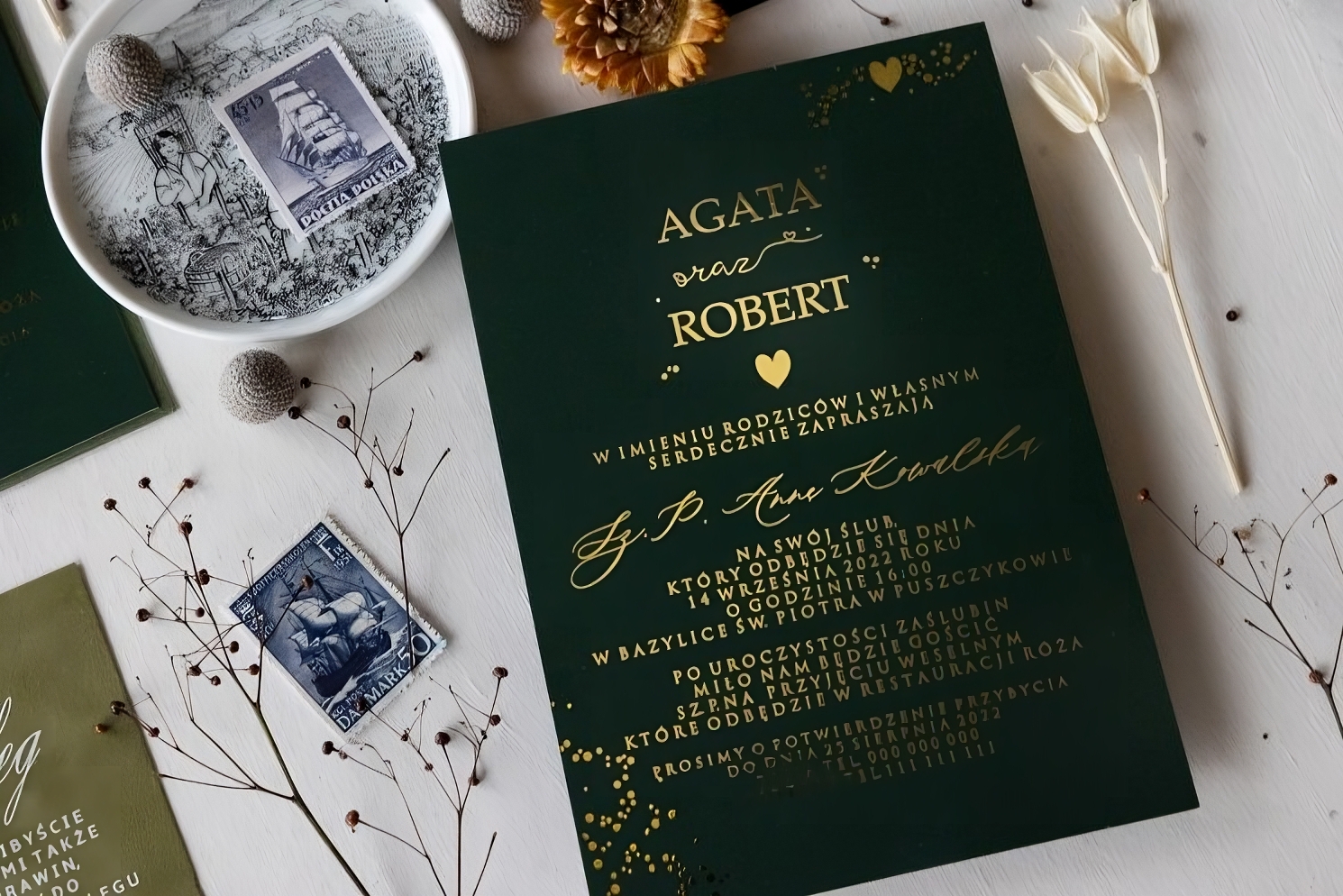
Wedding invitations have a rich history that reflects the evolution of wedding traditions and culture. Originally, in pre-technological times, invitations were handwritten and delivered in person, which was a symbol of respect and the importance of the ceremony. Over time, with the development of printing technology, invitations began to take on various forms, from simple cards to intricate, artistic masterpieces. Each stage in the history of wedding invitations reflects changing attitudes toward marriage, interpersonal relationships, and social communication.
The Role of Wedding Invitations: More Than Just Information
Wedding invitations are more than just a means of conveying information. They are the couple's calling card, reflecting their personalities, style, and preferences. The choice of design, color scheme, and even the type of paper is crucial to the message the couple wants to send to their guests. In Poland, where great importance is placed on tradition and etiquette, wedding invitations play a central role in pre-wedding preparations. They are not only an announcement of the upcoming event but also symbolize the beginning of the couple's new life journey.
Modern Approaches: E-invitations vs. Traditional
In the era of digitalization and ecology, e-invitations are becoming increasingly popular. They are convenient, quick to distribute, and environmentally friendly. However, despite their practicality, e-invitations have not fully replaced traditional paper invitations, which are treated as a precious keepsake and a decorative element. In Poland, where tradition holds special significance, couples often face the dilemma of choosing between modernity and tradition. It is therefore worth considering a combination of these two worlds, offering both elegant paper invitations and their electronic counterparts to accommodate diverse guest preferences and expectations.
Table of Contents
- The History of Invitations: Traditions and Changes
- Who to Invite: Deciding on the Guest List
- Designing Invitations: From Concept to Reality
- How to Include All Necessary Information
- Electronic vs. Traditional Invitations: Pros and Cons
- When to Send Invitations: Planning the Timeline
- Dealing with No-Shows: Practical Advice
Who to Invite: Deciding on the Guest List
Choosing Guests: Criteria and Dilemmas
Deciding who to invite to your wedding is one of the most important and often most difficult decisions a couple faces. Who you ultimately decide to invite affects the atmosphere, style, and even the wedding budget. When creating a guest list, couples often struggle with dilemmas such as family size, friend groups, or whether to invite coworkers. In Poland, where weddings often have a significant family and social dimension, choosing guests can be particularly challenging. It is essential for the couple to make a choice that reflects their relationships and values, while also taking into account family and social expectations.
Guest List and Wedding Style: Impact on Organization
The guest list has a direct impact on the organization and style of the wedding. The number of guests influences the choice of venue, the type of catering, and even the wedding program itself. In Poland, where a wedding is often a large and boisterous event, the choice of guests can influence the decision on the form of the reception – whether it will be an intimate gathering or a grand celebration. The couple should consider what kind of wedding they want to organize and create the guest list based on that. It is key that this choice aligns with the couple's expectations and comfort, as well as logistics and organizational capabilities.
The Significance of the Guest List: Psychology and Etiquette
Creating a guest list is not just an organizational matter, but also a psychological one. The guest list can be a reflection of the couple's social network and their relationships with family and friends. In Polish tradition, where a wedding is an event that connects families and communities, the choice of guests also has an ethical and emotional dimension. It is worth it for the couple to think about which relationships they want to highlight and celebrate on their wedding day. It is important that the approach to the guest list is conscious and thoughtful, taking into account both personal preferences and rules of etiquette.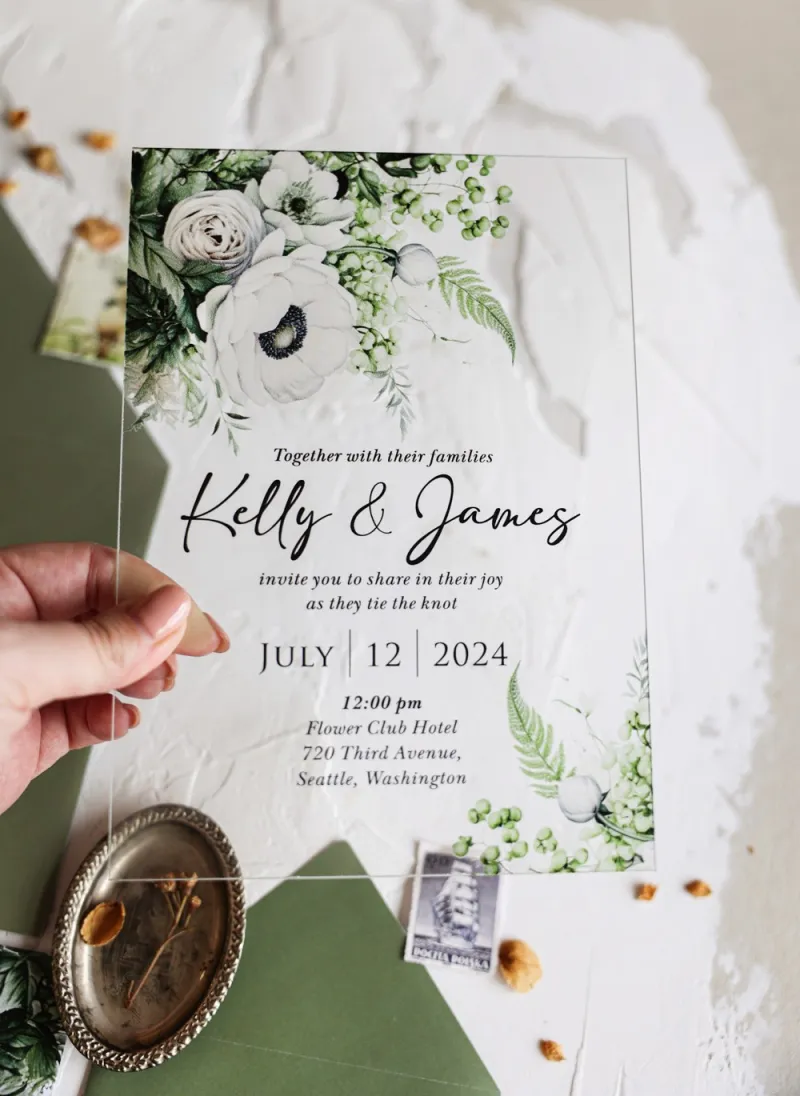
Designing Invitations: From Concept to Reality
Style and Design: Expressing Personality
Designing wedding invitations is an art of expressing the couple's personality. Each invitation should be a unique piece that reflects the character, tastes, and preferences of the future spouses. In Poland, where great attention is paid to details and individuality, the design of wedding invitations has become an important part of pre-wedding preparations. When choosing an invitation style, couples have a wide range of options: from classic and elegant designs to modern and minimalist ones. Elements such as color choice, fonts, and even the type of paper are crucial to the final look of the invitation. It is worth spending time creating a design that will be a true reflection of the couple's feelings and character.
Matching the Wedding Theme: Aesthetic Consistency
Wedding invitations are often the first element that introduces guests to the vibe of the upcoming wedding. That is why it is so important that their style is consistent with the theme and aesthetics of the event itself. In Poland, where a wedding is often an event full of traditions and local customs, invitations can include elements referring to regional motifs, colors, or even the couple's history. Aesthetic consistency between the invitations and the planned event allows for the creation of a harmonious and thoughtful image of the entire celebration. The couple should therefore consider which motifs and colors will dominate the wedding day and reflect this in the designed invitations.
Choosing a Provider and Materials: Practical Tips
Choosing the right provider and materials to create wedding invitations is another key element of the design process. In Poland, the wedding services market offers a wide selection of specialists who design and print invitations. It is important to choose a provider who not only matches the couple's aesthetic preferences but is also able to advise on materials and printing techniques. It is worth paying attention to paper quality, printing types (e.g., digital, embossed), as well as additional elements such as ribbons, seals, or personalized envelopes. The final choice of materials and provider should harmonize with the overall wedding budget, as well as the deadline by which the invitations must be ready.
How to Include All Necessary Information
Key Details in the Invitation: What Must Be Included
A wedding invitation should contain all relevant information so that guests know what to expect. The basic details that must be included are the names of the future spouses, the date and time of the ceremony, and the exact location. If the reception takes place in a different location, this information must also be provided. Furthermore, it is worth including information about the dress code (if applicable) and RSVP details, which is especially important for wedding organizers. All these elements are key to providing guests with a full picture of the upcoming event.
Form and Etiquette: How to Convey Information Elegantly
The form of conveying information in a wedding invitation is just as important as the content. Invitations should be worded in an elegant manner consistent with etiquette. In Poland, where wedding traditions are deeply rooted, it is important to maintain the appropriate form and respect for guests. Using polite forms of address, clear and understandable language, and aesthetic text layout are key aspects to consider. The elegant form of wedding invitations conveys to guests how important this event is to the couple and how much they value their presence.
Practical Tips: Avoiding Errors and Misunderstandings
For wedding invitations to be effective, it is essential to avoid errors and misunderstandings. Before sending out invitations, it is worth carefully checking all information for correctness and completeness. A good practice is to ask someone to proofread the invitation before final approval. This helps avoid minor errors that could mislead guests. Furthermore, it is worth considering the method of delivery to ensure they reach all guests, e.g., by hand-delivering, mailing, or sending electronically.
Electronic vs. Traditional Invitations: Pros and Cons
Comparing Formats: What to Choose
Nowadays, couples face a choice between traditional and electronic invitations for their wedding. Each of these formats has its unique advantages and disadvantages that are worth considering before making a decision. Traditional invitations, printed on paper, have long been the standard for Polish wedding celebrations. On the other hand, e-invitations are gaining popularity due to their modernity, ease of distribution, and ecological aspects. The choice between these two formats often comes down to personal preferences, the style of the wedding, and the couple's budget.
E-invitations: Modernity and Ecology
E-invitations are a modern solution that meets the needs for fast and effective communication. Their main advantage is the speed and ease of distribution – they can be sent via email or social media, which significantly reduces the time and costs associated with their preparation. Furthermore, e-invitations are environmentally friendly because they eliminate the need for paper. This solution is ideal for couples who want to emphasize their commitment to environmental protection, as well as for those planning a modern-style wedding.
Traditional Invitations: Class and Keepsake Value
Traditional paper invitations are still very popular in Poland because they have a unique charm and class. They are often treated not only as an announcement of an important event but also as a keepsake that can be kept for years. Paper invitations offer extensive customization possibilities, from choosing the paper, through the font, to accessories such as ribbons or wax seals. They are ideal for couples who value tradition and want their invitations to have a lasting, tangible character.
When to Send Invitations: Planning the Timeline
Ideal Time to Send: When to Start
Planning a wedding is a complex process, and choosing the right time to send invitations is a key element of organization. It is recommended that wedding invitations be sent 6 to 8 months before the wedding date. Such a schedule gives guests enough time to plan their attendance, especially if they need to arrange travel or accommodation. In the case of weddings organized during popular dates or locations, as well as when planning a destination wedding, even more advance notice is recommended. Sending invitations well in advance is a sign of respect and care for guests, enabling them to better prepare for the ceremony.
The Importance of Timeliness: Why It Matters
Sending wedding invitations on time is crucial for the smooth organization of the entire event. This allows for precise planning of the number of guests, which is necessary to determine many aspects of the wedding, such as the size of the hall, the amount of food, and even party favors. In Poland, where a wedding is an important social event, timeliness in sending invitations is also a matter of etiquette and good manners. Proper planning and sending of invitations show guests that their presence is important and valued, and that the entire celebration is well-organized.
Planning Ahead: Time Management
Time management in the context of sending wedding invitations is not just about setting a shipping date. It is also about planning the entire process of creating invitations: from design, through printing, to delivering them to guests. For couples, this is often a stressful period, so planning ahead allows for avoiding rush and errors. It is worth setting a schedule with clearly defined deadlines so that the entire process runs smoothly and without problems. This will also allow for any necessary changes or corrections if needed.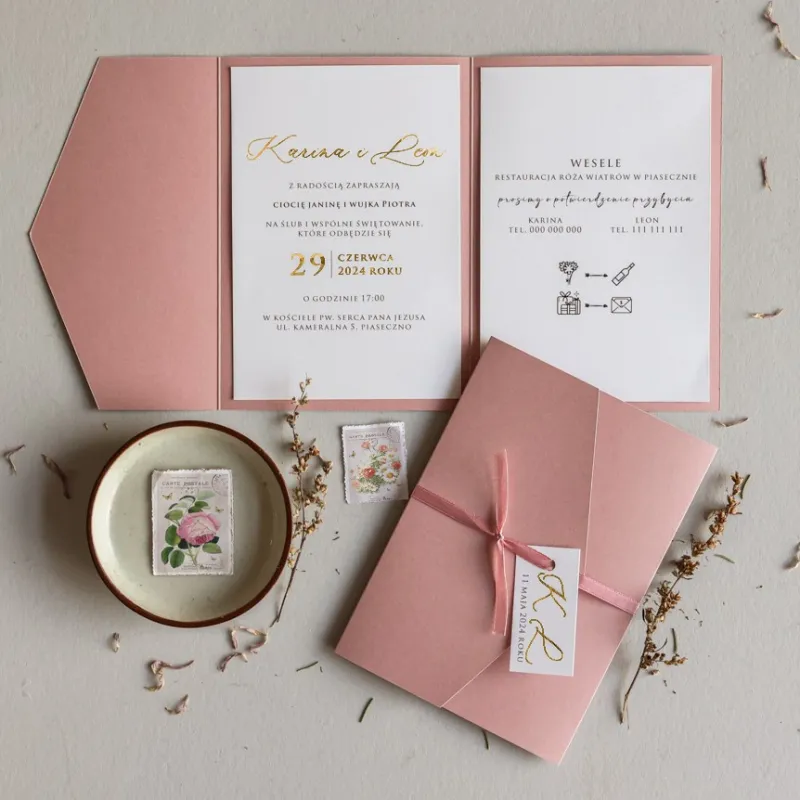
Dealing with No-Shows: Practical Advice
How to Handle Non-Responding Guests: Etiquette and Solutions
Managing a guest list when people don't respond to wedding invitations can be a challenge. The key is to remain calm and polite. If you do not receive a response by the expected time, a gentle reminder is recommended. You can do this via a friendly message or phone call, while expressing understanding for the guests' potential busy schedules. It is important to remember etiquette and not pressure them for a quick response, but at the same time, express that the response is important for the organization of the ceremony.
Plan B for Unexpected Changes: How to Prepare
It is always worth having a Plan B in case of unexpected changes to the guest list. This may include preparing extra seats for the wedding or changing the table layout. It is important to be flexible and ready to adjust wedding plans. It may happen that some guests cancel their attendance at the last minute, which can affect the total number of guests and the organization of the event.
Communication with Guests: Key to Success
Effective communication with guests is key to the success of any wedding. It is worth clearly communicating any expectations regarding RSVP, as well as being open to any questions or concerns from the invitees. Maintaining a clear and open line of communication will help in building relationships with guests and ensure that everyone is well-informed about all the details related to the ceremony.
We encourage you to read other articles on our blog that may be useful in planning your wedding:
- Are place cards a good idea?
- What are the types of weddings?
- Who should be first on the invitation?
- How far in advance should you invite to a wedding?
- How to plan a small-scale wedding: An intimate party for loved ones
These articles will provide valuable tips and inspiration to help you organize the perfect wedding.