The Ultimate Wedding Guest Experience: How to Plan a Day Your Guests Will Remember for Years

Every wedding is a milestone that the couple will cherish for a lifetime. But there is another perspective that often gets overlooked in the frenzy of wedding planning—the guests' perspective. They are the ones sitting for eight, ten, or twelve hours; observing, evaluating, and experiencing the day. They are the ones who, a week later, will tell their friends whether the wedding was "absolutely incredible" or just "okay." That is exactly why more and more couples in 2025 and 2026 are consciously embracing a concept known in the event industry as the wedding guest experience.
So, what exactly is the guest experience at a wedding? It is an approach to wedding planning where every single decision—from choosing the venue and the wedding menu to the tiny favors placed by each plate—is made with the guests' comfort in mind. It’s not about overloading the timeline with endless entertainment or showing off with lavish floral arrangements that overshadow everything else. It’s about something much deeper: emotions, comfort, and making people feel like they were truly invited to share a profound moment, rather than just filling a seat at a table.
I have worked in the wedding industry for over a decade. I’ve seen lavish, big-budget weddings where guests left yawning, and intimate celebrations with a third of the budget where people cried tears of joy and called it the most beautiful reception they had ever attended. The difference was never the price tag. It was the mindset—whether the couple and the planners stopped to ask: "How will our guests feel?"
This article is a comprehensive guide for anyone who wants to plan their wedding mindfully, caring for everyone who travels 20, 50, or 200 miles to be there for you. You will find practical advice on logistics, seating arrangements, menus, wedding entertainment, and those small gestures that make a wedding legendary for years to come. I will also cover the tools that genuinely make planning easier today—including free wedding apps and stationery that lets you perfect every visual detail. Let’s dive in.
First Impressions Matter – From the Invitation to the Venue Doors
The guest experience doesn’t begin on the wedding day. It starts the moment your guests open their mailbox and hold your envelope in their hands. This is where—often months before the ceremony—the very first impression and emotional connection to your wedding are built.
The Invitation as a Sneak Peek of the Wedding
Imagine receiving two envelopes. One contains a standard printer-paper card with Times New Roman text: "You are invited to our wedding. Date, time, address." The other holds beautifully designed wedding invitations inside an embossed envelope, featuring an elegant card with a personalized insert where someone hand-wrote your name and added a sweet note about where you’ll be seated and what awaits you that evening. Which wedding already feels more promising before you’ve even seen the venue?
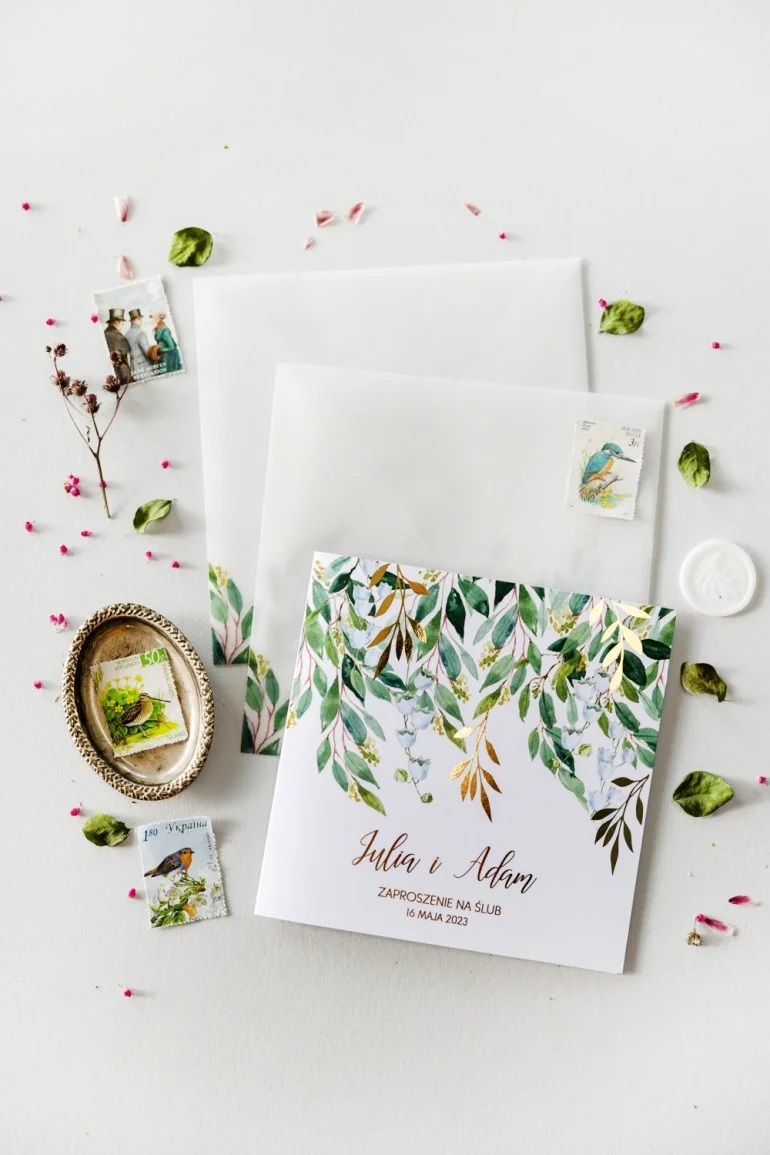
Classic wedding invitations with green leaves and gold foil accents | Gold foil wedding invitations | Rubin No. 4
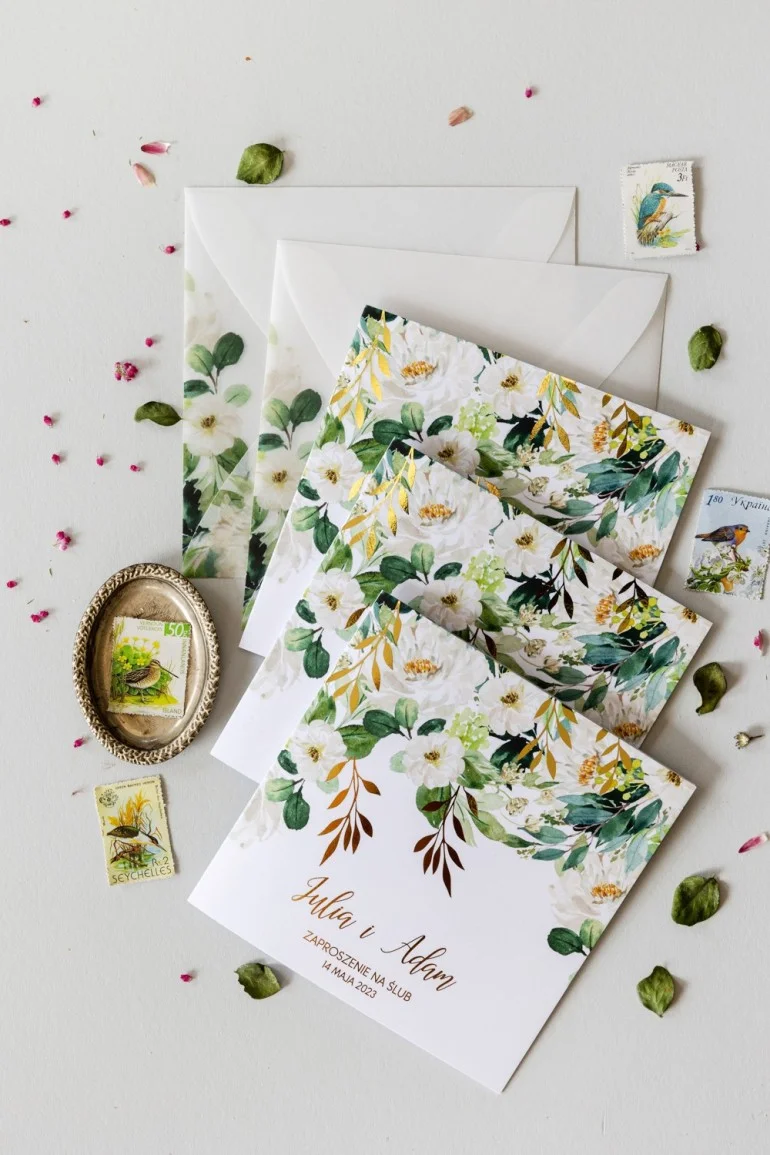
Stylish Wedding Invitations with Gold Accents and Watercolor Flowers | Exclusive Wedding Invitations | Rubin No. 1
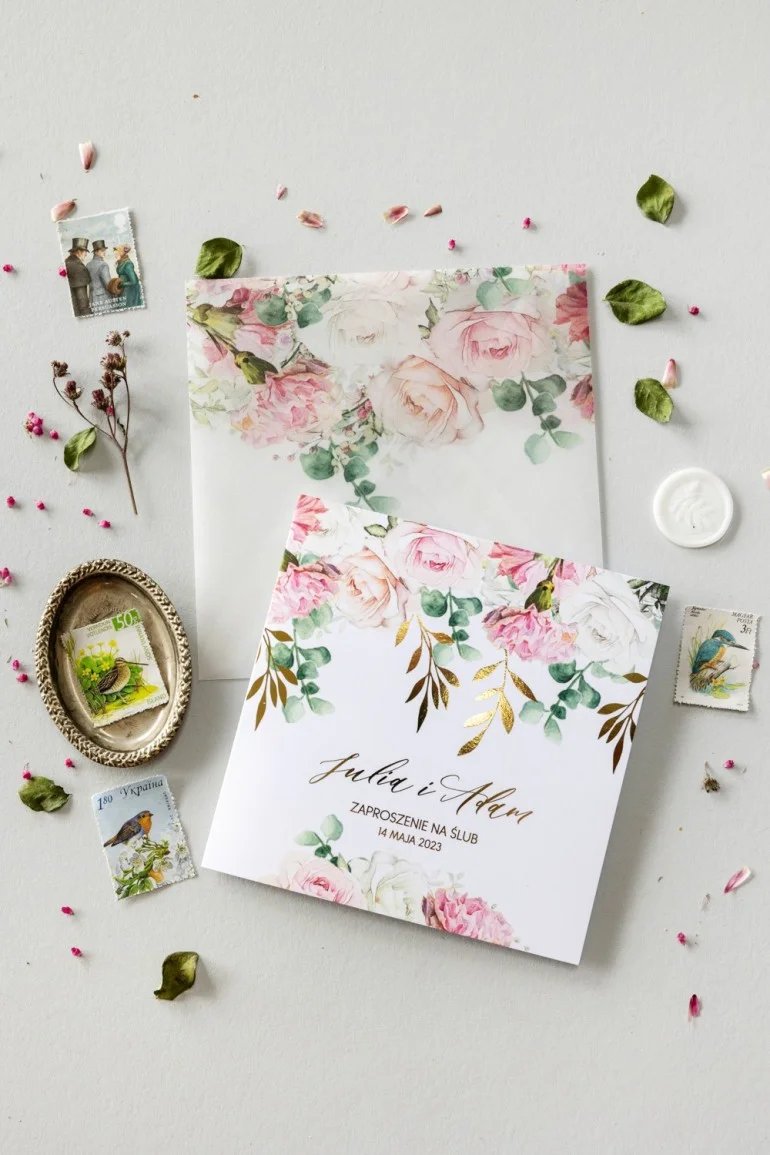
Wedding invitations with pink roses, gold foil, and a vellum envelope | Glamour style wedding invitations | Rubin No. 9
A wedding invitation is the first physical touchpoint between the couple and the guest. In a world where everything is digital and fleeting, a paper invitation makes a statement. It says: "This is important. You are important." Therefore, it’s worth paying attention not only to its aesthetics but also to its content. A good invitation clearly states where and when the ceremony will take place, how to get there, and where to park, while also setting the tone for the event. Guests who know what vibe to expect feel more comfortable and can dress accordingly.
Don’t forget about the insert cards. An RSVP with a clear deadline is an absolute must—it allows you to accurately plan the guest count, menu, and seating chart. An details card with information for out-of-town guests is a gesture everyone will appreciate. If you have a wedding website or use a free wedding app like Blissaro, it’s a great idea to include a QR code in the invitation that links to all the up-to-date details.
Communicating with Guests Before the Big Day
First impressions go beyond just the invitation. It encompasses everything that happens between sending the invites and the wedding day itself. This is where many couples make the same mistake: radio silence. They send the invitations and... wait. Meanwhile, guests have questions—lots of them.
Good pre-wedding communication is a pillar of the guest experience. It’s wise to plan at least two or three touchpoints with your guests after the invitations go out. First—confirming you received their RSVP. Second—about two weeks before the wedding—a practical "welcome packet" with logistical details: exact driving directions, parking info, and ceremony times.
Welcoming Guests – A Detail That Sets the Mood
Guests arrive. They step out of their cars, shuttles, or taxis. And right then—before they even walk inside—something important happens. At the best weddings, a familiar face is waiting at the entrance—a parent or close friend of the couple who greets guests by name, points them to the cloakroom, and welcomes them to the reception. That one person at the door makes an incredible difference.
A welcome drink station is now a standard that guests have come to love. A glass of lemonade or citrus-infused water makes those first few minutes refreshing rather than stressful. Also, remember clear signage: Restrooms? Cloakroom? Main hall? Simple, elegant signs cost very little but massively elevate comfort.
Physical Comfort Throughout the Day – Logistics, Transport, and Accommodation
They say the devil is in the details. When it comes to the wedding guest experience, the devil particularly loves logistics. Transport to and from the venue, accommodation, parking, and finding one's way around—these are the things guests will talk about for years.
Transport to and from the Wedding – How to Organise It
Imagine your guests having to figure out their own transport to a beautiful manor house 20 miles outside the city. Half of them will drive and stay sober all night. The other half will spend a fortune on taxis. A few simply won't show up.
Providing transport for your wedding guests is one of the best investments you can make in the comfort of your reception. Hiring a shuttle bus that picks guests up from key points in the city is an expense that truly pays off. It ensures everyone's safety and lets the mingling begin on the road.
Accommodation for Out-of-Town Guests
Weddings involving guests from far away are a whole different story. Saving them the hassle of finding a place to stay is one of those gestures that sticks in their memory. The most practical solution is to reserve a block of rooms in a hotel or guesthouse near the venue in advance—and provide a discount code. Guests then know exactly where to call and how much it will cost.
Parking, Navigation, and Other Logistical Details
Logistical details are the foundation of a great guest experience. Make sure guests know exactly where to park—include this in the pre-wedding info, and put up clear signs at the entrance on the day. Restrooms are another crucial topic—check how many there are, ensure they are spotless, and see that they are well-stocked with amenities.
Seating Charts and Arrangements – The Art of Good Placement
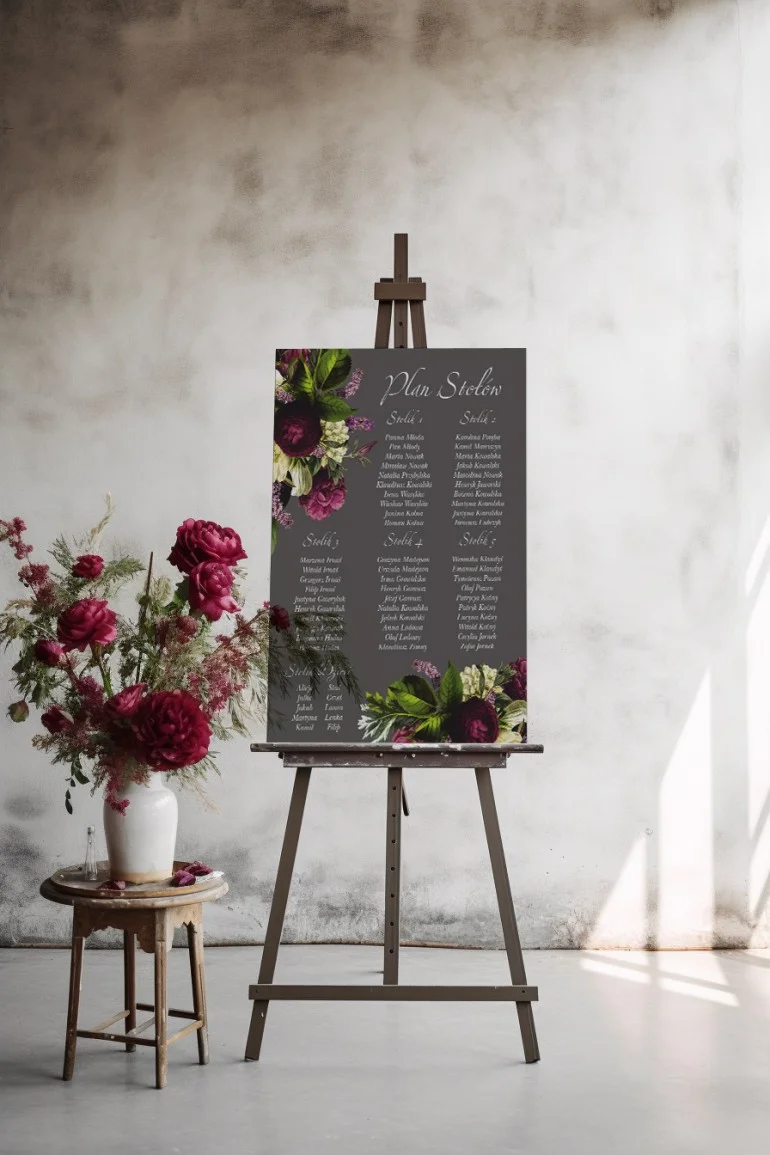
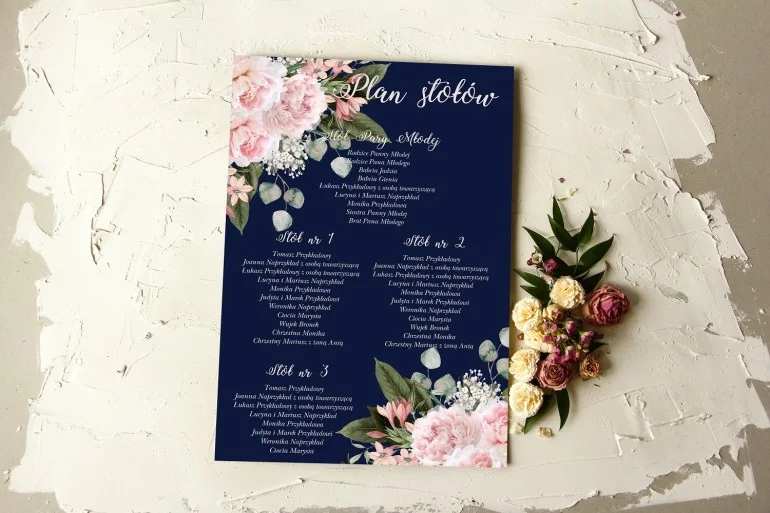
The seating chart is one of the most underestimated elements of wedding planning—yet it has one of the biggest impacts on how much fun your guests will have. A well-thought-out seating plan can help two strangers hit it off and become friends for life.
How to Think Strategically About Seating Guests
Arranging your wedding guests is essentially micro-managing the social dynamics of the entire reception. When creating your seating chart, follow a few simple rules: never split up couples, mix generations thoughtfully, and seat families with young children near amenities and exits. Also, remember not to seat elderly guests right next to the speakers.
You can find more practical tips on this topic in our blog post: Guest List and Seating Arrangements – How to Create the Perfect Seating Chart, which will help you plan the layout for your loved ones stress-free.
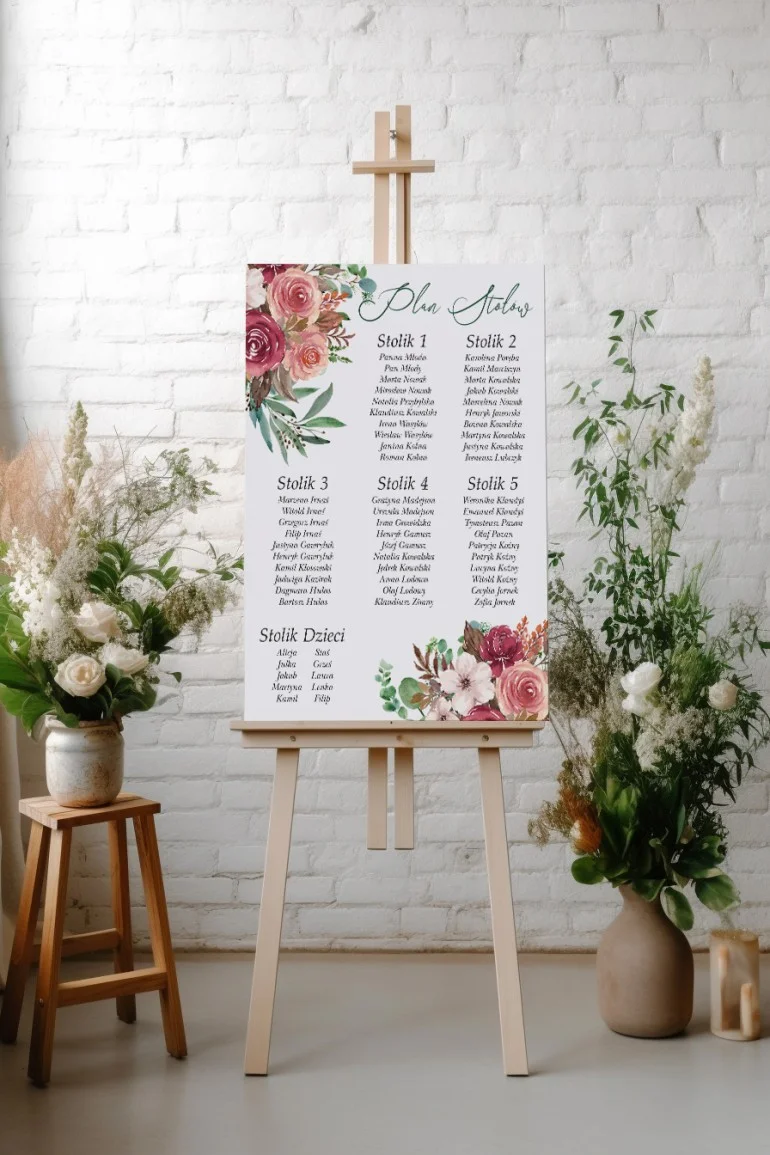
Delize No. 3 Seating Chart
Eteryczne No. 2 Seating Chart
Pastelowe No. 3 Seating Chart
Place Cards – Small Cards, Huge Role
Paper place cards are the piece of wedding stationery that is simultaneously the easiest to overlook and the most visible on the wedding day. Every single guest picks up their place card, looks for their name, and notices its design.
A place card serves two purposes: informational and decorative. An exciting trend is combining the place card with a small favor, like attaching it to a mini jar of honey. It’s a detail that never goes unappreciated.
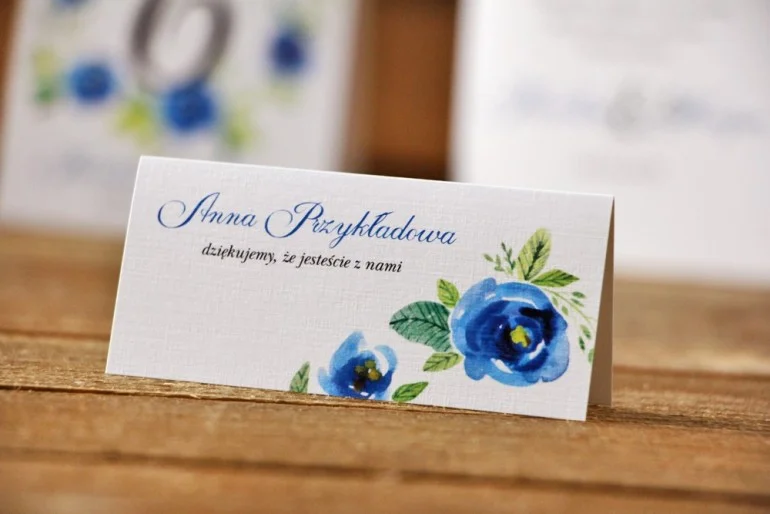
Place cards on linen-textured paper with blue roses | Akwarele No. 10
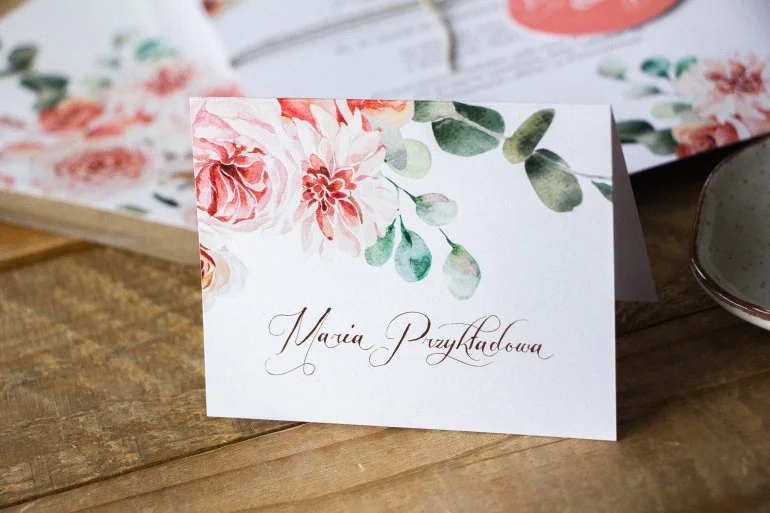
Place cards with a pink bouquet design | Indygo No. 7
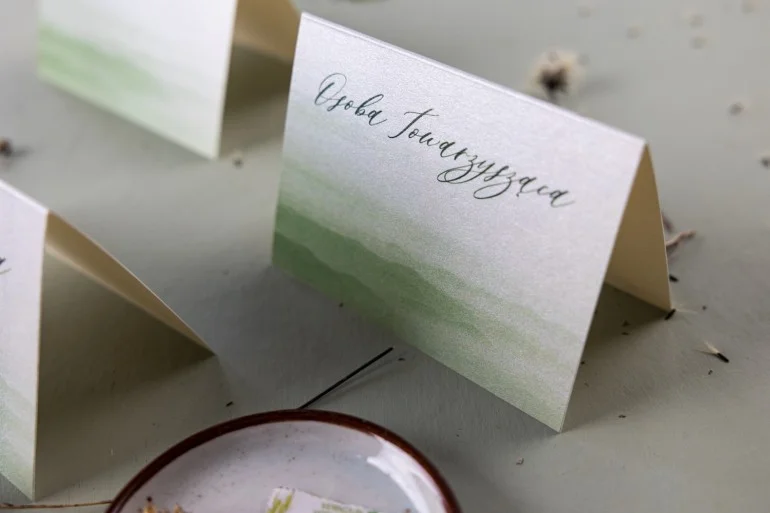
Wedding Place Cards on pearl cream paper with green details | Opal No. 11
Comfort Zones for Different Groups of Guests
Not all wedding guests are the same. You might have your eighty-year-old grandmother, a two-year-old cousin, and your work colleagues all in one room. Wedding comfort zones are a concept gaining massive popularity. The idea is to ensure the venue has a lively dance floor, a quieter lounge area for chatting, comfortable seating for seniors, and a dedicated corner for the little ones.
The Wedding Menu as Part of the Guest Experience – Food That Connects
Food at a wedding is about much more than just satisfying hunger. It’s a ritual, a conversation starter. The wedding menu is one of those elements that truly makes a difference and determines whether a guest leaves full and happy.
How to Plan a Menu with Everyone in Mind
Guest comfort at a wedding is very often measured by the food. A hungry guest is an unhappy guest. Ensure the timing of the meal service is spot on, and avoid long gaps after the ceremony by providing light welcome snacks. Also, remember variety—every menu should feature proper, delicious vegetarian options.
Special Diets, Allergies, and Dietary Preferences
This is an absolute necessity today. The best practice is to collect dietary requirements well in advance. Hand over the list of allergens to the venue a week before the event. Clearly marking special plates will make guests with allergies feel safe and truly appreciate your care.
Food Stations and Food Trucks – A Trend Guests Adore
One of the most exciting wedding trends in recent years is moving away from traditional late-night table service in favor of themed food stations. A burger food truck or a live pasta station opening around 10 PM is a fantastic surprise that can completely revitalize the second half of the reception.
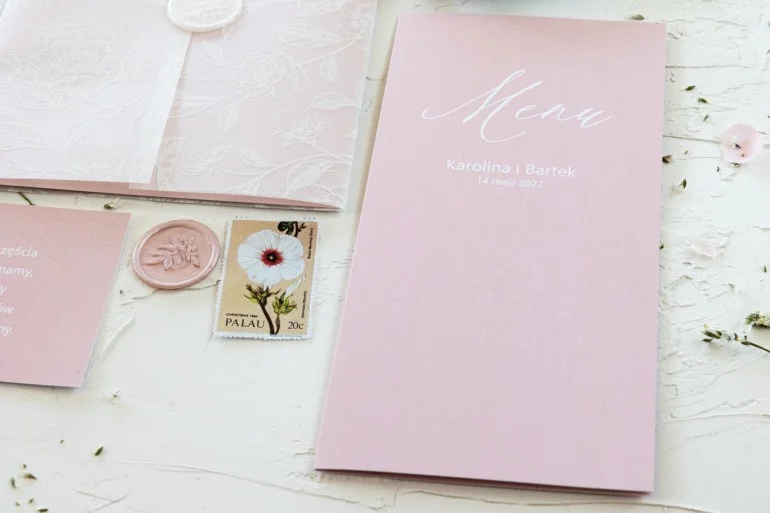
Elegant wedding menu with a delicate touch of pink | Nefryt No. 1
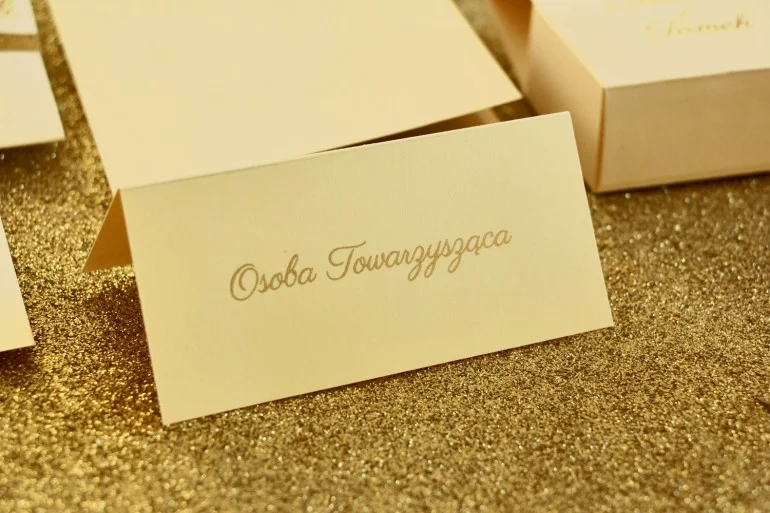
Glamour style bottle tags with gold foil | Glamour No. 5
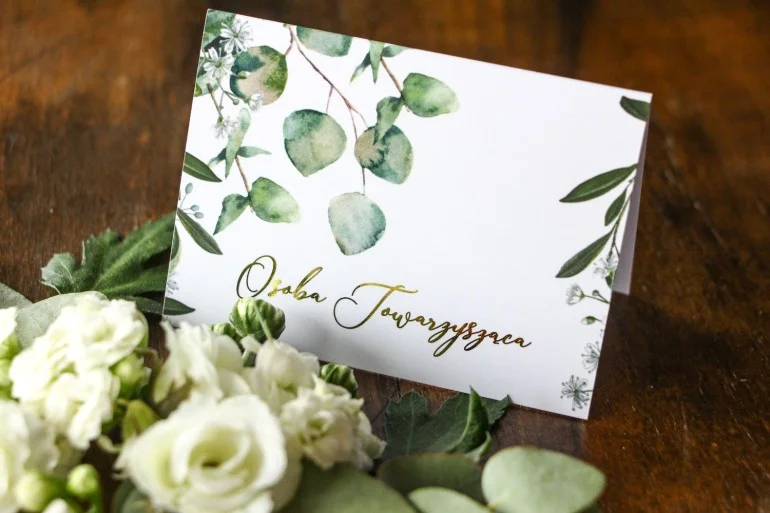
Gold-foiled place cards with eucalyptus and baby's breath | Soreli No. 5
Wedding Entertainment That Engages Every Guest
The wedding timeline is an emotional journey experienced by your guests. It needs rhythm: moments of happy tears, bursts of laughter, and space to relax. Wedding entertainment isn't just a distraction—it's a tool for building memories.
How to Choose Entertainment Tailored to Your Guests
Before you book a photo booth or a magician—stop and think about who your guests are. The entertainment should match their vibe. Here are a few tried-and-true ideas:
| Entertainment | Best For | Engagement Level |
|---|---|---|
| Photo booth | Everyone | High |
| Kids' entertainer | Families with children | High (a huge relief for parents) |
| Flair bartending show | Everyone | Medium |
Lounge Areas and Mingling – Because Not Everyone Wants to Dance
One of the biggest mistakes is assuming that every single guest wants to hit the dance floor. Statistically, every wedding has a group of guests who prefer a quiet chat. Setting up a quieter lounge area with comfortable armchairs where people can easily converse is an absolute game-changer.
Emotions, Personalisation, and Small Gestures That Linger in Memory
The most beautiful weddings are the ones where guests feel the couple thought of them personally. This feeling is built through small gestures that don’t have to cost a fortune.
Wedding Favors – A Small Gesture with Huge Meaning
Wedding favors aren’t an obligation or a tit-for-tat for a gift; they are an expression of genuine gratitude for someone's presence. It could be a mini bottle of homemade liqueur, local honey, a small bag of artisan tea, or flower seeds to plant in their garden.
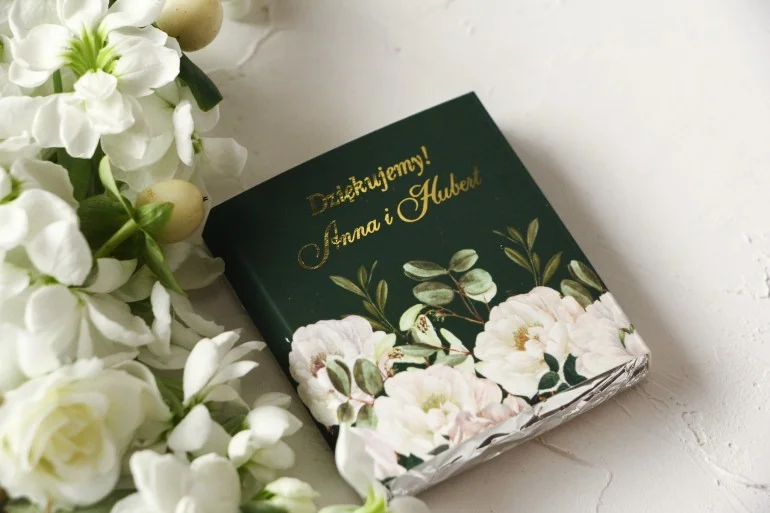
Wedding chocolates with white roses and eucalyptus | Szafirowe No. 3
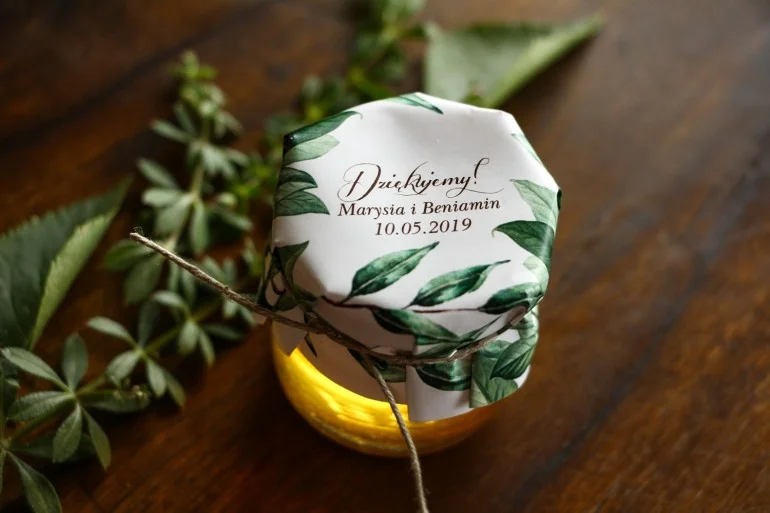
Wedding honey favors with olive branches | Indygo No. 2
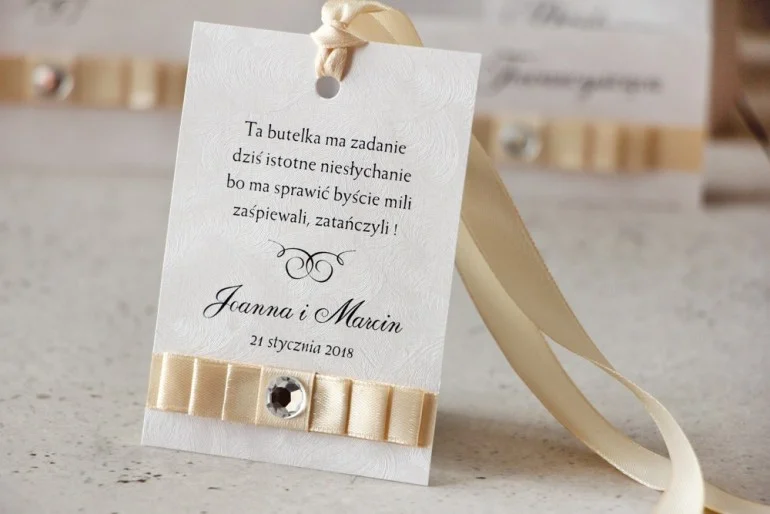
Elegant wedding vodka tags with rhinestones | Amaretto No. 1
The "I'll Remember This Forever" Moment – How to Plan It
Every great wedding has that one moment. The first dance where half the room is in tears, or a beautiful, heartfelt speech. You can’t script these moments from A to Z, but you can create the environment for them to happen naturally. Plan for emotional high points in your timeline, but also leave room for spontaneous, unscripted joy.
Step-by-Step Wedding Planning with Guests in Mind – Tools and Tips
The good news is that planning doesn’t have to be chaotic—if you have the right tools and a systematic checklist.
The Guest Experience Checklist
It’s worth creating a dedicated checklist focused entirely on your guests. Here are the key points:
- Send out invitations at least 3 months in advance.
- Collect RSVPs with questions about dietary requirements and allergies.
- Finalise a clear and easy-to-read seating chart.
- Inform the venue staff about any special dietary needs.
- Organise transport and set up lounge areas at the venue.
How a Wedding App Helps You Stay Organised
Planning a wedding without technology today is a headache. We highly recommend digital tools like the Blissaro app, which helps you collect RSVPs, manage your budget, and keep your guest list all in one place. It eliminates dozens of last-minute text messages and phone calls in the weeks leading up to the wedding.
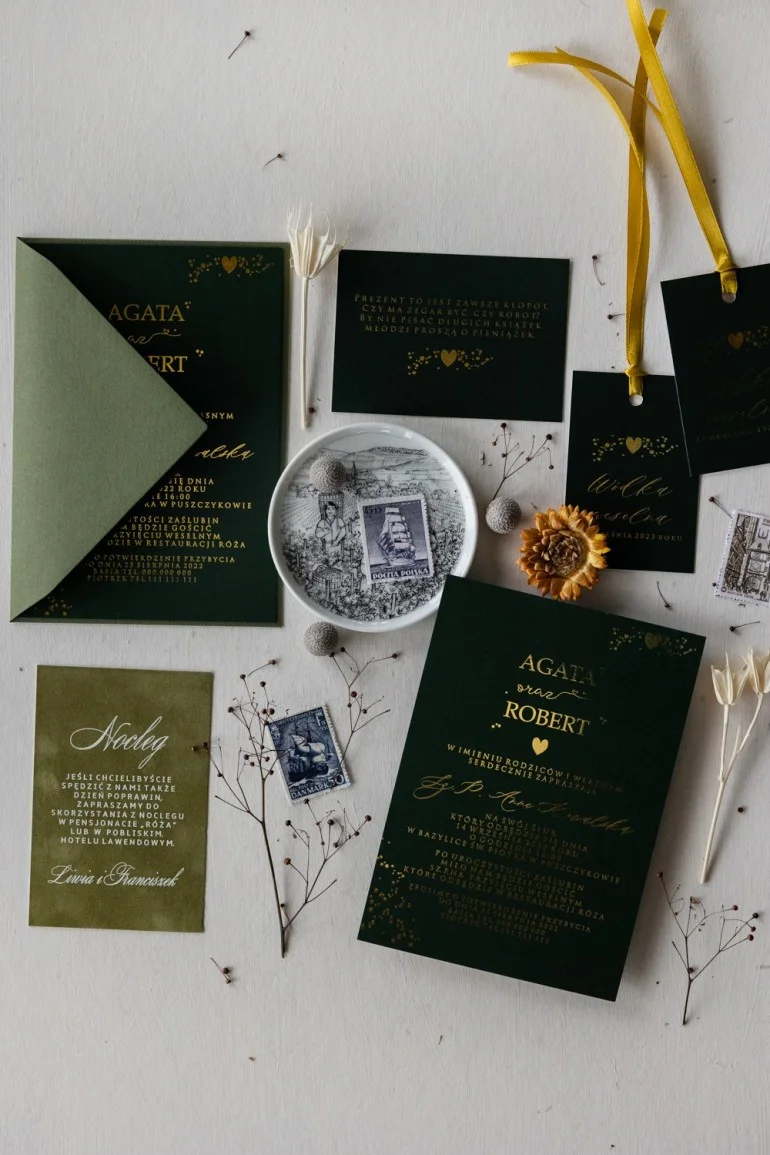
Single-card Wedding Invitations with gold foil | Simple No. 2
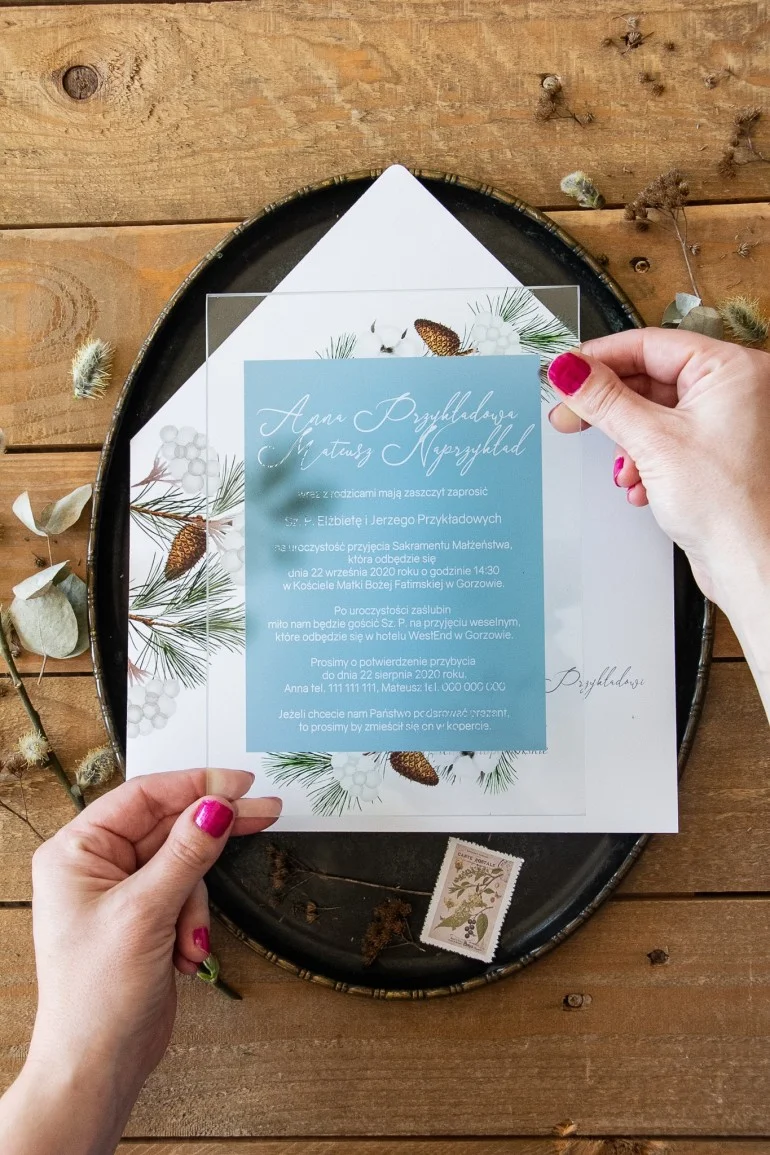
Extravagant Glass Wedding Invitations | Winter Glass Accent | Cotton & Pine | Korani No. 8
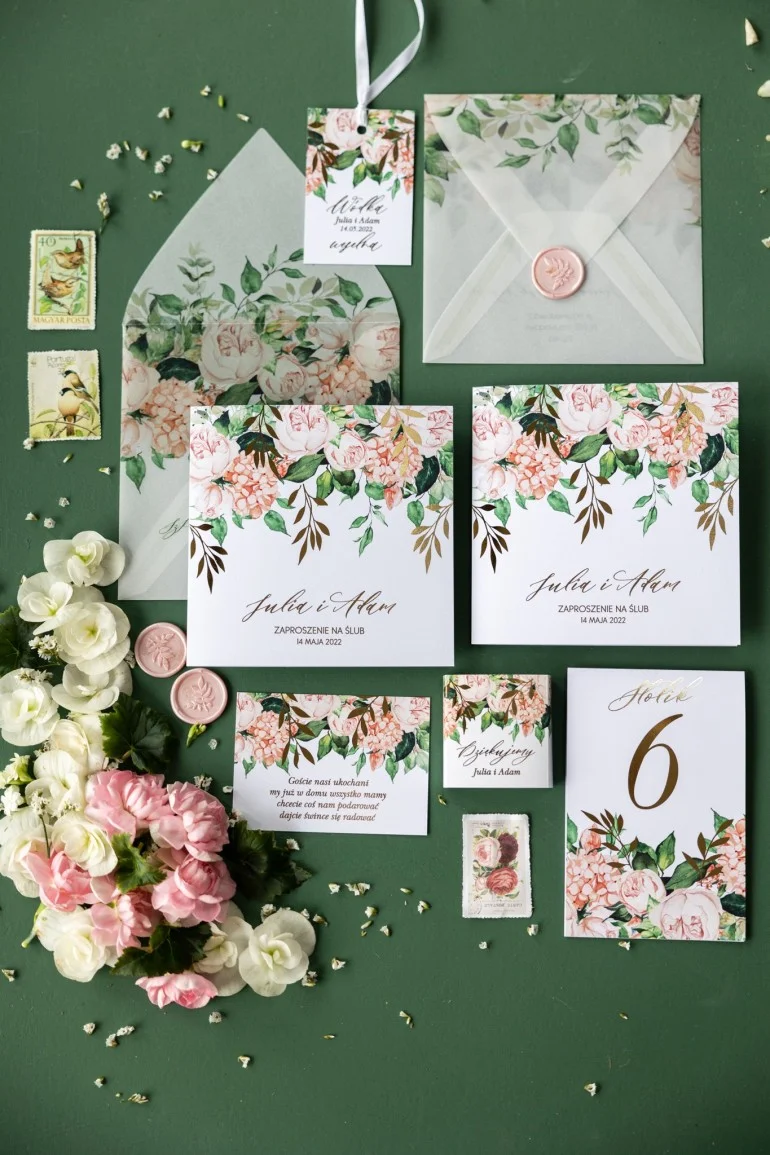
Unique Wedding Invitation with Gold Foil, Pink Peonies, and a Vellum Envelope | Unusual Wedding Invitations | Rubin No. 10
The Most Common Wedding Planning Mistakes from a Guest's Perspective
Most of the mistakes that ruin the guest experience can be entirely avoided during the planning stages.
What Annoys Guests the Most at Weddings?
- Long waits – boredom and hunger caused by a poorly flowing timeline.
- Excessive noise – music so loud it makes conversation at the tables impossible.
- Cold food – the cardinal sin of any banquet catering.
- Lack of logistics and transport – uncertainty about how to get back to the hotel after the reception.
Post-Wedding Feedback – Why You Should Ask Your Guests
Once the dust settles, it’s worth asking your closest loved ones for a little feedback. This will help you understand if the logistics actually worked and if your guests had as much fun as you envisioned. It also shows immense respect for their experience.
Summary – The Guest Experience Wedding as a Philosophy
The guest experience wedding is not a passing trend; it’s a profound philosophy of event planning. Remember that every single element—beautiful wedding invitations, thoughtfully designed venue zones, or small wedding favors—adds up to the final impression that your loved ones will carry in their hearts for years.
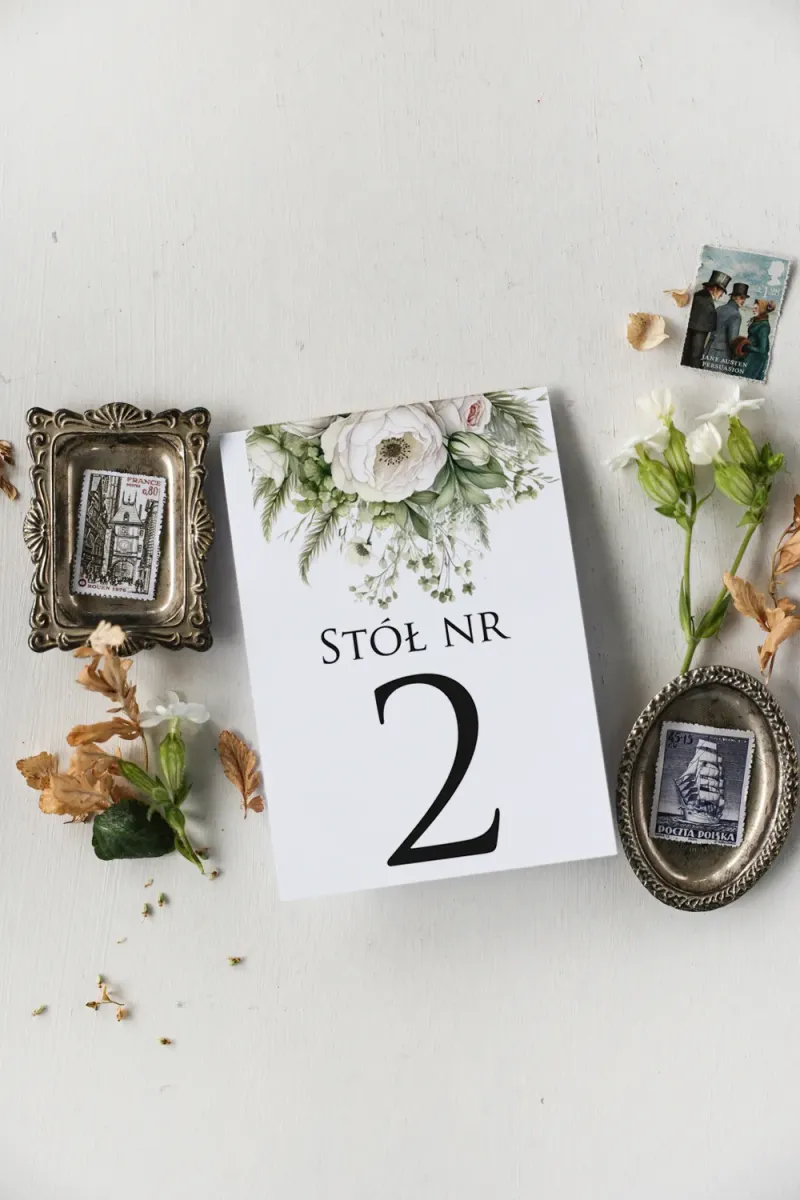
Original table numbers with a peony bouquet | Impresja No. 3
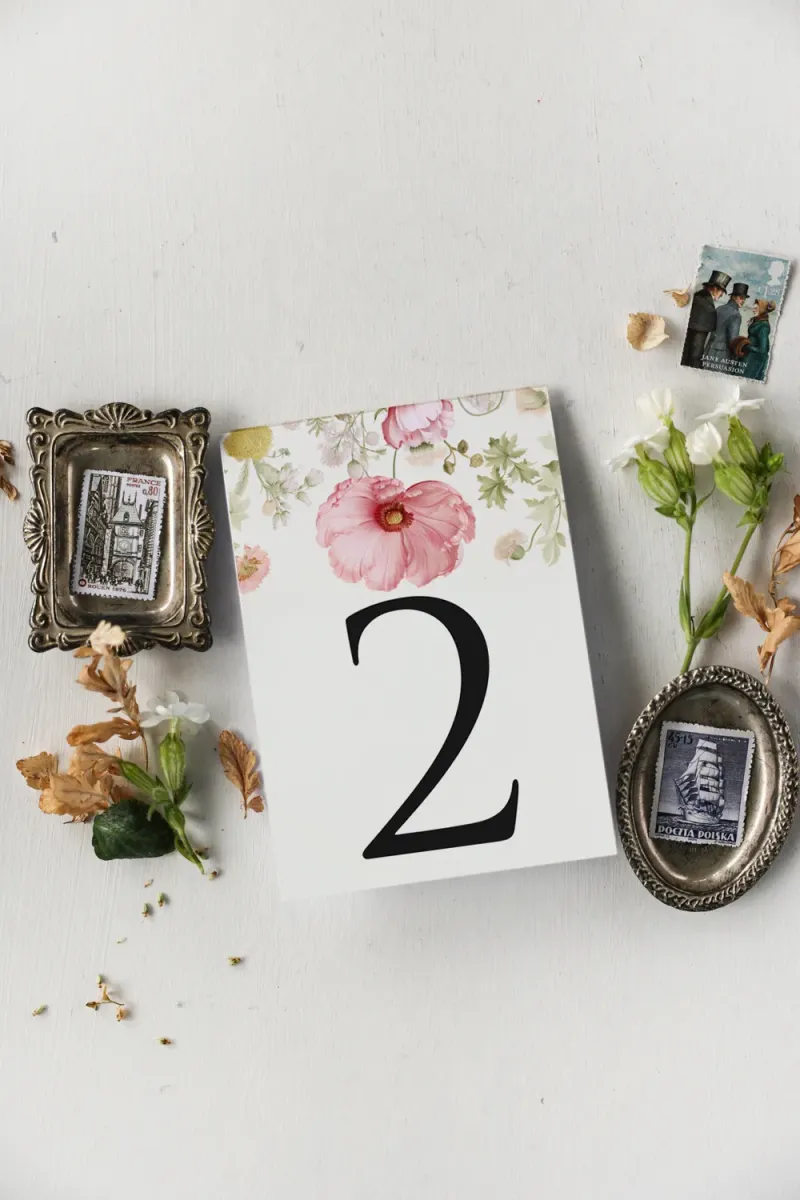
Wedding table numbers in pastel colors | Impresja No. 1
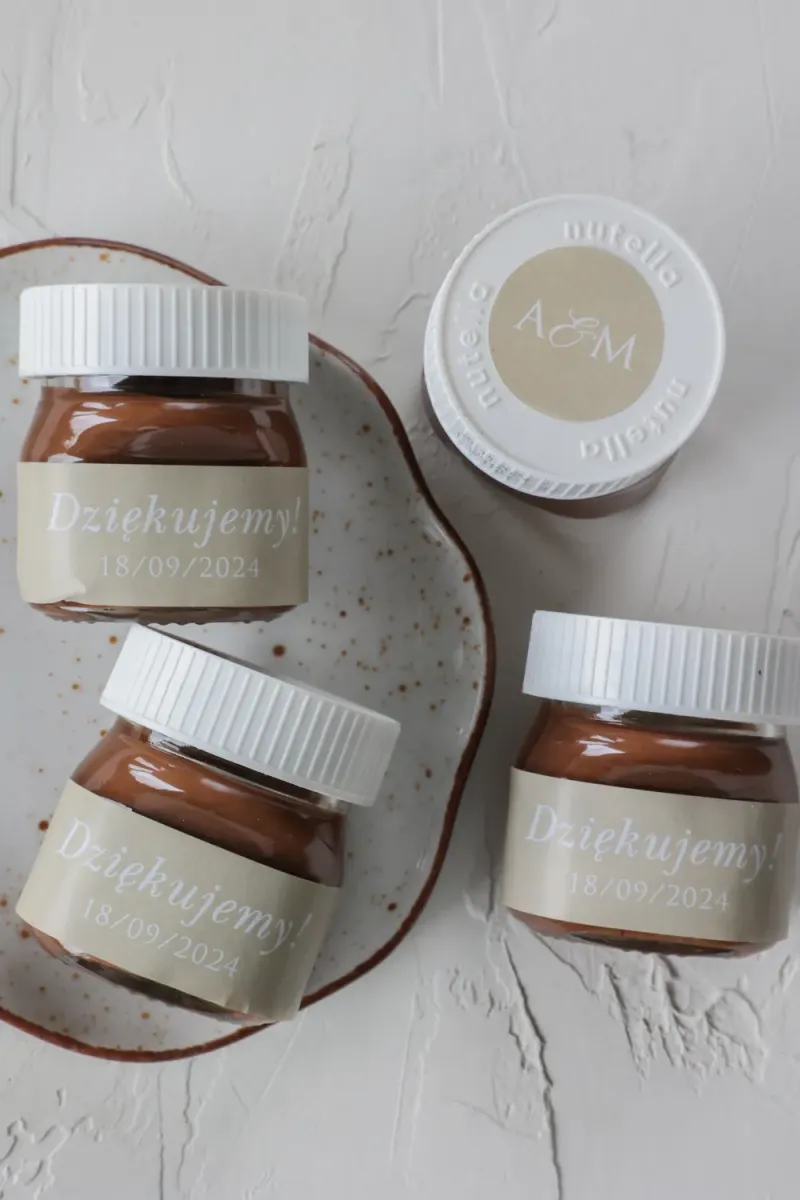
Mini Nutella jars with a floral label | Kraft No. 11
Wedding Decor and Venue Atmosphere – How Space Impacts the Guest Experience
Your wedding venue is more than just a backdrop for photos. It’s the environment where your guests will spend hours. Wedding decorations have the power to create an atmosphere—so use them intentionally.
Lighting as a Mood Setter
Cold, fluorescent lighting instantly kills the romance of a space. Warm candlelight, lanterns, and strategic uplighting are investments that pay off massively in the overall aesthetic and how comfortable your guests feel.
Scents, Sounds, and Textures – A Multisensory Wedding Experience
The scent of white florals at the entrance, the elegant texture of the paper used for your stationery, the balanced acoustics of the reception hall—these are the details that create a full sensory experience. Just be sure to avoid overly intense floral scents directly on the dining tables, so they don't overpower the aroma of the food.
Visual Cohesion – When Everything Fits Together
When all the elements—from the color palette to the choice of materials—come together seamlessly, you achieve a harmonious and elegant setting for the whole day. Guests will immediately notice that nothing is accidental, automatically elevating their perception of your event.
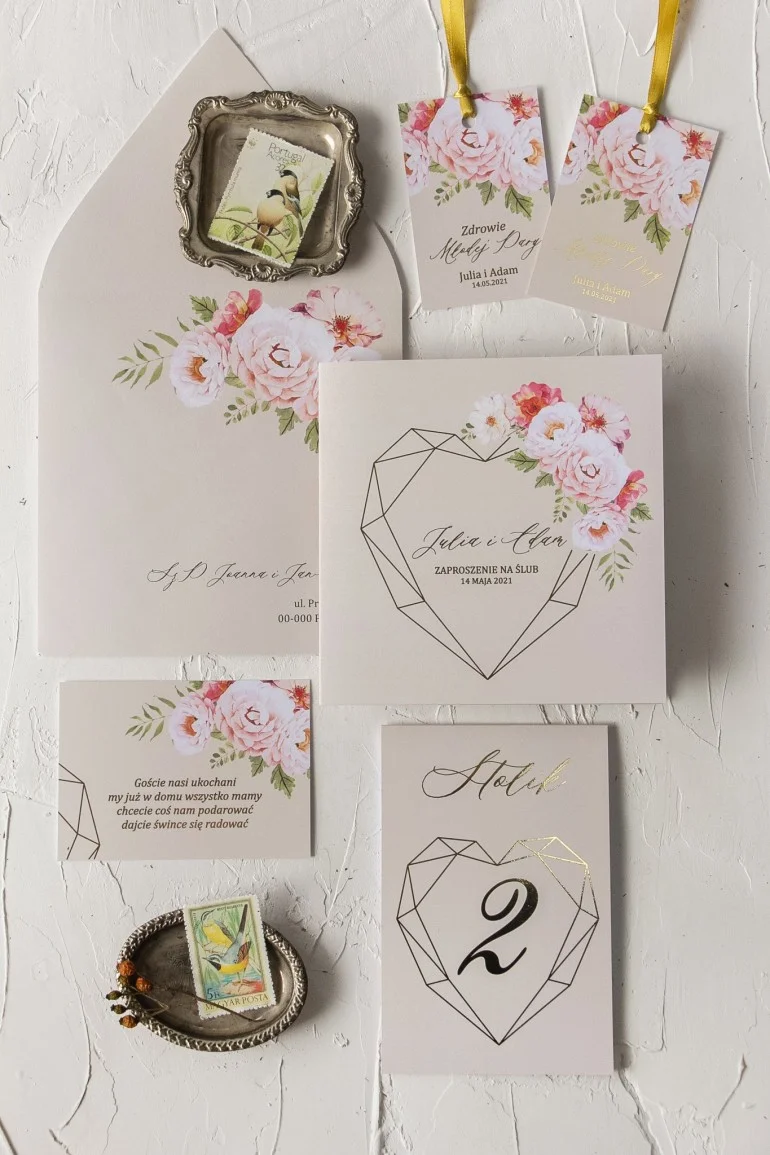
Wedding Invitations with a Gold Heart and Floral Motif | Modern and Stylish | Szafirowe No. 8
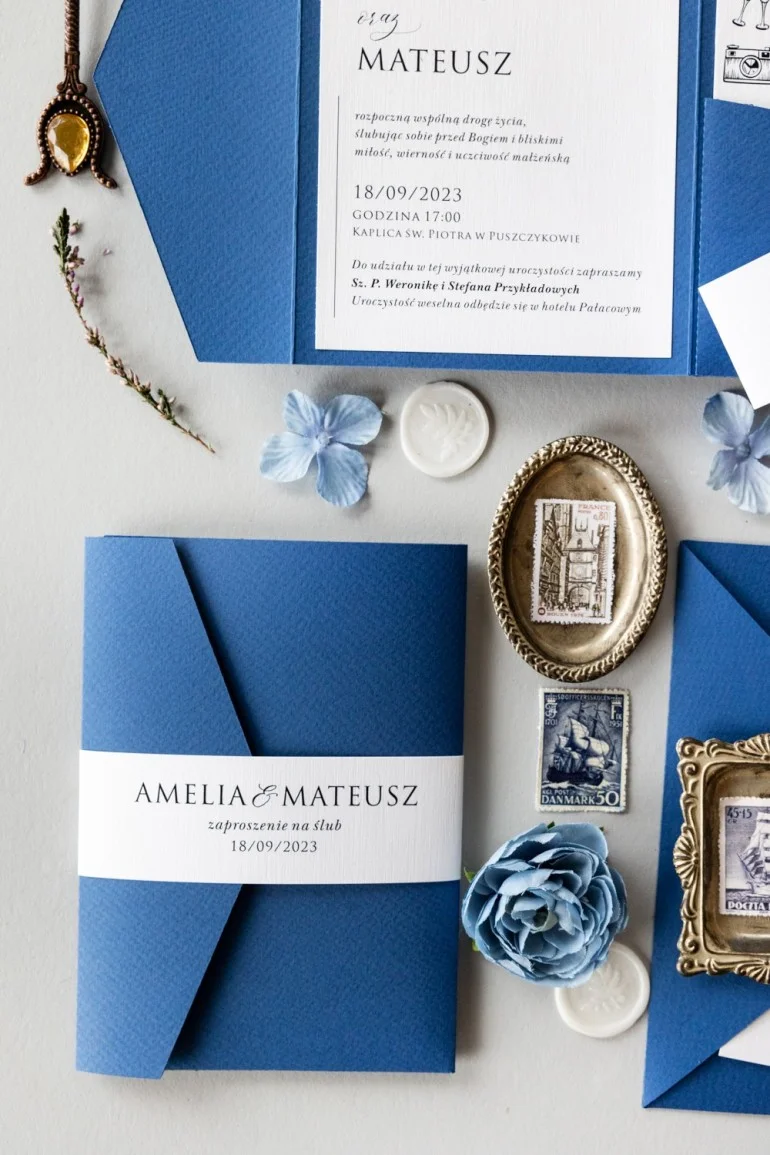
Blue, Elegant Wedding Invitation with a Pocket and Personalisation | Kraft No. 7
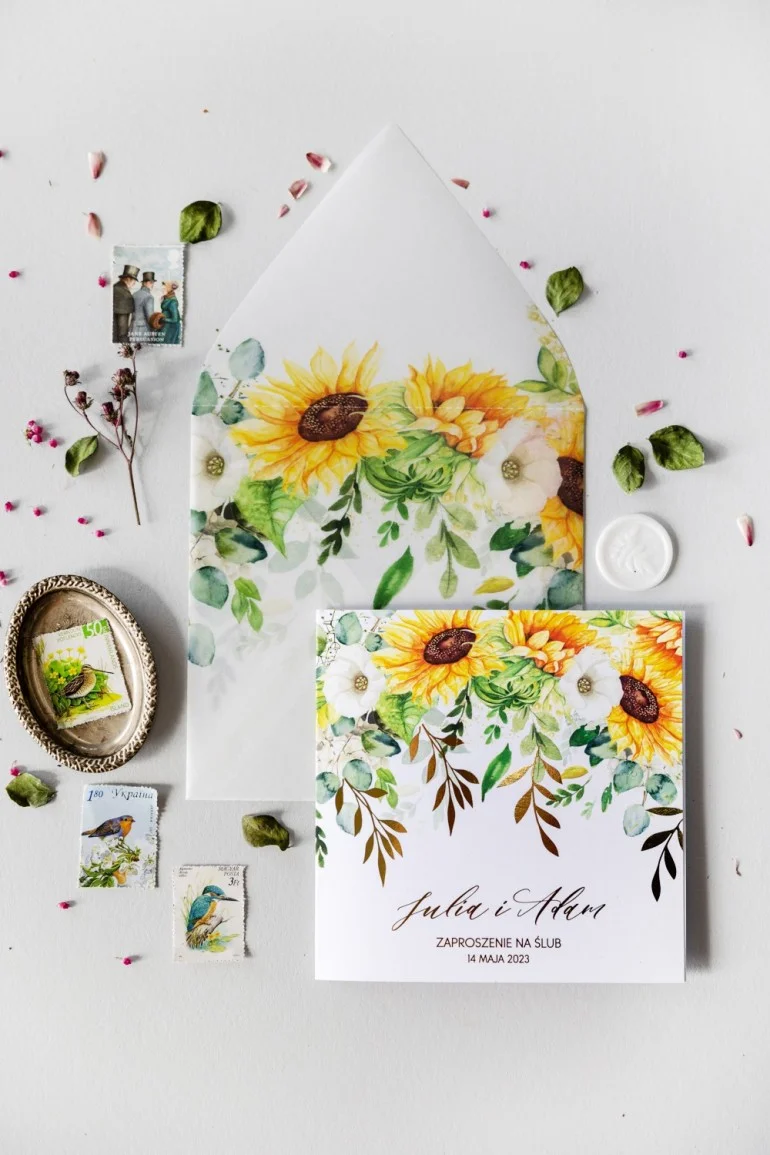
Wedding Invitations with Sunflowers and Gold Foil | Modern and Original | Rubin No. 7
Szymon Jędrzejczak
Wedding industry expert and stationery designer at Amelia-Wedding.pl. For years, she has been helping couples create unforgettable moments by combining tradition with modern design.